Bring More Songbirds To Your Ohio Backyard With These Flowers Shrubs And Trees
Ohio backyards can become lively gathering spots for songbirds with the right mix of flowers, shrubs, and trees planted in the right places.
Many birds are drawn in by reliable food sources and shelter, often returning daily once they feel safe and well fed.
Choosing plants that support them year round turns an ordinary yard into a place filled with movement, sound, and seasonal activity.
1. Coneflowers
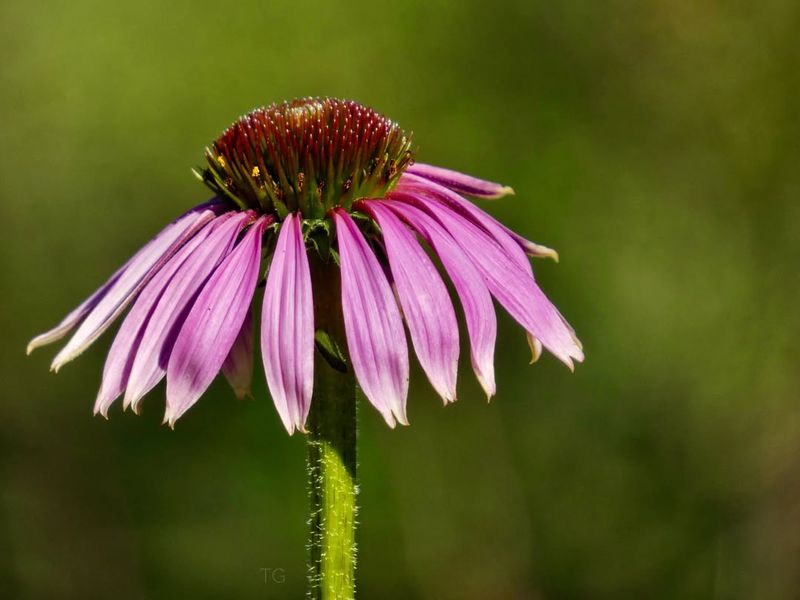
Purple petals surround a spiky center cone that goldfinches absolutely adore when seeds ripen during late summer and early fall in backyards everywhere.
Coneflowers grow easily across Ohio without requiring much attention once established, making them perfect for gardeners who want low-maintenance plants that deliver big results.
Goldfinches cling to dried seed heads throughout autumn and winter, creating delightful scenes as they extract nutritious seeds with their small beaks daily.
Plant coneflowers in sunny spots where soil drains well, and watch as these hardy perennials return year after year with minimal care needed.
Butterflies also visit the blooms during summer, adding even more color and movement to your garden while the flowers are at their peak.
Leave the seed heads standing instead of cutting them down in fall so birds can feast on the nutritious seeds all winter long.
Native to North America, coneflowers tolerate drought and heat remarkably well, thriving even during challenging Ohio summers when other plants might struggle significantly.
Their long blooming period from June through September ensures your garden stays colorful while providing consistent food sources for visiting feathered friends always.
2. Sunflowers
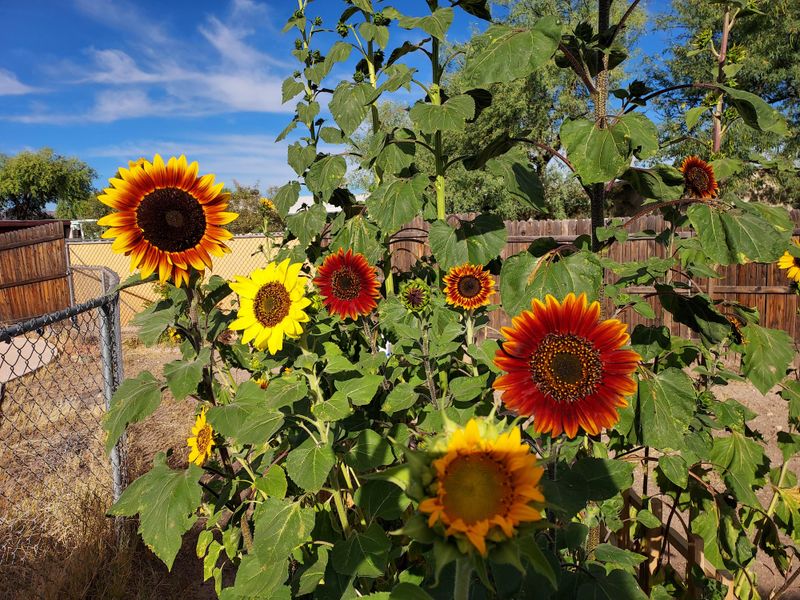
Bright yellow blooms turn heads in any garden, but the real magic happens when those giant flower heads fill with hundreds of seeds later.
Cardinals, chickadees, nuthatches, and finches all flock to sunflowers once the seeds mature, creating a busy feeding station right in your yard.
Growing sunflowers in Ohio is incredibly simple since they sprout quickly from seed and shoot up tall within just a few short weeks of planting.
Choose varieties with large heads for maximum seed production, giving your feathered visitors plenty of nutritious snacks to enjoy throughout the colder months.
Kids love watching sunflowers grow taller each day, and the plants can reach impressive heights that make them fun focal points in any landscape.
Allow some flower heads to dry naturally on the stalks so birds can perch and eat seeds directly from the source all autumn long.
Sunflowers also attract beneficial insects during their blooming phase, supporting a healthy garden ecosystem that benefits all wildlife visiting your Ohio property regularly.
Plant them in full sun with well-drained soil, and enjoy the cheerful blooms followed by months of entertainment watching birds feast happily.
3. Cardinal Flower
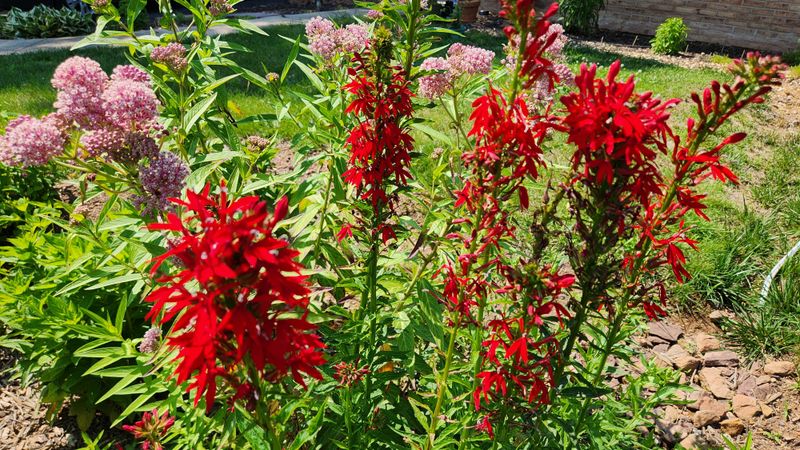
Brilliant red spikes shoot upward from this moisture-loving perennial, creating dramatic vertical interest that catches eyes from across any Ohio garden or landscape.
Hummingbirds zoom straight to these tubular blooms, hovering expertly as they sip nectar from each flower during their peak blooming period in summer.
While hummingbirds are the primary pollinators, other songbirds benefit from the insects attracted to the area, creating a lively feeding zone for everyone.
Cardinal flowers prefer moist soil and can even tolerate wet conditions near ponds, streams, or rain gardens where many other plants would struggle.
Their striking red color is rare among native wildflowers, making them stand out beautifully against green foliage and other softer-colored blooms in beds.
Plant them in partial shade to full sun, ensuring the soil stays consistently moist for best growth and the most impressive flower displays.
Native to Ohio and much of eastern North America, cardinal flowers support local ecosystems while requiring minimal care once properly established in suitable locations.
Watching hummingbirds visit these stunning red blooms is a highlight of summer gardening, bringing energy and excitement to your outdoor spaces daily.
4. Black Eyed Susan
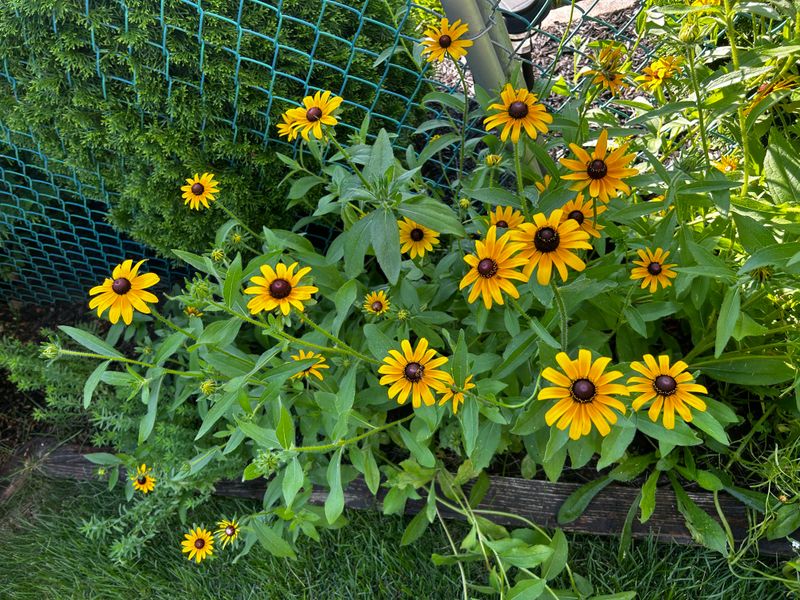
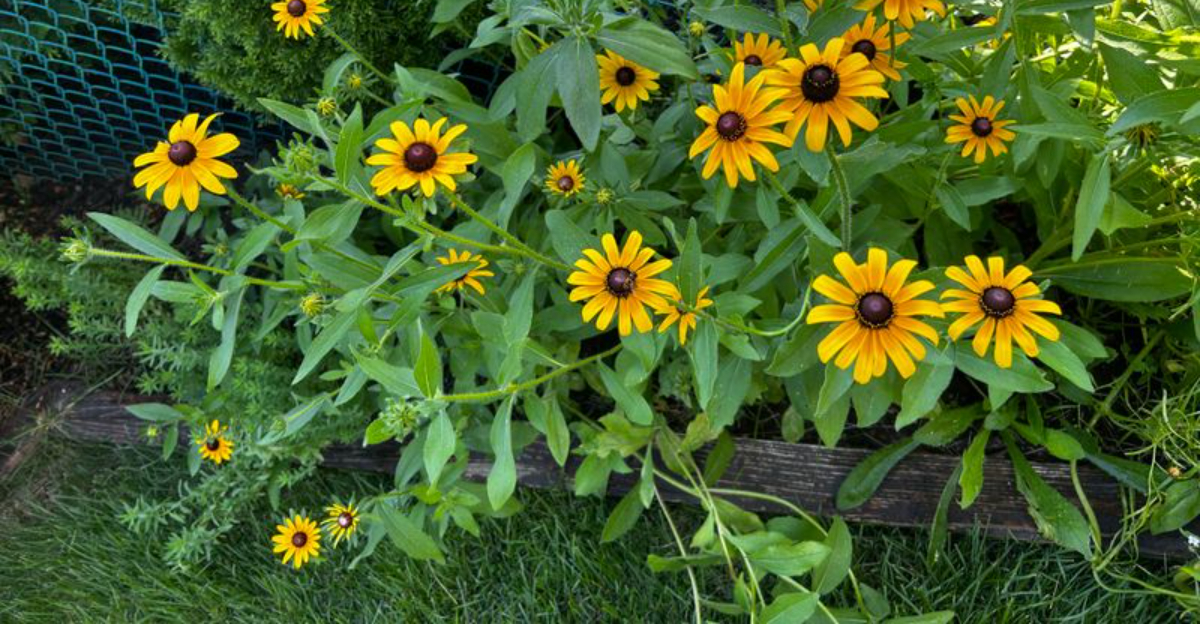
Golden petals radiate around dark chocolate centers, creating cheerful daisy-like blooms that brighten gardens from midsummer through early fall across Ohio landscapes everywhere.
Finches especially love the seeds that develop after flowers fade, perching on the sturdy stems and plucking out nutritious morsels throughout autumn months.
Black-eyed Susans tolerate a wide range of soil conditions and handle drought remarkably well once their roots establish deeply in the ground.
Their carefree nature makes them ideal for beginner gardeners or anyone seeking colorful, reliable plants that attract birds without demanding constant attention or maintenance.
These cheerful flowers spread gradually over time, filling in gaps and creating naturalized drifts that look stunning in meadow-style plantings or informal borders.
Leave the seed heads intact through winter so birds can continue feeding when other food sources become scarce during cold Ohio weather patterns.
Native to North America, black-eyed Susans support local wildlife while adding long-lasting color that complements nearly any garden style or color scheme beautifully.
Plant them in full sun for best blooming results, and enjoy their low-maintenance beauty along with the birds they bring to your yard.
5. Serviceberry
Delicate white flowers appear in early spring before most other plants wake up, signaling the start of a new growing season across Ohio neighborhoods.
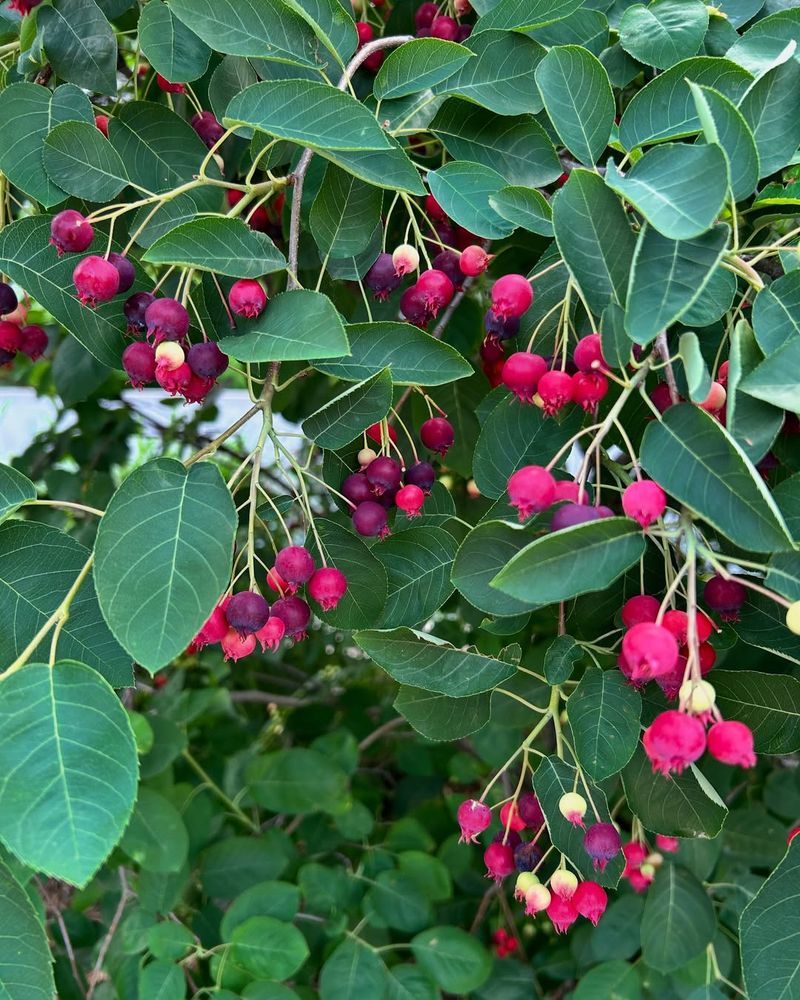
By early summer, small purple berries ripen and disappear quickly as robins, waxwings, catbirds, and thrushes eagerly devour every single one they can find.
Serviceberry works beautifully as a small tree or large shrub, fitting perfectly into yards of various sizes without overwhelming smaller outdoor spaces.
Its multi-season interest includes spring blooms, summer fruit, attractive foliage, and stunning fall color that ranges from yellow to orange to deep red.
Native to Ohio and much of North America, serviceberry is incredibly hardy and adapts well to different soil types and light conditions throughout regions.
Birds appreciate the early berry crop when other food sources are still developing, making this shrub an important part of any bird-friendly landscape.
Humans can also enjoy the sweet berries if they harvest them quickly before birds claim the entire crop for themselves each summer season.
Plant serviceberry in full sun to partial shade, and watch it become a focal point that offers beauty and wildlife value year-round.
6. Elderberry
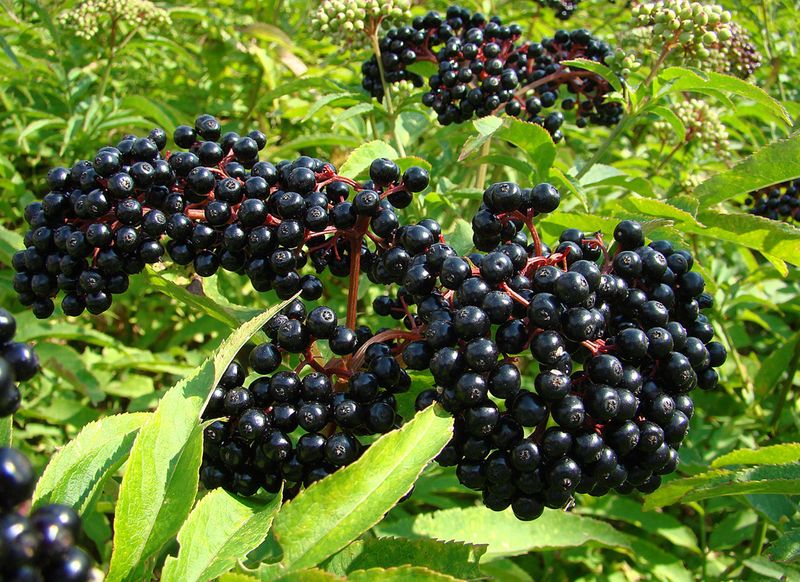
Flat-topped clusters of creamy white flowers bloom in early summer, attracting pollinators before transforming into heavy bunches of dark purple berries by late summer.
Over forty bird species eat elderberries, including orioles, grosbeaks, thrushes, and waxwings, making this shrub a true wildlife magnet in any Ohio yard.
Elderberry grows vigorously and can reach impressive sizes quickly, so give it plenty of room to spread and develop its naturally arching form.
The berries are also edible for humans when cooked properly, though birds usually claim most of the crop before homeowners can harvest much.
Plant elderberry in moist, fertile soil where it receives full sun for the heaviest berry production and the healthiest overall growth each season.
Its fast growth rate and spreading habit make elderberry perfect for naturalized areas, hedgerows, or large informal borders where space is not limited.
Native elderberry varieties are especially valuable for supporting local ecosystems and providing food during critical migration periods when birds need energy-rich meals.
Watching flocks of birds descend on ripe elderberry clusters is a memorable sight that happens every late summer in Ohio backyards everywhere.
7. Winterberry
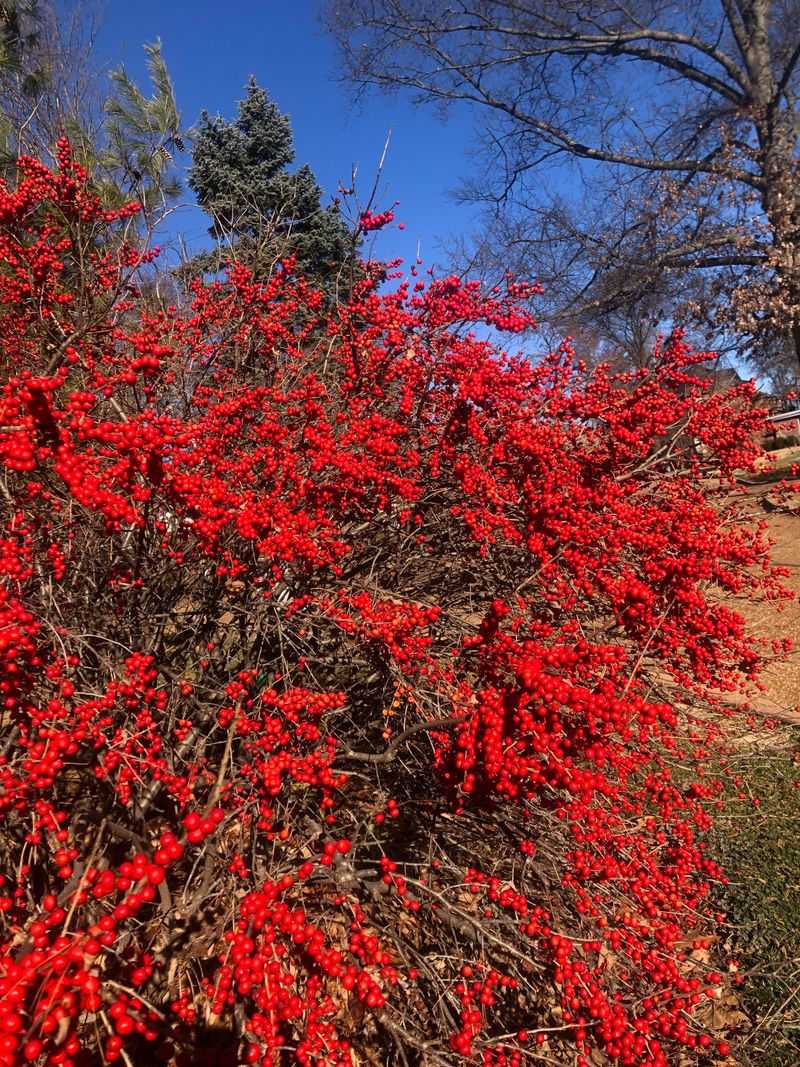
Bright red berries cover bare branches after leaves drop in autumn, creating stunning winter displays that glow against snowy Ohio landscapes beautifully.
Robins, bluebirds, mockingbirds, and waxwings rely on these persistent berries during cold months when other food sources have long since disappeared completely.
Winterberry is a deciduous holly, meaning it loses its leaves in fall, which actually makes the brilliant berry display even more dramatic and visible.
For best berry production, plant both male and female shrubs since only female plants produce berries but require a male pollinator nearby for success.
This native shrub tolerates wet soil and even thrives in areas with poor drainage where many other landscape plants would struggle or fail entirely.
The berries often persist well into winter, providing critical nutrition for birds when temperatures drop and natural food becomes scarce across the region.
Winterberry adds incredible color to dormant winter gardens, brightening dreary days while supporting wildlife that chooses to stay in Ohio year-round instead of migrating.
Plant winterberry in full sun to partial shade in moist soil, and enjoy the spectacular show it provides during the coldest months.
8. Red Osier Dogwood
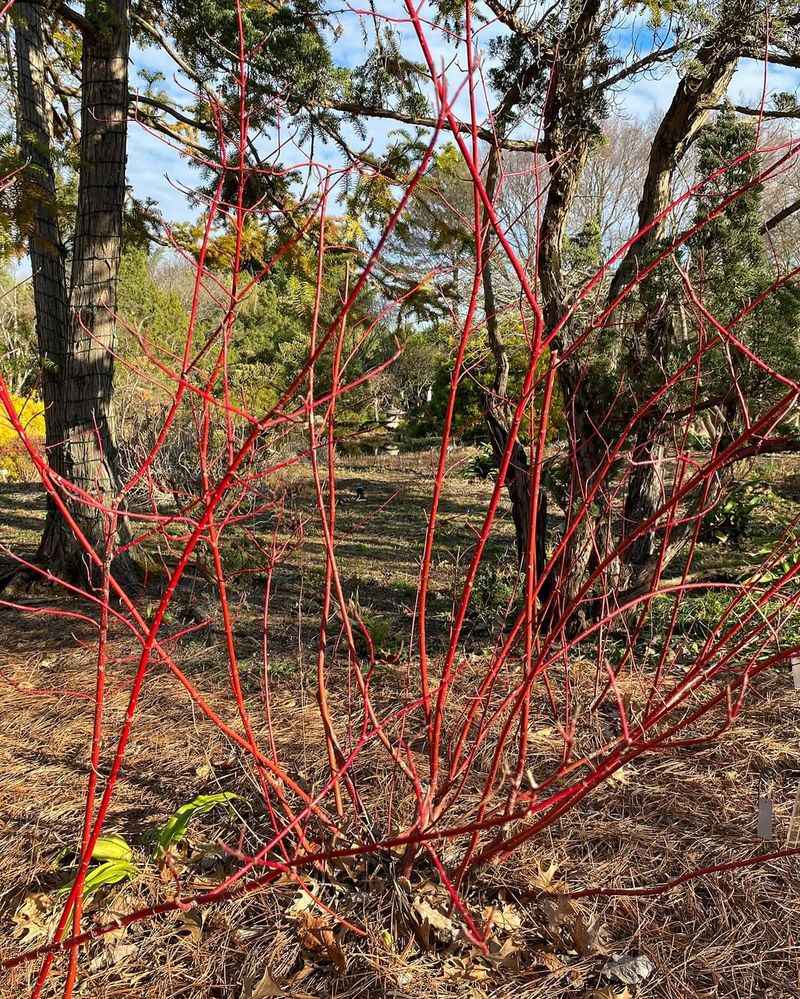
Brilliant red stems steal the show during winter months, providing vibrant color when most other plants fade into dull browns and grays across Ohio.
Small white berries appear in late summer and attract numerous songbird species including waxwings, thrushes, and vireos who eagerly consume the nutritious fruit.
Red osier dogwood thrives in wet areas and can even tolerate standing water, making it perfect for rain gardens or low spots where drainage is poor.
Its spreading growth habit creates dense thickets that provide excellent cover and nesting sites for birds seeking shelter from predators and harsh weather conditions.
The striking red stems are most vibrant on younger growth, so pruning older stems periodically encourages fresh shoots with the brightest winter color.
Native to much of North America including Ohio, this adaptable shrub handles cold winters and various soil types without requiring special care or attention.
Birds appreciate both the food and shelter this shrub provides, making it a valuable addition to any wildlife-friendly landscape design in the region.
Plant red osier dogwood in full sun to partial shade, and enjoy its multi-season interest from spring blooms through winter stem color.
9. Eastern Red Cedar
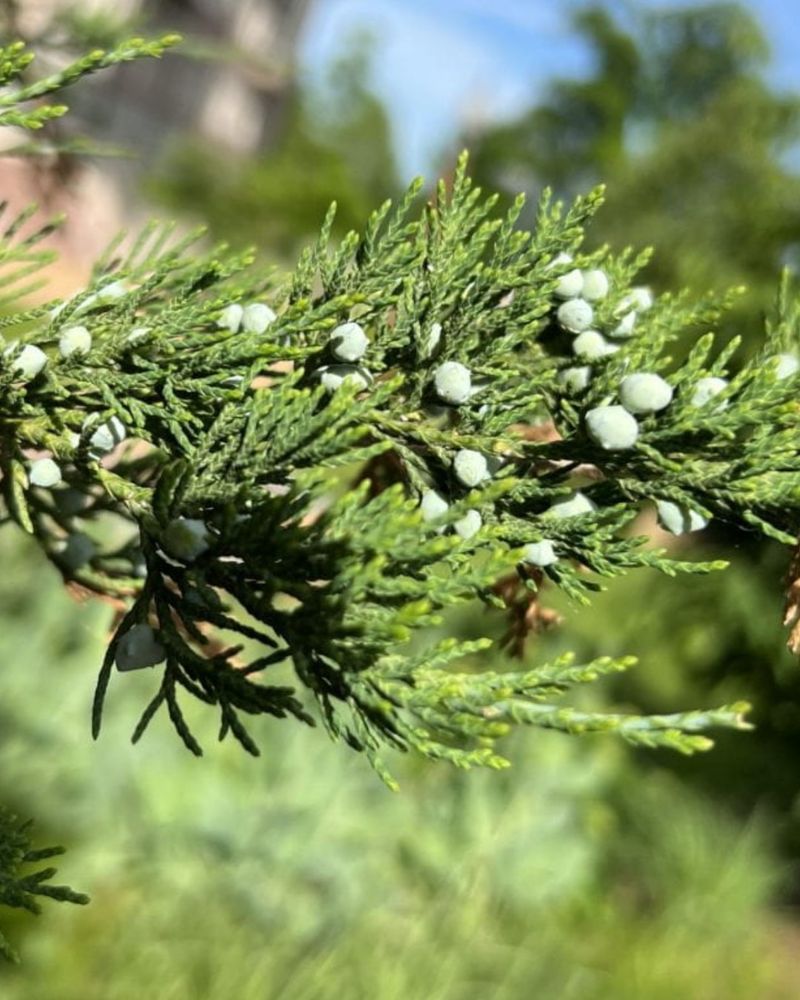
Dense evergreen foliage provides year-round shelter for birds seeking protection from wind, snow, and predators throughout every season in Ohio backyards and natural areas.
Small blue berry-like cones ripen in fall and persist through winter, offering food for waxwings, robins, bluebirds, and many other species during harsh months.
Eastern red cedar is incredibly tough and tolerates poor soil, drought, and harsh conditions that would stress or damage less hardy tree species.
Its pyramidal shape and aromatic foliage make it an attractive landscape tree that also serves important ecological functions for wildlife populations throughout the region.
Birds often nest in the dense branches, appreciating the excellent cover and protection the thick evergreen foliage provides from spring through summer nesting seasons.
Native to Ohio and much of eastern North America, this cedar adapts to various sites from dry hillsides to open fields without requiring irrigation.
The tree can grow quite large over time, so plan for its mature size when selecting a planting location in your yard or property.
Eastern red cedar is a valuable addition to any bird-friendly landscape, offering food, shelter, and nesting sites that support diverse songbird populations year-round.
10. Oak Trees
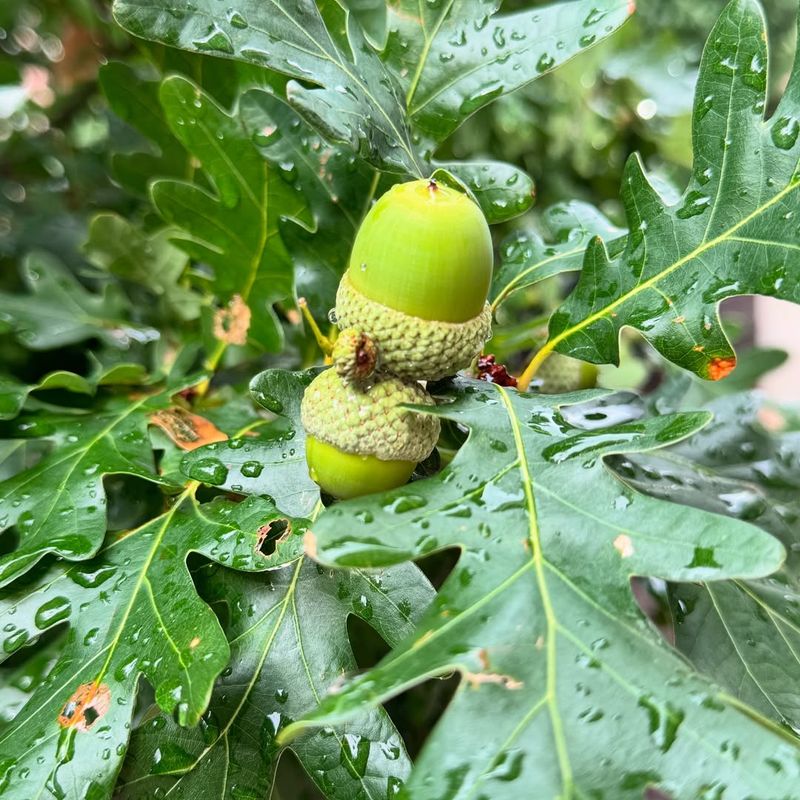
Mighty oaks support more wildlife than almost any other tree species, hosting hundreds of insect species that provide essential protein for hungry nestlings each spring.
Acorns feed jays, woodpeckers, nuthatches, and many other birds during fall and winter, creating a critical food source when temperatures drop across Ohio.
The large canopy and sturdy branches offer ideal nesting sites and shelter for numerous bird species that prefer mature trees with strong, stable structures.
Oaks grow slowly but live for generations, becoming more valuable for wildlife with each passing year as they mature and develop character.
Native oak species like white oak, red oak, and pin oak are all excellent choices for Ohio landscapes with room for large trees.
Their impressive size and longevity make oaks a legacy planting that future generations will enjoy while supporting countless birds and other wildlife over time.
Fall foliage adds seasonal color ranging from russet to deep red, creating beautiful autumn displays before leaves drop and acorns become accessible to foraging birds.
Plant oak trees in full sun with adequate space to spread, and know you are making a lasting investment in your local ecosystem.
11. Wild Bergamot
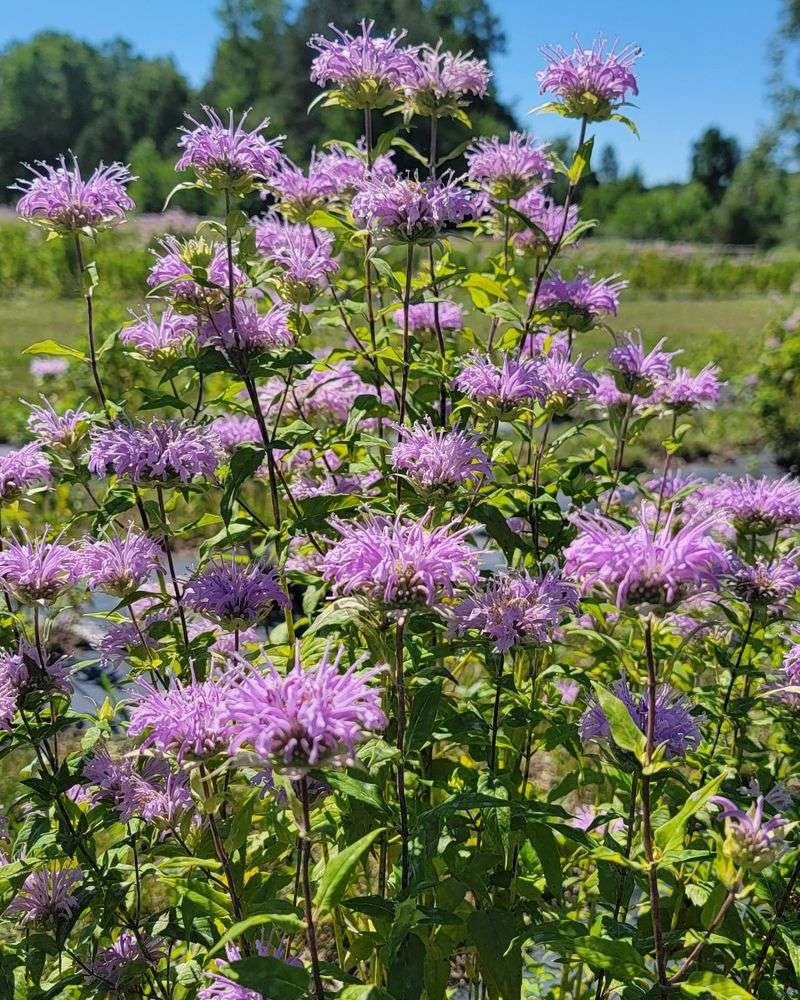
Lavender-pink tubular flowers bloom in mid to late summer, attracting hummingbirds and countless pollinators that buzz around the fragrant blossoms all day long.
After flowers fade, seed heads form and provide food for finches and sparrows who skillfully extract the small seeds throughout autumn in Ohio gardens.
Wild bergamot, also called bee balm, spreads gradually to form attractive clumps that fill space beautifully without becoming overly aggressive or problematic in beds.
The minty fragrance of the foliage adds another sensory dimension to gardens, releasing pleasant scents when leaves are brushed or crushed during garden work.
Native to Ohio and much of North America, wild bergamot thrives in average soil and handles summer heat and occasional drought remarkably well once established.
Its long blooming period ensures consistent nectar sources for hummingbirds during their breeding season, supporting these tiny birds when they need energy most for raising young.
Wild bergamot works beautifully in prairie-style plantings, pollinator gardens, or mixed borders where its informal habit complements other native perennials and grasses perfectly.
Plant wild bergamot in full sun to light shade, and enjoy the parade of birds and beneficial insects it attracts to your yard.