Budget Friendly Ground Covers To Fill Empty Spaces In Pennsylvania Gardens
Empty patches in a Pennsylvania garden have a way of making the whole space look unfinished. Maybe there is a bare strip along the walkway, a thin area under shrubs, or an awkward spot where grass just refuses to cooperate.
Those little gaps can be surprisingly frustrating, especially when you want the yard to look fuller without spending a fortune. The good news is that you do not need a big budget to make those spaces look a whole lot better.
That is where budget-friendly ground covers come in. The right ones can spread nicely, soften rough edges, and add texture or color without asking for constant attention.
Some are great for sunny spots, some handle shade, and some do a nice job of covering problem areas where other plants struggle. For Pennsylvania gardeners trying to stretch their dollars, these low-cost options can do a lot of heavy lifting.
A smart ground cover can make the yard feel more polished, more inviting, and much more complete without turning into an expensive project.
1. Pennsylvania Sedge (Carex Pensylvanica)
If you have ever stared at a dry, shaded patch under your trees and wondered what on earth could grow there, Pennsylvania Sedge might just be your answer. This native plant is named after our state for good reason.
It thrives naturally across Pennsylvania woodlands and fits right into most home landscapes without much fuss.
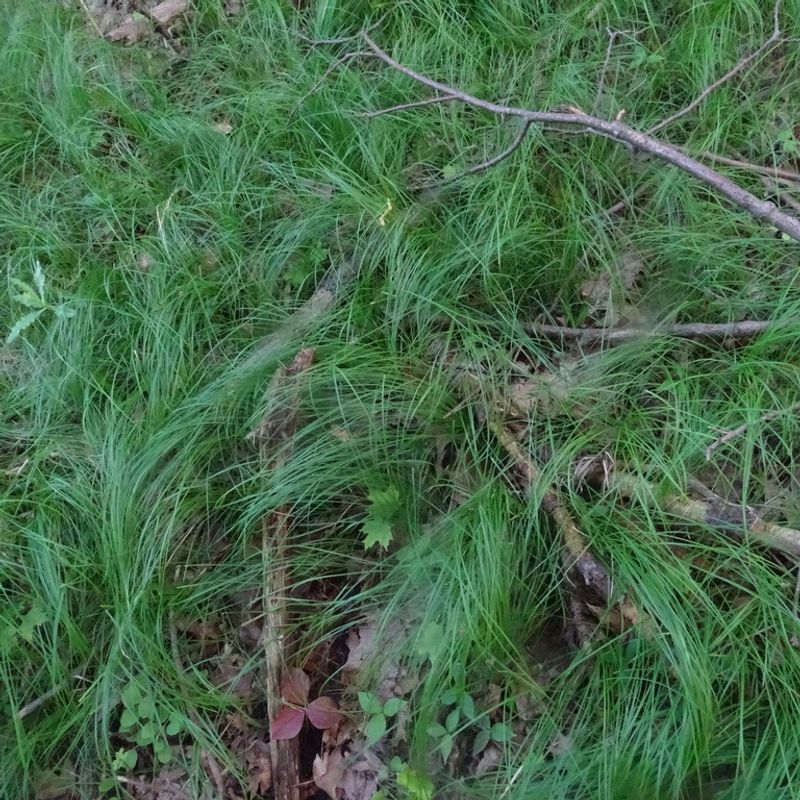
Pennsylvania Sedge grows in a soft, arching mound that looks a lot like fine grass. Over time, it spreads slowly through underground rhizomes to form a smooth, low carpet.
You do not need to mow it often, and it rarely needs watering once it gets established in the ground.
One of the best things about this plant is how well it handles dry shade. Most grass types struggle and thin out under large trees where roots compete for moisture.
Pennsylvania Sedge actually thrives in those tough spots, making it one of the most practical lawn alternatives available to Pennsylvania gardeners on a tight budget.
Because it is a native plant, it supports local insects and wildlife naturally. Birds sometimes use the seed heads as a food source in late summer and fall.
Planting natives also means you are helping restore a bit of the natural ecosystem right in your own backyard.
You can buy Pennsylvania Sedge from native plant nurseries at very reasonable prices. A small plug or division goes a long way.
Plant several together and they will gradually fill your empty spaces with a lush, low-maintenance carpet that looks tidy all season long.
2. Creeping Phlox (Phlox Subulata)
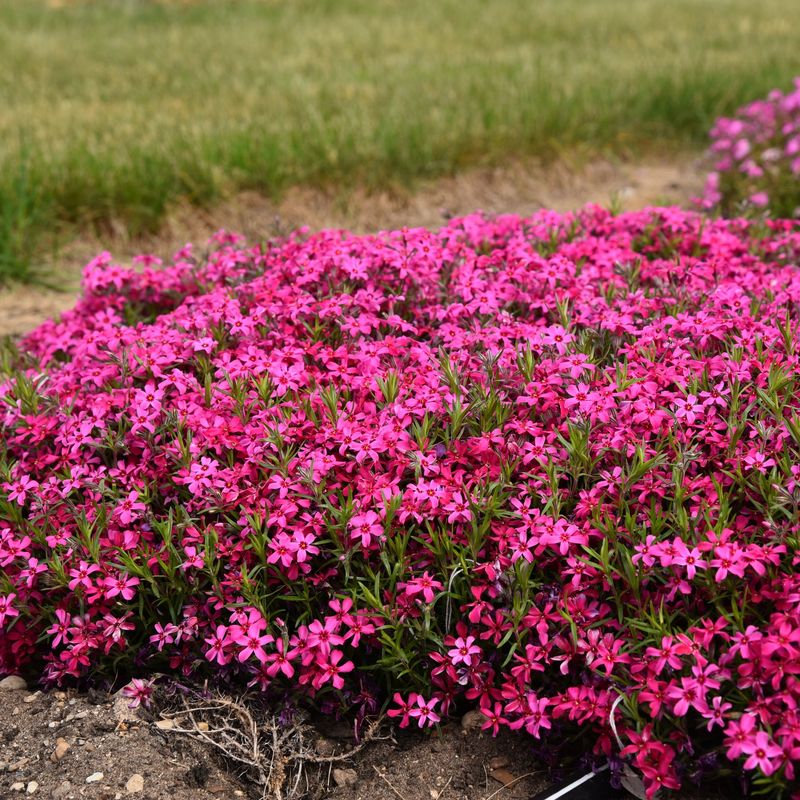
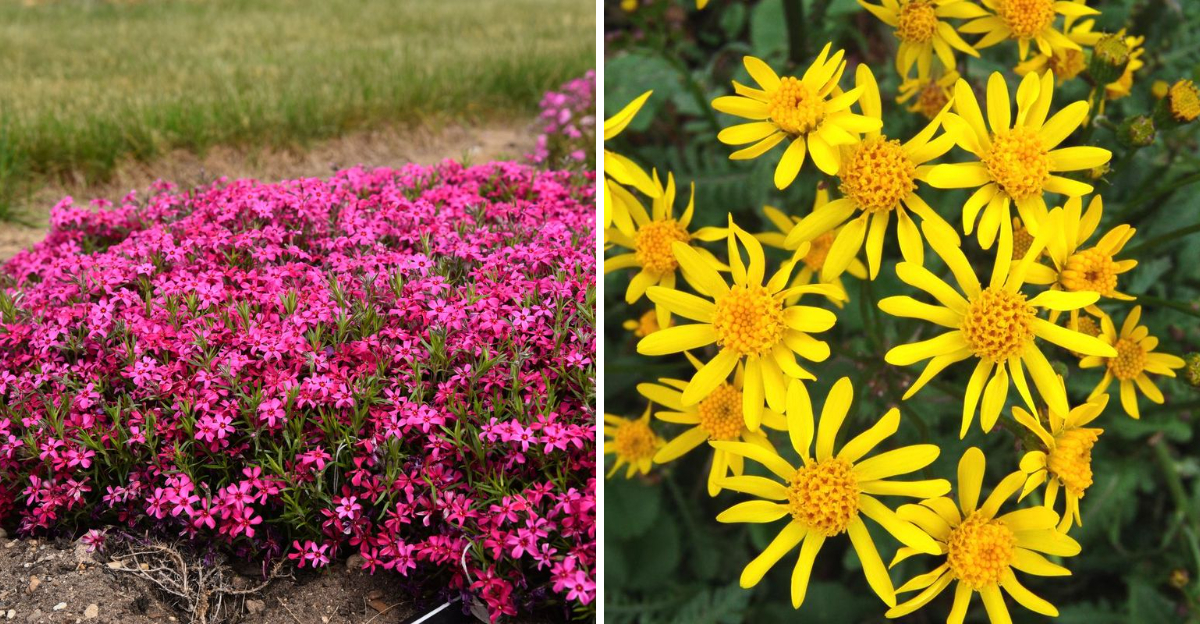
Few plants put on a spring show quite like Creeping Phlox. Walk through almost any Pennsylvania neighborhood in April or May and you will likely spot a slope or garden border absolutely covered in a wave of pink, purple, white, or blue blooms.
It is one of the most cheerful sights of the season, and the good news is that it costs very little to get started.
Creeping Phlox spreads steadily across the ground, forming a dense, evergreen mat that stays attractive even when it is not in bloom. The needle-like foliage stays green through winter, which means your garden looks tidy year-round.
Once established, this plant is incredibly tough and asks for very little in return. Slopes and hillsides are where Creeping Phlox really shines. It holds soil in place and prevents erosion while filling empty spaces with lush growth.
Many Pennsylvania gardeners use it along driveways, retaining walls, and garden borders to create a polished, low-effort look that impresses neighbors every spring.
Full sun and well-drained soil are the main requirements for this plant to perform at its best. It does not like soggy roots, so avoid planting it in low spots that collect water. A light trim after the blooms fade helps keep the mat tidy and encourages fresh growth.
Buying Creeping Phlox in small pots or as divisions from a friend is very affordable. One plant can spread up to two feet wide, so a handful of plants goes a long way in filling those empty garden spaces across your Pennsylvania yard.
3. Wild Ginger (Asarum Canadense)
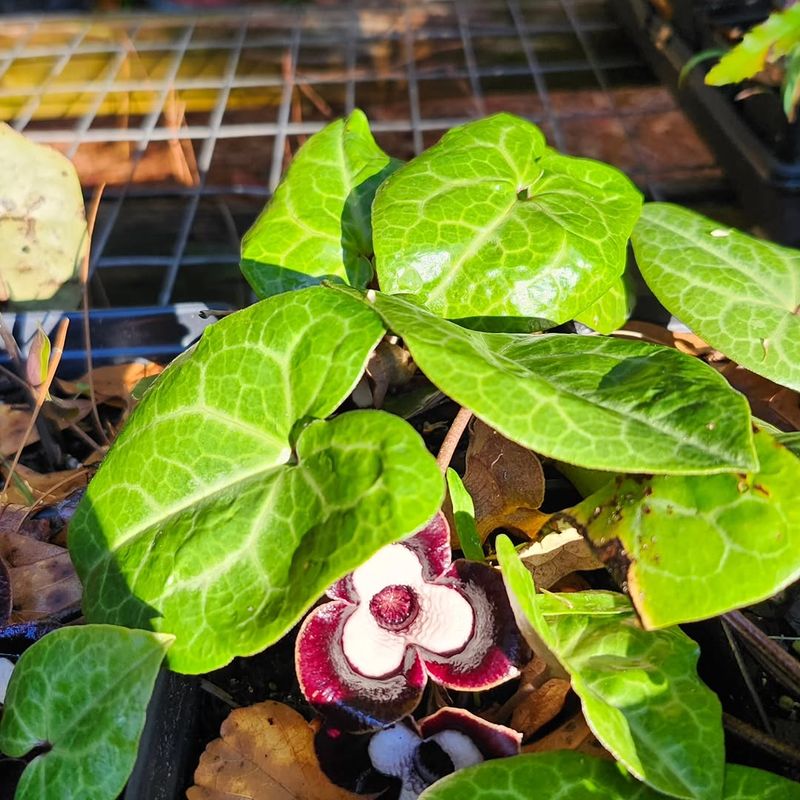
There is something quietly magical about Wild Ginger. Tuck it into a shaded corner of your Pennsylvania garden and watch it slowly transform bare soil into a rich, lush carpet of heart-shaped leaves.
It is not a flashy plant, but it has a quiet elegance that makes shaded garden beds look polished and intentional.
Wild Ginger is a native species that grows naturally across Pennsylvania woodlands. The leaves are broad, dark green, and deeply attractive.
They emerge in spring and stay through the growing season, forming a dense canopy close to the ground that shades out weeds effectively. Less weeding means less work for you.
Spreading slowly through underground rhizomes, Wild Ginger is patient but reliable. It does not take over aggressively like some non-native ground covers.
Instead, it fills space gradually and naturally, making it easy to manage in smaller garden areas or shaded beds near the house.
Did you know the roots of Wild Ginger have a mild ginger-like scent when crushed? Early American settlers actually used it as a spice substitute.
While it is not commonly used in cooking today, that fun detail makes it a great conversation starter when guests visit your garden.
Wild Ginger pairs beautifully with other shade-loving natives like Foamflower and Pennsylvania Sedge. Planting them together creates a layered woodland look that feels natural and requires minimal upkeep.
You can find Wild Ginger at native plant sales across Pennsylvania, often at very wallet-friendly prices that make filling empty spaces easy and enjoyable.
4. Golden Groundsel (Packera Aurea)
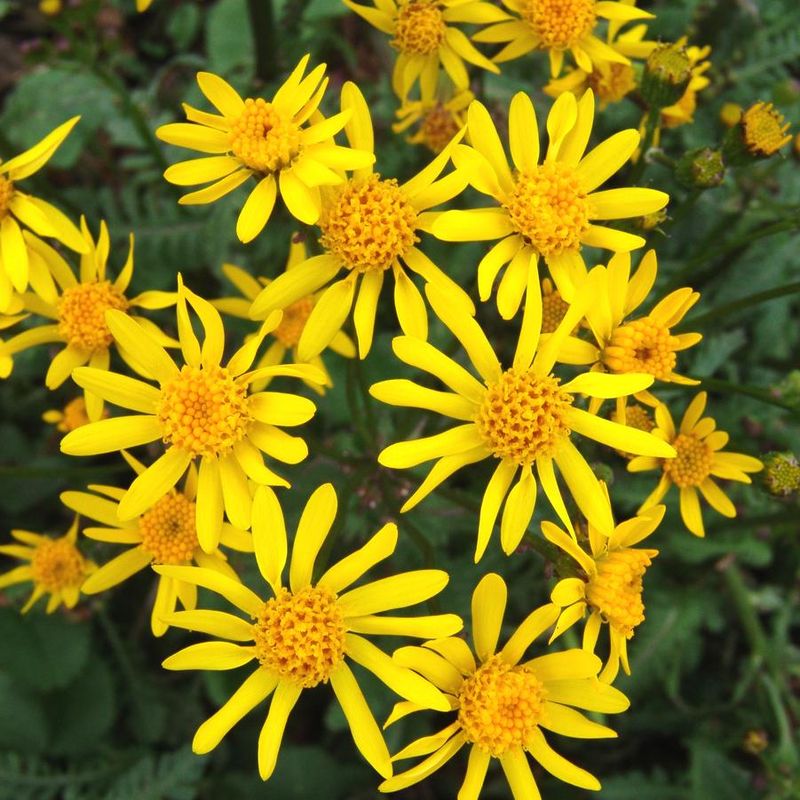
Want to fill a large empty area fast without spending a fortune? Golden Groundsel is one of the quickest-spreading native ground covers you can plant in Pennsylvania.
In just a couple of growing seasons, it can cover a surprisingly large patch of bare ground with thick foliage and cheerful yellow flowers.
Each spring, Golden Groundsel bursts into bloom with clusters of bright yellow, daisy-like flowers held above the foliage on tall stems. The display is eye-catching and attracts early pollinators like bees and butterflies that are just waking up after winter.
After the blooms fade, the dark green, heart-shaped leaves continue to cover the ground densely all season long.
Pennsylvania gardeners dealing with large, hard-to-manage slopes or wet, low-lying areas will find Golden Groundsel especially useful. It tolerates both moist and average soils, and it handles partial to full shade with ease.
Few plants are as adaptable or as willing to grow in challenging conditions without complaints.
Because it spreads so efficiently, Golden Groundsel crowds out weeds naturally. Once it gets established, you spend far less time pulling unwanted plants from your beds.
That alone makes it worth every penny for anyone trying to cut down on garden maintenance in Pennsylvania.
You can start with just a few plants and let them do the work. Dividing clumps every few years and replanting the divisions is a great way to expand your coverage for free.
Golden Groundsel is truly one of Pennsylvania’s most hardworking, budget-friendly ground cover options available today.
5. Foamflower (Tiarella Cordifolia)
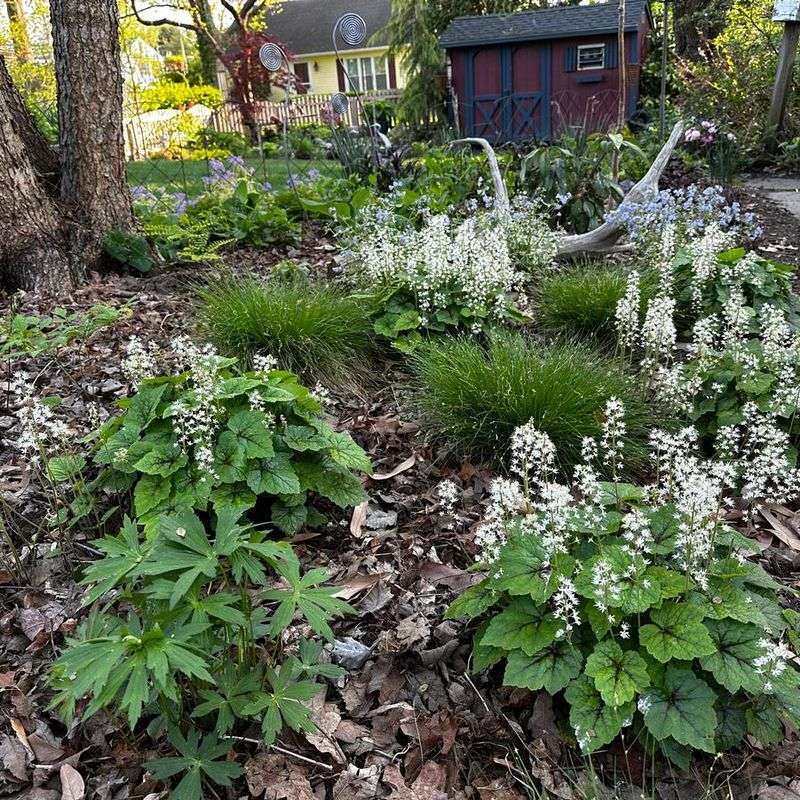
Foamflower gets its name from the frothy, white flower spikes it sends up each spring, and once you see them in person, the name makes perfect sense.
The blooms look like tiny foam bubbles floating above the foliage, creating a soft and whimsical effect in shaded garden beds across Pennsylvania. It is one of those plants that genuinely makes people stop and look twice.
Beyond the flowers, Foamflower offers beautiful foliage that carries interest through the entire growing season. The leaves are deeply lobed and often feature burgundy or bronze markings along the veins, giving the plant a decorative quality even when it is not blooming.
Some varieties hold their leaves well into late fall, extending the visual appeal of your garden.
Foamflower spreads gradually by sending out short runners, slowly filling in empty shaded spaces without becoming invasive or hard to control. It works wonderfully under trees, along shaded pathways, or in woodland-style garden beds.
Pair it with Wild Ginger or Pennsylvania Sedge for a layered native planting that looks professionally designed.
Maintenance is minimal once Foamflower settles in. It prefers moist, well-drained soil rich in organic matter, but it is forgiving and adapts well to average garden conditions found across Pennsylvania.
Watering during dry spells in the first season helps it get established quickly. Native plant sales, garden clubs, and local nurseries across Pennsylvania often carry Foamflower at very reasonable prices.
A few small plants will multiply steadily over the years, giving you more ground coverage without spending extra money each season.
6. Allegheny Spurge (Pachysandra Procumbens)
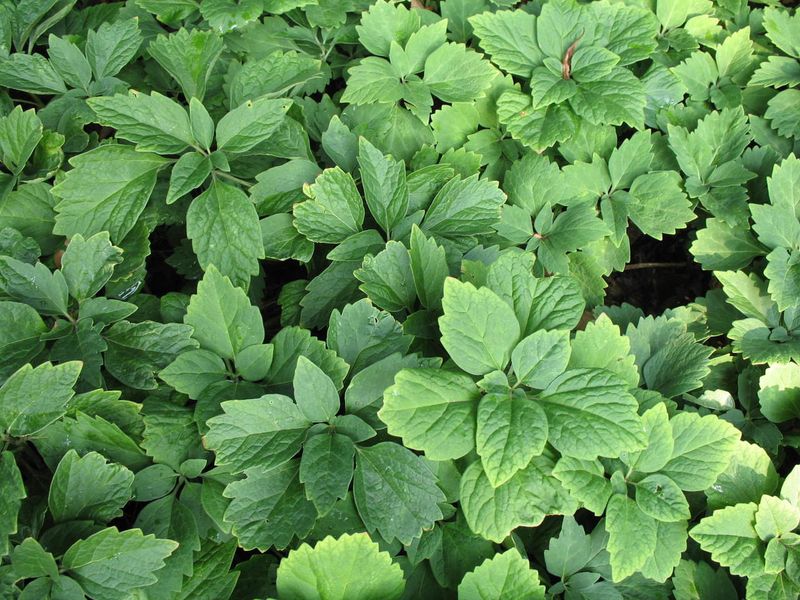
Most gardeners have heard of Japanese Pachysandra, the common evergreen ground cover planted under trees in yards across the country. But here in Pennsylvania, there is a native version worth knowing about, and it is arguably more beautiful.
Allegheny Spurge is the American cousin, and it deserves far more attention than it typically gets.
The foliage of Allegheny Spurge is genuinely stunning. The leaves are large, rounded, and often marked with silvery-gray patterns that make each plant look almost hand-painted.
In late winter or very early spring, small white flower spikes emerge close to the ground, releasing a faint, sweet fragrance that signals the season is changing.
As a native plant, Allegheny Spurge supports Pennsylvania’s local ecosystem in ways that non-native alternatives simply cannot. It provides habitat and food resources for native insects and fits naturally into the regional landscape.
Choosing natives over invasive alternatives is one of the most responsible gardening decisions you can make for your local environment.
Allegheny Spurge grows best in shade or partial shade and prefers moist, rich soil. It spreads slowly but steadily to form a low, attractive mat that suppresses weeds and covers bare ground.
Patience is required, but the results are absolutely worth the wait for Pennsylvania gardeners who appreciate understated beauty.
Compared to many ornamental plants, Allegheny Spurge is very affordable, especially when purchased at native plant sales or from specialty nurseries.
Starting with a small patch and allowing it to spread naturally is the most budget-friendly way to fill shaded empty spaces in your Pennsylvania garden over time.
7. Wild Strawberry (Fragaria Virginiana)
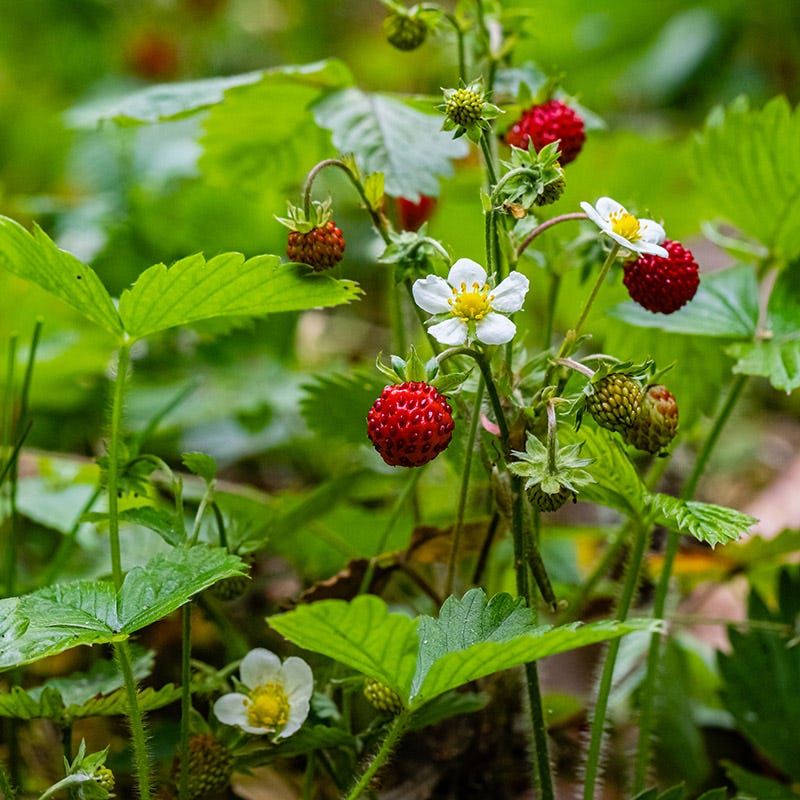
Imagine a ground cover that fills empty spaces, blocks weeds, looks attractive, AND produces edible fruit. Wild Strawberry does exactly that, and it grows beautifully across Pennsylvania in both sunny and partly shaded spots.
It is one of the most rewarding budget-friendly plants you can add to your garden, especially if you enjoy getting something back from your landscape.
Wild Strawberry spreads by sending out long runners, or stolons, that root wherever they touch the soil. This means one small plant can cover a surprisingly wide area within a single growing season.
The trifoliate leaves stay low to the ground and form a dense mat that shades out weeds naturally, reducing the amount of time you spend maintaining your garden beds.
In spring, clusters of small white flowers appear above the foliage, attracting bees, butterflies, and other pollinators. By early summer, tiny red berries follow.
The berries are smaller than grocery store strawberries but pack an intense, sweet flavor that many people find far more delicious. Birds love them too, so your garden becomes a little wildlife haven.
Pennsylvania gardeners dealing with sunny slopes, meadow edges, or open areas near walkways will find Wild Strawberry especially useful. It handles dry conditions reasonably well once established and requires very little fertilizer or supplemental watering after the first season.
Wild Strawberry plants are widely available at native plant sales and online nurseries at very low prices. You can also divide existing plants to expand coverage for free.
Few plants offer as much value, beauty, and function for such a small investment in a Pennsylvania garden.