9 Bushes Birds Prefer For Nesting In Michigan Yards
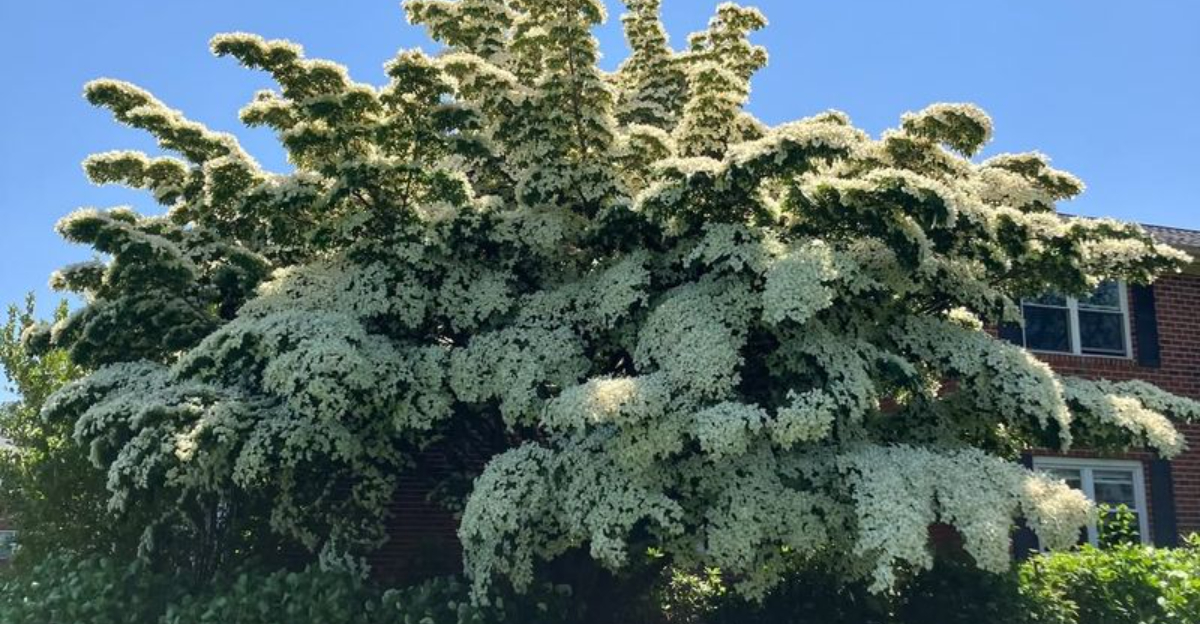
Michigan yards turn into busy neighborhoods once nesting season rolls around, and birds are choosy about where they settle down.
When it comes time to build a nest, bushes often top the wish list.
They offer thick cover, sturdy branches, and a safe spot tucked away from curious eyes.
The right shrub can feel like hitting the jackpot for a nesting bird.
Dense foliage provides protection from predators and shields nests from wind and sudden weather changes.
Many bushes also attract insects or produce berries, creating a built in food source just steps away.
In Michigan’s changing seasons, that convenience matters.
Birds look for places that offer both safety and support, and well chosen shrubs check both boxes.
Planting nesting friendly bushes is like putting out a welcome sign.
Once birds find a reliable spot, they tend to return year after year.
Their presence fills yards with song and movement, turning ordinary spaces into lively habitats.
Thoughtful shrub choices also strengthen local ecosystems, supporting birds through one of the most demanding times of their lives.
With the right bushes in place, Michigan yards become more than landscaped spaces.
They become trusted homes where birds can raise the next generation.
1. American Elderberry

Fast-growing and incredibly productive, American elderberry creates dense thickets that birds absolutely adore for nesting.
The shrub’s multiple stems grow thick and close together, forming natural fortresses where parent birds can hide their nests from curious predators.
Michigan robins, catbirds, and cardinals frequently choose elderberry bushes because the leafy canopy provides excellent concealment during the vulnerable nesting season.
This native Michigan plant typically reaches heights between six and twelve feet, offering nesting opportunities at various levels.
The white flower clusters that bloom in early summer eventually transform into dark purple berries that become a critical food source.
Parent birds appreciate having meals right outside their nursery, making feeding trips quick and efficient.
Elderberry bushes thrive in Michigan’s moist soil conditions and tolerate both full sun and partial shade.
They spread through underground runners, creating wider thickets over time that accommodate multiple nesting pairs.
The plant’s hollow stems also attract insects, providing additional protein sources for growing chicks.
Gardeners love elderberry because it requires minimal maintenance while delivering maximum wildlife value.
The berries ripen in late summer, perfectly timed for birds preparing for fall migration.
Plant elderberry in your Michigan yard’s wetter areas, and you’ll create a bird paradise that returns year after year with increasing density and nesting opportunities.
2. Serviceberry
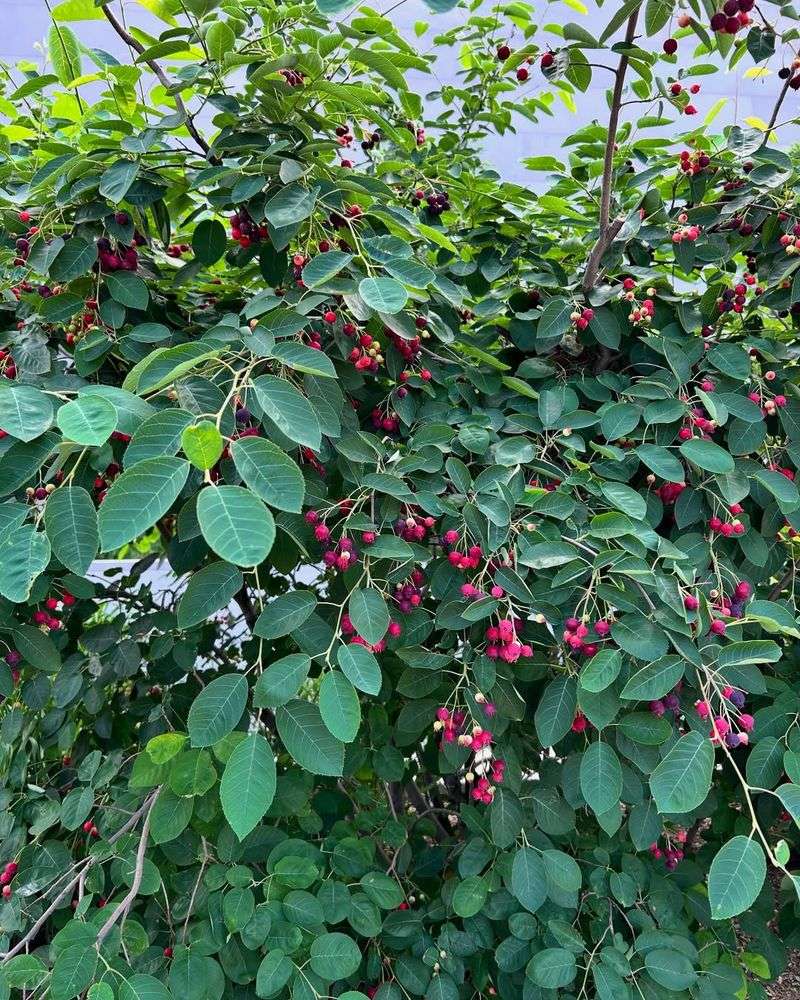
With delicate white flowers that announce spring’s arrival, serviceberry ranks among Michigan’s most beautiful native bushes.
Birds recognize this shrub as premium real estate for raising families.
The branching pattern creates perfect nesting platforms, with sturdy forks that cradle nests securely through wind and rain.
Serviceberry’s early blooming schedule attracts insects that newly arrived migrant birds desperately need after their long journey.
This timing makes the bush especially valuable for species returning to Michigan in April and May.
The insects provide essential protein for egg production, giving nesting birds a nutritional head start.
By early summer, the white blossoms transform into sweet purple berries that give this plant its name.
Native Americans and early settlers harvested these fruits around the same time as traditional services and celebrations occurred.
Today’s birds benefit from this abundant crop, with cedar waxwings, thrushes, and orioles competing for the tasty treats.
Growing between four and fifteen feet tall depending on variety, serviceberry adapts well to different Michigan yard conditions.
The multi-stemmed growth habit creates internal spaces perfect for concealed nests.
Fall brings spectacular orange and red foliage that adds seasonal beauty long after nesting season concludes.
This four-season performer deserves a prominent spot in any bird-friendly Michigan landscape.
3. Viburnum
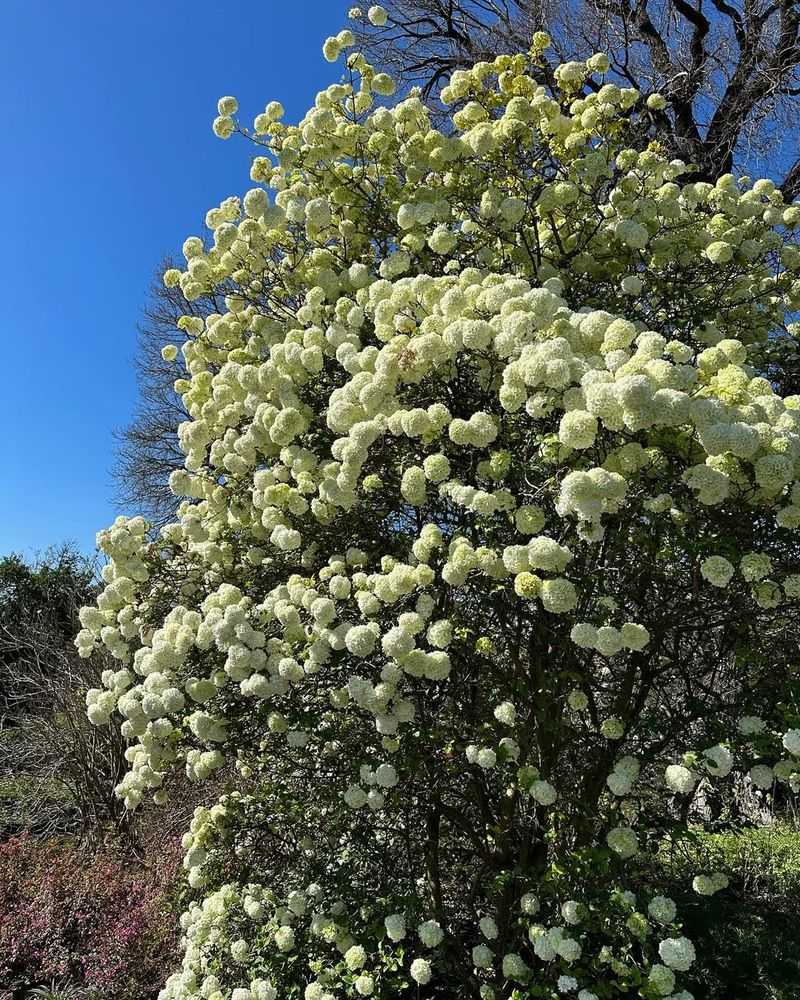
Few shrubs match viburnum’s combination of dense foliage and horizontal branching for nesting success.
The layered structure resembles nature’s apartment building, with different levels attracting various bird species throughout Michigan’s breeding season.
Catbirds particularly favor the middle heights, while robins often select lower branches closer to the ground.
Michigan yards can accommodate several native viburnum species, each offering unique benefits.
Arrowwood viburnum develops especially thick interior branching that conceals nests remarkably well.
Nannyberry grows taller, reaching fifteen feet, and provides nesting sites for birds preferring higher elevations.
American cranberrybush viburnum thrives in moist Michigan soils and produces bright red berries that persist into winter.
The spring flowers attract numerous insects, creating a buffet for parent birds gathering food for their young.
This protein-rich diet helps chicks grow rapidly during their vulnerable early weeks.
Later, the berries provide high-fat nutrition perfect for birds building energy reserves.
Viburnum’s year-round structure makes it valuable beyond nesting season.
The dense twigs offer winter roosting spots where birds huddle for warmth during Michigan’s cold nights.
The persistent berries become emergency food supplies during harsh weather.
Planting viburnum means supporting birds through all seasons, not just when they’re raising families in your yard.
4. Dogwood
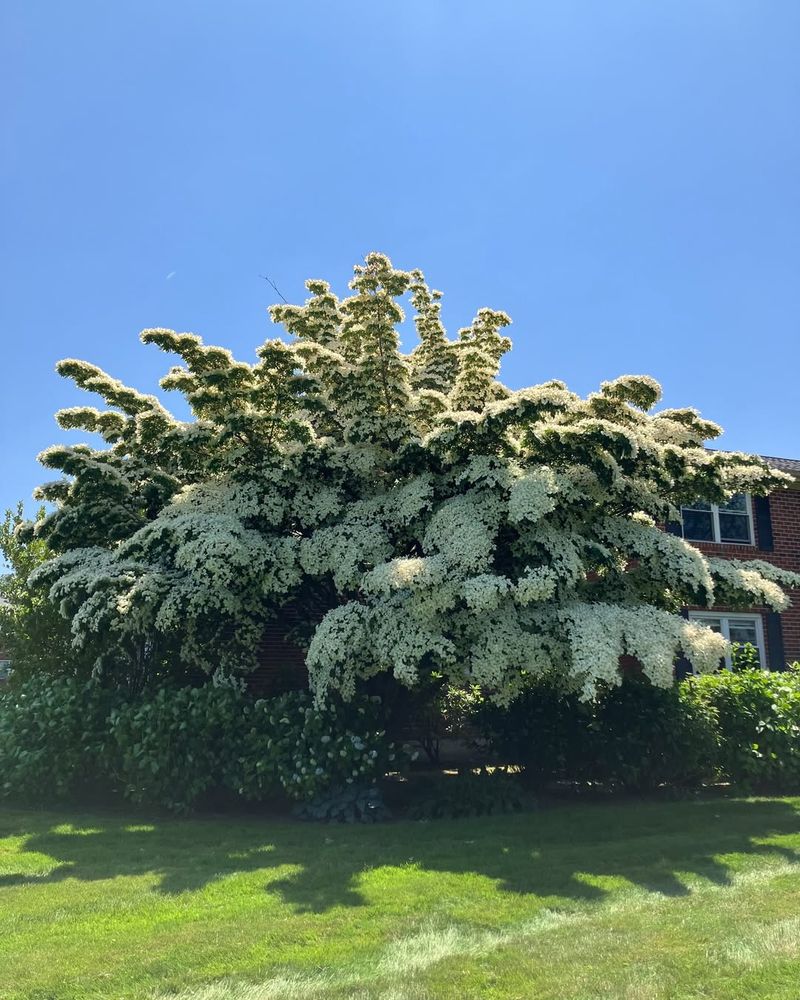
Dogwood shrubs bring architectural interest to Michigan landscapes while serving as prime nesting locations for numerous bird species.
The horizontal branching creates natural platforms where birds build secure nests.
Red-osier dogwood, native throughout Michigan, produces distinctive red stems that provide visual interest during winter months when most other plants look dormant.
This adaptable shrub tolerates Michigan’s clay soils and wet conditions better than many alternatives.
Birds appreciate dogwood’s willingness to grow in challenging spots that other bushes avoid.
The plant spreads through underground stems, forming colonies that create larger nesting territories over several seasons.
White flower clusters emerge in late spring, attracting insects that become crucial food for nesting birds.
The flowers develop into white or blue berries by late summer, offering nutrition precisely when birds need extra calories.
More than forty bird species consume dogwood berries, making this shrub a wildlife magnet throughout Michigan.
Dogwood grows quickly, reaching mature height within just a few years of planting.
This rapid growth means you won’t wait long before birds discover and use your shrubs.
The dense interior branching provides excellent concealment, helping nests stay hidden from predators.
Michigan gardeners can plant dogwood confidently, knowing it delivers both beauty and function while supporting local bird populations through multiple generations.
5. Spicebush
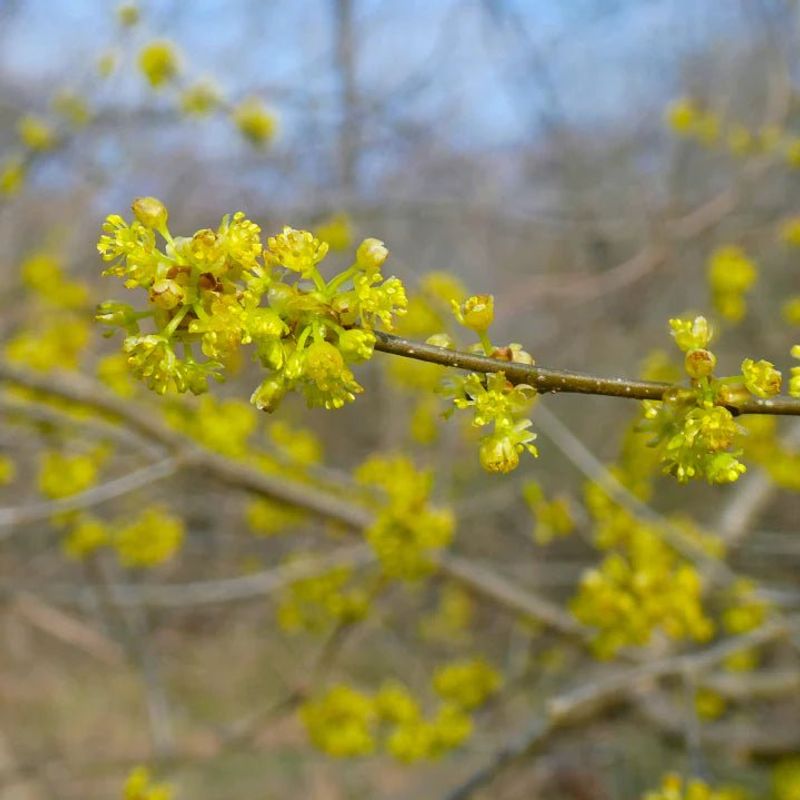
Aromatic and unassuming, spicebush quietly ranks among Michigan’s best bird nesting shrubs.
The rounded growth habit creates dense outer foliage that shields interior spaces where birds construct their nests.
Wood thrushes and veeries, both declining species in Michigan, show particular preference for spicebush when available in woodland gardens.
This native shrub thrives in Michigan’s shaded areas where many other bushes struggle.
If your yard includes mature trees, spicebush fills the understory perfectly while providing nesting habitat.
The plant’s tolerance for shade makes it invaluable for creating bird-friendly spaces throughout your entire property, not just sunny borders.
Early spring brings tiny yellow flowers that bloom before leaves emerge, providing nectar for early insects.
These insects become food for migrating birds just arriving in Michigan.
By late summer, bright red berries develop on female plants, offering high-fat nutrition for birds preparing for migration journeys.
Spicebush supports specialized wildlife beyond nesting birds.
The leaves serve as host plants for spicebush swallowtail butterflies, whose caterpillars provide additional food for parent birds.
This interconnected ecosystem makes spicebush especially valuable in Michigan yards.
The aromatic leaves release pleasant fragrance when brushed, adding sensory appeal for gardeners while apparently deterring some browsing animals that might otherwise disturb nesting birds.
6. Ninebark

Tough as nails and beautiful year-round, ninebark handles Michigan’s variable weather while providing exceptional nesting habitat.
The arching branches create natural umbrellas that shelter nests from rain and harsh sun.
The shrub’s peeling bark gives ninebark its common name and adds winter interest, but birds care more about the dense branching that conceals their families.
Growing six to ten feet tall, ninebark fits perfectly into medium-sized Michigan yards without overwhelming smaller spaces.
The plant tolerates poor soil, drought, and urban pollution, making it ideal for challenging sites where other shrubs fail.
This adaptability means more Michigan homeowners can offer quality nesting habitat regardless of their specific growing conditions.
White or pink flower clusters bloom in early summer, attracting pollinators and the insects that birds feed their young.
The flowers develop into reddish seed clusters that provide food for finches and other seed-eating species.
Multiple bird families can nest in a single mature ninebark because the shrub grows quite wide.
Michigan gardeners appreciate ninebark’s low maintenance requirements.
The plant rarely needs pruning and resists most diseases and pests.
Several cultivars offer different foliage colors, from deep purple to bright gold, letting you coordinate wildlife habitat with your landscape design.
Regardless of color, birds find ninebark equally attractive for nesting purposes throughout Michigan’s diverse regions.
7. Chokeberry
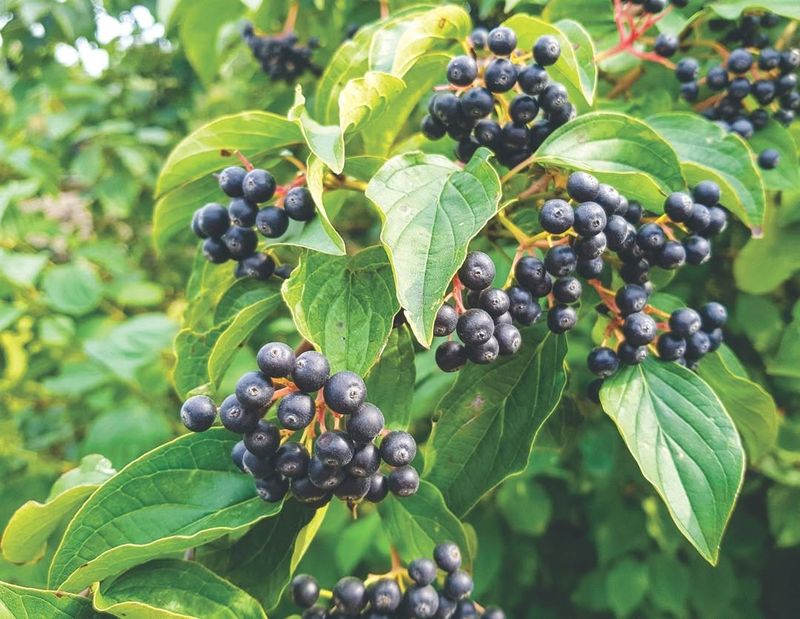
Compact and berry-laden, chokeberry packs tremendous wildlife value into a tidy package perfect for Michigan yards.
The upright growth habit creates vertical nesting opportunities that appeal to smaller songbirds.
Goldfinches and warblers particularly appreciate chokeberry’s manageable size and dense leaf coverage during Michigan’s breeding season.
Both red and black chokeberry varieties grow well throughout Michigan, with black chokeberry showing slightly better adaptability to wet soils.
The shrubs typically reach four to eight feet tall, making them ideal for foundation plantings or mixed borders.
Their moderate size means they won’t shade out neighboring plants while still providing adequate nesting space.
Spring flowers attract numerous pollinators, creating insect activity that draws hunting birds to your yard.
These birds often stay to nest once they discover the abundant food sources.
By late summer, the berries ripen to deep red or black, depending on variety.
The fruits persist well into winter, offering emergency food when Michigan weather turns harsh.
Chokeberry’s fall foliage rivals any ornamental shrub, with brilliant red and orange leaves that glow in autumn sunlight.
This seasonal display adds landscape value beyond the nesting benefits.
The shrub requires minimal care once established and tolerates Michigan’s clay soils remarkably well.
Plant chokeberry in groups of three or more to create larger nesting territories that attract multiple bird pairs.
8. Buttonbush
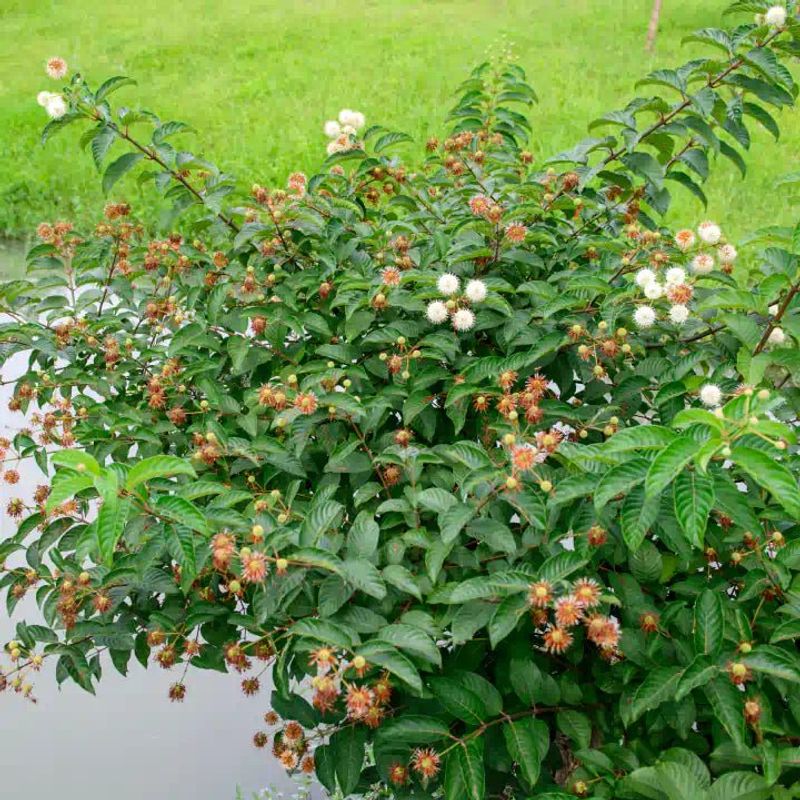
Unique spherical flowers make buttonbush instantly recognizable, but Michigan birds value this native for its wetland habitat.
If your yard includes low, moist areas, buttonbush transforms problem spots into prime nesting territory.
Red-winged blackbirds and common yellowthroats frequently nest in buttonbush growing along Michigan pond edges and stream banks.
The shrub’s tolerance for standing water sets it apart from most other nesting bushes.
Buttonbush actually thrives with its roots submerged, making it perfect for rain gardens and naturally wet areas.
This adaptation allows Michigan homeowners to create bird habitat in locations where traditional landscaping struggles.
Round white flower clusters bloom throughout summer, resembling pincushions stuck with numerous pins.
These flowers attract butterflies and hummingbirds, adding extra wildlife interest to your yard.
The blooms develop into spherical seed clusters that provide winter food for birds remaining in Michigan through cold months.
Buttonbush grows six to twelve feet tall, creating substantial presence in wetland plantings.
The branching structure offers multiple nesting sites at various heights above the water.
Birds nesting in buttonbush benefit from natural moats that discourage ground predators.
The shrub’s association with water means insects are always abundant nearby, giving parent birds easy access to protein-rich meals for their growing chicks.
9. Winterberry Holly
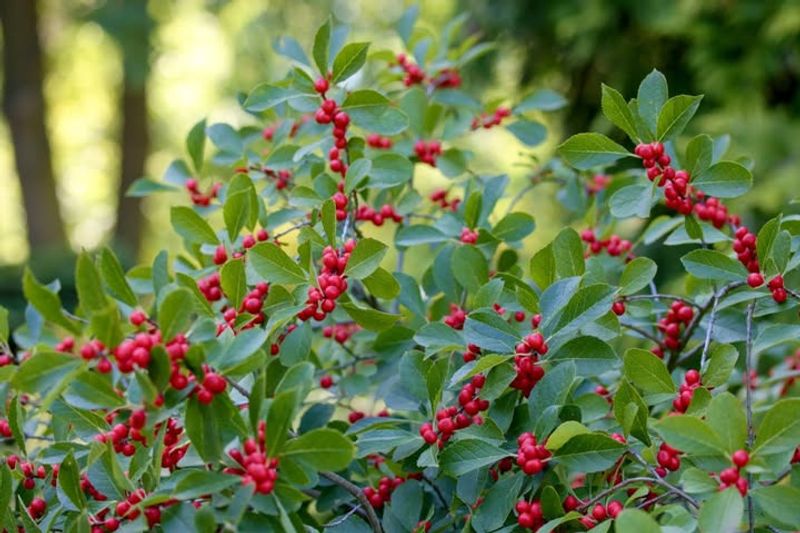
Brilliant red berries covering bare winter branches make winterberry holly a Michigan landscape star, but its nesting value arrives months earlier.
During spring and summer, dense foliage creates private spaces where birds raise their families undisturbed.
The holly’s branching pattern forms natural nest platforms that birds find irresistible throughout Michigan’s breeding season.
This native deciduous holly loses its leaves in fall, revealing the spectacular berry display that gives the plant its common name.
Before that transformation, the leafy summer shrub provides excellent concealment for nesting birds.
Catbirds, thrashers, and mockingbirds all use winterberry regularly for nesting in Michigan yards.
Female plants produce the famous berries, but you’ll need a male pollinator planted nearby for berry production.
The berries persist through winter, providing critical food when other sources become scarce.
Cedar waxwings and robins feast on winterberry fruits during late winter in Michigan, often stripping bushes bare within days.
Winterberry tolerates Michigan’s wet soils and even grows well in partial shade, making it versatile for different yard conditions.
The shrub reaches six to ten feet tall, with some varieties growing slightly larger.
Planting winterberry means supporting birds year-round, offering nesting sites during breeding season and life-saving nutrition during Michigan’s challenging winter months when other food sources disappear beneath snow and ice.