13 Bushes That Birds Love To Nest In Across Illinois Yards
In Illinois, birds choose nesting sites carefully—and the right bushes make all the difference.
Dense branching, reliable cover, and seasonal food sources turn certain shrubs into prime real estate.
Homeowners who plant these bushes notice more birds staying year-round.
They offer protection from predators and harsh weather while supporting insects birds need to feed their young.
These shrubs also add structure and beauty to yards, proving that wildlife-friendly doesn’t mean messy.
Illinois gardeners who choose wisely get healthier landscapes and richer birdlife.
When birds feel safe enough to nest, it’s a sign your yard is doing something right.
1. American Beautyberry (Callicarpa Americana)
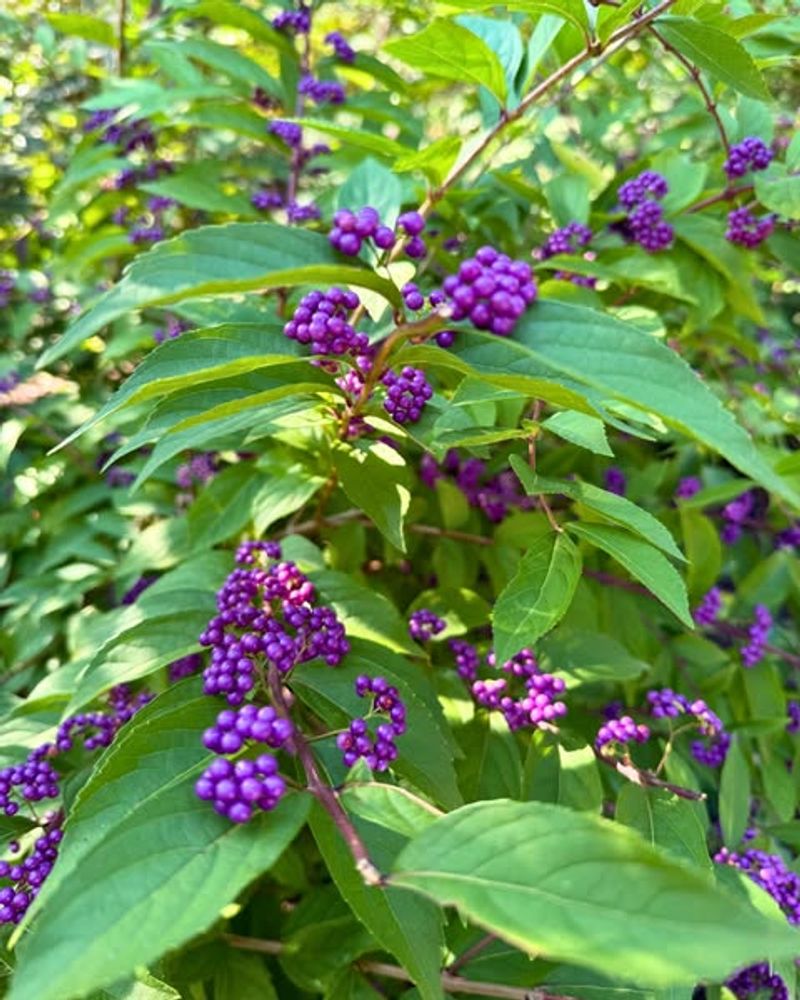
Imagine a shrub that not only provides a safe haven for nesting birds but also dazzles with vibrant purple berries come late summer.
American beautyberry does exactly that, creating a dense branching structure perfect for birds seeking shelter and security.
The thick, layered branches form natural pockets where robins, cardinals, and catbirds can tuck their nests away from predators and harsh weather.
Illinois gardeners appreciate how this shrub fills in quickly, offering immediate cover even for younger plantings.
What makes beautyberry especially valuable is its timing.
After the nesting season winds down, the shrub produces clusters of bright purple berries that birds feast on throughout fall.
These berries provide essential nutrition when many other food sources have already been consumed.
Mockingbirds and thrashers are particularly fond of them.
The plant thrives in partial shade to full sun and adapts well to various soil types across Illinois.
Its arching branches create a layered canopy that birds navigate easily.
Homeowners love the ornamental value it brings, with those striking berries adding a pop of color to autumn landscapes.
For anyone wanting to support local bird populations while enjoying a visually stunning shrub, American beautyberry delivers on all fronts.
2. Arrowwood Viburnum (Viburnum Dentatum)

Dense, twiggy growth makes arrowwood viburnum a fortress for nesting birds throughout Illinois.
This native shrub creates a thick tangle of branches that birds adore for building secure nests.
Species like gray catbirds, brown thrashers, and various warblers find the structure ideal for concealing their young.
The multi-stemmed habit naturally forms a protective screen that predators struggle to penetrate.
Gardeners notice how quickly birds claim these shrubs once they’re established.
Beyond nesting season, arrowwood viburnum continues supporting wildlife with clusters of blue-black berries that ripen in fall.
These fruits attract migrating thrushes, waxwings, and woodpeckers, providing critical energy for long journeys south.
The berries often persist into winter, offering sustenance when food becomes scarce.
This viburnum tolerates a range of conditions, from full sun to partial shade, and handles both dry and moist soils.
Its adaptability makes it suitable for various Illinois landscapes, from suburban yards to rural properties.
White spring flowers add beauty before the berries arrive.
The shrub typically reaches six to ten feet tall, creating substantial cover without overwhelming smaller yards.
For a low-maintenance, bird-friendly addition that performs year after year, arrowwood viburnum ranks among the very best choices.
3. Gray Dogwood (Cornus Racemosa)
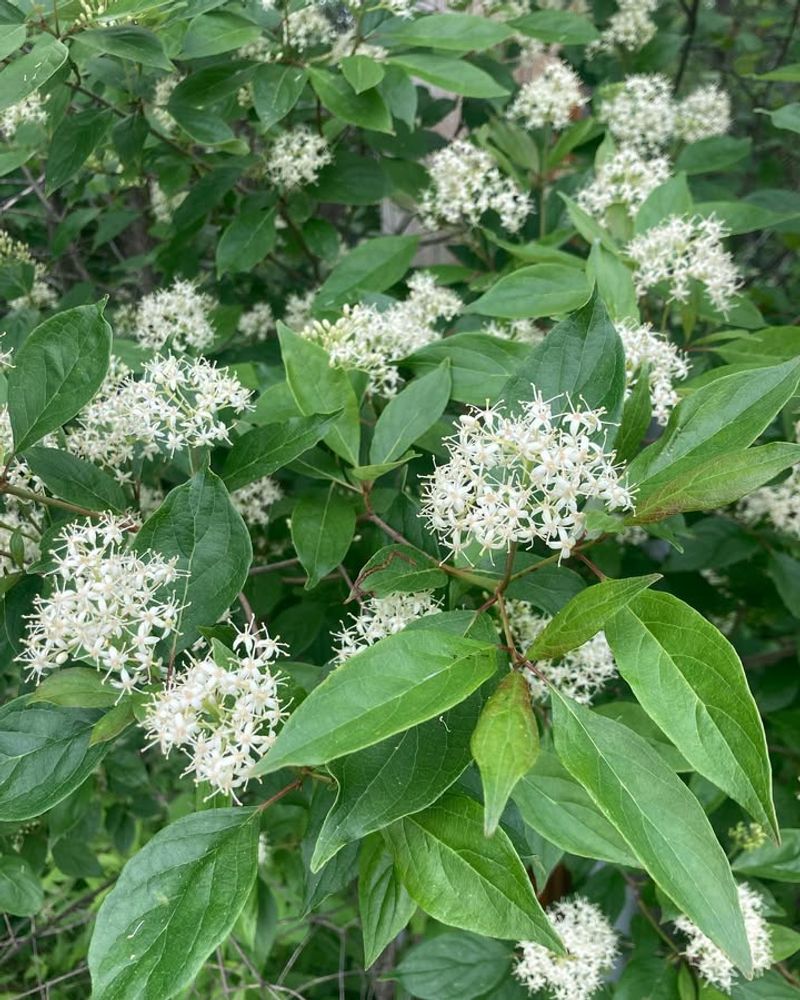
When Illinois conservation experts recommend shrubs for wildlife, gray dogwood consistently tops the list.
This native forms dense thickets that birds find irresistible for nesting.
The shrub spreads through underground runners, creating interconnected colonies that offer extensive cover.
Song sparrows, towhees, and yellow warblers frequently nest within these protective tangles.
The branching pattern creates multiple layers, giving birds options for nest placement at various heights.
Gray dogwood produces white berries on distinctive red stems in late summer, attracting at least 40 bird species.
The fruits ripen at a crucial time when fledglings need abundant food.
Bluebirds, flickers, and vireos eagerly consume these nutritious berries.
The shrub’s tendency to form colonies means more berries for more birds.
Adaptable to nearly any soil type, gray dogwood thrives in full sun to partial shade across Illinois.
It tolerates both wet and dry conditions, making it suitable for challenging sites.
The shrub reaches four to six feet tall and spreads readily, so give it space or plan to manage its growth.
White spring flowers provide nectar for pollinators before berries develop.
For anyone wanting a truly wildlife-friendly hedge that requires minimal care, gray dogwood delivers exceptional results season after season.
4. Red Osier Dogwood (Cornus Sericea)
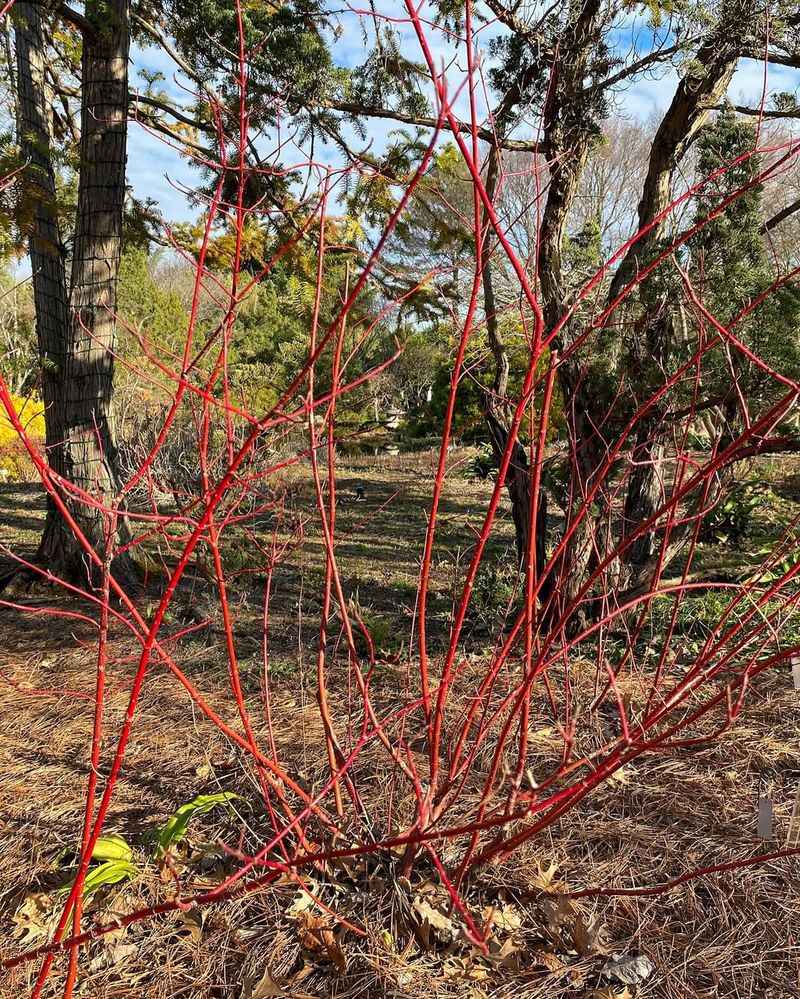
Brilliant red stems make this dogwood unmistakable, especially against winter snow.
Red osier dogwood provides year-round value for birds, with dense growth perfect for nesting during spring and summer.
The shrub’s multi-stemmed structure creates secure pockets where birds can build protected nests.
Warblers, finches, and sparrows appreciate the thick cover this dogwood offers.
In wetter areas of Illinois yards, where many shrubs struggle, red osier dogwood thrives beautifully.
The shrub’s adaptability to moisture makes it ideal for rain gardens, low spots, and areas near ponds or streams.
Birds benefit from the insects attracted to these damp environments, finding abundant protein for feeding nestlings.
White berries appear in summer and attract dozens of bird species, including cedar waxwings and grosbeaks.
Even after leaves drop, the vivid red stems provide crucial winter structure.
Birds use the dense branching for roosting and shelter during harsh weather.
The colorful stems also add striking visual interest to winter landscapes.
This dogwood grows four to eight feet tall and spreads readily through underground stems, forming colonies over time.
It tolerates full sun to partial shade and adapts to various soil types as long as moisture is adequate.
For Illinois gardeners dealing with wet areas, red osier dogwood solves landscaping challenges while creating exceptional bird habitat.
5. American Hazelnut (Corylus Americana)
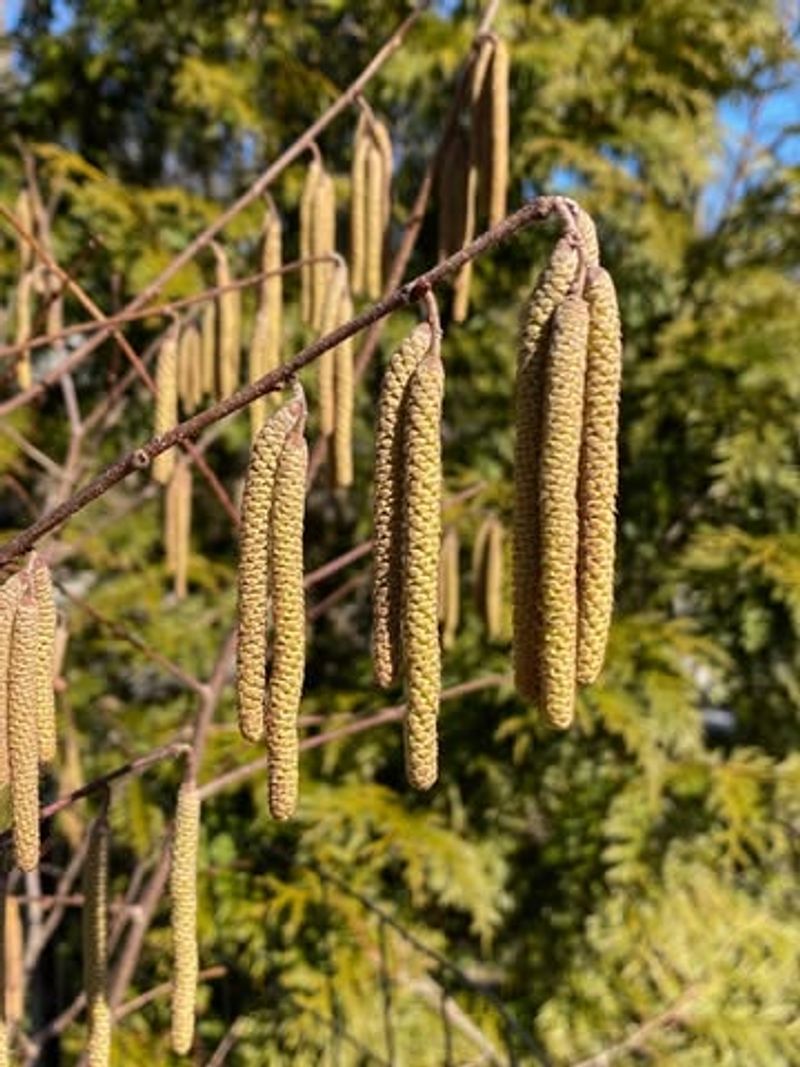
Few shrubs offer the triple benefit of nesting cover, nuts, and insect habitat like American hazelnut.
This native grows in a multi-stemmed form that creates protected spaces ideal for bird nests.
The dense branching pattern shields nests from view and weather, making it a favorite among cardinals, blue jays, and thrushes.
The shrub’s rounded shape provides nesting opportunities at multiple heights, accommodating different bird species’ preferences.
American hazelnut produces edible nuts in late summer, though gardeners often find themselves competing with jays, woodpeckers, and nuthatches for the harvest.
These nuts provide high-energy food that helps birds prepare for migration or survive winter.
The shrub also hosts numerous insects on its leaves, offering protein-rich meals for parent birds feeding their young.
Adaptable to various light conditions, hazelnut grows well in full sun to partial shade across Illinois.
It prefers well-drained soil but tolerates different soil types.
The shrub typically reaches eight to twelve feet tall, forming a substantial presence in the landscape.
Attractive catkins appear in early spring, adding ornamental interest before leaves emerge.
For gardeners wanting a shrub that supports birds through multiple seasons while also providing potential nut harvests, American hazelnut proves an excellent choice that connects people and wildlife through shared bounty.
6. Serviceberry (Amelanchier Species)
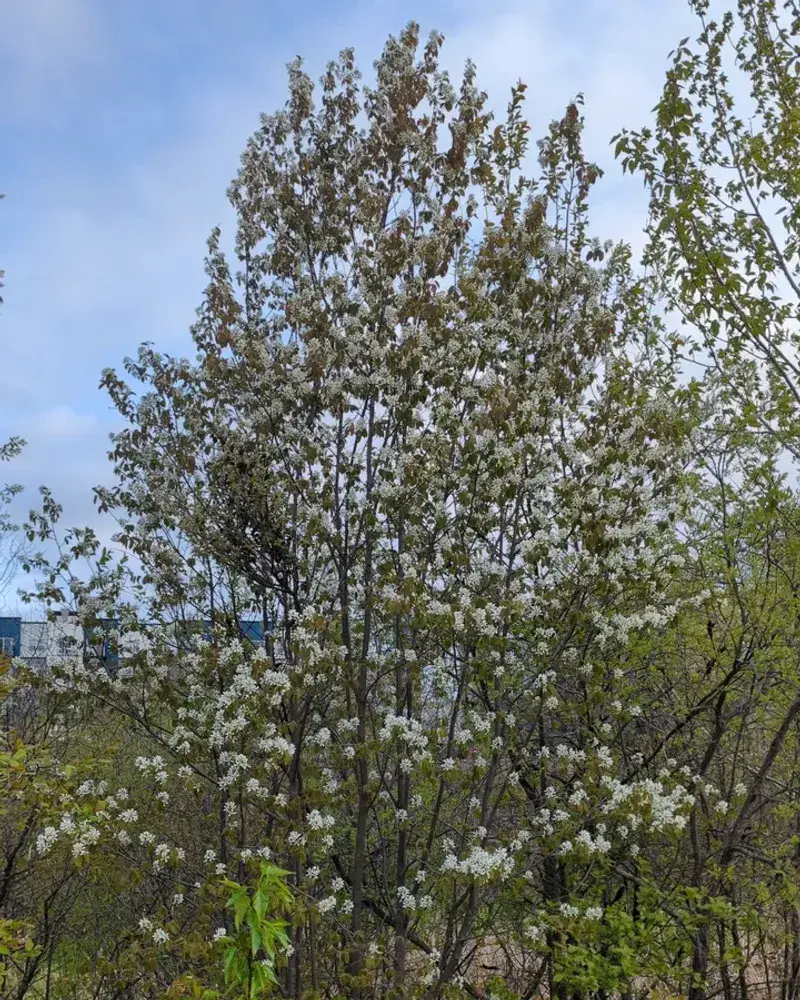
Early spring finds serviceberry blooming while many plants still sleep, giving birds a head start on nesting preparations.
This shrub or small tree leafs out earlier than most, providing cover when birds begin scouting nesting sites.
The protective branching structure suits robins, waxwings, and orioles perfectly.
Serviceberry’s graceful form creates natural pockets where nests remain hidden yet accessible.
Illinois gardeners notice birds claiming these shrubs year after year, returning to proven nesting sites.
The early foliage attracts insects that emerge with warming temperatures, offering abundant food for parent birds.
Serviceberry’s leaves host caterpillars and other insects that provide essential protein for growing nestlings.
Then come the berries—sweet, purple fruits that ripen in early summer just as fledglings leave nests.
These berries are so popular that birds often strip them within days.
Serviceberry adapts to sun or partial shade and various soil types throughout Illinois.
It grows as a large shrub or small tree, typically reaching fifteen to twenty feet tall.
White spring flowers create stunning displays before leaves fully emerge.
Fall foliage turns brilliant orange and red, adding seasonal beauty.
For a shrub that supports birds from early spring through summer while offering year-round ornamental value, serviceberry stands as an exceptional choice that truly earns its place in any bird-friendly landscape.
7. Elderberry (Sambucus Canadensis)
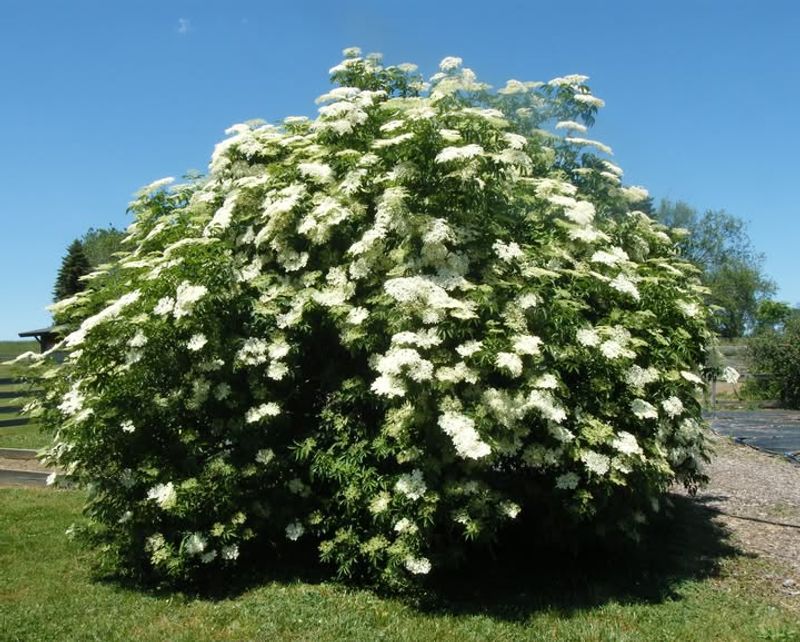
Fast growth makes elderberry a quick solution for creating bird-friendly cover along fences and property edges.
This vigorous native shrub shoots up rapidly, providing nesting habitat sooner than slower-growing alternatives.
Birds appreciate the broad leaves and thick stems that form effective screens.
Catbirds, thrashers, and warblers frequently nest in elderberry thickets, finding security in the dense foliage.
The shrub’s tendency to form colonies creates extensive cover that supports multiple nesting pairs.
Elderberry produces clusters of tiny white flowers in early summer, attracting insects that birds feed to their young.
By late summer, dark purple berries ripen in large, drooping clusters.
These berries are incredibly popular with birds, with over 40 species consuming them eagerly.
The fruits provide crucial nutrition during late summer when many birds prepare for migration.
Adaptable to various conditions, elderberry thrives in full sun to partial shade and tolerates wet soils that challenge other shrubs.
It grows six to twelve feet tall and spreads readily, so plan accordingly.
The shrub works exceptionally well along property lines, near rain gardens, or anywhere quick screening is needed.
Illinois gardeners also harvest the berries for jams and syrups, though birds usually claim their share first.
For rapid establishment of bird habitat with bonus edible berries, elderberry delivers impressive results that benefit both wildlife and people alike.
8. Ninebark (Physocarpus Opulifolius)
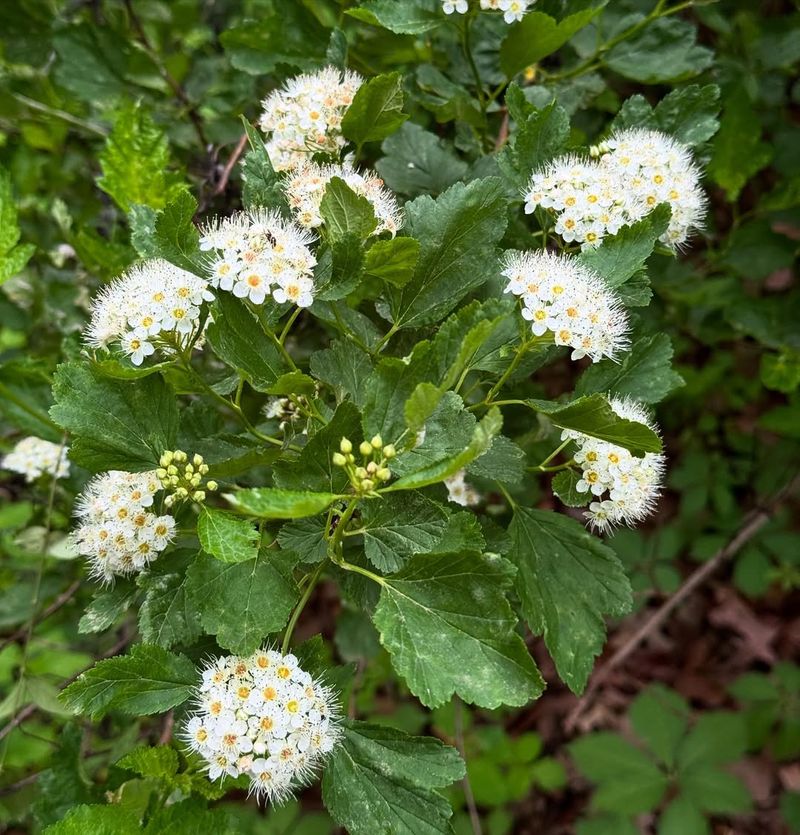
Peeling, cinnamon-colored bark gives ninebark its distinctive name and year-round visual appeal.
This hardy native creates dense, layered branching that birds find perfect for nesting.
The shrub’s rounded form provides multiple levels where different species can build nests at their preferred heights.
Cardinals, goldfinches, and sparrows regularly choose ninebark for raising their young.
The arching branches create natural canopies that shelter nests from rain and sun.
Clusters of white or pink flowers bloom in late spring, attracting numerous insects.
These insects become convenient meals for parent birds feeding hungry nestlings nearby.
The flowers later develop into small, reddish seed pods that persist into winter.
Finches particularly appreciate these seeds during cold months.
Ninebark adapts remarkably well to various Illinois conditions, tolerating poor soil, drought, and urban pollution.
It grows in full sun to partial shade and reaches six to ten feet tall.
Several cultivars offer different sizes and foliage colors, from golden yellow to deep purple.
The exfoliating bark adds textural interest throughout winter when other features fade.
For a tough, low-maintenance shrub that supports birds while adding multi-season beauty, ninebark proves itself time and again as a reliable performer in Illinois gardens.
9. Spicebush (Lindera Benzoin)
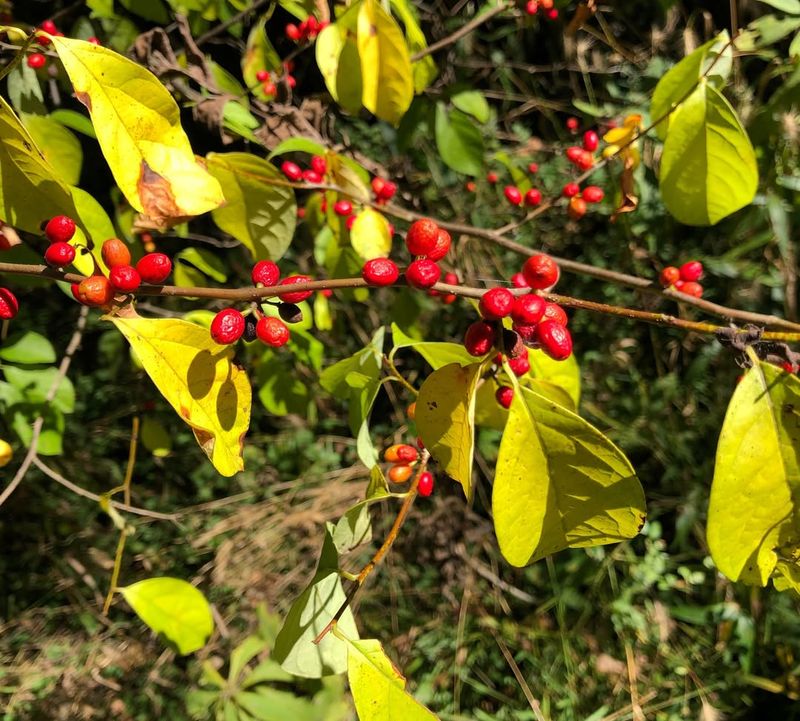
Woodland edges and shaded areas come alive with spicebush, a shade-loving native that birds seek out instinctively.
This shrub thrives where many others fail in partial to full shade beneath larger trees.
The multi-stemmed growth creates protected nesting sites perfect for wood thrushes, veeries, and warblers that prefer shadier habitats.
Spicebush’s rounded form and dense branching offer excellent concealment for nests.
Illinois gardeners with mature trees find this shrub fills the understory beautifully while supporting bird populations.
Aromatic leaves release a pleasant spicy scent when crushed, giving the plant its common name.
Small yellow flowers appear in early spring before leaves emerge, providing nectar for early pollinators.
By fall, bright red berries ripen on female plants, offering high-fat food that migrating birds desperately need.
Thrushes and vireos consume these berries eagerly during their southward journeys.
Spicebush prefers moist, well-drained soil and adapts to various shade levels across Illinois.
It typically grows six to twelve feet tall with an equal spread.
The shrub also serves as the sole host plant for spicebush swallowtail butterfly caterpillars.
Fall foliage turns bright yellow, brightening shaded areas.
For gardeners wanting to transform shady spots into productive bird habitat while supporting butterflies too, spicebush offers a perfect solution that brings life to overlooked corners.
10. Chokeberry (Aronia Melanocarpa)
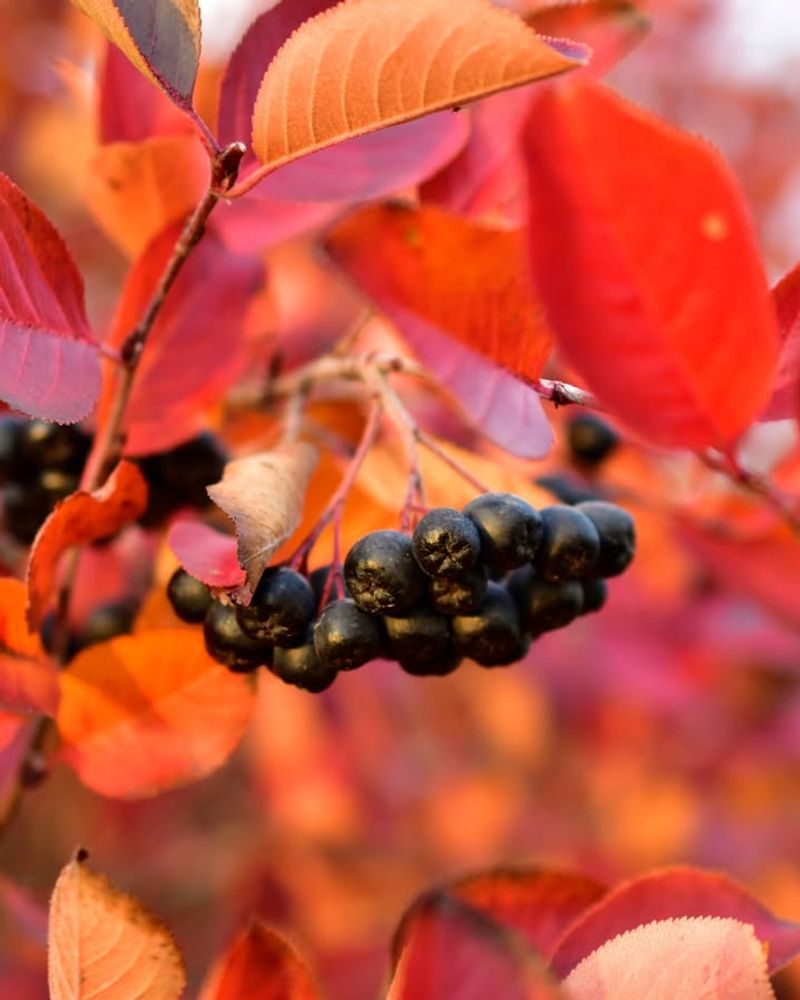
Persistent berries that hang on through winter make chokeberry a reliable food source when birds need it most.
This compact native shrub develops dense growth that provides secure nesting sites during spring and summer.
The thick branching pattern creates protected spaces where catbirds, thrashers, and towhees can raise their young safely.
Chokeberry’s manageable size makes it suitable for smaller yards while still offering substantial bird habitat.
The shrub’s neat, rounded form fits well into formal and informal landscape designs alike.
White spring flowers attract pollinators and the insects that birds feed their nestlings.
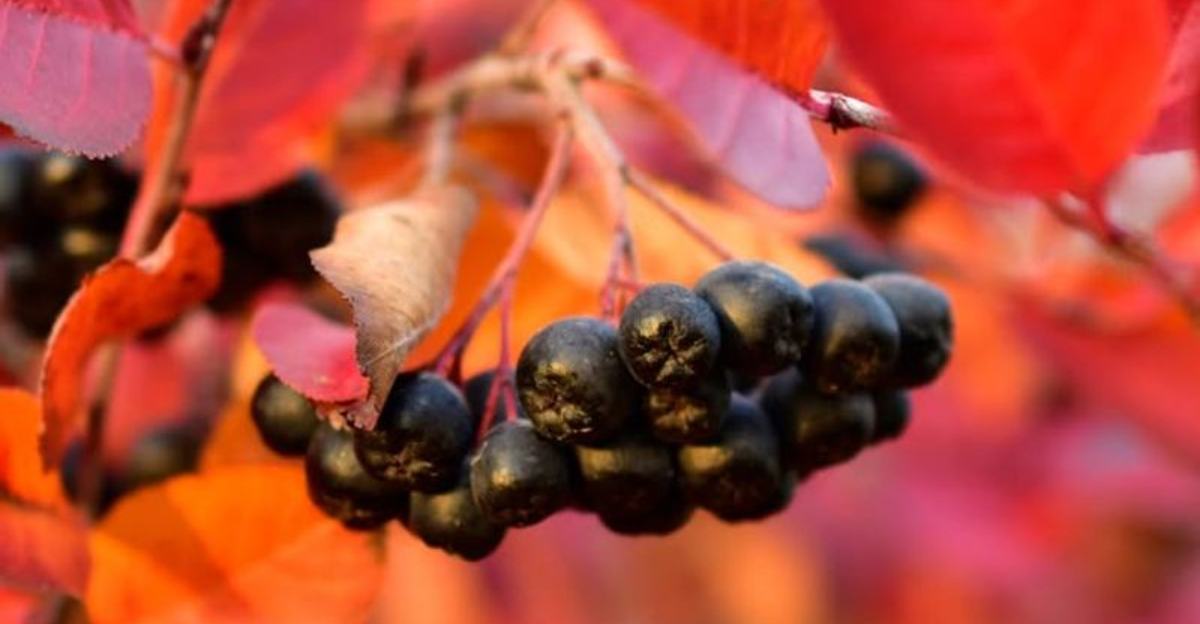
By late summer, clusters of dark purple-black berries develop and persist well into winter.
While the berries are astringent for human tastes, birds find them perfectly palatable.
Waxwings, robins, and bluebirds consume them throughout fall and winter, especially after freezing temperatures sweeten the fruits.
Chokeberry adapts to various soil types and moisture levels across Illinois.
It tolerates both wet and dry conditions and grows in full sun to partial shade.
The shrub typically reaches three to six feet tall.
Glossy green leaves turn brilliant red in fall, creating stunning seasonal displays.
The shrub requires minimal maintenance and resists most pests and diseases.
For gardeners seeking a compact, four-season shrub that reliably supports birds year-round, chokeberry delivers outstanding performance with very little effort required.
11. Buttonbush (Cephalanthus Occidentalis)
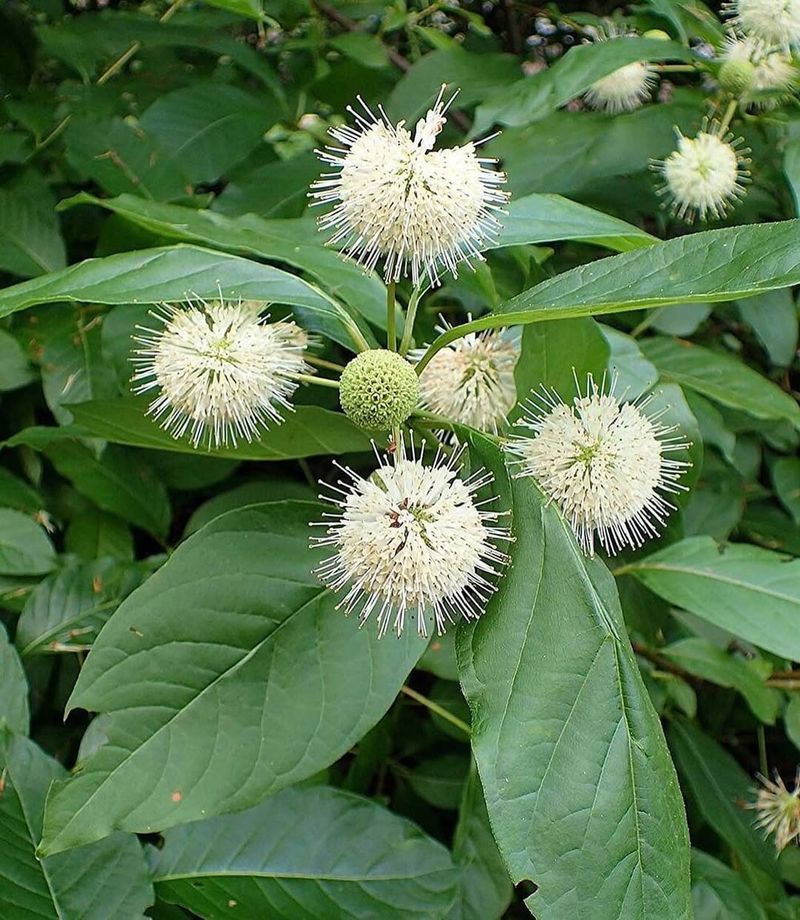
Wet spots in yards often pose landscaping challenges, but buttonbush turns these areas into prime bird habitat.
This unique native shrub thrives in consistently moist to wet soils where many plants struggle.
The dense, rounded growth provides excellent nesting cover for birds that prefer wetland edges.
Red-winged blackbirds, common yellowthroats, and swamp sparrows regularly nest in buttonbush plantings.
The shrub’s location near water also attracts abundant insects, giving parent birds convenient food sources for their young.
Spherical white flowers bloom in summer, resembling pincushions and attracting numerous pollinators.
These unusual blooms develop into ball-shaped seed clusters that persist through winter.
Finches and other seed-eating birds visit throughout fall and winter.
The flowers’ sweet fragrance adds sensory appeal to rain gardens and pond edges.
Buttonbush adapts to standing water, making it ideal for rain gardens, pond margins, and low areas that stay damp.
It grows in full sun to partial shade and reaches six to twelve feet tall.
The shrub tolerates periodic flooding and rebounds after water recedes.
Glossy green leaves remain attractive throughout summer.
For Illinois gardeners dealing with wet areas or wanting to enhance rain gardens with bird-friendly plants, buttonbush solves practical problems while creating valuable wildlife habitat.
12. Common Juniper (Juniperus Communis)
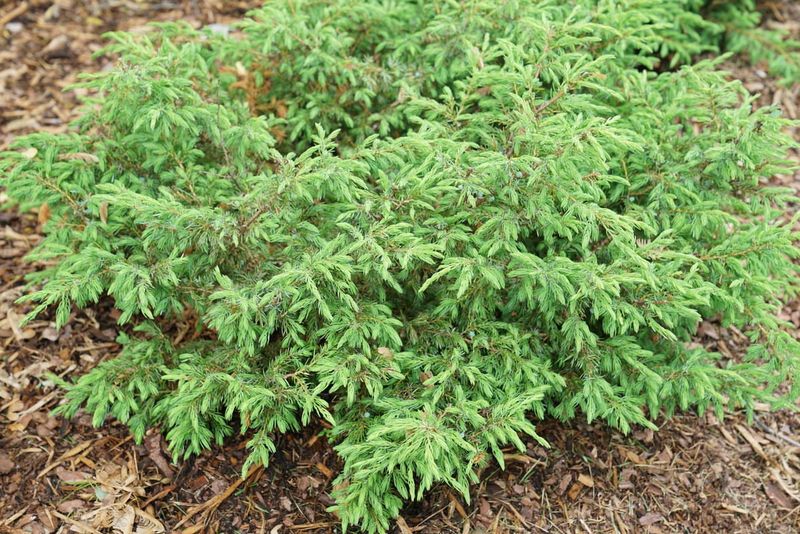
Evergreen cover makes juniper invaluable for birds throughout Illinois winters when deciduous shrubs stand bare.
This coniferous shrub maintains dense foliage year-round, providing constant nesting sites and shelter.
The prickly, needle-like foliage deters predators while offering birds safe refuges.
Juncos, sparrows, and chickadees nest in juniper’s protective branches during warmer months.
The dense structure creates windbreaks that help birds survive harsh winter weather.
Low-growing juniper varieties spread horizontally, creating ground-level cover that ground-nesting birds occasionally use.
Taller forms provide mid-level structure that fills gaps between ground covers and trees.
Blue-gray berries develop on female plants, providing food for waxwings, robins, and thrushes.
These berries persist through winter, offering sustenance when little else remains available.
Juniper adapts to various soil types across Illinois and prefers well-drained sites and full sun.
Different varieties range from low groundcovers to upright shrubs six feet tall or more.
The aromatic foliage releases a pleasant scent when brushed.
Juniper tolerates drought once established and requires minimal maintenance.
For gardeners wanting year-round structure and bird protection, especially during challenging winter months, evergreen juniper provides irreplaceable value.
13. Wild Plum (Prunus Americana)

Thorny branches might seem unwelcoming, but birds recognize wild plum thickets as fortress-like nesting sites.
This native shrub forms dense, spiny tangles that predators find nearly impossible to penetrate.
The thorns create safe zones where catbirds, thrashers, and mockingbirds can nest with minimal threat from cats, raccoons, or snakes.
Wild plum spreads through root suckers, forming extensive colonies that provide nesting habitat for multiple bird pairs.
Illinois gardeners appreciate how these thickets create natural property boundaries while supporting wildlife.
Fragrant white flowers bloom profusely in early spring before leaves emerge, attracting pollinators and early-season insects.
These insects provide protein for birds beginning their nesting activities.
By late summer, small red or yellow plums ripen, attracting grosbeaks, woodpeckers, and orioles.
The fruits offer high-energy nutrition during migration season.
Any plums birds miss can be harvested for preserves.
Wild plum adapts to various soil types and grows in full sun across Illinois.
It typically reaches twelve to fifteen feet tall and spreads readily.
The shrub tolerates drought once established and requires little care.
For gardeners wanting secure bird nesting habitat combined with edible fruit and stunning spring blooms, wild plum delivers exceptional value that transforms property edges into thriving wildlife corridors.