12 Bushes That Help Birds Nest Safely In North Carolina Yards
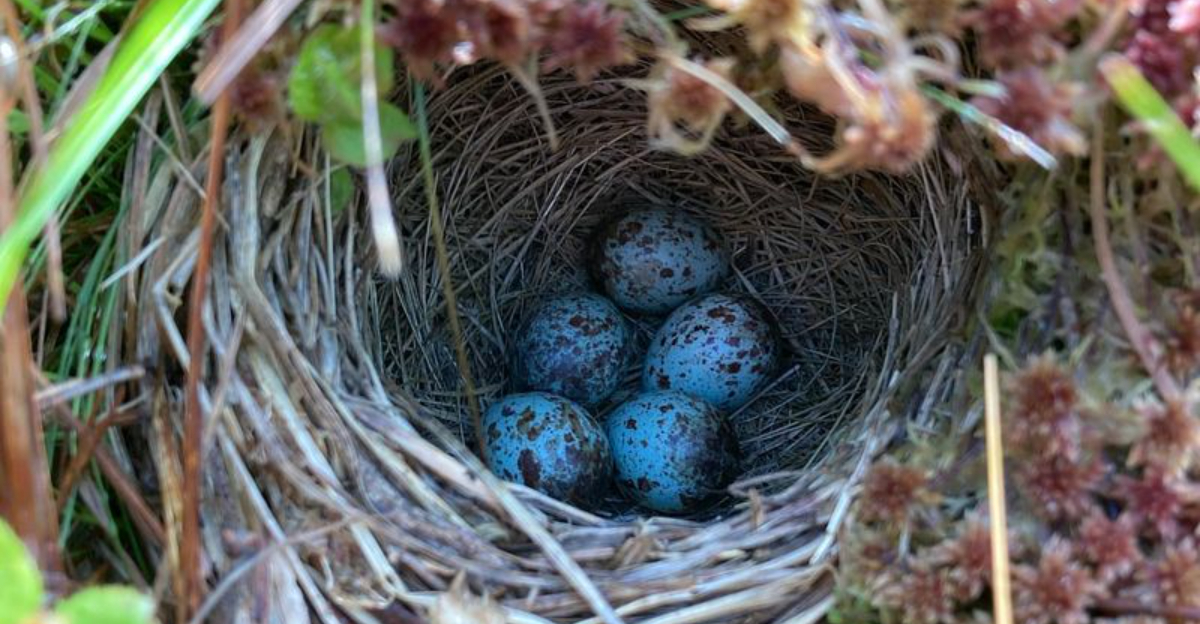
Birds bring color, song, and life to your backyard, and choosing the right bushes can make your yard a safe nesting paradise.
North Carolina offers a unique climate that supports many native plants, and these bushes provide perfect shelter for our feathered friends to raise families.
Dense branches, thorny protection, and berry-laden stems create ideal conditions where birds can build nests hidden from predators and harsh weather elements.
Transforming your yard into a bird sanctuary is easier than you think when you select bushes that offer both safety and natural food.
1. Eastern Red Cedar
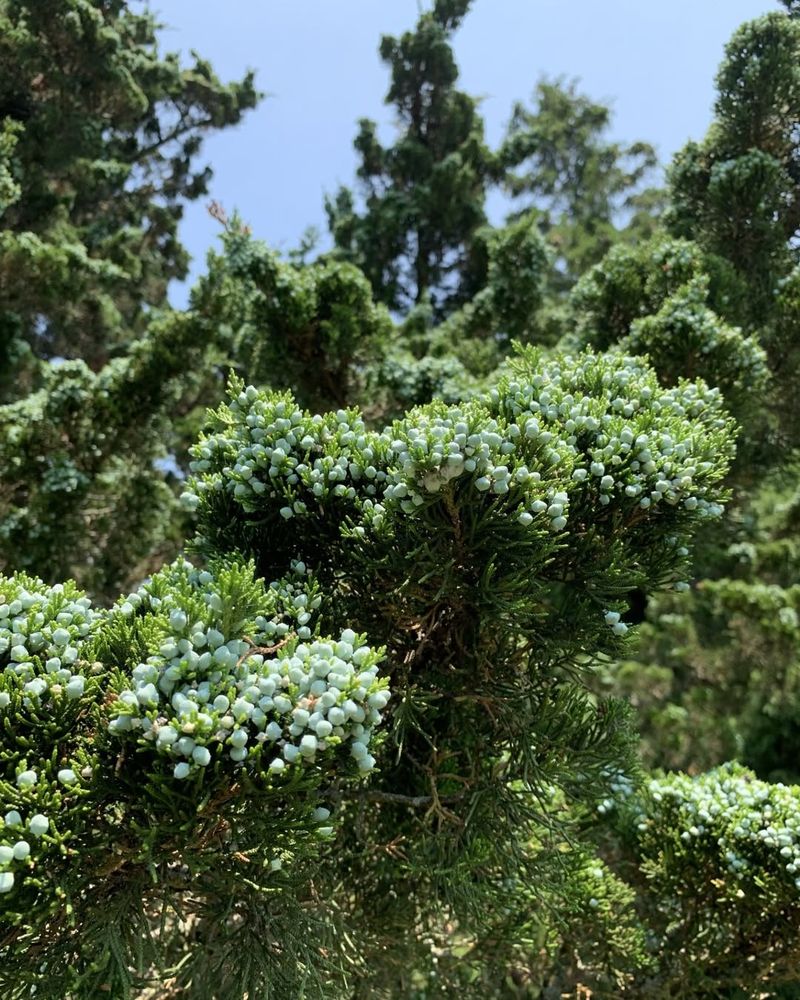
Evergreen branches create year-round shelter that birds absolutely adore for nesting, especially during cold winter months when other plants lose their leaves completely.
Dense foliage grows thick and compact, offering excellent protection from hawks and other predators that might threaten eggs or baby birds inside.
Blue berries appear in late fall and provide essential food for cedar waxwings, robins, and many other species that visit North Carolina regularly.
This native plant thrives in various soil types across the state, from coastal areas to mountain regions, making it incredibly versatile for gardeners.
Aromatic wood naturally repels insects, which helps keep nesting birds comfortable and free from bothersome pests that could disturb their young families.
Branches grow in a pyramidal shape that provides multiple nesting levels, allowing different bird species to find their preferred height for building homes.
Drought-tolerant once established, this bush requires minimal maintenance while delivering maximum benefits for birds seeking safe nesting spots in your North Carolina yard.
2. American Holly
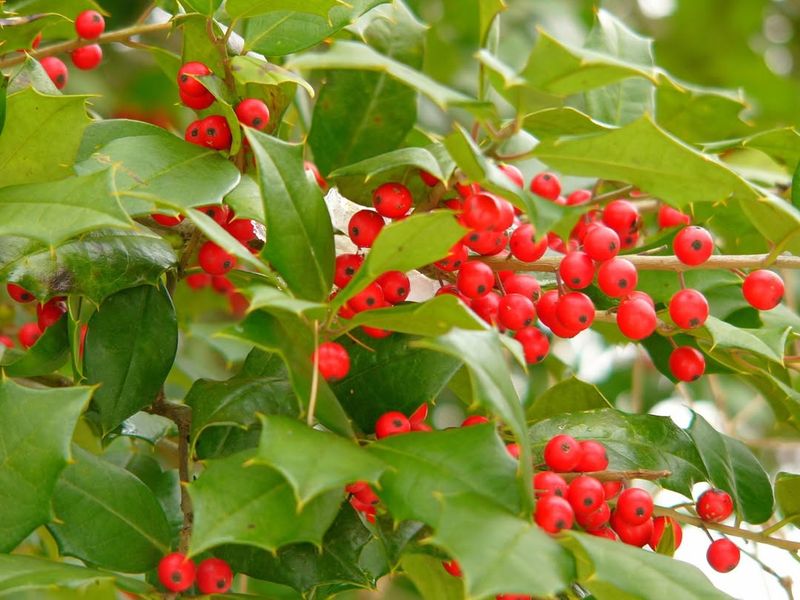
Glossy leaves with sharp spines create a fortress-like barrier that keeps cats, snakes, and other predators away from vulnerable nests hidden deep inside.
Bright red berries ripen in winter, providing critical nutrition when other food sources become scarce and birds need extra energy for survival.
Female plants produce the iconic berries, but you need a male holly nearby for pollination to occur and ensure abundant fruit production.
Evergreen foliage remains vibrant throughout all seasons, giving birds consistent cover whether they nest in spring, summer, or even early fall months.
This slow-growing native reaches heights between fifteen and thirty feet, creating substantial nesting opportunities for various bird species with different size requirements.
Mockingbirds, thrashers, and bluebirds frequently choose holly bushes for nesting because the thorny leaves provide unmatched security against unwanted intruders and threats.
Planting American holly in your North Carolina yard supports local ecosystems while adding beautiful structure and color that enhances your landscape design.
3. Wax Myrtle
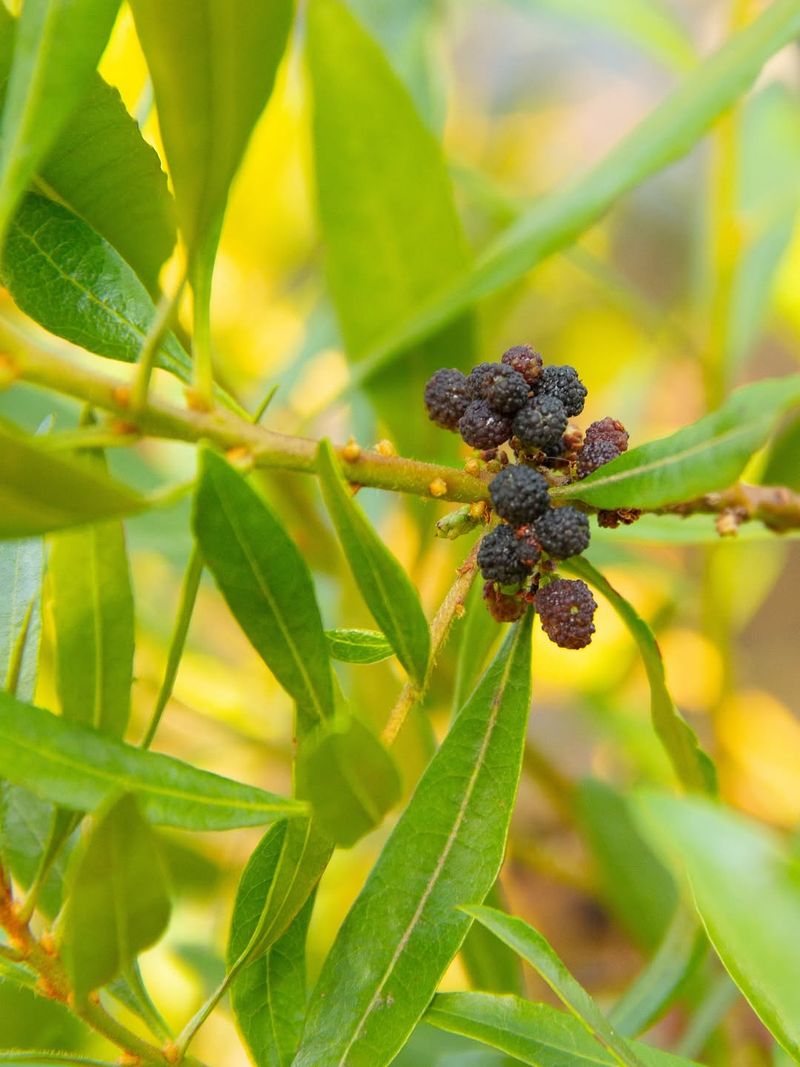
Aromatic leaves release a pleasant fragrance when brushed, and this scent actually helps deter certain insects while attracting beneficial pollinators to your garden.
Waxy gray berries appear on female plants and serve as a high-fat food source for yellow-rumped warblers and other migratory birds passing through.
Fast growth rate means this bush quickly establishes dense cover, providing nesting sites much sooner than slower-growing alternatives available in nurseries today.
Salt tolerance makes wax myrtle perfect for coastal North Carolina gardens where ocean breezes and sandy soil challenge many other plant species significantly.
Birds appreciate the multi-stemmed growth pattern that creates numerous branching options for nest placement at various heights and positions within the shrub.
Nitrogen-fixing roots improve soil quality naturally, benefiting surrounding plants and creating a healthier ecosystem that supports more insects for birds to feed their young.
Year-round foliage ensures constant protection, and the bush adapts well to wet or dry conditions, making it reliable in North Carolina’s unpredictable weather.
4. Elderberry
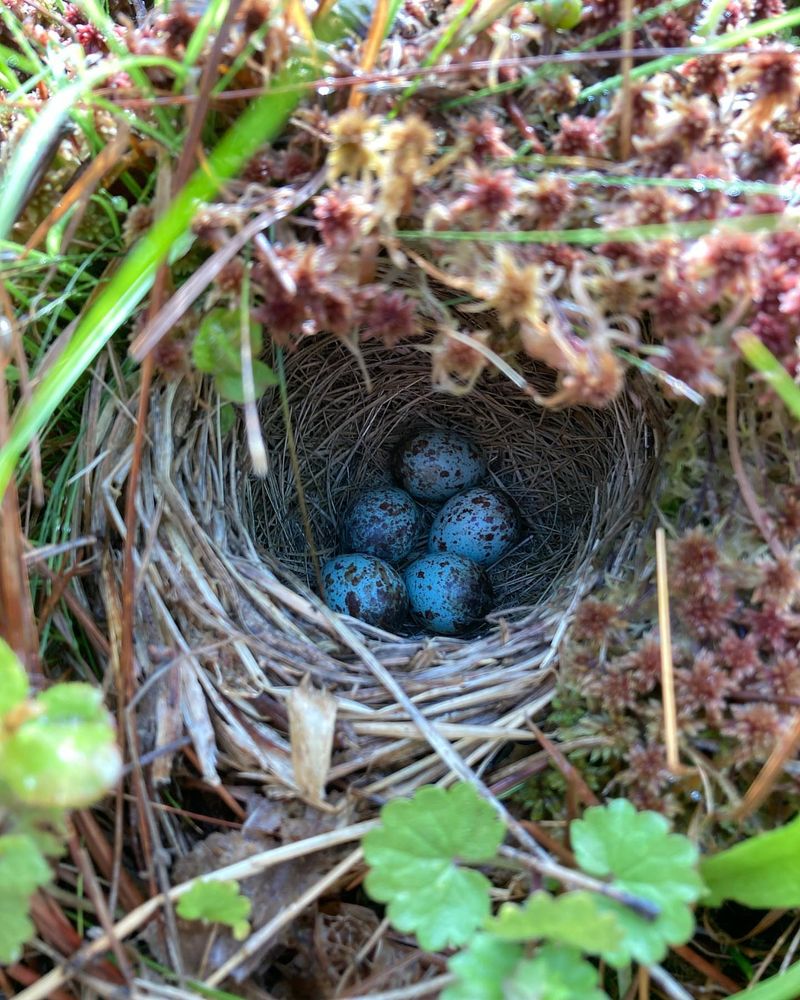
Clusters of creamy white flowers bloom in early summer, attracting countless insects that become protein-rich meals for parent birds feeding hungry nestlings nearby.
Dark purple berries ripen in late summer and early fall, offering nutritious food right when many bird species prepare for migration journeys ahead.
Over one hundred bird species consume elderberries, making this bush one of the most valuable plants you can add to your North Carolina bird sanctuary.
Fast-growing canes create a thicket-like structure that offers excellent cover for ground-nesting species and those preferring lower shrub layers for protection.
Native to North Carolina, elderberry adapts easily to local conditions and requires little care once roots establish themselves in your garden soil.
Multiple stems provide flexible nesting options, and birds can choose between outer branches for visibility or inner sections for maximum concealment from predators.
Pruning old canes annually encourages fresh growth and better berry production, ensuring your feathered visitors have abundant food and nesting materials each season.
5. Arrowwood Viburnum
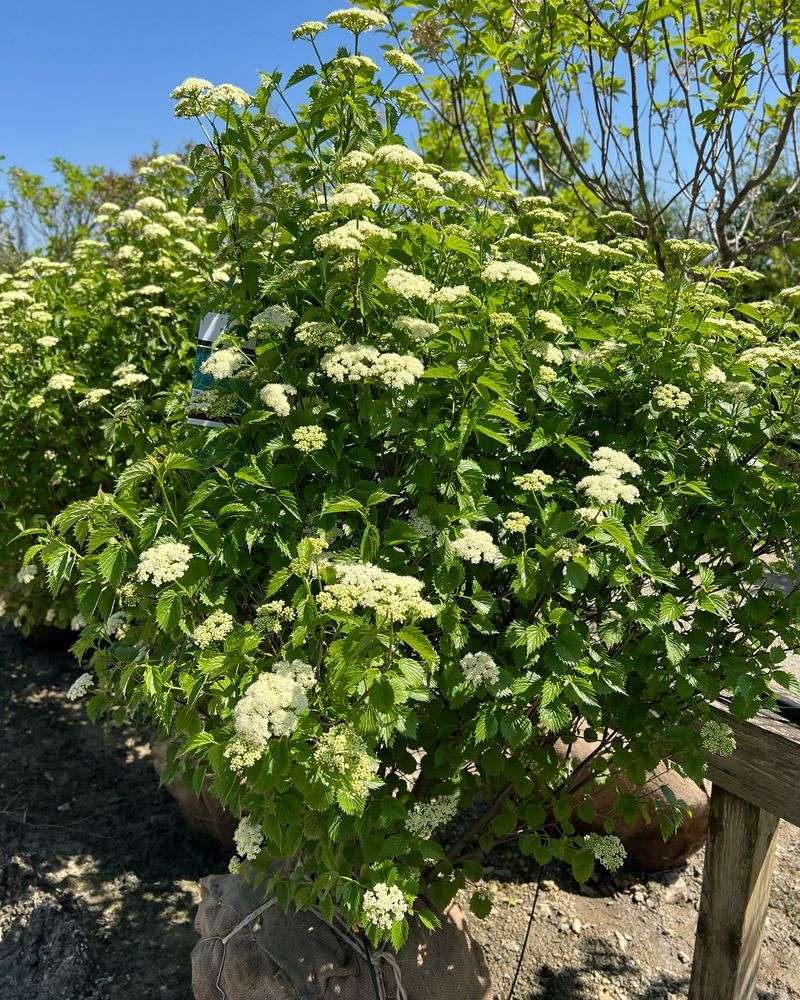
White flower clusters appear in late spring, creating a stunning display that attracts pollinators and provides nectar for hummingbirds visiting your North Carolina yard.
Blue-black berries follow the blooms, and these nutritious fruits disappear quickly as hungry birds devour them throughout the late summer and autumn months.
Dense branching structure offers ideal nesting sites for cardinals, catbirds, and other medium-sized birds that prefer sturdy branches for building their family homes.
Fall foliage turns brilliant shades of red and purple, adding seasonal interest to your landscape while continuing to provide shelter for birds preparing nests.
Native status means this viburnum naturally resists local pests and diseases, reducing the need for chemical treatments that could harm birds or their food.
Suckers spread gradually to form colonies, creating even more nesting opportunities as the plant matures and expands its footprint in your garden space.
Adaptable to various light conditions from full sun to partial shade, arrowwood viburnum thrives throughout North Carolina’s diverse microclimates and soil types.
6. Spicebush
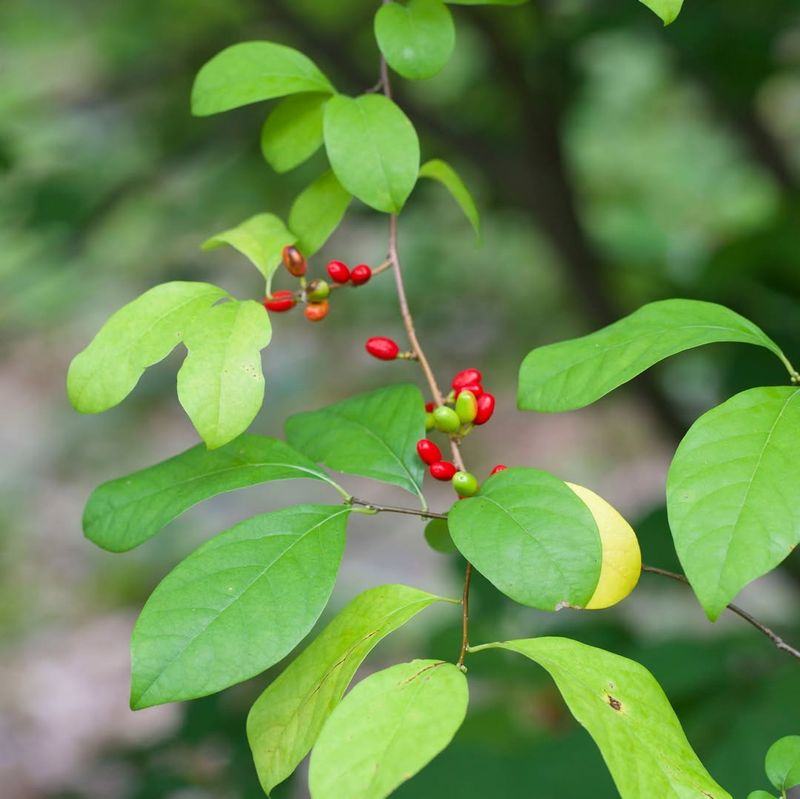
Aromatic leaves and stems release a spicy fragrance when crushed, and this pleasant scent makes the bush easy to identify during woodland walks.
Bright red berries ripen in fall and contain high fat content that helps migratory birds build energy reserves for their long journeys southward.
Wood thrushes, veeries, and other woodland species favor spicebush for nesting because it naturally grows in shaded understory conditions they prefer for safety.
Native to North Carolina forests, this bush thrives in moist, shaded areas where many other fruiting shrubs struggle to survive or produce berries.
Early spring flowers appear before leaves emerge, providing nectar when few other food sources are available for bees and early-arriving migrant hummingbirds.
Spicebush swallowtail butterflies lay eggs on the leaves, and their caterpillars become protein-rich snacks for parent birds feeding nestlings in nearby nests.
Planting this native shrub recreates natural forest conditions in your yard, encouraging shy woodland bird species to nest where they might otherwise avoid suburban areas.
7. Beautyberry
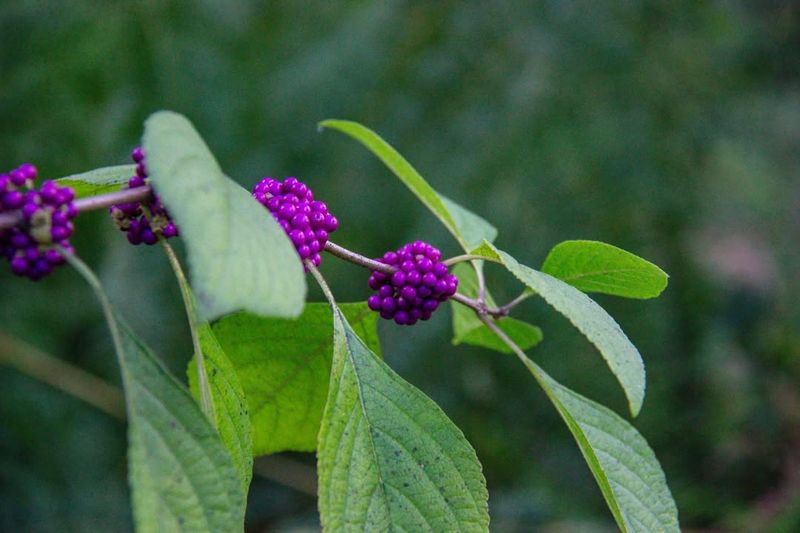
Vibrant purple berries grow in tight clusters along arching branches, creating a stunning visual display that also attracts numerous bird species to your yard.
Mockingbirds, cardinals, and finches feast on these berries throughout fall and winter, providing entertainment as you watch their feeding behaviors from your window.
Arching branch structure offers flexible nesting sites where birds can build secure homes that sway gently in the breeze without becoming unstable or dangerous.
Native to the southeastern United States, beautyberry thrives in North Carolina’s climate and requires minimal watering once established in your landscape or garden.
Leaves turn yellow in autumn before dropping, but the brilliant berries persist well into winter, offering food when birds need it most desperately.
Deciduous nature means this shrub loses leaves in winter, yet the open branch structure still provides some protection for roosting birds on cold nights.
Easy propagation from cuttings allows you to expand your beautyberry collection inexpensively, creating more nesting habitat throughout your property for growing bird populations.
8. Blackberry
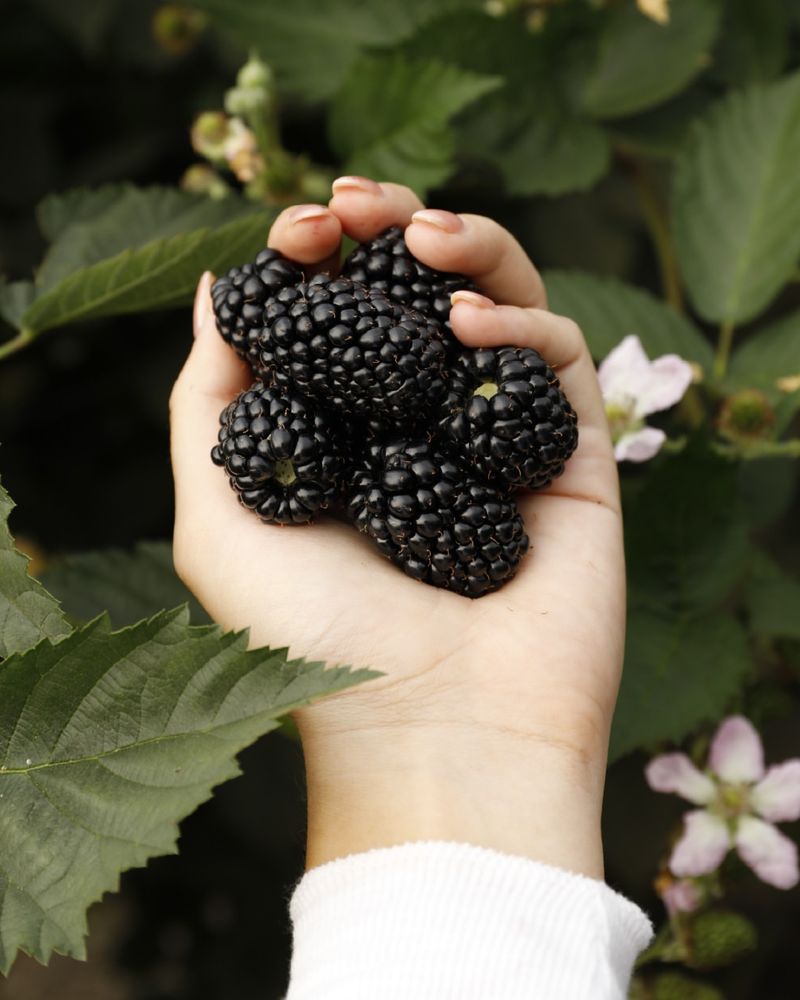
Thorny canes form impenetrable thickets that create fortress-like protection for nesting birds, keeping predators at bay while parents raise their vulnerable young safely.
White spring flowers attract bees and other pollinators, which in turn become additional food sources for insect-eating birds feeding hungry chicks in nearby nests.
Ripe black berries appear in summer and provide sweet, juicy nutrition that birds relish, often returning repeatedly to favorite patches throughout the fruiting season.
Tangled growth pattern offers multiple nesting levels and locations, accommodating different bird species with varying preferences for height, exposure, and branch density.
Native blackberries require little maintenance beyond occasional pruning to control spread, making them perfect for low-effort wildlife gardens in North Carolina backyards and properties.
Birds consume berries and then spread seeds throughout your yard, naturally expanding blackberry patches and creating even more nesting habitat over time.
Evergreen leaves in mild North Carolina winters provide some shelter even during colder months, though deciduous varieties also work well for seasonal nesting needs.
9. Carolina Allspice
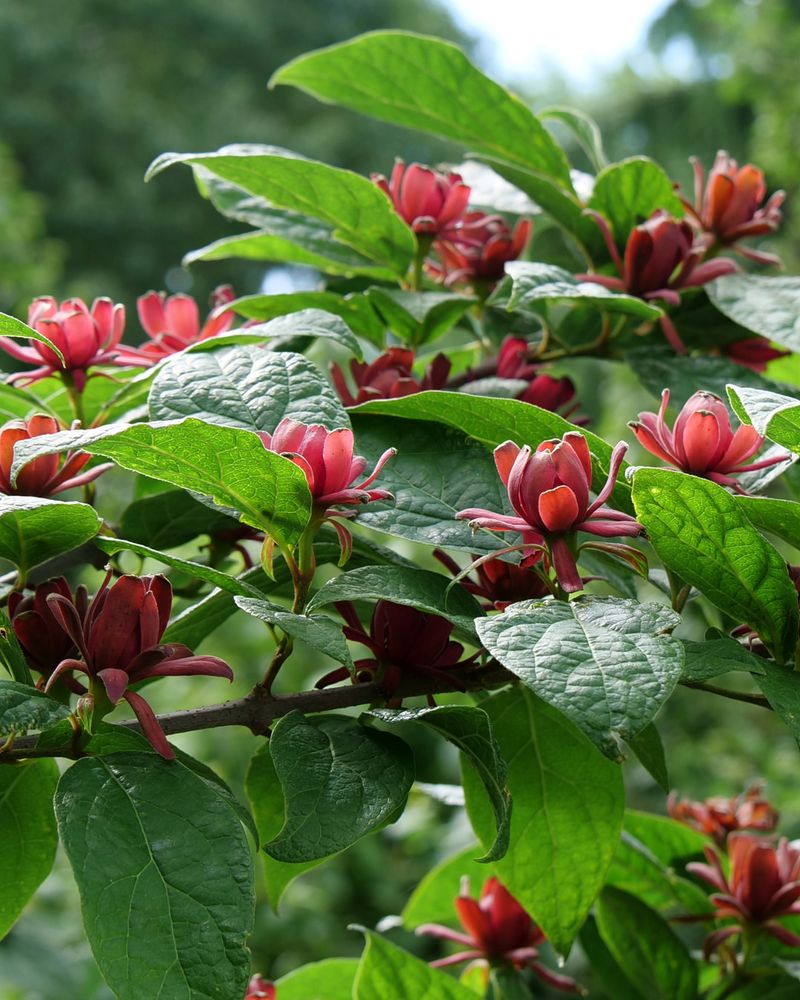
Fragrant burgundy flowers bloom in late spring, releasing a sweet, fruity scent that fills your garden and creates a sensory experience for visitors.
Glossy green leaves provide dense cover throughout the growing season, offering excellent concealment for nests built by shy bird species preferring hidden locations.
Native to North Carolina mountains and piedmont regions, this shrub naturally thrives in local conditions without requiring special soil amendments or excessive watering efforts.
Shade tolerance makes Carolina allspice perfect for planting under trees where many other flowering shrubs fail to bloom or grow vigorously enough for nesting.
Multiple stems create a rounded, bushy form that birds find appealing for nest construction, with branches strong enough to support nests through storms.
Deer resistance means this plant remains intact and continues providing nesting habitat even in areas where browsing pressure destroys other shrub species regularly.
Low maintenance requirements and reliable performance make Carolina allspice an excellent choice for busy gardeners wanting to support birds without dedicating excessive time to care.
10. Inkberry Holly
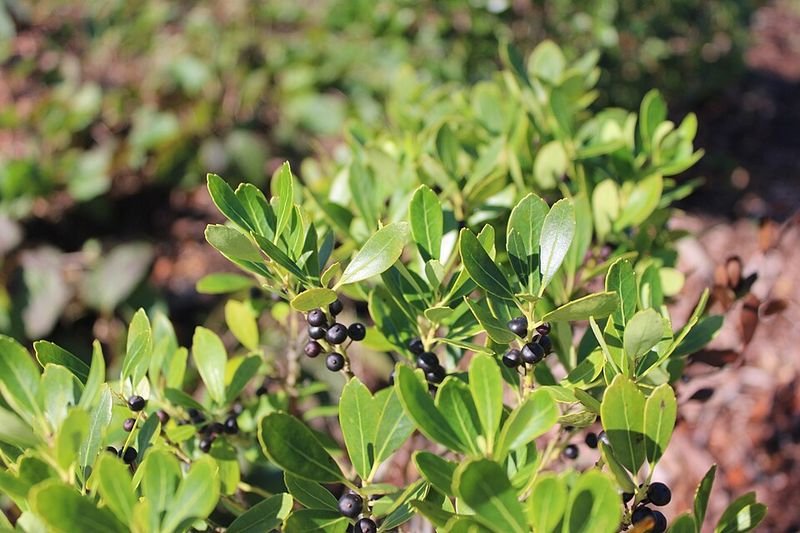
Glossy evergreen leaves create year-round privacy and protection, making inkberry holly a reliable nesting site regardless of season or weather conditions outside.
Small dark berries appear on female plants and persist through winter, providing emergency food when harsh conditions limit other natural resources for birds.
Compact growth habit fits well in smaller yards, allowing urban and suburban gardeners to create bird-friendly spaces even with limited available square footage.
Native to North Carolina’s coastal plain and piedmont, inkberry adapts easily to various soil types including clay, sand, and loam with proper drainage.
Dense branching structure offers excellent concealment for nests, and the shrub’s tidy appearance makes it suitable for formal landscapes and informal garden designs alike.
Tolerates wet soil conditions better than many hollies, making it perfect for low-lying areas where water occasionally collects after heavy North Carolina rainstorms occur.
Birds appreciate the fine-textured foliage that provides numerous attachment points for nest construction, and the shrub’s moderate size prevents it from overwhelming smaller properties.
11. Winterberry Holly
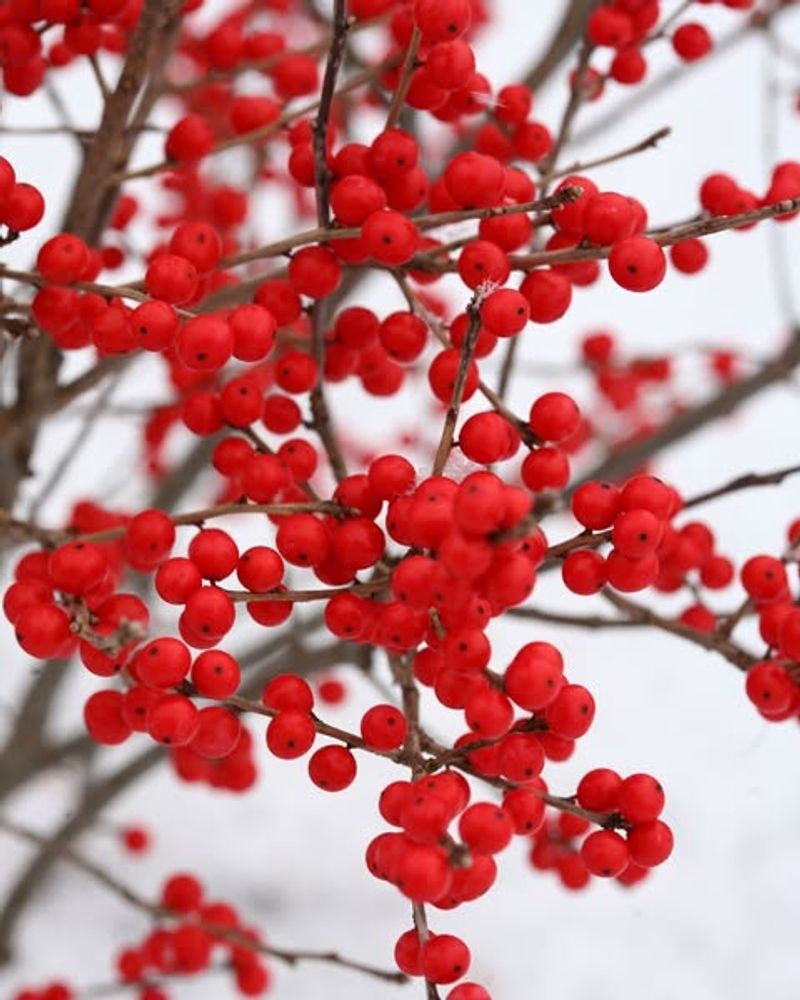
Bright red berries cover bare winter branches in spectacular fashion, creating a stunning landscape feature while feeding robins, waxwings, and other winter bird residents.
Deciduous nature means leaves drop in fall, but the exposed berries become highly visible and attract birds from considerable distances to your North Carolina yard.
Female plants produce the showy berries, so remember to plant at least one male winterberry nearby to ensure proper pollination and abundant fruit.
Wetland origins make this holly perfect for rain gardens and low spots where standing water occasionally accumulates after storms and heavy precipitation events occur.
Summer foliage provides good nesting cover when birds are actively raising families, then berries appear just as migration begins and food becomes scarce.
Native status ensures winterberry resists local pests and diseases naturally, eliminating the need for chemical treatments that might harm birds or beneficial insects visiting.
Bright berries often persist into late winter, offering critical nutrition during the hardest months when natural food supplies dwindle and birds struggle to survive.
12. Yaupon Holly
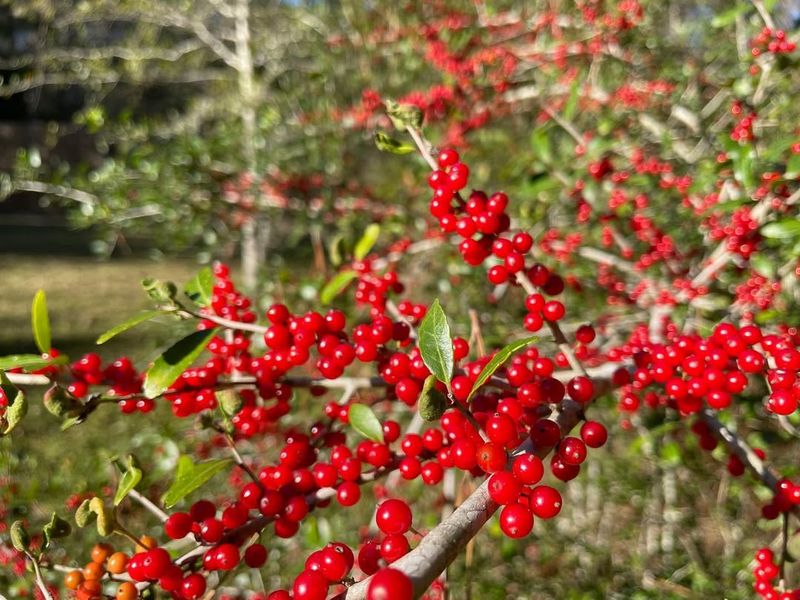
Small red berries appear in fall and cover female plants so densely that branches seem to glow with color, attracting birds from throughout the neighborhood.
Fine-textured evergreen leaves create a delicate appearance while providing substantial cover for nesting birds that appreciate both beauty and functional shelter in landscapes.
Native to North Carolina’s coastal regions, yaupon tolerates salt spray, sandy soil, and drought conditions that challenge many other holly species and ornamental shrubs.
Compact cultivars fit small spaces, while larger varieties create substantial hedges that offer extensive nesting habitat for multiple bird families simultaneously throughout breeding seasons.
Birds consume the berries enthusiastically, and the shrub’s reliability in producing fruit makes it a dependable food source year after year without fail.
Fast growth rate means yaupon quickly establishes itself and begins providing nesting sites within just a few years after planting in your North Carolina garden.
Adaptable to pruning, this holly can be shaped into formal hedges or left natural, giving you flexibility while maintaining excellent bird-friendly characteristics and features.