Cabbage Worms Are The Silent Destroyer Of Spring Vegetables In North Carolina
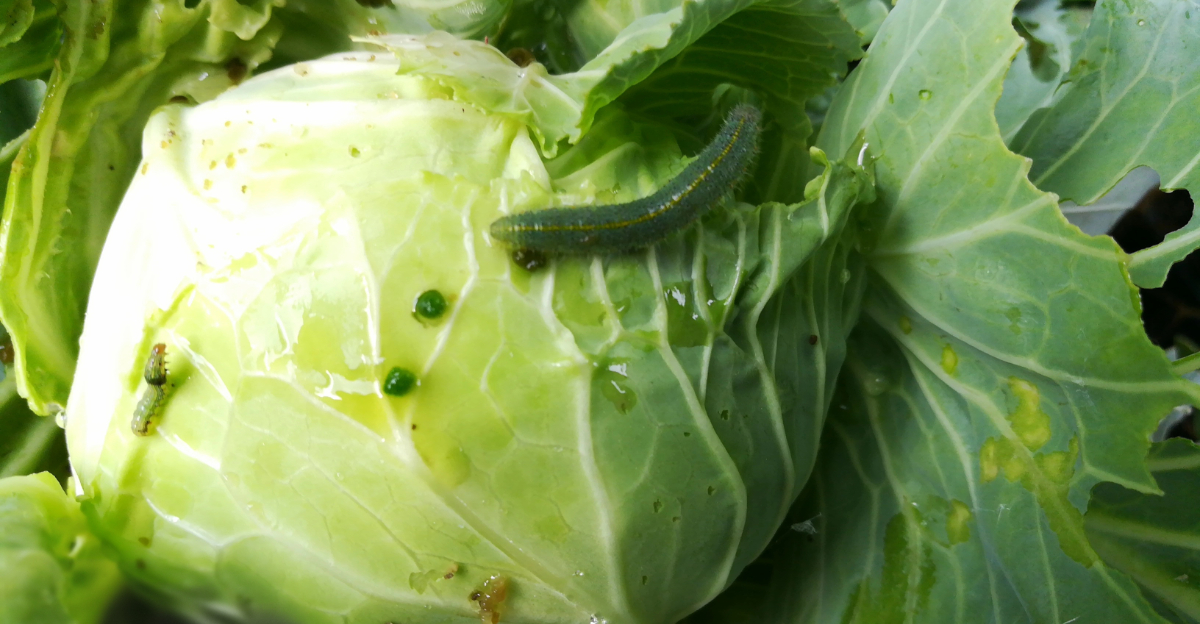
One day your broccoli and cabbage look perfect, and the next morning the leaves are full of tiny holes. Many North Carolina gardeners know this frustrating moment well.
The damage often appears suddenly, even though the garden looked healthy just a few days earlier. Across the Coastal Plain, Piedmont, and Mountain regions, cabbage worms are one of the most common spring pests in vegetable gardens.
These small green caterpillars blend perfectly with leafy crops like kale, broccoli, and cabbage, which makes them hard to spot while they quietly feed. By the time the damage becomes obvious, they may already be well established on the plants.
The good news is that cabbage worms follow predictable patterns once you understand them. Knowing how they arrive, what attracts them, and how they feed can give North Carolina gardeners a real advantage in protecting their spring vegetables.
Cabbage Worms Target Popular Spring Vegetables
Walk through any North Carolina spring garden, and you will likely spot the damage before you ever spot the pest itself.
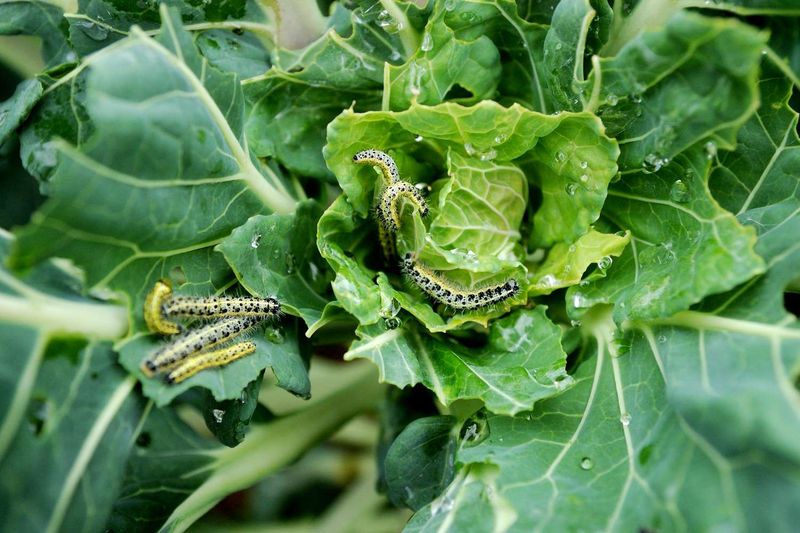
Cabbage worms are the caterpillar stage of the cabbage white butterfly, known scientifically as Pieris rapae, and they have a strong appetite for the vegetables most gardeners love to grow.
Crops like cabbage, broccoli, kale, cauliflower, collards, and Brussels sprouts are all on their menu.
These vegetables belong to the brassica family, and cabbage worms are drawn to them like a magnet. North Carolina gardeners who grow these crops in spring often find their plants are the first to show feeding damage.
The worms chew through tender leaves quickly, and a small group of them can cause noticeable harm within just a few days.
What makes this pest especially tricky is how common and beloved these target vegetables are across the state. Collards and kale are practically staples in North Carolina gardens, which means cabbage worms almost always have a reliable food source nearby.
Knowing which plants attract them most helps you focus your attention where it matters. Checking brassica crops regularly during spring planting season is one of the smartest habits any home gardener can build from the start.
The Pest Often Appears In Early Spring Gardens
Timing is everything when it comes to cabbage worms in North Carolina. As soon as temperatures begin climbing in late February and March, adult cabbage white butterflies start emerging from their overwintering pupae.
These small, pale white butterflies are easy to overlook, but spotting one fluttering near your garden is a clear warning sign worth paying attention to.
The adult butterflies do not cause any feeding damage themselves. Their job is simply to find brassica plants and lay their eggs.
They prefer to place those tiny eggs on the underside of leaves, where they are sheltered and harder for gardeners to notice. Once the eggs hatch, the caterpillars begin feeding almost immediately, and the cycle of damage starts all over again.
North Carolina experiences a long, warm spring season, which gives cabbage worms more time to establish and multiply compared to colder states. Gardeners who start planting in early March are often working right in step with the butterflies.
Paying close attention to your plants during those first warm weeks is key. If you notice white butterflies hovering around your brassica crops, inspect your leaves right away.
Catching the eggs early, before they hatch into hungry caterpillars, can save your plants from serious setbacks later in the season.
The Caterpillars Blend In With Leaves
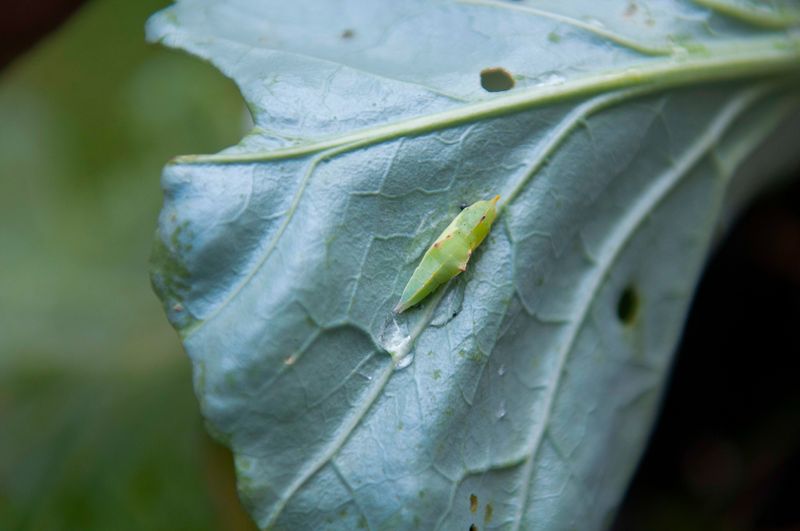
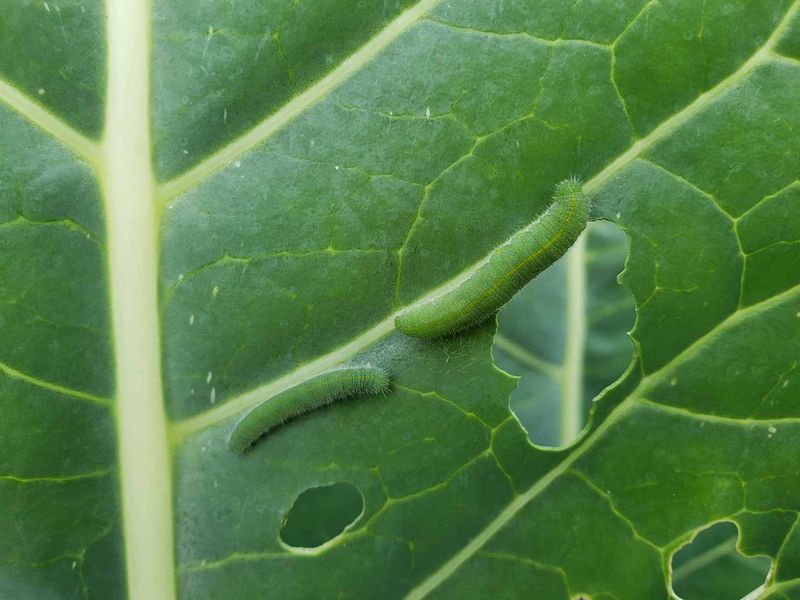
Nature gave cabbage worms one seriously effective trick: they are almost the exact same color as the leaves they eat.
These caterpillars are a soft, velvety green that matches brassica foliage so closely that even experienced gardeners can stare right at a leaf and miss the pest entirely.
It is one of the reasons cabbage worms cause so much damage before anyone realizes they are there.
Their small size adds to the challenge. Young cabbage worms are barely visible when they first hatch, and they tend to feed along the edges or undersides of leaves where shadows provide extra cover.
By the time they grow large enough to spot easily, they have already been feeding for days. A single plant can host several worms at once, and the combined feeding damage adds up fast.
North Carolina gardeners who grow kale and collards often describe the frustration of finding ragged, chewed-up leaves despite checking their plants regularly. The key is to look slowly and closely, especially along the central rib and underside of each leaf.
Running your fingers gently along the leaf surface can sometimes help you feel a caterpillar before you see it. Bright morning light is the best time to inspect, since the worms are more visible when sunlight hits the leaf at an angle and breaks through their camouflage.
Feeding Damage Can Appear Quickly
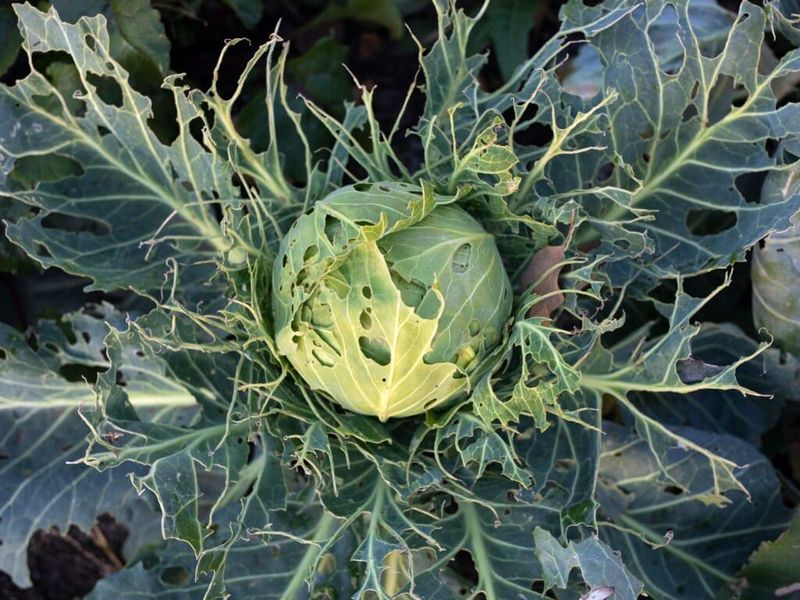
One of the most alarming things about cabbage worms is how fast they can damage a plant. A few caterpillars working together can chew through a full cabbage leaf in a surprisingly short amount of time, leaving behind ragged holes and, in severe cases, nothing but the bare skeleton of leaf veins.
Gardeners in North Carolina sometimes walk out to their garden on a Monday with healthy plants and return Wednesday to find serious damage.
The feeding tends to start on outer leaves and then moves inward toward the heart of the plant. When cabbage worms burrow into the center of a cabbage head, they leave behind a trail of greenish-brown waste material that contaminates the edible portion.
This kind of damage does not just look bad, it can make a whole head of cabbage unusable at harvest time.
Heavy feeding also slows plant growth overall. When a broccoli or cauliflower plant loses too many leaves too quickly, it struggles to produce energy through photosynthesis, which reduces the quality and size of the harvest.
In North Carolina, where spring growing windows are precious and warm weather transitions fast, losing even a week or two of strong plant growth can noticeably impact your yield.
Acting quickly at the first sign of feeding damage gives your plants the best chance of recovering and producing a full, healthy harvest.
Small Eggs Are Often Hidden Under Leaves
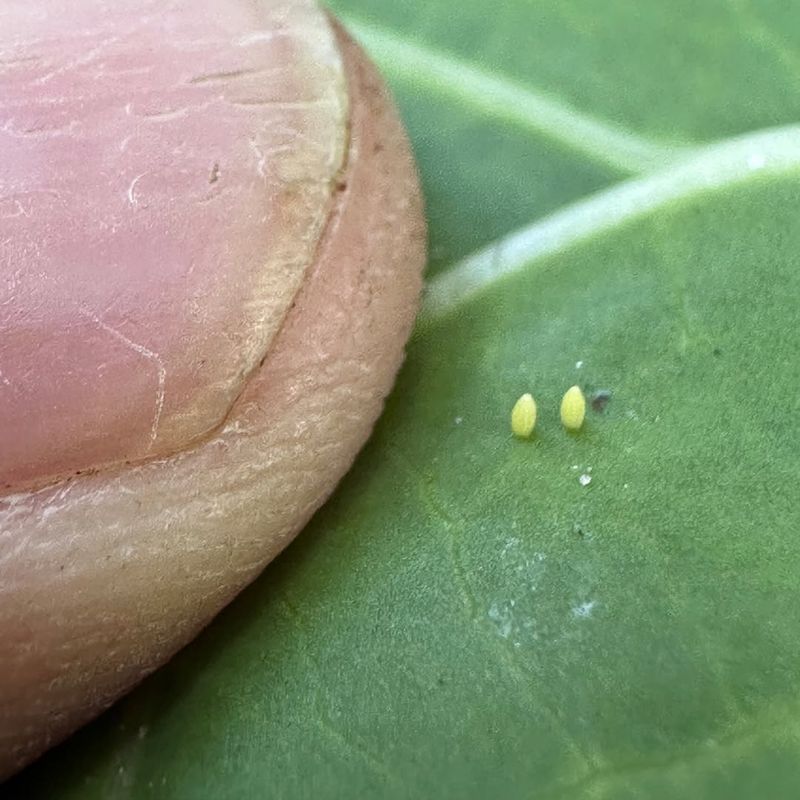
Before there are caterpillars, there are eggs, and finding those eggs early is one of the most effective ways to stop cabbage worms before they start causing trouble.
The cabbage white butterfly lays tiny, pale yellow eggs that stand upright on the leaf surface like miniature footballs.
They are incredibly small, usually less than one millimeter tall, and they are almost always placed on the underside of leaves where they are hard to spot.
Each butterfly can lay dozens of eggs across multiple plants, spreading the infestation widely throughout a garden.
The eggs typically hatch within four to eight days depending on temperature, so the window for catching them before they become feeding caterpillars is short.
Warm spring weather in North Carolina speeds up this process, meaning you could go from eggs to actively feeding larvae within less than a week.
Checking the undersides of leaves might feel tedious at first, but it quickly becomes second nature once you find your first batch of eggs. Flip each leaf gently and scan the surface carefully.
A small magnifying glass can make the eggs easier to spot if your eyesight makes tiny details tricky. When you find eggs, simply wipe them off with a damp cloth or your fingers.
Removing them before they hatch is one of the simplest and most satisfying ways to protect your North Carolina spring garden from a full-blown infestation.
Hand Removal Is One Simple Control Method
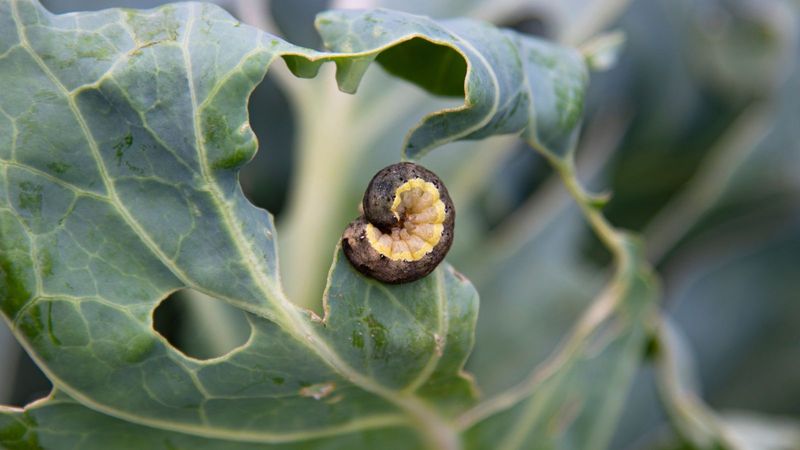
Sometimes the most effective solution is also the most straightforward one. Hand removal, or simply picking cabbage worms off your plants by hand, is a tried-and-true method that North Carolina home gardeners have relied on for generations.
It costs nothing, requires no special equipment, and works remarkably well when done consistently throughout the season.
The routine is simple: visit your brassica plants every few days, flip the leaves over, and remove any caterpillars you find. Drop them into a bucket of soapy water to prevent them from crawling back to the plant.
Focus especially on the undersides of leaves and the inner folds of cabbage heads, since those are the spots worms prefer to hide. Early morning inspections work best because caterpillars are more active and slightly easier to spot in cooler temperatures.
Consistency is what makes this method actually work. A single inspection every two weeks will not keep up with how quickly new generations hatch and grow in North Carolina’s warm spring climate.
However, a quick five-minute check every two to three days can dramatically reduce the population before it gets out of hand. Many gardeners find that once they build this habit into their regular garden routine, they rarely deal with severe cabbage worm damage.
Pair hand removal with checking for eggs at the same time, and you have a powerful, completely natural approach to protecting your vegetable crops.
Row Covers Help Protect Young Plants
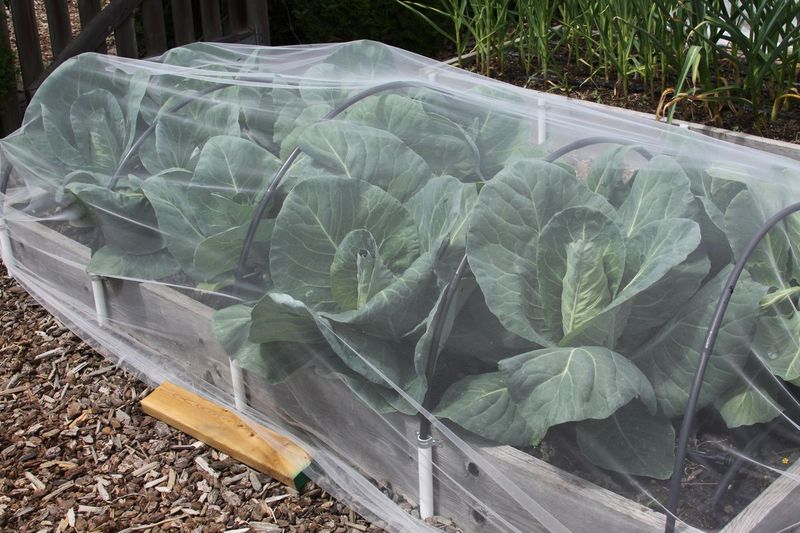
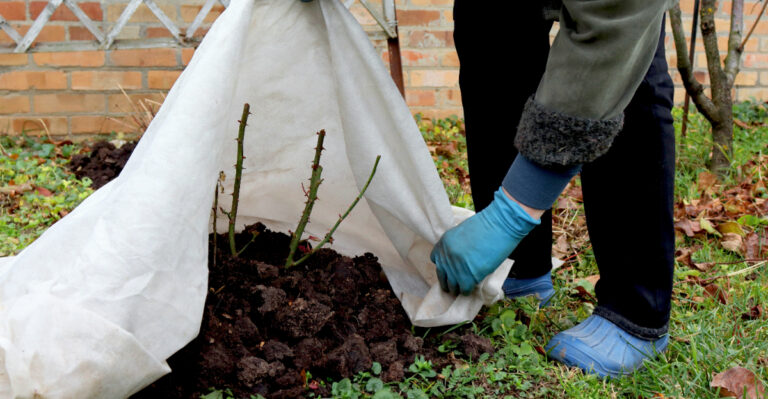
Floating row covers are one of the most reliable tools North Carolina gardeners can use to keep cabbage worms off their plants from the very beginning.
These lightweight, breathable fabric covers act as a physical barrier, preventing adult cabbage white butterflies from landing on plants and laying their eggs in the first place. No eggs means no caterpillars, and no caterpillars means no feeding damage.
The covers allow sunlight, air, and water to pass through while keeping insects out. They are typically made from spun polypropylene, a light and flexible material that will not crush young seedlings.
You drape the cover loosely over the plants and secure the edges with soil, rocks, or garden staples so butterflies cannot sneak underneath. Installing them at the time of planting gives your crops the strongest protection during their most vulnerable early weeks.
One thing to keep in mind is that row covers also keep out beneficial pollinators, so they work best on crops that do not need pollination to produce, like cabbage, broccoli, kale, and collards.
In North Carolina, where spring butterfly activity picks up fast, getting your row covers on early can make a significant difference in how your brassica crops perform across the entire season.
Many gardeners who use this method report spending far less time dealing with pest damage overall, making row covers a smart, low-effort investment for any spring garden.
Healthy Plants Recover More Easily
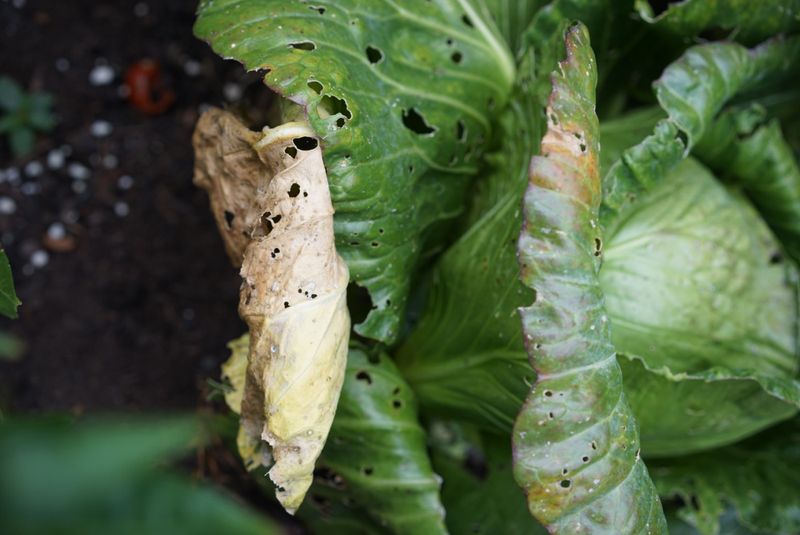
Strong, well-nourished plants have a remarkable ability to bounce back from minor pest activity, and cabbage worms are no exception to this rule.
Vegetables grown in fertile, well-amended soil with consistent moisture are simply better equipped to handle occasional feeding pressure without it affecting the final harvest. A stressed plant, on the other hand, can struggle to recover even from light damage.
North Carolina gardeners who prepare their beds with quality compost before planting tend to see noticeably more resilient crops throughout the season. Good soil feeds the roots, which in turn supports faster leaf regrowth after feeding damage occurs.
Regular watering also plays a big role, since plants that dry out between waterings are already under stress and have fewer resources available for recovery.
Feeding your brassica crops with a balanced fertilizer during the growing season helps maintain vigorous growth even when a few caterpillars are present. The goal is not to create a garden that is completely free of all pest activity, which is rarely realistic.
Instead, the goal is to grow plants that are healthy and strong enough to keep producing despite occasional setbacks.
In North Carolina, where spring conditions can shift from cool to warm quickly, giving your plants every nutritional advantage from the start sets the foundation for a productive, rewarding harvest that makes all your hard work feel completely worth it.