California Garden Plants Known For Living Well Over One Hundred Years
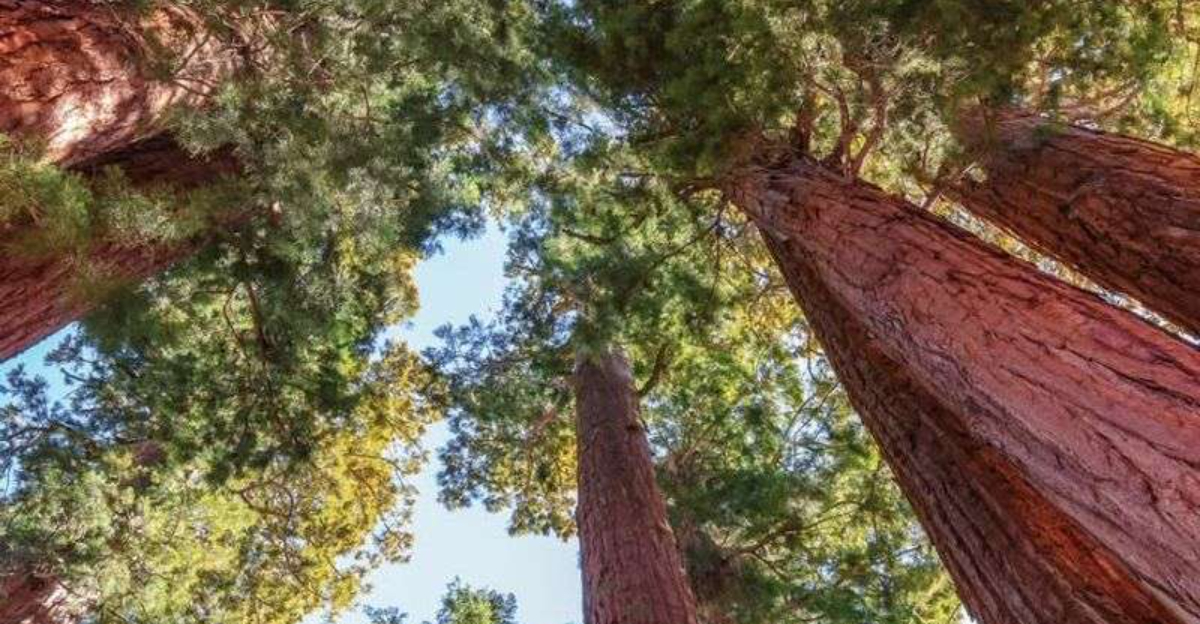
California’s climate is ideal for a surprising number of long-lived plants—some capable of thriving for a century or longer.
Warm, dry summers and mild winters mimic conditions found in Mediterranean and desert ecosystems where many ancient plant species evolved.
Because of this, California homeowners can grow trees and shrubs that not only last a lifetime but may also outlive the home itself.
From iconic native oaks to timeless olives and hardy cycads, these plants are nearly unmatched in their longevity.
Their slow, steady growth and resilience make them landscape anchors that require little maintenance once established.
For gardeners looking to build a legacy garden or plant something future generations will enjoy, these long-lived species offer a chance to create lasting beauty and stability.
Coast Live Oak (Quercus Agrifolia)
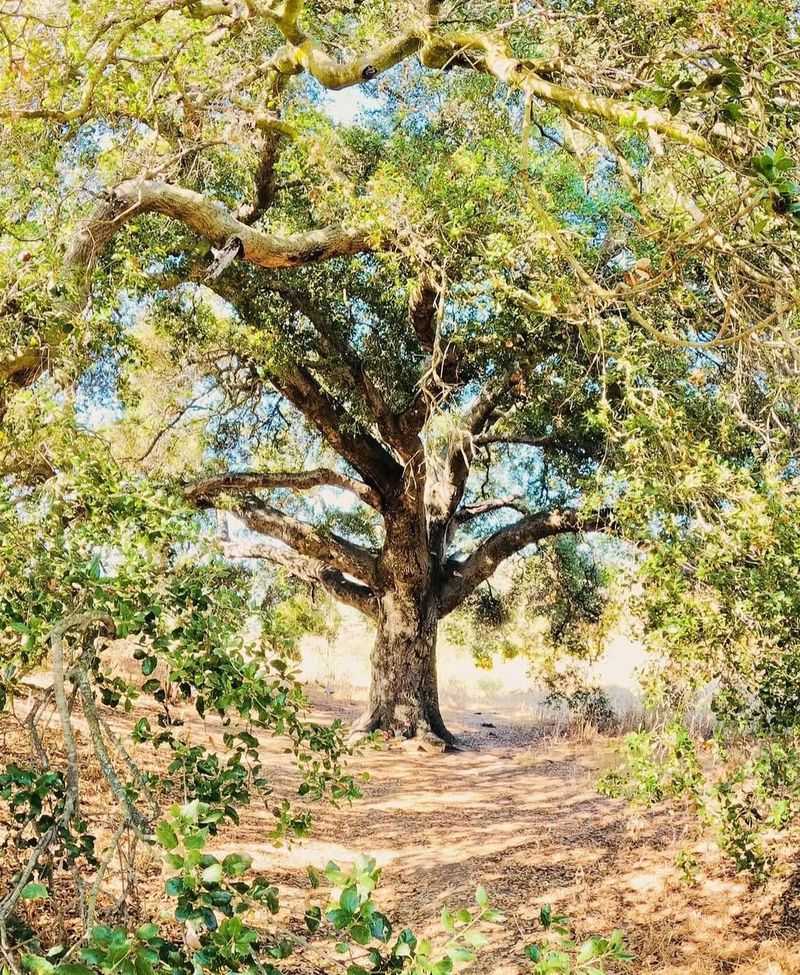
Native to California hillsides and valleys, this magnificent oak stands as a testament to endurance and strength.
Coast live oaks routinely reach 200 to 300 years old, with some ancient specimens documented at over 400 years.
Their broad, spreading canopies provide cooling shade that can lower surrounding temperatures by up to 20 degrees on hot summer days.
The evergreen foliage remains glossy and green year-round, making this tree a constant presence in your landscape.
Wildlife absolutely adores coast live oaks, as their acorns feed countless birds, squirrels, and other creatures.
Plant one in a spacious area where its roots can spread wide, as they need room to establish their impressive underground network.
These oaks grow moderately slowly, adding about one to two feet per year once established.
Drought tolerance improves with age, making mature specimens incredibly resilient during California’s dry seasons.
Young trees benefit from occasional deep watering during their first five years.
Once mature, coast live oaks become nearly self-sufficient, requiring minimal care while offering maximum beauty and ecological value for generations to come.
California Pepper Tree (Schinus Molle)
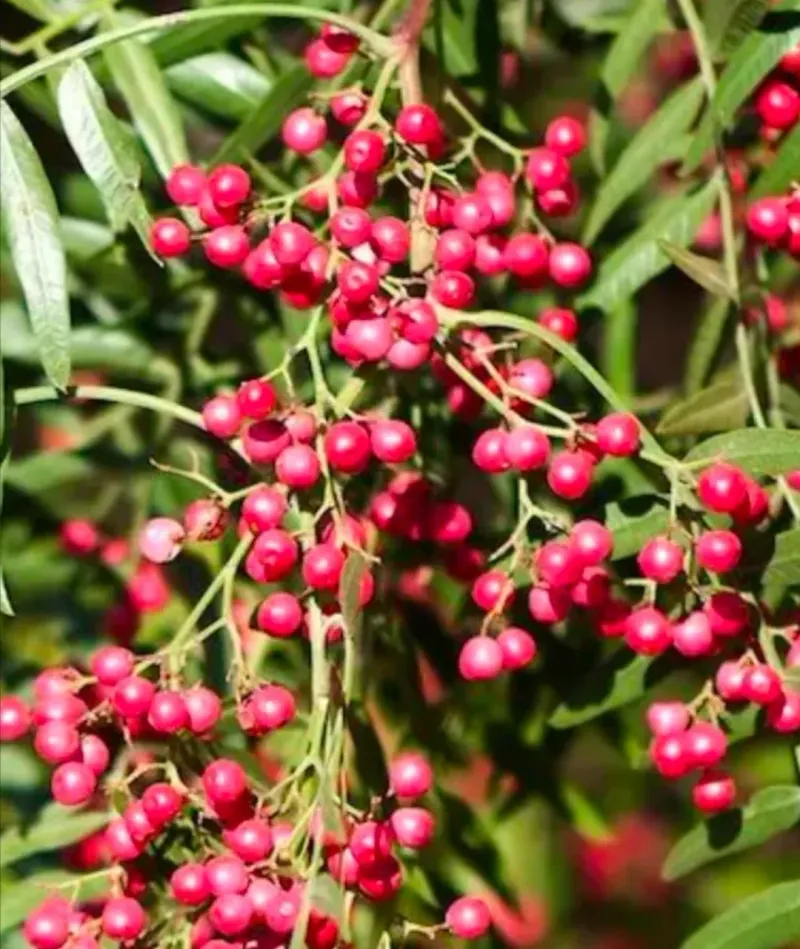
With gracefully weeping branches and delicate foliage, the California pepper tree brings a romantic, Mediterranean atmosphere to any garden.
This South American native adapted so well to California that it became an iconic part of the landscape, especially in Southern regions.
Many specimens planted in the 1800s still thrive today, easily surpassing 150 years of age.
The aromatic leaves release a pleasant peppery scent when crushed, adding a sensory dimension to your outdoor space.
Clusters of tiny pink berries appear in fall and winter, creating beautiful cascades of color against the fine-textured green foliage.
Birds flock to these berries, making pepper trees excellent wildlife magnets.
Extremely drought-tolerant once established, these trees can survive on rainfall alone in most California climates.
Their fast growth rate means you’ll enjoy substantial shade within just a decade or two.
Plant pepper trees away from patios and pools, as they drop leaves and berries throughout the year.
Despite this minor maintenance consideration, their longevity and graceful beauty make them cherished landscape anchors that can serve your family for multiple lifetimes.
Olive Tree (Olea Europaea)
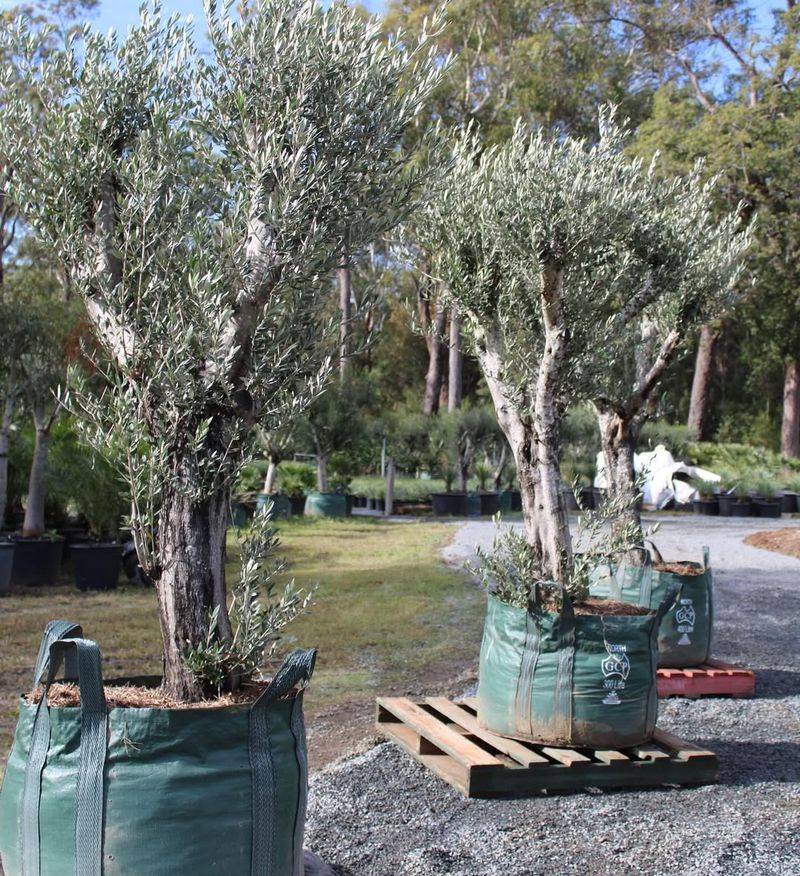
Few plants symbolize longevity and peace quite like the olive tree, which has been cultivated for over 6,000 years.
In California’s Mediterranean climate, olives feel completely at home and commonly reach 200 to 500 years of age.
Some ancient olive trees in the Mediterranean region have been documented at over 2,000 years old, still producing fruit!
The silvery-green foliage shimmers beautifully in sunlight, creating a calming visual effect in any garden setting.
Twisted, gnarled trunks develop character over decades, becoming living sculptures that improve with age.
Many California gardeners harvest their own olives for curing or pressing into oil, adding practical value to ornamental beauty.
Olives require minimal water once established, thriving in California’s dry summers without supplemental irrigation.
They prefer well-drained soil and full sun exposure for optimal health and fruit production.
Pruning helps maintain an attractive shape and encourages fruiting, though these trees remain beautiful even with minimal intervention.
Planting an olive tree connects you to ancient agricultural traditions while creating a lasting legacy that could outlive your great-grandchildren.
Coast Redwood (Sequoia Sempervirens)
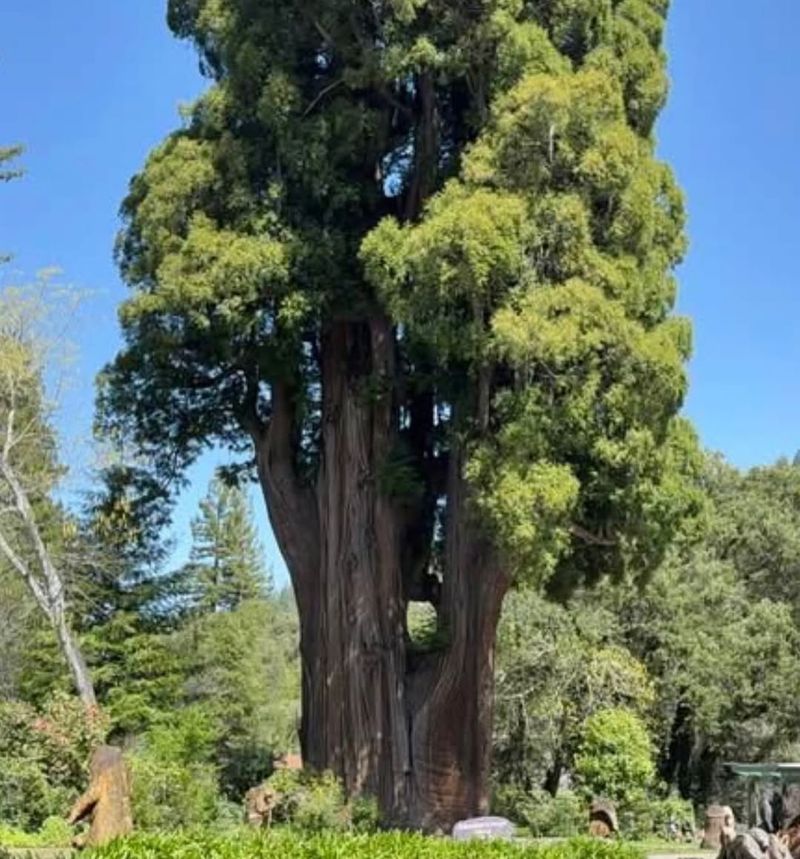
Standing among coast redwoods feels like entering a cathedral, with towering columns reaching toward the sky.
These magnificent trees can live for over 2,000 years in their native foggy coastal ranges.
Even when planted in residential landscapes, coast redwoods easily surpass several hundred years of age.
Their fast growth rate is remarkable for such a long-lived species, often adding three to five feet per year in ideal conditions.
The soft, feathery foliage creates a lush, forest-like atmosphere that transforms ordinary yards into magical retreats.
Coast redwoods thrive best in areas with coastal fog or regular moisture, though they adapt surprisingly well to inland valleys with supplemental water.
Their shallow but extensive root systems help prevent erosion on slopes while creating stability for the massive trunk above.
These trees prefer acidic soil and benefit from a thick layer of mulch that mimics the forest floor of their natural habitat.
Space is essential—plant redwoods where they have room to grow both upward and outward without crowding structures.
A coast redwood planted today could become a towering landmark that defines your neighborhood for centuries, inspiring wonder in countless future generations.
Giant Sequoia (Sequoiadendron Giganteum)
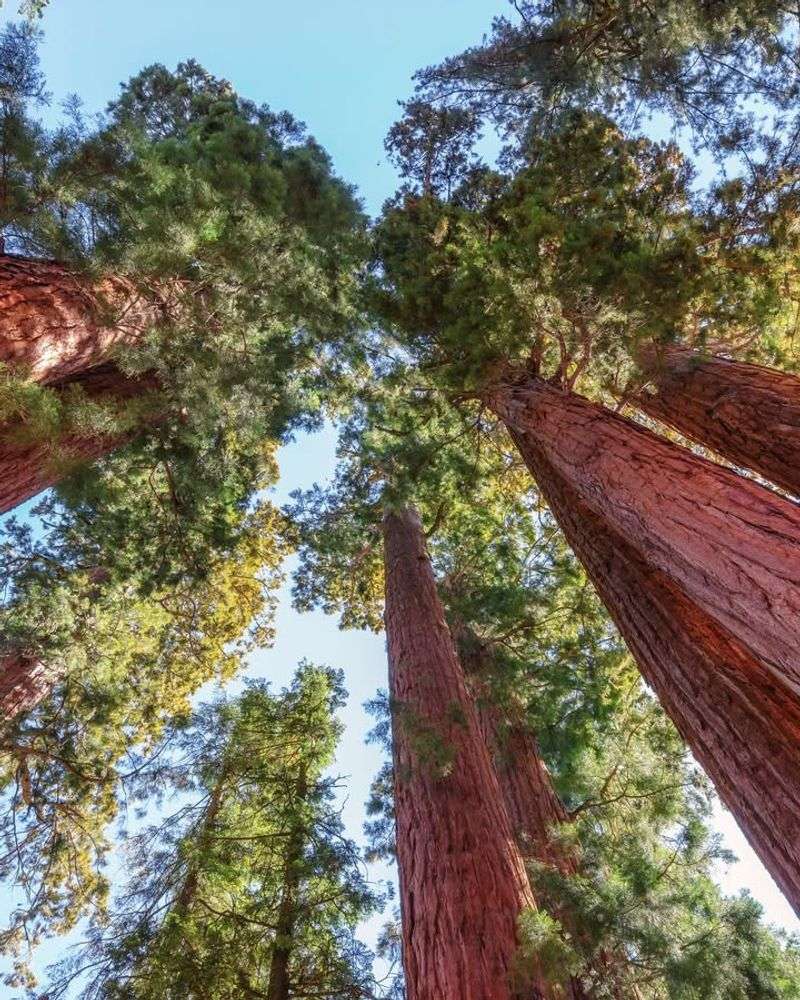
Imagine planting the same species that includes the largest living organisms on Earth right in your own California garden!
Giant sequoias can live for over 3,000 years in their native Sierra Nevada mountains.
Even landscape specimens planted at lower elevations regularly reach several hundred years of age.
The massive, cinnamon-colored bark becomes fire-resistant as the tree matures, a fascinating adaptation from its mountain origins.
Young giant sequoias grow in an attractive pyramidal shape with blue-green foliage that remains beautiful year-round.
These trees need deep, well-drained soil and plenty of space to accommodate their eventual enormous size.
While they grow more slowly than coast redwoods, giant sequoias still add impressive height each year once established.
Regular watering during dry months helps young trees establish strong root systems.
Giant sequoias adapt remarkably well to various California climates, from coastal areas to inland valleys, though they prefer cooler regions.
Planting one creates an instant conversation piece and a living monument that will dominate your landscape for centuries, growing into a true giant that future generations will travel to see and admire.
California Fan Palm (Washingtonia Filifera)
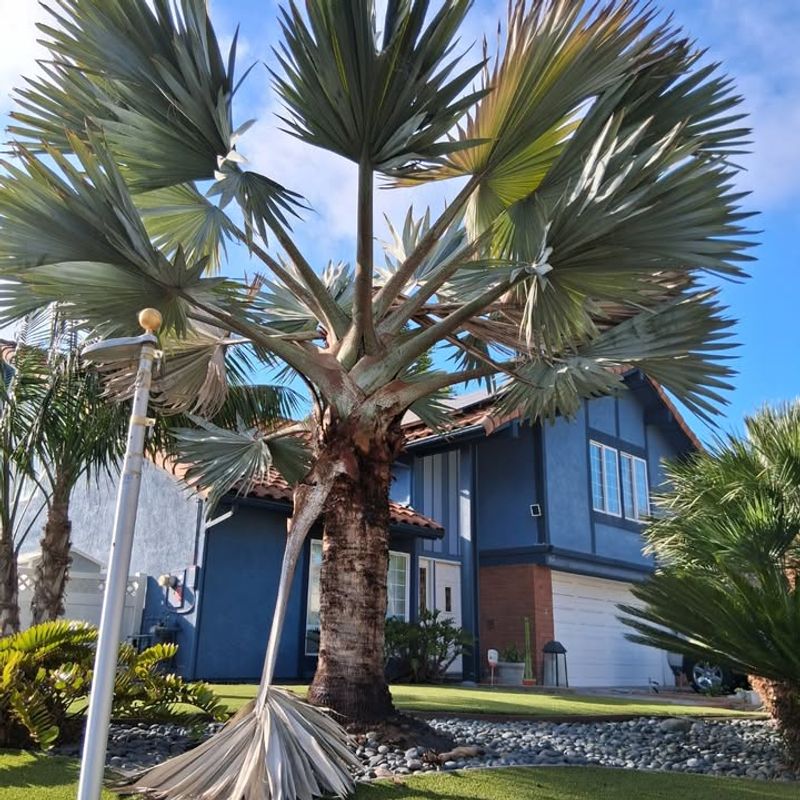
California’s only native palm brings a distinctly tropical feel to gardens while boasting impressive longevity of 200 years or more.
These palms naturally grow in desert oases and canyons throughout Southern California and the southwestern deserts.
Their massive fan-shaped leaves can reach five to six feet across, creating dramatic architectural statements in the landscape.
The thick, robust trunk grows slowly upward, eventually reaching heights of 40 to 60 feet in mature specimens.
Older trunks often retain a natural skirt of dried leaves that hangs down, creating a distinctive shaggy appearance that many gardeners find charming.
California fan palms tolerate both desert heat and occasional freezing temperatures, making them versatile across many California climates.
They prefer full sun and well-drained soil but adapt to various soil types once established.
Water needs are moderate—they appreciate regular moisture but survive extended dry periods thanks to their desert heritage.
These palms rarely suffer from pests or diseases, making them remarkably low-maintenance for such a dramatic plant.
Planting a California fan palm connects your garden to the state’s native heritage while creating a towering landmark that will grace your property for multiple human lifetimes.
Sago Palm Cycad (Cycas Revoluta)
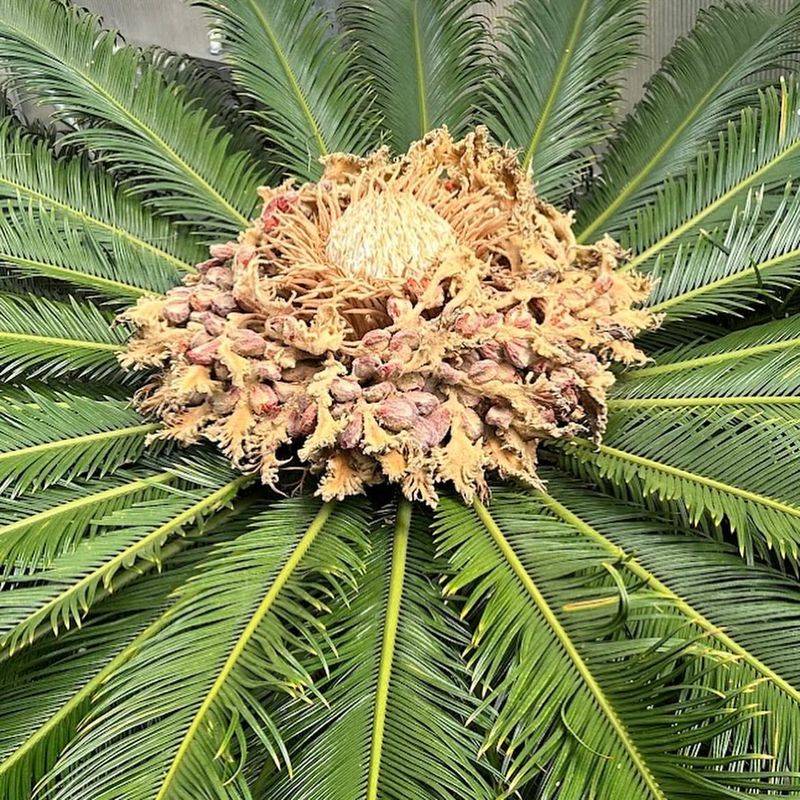
Despite its common name, the sago palm isn’t actually a palm at all but rather a cycad—a primitive plant group that has existed since dinosaurs roamed Earth!
This living fossil can live for several hundred years, with some documented specimens reaching 300 years or more.
The symmetrical crown of dark green, feather-like fronds emerges from a thick central trunk that grows extremely slowly.
Sago palms typically add only one to two inches of height per year, making them perfect for gardens where you want long-term beauty without overwhelming size.
Their compact growth habit works beautifully in courtyards, entryways, and foundation plantings.
These cycads thrive in California’s mild climate, tolerating both coastal conditions and inland heat.
They prefer partial shade to full sun and well-drained soil, though they adapt to various conditions.
Drought tolerance improves with age, making mature specimens quite resilient.
New fronds emerge in a dramatic flush once or twice yearly, unfurling in a spectacular display.
Planting a sago palm means adding a piece of prehistoric history to your landscape—a plant whose ancestors witnessed the rise and fall of countless species, now growing peacefully in your California garden for generations to come.
European Bay Laurel (Laurus Nobilis)
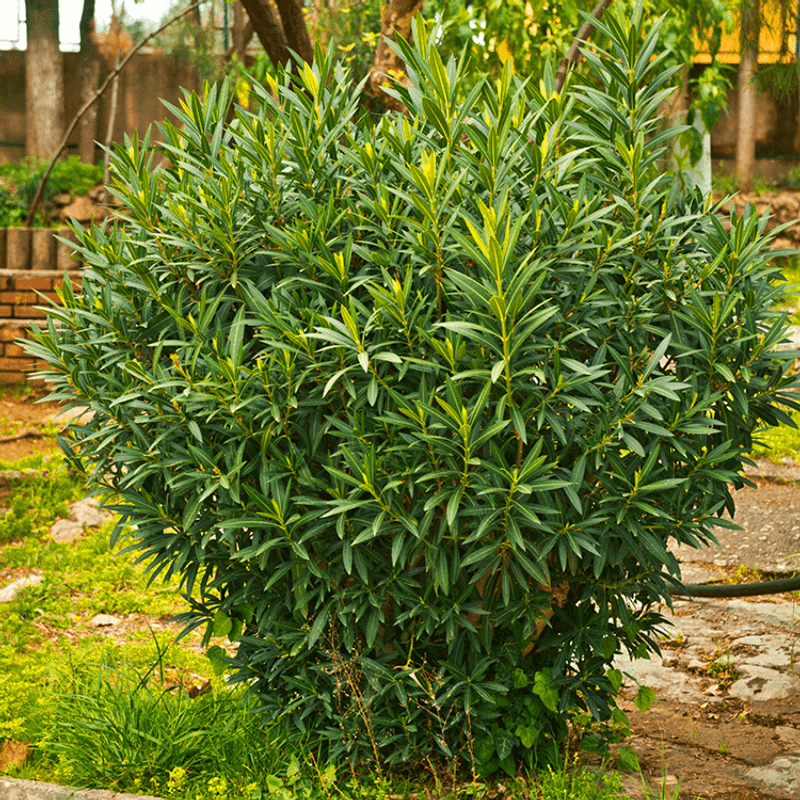
The same aromatic leaves you use in cooking come from this remarkably long-lived Mediterranean tree that can survive for multiple centuries.
Historical records document bay laurels living over 300 years in their native Mediterranean regions.
California’s similar climate provides ideal conditions for these trees to reach comparable ages.
The dense, evergreen foliage creates excellent privacy screens and windbreaks while filling your garden with a subtle, pleasant fragrance.
Glossy, dark green leaves remain attractive year-round, and you can harvest them fresh for culinary use anytime.
Bay laurels grow slowly to moderately, eventually forming substantial trees 20 to 40 feet tall with equal spread.
They tolerate pruning exceptionally well, allowing you to maintain them as formal hedges, topiaries, or natural trees depending on your preference.
These trees prefer well-drained soil and moderate water, though established specimens handle drought quite well.
Bay laurels adapt to both coastal and inland California climates, thriving in full sun to partial shade.
Few pests or diseases bother these tough trees, making them nearly maintenance-free once established.
Planting a bay laurel gives you both a practical herb source and a beautiful, enduring landscape anchor that will serve your family’s cooking and provide shade for centuries.
Yucca (Trunk-Forming Species)
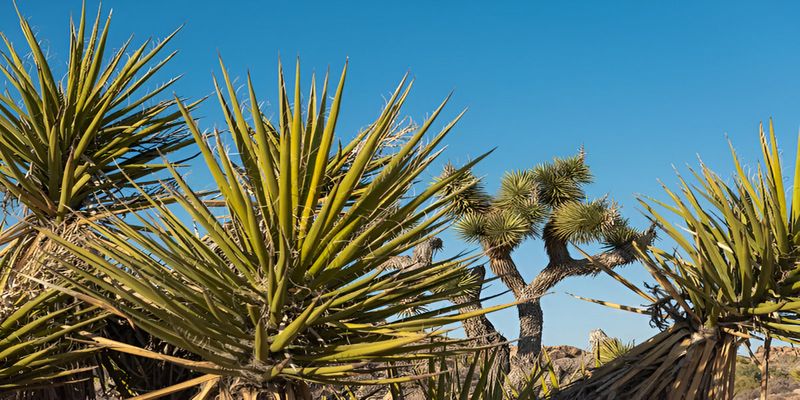
Certain yucca species develop impressive tree-like forms with thick trunks that persist for centuries in California’s drier landscapes.
Species like Joshua tree yucca and Mojave yucca form clonal colonies that can survive for hundreds or even thousands of years.
Individual trunk-forming yuccas commonly reach 100 to 200 years of age while continuously producing offsets that extend the colony’s lifespan indefinitely.
The dramatic architectural form of mature yuccas, with their spiky rosettes atop thick trunks, creates instant southwestern character.
Spectacular flowering spikes emerge in spring or summer, bearing hundreds of creamy white blossoms that attract pollinators from miles around.
These desert natives require minimal care once established, thriving on neglect in California’s dry climates.
Plant them in full sun with excellent drainage—they actually prefer poor, rocky soil over rich garden beds.
Water needs are extremely low, making yuccas perfect for water-wise landscapes and drought-tolerant gardens.
Their tough, fibrous leaves and thick trunks withstand heat, cold, wind, and just about any challenge California weather presents.
Planting a trunk-forming yucca means adding a sculptural element that will only improve with age, developing character and presence that anchors your landscape for multiple generations while requiring virtually no maintenance.