California Gardeners Are Quietly Removing These Front-Yard Plants
California gardeners are quietly making changes to their front yards, and some familiar plants are starting to disappear. You might walk down a street and notice yards that feel fresh and different, even if nothing looks drastically new at first glance.
These subtle swaps are catching the attention of neighbors, sparking curiosity about what’s being removed and what’s taking its place. Gardeners are experimenting, trying new combinations, and rethinking layouts in ways that feel smart and intentional.
It’s not about trends or rules, just choices that make their yards feel right for their homes and lifestyles. If you’ve ever glanced at a front yard and wondered why some plants stick around while others vanish, you’re not alone.
California yards are quietly evolving, and the changes are often small but noticeable, making streets feel a little more dynamic and alive with possibility.
1. Lawn Grass (Especially Kentucky Bluegrass)

Walk through almost any California neighborhood right now, and you will notice something missing: the thick, green carpet of Kentucky Bluegrass that used to define so many front yards. Homeowners across the state are ripping it out, and for good reason.
Kentucky Bluegrass is not native to California. It comes from cooler, wetter climates and needs a huge amount of water to survive in a place like Los Angeles or Fresno.
During California’s frequent droughts, keeping this grass alive can feel like pouring water down a drain. Some estimates suggest a traditional lawn uses up to 70% of a home’s outdoor water supply.
Many California cities, including Los Angeles and San Diego, now offer rebates to homeowners who remove their grass lawns and replace them with drought-tolerant landscaping. These programs have encouraged thousands of residents to make the switch.
Replacing grass with native ground covers, decomposed granite, or low-water plants can cut outdoor water use dramatically. The results look beautiful and feel much more suited to California’s warm, dry climate.
Once people make the change, most say they never look back.
2. English Ivy
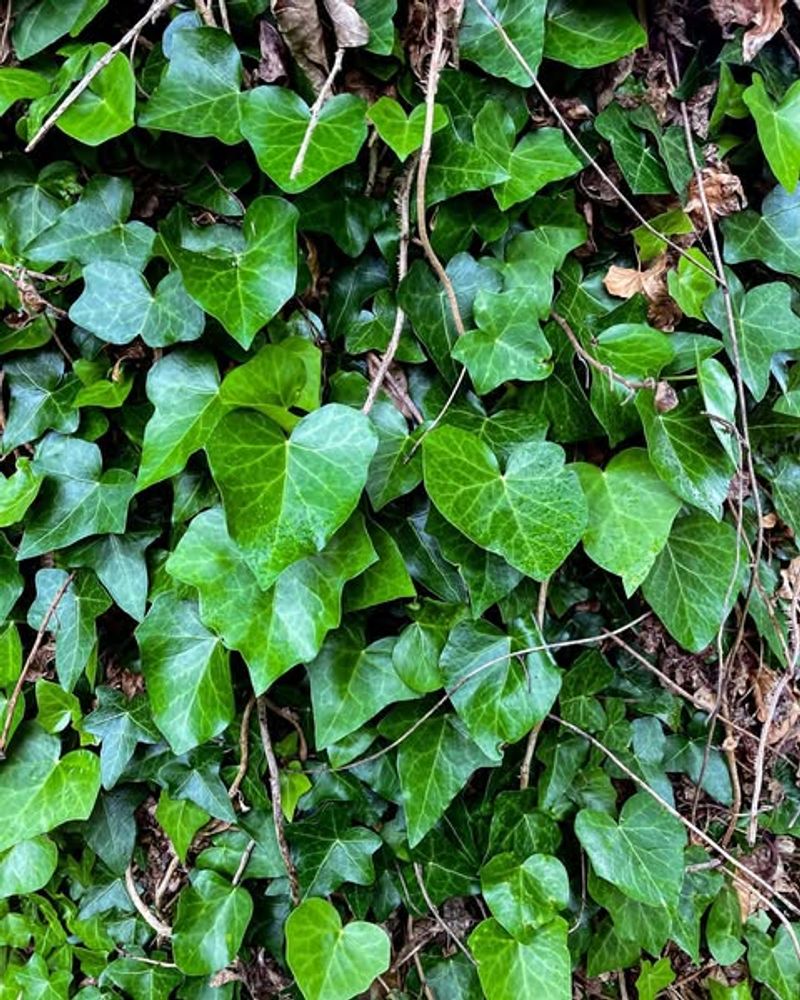
It looks charming in old photographs, crawling up brick walls and spreading across the ground in a lush, dark green wave. But English Ivy has earned a bad reputation in California, and gardeners are finally listening.
The problem is that English Ivy grows fast and does not stop. It takes over flower beds, climbs trees, and crowds out native plants that local wildlife depends on.
In Northern California especially, it has escaped gardens and spread into natural areas, pushing out plants that birds and pollinators need to survive. The California Invasive Plant Council lists it as a serious threat.
Beyond the environmental concerns, English Ivy is surprisingly high maintenance. It needs regular trimming to keep it from taking over everything around it.
It also creates hiding spots for rats and other pests, which is something no homeowner wants close to their front door. Many California gardeners are replacing it with low-growing native ground covers like Ceanothus or Creeping Sage.
These plants stay in bounds, need very little water once established, and actually support local bees and butterflies. Swapping English Ivy for a native alternative is one of the smartest moves a California homeowner can make.
3. Bermuda Grass
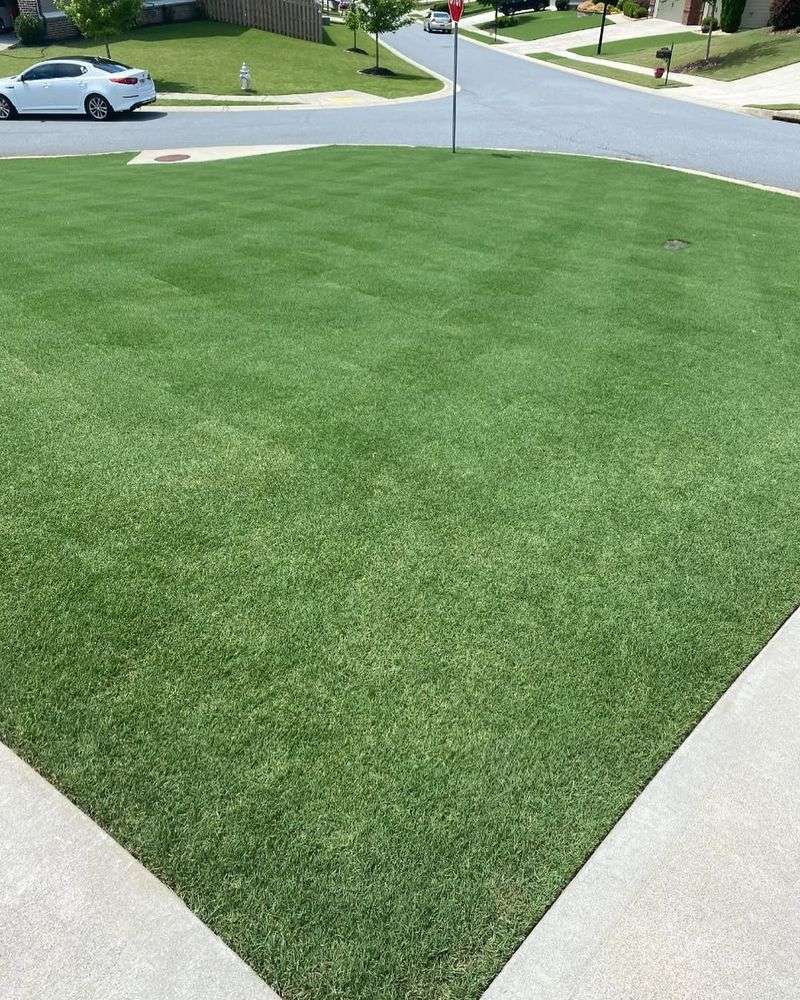
Tough, fast-spreading, and nearly impossible to fully remove once it gets established, Bermuda Grass has long been a staple of California front yards. But its reputation is starting to crack, and more homeowners are choosing to get rid of it.
One of the biggest complaints is how invasive it can be. Bermuda Grass sends out underground runners called rhizomes that sneak into garden beds, wrap around plant roots, and come back no matter how many times you pull them out.
Gardeners in places like Riverside and Bakersfield know this frustration well. Even a small piece of root left in the soil can sprout an entirely new patch.
Water use is another issue. While Bermuda Grass handles heat better than Kentucky Bluegrass, it still needs regular irrigation to stay green through California’s long, dry summers.
When water restrictions hit, Bermuda Grass turns brown quickly and looks rough. More Californians are replacing it with drought-tolerant alternatives like Buffalo Grass or no-mow meadow mixes that stay attractive with minimal water.
Some are skipping grass entirely and going with native plant gardens that look stunning year-round without the constant upkeep. The shift away from Bermuda Grass is well underway across the state.
4. Tamarisk
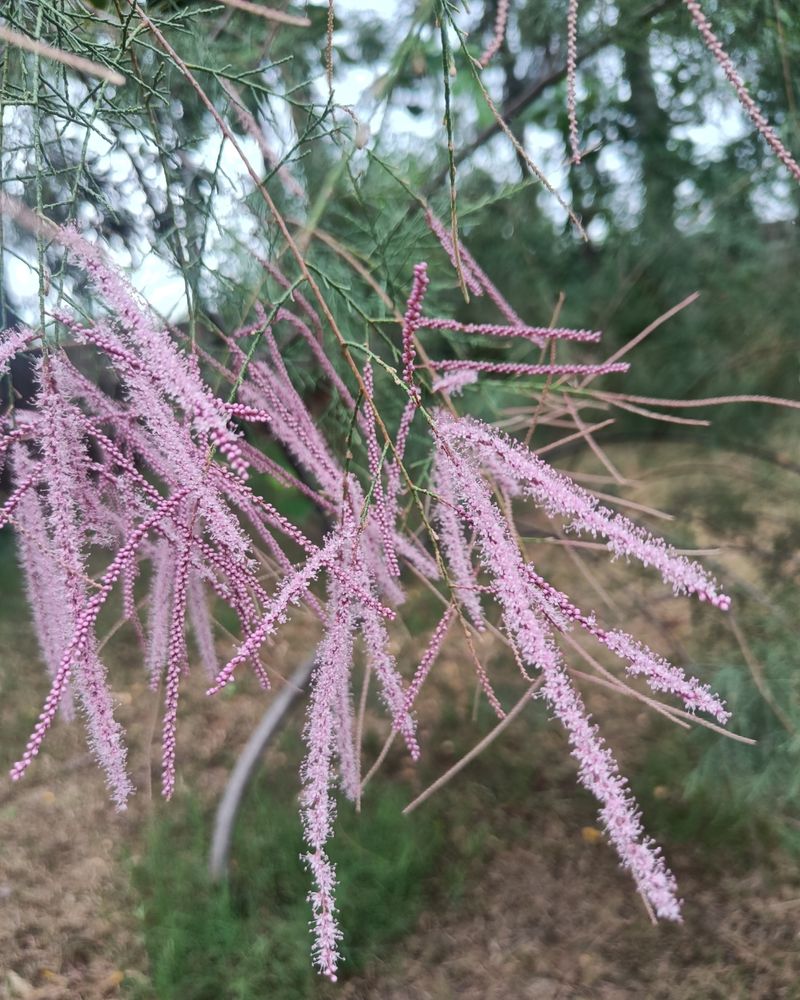
Few plants have caused as much trouble in California as Tamarisk, also known as Salt Cedar. It was originally brought to the United States from Europe and Asia as an ornamental shrub and for erosion control.
That decision turned out to be a big mistake.
Tamarisk is incredibly aggressive. It sucks up enormous amounts of groundwater, far more than most native plants.
Along California’s rivers and streams, it has pushed out willows and cottonwoods that native birds depend on for nesting. The plant also deposits salt in the soil from its leaves, making it harder for other plants to grow nearby.
In dry regions of Southern California, it has become a serious problem for natural ecosystems.
In front yards, Tamarisk can look pretty when it blooms with its feathery pink flowers. But homeowners who plant it often regret it later when they see how fast it spreads and how much water it demands.
California’s Department of Food and Agriculture has flagged it as a plant of concern. Removing Tamarisk and replacing it with low-water native shrubs like Desert Willow or Brittlebush is a much smarter choice for California gardens.
The native options are just as attractive and far less demanding.
5. Ice Plant
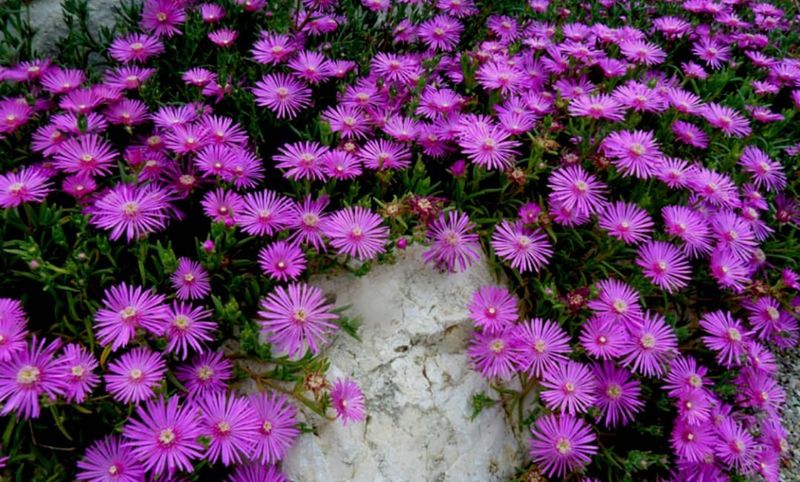
For decades, Ice Plant was considered the perfect California ground cover. It was planted on slopes, along roadsides, and in front yards up and down the state.
Its bright purple and yellow flowers looked cheerful, and it seemed to handle dry conditions well. Many Californians grew up seeing it everywhere.
The trouble is that Ice Plant is not actually native to California. It comes from South Africa and behaves like an invasive species in the wild.
Along the California coast, it has spread into natural areas and crowded out native dune plants that local wildlife relies on. Because it holds so much water in its thick leaves, it also creates a fire risk during dry seasons, which is a serious concern in a state that deals with wildfires every year.
In front yards, Ice Plant can get heavy and cause erosion on slopes rather than preventing it, which is the opposite of what most people plant it for. California gardeners are now replacing it with native ground covers like Dudleya, Deerweed, or California Buckwheat.
These plants support pollinators, handle drought beautifully, and do not pose the same risks. Making the swap is a small change that makes a real difference for California’s natural environment.
6. Oleander
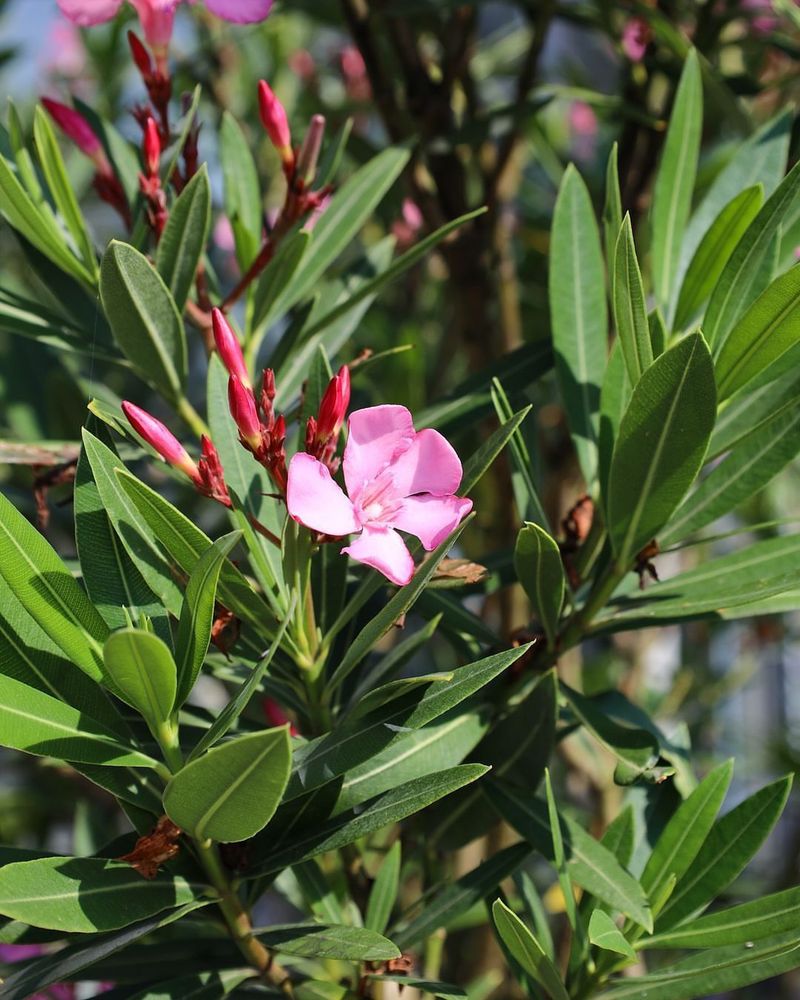
This flowering beauty has been a go-to choice for California front yards and highway dividers for generations. It grows fast, tolerates heat and drought, and produces showy flowers in pink, white, and red.
On the surface, it seems like a perfect plant for California’s climate. But a closer look tells a different story.
Every part of Oleander is highly toxic if eaten, including the leaves, flowers, and stems. For families with young children or pets, having Oleander in the front yard carries real risk.
Even burning its branches can release harmful fumes. Poison control centers across California receive calls about Oleander exposure every year, which has made many parents and pet owners take a second look at what is growing in their front yards.
On top of the safety concerns, the Oleander Leaf Scorch disease has been spreading through California for years, turning once-beautiful plants into brown, struggling shrubs. The disease is spread by a tiny insect and has no cure.
Many Oleander plants that once lined streets in Southern California are now badly damaged. Replacing Oleander with safer, equally tough alternatives like Toyon, Coffeeberry, or Salvia is a smart move.
These California natives are beautiful, wildlife-friendly, and safe for the whole family.
7. Privet
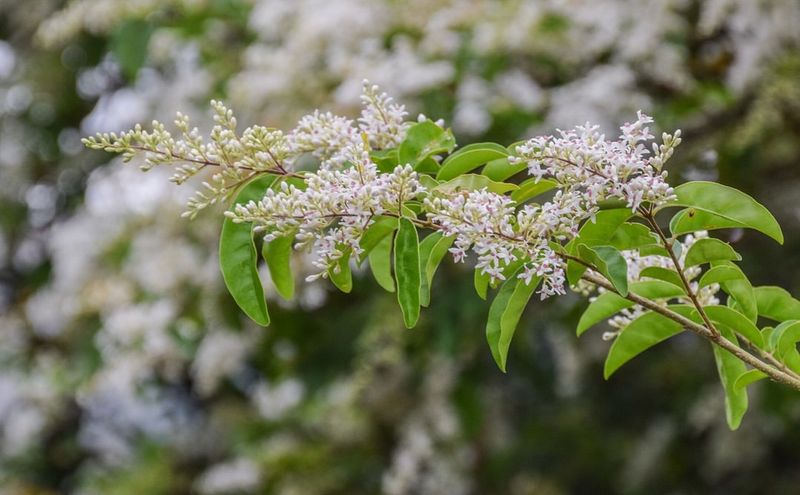
Privet hedges have been popular in California front yards for a long time. They grow thick and fast, making them a favorite for privacy screens and formal hedges.
But what looks tidy from the street can cause real problems in the local environment.
Privet is considered invasive in many parts of California. Its berries are eaten by birds, who then spread the seeds into natural areas, where the plant takes hold and crowds out native vegetation.
In Northern California, Privet has moved into riparian areas along streams and rivers, pushing out native plants and reducing habitat for wildlife. The California Invasive Plant Council has flagged several Privet species as problematic.
For allergy sufferers, Privet is also a well-known trigger. Its small white flowers release pollen that causes sneezing, itchy eyes, and breathing problems for many people.
In dense suburban neighborhoods across the Bay Area and Sacramento, Privet hedges can make spring a miserable season for sensitive residents.
Swapping Privet for a native hedge plant like Toyon, Lemonade Berry, or Western Redbud gives you the same privacy and structure without the environmental downsides.
California native hedges also attract hummingbirds and butterflies, turning your front yard into a mini wildlife habitat.
8. Russian Olive
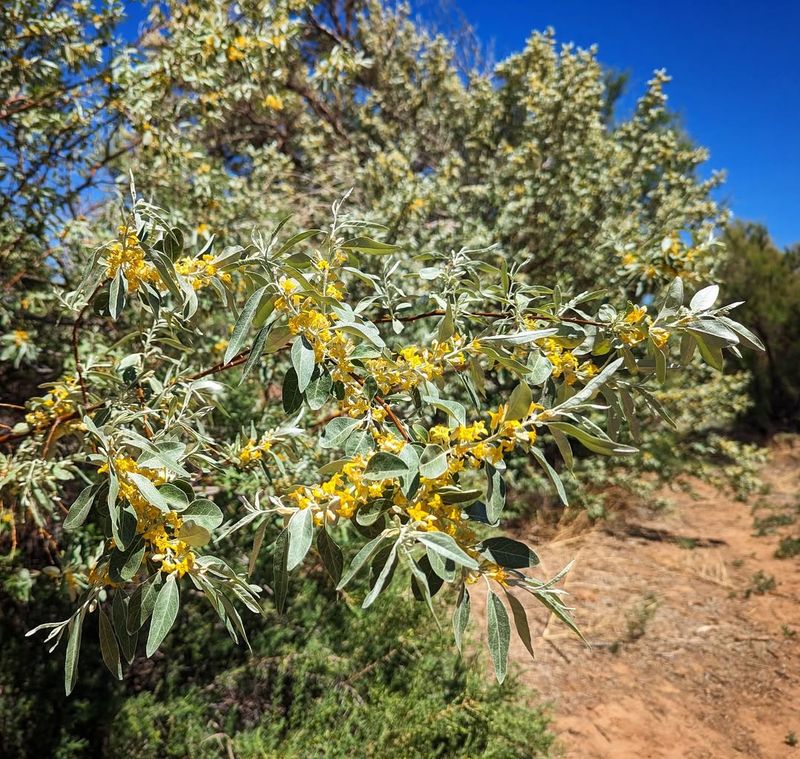
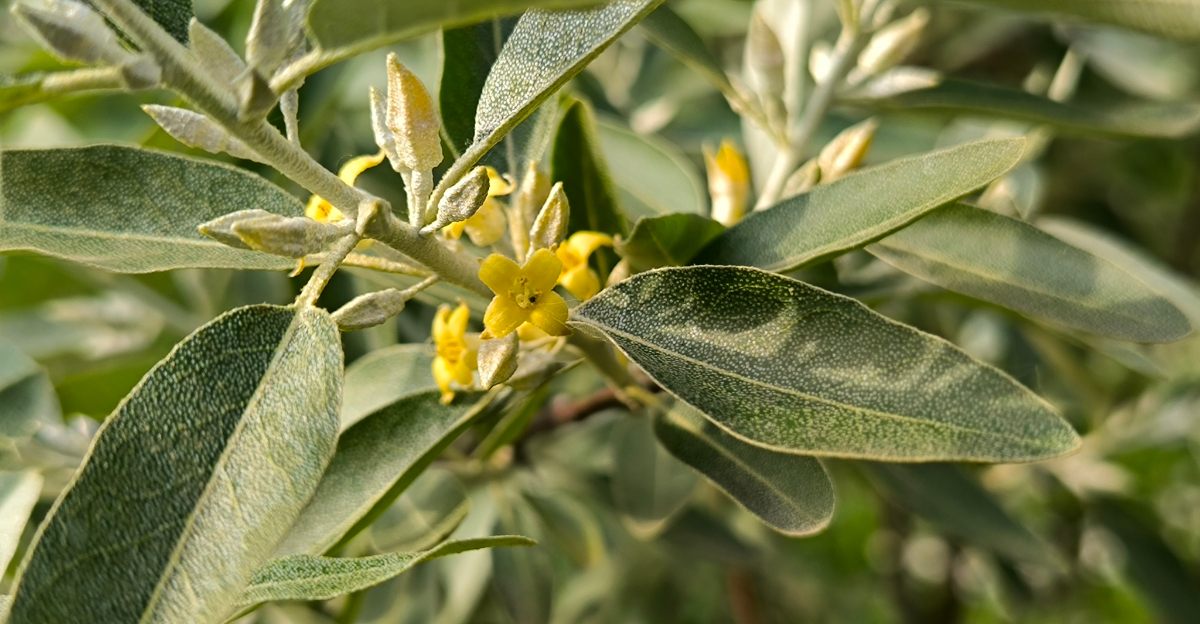
This plant has a certain wild beauty that attracted gardeners to it in the first place. Its silvery leaves shimmer in the breeze, and its small yellow flowers have a sweet fragrance.
Planted in California front yards as an ornamental tree, it looked like a low-maintenance win. The reality turned out to be far more complicated.
Russian Olive is highly invasive in the American West. It spreads aggressively along waterways, riverbanks, and open land, outcompeting native trees like willows and cottonwoods.
In California’s Central Valley and foothill regions, it has moved well beyond garden fences and established itself in natural areas where it is very difficult to remove. Wildlife agencies across the western United States consider it one of the more troublesome invasive trees around.
In a front yard, Russian Olive can also become a maintenance headache. It grows thorny branches that make pruning difficult and can spread by root sprouts, popping up in unexpected places around the yard.
California gardeners who remove it often replace it with native trees like the California Buckeye, Blue Elderberry, or Western Redbud. These trees are just as striking, need far less water, and actually give back to the local ecosystem by supporting birds, bees, and other native wildlife throughout the year.