California Gardeners Love These 7 Heat-Tolerant Flowering Shrubs
Hot California summers can be tough on a garden, especially when temperatures climb and rain becomes a distant memory.
Many plants struggle under relentless sun and dry soil, but some flowering shrubs seem to take the heat in stride.
These reliable growers keep producing colorful blooms even when the weather turns harsh, adding life and brightness to landscapes that might otherwise look tired by midsummer.
Gardeners across the state often look for shrubs that combine beauty with resilience. The best choices not only tolerate heat but also handle periods of drought once established, making them practical for California’s Mediterranean climate.
Many of these plants attract pollinators, provide structure in the landscape, and keep flowering long after spring favorites have faded.
If you’re searching for plants that won’t wilt when the temperature rises, these seven flowering shrubs have earned a reputation for thriving in hot conditions.
They bring dependable color, require relatively simple care, and help create a garden that stays vibrant through the toughest part of the season.
1. California Lilac
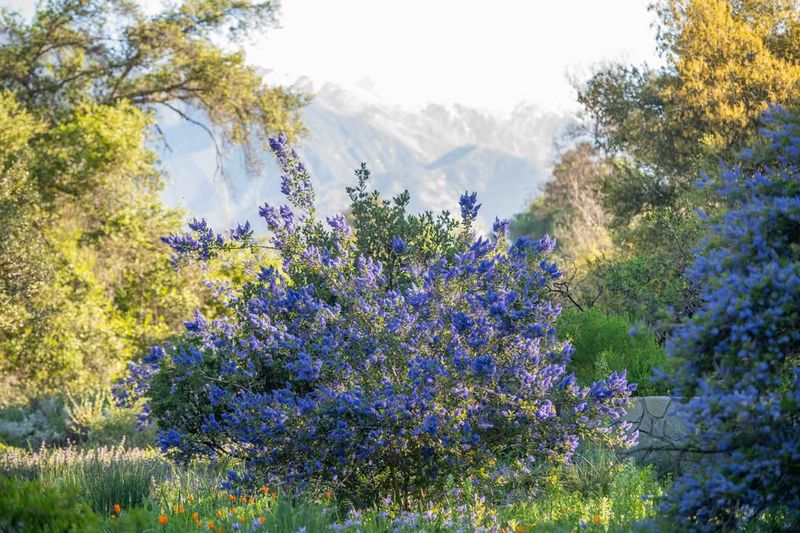
Few shrubs stop people in their tracks the way California Lilac does. Known scientifically as Ceanothus, this native beauty bursts into a sea of vivid blue or purple blooms in late winter through spring.
It is one of the most beloved flowering shrubs across California, and for very good reason.
California Lilac handles heat like a champion. Once established, it needs very little water, making it a smart pick for drought-prone areas throughout the state.
It thrives in full sun and well-draining soil, which makes it a natural fit for slopes, hillsides, and dry garden beds.
Pollinators absolutely love it. Bees, butterflies, and hummingbirds flock to its blooms all season long.
Planting California Lilac near other native plants creates a mini ecosystem right in your backyard.
One practical tip: avoid overwatering, especially in summer. Too much moisture can actually harm the roots.
Plant it in a spot with good drainage and let the California sunshine do the rest. With sizes ranging from low ground covers to tall hedges, there is a Ceanothus variety for nearly every garden space in California.
It is low-maintenance, stunning, and built for the California climate.
2. Flannel Bush
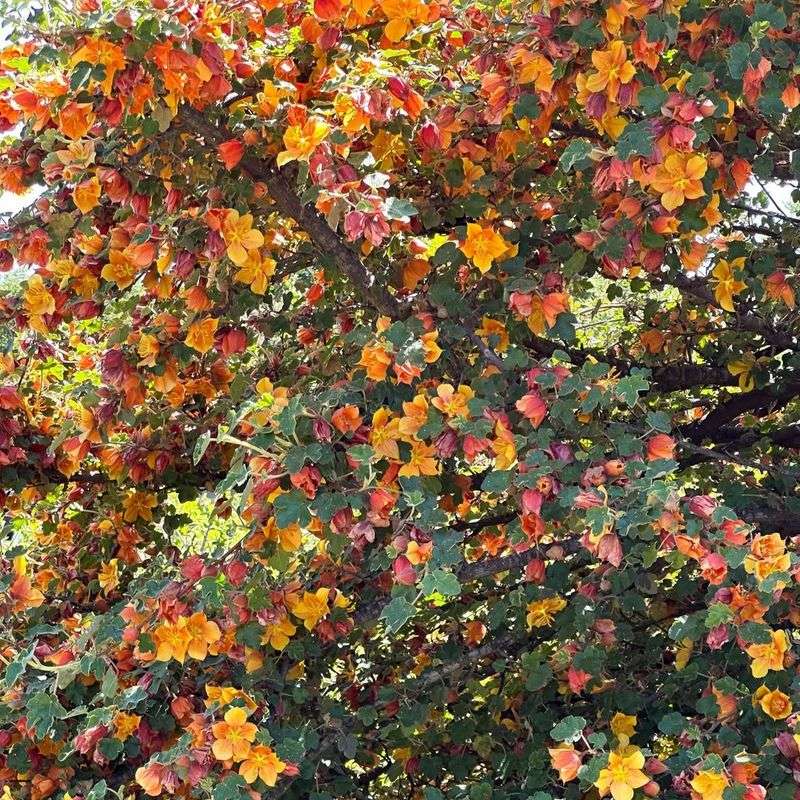
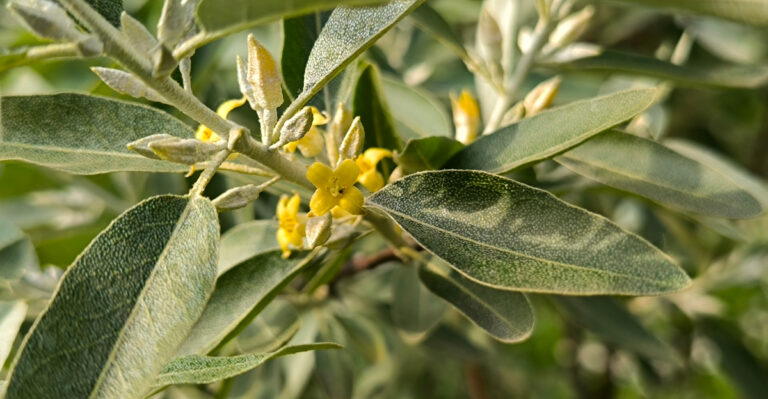
Imagine a shrub that looks like it is on fire with golden-yellow flowers every spring. That is exactly what Flannel Bush delivers.
Botanically called Fremontodendron, this California native is one of the most eye-catching plants you can grow in the state. Its large, buttercup-yellow blooms are hard to miss.
Flannel Bush earns its name from the fuzzy, felt-like texture of its leaves and stems. While the fuzz can irritate skin, so gardeners should wear gloves when handling it, the plant itself is incredibly tough.
It thrives in hot, dry conditions and is perfectly adapted to California’s summer heat and minimal rainfall.
This shrub does not like being babied. It actually prefers poor, well-drained soil and minimal irrigation once established.
Overwatering is one of the few ways to stress it out. Plant it in full sun, step back, and watch it grow into something truly spectacular.
Flannel Bush can grow quite large, reaching up to 20 feet in some conditions, so give it plenty of room. It works beautifully as a backdrop plant or trained against a sunny wall.
California gardeners who want a bold, native statement plant often turn to Flannel Bush as their first choice. It is dramatic, resilient, and completely at home under the California sun.
3. Desert Lavender
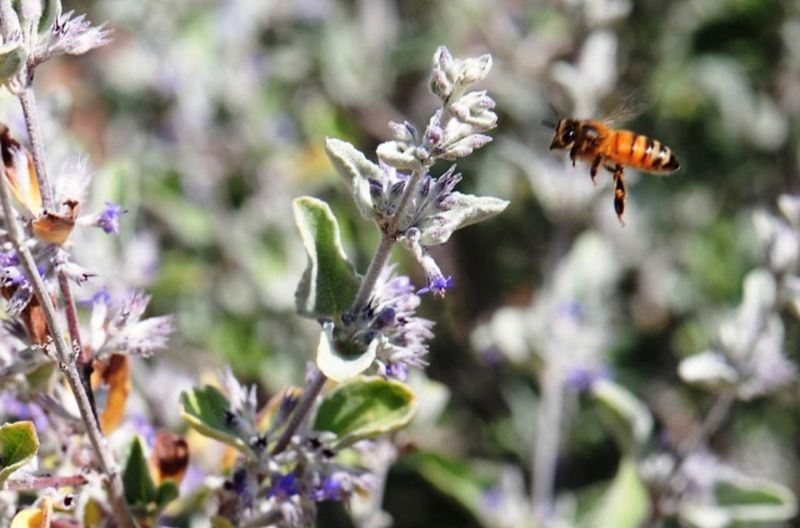
There is something almost magical about Desert Lavender. Walk past it on a warm California afternoon, and a wave of sweet, herbal fragrance will stop you in your place.
Botanically known as Hyptis emoryi, this native shrub is built for heat and thrives in some of the driest corners of California.
Desert Lavender produces slender spikes of small purple flowers that attract bees and hummingbirds throughout the warmer months. Its silvery-gray leaves have a soft, woolly texture that reflects sunlight and helps the plant stay cool even when temperatures soar.
That natural adaptation is part of what makes it such a reliable performer in California gardens.
It grows naturally in desert washes and rocky slopes, which tells you a lot about what it prefers. Full sun, excellent drainage, and minimal water are the keys to keeping it happy.
Once established, Desert Lavender is remarkably self-sufficient.
For California gardeners dealing with hot inland summers or arid conditions, this shrub is a fantastic solution. It can reach six to eight feet tall and wide, making it useful as a privacy screen or a natural windbreak.
Trim it lightly after blooming to keep the shape tidy. Beyond its beauty, Desert Lavender supports local wildlife and adds a soothing, aromatic quality to any outdoor space in California.
4. Rockrose
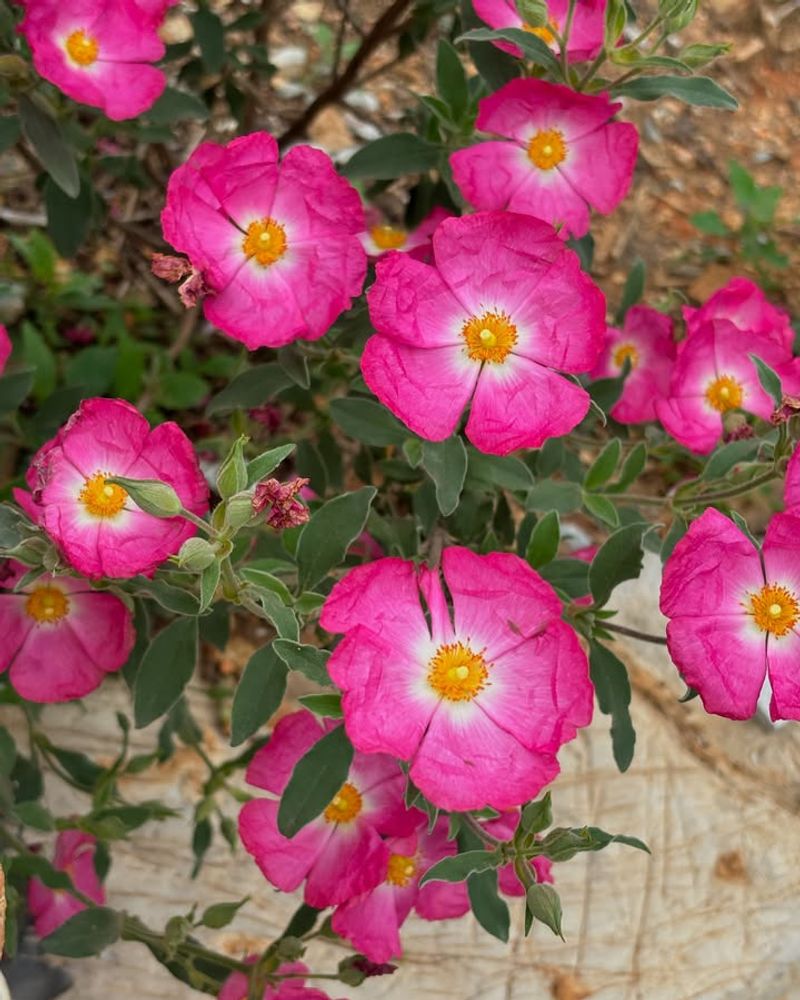
Rockrose has a bit of a rebellious personality. It flourishes in the kinds of conditions that would stress most plants out, scorching heat, poor rocky soil, and very little rain.
Native to the Mediterranean region, Rockrose has found a perfect second home in California, where the climate feels remarkably similar.
Known botanically as Cistus, Rockrose produces large, papery flowers in shades of white, pink, and purple. Each bloom lasts only a day, but the plant produces so many flowers that it stays colorful for weeks.
The display is cheerful and generous, which makes it a garden favorite across many parts of California.
One of its best qualities is fire resistance. Rockrose contains aromatic oils that actually help protect it from quick-moving brush fires, which is a real consideration for gardeners in fire-prone areas of California.
That makes it both a beautiful and practical choice for hillside plantings and dry slopes.
Rockrose requires almost no care once it gets settled in. Skip the fertilizer, ease up on the water, and avoid heavy pruning.
It prefers to be left alone to do its thing. Sizes range from compact two-foot mounds to sprawling six-foot shrubs, giving you flexibility in how you use it.
If your California garden needs a tough, low-fuss bloomer, Rockrose is ready to deliver season after season.
5. Glossy Abelia
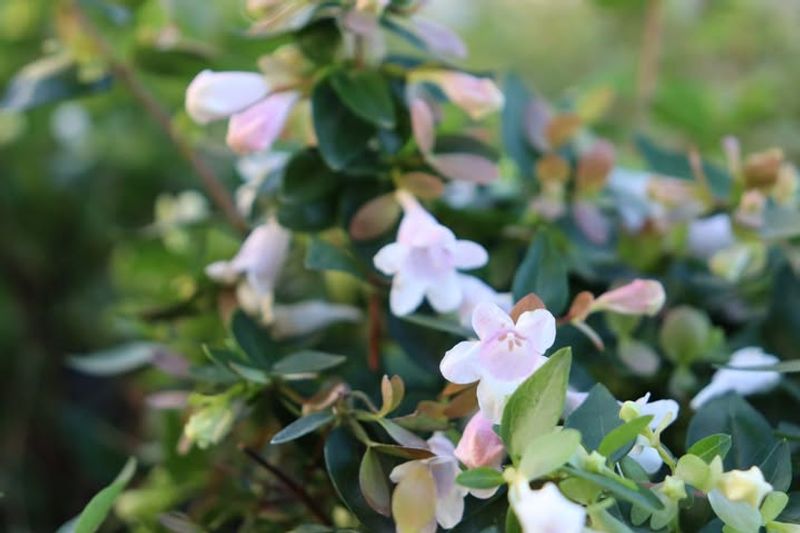
Not every heat-tolerant shrub has to look rugged. Glossy Abelia brings a softer, more refined look to California gardens without sacrificing toughness.
Its arching branches are lined with small, glossy leaves that turn bronze and red in fall, giving it a second season of visual interest beyond its blooms.
From summer through fall, Glossy Abelia produces clusters of small, tubular flowers in white and soft pink. They may be modest in size, but they are mighty in impact.
Hummingbirds and butterflies visit them regularly, and the plant keeps blooming long after many other shrubs have finished for the season.
Heat does not slow it down. Glossy Abelia handles California’s warm summers with ease, especially when planted in full sun to partial shade.
It adapts to a range of soil types, though it appreciates some regular moisture during its first year while getting established.
Mature plants are quite drought-tolerant, which suits the water-conscious California gardener well. It typically grows four to six feet tall and wide, making it ideal for hedges, borders, or as a standalone accent shrub.
Light pruning after flowering keeps it looking neat and encourages fresh growth. For California gardeners who want year-round color, reliable performance, and a plant that attracts pollinators, Glossy Abelia checks every box without demanding too much in return.
6. Cleveland Sage
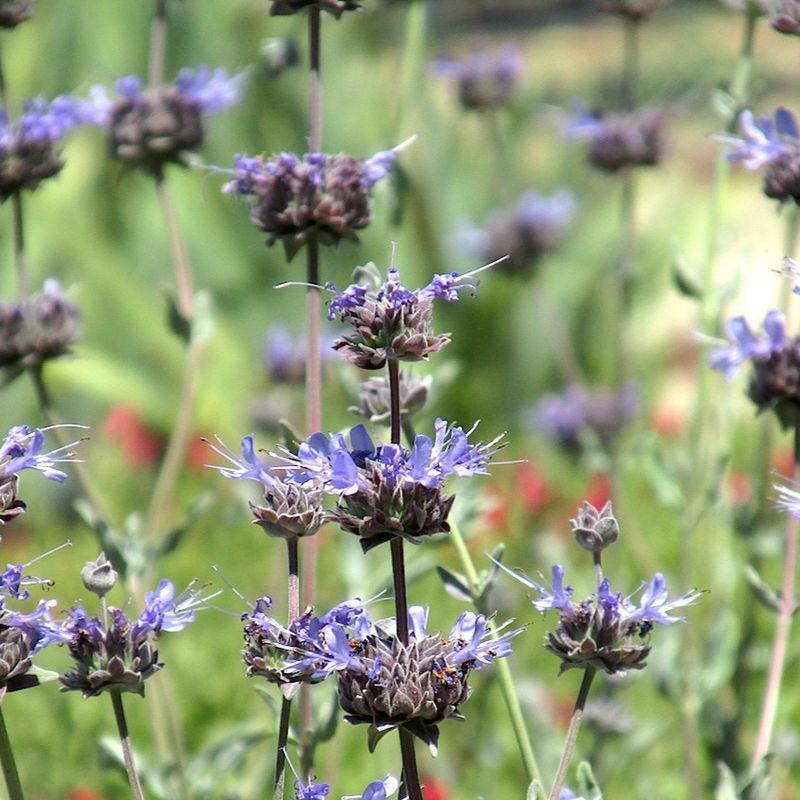
If California had a signature scent, Cleveland Sage might be it. Salvia clevelandii fills the air with a bold, camphor-like fragrance that is instantly recognizable to anyone who has spent time hiking through Southern California’s chaparral.
It is native to the region and perfectly tuned to life in the California heat.
Cleveland Sage blooms in late spring and early summer, sending up tall, whorled spikes of violet-blue flowers. Those blooms are irresistible to hummingbirds, bees, and native pollinators.
The show can last for several weeks, and even after the flowers fade, the aromatic foliage keeps the plant interesting all year long.
It is a true low-water plant. Cleveland Sage thrives on rainfall alone once established and actually prefers dry summers, which mirrors California’s natural Mediterranean climate.
Plant it in full sun with fast-draining soil and avoid any summer irrigation if possible.
This shrub grows three to five feet tall and wide, which makes it a solid mid-border plant or a natural companion for other California natives like Ceanothus and Manzanita. Pruning it back by about a third after blooming keeps it compact and prevents it from getting too woody.
Cleveland Sage is not just a garden plant; it is a piece of California’s wild landscape brought home. Gardeners who plant it often say they wish they had done it sooner.
7. Hollyleaf Cherry
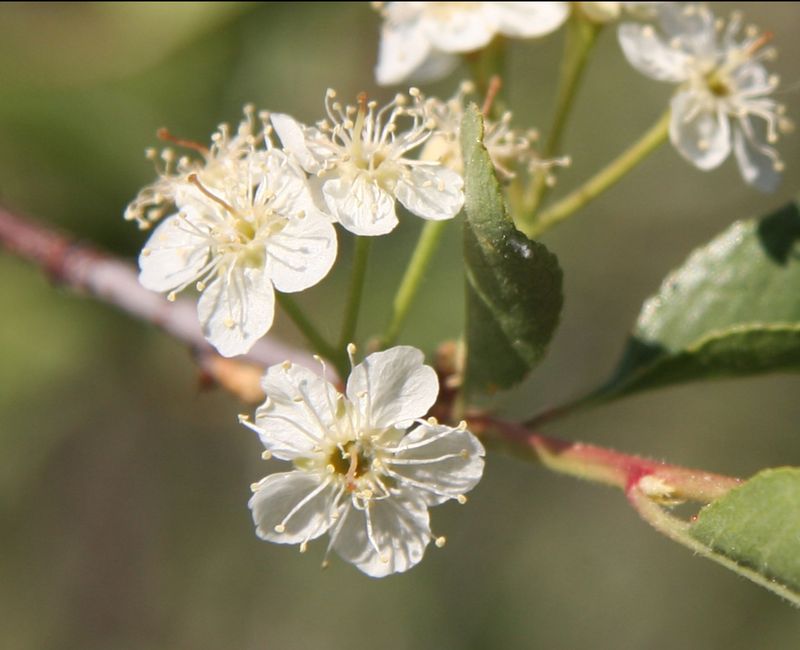
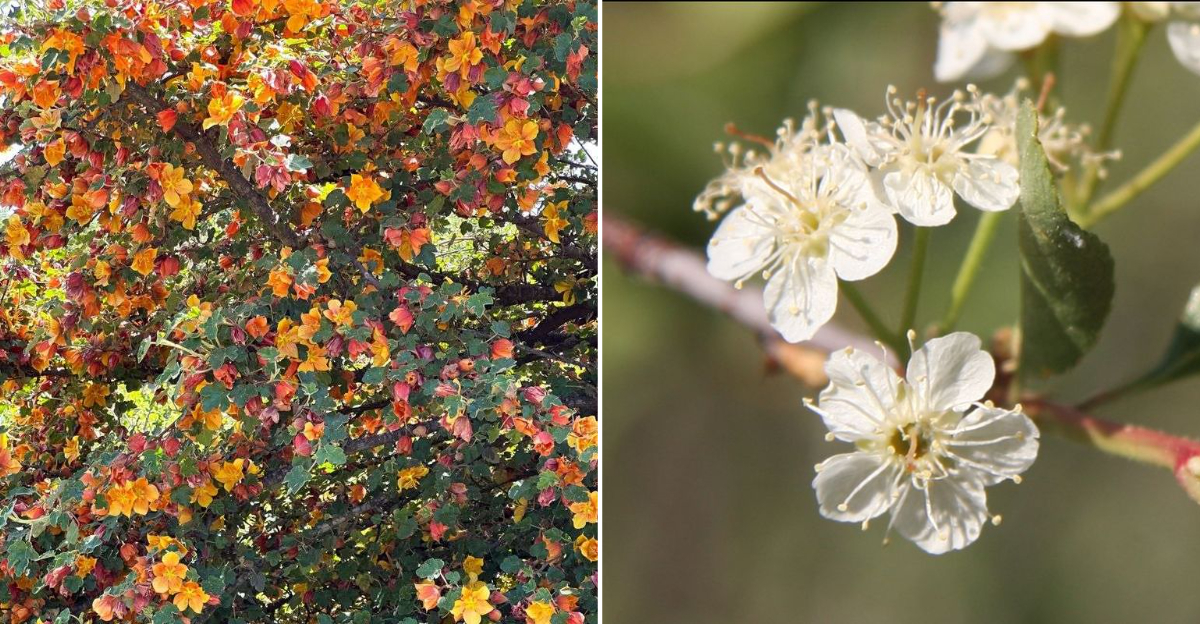
Hollyleaf Cherry is the kind of shrub that earns respect over time. It does not dazzle you immediately with flashy tropical colors, but once you understand what it brings to a California garden, it becomes hard to imagine planting without it.
Native to coastal and inland regions of California, it has been thriving here long before anyone thought to landscape with it.
Botanically named Prunus ilicifolia, Hollyleaf Cherry gets its name from its spiky, holly-like leaves that stay deep green and glossy all year. In spring, it produces clusters of small white flowers that have a delicate, sweet fragrance.
Those blooms give way to dark red or purple fruits that birds find irresistible.
Heat and drought are no problem for this California native. It grows naturally in dry chaparral and oak woodland environments, which means it is completely at home in hot, low-water California gardens.
Full sun to partial shade works well, and it adapts to many soil types.
Hollyleaf Cherry can grow into a large shrub or small tree reaching up to 25 feet, but regular pruning keeps it manageable as a dense hedge or privacy screen. It is also valued for erosion control on slopes.
For California gardeners who want a tough, wildlife-friendly, evergreen shrub with real staying power, Hollyleaf Cherry is a plant that truly belongs here.