California Gardeners Should Divide These Perennials Before Summer Heat Sets In
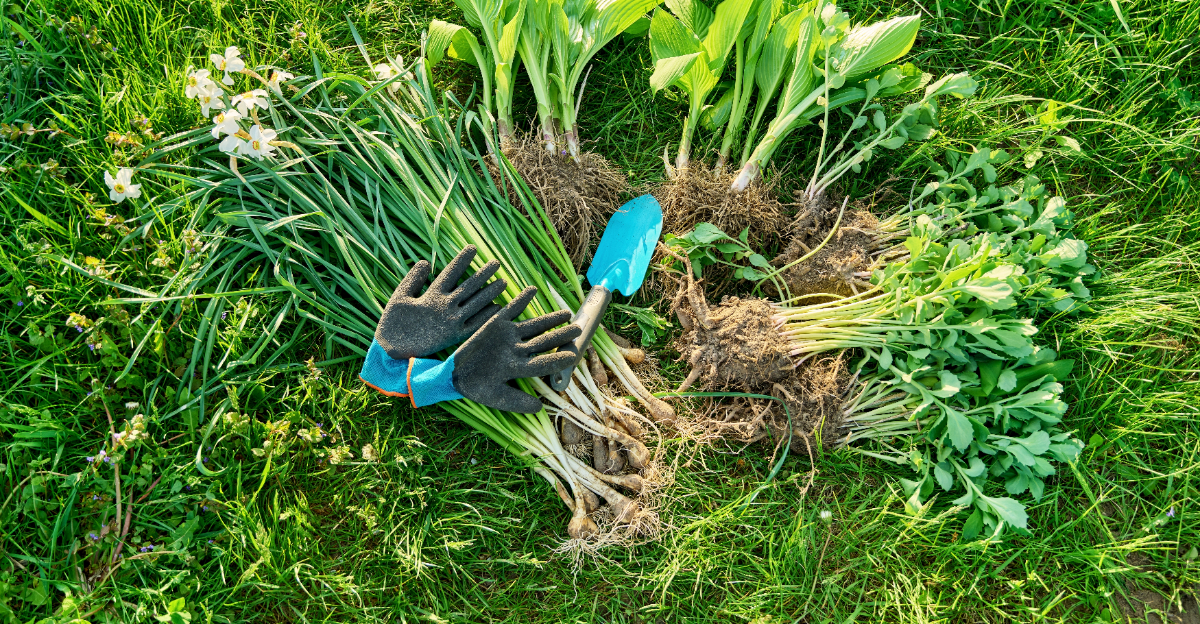
Perennials are the long game of gardening. You plant them once, watch them grow, and if you’re paying attention, you eventually notice something interesting happening.
The clumps get bigger. The center starts looking a little tired. Fewer flowers show up where there used to be plenty. The plant isn’t withering away.
It’s actually telling you something, and that something is that it’s time to divide. Dividing perennials before summer heat arrives is one of those tasks that separates gardens that just exist from gardens that genuinely thrive year after year.
Split a crowded clump at the right moment and you get stronger plants, more blooms, better soil coverage, and free plants to fill in other spots around the yard.
Wait too long and you’re asking freshly divided roots to establish themselves in the middle of a California summer, which is not a position anyone wants to be in.
The window right now is ideal. The process is simpler than most people think. Your perennials will look noticeably better for it by fall.
1. Bearded Iris
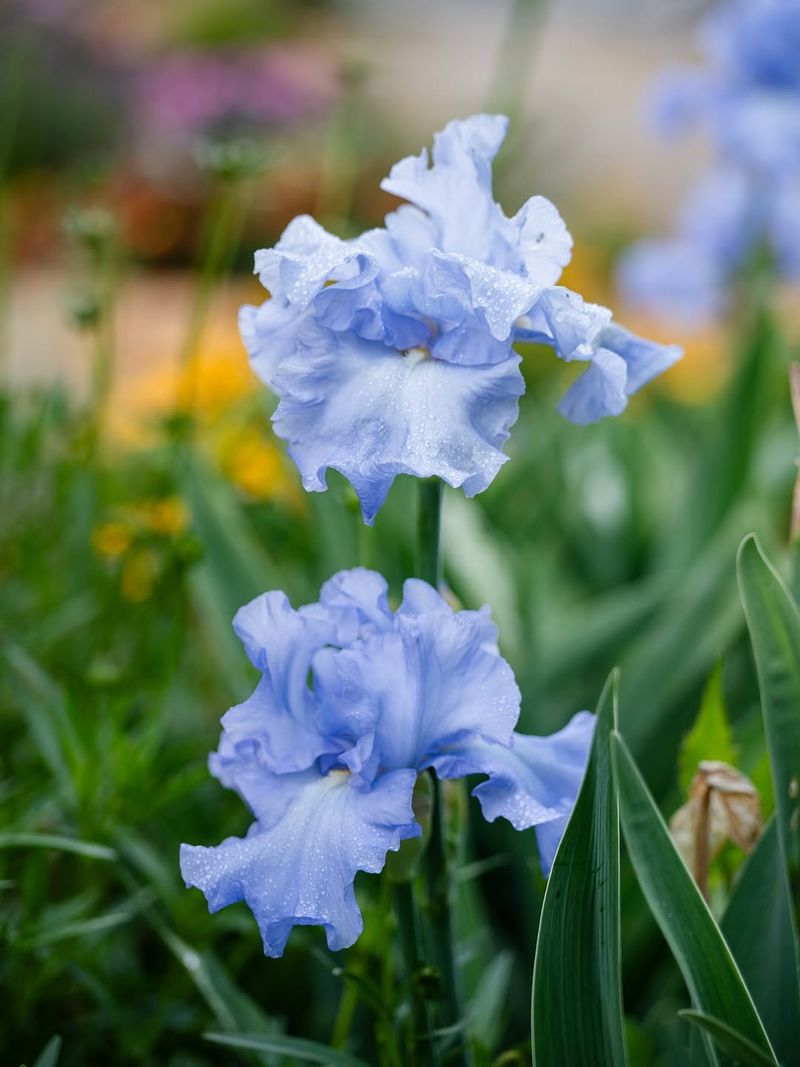
Few plants put on a show quite like bearded iris. Those ruffled, velvety blooms in shades of purple, gold, white, and blue are hard to miss.
But here is something many California gardeners do not realize: iris clumps need to be divided every three to four years to keep blooming well.
When clumps get too crowded, the rhizomes compete for space and nutrients. You will notice fewer flowers and more leaves when that happens.
The fix is simple. Dig up the clump after blooming, separate the healthy outer rhizomes, and replant them with the tops just barely above the soil surface.
In California, late spring is ideal for this task because the soil is warm but not yet baked dry. Trim the leaves down to about six inches before replanting.
This helps the plant focus energy on growing strong roots. Make sure your new planting spot gets full sun, because bearded iris absolutely loves sunshine.
Avoid watering too much after replanting, since wet rhizomes can rot quickly. With just a little effort now, your iris bed will reward you with a stunning display next spring all across your California garden.
2. Daylilies
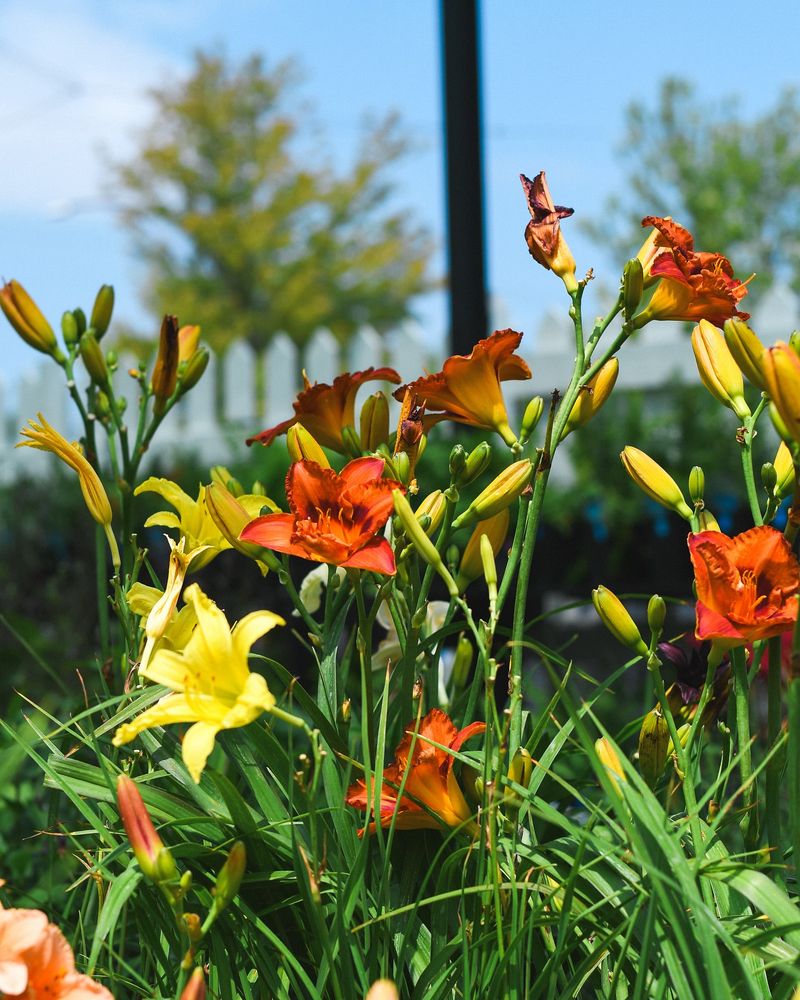
Daylilies are practically the workhorses of the California garden. They handle heat, drought, and poor soil better than almost any other perennial.
But even the toughest plants need a little attention now and then, and daylilies are no different.
Over time, daylily clumps grow so thick that the center stops producing flowers. You might notice a ring of blooms around a dead-looking middle.
That is your sign to divide. Spring is the best time to tackle this job in California, especially before temperatures start climbing into the 80s and 90s.
To divide, dig up the entire clump and use a sharp spade or garden fork to pull it apart into smaller sections. Each section should have several fans of leaves and healthy roots attached.
Replant the divisions about 18 inches apart in a sunny spot with well-draining soil. Water them in well right after planting.
Your California Garden Changes Every Week. Your Plan Should Too.
Gardening in California changes quickly throughout the season. Every Friday you’ll receive a simple weekly plan showing exactly what to plant, prune, fertilize, harvest, and protect so you never miss the right timing.
Daylilies are tough, so most divisions bounce back quickly. Within a few weeks, you will see fresh growth pushing up from the soil.
Dividing them now means they will have time to settle in and build strong roots before California summers heat things up.
3. Shasta Daisies
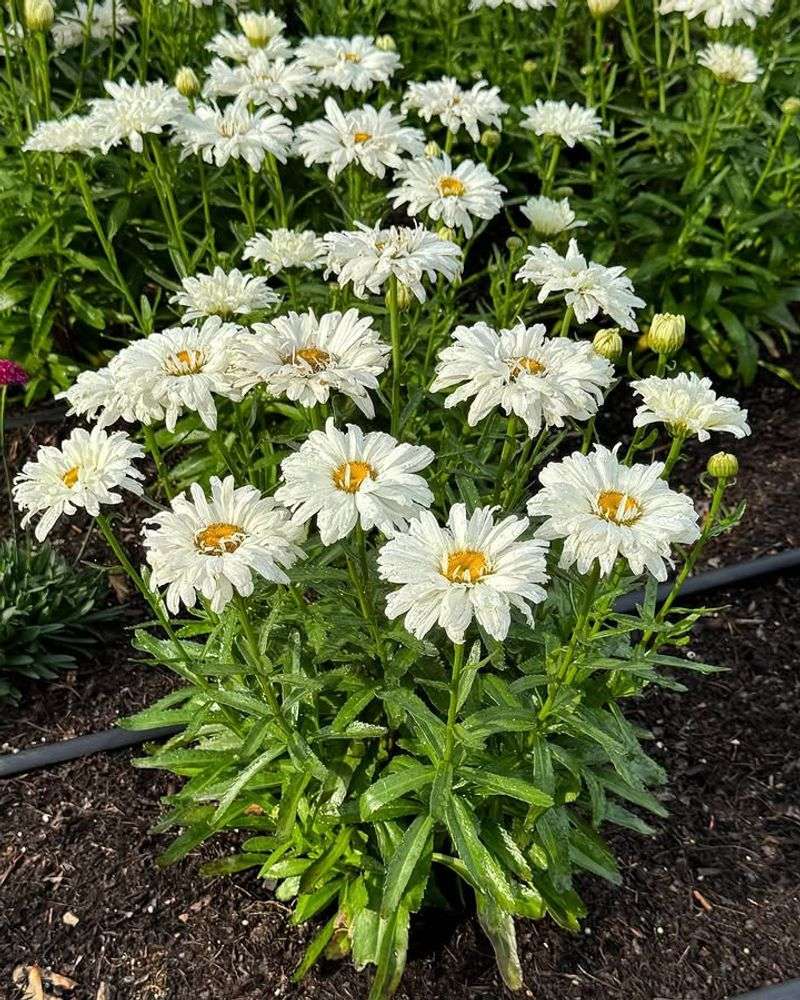
There is something cheerful and timeless about Shasta daisies. Those crisp white petals around a sunny yellow center make any garden feel fresh and lively.
Shasta daisies are a favorite across California because they bloom heavily in late spring and early summer.
The catch is that these plants spread fast. A single clump can double in size within one season.
When the center of the clump starts looking woody or bare, that is a clear sign it is time to divide. Leaving overgrown clumps too long leads to weak plants and fewer blooms.
Early spring is the sweet spot for dividing Shasta daisies in California. Dig up the clump, pull it apart into smaller sections, and toss out any woody or dead pieces from the center.
Replant the healthy outer portions about 12 to 18 inches apart. They prefer full sun and soil that drains well, which suits many California garden conditions perfectly.
Keep the new divisions watered regularly for the first few weeks until they get established. Once they settle in, Shasta daisies are fairly low maintenance.
You will be rewarded with a fresh flush of blooms right as summer approaches, brightening up your yard all season.
4. Agapanthus
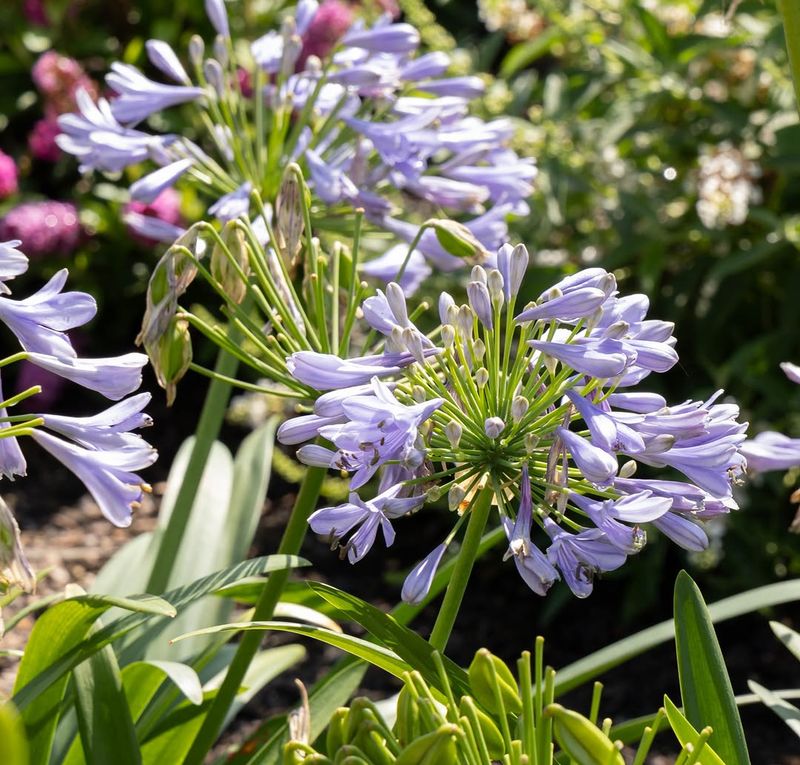
Walk through almost any California neighborhood in summer and you will spot agapanthus. Those bold balls of blue or white flowers on tall stalks are a California classic.
Also called Lily of the Nile, agapanthus is tough, water-wise, and absolutely stunning when it blooms.
Even though agapanthus is low maintenance, it does benefit from occasional dividing. Clumps that have been sitting in the same spot for five or more years tend to get overcrowded.
Overcrowded plants produce fewer flower stalks and the foliage can start looking tired and ragged.
The best time to divide agapanthus in California is late winter to early spring, just as new growth begins to appear. Dig up the clump carefully because the roots can be thick and tough.
Use a sharp spade to cut the clump into sections, making sure each piece has several healthy shoots and roots. Replant the divisions in a sunny or partly shaded spot.
Agapanthus is not too picky about soil as long as it drains well. Water the new divisions regularly for the first month or so.
Once established, they are quite drought tolerant, which makes them a smart choice for water-conscious California gardeners.
5. Society Garlic
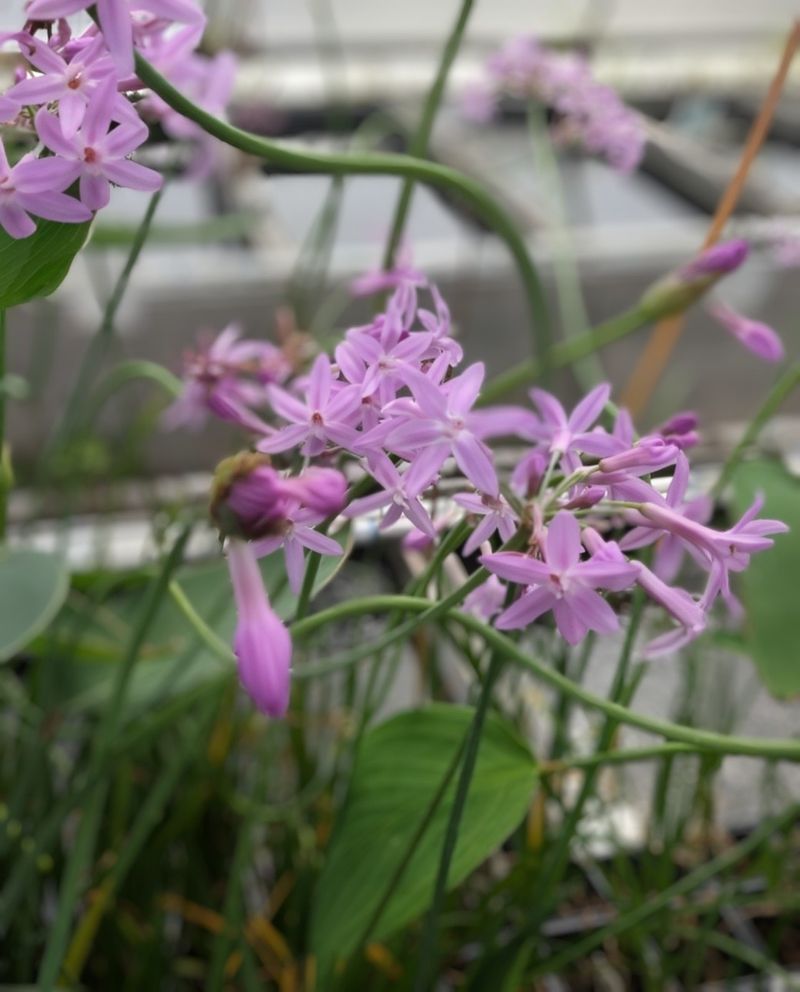
Society garlic is one of those plants that earns its spot in the California garden by being both beautiful and incredibly tough. The soft purple flower clusters sit atop slender stems and bloom for weeks.
Crush a leaf and you will get a mild garlic scent, which is how it got its quirky name.
This plant spreads steadily through underground bulb-like structures called rhizomes. After a few years, the clumps can get quite large and crowded.
Dividing them in early spring gives each section more room to breathe and encourages a heavier bloom later in the season.
To divide society garlic, dig up the clump and gently pull it apart into smaller sections. Each section should have a few shoots and healthy roots.
Replant the divisions about 12 inches apart in a sunny spot. Society garlic loves heat and handles California’s dry summers really well once it is established.
It also works great in garden borders, slopes, and fire-wise landscaping. Water new divisions regularly for the first few weeks, then ease back as the plants settle in.
This is one of the easiest perennials to divide and share with neighbors. A little work now goes a long way toward a beautiful summer garden.
6. Yarrow
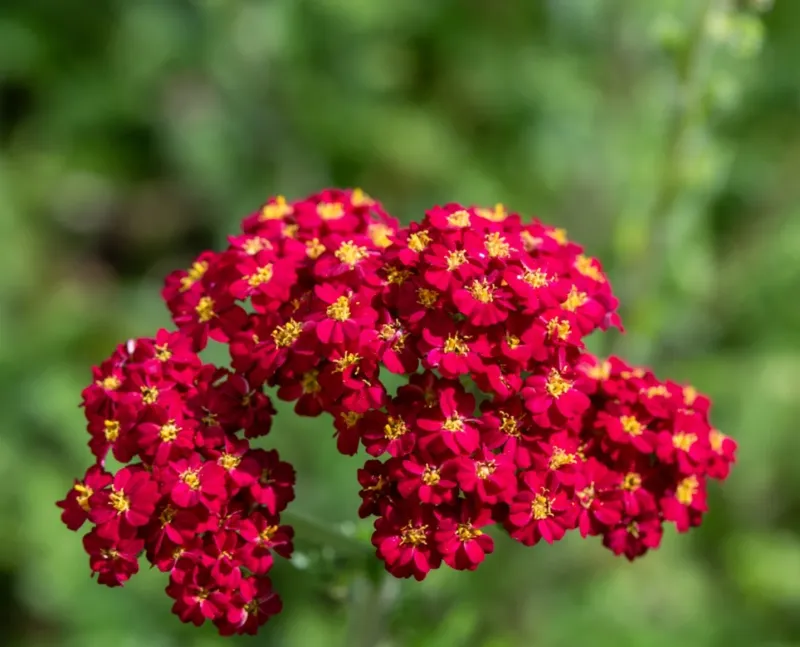
Yarrow has been growing wild across the hills of California for centuries. Gardeners love it because it is tough, drought tolerant, and produces flat-topped clusters of flowers in shades of yellow, white, pink, and red.
It is a fantastic plant for pollinators too, attracting bees and butterflies all season long.
Over time, yarrow clumps spread outward and the center can become woody and sparse. When you notice fewer blooms in the middle of a clump, that is a clear signal that dividing is overdue.
Early spring is the best window for this task in California, before the heat of summer kicks in.
Dividing yarrow is pretty straightforward. Dig up the clump, pull it apart into smaller sections, and remove any woody or unproductive pieces from the center.
Replant the healthy sections about 12 to 18 inches apart in a spot with full sun and well-draining soil. Yarrow actually prefers lean soil, so you do not need to add a lot of compost or fertilizer.
Too much rich soil can make it floppy. Water the new divisions in well, but do not overdo it since yarrow hates soggy roots.
Once settled in, it thrives with very little water, making it a great fit for California’s warm, dry summers.
7. Coreopsis
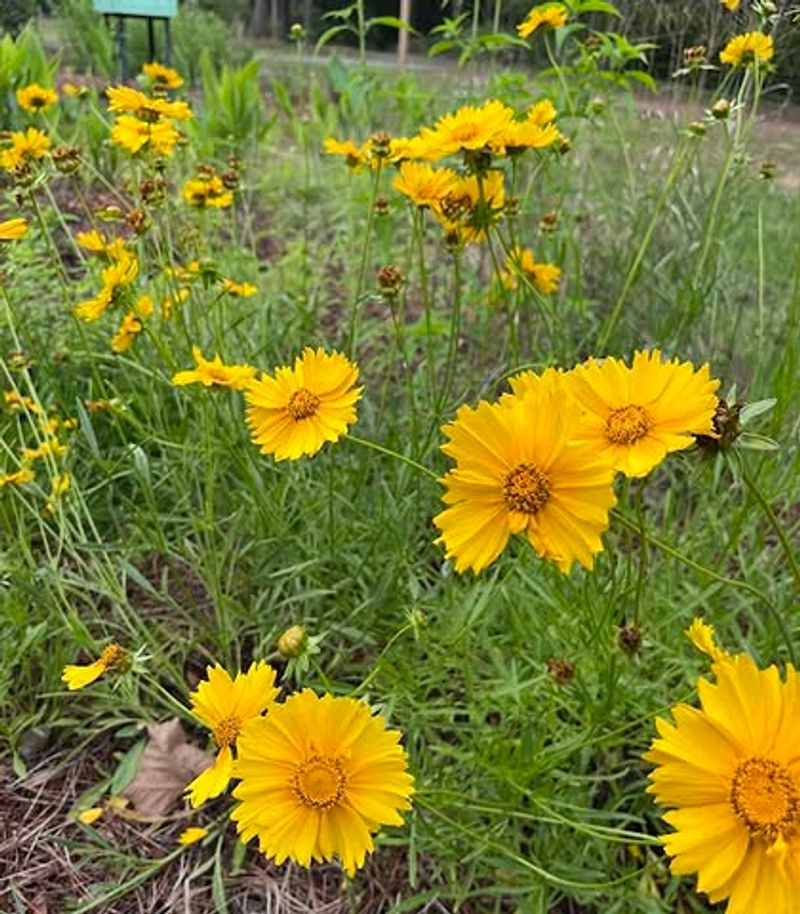
If you want a splash of sunshine in your garden, coreopsis delivers. Also known as tickseed, this perennial produces cheerful yellow, orange, or pink flowers from spring all the way into fall.
It is a natural fit for California gardens because it loves heat and handles dry conditions without much fuss.
Coreopsis clumps tend to spread out and can start looking messy after two or three years. The center of an older clump often gets thin and bare while the outer edges continue to grow.
Dividing in early spring refreshes the plant and gets it blooming more vigorously all season.
To divide coreopsis, dig up the clump and use your hands or a garden fork to separate it into smaller sections. Each section should have several stems and healthy roots.
Replant the divisions in a sunny location with well-draining soil. Space them about 12 to 18 inches apart so they have room to fill out.
Water the new plants regularly for the first couple of weeks while they get established. After that, coreopsis is pretty self-sufficient.
It does not need a lot of water or fertilizer to look good. For California gardeners dealing with water restrictions, this plant is a smart, colorful, and low-effort choice all summer long.
8. Hardy Geraniums
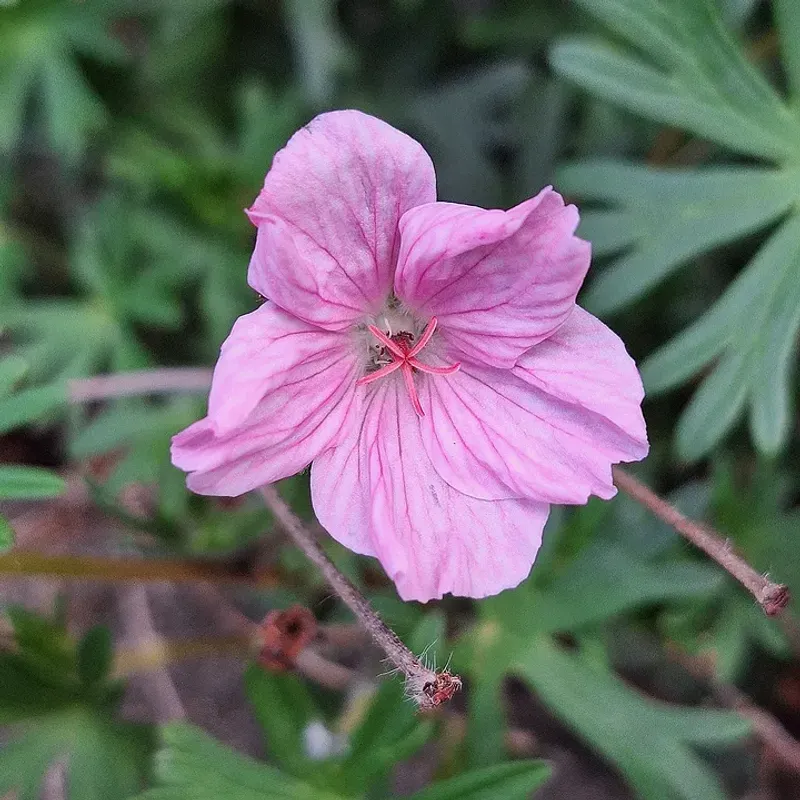
Hardy geraniums, sometimes called cranesbill, are not the same as the bright red geraniums you see in pots on porches. These are true perennials that come back year after year and spread into lovely, low-growing mounds of color.
They work beautifully as ground covers or along garden borders in California.
After a few seasons, hardy geranium clumps can get overcrowded and start to spread into areas where they are not wanted. Dividing them in early spring keeps them in check and encourages healthier, more vigorous growth.
Plus, you end up with extra plants to fill other spots in your yard.
Dig up the clump carefully and pull it apart into smaller sections. Hardy geraniums have somewhat fibrous roots, so you may need a sharp knife or spade to cut through them cleanly.
Replant the divisions in a spot with morning sun and afternoon shade, which suits many parts of California well. Space them about 12 to 15 inches apart.
Water them regularly for the first few weeks after planting. Once established, they are fairly drought tolerant.
Hardy geraniums also tend to rebloom if you cut them back after the first flush of flowers fades, giving you color well into the warmer months.
9. Lamb’s Ear
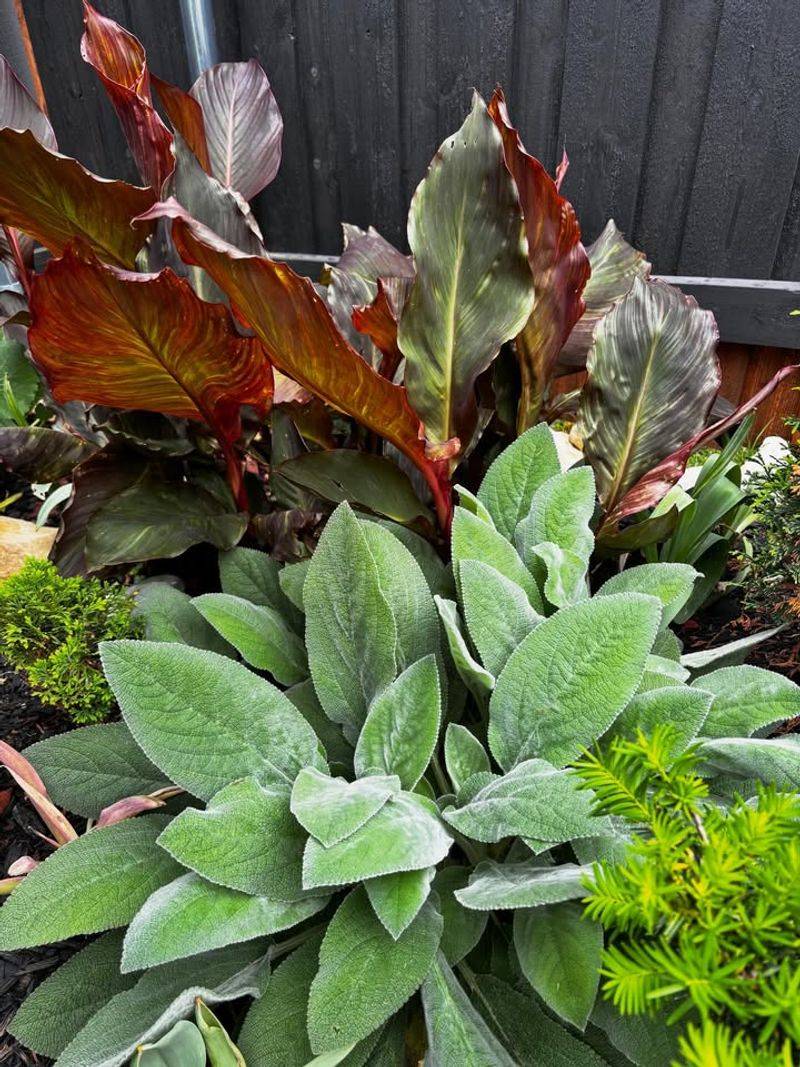
Running your hand across a patch of lamb’s ear is one of the small pleasures of gardening. Those soft, silvery-gray leaves feel almost like velvet.
This plant is a favorite for garden borders and drought-tolerant landscapes all across California, and it is easy to see why.
Lamb’s ear spreads quickly, and after a couple of seasons, the clumps can get large and unruly. The center of an older patch sometimes gets bare and scraggly while the edges continue to grow outward.
Dividing in early spring is the best way to keep it looking tidy and full.
To divide lamb’s ear, dig up a section of the clump and pull it apart into smaller pieces. Each piece should have roots attached and several healthy-looking leaves.
Replant the divisions about 12 to 18 inches apart in a sunny spot with well-draining soil. Lamb’s ear does not like soggy feet, so make sure the soil is not too heavy or clay-rich.
In many parts of California, a sandy or amended loamy soil works great. Water the new divisions lightly after planting and then ease back on watering as the plants establish.
This is a fast grower, so your newly divided plants will fill in quickly and look great all summer.
10. Hostas
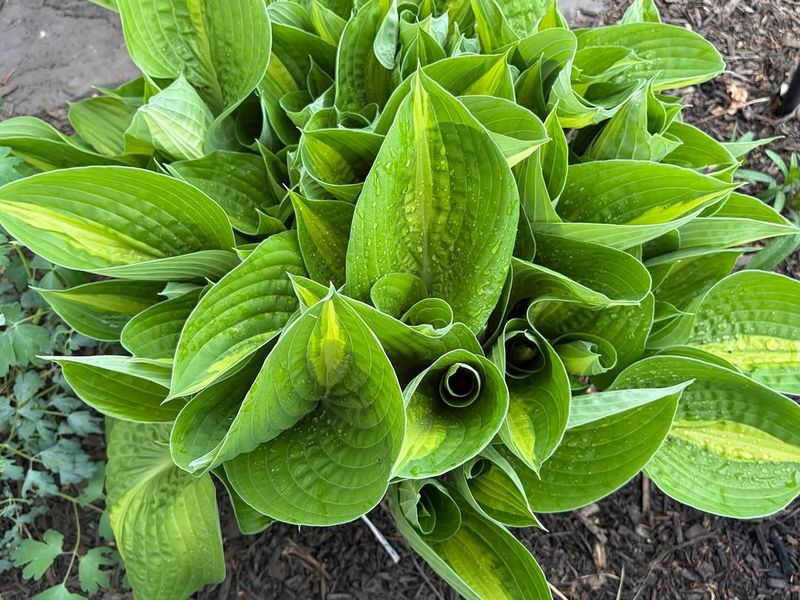
Hostas are the royalty of the shade garden. With their bold, broad leaves in shades of green, blue, gold, and cream, they bring texture and drama to spots where most plants struggle.
California gardeners with shaded patios or areas under trees often rely on hostas to fill those tricky spots beautifully.
Over time, hosta clumps grow quite large and can crowd out neighboring plants. Dividing them every three to four years keeps them healthy and gives you new plants to use elsewhere in your garden.
Early spring is the ideal time to divide hostas in California, just as the new shoots are beginning to poke up from the soil.
Use a sharp spade to cut through the clump, making sure each division has several shoots and a good set of roots. Replant the divisions in a shaded or partly shaded spot with rich, moist, well-draining soil.
Add some compost to the planting hole to give them a good start. Water the new plants regularly, especially during dry spells.
Hostas do not handle California’s intense summer sun well, so keep them shaded during the hottest part of the day. With proper placement and a little care, hostas will reward you with gorgeous foliage all season long.
11. Ornamental Grasses
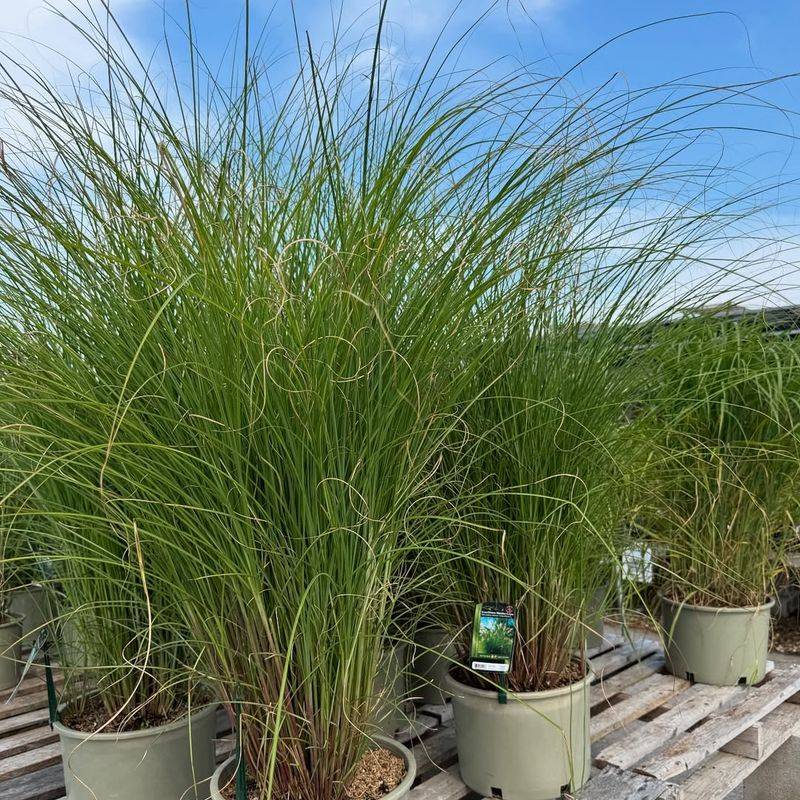
Ornamental grasses add movement, texture, and year-round interest to California gardens. Varieties like Mexican feather grass, blue oat grass, and deer grass are popular choices because they handle heat and drought like champions.
But even the toughest grasses eventually need some attention.
After several years, ornamental grass clumps can become large and woody in the center. The outer edges stay lush and green while the middle looks dried out and bare.
That is a sure sign the plant needs to be divided. Early spring, just before new growth begins, is the best time to tackle this job in California.
Dividing ornamental grasses takes a bit more muscle than other perennials. Use a sharp spade or even a saw to cut through the tough root mass.
Divide the clump into sections, each with healthy roots and green shoots. Replant the divisions in a sunny spot with well-draining soil.
Space larger varieties at least two to three feet apart. Water the new plants in well and keep the soil moist for the first few weeks.
Once established, most ornamental grasses need very little water, which is a big bonus for California gardeners dealing with drought conditions. Dividing now sets them up for a strong, beautiful growing season ahead.