California Gardeners Should Plant These 10 Vegetables In Early Spring For Fast Growth
There’s something about the first hints of spring that makes the garden itch. Maybe it’s the way the morning sun hits your patio or the quiet hum of life returning after a mild winter.
California gardeners know the thrill of digging into soil that’s finally ready for action.
Early spring is the perfect moment to get a jump on the season. Cool soils and steady sunlight give certain vegetables a head start, letting you enjoy fresh, tender greens long before summer heat sets in.
A little planning now can mean more harvest later, without feeling rushed or battling unpredictable weather.
Get ready to fill your garden with quick-growing, vibrant crops that practically leap out of the soil. You’ll want to see which vegetables make the fastest start and how to set them up for a full season of abundance.
1. Lettuce Ready For Crisp Morning Bites
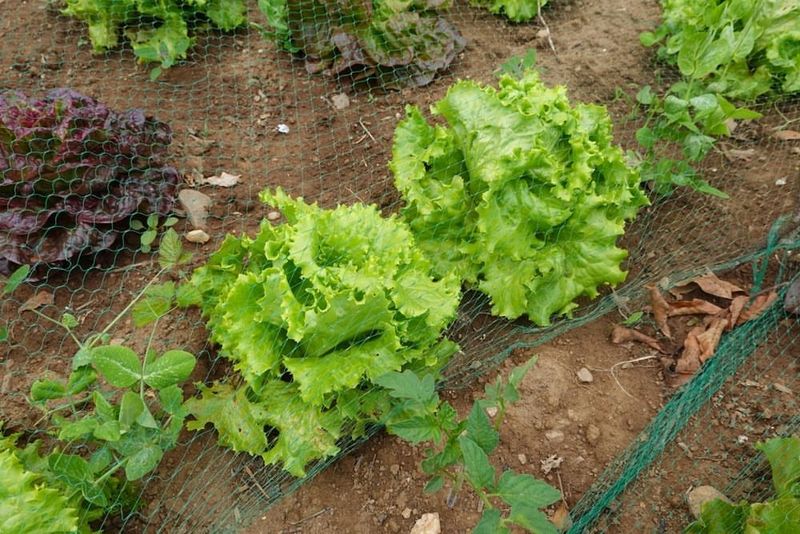
Few vegetables are as rewarding to grow as lettuce, especially when you can harvest a crisp salad right from your own backyard. In California, lettuce is one of the easiest and fastest crops to start in early spring, making it a top pick for gardeners of all skill levels.
Varieties like romaine, butterhead, and loose-leaf lettuce all perform beautifully in the state’s cool, mild early-season weather.
Lettuce seeds can be sown directly into garden beds or containers as soon as the soil is workable, usually starting in late February or early March in most parts of California. Seeds germinate quickly, sometimes within just a week, and plants are ready for their first harvest in about four to six weeks.
Because lettuce prefers cooler temperatures, getting it in the ground early helps it grow strong before the summer heat arrives.
One smart trick California gardeners use is succession planting, which means sowing new rows of lettuce seeds every one to two weeks. This keeps a steady supply of fresh greens coming to the table throughout the spring season.
Lettuce also grows well in partial shade, which is handy for spots in your garden that do not get full sun all day. Keep the soil consistently moist, add a little compost before planting, and you will have a healthy, productive lettuce crop in no time.
2. Spinach Popping Up With Fresh Energy
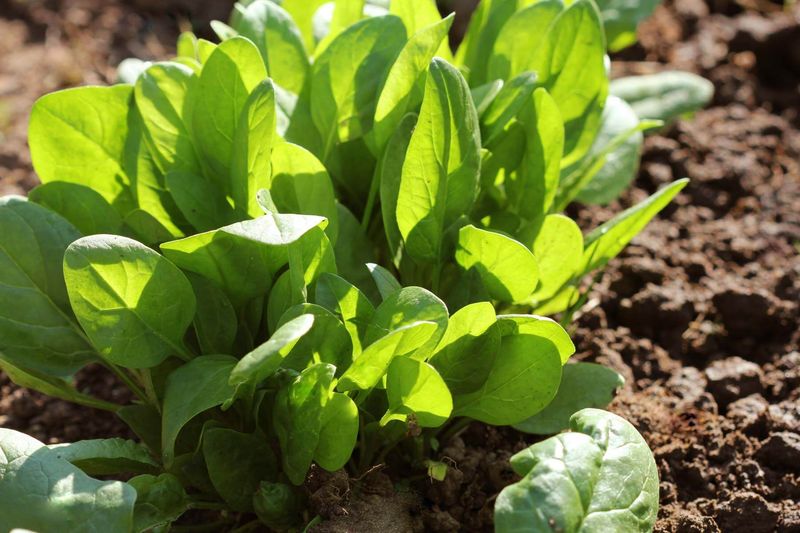
Packed with iron, vitamins, and a satisfying earthy flavor, this garden favorite has been cherished for centuries. Pulling fresh spinach from your own California garden feels like a small, delicious victory every time.
Early spring is absolutely the best time to plant it, since spinach thrives in cool soil and can even handle a light frost without missing a beat.
In California, spinach seeds can go into the ground as early as late February in warmer inland areas, or early March along the coast. The seeds germinate best when soil temperatures are between 45 and 65 degrees Fahrenheit.
Plants typically reach harvest size in four to six weeks, giving you a speedy turnaround from seed to table. For the best results, plant spinach in loose, well-drained soil that has been enriched with compost.
One thing every California gardener should know about spinach is that it bolts, meaning it sends up a flower stalk and turns bitter, once temperatures climb too high. Planting early keeps this from happening too soon, giving you a longer window of tender, delicious leaves.
Harvesting outer leaves regularly encourages the plant to keep producing, stretching your harvest well into late spring. Water consistently, avoid overhead watering when possible, and watch your spinach thrive through the cool California spring mornings.
3. Radishes Hiding Sweet Surprises
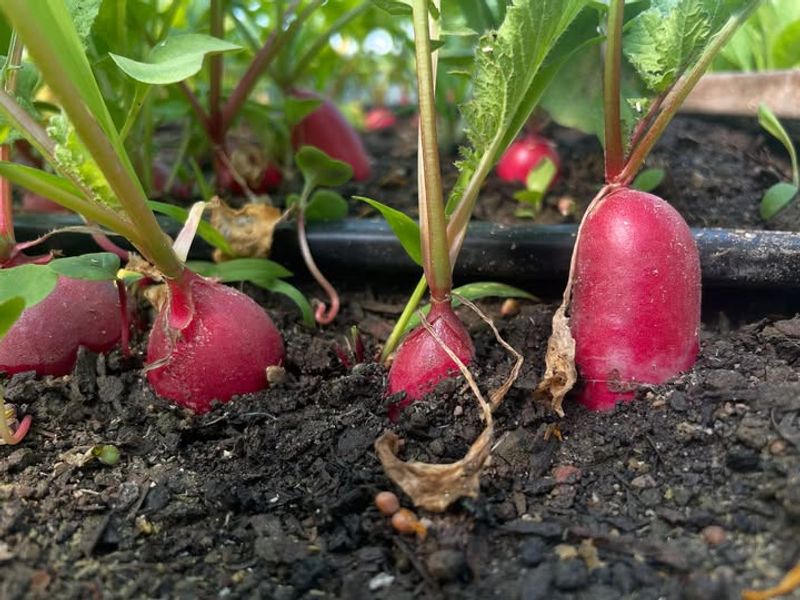
If you want the fastest possible reward from your California garden, radishes are your best friend. These small but mighty root vegetables can go from seed to harvest in as little as three to four weeks, making them one of the quickest-growing crops available to home gardeners.
That speedy timeline makes them especially exciting for beginners who want to see results fast.
Radishes love cool weather, which makes early spring in California a perfect match. Sow seeds directly into your garden bed as soon as the soil can be worked, usually starting in late February or early March depending on where in the state you live.
Plant seeds about half an inch deep and one inch apart, then thin them out once seedlings appear. They are not picky about soil, but they do appreciate good drainage and consistent moisture.
Beyond their speed, radishes offer another clever benefit in the garden. Because they mature so quickly, you can plant them between slower-growing vegetables like carrots or beets to make the most of your garden space.
By the time those other crops need more room, the radishes will already be harvested. Radishes were introduced to the Americas by European explorers and quickly became a popular, fast-growing crop.
Try varieties like Cherry Belle or French Breakfast for mild, crisp flavor that works beautifully in spring salads across California.
4. Arugula Bringing Peppery Punch To Plates
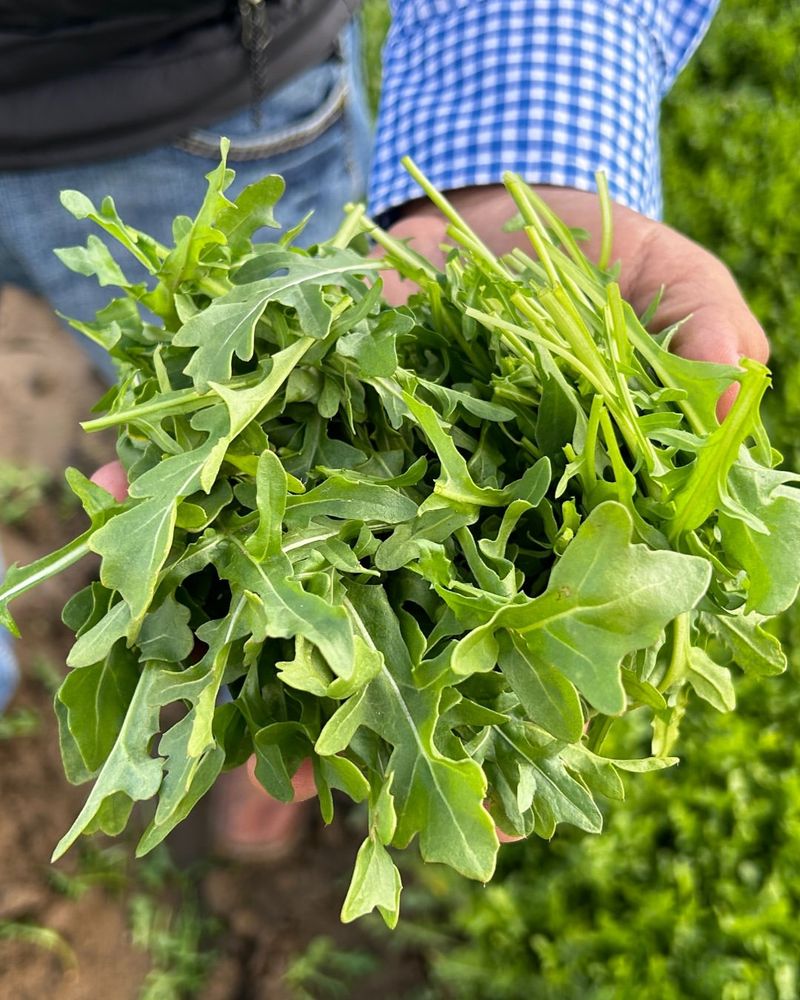
There is something a little fancy about arugula, yet it is one of the easiest greens to grow in a California spring garden. Known for its bold, peppery flavor, arugula adds a kick to salads, sandwiches, and even pizzas that no other green quite matches.
Best of all, it grows incredibly fast, reaching harvest size in just 35 to 40 days from seed.
Arugula thrives in the cool temperatures that California’s early spring delivers so reliably. Scatter seeds directly in your garden bed or containers starting in late February or early March.
No need to plant them deep, just press seeds lightly into the soil surface and water gently. Germination happens quickly, often within a week, and the plants grow with very little fuss.
Full sun is ideal, but arugula also handles partial shade well, which gives California gardeners plenty of flexibility.
Harvesting arugula is simple and satisfying. Cut the outer leaves when they reach about three inches long, and the plant will continue producing fresh growth from the center.
This cut-and-come-again method keeps your supply going for weeks. Because arugula bolts in warm weather, planting early in California is key to getting the most out of it before summer arrives.
Succession planting every two weeks ensures a continuous harvest of flavorful, fresh greens. Add a little compost to your soil before planting, keep it watered, and arugula will practically grow itself.
5. Kale Flexing Its Leafy Muscles
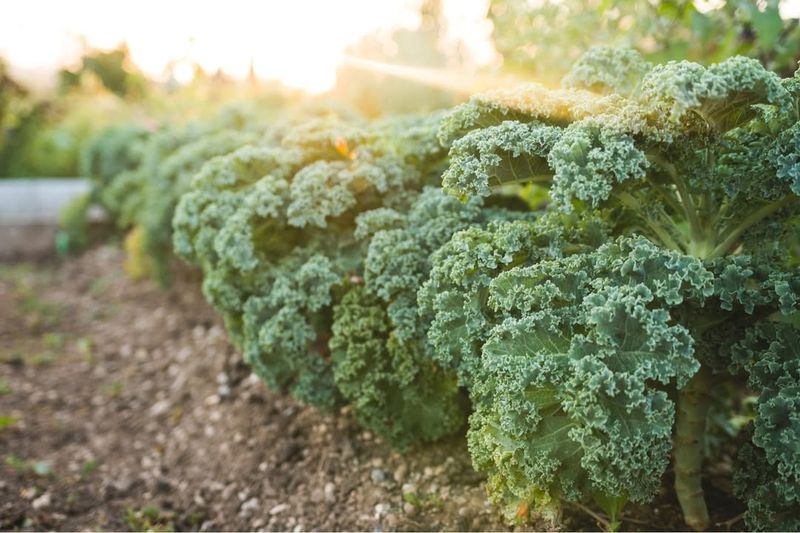
Known as one of the toughest and most nutritious greens, this leafy powerhouse actually tastes sweeter after a light frost. In California gardens, the cold transforms some of its starches into natural sugars, giving kale leaves a pleasantly mild and flavorful bite.
Early spring in California is an ideal time to get kale established before the season heats up.
Start kale seeds indoors about four to six weeks before your last expected frost date, or direct sow them in the garden in late February or early March in most California regions. Kale plants reach full size in about 60 days, though you can start harvesting outer leaves much earlier.
The plants are remarkably hardy and will keep producing for months, making them one of the best long-term investments in your spring garden.
Curly kale, lacinato kale, and red Russian kale are all popular choices among California growers. Each variety has a slightly different texture and flavor, so experimenting with a few types can be fun.
Kale grows best in full sun with rich, well-drained soil. Feed plants with a balanced fertilizer a few weeks after transplanting to encourage lush, leafy growth.
Regular harvesting from the bottom of the plant keeps it productive and prevents the lower leaves from becoming tough. Kale is a true garden workhorse that gives back generously all season long.
6. Mustard Greens Dancing With Flavor
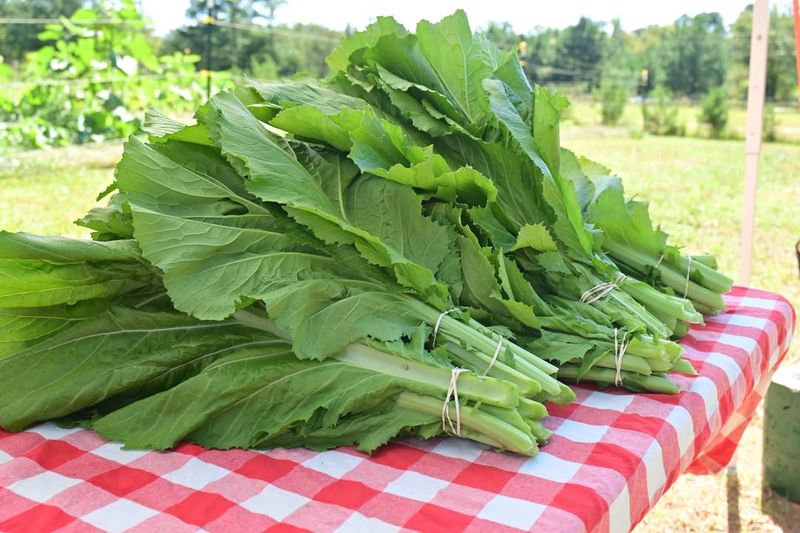
Mustard greens are one of those vegetables that do not always get the spotlight they deserve. Bold, slightly spicy, and loaded with vitamins A, C, and K, these leafy greens are a powerhouse in the kitchen and a pleasure to grow in the California garden.
They are especially popular in Southern California communities with strong ties to Southern American and Asian cooking traditions.
Getting mustard greens into the ground early in spring is the smart move in California. These plants love cool weather and will germinate in soil temperatures as low as 40 degrees Fahrenheit.
Sow seeds directly into the garden in late February or early March, planting them about a quarter inch deep and six inches apart. Plants grow quickly, with young leaves ready to harvest in as little as three to four weeks, while fully mature plants are ready in about 45 to 50 days.
One thing that makes mustard greens especially appealing for California gardeners is their low-maintenance personality. They do not need a lot of fuss, just consistent watering, decent soil, and a spot with at least six hours of sunlight per day.
Harvest the outer leaves regularly to keep the plant producing fresh, tender growth. Younger leaves tend to be milder in flavor, while older leaves carry more heat and bite.
Either way, mustard greens are a fantastic addition to stir-fries, soups, and fresh salads throughout the California spring season.
7. Swiss Chard Showing Off Rainbow Stems
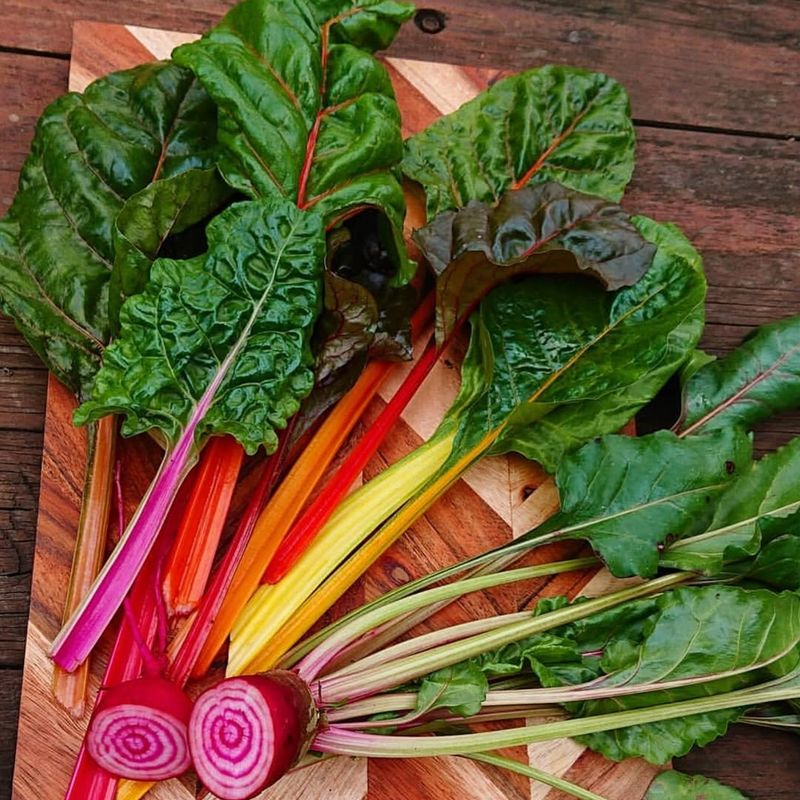
Walk through any California farmers market in spring and you are almost guaranteed to spot bunches of Swiss chard with their jewel-toned stems of red, yellow, orange, and white. This vegetable is as beautiful as it is useful, and it grows with impressive speed in California’s early spring climate.
Baby greens can be harvested in as little as 30 days, while full-size leaves are ready in 60 to 80 days.
Swiss chard is a flexible crop that tolerates both cool and slightly warmer temperatures better than most leafy greens, making it a reliable choice across California’s many climate zones. Plant seeds directly in the garden in late February or early March, pressing them about half an inch into well-prepared soil.
Thin seedlings to about six inches apart once they emerge, and water regularly to keep the soil evenly moist. Full sun produces the most vigorous plants, though chard also handles partial shade reasonably well.
Rainbow chard varieties are a fun choice for California gardeners who love a pop of color in their raised beds or containers. The stems and leaves are both edible, and the flavor is mild and slightly earthy, similar to beet greens.
Saute the stems separately from the leaves since they take a bit longer to cook. Harvest outer leaves consistently to encourage new growth from the center of the plant.
Swiss chard is one of the most productive and visually striking vegetables you can grow in a California spring garden.
8. Carrots Digging In For Sweet Rewards
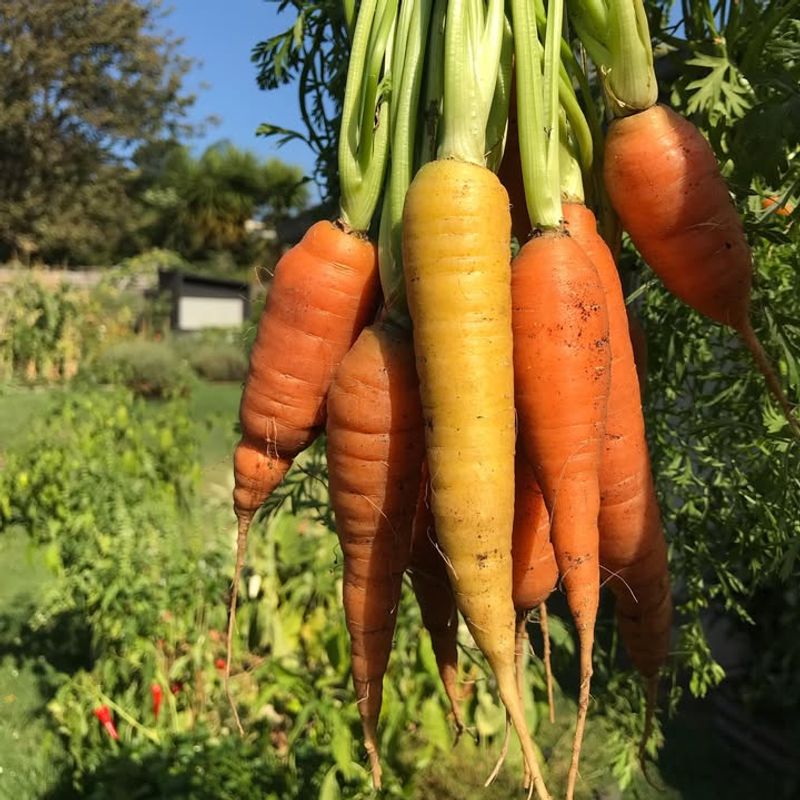
Growing bright orange roots takes a bit more patience than some other fast-spring vegetables, but the payoff is well worth it. Pulling a carrot straight from your California soil and tasting it fresh from the garden is deeply satisfying.
Early spring provides the perfect conditions for sowing seeds, as the cool soil helps them germinate evenly and develop strong, straight roots.
One of the most important things to know about growing carrots in California is that they need loose, deep, and well-drained soil to develop properly. Rocky or compacted soil causes roots to fork or grow in strange shapes.
Before planting, loosen the soil to a depth of at least 12 inches and mix in some compost. Sow seeds directly in the garden starting in late February or early March, scattering them thinly in rows and covering them with just a thin layer of soil.
Germination can take one to three weeks, so be patient.
Carrots typically reach harvest size in 70 to 80 days, though smaller baby carrot varieties can be ready in as few as 50 days. Nantes and Chantenay varieties are especially popular with California home gardeners because they adapt well to a range of soil types.
Keep the soil consistently moist during germination, then water deeply but less frequently once plants are established. Thin seedlings to about two inches apart to give each carrot enough room to develop a full, plump root.
9. Beets Bursting With Color And Charm
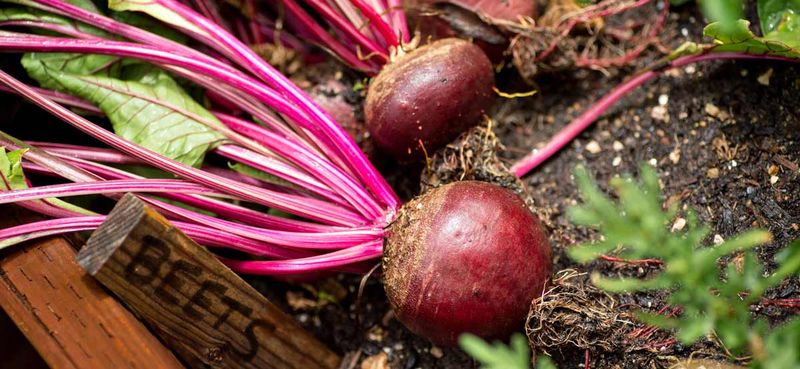
One of those wonderfully versatile vegetables, beets give you two crops in one. The roots are sweet and earthy, perfect for roasting or pickling, while the leafy greens offer tender, nutritious flavor reminiscent of Swiss chard.
California gardeners who grow beets in early spring get the best of both worlds, and the plants are ready for harvest in just six to eight weeks.
Beet seeds are actually clusters of multiple seeds bundled together, which means thinning is an important step after germination. Sow seeds directly into the garden in late February or early March, about half an inch deep and two inches apart.
Once seedlings reach about two inches tall, thin them to four to six inches apart to give the roots enough room to swell. Beets prefer cool temperatures and grow happily in California’s early spring weather before the summer heat arrives.
Sandy or loamy soil works best for beets, as it allows the roots to expand without resistance. Add compost before planting to improve both drainage and fertility.
Full sun is ideal, though beets can tolerate some light shade. Water consistently to prevent the roots from cracking or becoming tough and woody.
Golden beets, Chioggia beets, and classic Detroit Dark Red are all popular varieties among California gardeners. Harvesting when roots are about two to three inches in diameter gives you the sweetest, most tender beets of the season.
10. Peas Climbing High With Tiny Adventures
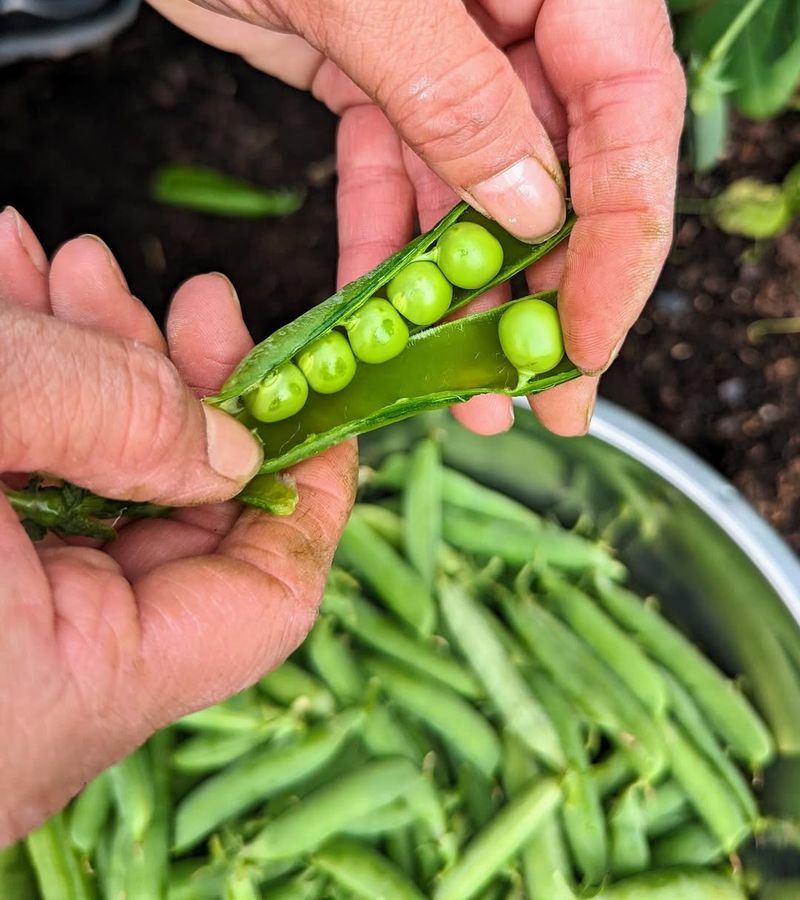
Climbing up a trellis on a cool California spring morning, these sweet, crisp vegetables are one of the most cheerful sights a gardener can enjoy. Homegrown peas taste incredibly fresh straight off the vine, nothing like the ones from a can.
Early spring is generally the best time to plant peas in California, as they perform well in cool weather and may slow growth if temperatures consistently rise above 70 degrees Fahrenheit.
Sow pea seeds directly into the garden as early as late January or February in warmer California regions like the Central Valley and Southern California. Along the cooler Northern California coast, early March works well.
Plant seeds about one inch deep and two inches apart in rows, and set up a trellis or wire support right away, since pea vines start climbing quickly. Seeds germinate in one to two weeks, and plants typically produce pods in six to eight weeks.
Snow peas, snap peas, and shelling peas are all excellent options for the California spring garden. Snap peas like Sugar Snap are especially popular because you can eat the entire pod, making snacking in the garden practically irresistible.
Water peas regularly but avoid getting the foliage wet, as damp leaves can encourage powdery mildew. Harvest pods frequently once they start forming to keep the plant producing more.
Peas fix nitrogen in the soil as they grow, which naturally improves the soil quality for whatever you plant next in that spot.