California Gardeners Should Start Succession Planting Now For A Longer Harvest
Is your California garden a “one-hit wonder” that produces a mountain of kale in May and a desert of dirt by June?
In a state where the growing season stretches nearly year-round, there is no reason to suffer through a harvest famine.
While the Golden State’s mild winters and sun-drenched summers offer the perfect canvas for a continuous feast, most gardeners make the mistake of planting their entire haul at once.
By mastering the simple art of staggering your start dates, you can turn a single, overwhelming harvest into a steady stream of fresh produce from spring through the holidays.
Ready to unlock the true potential of your California soil and keep your kitchen basket full all year?
1. What Succession Planting Means In California Gardens
Many gardeners assume succession planting is complicated, but the idea behind it is refreshingly simple.
Rather than sowing all your seeds at the same time, you plant small batches every two to four weeks so that crops mature at different points throughout the season.
The result is a garden that keeps producing instead of dumping everything on you at once.
In California, this technique works especially well because the growing season is so much longer than in most other states. A gardener in Sacramento or Los Angeles has far more usable planting weeks than someone in Minnesota or Ohio.
That extended window gives California growers a real advantage when they use it wisely.
Succession planting also helps reduce waste. When a single planting of lettuce bolts in the summer heat, you lose the whole crop at once.
But when you have staggered plantings going, one batch bolting does not wipe out your supply. You still have younger plants coming up behind it.
Keeping a simple planting journal helps track what you sowed and when. Even a basic notebook with dates and crop names can make a big difference in staying organized.
Over time, those notes become a personalized planting guide built around your specific California yard and microclimate.
2. How California’s Long Growing Season Supports Multiple Harvests
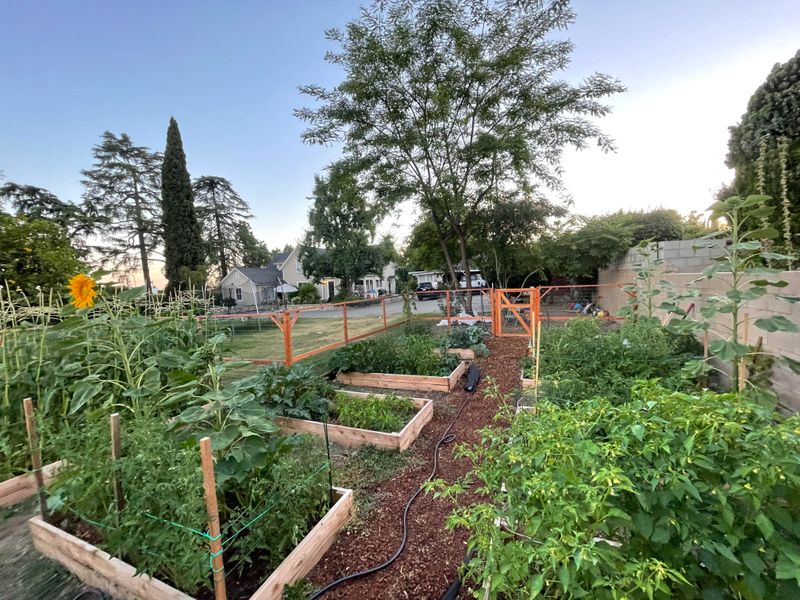
Few places in the United States can match California when it comes to sheer growing time.
Coastal areas like the Bay Area and San Diego enjoy mild temperatures nearly all year, while inland valleys such as the Central Valley get long, hot summers followed by mild falls that still support cool-season crops.
That kind of seasonal flexibility is a gardener’s dream.
In warmer parts of California, the frost-free growing season can stretch to ten or even twelve months. That means a gardener who plans carefully can cycle through multiple rounds of crops in a single calendar year.
Leafy greens planted in February can be followed by summer squash in May, then fall brassicas in August, all in the same bed.
California’s varied microclimates do require some attention to local conditions. A gardener in Fresno will need to think differently about summer heat than one in Santa Cruz.
Knowing your average last frost date, typical summer highs, and when temperatures start dropping in fall gives you the raw data needed to build a smart succession schedule.
Taking advantage of this long season does not require a large garden. Even a few raised beds or containers can support multiple rounds of crops when planting is staggered thoughtfully.
The key is starting early, staying consistent, and not letting that valuable California growing window go to waste.
3. Best Cool Season Crops To Sow In Early Spring
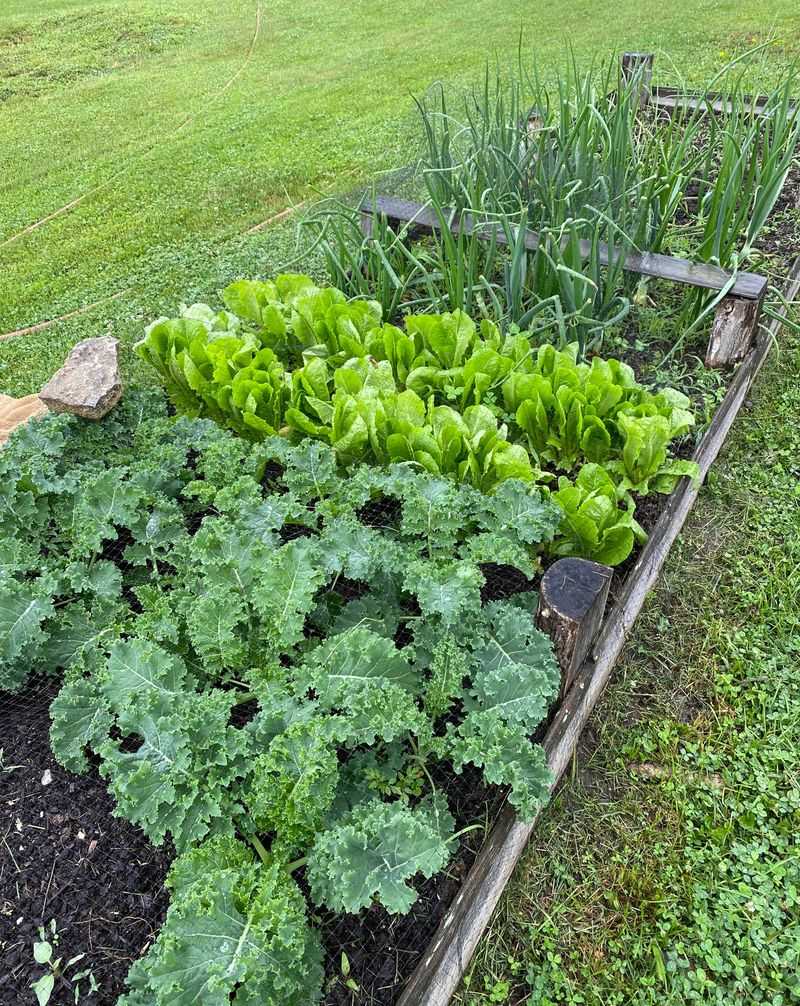
Early spring in most California regions brings the kind of mild, moist weather that cool-season crops absolutely thrive in.
Lettuce, spinach, arugula, kale, and Swiss chard all prefer soil temperatures between 45 and 65 degrees Fahrenheit, making February through April a prime window in many parts of the state.
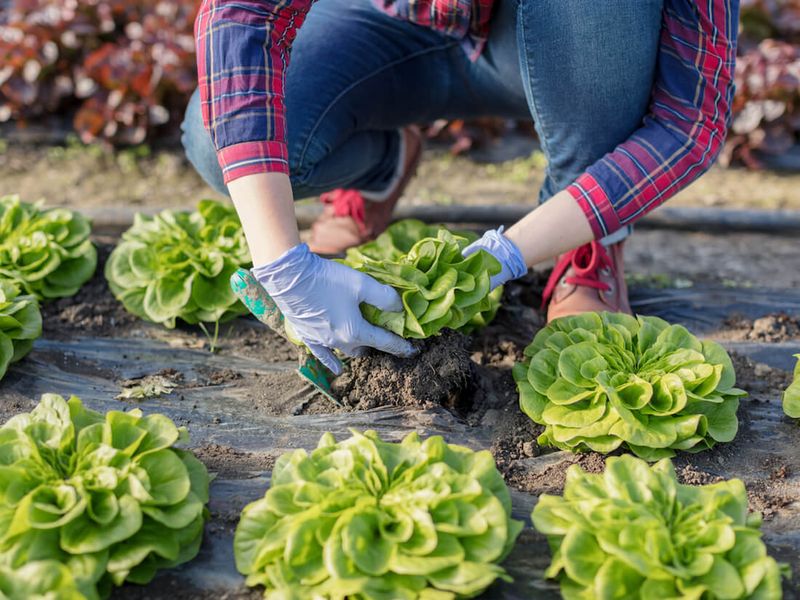
Sowing these crops in small batches every two to three weeks rather than all at once keeps salad greens on the table for months instead of weeks.
A typical head of butterhead lettuce reaches maturity in around 55 to 60 days, so staggering plantings by two weeks means you have a new harvest ready roughly every two weeks throughout spring.
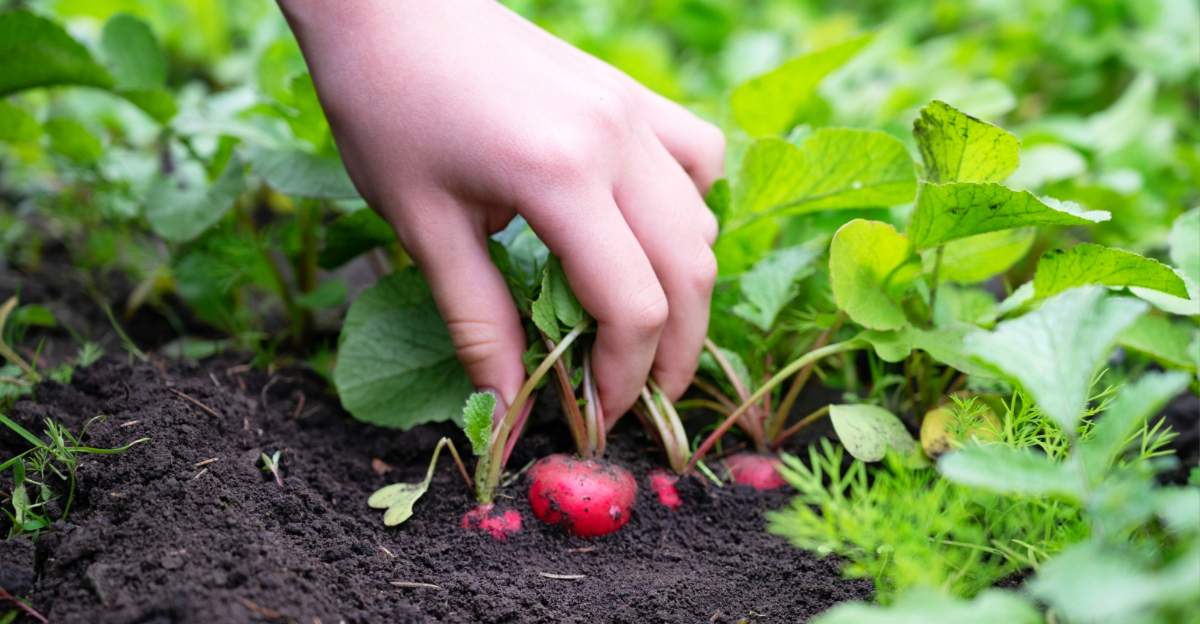
Radishes are another standout choice for early spring succession planting. Some varieties mature in as few as 25 days, which makes them one of the fastest crops in the California garden.
Planting a short row every ten days from late February through April can yield a nearly uninterrupted supply of fresh radishes.
Carrots and beets also do well in cool California soils and can be succession sown every three weeks for a steady root vegetable harvest.
Loosening the soil to at least ten to twelve inches deep and keeping it consistently moist after sowing gives these crops the best possible start during those pleasant California spring months.
4. When To Replant Warm Season Crops For Continued Harvests
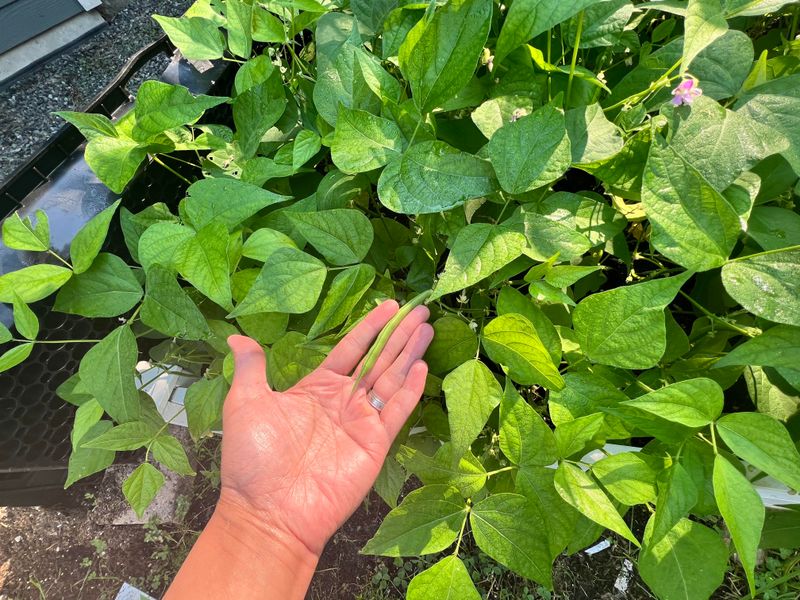
Warm season crops like beans, cucumbers, and summer squash tend to put on a big flush of production and then slow down significantly as the season progresses.
Many California gardeners make their first planting in late spring and then do nothing more, which means production often drops off by midsummer just when the garden should be going strong.
Bush beans are one of the best candidates for warm season succession planting. With a maturity window of around 50 to 60 days, you can start a first planting in late April, follow it with a second round in late May, and add a third in early July.
Each planting will peak at a different time, spreading your harvest across the summer months.
Cucumbers respond similarly well to staggered planting. Starting new transplants or seeds every three to four weeks from May through mid-July gives California gardeners a much more reliable cucumber supply than a single planting ever could.
Cucumbers tend to slow down and get bitter when stressed by summer heat, so fresh younger plants coming along behind the older ones keeps quality high.
Summer squash can also be replanted in mid-to-late summer to catch a second wave of production before fall.
In California’s warmer inland zones, late July plantings of fast-maturing squash varieties can still produce well into October, extending the harvest season considerably beyond what most gardeners expect.
5. How To Use Staggered Planting Dates For Steady Yields
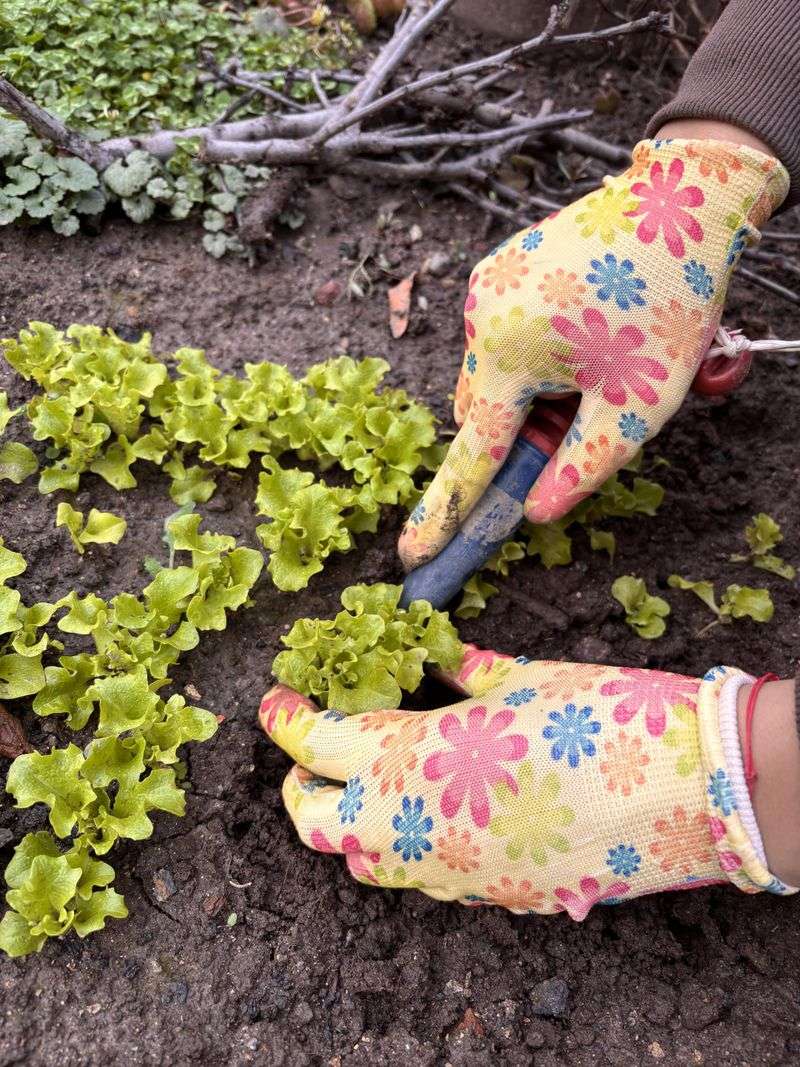
Building a staggered planting schedule sounds like it requires a lot of planning, but getting started is simpler than most people expect.
The basic idea is to pick two or three crops you want to harvest continuously, figure out how long each one takes to mature, and then count backward from when you want to harvest to determine when to plant each batch.
For example, if you want fresh lettuce every two weeks, and your chosen variety takes 55 days to mature, you plant the first batch on day one, the second batch 14 days later, and the third batch 14 days after that.
By the time you are harvesting the first batch, the second is already well on its way.
That simple rhythm keeps the garden productive without overwhelming you with produce all at once.
Spacing your plantings too far apart is a common mistake that creates gaps in the harvest. Keeping intervals between two and four weeks for most crops tends to work well in California’s climate.
Shorter intervals suit fast-maturing crops like radishes and salad greens, while longer intervals work better for crops like tomatoes and peppers that need more time to establish.
Writing down planting dates on a paper calendar or in a gardening app removes a lot of guesswork.
Revisiting those notes each season helps you fine-tune your schedule year after year, building a personalized rhythm that fits your California garden’s specific conditions.
6. Choosing Fast Maturing Crops For Quick Turnaround
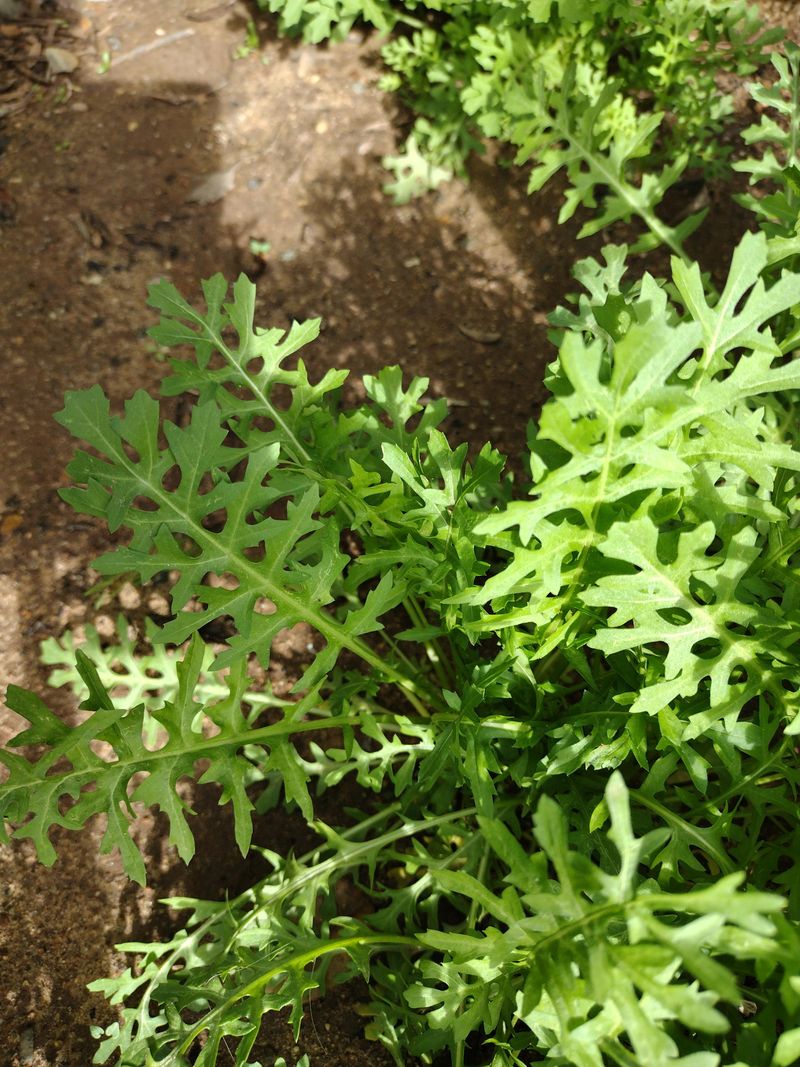
When garden space is limited, fast-maturing crops become incredibly valuable tools for keeping beds productive.
A vegetable that goes from seed to harvest in 30 days or less can cycle through a bed multiple times in a single season, making every square foot of California garden space work much harder.
Radishes are the classic speed champions, with varieties like Cherry Belle and French Breakfast maturing in 22 to 28 days. Planting a short row every week or ten days keeps a steady stream of fresh radishes coming in without taking up much space.
They also work well tucked in alongside slower-growing crops while those plants are getting established.
Baby salad greens, including arugula, mizuna, and baby spinach, can be cut and harvested in as little as 25 to 35 days after sowing.
Using the cut-and-come-again method extends each planting even further, since the plants regrow after harvesting.
Sowing a new tray or row every two weeks means you rarely run out of fresh greens in a California garden.
Green onions and scallions are another underrated quick-turnaround crop, reaching usable size in around 60 days from seed.
Bunching onion varieties are particularly well suited to California’s mild seasons and can be succession planted from early spring through fall.
Adding a few of these speedy crops into your rotation helps fill any gaps that slower crops might leave behind.
7. Using Shade And Watering Adjustments In Summer Plantings
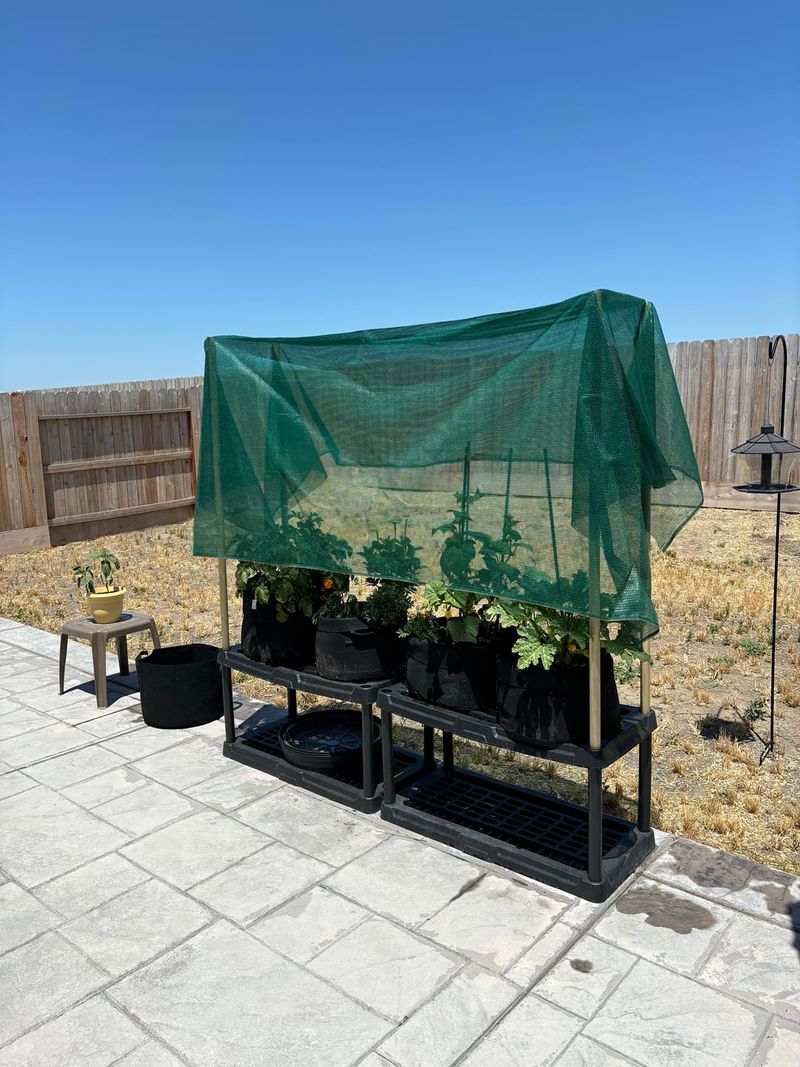
Planting into the heat of a California summer presents some real challenges that cool-season gardeners do not always think about.
Soil temperatures above 85 degrees Fahrenheit can prevent lettuce, spinach, and carrot seeds from germinating at all, and heat stress can cause young transplants to struggle even when they do sprout.
Managing shade and water becomes just as important as choosing the right planting date.
Shade cloth rated at 30 to 40 percent light reduction can make a meaningful difference for summer succession plantings of heat-sensitive crops.
Draping shade cloth over a low frame or hoop structure drops soil temperature by several degrees and reduces moisture evaporation, giving seeds and seedlings a more forgiving environment during California’s hottest months.
Watering timing matters a great deal in summer as well. Watering in the early morning rather than midday or evening helps soil stay cooler during peak heat hours and reduces fungal disease risk that can come with wet foliage overnight.
Drip irrigation or soaker hoses deliver water directly to the root zone without wetting leaves, which is especially helpful for summer squash and cucumbers that are prone to powdery mildew.
Mulching around transplants with a two-to-three-inch layer of straw or wood chips keeps soil moisture more consistent and reduces surface temperature.
In California’s drier inland regions, these small adjustments can be the difference between a failed summer succession planting and a genuinely productive one.
8. How Coastal And Inland Climates Change Your Planting Schedule
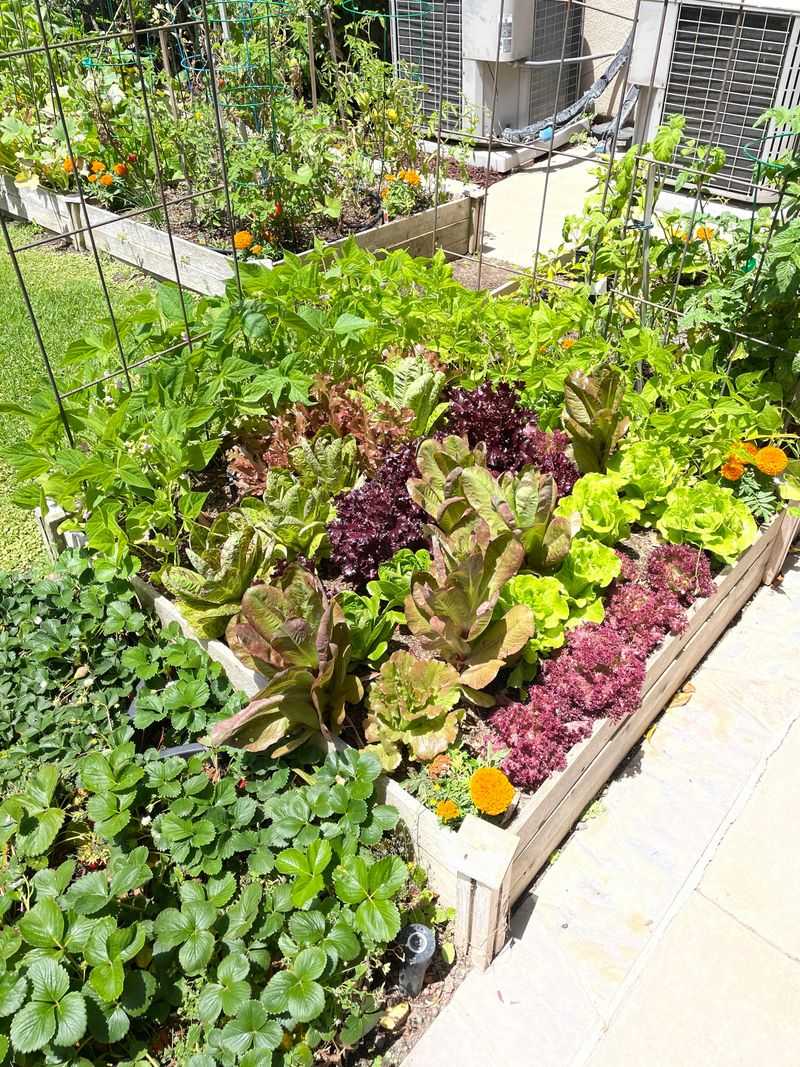
California is not one climate – it is dozens of them layered on top of each other within a relatively small geographic area.
A gardener in Monterey deals with cool marine fog and rarely sees temperatures above 75 degrees, while someone in Bakersfield or Redding routinely faces summer highs above 100 degrees.
Those differences have a direct impact on when and how succession planting should be scheduled.
Coastal California gardeners often have the luxury of planting cool-season crops much later into spring and resuming them earlier in fall than their inland counterparts.
In some coastal zones, lettuce and kale can be grown through most of the summer with minimal protection, making succession planting an almost year-round activity.
The challenge in these areas tends to be getting warm-season crops like tomatoes and peppers to ripen fully rather than managing heat.
Inland valley gardeners face the opposite situation. Spring arrives quickly, summer heat can be intense and prolonged, and the window for cool-season crops in spring closes faster than coastal gardeners experience.
Focusing warm-season succession plantings in the period from April through mid-July, then switching back to cool-season crops in late August or September, tends to work well across California’s Central Valley and surrounding foothill areas.
Checking your specific USDA hardiness zone and average frost dates for your California city gives you a much more accurate planting framework than general national gardening guides, which are rarely tailored to California’s distinctive regional climates.