California Gardeners Use These 10 Smart Tricks To Help Fishbone Cactus Bloom
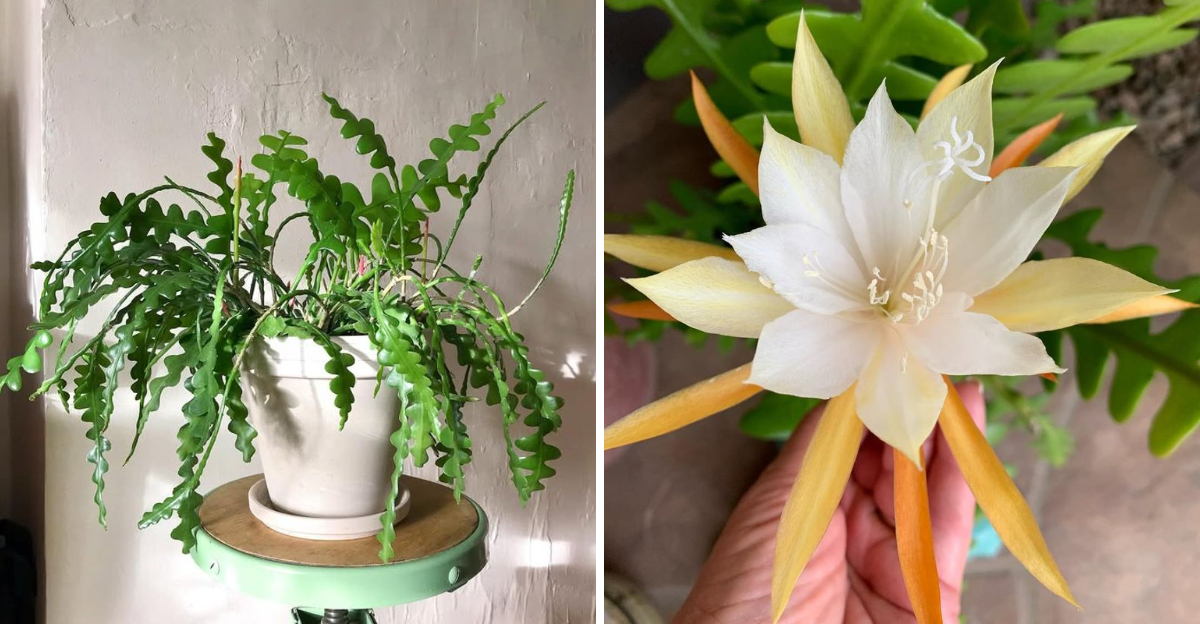
A fishbone cactus can look flawless for months, all dramatic zigzag stems and lush growth, yet refuse to produce a single bloom.
Plenty of California gardeners know the frustration. The plant seems happy. The light feels right. Still, no flowers.
The secret rarely involves a dramatic rescue plan.
Blooming depends on subtle signals. Light intensity, cooler nights, a slightly snug pot, and seasonal shifts all influence when this cactus decides to put on a show.
California’s coastal fog, warm inland afternoons, and relatively mild winters can create ideal conditions once you understand how to use them to your advantage. Small, strategic tweaks often spark the change from leafy growth to flower production.
This plant responds to balance, not constant pampering. When its natural cues line up, those sculptural stems can surprise you with bold, fragrant blooms that feel well worth the wait.
1. Give It Bright But Gentle Light
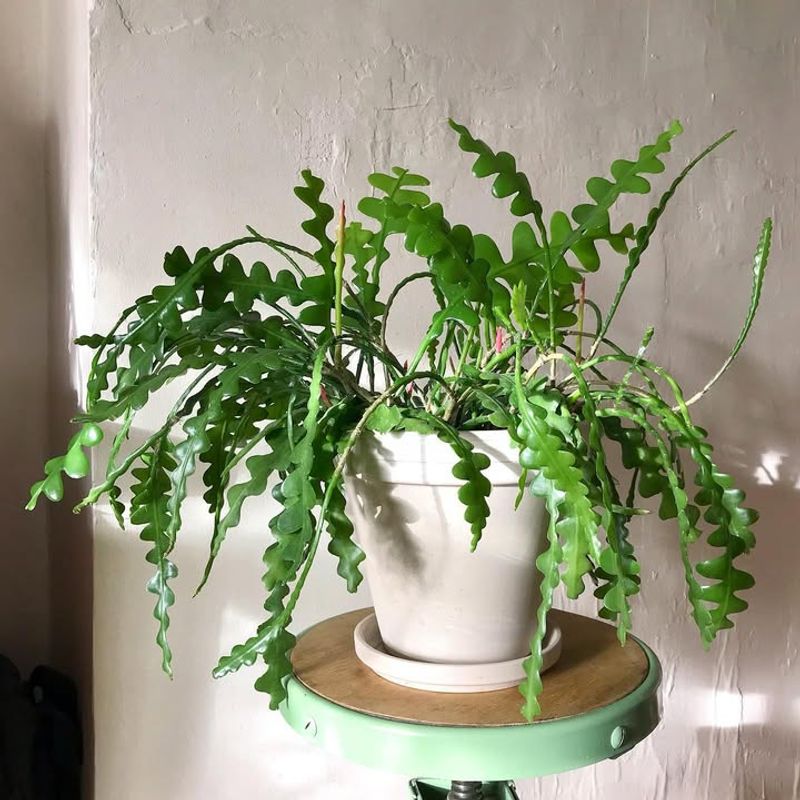
Strong light makes all the difference, but intensity needs careful control. Fishbone cactus grows naturally under tree canopies, so it prefers bright, filtered light rather than direct, harsh exposure.
California conditions vary widely. Coastal areas like Santa Barbara or Marin offer softer light, while inland regions such as Sacramento or Riverside experience intense afternoon sun that can stress the plant.
An east-facing window often provides the most reliable balance, with gentle morning light and protection from midday heat. South-facing windows can still work when the plant sits a few feet back or when sheer curtains soften the rays.
West-facing light may be acceptable with filtering, though it can become too intense during summer in Southern California.
Seasonal changes matter as well. Winter days bring shorter light periods, so moving the plant slightly closer to a window can help support bud formation.
Rotating the container every few weeks encourages even growth and prevents one-sided stretching.
Consistent light conditions help signal stability, which supports flowering over time. Sudden shifts from low light to intense exposure can delay blooming, so gradual adjustments tend to produce better results in California homes.
2. Let The Soil Dry Between Waterings
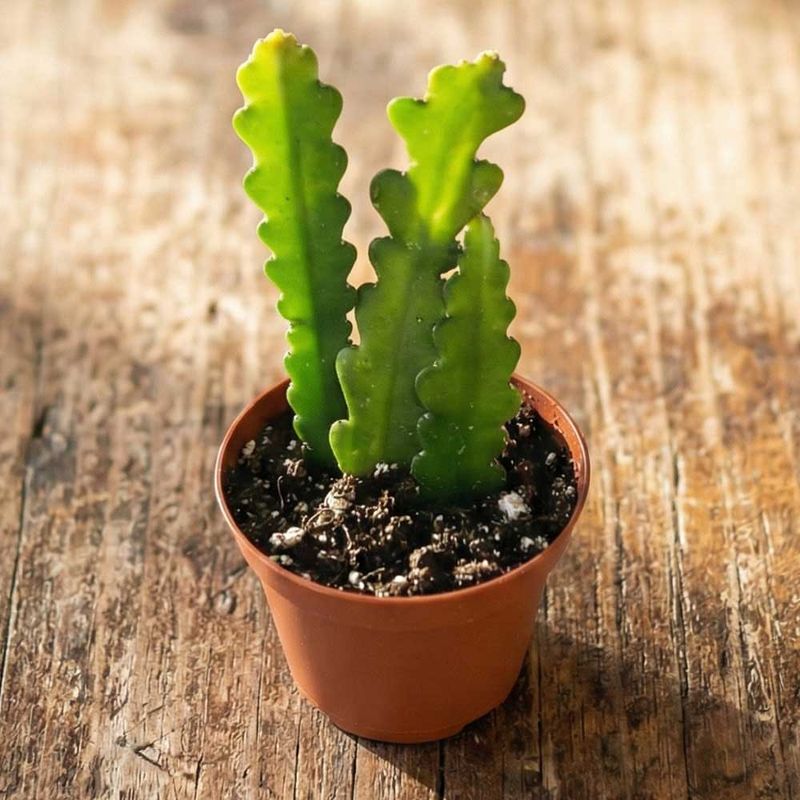
Watering habits often determine whether this plant thrives or simply survives. Fishbone cactus is not a desert cactus, even though it carries the name.
It comes from humid forest environments and prefers moderate moisture with good drainage. Allowing the soil to dry slightly between waterings supports healthy roots without creating stress.
In California, climate plays a large role. Inland regions like the Central Valley dry out faster, while coastal areas retain more moisture due to cooler air and fog.
Instead of following a fixed schedule, checking the soil remains the most reliable approach.
Allow the top one to two inches of soil to dry before watering again. During active growth in spring and summer, watering may occur every seven to ten days in warmer areas.
Cooler coastal homes may stretch that interval longer.
Overwatering leads to root issues that interfere with blooming. At the same time, letting the soil stay dry for too long can cause shriveling and slow growth.
A balanced rhythm works best. Consistent moisture cycles help the plant stay healthy and ready to respond when blooming conditions align.
3. Use A Fast-Draining Potting Mix
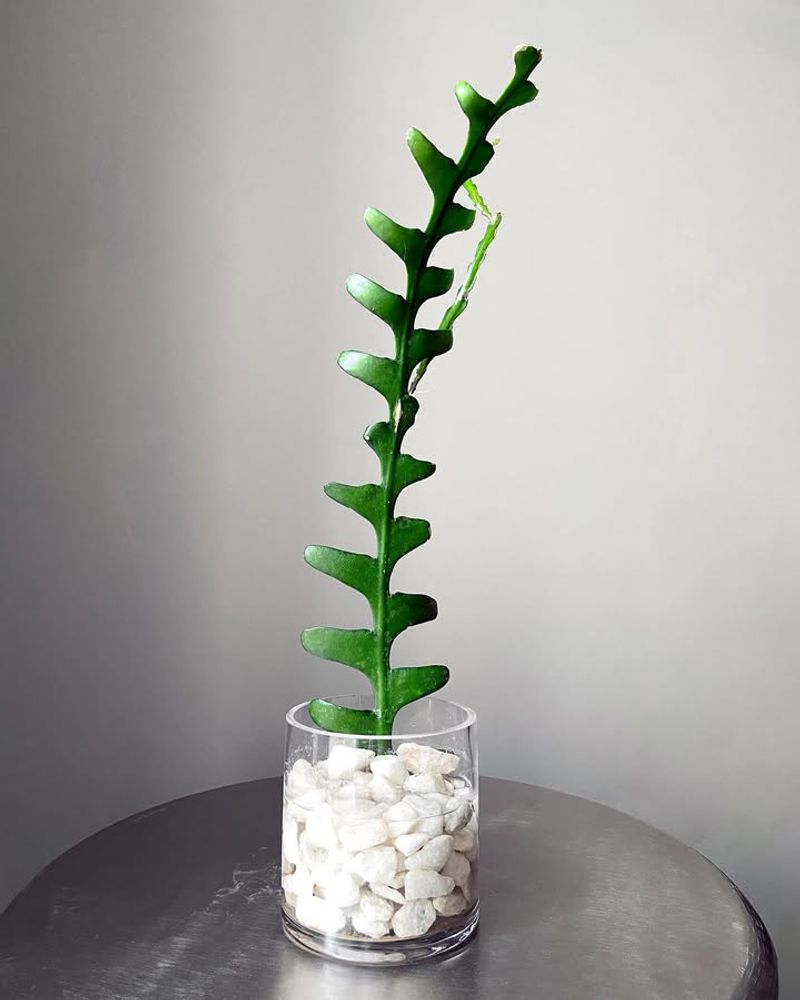
Root health begins with the right growing medium. Fishbone cactus grows as an epiphyte in nature, attaching to tree bark where air circulates freely and water drains quickly.
Replicating that environment indoors helps support both growth and flowering.
Standard potting soil on its own can hold excess moisture, especially in warmer inland parts of California. Mixing in coarse materials improves structure and airflow.
A blend that includes orchid bark, perlite, and a cactus or succulent base creates a loose, breathable mix.
Coastal gardeners may find that slightly more moisture retention works due to cooler conditions. In hotter regions, a grittier mix helps prevent soggy roots.
The goal is to allow water to pass through easily while keeping enough moisture for short-term use.
Repotting every two to three years refreshes the mix and helps prevent mineral buildup, which can occur in areas with hard tap water. Good drainage combined with proper watering habits creates a stable foundation.
Healthy roots support consistent growth, and steady growth improves the chances of producing blooms over time.
4. Keep It Slightly Root Bound
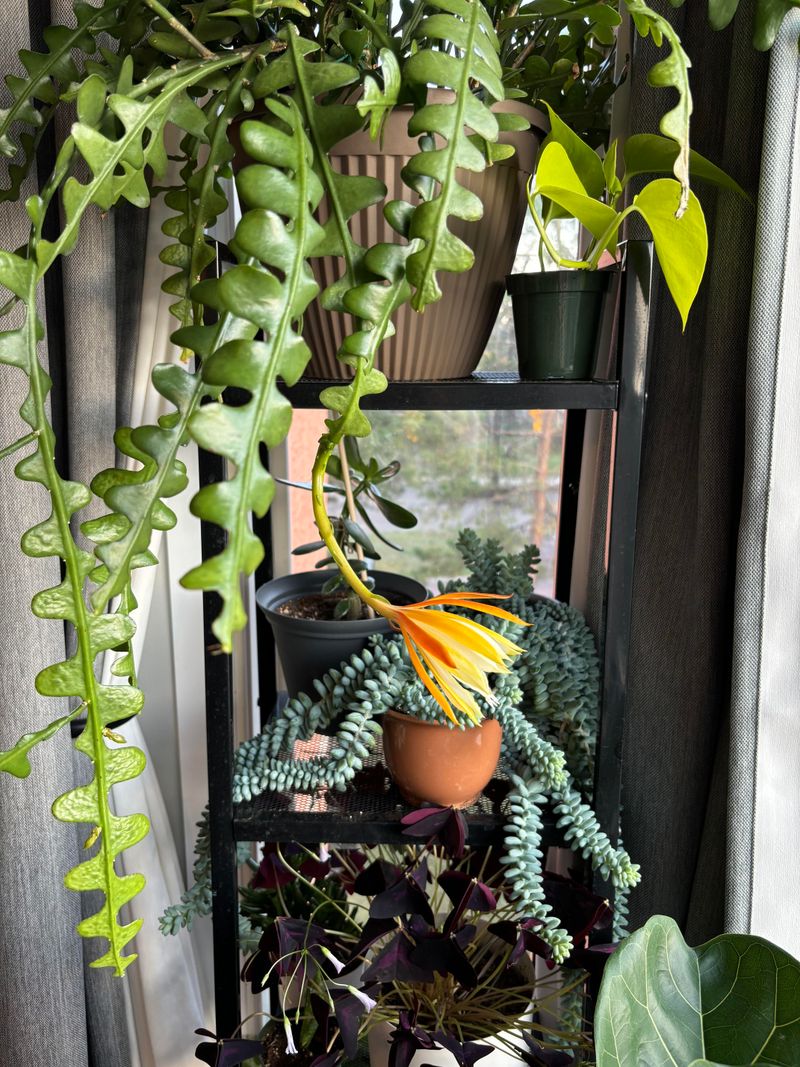
A slightly snug root system can encourage this plant to focus on flowering rather than expansion. When roots have limited space, the plant often shifts energy toward reproduction instead of producing new root mass.
That subtle restriction can act as a signal that conditions are right to invest in blooms.
Choosing a pot that fits the root ball closely helps maintain that balance. Moving to a container that is only one to two inches larger allows gradual growth without disrupting blooming potential.
Oversized pots often stay wetter for longer, which can further delay flowering. Larger pots tend to shift the plant’s focus below the surface.
In California, pot choice also interacts with climate. Terracotta works well in dry inland areas because it allows moisture to evaporate through the sides.
This helps prevent excess moisture buildup during hot spells. Glazed ceramic or plastic may suit coastal regions where evaporation happens more slowly.
A plant that stays slightly root bound often remains more compact and stable. This condition supports steady growth without encouraging excessive foliage.
Over time, that balance can increase the likelihood of flower development, especially when combined with proper light and seasonal cues.
5. Provide Cooler Nights In Fall
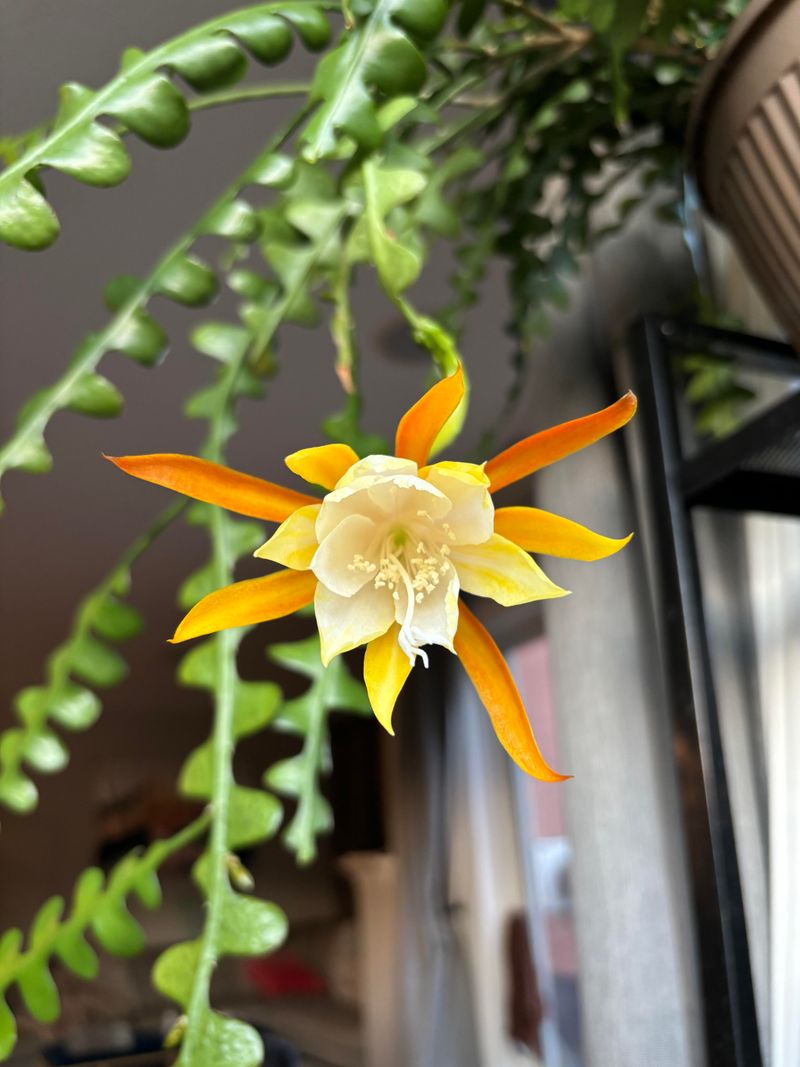
Seasonal temperature shifts act as a natural signal for bloom development. Fishbone cactus responds to cooler nights by preparing for flowering, and California’s fall climate often provides ideal conditions.
This gradual change helps the plant transition from active growth into a bloom-ready phase.
Night temperatures between about 50 and 60 degrees Fahrenheit can help encourage bud formation. Coastal areas experience this change gradually, while inland regions may see sharper drops once summer heat fades.
Even a slight dip in nighttime temperatures can begin to trigger this response over time.
Placing the plant outdoors during early fall evenings can help it experience those cooler temperatures. Bringing it back inside before daytime heat returns keeps conditions balanced.
A sheltered patio or balcony often works well for this temporary transition. Monitoring local forecasts helps guide timing and prevents exposure to unexpected cold snaps.
Avoid placing the plant near indoor heat sources during this period. Warm nighttime conditions can interfere with the signals needed for blooming.
Keeping the environment steady supports the plant’s natural rhythm. Consistency matters more than extremes.
A few weeks of cooler nights combined with stable care often set the stage for flowering. California’s natural seasonal patterns provide a helpful advantage when used thoughtfully.
6. Feed Lightly During Active Growth
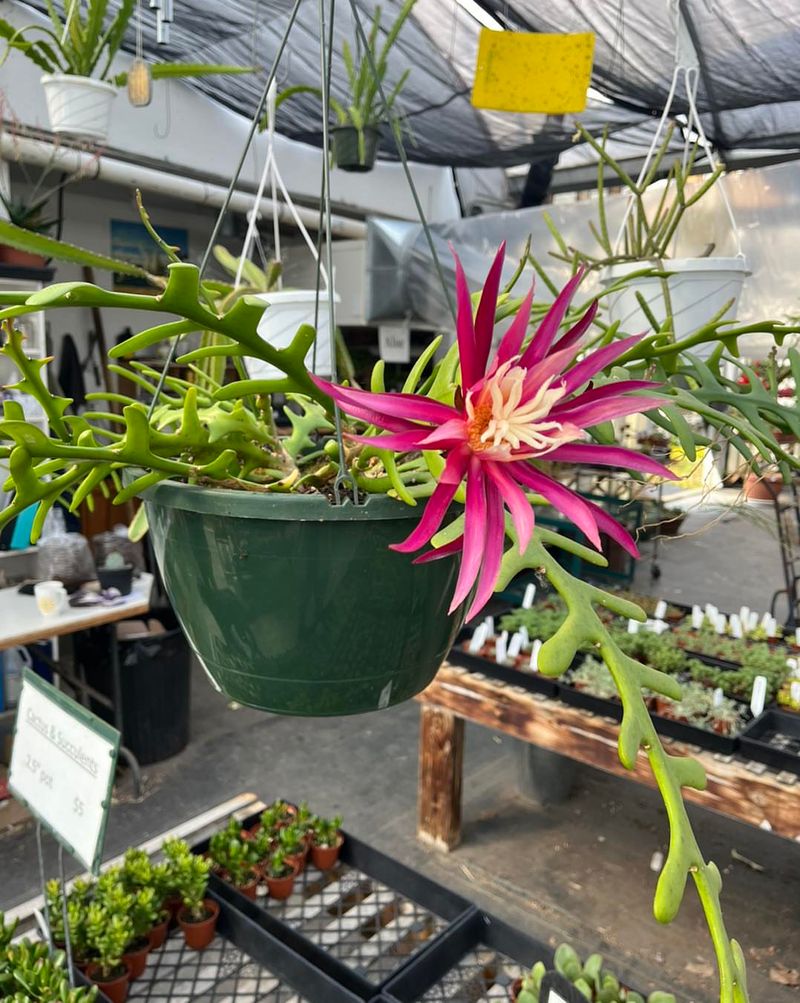
Nutrient support should remain gentle and controlled. Fishbone cactus does not require heavy feeding, and excessive fertilizer often leads to leafy growth instead of flowers.
Light feeding supports steady growth without pushing the plant out of balance.
A balanced fertilizer diluted to half strength works well during the active growing season. Applying it every three to four weeks in spring and early summer supports steady development without overwhelming the plant.
Liquid formulas tend to distribute nutrients more evenly and are easier to adjust.
Epiphytic plants typically adapt to lower nutrient environments, so lighter feeding aligns with their natural growth habits. High-nitrogen formulas tend to produce lush stems but fewer blooms.
Choosing a formula with a lower nitrogen ratio can help keep growth more balanced.
Growth patterns vary across California. Warmer inland regions may see earlier growth in late winter, while coastal areas may lag slightly behind.
Watching for new stem development helps determine when feeding should begin. Active growth usually signals that the plant is ready to use nutrients efficiently.
Once late summer approaches, reducing or stopping fertilization helps the plant transition toward its natural seasonal cycle. A restrained approach keeps growth balanced and supports future blooming potential.
7. Avoid Frequent Repotting
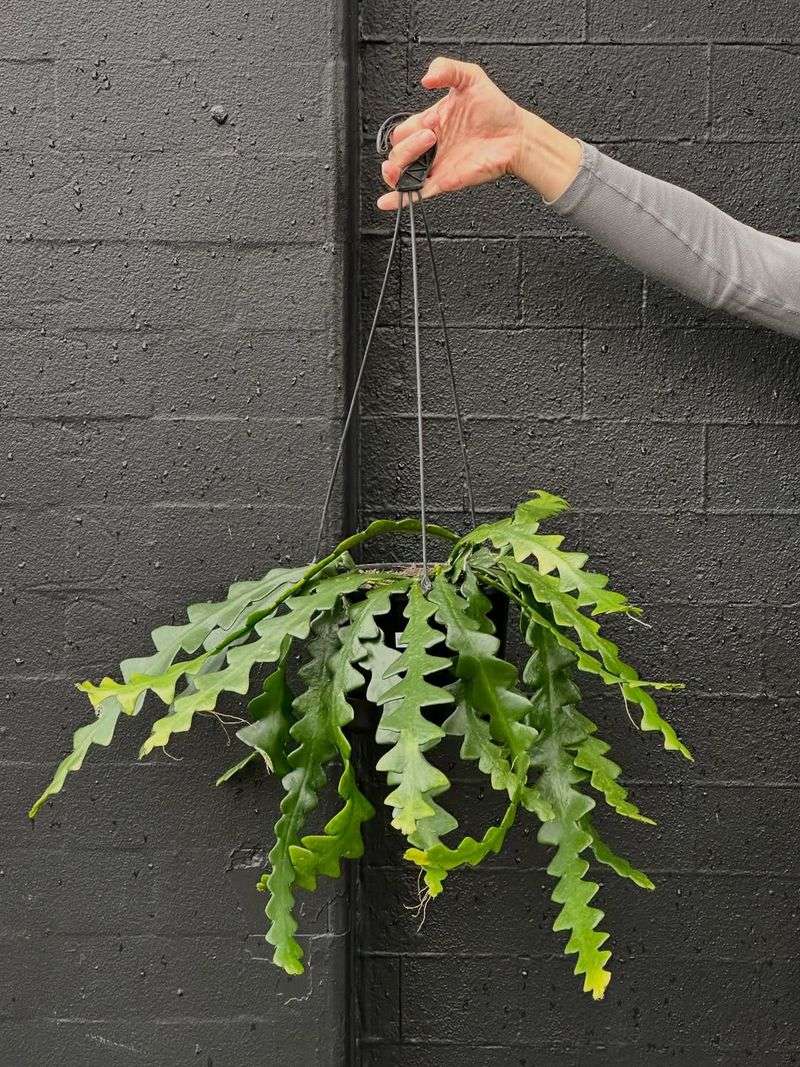
Stability plays a major role in encouraging blooms. Frequent repotting disrupts the root system and forces the plant to redirect energy toward recovery instead of flowering.
Even small disturbances can delay bud formation for an entire season.
Most fishbone cactus plants do well when left undisturbed for several years. Signs such as roots emerging from drainage holes or a crowded root mass indicate when repotting may be needed.
A plant that still has space to grow often performs better when left in place.
Late winter or early spring works well for repotting, allowing the plant to settle before the active growing period. Gentle handling of roots reduces stress during the transition.
Keeping as much of the original root ball intact helps the plant adjust more quickly.
After repotting, light watering helps settle the soil and support root contact. Allowing the soil to dry slightly afterward maintains proper balance.
Extended dry periods immediately after repotting can stress the plant rather than help it recover.
Maintaining consistency with pot size and soil conditions helps the plant stay focused on steady growth. That stability supports long-term blooming potential.
8. Increase Humidity In Dry Areas
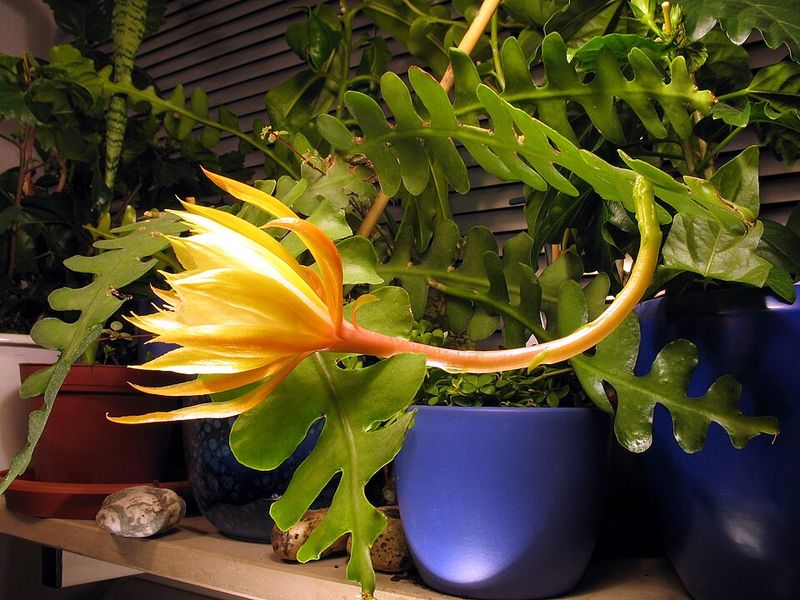
Fishbone cactus comes from tropical environments where humidity plays a role in overall growth. California’s dry air, especially in inland regions, can affect how the plant develops over time.
Homes with air conditioning or heating can further lower indoor humidity, making conditions even drier than expected.
Low humidity does not stop growth entirely, but it may lead to slower development or less vibrant stems. You may notice slightly thinner growth or less flexibility in the stems when the air stays very dry.
Increasing humidity can help improve overall plant condition.
A small humidifier placed nearby provides steady moisture in the air. Grouping plants together can also raise humidity slightly through natural moisture release.
Pebble trays filled with water offer another simple option.
Misting can be used occasionally, though mineral-heavy water may leave residue on the stems. Filtered water helps reduce buildup.
Light misting during warmer months can freshen the plant without overdoing moisture.
Moderate humidity supports healthier growth, which in turn helps the plant reach a stage where blooming becomes more likely. Small adjustments can make a noticeable difference in dry California homes.
9. Reduce Water In Winter
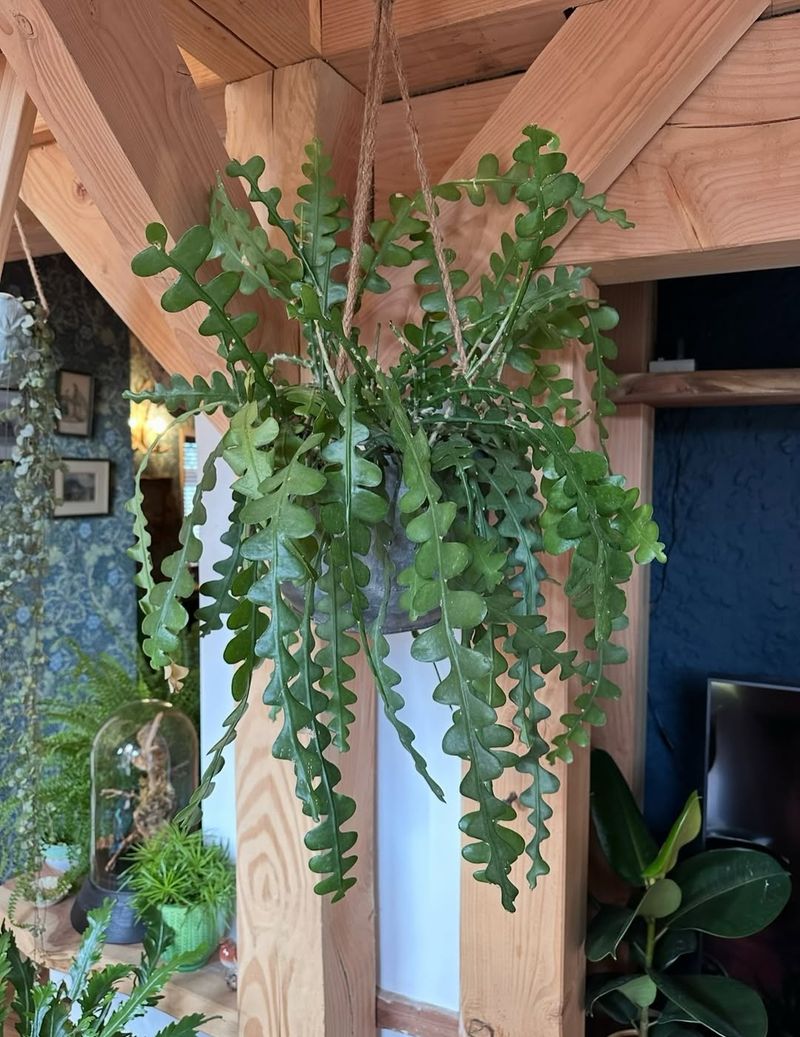
Winter signals a slower growth period for fishbone cactus. Adjusting watering habits during this time helps align with the plant’s natural cycle.
Cooler temperatures and shorter days reduce how quickly the plant uses moisture.
Watering less frequently allows the soil to dry more between sessions. In many California homes, watering every two to three weeks is sufficient during cooler months.
Pots may also stay damp longer during winter, so checking before watering becomes even more important.
The goal is to avoid constant moisture while preventing extreme dryness that causes shriveling. Slight softening of stems can signal it is time for a light watering.
Checking soil moisture before watering remains the most reliable method.
Coastal areas with milder winters may require only slight adjustments. Inland regions with cooler nights may need longer intervals between watering.
Indoor heating can also dry soil more quickly in some homes.
This seasonal reduction helps prepare the plant for future growth and blooming. Respecting the plant’s natural rhythm supports overall health and encourages better performance when warmer conditions return.
10. Be Patient And Avoid Sudden Changes
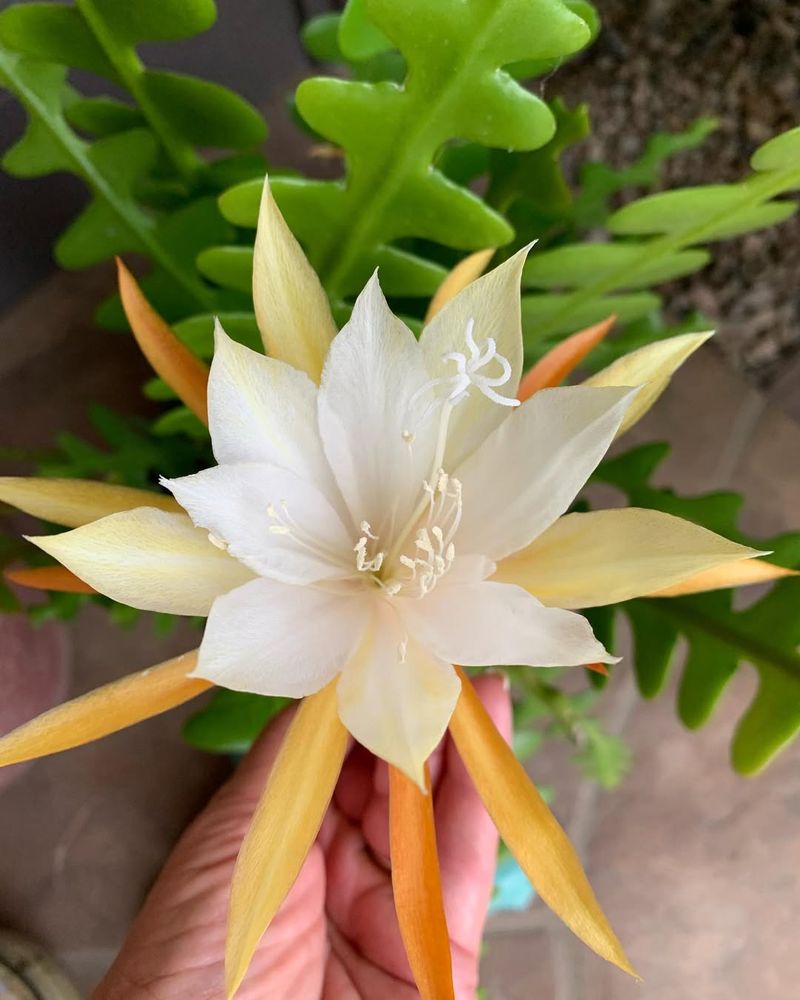
Time plays a major role in flowering. Fishbone cactus often requires maturity and stable conditions before producing blooms.
Some plants may take a few growing seasons to reach that stage.
Young plants or recently relocated specimens may take a full season or longer to flower. Environmental stress can delay blooming even when care seems correct.
Sudden changes in light, temperature, or watering can interrupt progress.
California’s climate provides helpful seasonal signals, but consistency remains essential. Keeping the plant in one location allows it to adapt and respond naturally over time.
Frequent movement between indoors and outdoors can disrupt that adjustment.
Small observations help guide care. Watching how the plant reacts across seasons builds a better understanding of its needs.
Subtle signs, such as new stem growth or thicker segments, often indicate improving conditions.
Steady care supports gradual progress. Blooming tends to follow consistency rather than quick adjustments, and patience often leads to the most rewarding results.