California Gardeners Use This Method To Get Amaryllis Blooming Again Next Year
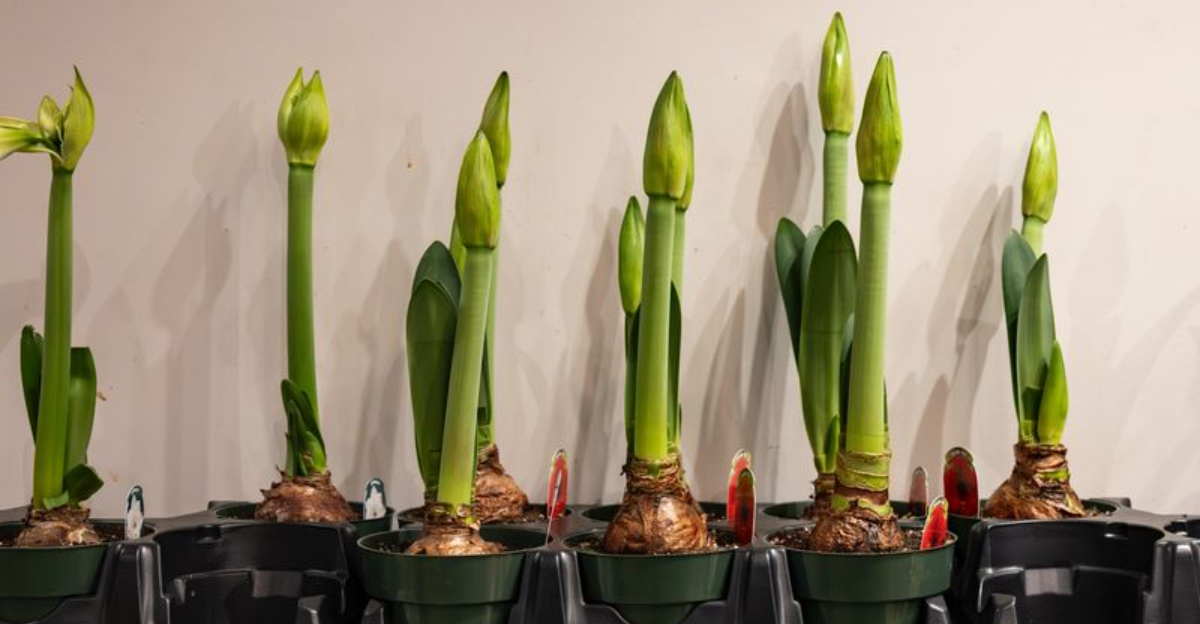
Many California gardeners are surprised when amaryllis bloom beautifully once, then refuse to flower again the following season.
The issue usually is not the bulb itself, but what happens after the blooms fade and the leaves take over, slowly determining how much energy the plant can store.
Climate plays a role, yet consistent care through spring and summer matters far more than most people realize, especially when daily habits quietly influence next year’s bloom cycle.
California growers rely on one dependable method that rebuilds strength, stores energy, and sets the stage for reliable flowering next year.
When timed correctly, this approach fits easily into normal routines and works across many regions, homes, and growing setups without complicated extra steps.
1. What The Forced Dormancy Method Actually Does For Amaryllis Bulbs
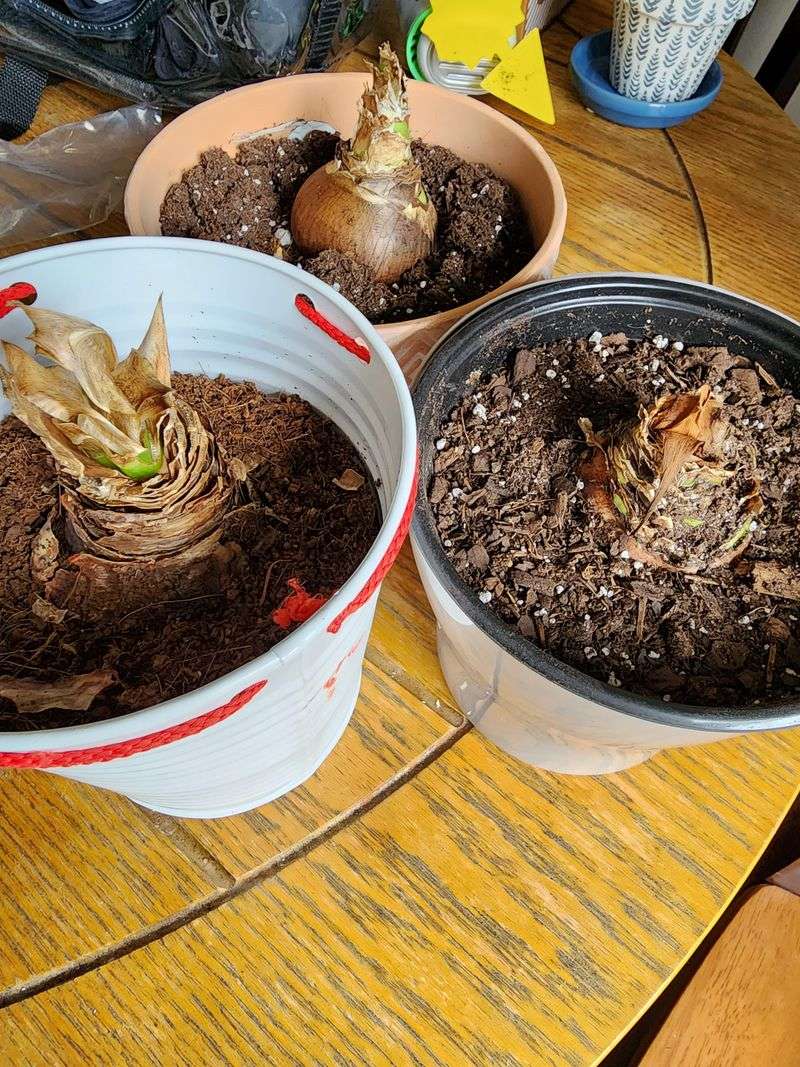
Amaryllis bulbs need a rest period to recharge their energy reserves after producing those magnificent flowers that brighten homes across California each season.
Forced dormancy essentially tricks the bulb into thinking winter has arrived, even when California’s weather remains warm and pleasant outside your window.
During this resting phase, the bulb redirects nutrients from leaves back into its core, building up starches and sugars for next year’s growth.
Without this crucial break, bulbs in California may produce weak stems or skip blooming entirely because they haven’t stored enough fuel properly.
The method helps regulate the bulb’s internal clock, ensuring it follows a predictable cycle rather than growing continuously in the state’s temperate climate.
Gardeners across California find this technique preserves bulb health over many years, preventing exhaustion that comes from constant growth without adequate rest periods.
Think of it like a battery recharge that prepares your amaryllis for another spectacular show when you’re ready to wake it up again.
By gradually reducing water and allowing foliage to fade naturally, California gardeners help signal to the bulb that it is time to slow down and enter its essential recovery phase.
Once rested and reintroduced to light and moisture, the refreshed bulb responds with stronger growth, thicker stems, and larger blooms that feel even more rewarding after the wait.
2. When California Gardeners Start The Dormancy Process After Blooming Ends
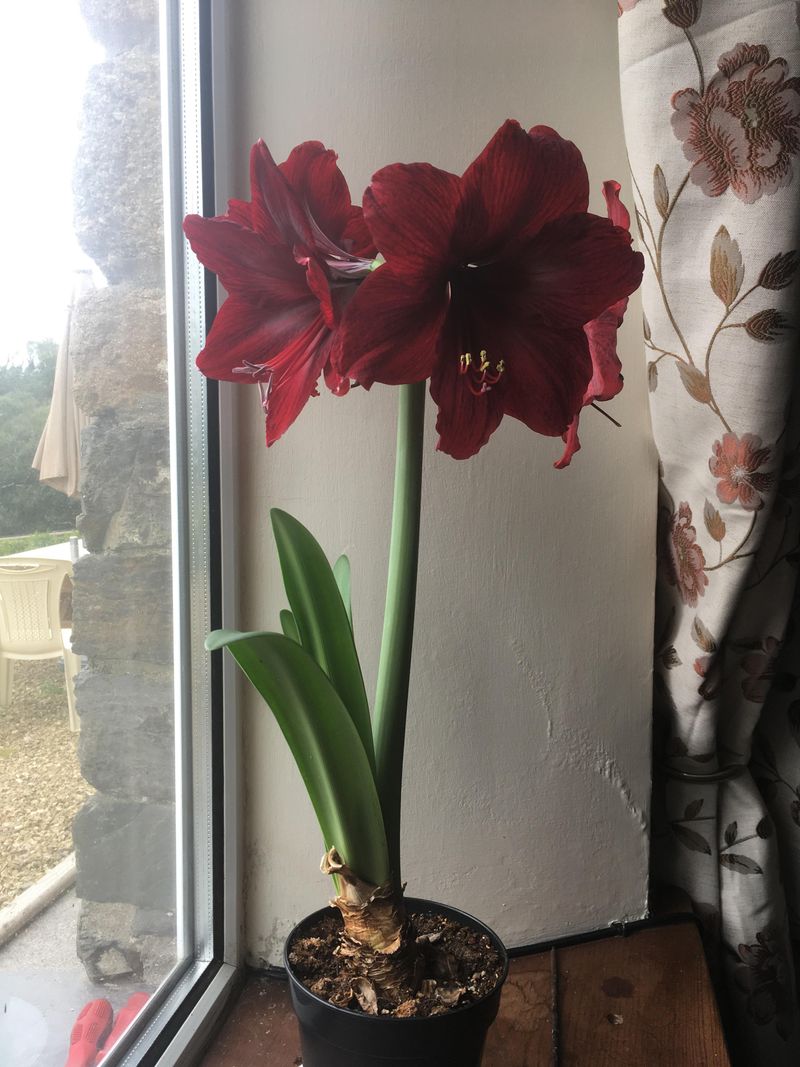
Timing matters tremendously when you begin forcing your amaryllis into its rest period, especially given California’s unique year-round growing conditions and mild temperatures.
Most gardeners in the state start the dormancy process about eight to twelve weeks after the final flower fades from the stalk completely.
This waiting period allows leaves to continue photosynthesizing, creating food that travels down into the bulb for storage before the rest begins.
Rushing this phase means your bulb won’t have adequate energy reserves stored up, potentially resulting in disappointing blooms or none at all later.
California’s long growing season actually benefits amaryllis owners because leaves can work longer, producing more nutrients than in colder regions with shorter days.
Some gardeners across the state wait until late summer or early fall to begin dormancy, aligning the process with natural seasonal changes outside.
Marking your calendar after the last bloom drops helps you remember when to start reducing care, making the transition smooth and stress-free for you.
3. Why Stopping Water Is The Most Important Step In Forced Dormancy
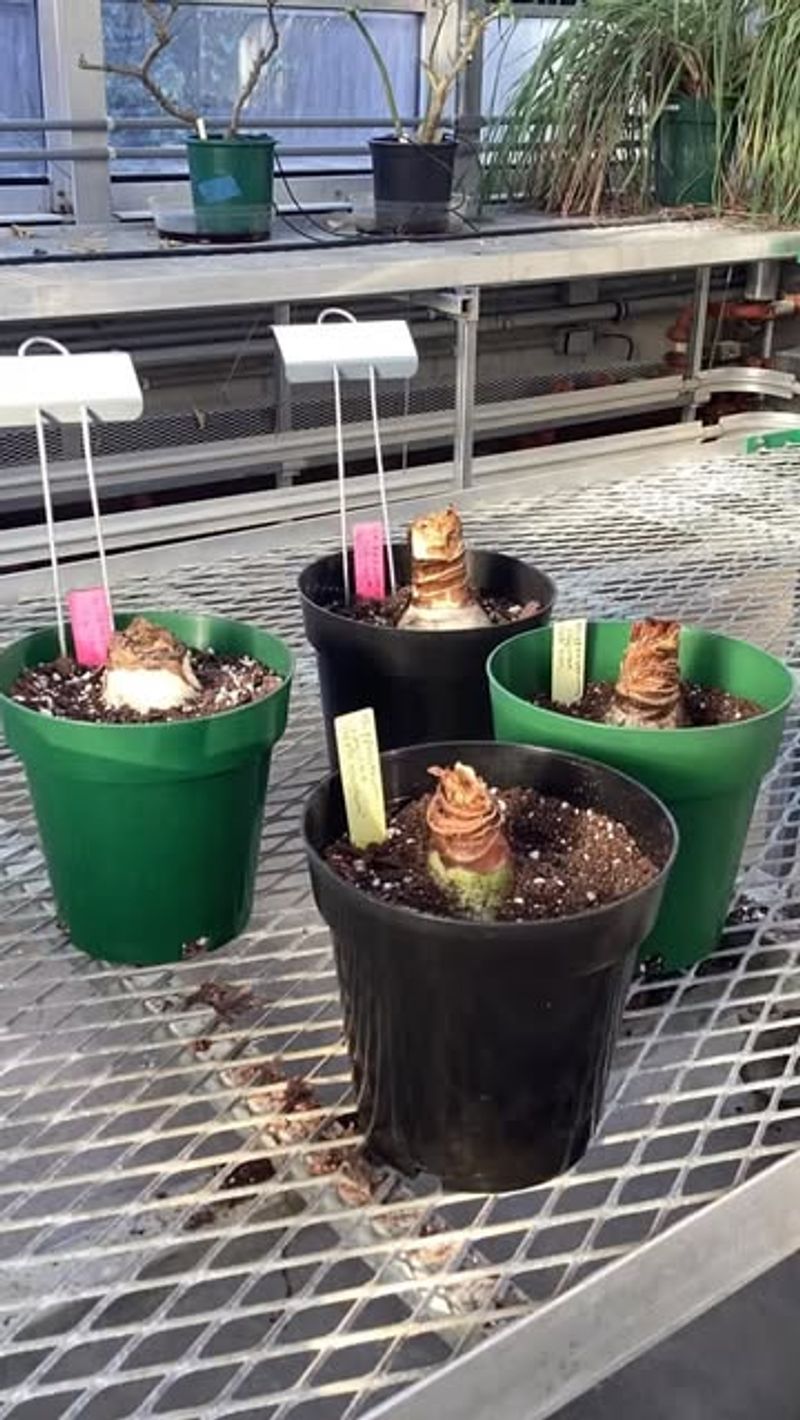
Water acts as the primary signal that tells your amaryllis bulb to either keep growing or prepare for a long, restorative rest period ahead.
Gradually reducing watering over two to three weeks signals the plant that conditions are changing, prompting it to begin shutting down active growth naturally.
Once leaves start yellowing and drooping in California homes, you can stop watering completely, allowing soil to dry out thoroughly around the bulb.
Continuing to water during dormancy can cause the bulb to rot since it’s not actively using moisture, creating perfect conditions for fungal problems instead.
California’s dry indoor air actually helps during this phase, speeding up the soil drying process and preventing excess humidity around the resting bulb.
Gardeners in the state appreciate how withholding water is simple yet powerful, requiring no special equipment or complicated steps to achieve excellent results.
This water cutoff mimics the dry season that amaryllis bulbs would experience in their native South American habitats, triggering their natural dormancy response effectively.
During this dry rest, the bulb conserves energy internally, focusing on strengthening its core rather than supporting leaves that would otherwise drain stored resources.
After several weeks without water, the bulb becomes fully reset, making it ready to respond quickly and reliably once watering resumes and the growth cycle begins again.
4. How Light And Temperature Changes Signal The Bulb To Rest

Beyond water, light and temperature play supporting roles in convincing your amaryllis bulb that it’s time to enter its essential rest phase successfully.
Reducing light exposure by moving the pot to a darker location helps the leaves naturally yellow and die back without stress or confusion.
California gardeners often place dormant bulbs in garages, closets, or basements where temperatures stay cool but never drop below fifty degrees Fahrenheit consistently.
Cooler temperatures slow down the bulb’s metabolism, allowing it to rest deeply rather than trying to grow in unsuitable conditions that waste energy.
Avoid placing bulbs near heating vents or sunny windows in California homes, as warmth and light can accidentally wake them up too early.
The combination of darkness, coolness, and dryness creates an environment that clearly communicates rest time, preventing mixed signals that confuse the bulb’s biology.
Some gardeners across the state use unheated sheds or covered patios, taking advantage of California’s mild winters to provide ideal dormancy conditions without special equipment.
This controlled environment allows the bulb to complete its rest without interruption, ensuring internal processes finish properly before the next growth cycle begins.
When brought back into warmth and light later, the bulb responds more uniformly, producing balanced foliage and dependable blooms instead of uneven or delayed growth.
5. How Long Amaryllis Should Stay Dormant Before Regrowth Begins
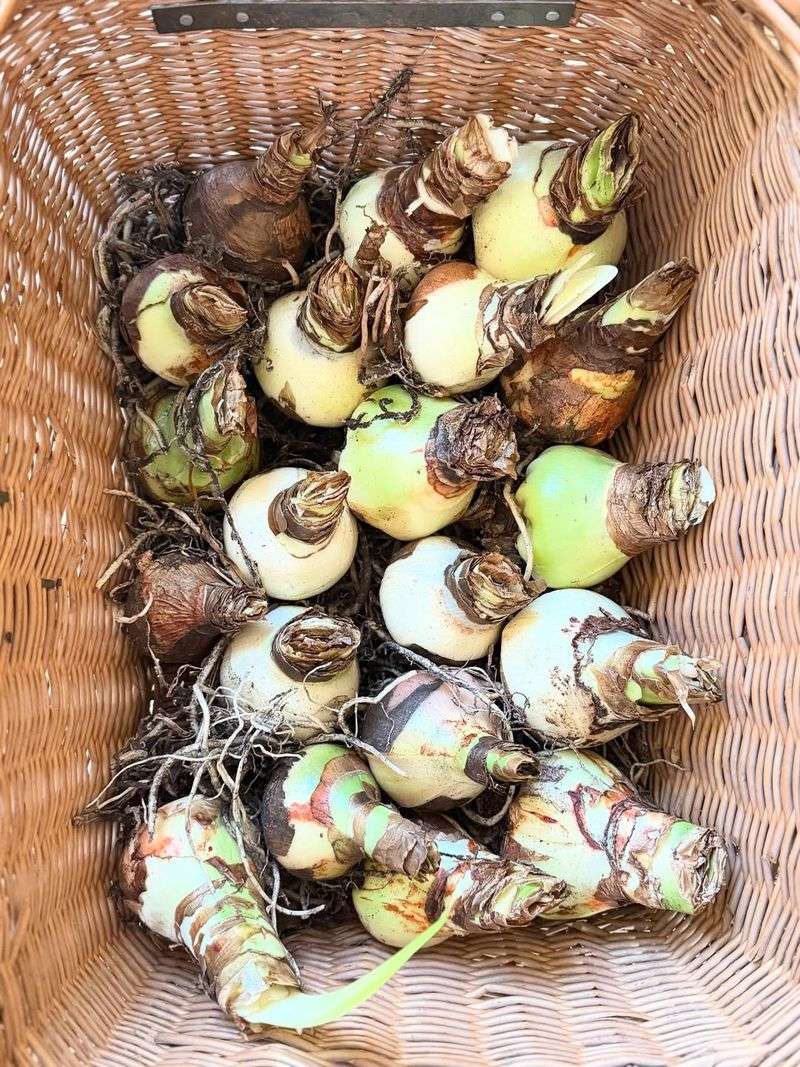
Patience becomes your greatest tool during dormancy because rushing this phase undermines all the careful preparation you’ve done for your amaryllis bulb.
Most California gardeners keep their bulbs dormant for eight to twelve weeks, though some extend this period slightly depending on their preferred blooming schedule.
Shorter dormancy periods of six weeks might work but often result in smaller flowers or weaker stems that disappoint after all your effort.
Longer rest periods of sixteen weeks generally don’t harm the bulb but delay your enjoyment of those spectacular blooms that make amaryllis so beloved.
California’s climate flexibility means you can time dormancy to have flowers blooming during holidays, birthdays, or whenever you want indoor color and beauty.
Marking your calendar with the start date helps you track the weeks accurately, ensuring you don’t forget about your resting bulb in storage.
Consistency matters too—using similar dormancy lengths each year helps your bulb establish a reliable rhythm that produces predictable, gorgeous results every single time.
6. What Happens If The Dormancy Period Is Too Short Or Too Long
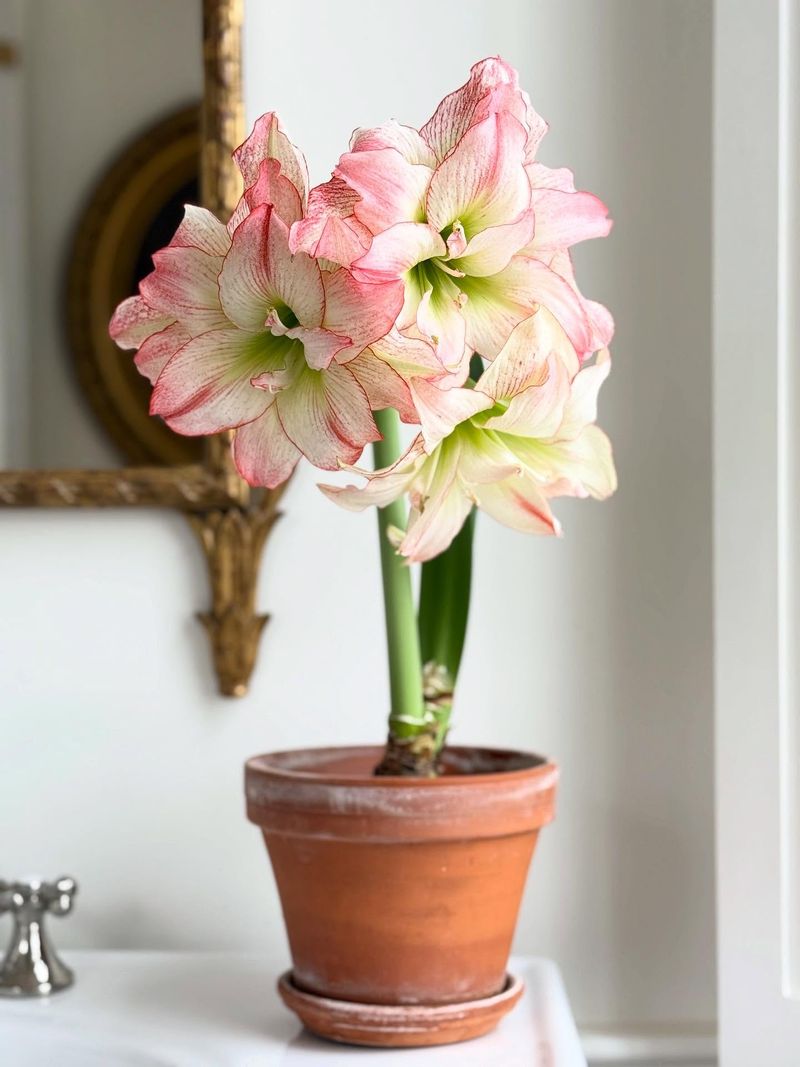
Getting the dormancy length just right matters because both extremes can create problems that affect your amaryllis bulb’s performance and long-term health.
Too short a rest period means the bulb hasn’t fully recharged its energy reserves, leading to thin stems and smaller flowers than you expected.
California gardeners who rush dormancy sometimes see foliage emerge but no flower stalks, which happens when the bulb prioritizes leaf growth over blooms.
Excessively long dormancy periods rarely harm bulbs permanently but can delay flowering by weeks or even months, testing your patience unnecessarily and frustratingly.
Some bulbs that rest too long may take extra time to wake up even after you resume watering and provide warmth in your home.
Finding that sweet spot between eight and twelve weeks gives California amaryllis owners the best balance of adequate rest and timely, spectacular flowering.
Experimenting with timing over several years helps you learn your specific bulb’s preferences, since individual plants can have slightly different needs and rhythms.
7. How To Wake The Bulb Up Without Stressing New Growth

Bringing your amaryllis out of dormancy requires a gentle approach that avoids shocking the bulb after its long, peaceful rest in storage conditions.
California gardeners begin by moving the pot to a brighter location with indirect light, avoiding harsh direct sun that could stress emerging growth.
Resume watering gradually with small amounts at first, allowing the soil to absorb moisture slowly rather than flooding the bulb all at once.
Room temperature water works best because cold water can shock the bulb’s system, while warm water encourages faster growth than the plant is ready for.
Within days, you’ll notice green shoots emerging from the bulb’s top, signaling that your dormancy method worked beautifully and successfully as planned.
Increase watering slightly as growth continues, but avoid overwatering since roots are still reactivating and can’t handle excessive moisture yet without problems.
California’s naturally bright homes provide excellent conditions for waking bulbs, though rotating the pot prevents stems from leaning dramatically toward the strongest light source.