California Gardens Thrive With These Climbing Vegetable Pairings
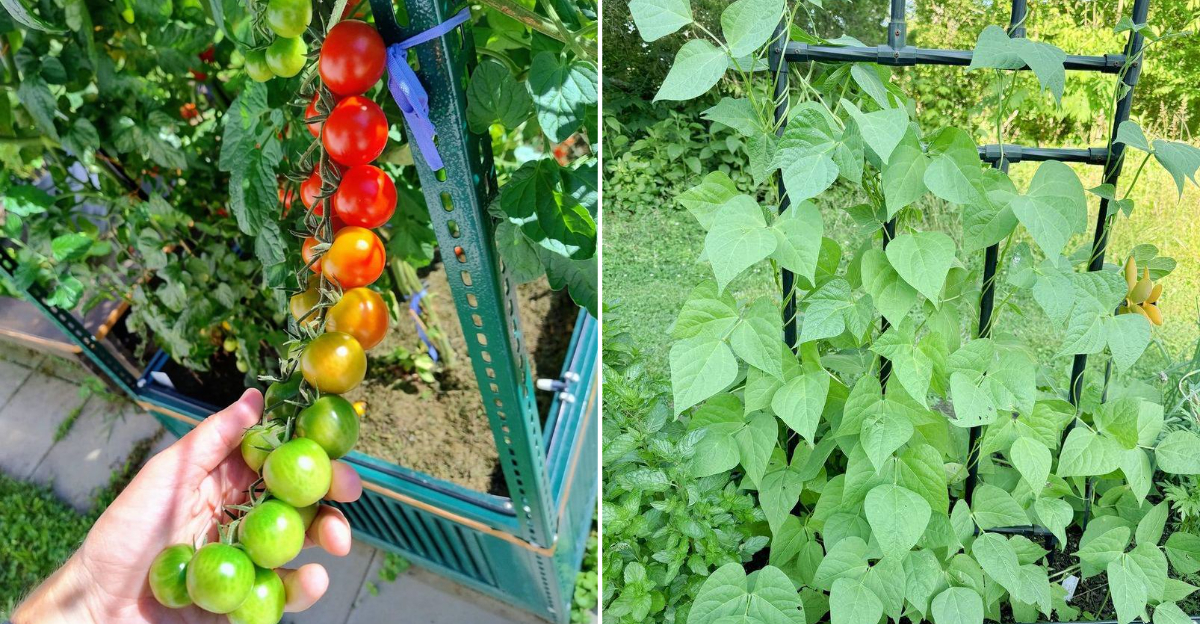
California gardeners have a secret weapon, and it climbs. When you pair the right vegetables together, you are not just saving space, you are building a living ladder of flavor.
Tall growers stretch toward that golden sunshine while smaller companions tuck in below, shading roots, boosting soil health, and turning every square foot into a powerhouse.
With long growing seasons and plenty of bright days, California gardens are perfect for vertical teamwork. Beans scramble up sturdy corn stalks.
Cucumbers grab onto trellises while leafy greens stay cool underneath. Even compact patios can transform into lush, productive jungles when vines start pulling their weight.
The magic is in the pairing. Some combinations share nutrients beautifully. Others offer natural pest protection or create just enough afternoon shade to beat the heat.
Once you start thinking upward instead of outward, your harvest multiplies fast. Get ready to grow smarter, taller, and tastier than ever.
1. Pole Beans
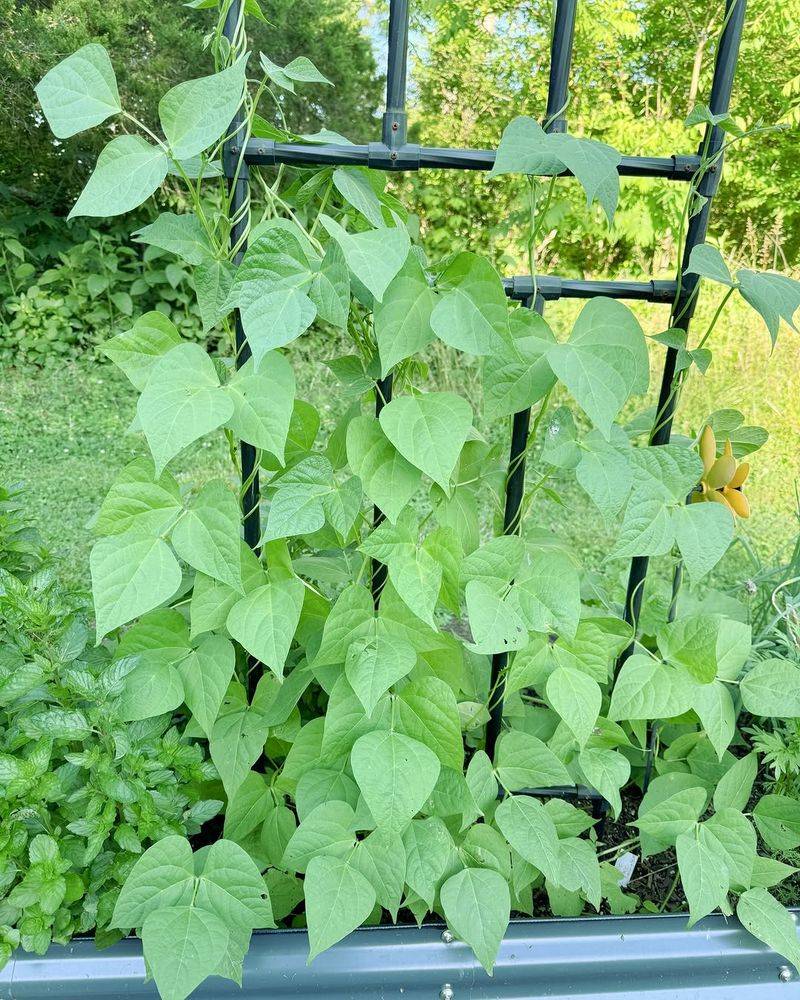
Few vegetables are as rewarding to grow as pole beans. They shoot upward fast, wrap around any support you give them, and reward you with a steady harvest over many weeks.
In California, where the growing season stretches long and warm, pole beans truly shine.
Pair them with corn for a classic combination. The corn stalks act as natural poles, and the beans climb right up them.
This pairing is part of the famous Three Sisters planting method used by Native American farmers for centuries. The beans also pull nitrogen from the air and feed it into the soil, which helps everything nearby grow stronger.
Plant your pole beans after your last frost date, which comes early in most parts of California. Give them a sturdy trellis, fence, or bamboo teepee structure.
Water them consistently, especially during dry summer stretches in the Central Valley. Harvest the pods when they are slim and firm for the best flavor.
The more you pick, the more the plant produces. Pole beans are a low-effort, high-reward choice that fits perfectly into a vertical California garden setup.
2. Sugar Snap Peas
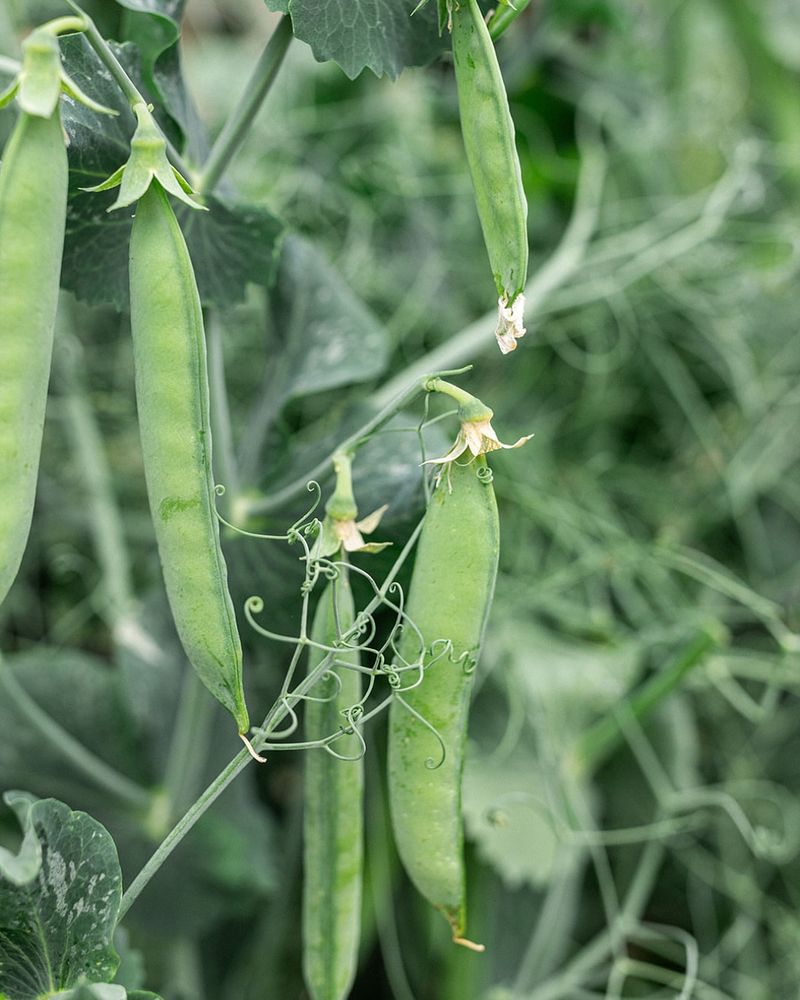
There is something almost magical about biting into a fresh sugar snap pea straight from the vine. The pod is crisp, sweet, and full of flavor.
Sugar snap peas are one of the best cool-season climbers you can grow in California, especially in coastal regions and the Bay Area where temperatures stay mild well into spring.
Pair them with spinach or lettuce at the base of the trellis. While the peas climb upward, the leafy greens fill in the space below.
This makes the most of your vertical structure and keeps the soil shaded, which helps retain moisture during warmer days. It is a practical and productive combination that California gardeners love.
Start your sugar snap peas in late fall or early winter in Southern California, or in late winter in Northern California. They need something to grip, so a wire mesh trellis or string netting works great.
Keep the soil evenly moist and watch the vines take off. Once pods fill out and feel firm, they are ready to pick.
Regular harvesting encourages the plant to keep producing fresh pods throughout the season.
3. Cucumbers
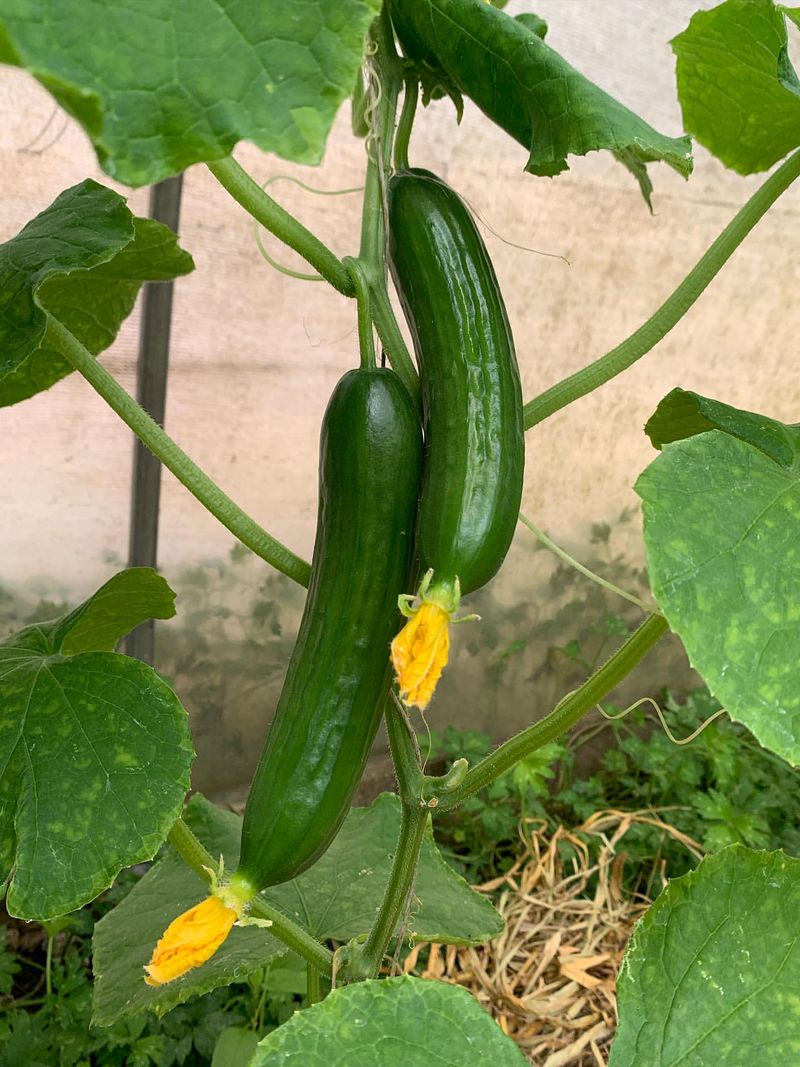
Cucumbers love heat, and California has plenty of it. Growing cucumbers vertically on a trellis is one of the best things you can do for these vines.
When they climb instead of sprawl on the ground, the fruit stays cleaner, air circulation improves, and you can spot every cucumber before it gets too big.
Pair cucumbers with climbing beans on the same trellis or fence. The beans enrich the soil with nitrogen, which cucumbers absolutely love.
Both plants thrive in full sun and warm temperatures, making them natural companions in any California garden from Sacramento down to San Diego. They grow at similar rates and do not compete too aggressively for space.
Plant cucumbers after the soil warms up in spring. In inland California areas, that usually means late March through April.
Give them a strong trellis and guide the vines gently as they grow. Water regularly at the base, not overhead, to keep the leaves dry and healthy.
Cucumbers grow fast once they get going. Check your vines every day or two during peak season because these fruits can go from perfect to oversized in just a couple of days.
4. Cherry Tomatoes
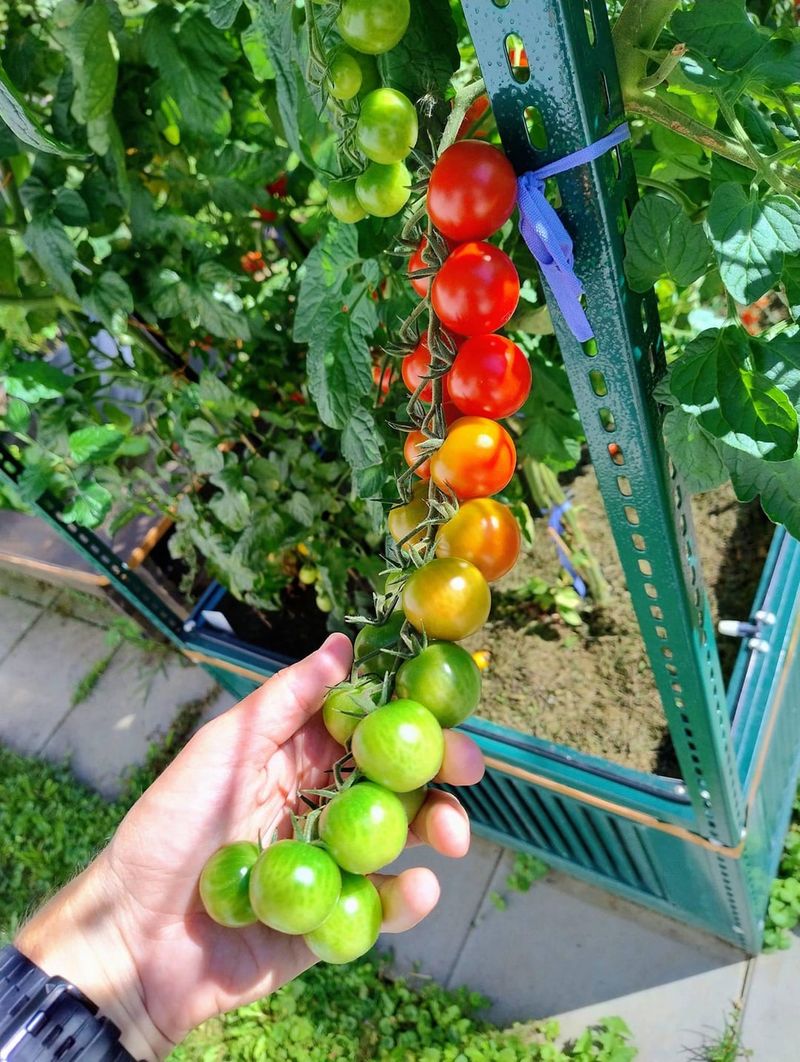
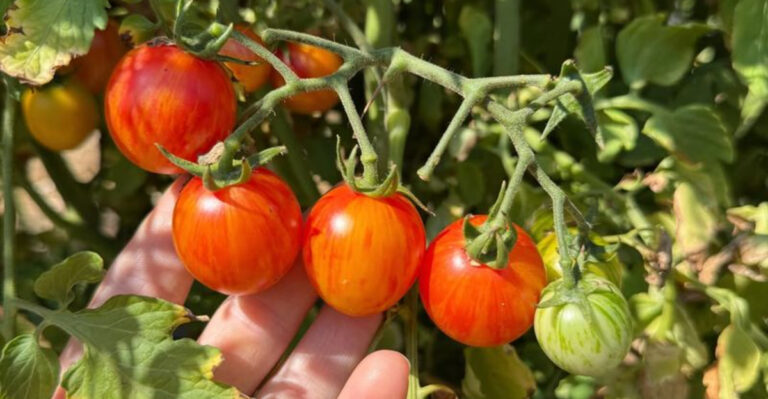
Indeterminate cherry tomato varieties keep growing and producing all season long, which makes them natural climbers for California gardens. Unlike bush tomatoes that stop at a certain height, these vines can reach six feet or more.
They need support, and they give back generously when they get it.
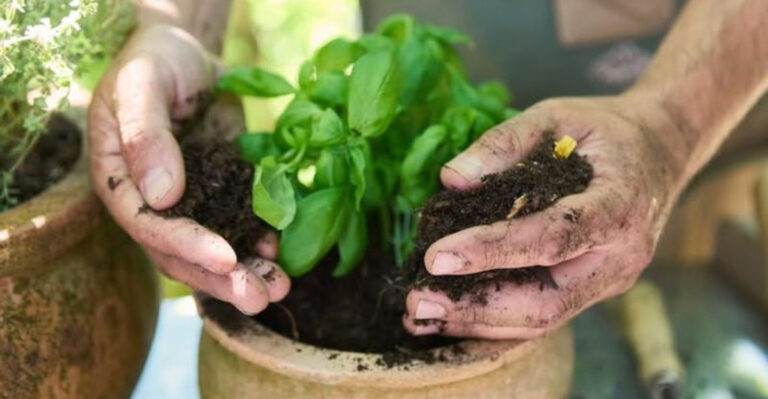
Pair cherry tomatoes with basil at their base and climbing beans nearby. Basil is widely known to improve tomato flavor and repel certain pests.
Beans fix nitrogen in the soil, which keeps your tomatoes fed naturally. This three-way combination is a favorite among California home gardeners who want big results without heavy fertilizing.
Plant cherry tomatoes after your last frost date, which arrives early in most of California. Use a tall stake, cage, or trellis and tie the main stem loosely as it grows.
Pinch off suckers regularly to keep the plant focused on producing fruit rather than extra foliage. Water deeply and consistently to prevent blossom end rot, which can be an issue during California’s hot, dry summers.
When the tiny tomatoes turn fully colored and come off the vine with a gentle tug, they are perfectly ripe and ready to enjoy fresh or tossed into a salad.
5. Armenian Cucumbers
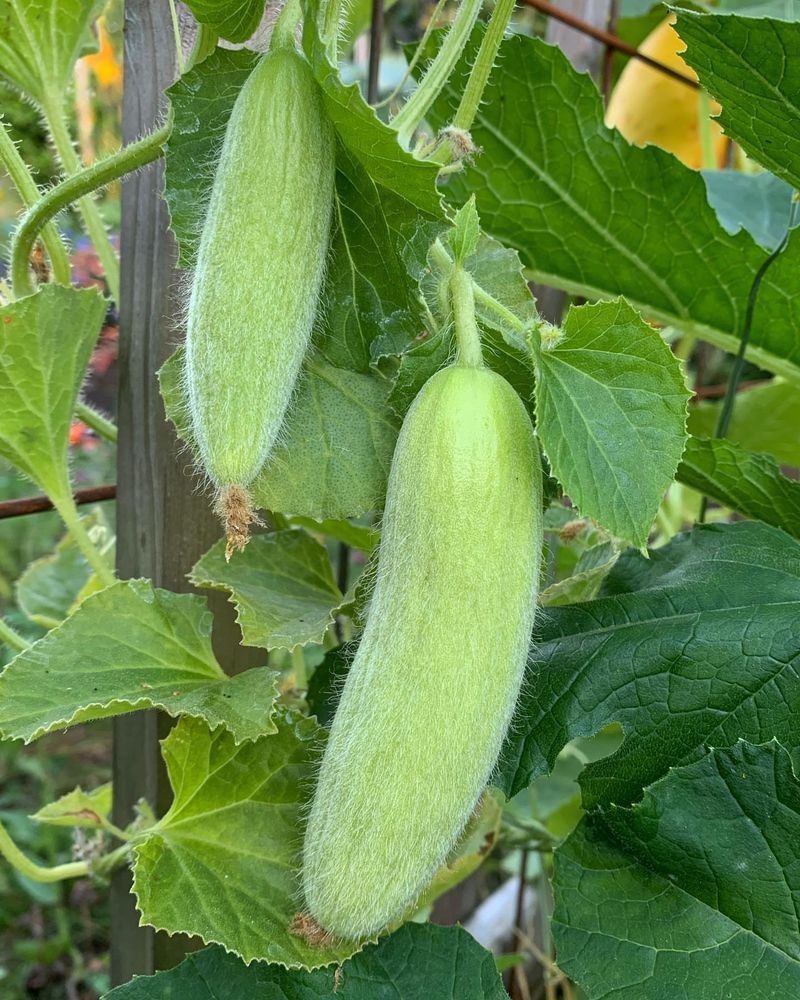
Armenian cucumbers are not actually cucumbers in the traditional sense. They are technically a type of muskmelon, but they taste and look like cucumbers and are used the same way in the kitchen.
What makes them special is how well they handle California’s intense summer heat, especially in the hot inland valleys and desert regions.
Pair Armenian cucumbers with pole beans or climbing squash on a shared trellis. They grow quickly and produce long, pale green fruits that can reach two feet in length.
Harvesting them young, around twelve inches, gives you the best texture and flavor. The beans nearby help feed the soil while both plants climb upward together.
Start seeds directly in the garden after the last frost in spring. Armenian cucumbers grow fast and can take over a trellis in just a few weeks.
Give them something sturdy to climb and plenty of water during the hottest months. In Southern California and the Central Valley, they can produce all the way through summer and into early fall.
Many California gardeners say this is one of the most productive climbing vegetables they have ever grown. Once you try one, it is hard to go back to regular cucumbers.
6. Malabar Spinach
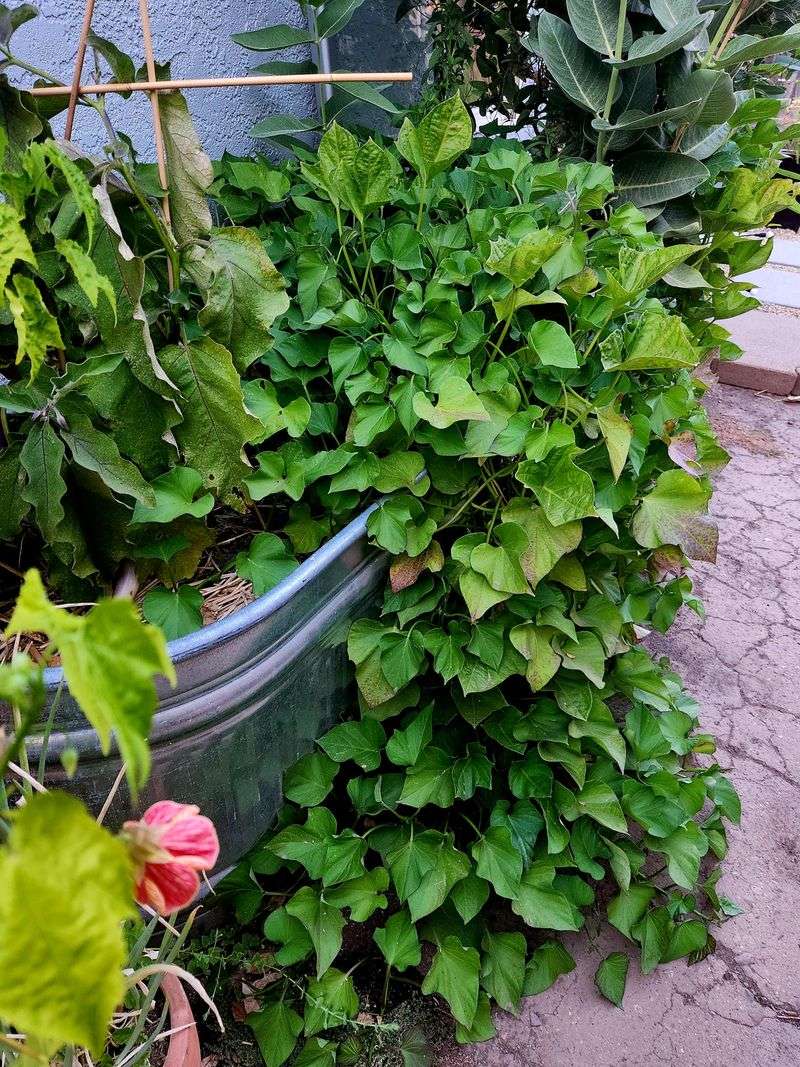
Regular spinach struggles when California summers heat up. Malabar spinach, on the other hand, thrives in exactly those conditions.
It is not a true spinach but a tropical vine that produces thick, glossy leaves with a mild, slightly mucilaginous texture. It is packed with nutrients and grows beautifully on a trellis or fence.
Pair Malabar spinach with cherry tomatoes or pole beans. The vines climb happily alongside other plants and add a lush, leafy backdrop to your garden.
The dark green or red-stemmed varieties look stunning against a white fence or wooden trellis. In coastal California gardens where heat builds slowly, Malabar spinach fills the warm-season gap when other greens have already bolted.
Start seeds indoors a few weeks before the last frost or direct sow once temperatures are consistently warm. Give the plant something to climb and keep the soil moist.
Harvest leaves regularly by pinching off the tips, which encourages bushier growth and more leaves. The flavor is mild enough to use in salads, stir-fries, or smoothies.
California gardeners in hot regions like the Inland Empire and Sacramento Valley will find Malabar spinach to be one of the most reliable summer greens available for vertical growing.
7. Chayote Squash
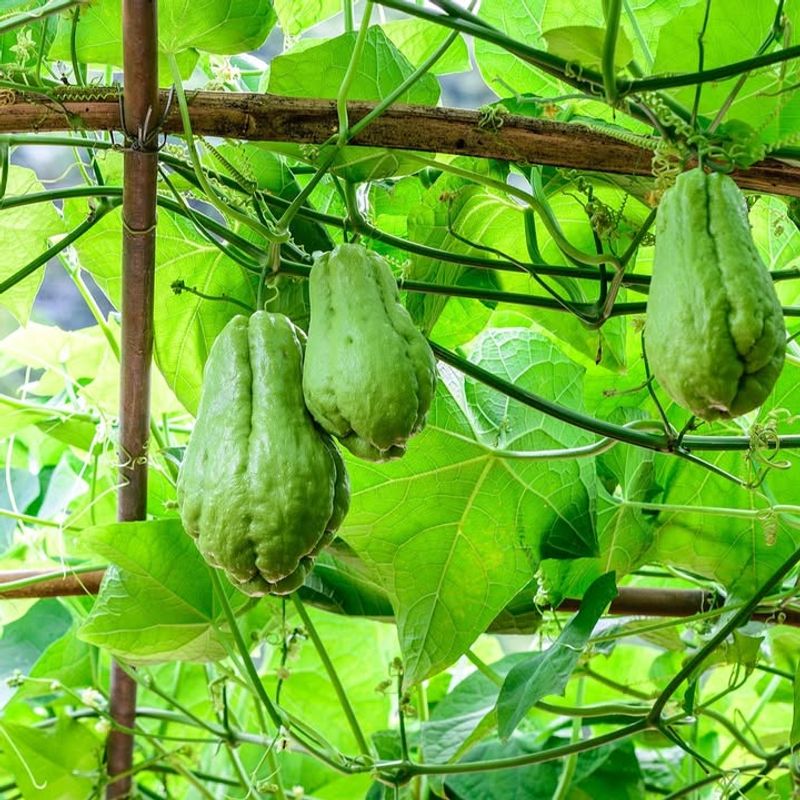
Chayote is a powerhouse climbing vegetable that is hugely popular in Latin American cooking and increasingly loved by California gardeners. A single chayote plant can cover an entire trellis, fence, or even a pergola in one season.
It produces pear-shaped, pale green fruits that taste mild and slightly sweet, similar to a cross between a cucumber and a zucchini.
Pair chayote with beans or other light climbers on a shared support structure. Because chayote vines grow so vigorously, it is best to give them their own large trellis or overhead structure.
Beans planted at the base will fix nitrogen in the soil and support the chayote’s heavy feeding needs without competing too aggressively for vertical space.
In Southern California and the Bay Area, chayote is practically a perennial. The roots survive mild winters and send up new vines each spring.
Plant one whole chayote fruit directly in the soil with the narrow end angled slightly upward. Keep it well-watered as it establishes.
Once it starts climbing, it barely needs attention. Fruits arrive in late summer and fall.
One plant can easily produce over one hundred fruits in a single California growing season, making it one of the most generous climbers in the garden.
8. Luffa Gourds
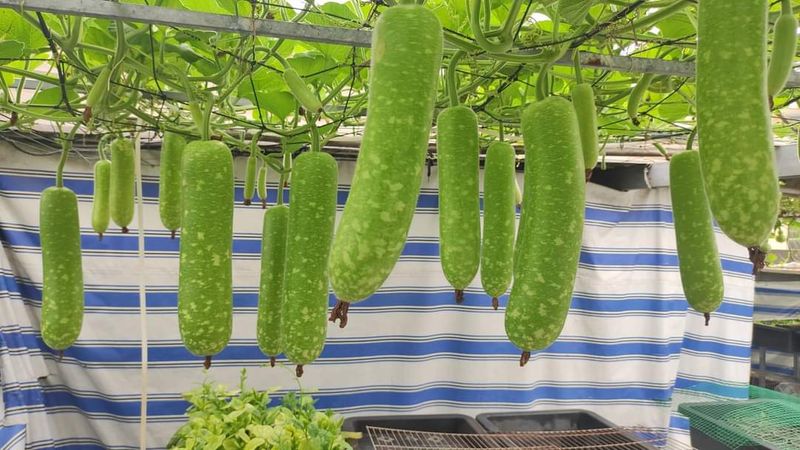
Most people know luffa as a bathroom sponge, but it starts out as a vegetable you can actually eat. Young luffa fruits, harvested before they toughen up, taste similar to zucchini and work great in stir-fries and soups.
Grow them past maturity and you have a natural sponge ready to use in your kitchen or shower.
Pair luffa gourds with yardlong beans or other vigorous climbers on a tall, sturdy trellis. Luffa vines grow long and heavy, especially once the fruits develop.
A strong overhead structure or high pergola works best. The beans fix nitrogen in the soil, which helps the luffa plants stay productive throughout the long California growing season.
Luffa needs a long, warm growing season to fully mature, which makes California an ideal state for growing them. Start seeds indoors in early spring and transplant after the last frost.
In Southern California, you can sometimes direct sow outdoors a bit earlier. Give the vines full sun and consistent water.
Fruits ready for eating are usually six to eight inches long and firm. For sponges, let them hang until the skin turns brown and dry.
Shake them and you will hear the seeds rattling inside, a sure sign they are ready to harvest.
9. Climbing Zucchini Varieties
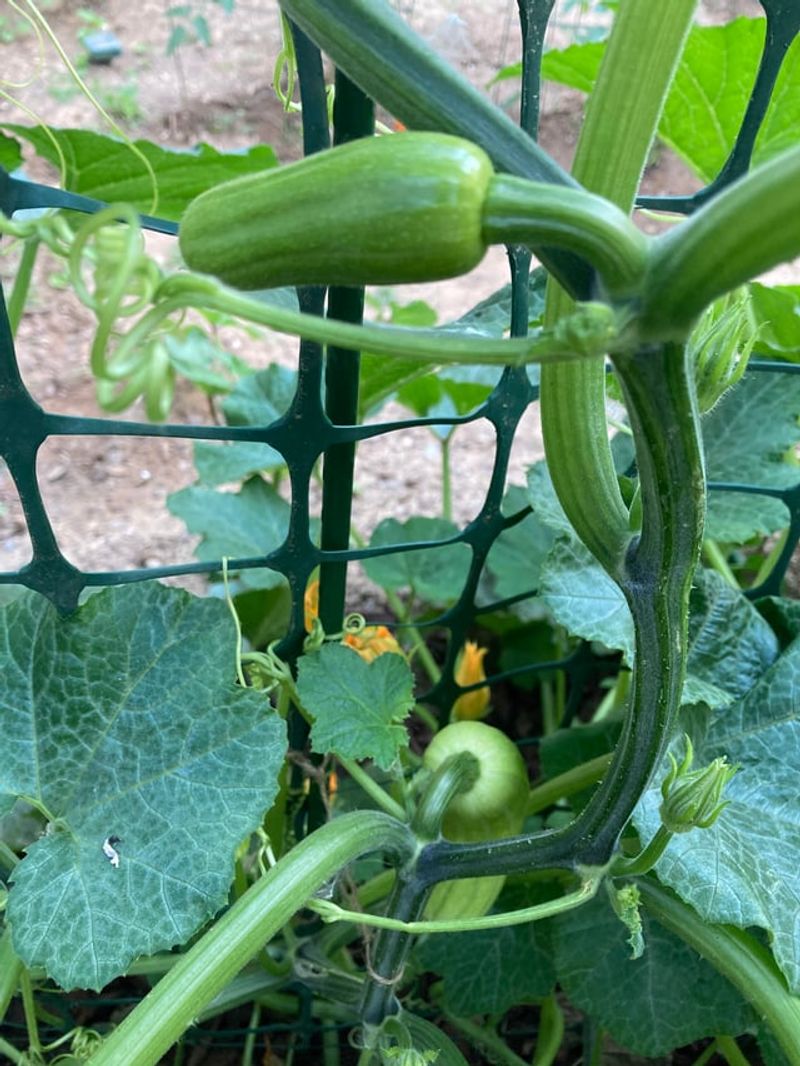
Most people picture zucchini as a sprawling bush that takes over half the garden. Climbing zucchini varieties change that completely.
These special types are bred or trained to grow upward, saving valuable ground space while still producing the large, satisfying fruits California gardeners love all summer long.
Pair climbing zucchini with pole beans or cherry tomatoes on a shared trellis. The beans enrich the soil and keep the zucchini fed, while the tomatoes add height variety and visual interest.
All three love full sun and warm temperatures, which are easy to find across most of California from late spring through early fall.
Choose varieties labeled as vining or climbing zucchini when shopping for seeds. Train the main stem upward from the start by tying it gently to the trellis every few days as it grows.
The large fruits will need support as they develop. You can use old pantyhose or mesh bags tied to the trellis to cradle each zucchini as it grows.
Harvest fruits when they reach six to eight inches for the best flavor and texture. Leaving them too long causes them to grow enormous and lose their tenderness.
Consistent harvesting also keeps the plant producing new fruits all season.
10. Yardlong Beans
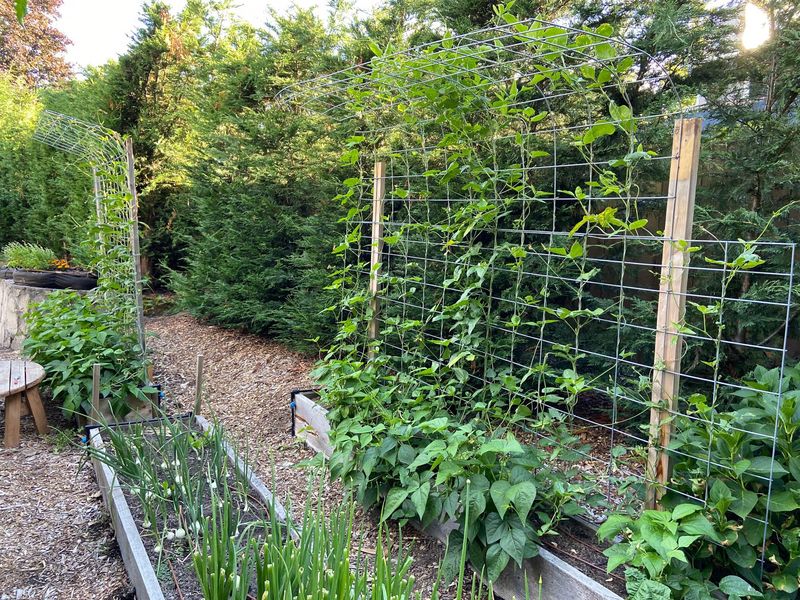
Yardlong beans live up to their name. These dramatic climbing vegetables produce pods that can stretch up to eighteen inches or longer, dangling from tall trellises like green ribbons.
They are a staple in Asian cooking and have become a favorite in California gardens, especially among gardeners in the diverse communities of the San Gabriel Valley and Central Valley.
Pair yardlong beans with luffa gourds or Armenian cucumbers for a high-producing tropical pairing. All three love heat and grow quickly through California’s long, warm summers.
Plant them together on a strong trellis or bamboo teepee and watch the whole structure fill in with lush greenery within just a few weeks of planting.
Sow yardlong bean seeds directly in the garden after the last frost when soil has warmed. They germinate quickly and start climbing almost immediately.
Give them something to grab onto right away. These beans prefer warm to hot conditions, so they are perfectly suited for California’s inland areas during summer.
Harvest pods when they are pencil-thin and about twelve inches long for the most tender texture. Older pods get tough and stringy, so check your trellis every couple of days.
Yardlong beans are prolific producers and one of the most fun vegetables to grow in any California garden.