California Law Says You Cannot Remove These 10 Protected Creatures From Your Yard
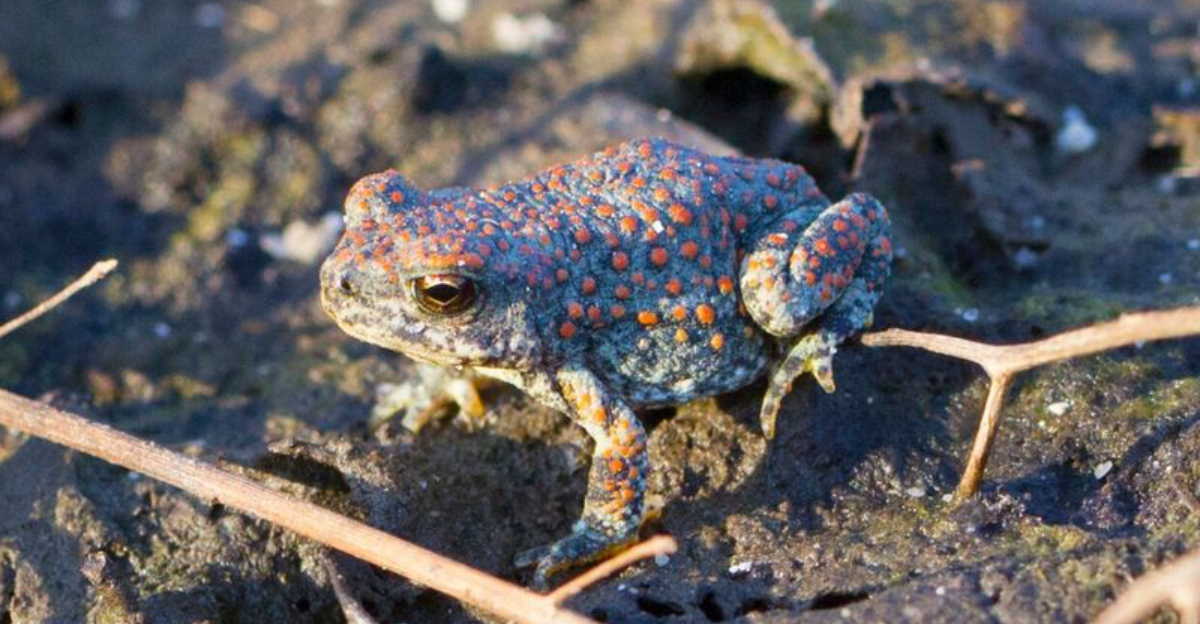
California homeowners often encounter wildlife in their yards, from birds and bats to turtles and foxes. While some creatures may seem like a nuisance, state law strictly protects certain species.
Attempting to remove, trap, or harm these animals can lead to fines, legal trouble, and even endanger vulnerable populations. Some of the wildlife in your yard is off-limits to touch or relocate.
These protected creatures include fully protected birds, raptors, certain reptiles, amphibians, bats, monarch butterflies, sea turtles, and select mammals.
Understanding which animals cannot be handled ensures both your safety and the preservation of California’s unique wildlife.
Homeowners must follow legal guidelines, use humane solutions, and call licensed wildlife professionals when necessary. Coexisting with protected wildlife keeps your yard safe and legal.
California residents who follow these rules protect themselves, their neighbors, and the environment while enjoying a thriving backyard ecosystem. Learn which creatures you cannot remove and how to handle encounters responsibly.
1. Hummingbirds Hover Under Legal Shield
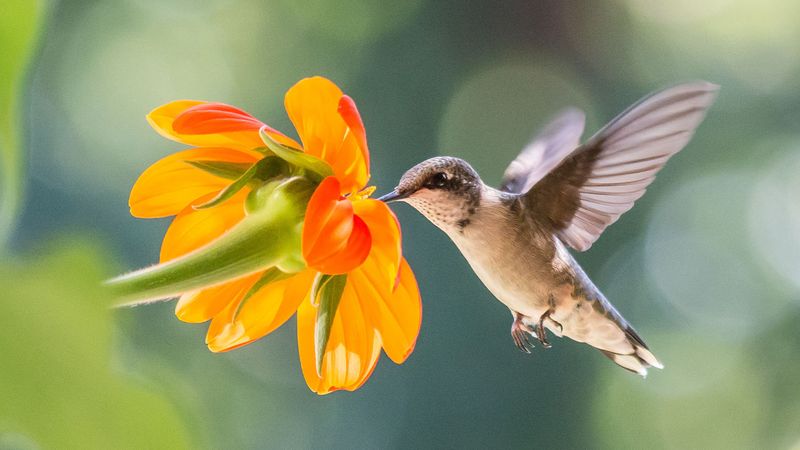
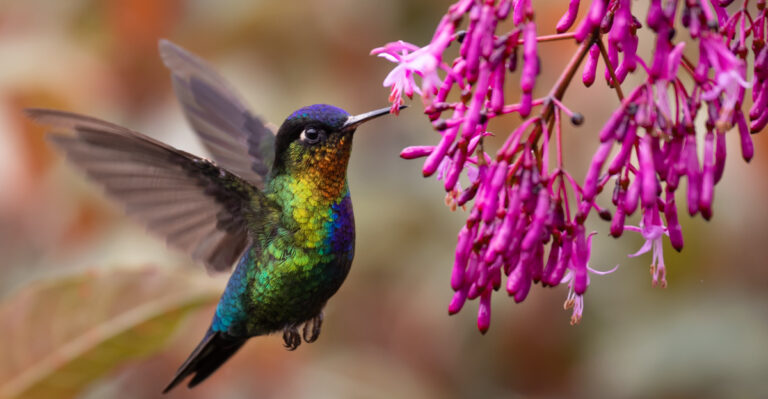
All hummingbird species in California are protected under the Migratory Bird Treaty Act, a law that highlights their critical role in pollination and ecosystem health.
Despite weighing less than a penny, these tiny aerial acrobats are vital to the survival of many native flowering plants, transferring pollen as they dart from blossom to blossom with incredible speed and precision.
Homeowners who encounter hummingbird nests in their gardens are legally required to wait until the fledglings leave the nest before taking any action, ensuring the birds can complete their life cycle safely.
Creating a hummingbird-friendly yard goes beyond protection—it actively supports these beneficial visitors.
Planting native flowering plants such as California fuchsia, columbine, or penstemon can provide essential nectar sources, while feeders supplemented with carefully prepared sugar water offer supplemental support, especially during times when natural blooms are scarce.
By encouraging hummingbirds to stay, gardeners help maintain local plant populations and indirectly support other wildlife that rely on these plants.
Additionally, observing these tiny creatures in action provides educational and recreational opportunities, fostering a deeper connection to nature.
Protecting hummingbirds in urban and suburban landscapes reflects a broader understanding that even the smallest creatures play a pivotal role in maintaining ecosystem balance and biodiversity across California.
2. Monarch Butterflies Need Your Hospitality
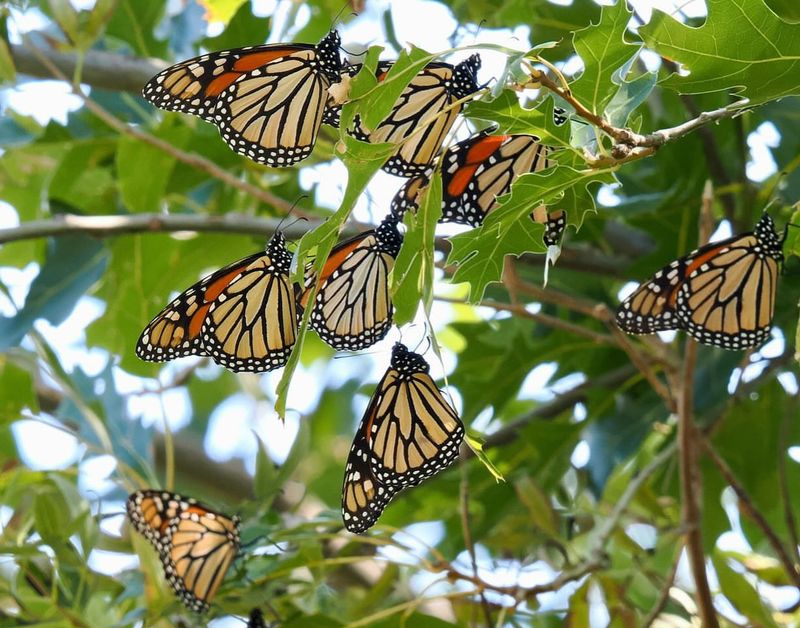
Monarch butterflies, renowned for their epic migrations spanning thousands of miles, have recently gained legal protection in California due to alarming population declines—over 90% in the past several decades.
These striking orange-and-black insects are not just beautiful; they are essential pollinators for a variety of native plant species.
Gardeners who find monarch caterpillars feasting on milkweed should embrace the opportunity rather than viewing it as a pest problem, as milkweed is the only plant on which monarchs will lay their eggs.
Planting additional milkweed not only supports monarch reproduction but also helps ensure the survival of future generations.
California conservation laws make it illegal to harm monarchs at any stage of life, whether as eggs, caterpillars, chrysalises, or adults.
Providing safe habitats by avoiding pesticides, planting native nectar-rich flowers, and creating micro-habitats can dramatically improve monarch survival rates.
Beyond individual gardens, these actions contribute to statewide efforts to stabilize and recover populations, promoting ecosystem health and biodiversity.
Supporting monarchs also connects people to one of nature’s most extraordinary phenomena, turning backyard gardening into an active role in conservation.
By understanding their lifecycle and needs, homeowners can play a small but impactful role in preserving California’s iconic migrating butterflies for generations to come.
3. Bats Claim Legal Rights To Your Eaves
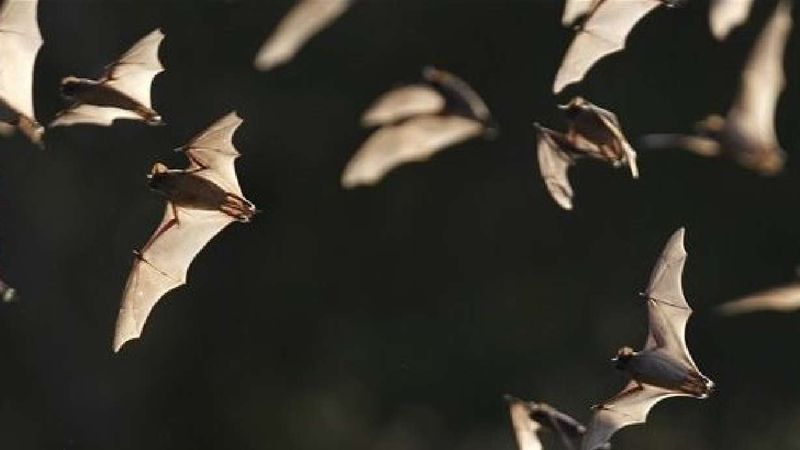
All 25 bat species in California are legally protected, and their presence on private property is more than just a curious sight—it’s a valuable ecological service.
Nightly, these bats consume thousands of mosquitoes and other flying insects, providing natural pest control that reduces the need for chemical sprays.
Homeowners who discover bats roosting in eaves, attics, or other structures are legally prohibited from disturbing them during breeding seasons, ensuring that mothers can safely raise their young.
Humane exclusion techniques performed by professional wildlife specialists are required if bats need to be relocated, and timing is critical to avoid harming juvenile bats.
Contrary to common myths, healthy, undisturbed bats pose minimal risk to humans, as the likelihood of disease transmission is extremely low.
Additionally, bats contribute to pollination and seed dispersal, supporting plant biodiversity across urban and rural landscapes.
Encouraging bat-friendly habitats, such as leaving natural roosting sites undisturbed or installing bat boxes in appropriate locations, can amplify their ecological benefits.
These measures underscore the importance of coexistence and legal protection, highlighting how humans can actively support essential wildlife species while benefiting from their natural pest control services.
By respecting these nocturnal neighbors, residents enhance both their gardens and broader local ecosystems.
4. Western Fence Lizards Enjoy Legal Protection
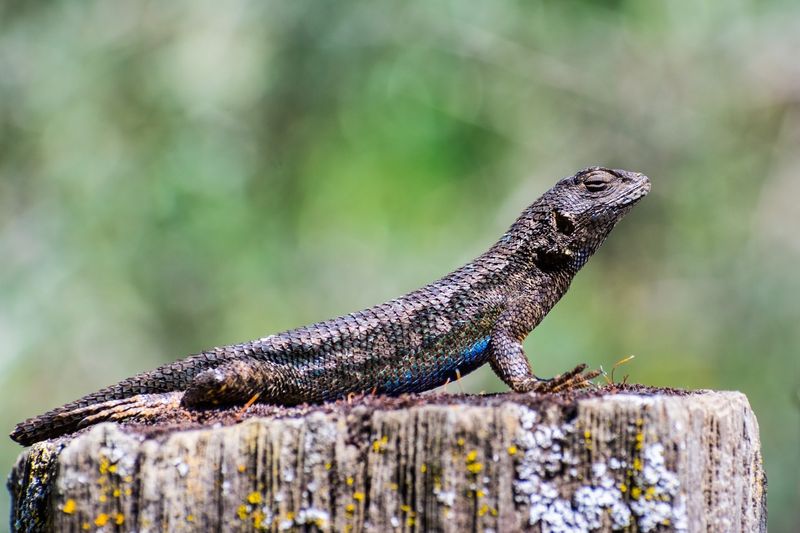
Western fence lizards, commonly referred to as “blue bellies” due to the vivid blue coloration on their undersides, are fully protected under California law.
These small reptiles play a crucial ecological role, controlling populations of insects, spiders, and other small invertebrates that might otherwise invade homes and gardens.
Interestingly, their blood contains a protein capable of neutralizing Lyme disease-causing bacteria carried by ticks, making them natural allies for human health as well.
Homeowners who spot these lizards “doing push-ups” on fences, rocks, or garden walls are witnessing a natural pest management system in action.
Their presence indicates a healthy yard ecosystem and offers educational opportunities to observe native wildlife up close.
California law prohibits capturing or relocating these lizards, as doing so can disrupt local ecological balance and violate legal protections.
Maintaining suitable habitat by leaving some areas of your yard wild or providing logs, rocks, and low vegetation encourages these beneficial reptiles to thrive.
Their legal protection underscores the broader principle that even small, often-overlooked species contribute significantly to ecosystem health, pest management, and disease control, making coexistence not only a legal requirement but also a practical benefit for homeowners invested in sustainable landscaping practices.
5. Barn Owls Command Legal Respect
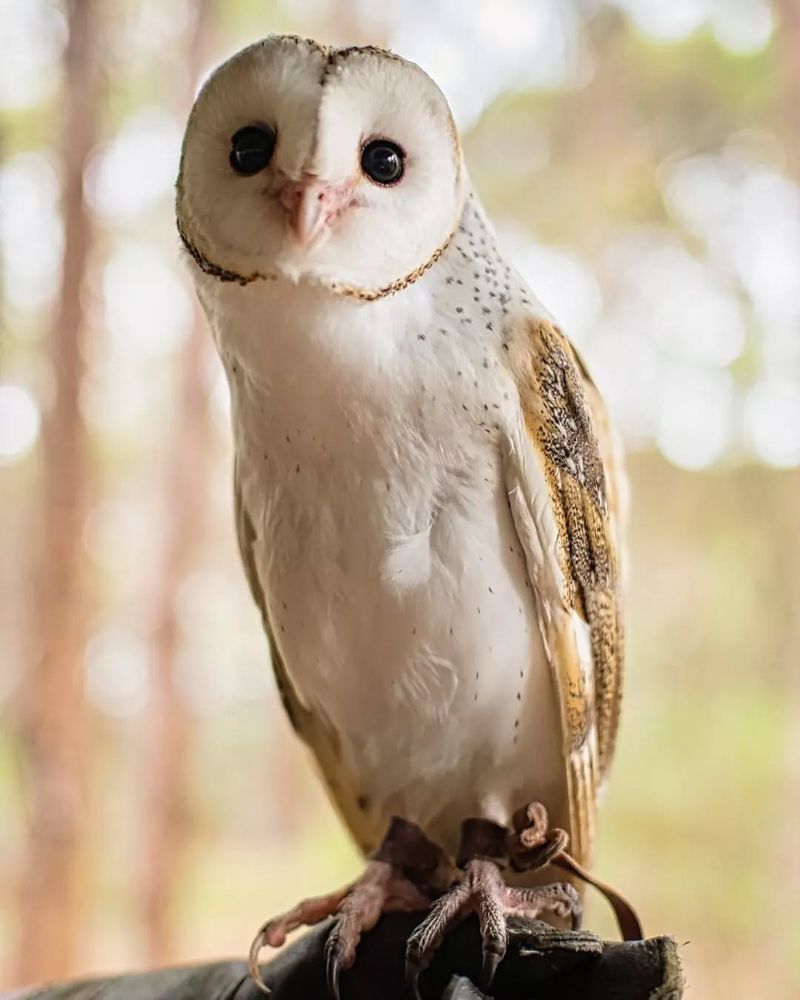
Barn owls, with their signature heart-shaped faces and near-silent flight, are not just enchanting creatures—they are protected under the Migratory Bird Treaty Act, making it illegal to disturb them or their nests.
These nocturnal predators are remarkable rodent controllers, capable of consuming up to 3,000 rodents in a single breeding season, providing invaluable pest management to agricultural and suburban areas alike.
Homeowners who discover a barn owl nesting in a shed, barn, or other structure are considered fortunate, as the birds contribute to the health and balance of the surrounding ecosystem.
California law strictly prohibits disturbing active nests, especially during breeding periods, and many farmers have responded by installing dedicated barn owl boxes to attract these natural hunters.
These structures provide safe nesting sites while ensuring owls can continue their ecological work uninterrupted.
The owls’ efficiency in controlling rodent populations reduces the reliance on chemical methods, protecting crops, gardens, and property from damage.
Beyond utility, barn owls offer opportunities for observation and education, fostering appreciation for wildlife and conservation.
Legal protections ensure that these elegant birds continue to thrive, balancing human needs with ecological preservation across the state.
6. Gopher Snakes Slither Under State Protection
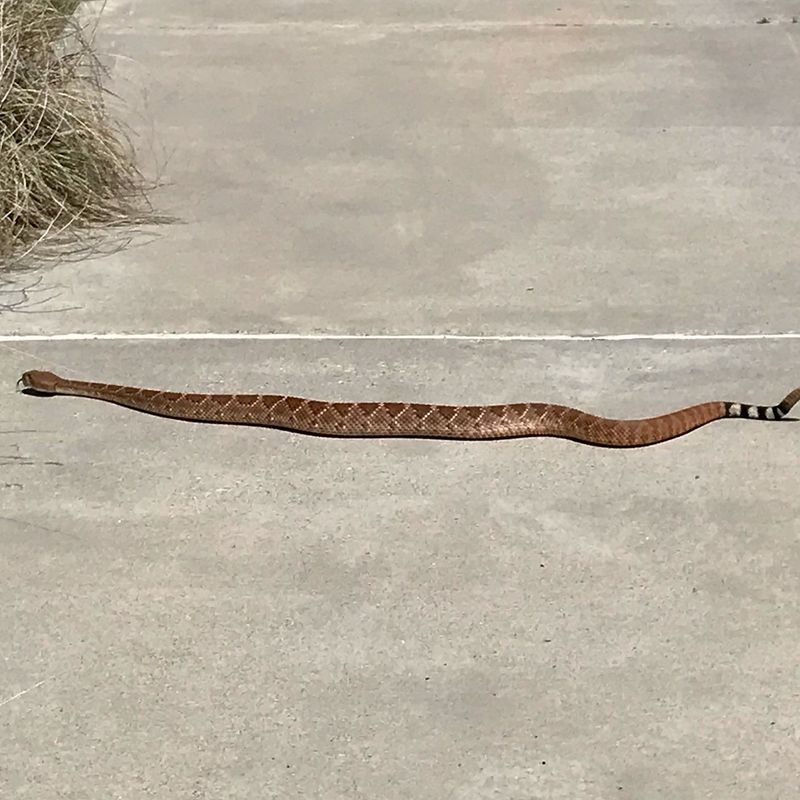
Gopher snakes, often mistaken for venomous rattlesnakes, are harmless native constrictors that provide essential rodent control in California yards and fields.
California law protects these snakes, prohibiting killing or relocating them, recognizing their ecological importance in maintaining balanced populations of gophers, mice, and other small mammals.
Growing up to six feet long, gopher snakes may appear intimidating, but they are generally shy and avoid human interaction.
When threatened, they sometimes mimic rattlesnakes by flattening their heads and vibrating their tails—a clever defensive tactic that deters predators without posing any real danger.
Allowing these snakes to patrol your garden reduces damage to plants, protects soil structure, and naturally keeps rodent populations in check.
Homeowners who understand the ecological value of gopher snakes often welcome them, creating habitats by leaving brush piles or undisturbed soil areas.
Protecting these reptiles aligns with broader wildlife conservation goals, supporting biodiversity while minimizing conflict between humans and wildlife.
By respecting gopher snakes and their role, residents can maintain healthier yards, reduce reliance on poisons or traps, and foster coexistence with California’s native wildlife.
7. Red-Tailed Hawks Soar With Legal Immunity
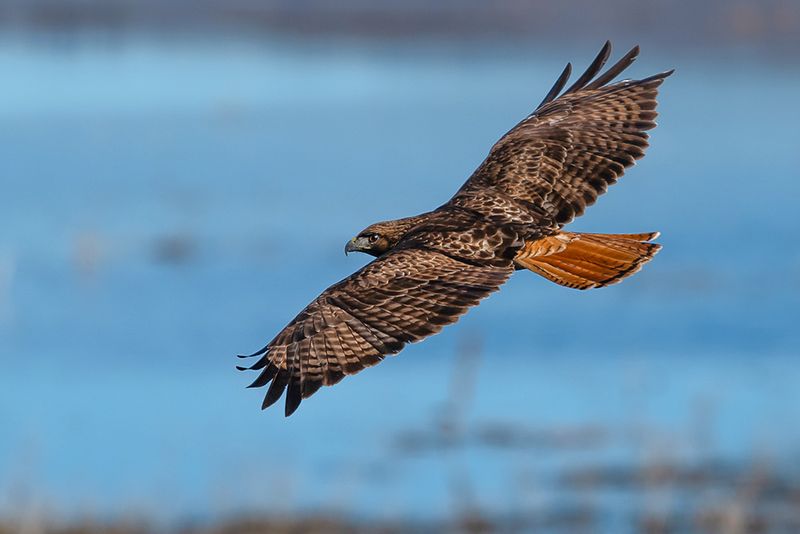
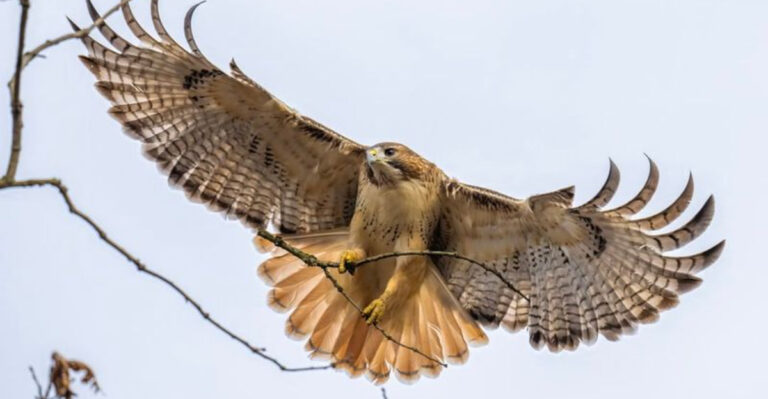
Red-tailed hawks are among California’s most iconic raptors, easily recognized by their reddish tail feathers and commanding presence.
Fully protected under state and federal laws, these birds play a vital role in natural rodent control, preying on mice, gophers, and other small mammals.
Their wingspans, often reaching four feet, allow them to hunt efficiently across a wide range, and their distinctive screech has even become a cinematic stand-in for eagle calls in movies.
Homeowners who discover red-tailed hawk nests in tall trees on their property must postpone major pruning or tree work, as disturbing active nests can result in significant fines under the Migratory Bird Treaty Act.
Encouraging hawks to nest nearby benefits gardens, farms, and residential areas alike, reducing rodent damage without resorting to chemical controls.
Observing these raptors in action provides a window into predator-prey dynamics and enhances appreciation for California’s wildlife.
By respecting legal protections and avoiding interference, homeowners contribute to the survival of these magnificent birds, supporting ecological balance and biodiversity while enjoying the thrill of watching one of nature’s most skilled hunters soar through their skies.
8. California Toads Hop Under Legal Guard
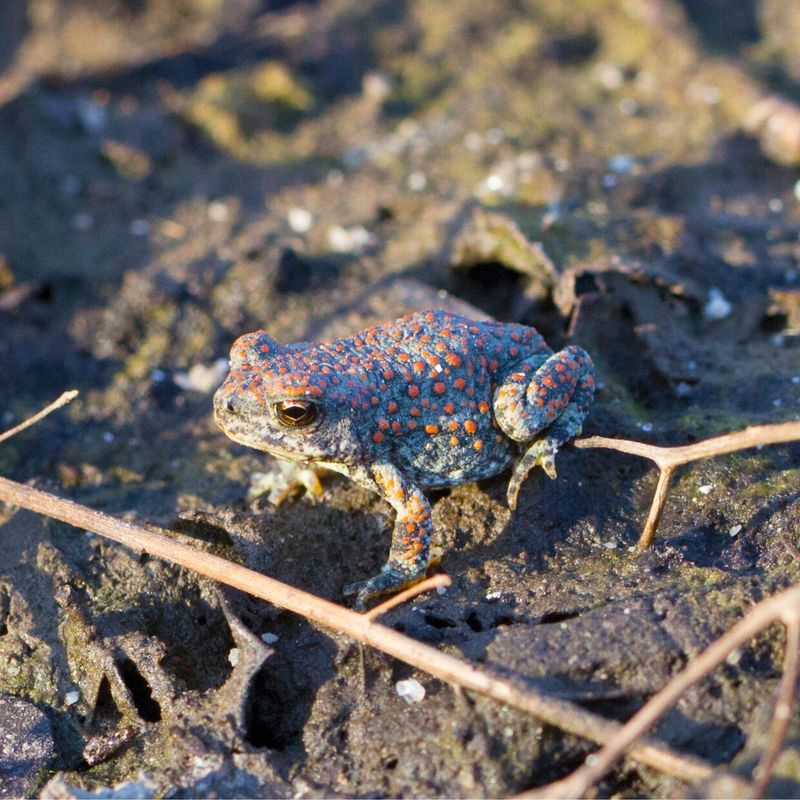
Several California toad species, including the Western toad, enjoy legal protection due to their ecological importance and vulnerability during breeding seasons.
Though warty and unassuming, these amphibians are highly effective natural pest controllers, consuming slugs, snails, and harmful insects that can damage gardens.
During their seasonal migrations to breeding sites, toads often traverse residential areas, making them vulnerable to disturbance.
California law prohibits collecting, relocating, or harming them during this time, ensuring they can complete their reproductive cycles safely.
Homeowners can support these species by creating small ponds, damp garden areas, or protected habitats, providing safe spaces for toads to feed and breed.
These practices not only help conserve amphibian populations but also enhance natural pest control in gardens without the use of chemicals.
Toads’ nocturnal feeding habits complement other wildlife activity, contributing to a balanced backyard ecosystem.
By embracing legal protections and creating welcoming habitats, residents can maintain vibrant, healthy gardens while playing an active role in the conservation of California’s native amphibian species, fostering biodiversity and ecological resilience in their communities.
9. California Quail Strut With Legal Authority
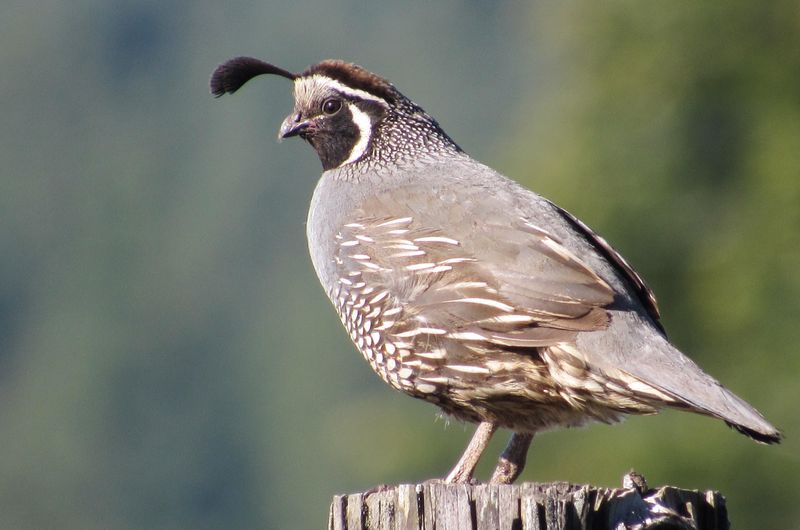
California quail, the state bird, are charismatic ground-dwelling birds with distinctive topknots that delight residents and provide natural insect control.
Quail families often scurry through yards in orderly processions, with chicks following their parents in a perfectly disciplined line.
California law protects these birds and their nests, making it illegal to harass or disturb them.
In addition to their aesthetic and ecological contributions, quail reduce populations of insects, seeds, and small invertebrates, playing a subtle but meaningful role in maintaining backyard ecosystems.
Their iconic “chi-ca-go” calls resonate in neighborhoods bordering natural areas, offering residents a familiar auditory connection to local wildlife.
By preserving natural ground cover, shrubs, and low vegetation, homeowners can encourage quail to nest safely and provide habitat for multiple generations.
Observing quail activity offers educational opportunities for families and children while deepening appreciation for the interplay between wildlife and human-managed landscapes.
Protecting quail not only fulfills legal obligations but also enriches daily life by supporting natural pest control, fostering biodiversity, and sustaining a visible link to California’s native wildlife heritage.
10. Pacific Tree Frogs Croak Under Legal Umbrella
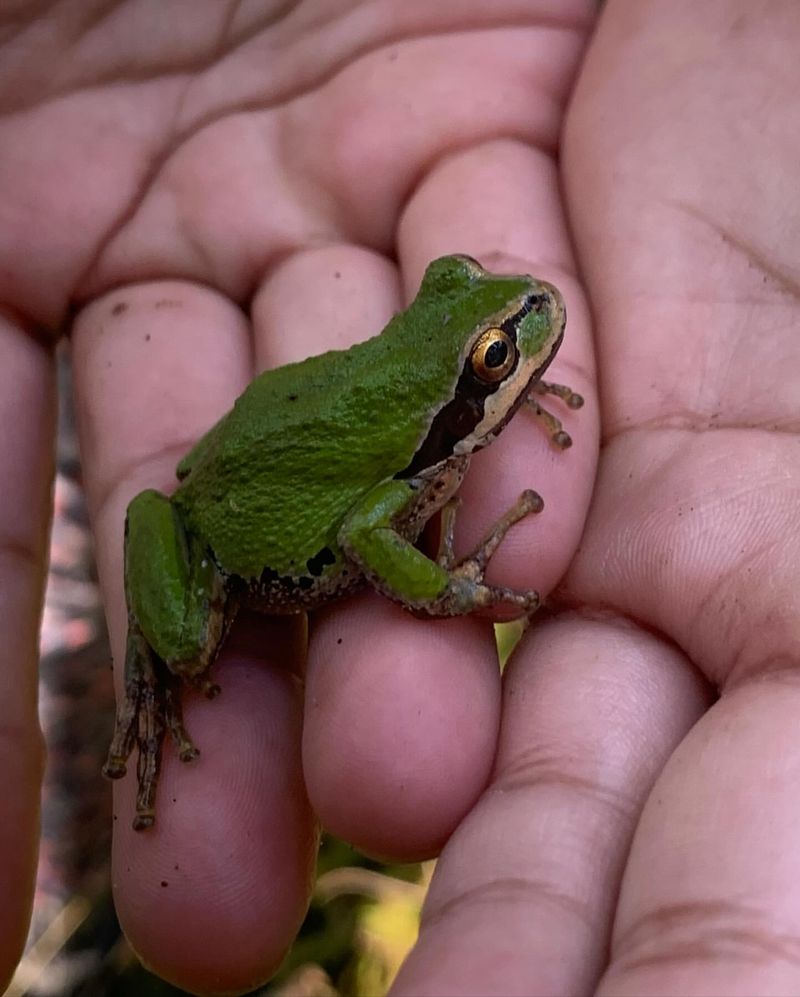
Pacific tree frogs, tiny amphibians no larger than a quarter, are famous for the chorus of croaks that define California evenings.
Their protected status ensures that homeowners cannot remove them, even if their vocalizations seem noisy during nighttime hours.
Despite their small size, tree frogs are powerful allies in backyard pest control, consuming mosquitoes, gnats, and other small insects that can disrupt outdoor living spaces.
These adaptable creatures thrive in moist environments, appearing near garden ponds, wetland margins, or irrigated areas, but they spend considerable time on the ground, climbing only to seek food or escape predators.
Tree frogs’ calls signal healthy ecosystems, reflecting abundant insect populations and balanced habitats.
By maintaining safe spaces, such as vegetated ponds, shallow water features, and protected foliage, homeowners support both the frogs and the wider wildlife that interacts with them.
Their presence enriches the backyard experience, connecting residents with the rhythms of nature.
Legal protections, combined with thoughtful landscaping, ensure that Pacific tree frogs continue to thrive in urban and suburban environments, offering natural pest control, entertainment, and an important ecological link in California’s diverse ecosystems.