9 California Native Plants Bees Depend On In Early Spring
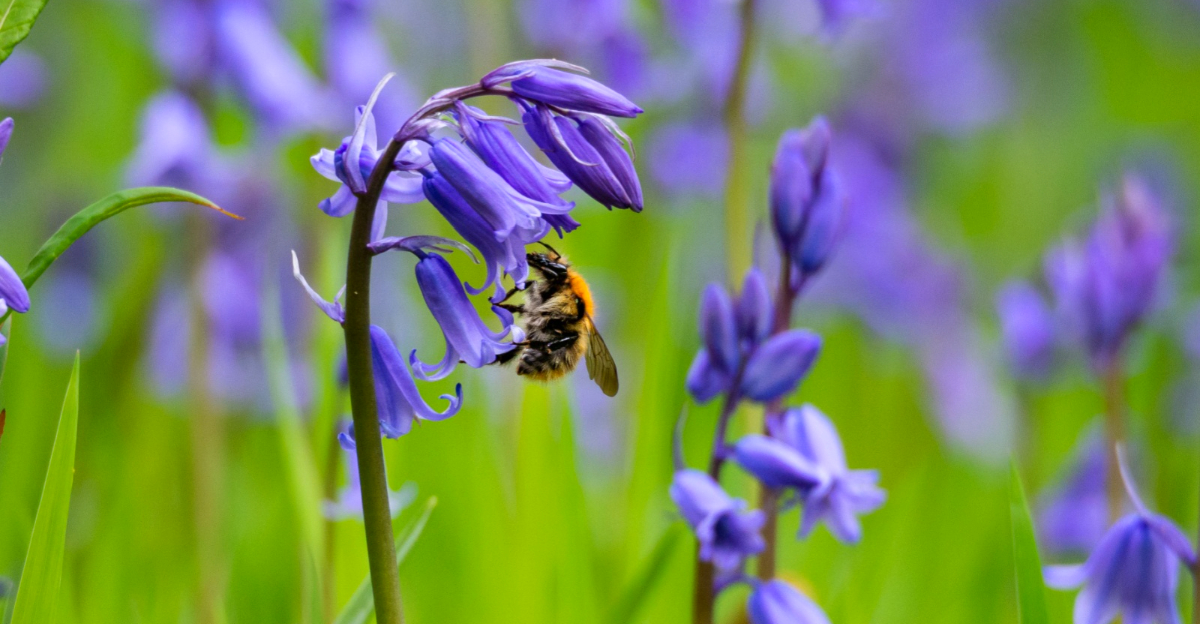
Early spring in California is a burst of quiet magic as hillsides awaken and the first bold blooms push through the cool soil.
For bees emerging from winter, these early-season flowers provide the essential nectar and pollen needed to jumpstart their colonies.
By planting native species that thrive in late winter, you ensure local pollinators have a reliable food source when they need it most.
From fog-swept coasts to sun-drenched inland valleys, California’s diverse landscape offers the perfect stage for early-blooming beauties.
Adding these nine natives to your garden does more than just splash color across the yard; it builds a vital bridge for bumblebees and beneficial insects.
Whether you are refreshing a meadow patch or enhancing a woodland edge, these plants turn any space into a buzzing, lively ecosystem that sustains the wild heart of the Golden State.
1. Camas Brings Starry Blue Flowers And Early-Season Nectar
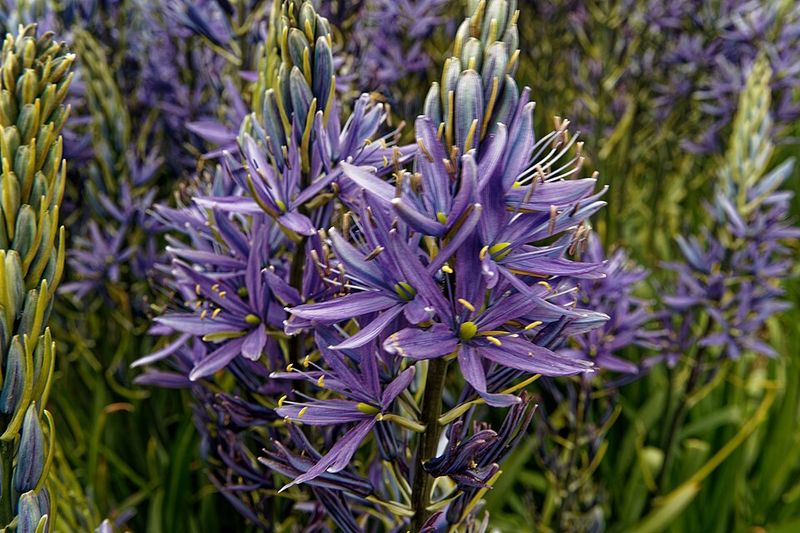
Early March meadows across California’s foothills often sparkle with spikes of blue-violet flowers rising above grassy clumps.
Camassia quamash, commonly called camas, produces upright stems topped with star-shaped blooms that can reach two feet in height.
The flowers open sequentially from the bottom up, giving pollinators weeks of access to both nectar and pollen. Bumblebees, sweat bees, and other native species are frequent visitors, especially when local spring conditions are still cool.
Camas prefers moist, well-drained soils and thrives in full sun to partial shade. Gardeners often plant bulbs in fall so flowers emerge naturally in early spring.
Once established, camas tolerates dry summer conditions, especially if planted with a bit of afternoon shade. The plants gradually naturalize, forming larger clumps that bring long-term beauty and ecological value.
Pairing camas with blue-eyed grass, sedges, or low-growing native perennials enhances its visual appeal and creates layered habitat that bees can navigate easily.
Its early bloom is particularly valuable for queen bumblebees establishing colonies after winter.
By providing consistent nectar and pollen, camas plays a crucial role in supporting California’s pollinators while creating one of the most visually striking displays in early-season gardens.
2. Ceanothus Offers Tiny Blossoms And Pollinator Visits
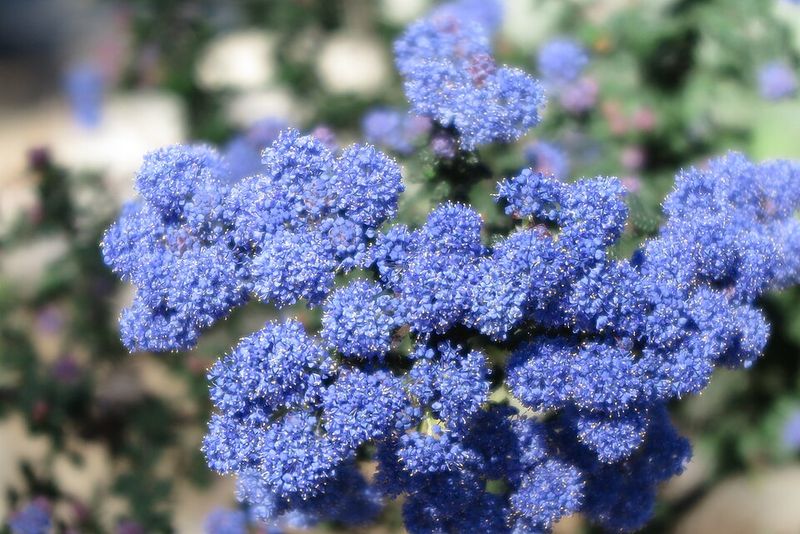
As winter fades into spring, Ceanothus shrubs burst into color, creating a cloud of tiny blooms that delight pollinators and gardeners alike.
Known as California lilac, the genus includes low-growing ground covers to large, spreading shrubs.
Early-blooming species, such as Douglas’ ceanothus, are vital for queen bumblebees and early-season sweat bees, offering nectar before many other flowers emerge.
The small clustered flowers suit short-tongued bees, allowing easy pollen collection. Most Ceanothus thrive in full sun with well-drained soils, including rocky or sandy areas, and are highly drought-tolerant once established.
Overwatering during summer is a common mistake; letting the soil dry between waterings maintains plant health.
Ceanothus can be used as a hedge, slope cover, or specimen shrub. Selecting regionally appropriate species ensures optimal growth and pollinator benefit.
Coastal, foothill, and chaparral varieties differ in bloom timing, so gardeners can stagger planting to extend early-season nectar availability.
Beyond supporting bees, these shrubs attract butterflies and other beneficial insects, making them a cornerstone of any pollinator-focused California garden.
3. Checkerbloom Produces Delicate Flowers And Bee-Friendly Pollen
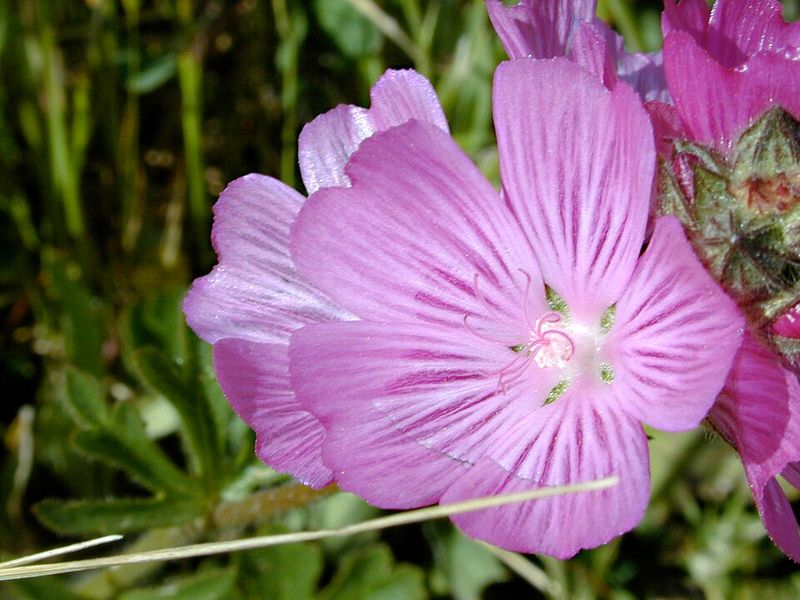
Checkerbloom (Sidalcea malviflora) brightens California gardens with upright stems lined with delicate pink, lavender, or rose-colored cup-shaped blooms.
These early spring flowers provide essential pollen and nectar for native bees, especially species that specialize in the mallow family.
The blooms’ soft, tissue-like appearance belies their ecological importance and resilience in diverse garden conditions.
Checkerbloom grows best in full sun to light shade with soils that retain some moisture, such as loam or clay. Although drought-tolerant once established, occasional deep watering during dry spring spells encourages vigorous flowering.
Blooming from March through early summer, checkerbloom provides a steady early-season resource for pollinators.
Ideal planting spots include naturalistic borders, meadow-style gardens, and cottage gardens. It spreads slowly by rhizomes, gradually filling in spaces with soft color.
Deadheading can encourage a second bloom, extending food availability for bees while keeping the garden vibrant.
Checkerbloom combines aesthetic charm, ecological value, and low-maintenance care, making it a perfect addition to any California early-spring pollinator garden.
4. Western Trillium Adds Woodland Charm And Solitary Bee Habitat
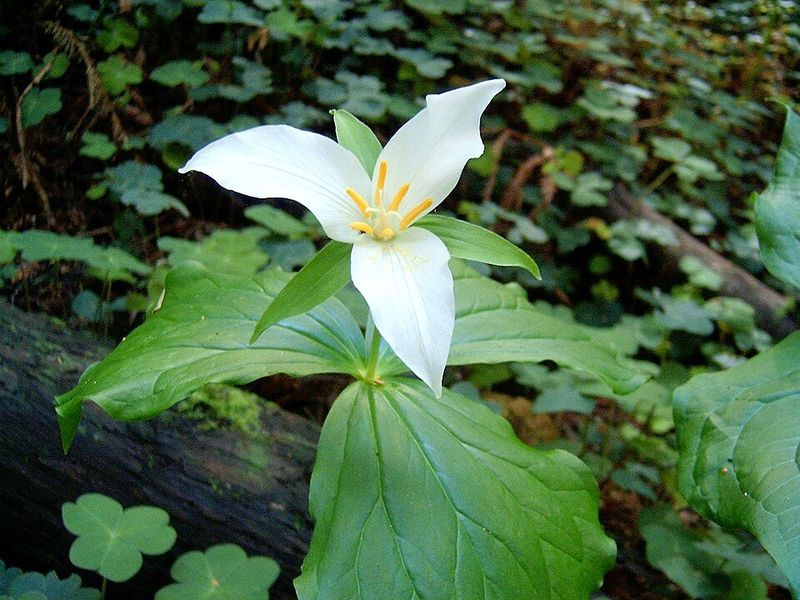
Shaded woodland areas can be just as valuable for pollinators as sunny gardens. Western trillium (Trillium ovatum) thrives in humus-rich, moist soil under deep to partial shade.
Its iconic three-petaled white flowers appear in late winter to early spring, sometimes as early as February at lower elevations. Solitary bees, including mining and sweat bees, rely on these blooms for pollen and nectar.
The flowers gradually change from white to pink, extending the time they provide resources for pollinators. Leaf mulch enhances moisture retention and soil fertility, replicating woodland conditions.
Plants grown from seed may take several years to bloom, and transplanted specimens need time to adjust.
Adding companion plants such as ferns or shade-tolerant groundcovers can create a more natural woodland habitat and help maintain soil moisture.
Gentle irrigation during unusually dry winters can support young plants until they are fully established.
Once established, western trillium returns reliably each spring, forming clumps that offer long-term habitat.
For shaded beds, woodland edges, or riparian garden corners, trillium provides early-season nourishment for solitary bees while adding understated elegance to California landscapes.
5. Douglas Iris Features Coastal Blooms And Early Nectar Sources
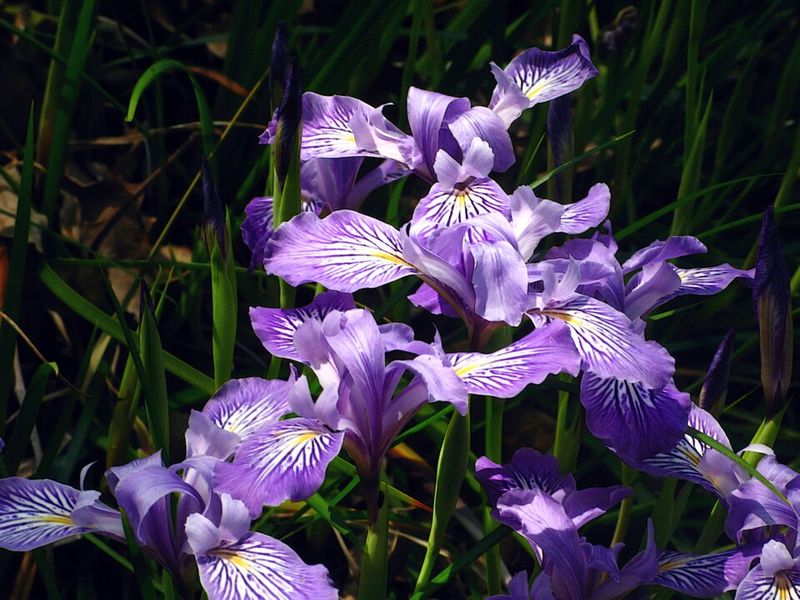
Along California’s coastal hills, Douglas iris (Iris douglasiana) produces vibrant purple, lavender, cream, or violet flowers.
Blooming from February to April, it is one of the earliest perennials to provide nectar in the season.
Bumblebees and long-tongued native bees frequently visit, using the flower’s structure to access nectar while transferring pollen efficiently.
In coastal gardens, these early blooms can brighten slopes and meadows while giving pollinators a vital food source just as they emerge from dormancy.
Douglas iris grows well in full sun to partial shade, tolerates clay and rocky soils, and handles seasonal drought once established. Clumps spread slowly via rhizomes, forming naturalized groundcover that works well in borders, slopes, and under native trees.
Dividing clumps after bloom can enhance vigor and flowering.
Gardeners can also interplant Douglas iris with spring-blooming bulbs or low-growing native wildflowers to create a layered, visually appealing habitat that attracts more pollinators.
The iris adds texture, early-season color, and pollinator support. It is particularly suited to coastal microclimates or cooler inland areas, combining aesthetic beauty with ecological function for early-emerging California pollinators.
For gardeners aiming to encourage native bee activity, planting several clumps together can provide a more continuous nectar source and help sustain early bee populations throughout March and April.
6. Douglas’ Ceanothus Provides Early Flowers And Pollinator Support
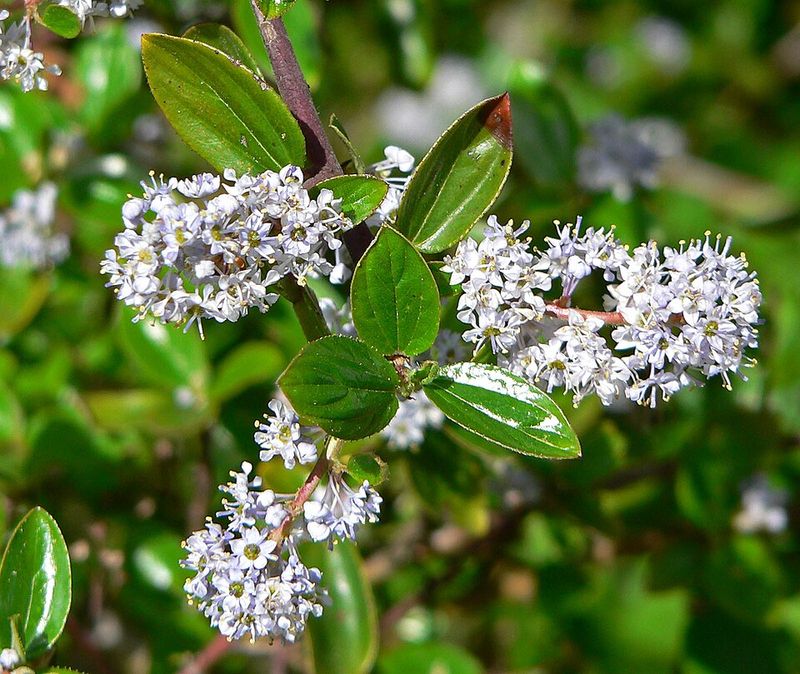
Douglas’ ceanothus (Ceanothus oliganthus) stands out for early flowering in California chaparral and foothills. Deep blue to violet flower clusters open in late winter, often providing nectar just as queen bumblebees emerge.
Honeybees and other pollinators visit heavily, fueling early colony growth. These early blooms also attract a variety of solitary bees, adding diversity to the pollinator community and encouraging long-term ecosystem health.
This shrub prefers full sun and well-drained soil, and is drought-tolerant once established. Planting on slopes or in raised beds ensures healthy growth.
Its dense evergreen foliage provides year-round structure, and the early blooms reward pollinators and gardeners alike. Douglas’ ceanothus is perfect for slopes, screens, or as a focal point in native gardens.
Adding organic mulch around the base helps retain moisture, moderates soil temperature, and promotes beneficial microbial activity.
Light pruning after flowering encourages bushier growth and can increase flower production the following season.
Pairing Douglas’ ceanothus with companion plants like black sage or California buckwheat creates layered habitats that support both pollinators and other wildlife, while adding continuous visual interest through the seasons.
7. Fremontodendron Shows Bright Blooms And Long-Tongued Bee Access
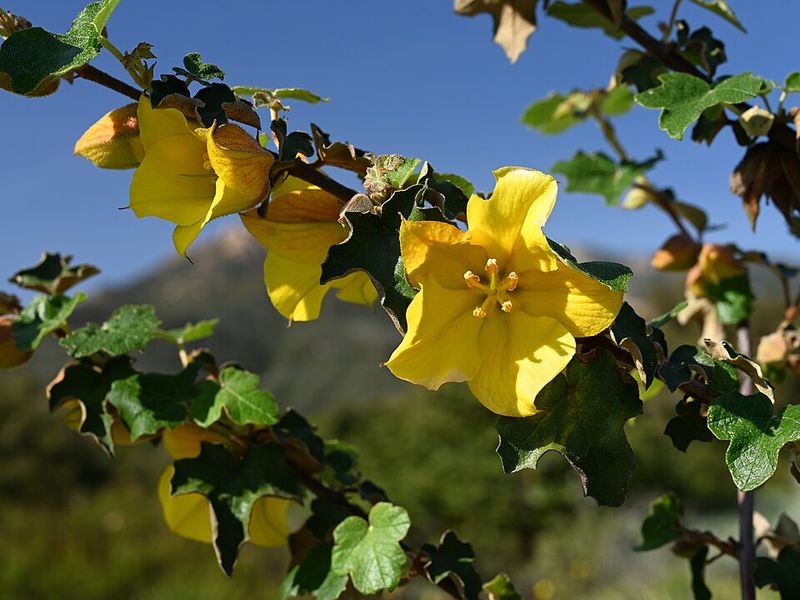
Flannel bush (Fremontodendron californicum) produces large golden-yellow flowers from March through June. Long-tongued bees can access nectar deep inside the cup-shaped blooms, and hummingbirds occasionally visit as well.
This striking shrub thrives in full sun and very well-drained soils, tolerating dry slopes, rocky hillsides, and areas with minimal supplemental water once established.
Reaching 10–15 feet, flannel bush works well as a background shrub, slope anchor, or dramatic focal point. Its flowers produce abundant pollen, supporting early-season pollinators when few other resources are available.
Planting on raised beds or slopes with excellent drainage helps prevent root rot and ensures the shrub maintains vigor year after year.
Its bright blooms create visual impact that can be paired with other native shrubs like Ceanothus or California fuchsia to create pollinator corridors and layered habitat.
Minimal summer water is needed once established, making flannel bush a practical choice for low-maintenance, wildlife-friendly gardens.
Its large form and showy flowers also provide shelter and visual structure for bees and other insects, turning an ordinary slope or border into a buzzing, lively ecosystem.
8. Scarlet Bugler Offers Tubular Red Flowers And Nectar For Bees
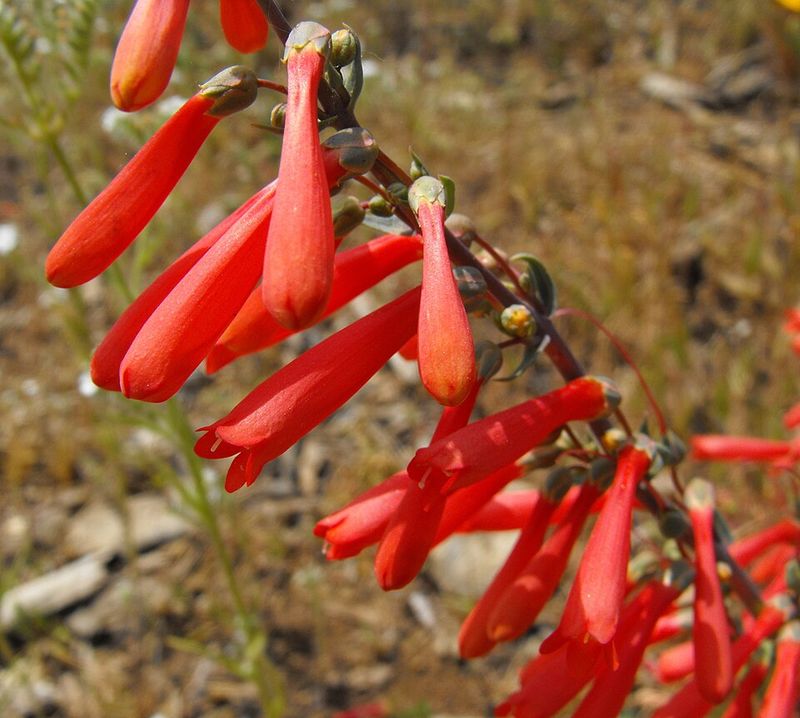
Red tubular blooms of scarlet bugler (Penstemon centranthifolius) appear from March through June, providing an early nectar source for long-tongued bees and occasional hummingbirds.
The tall, upright stems and vivid red flowers make it a striking addition to California gardens, while supporting pollinators bridging the gap between early bloomers and summer-flowering natives.
It grows best in full sun with fast-draining soils, thriving on rocky slopes and minimal supplemental water once established.
Planting on slopes or in gravel gardens mimics its native chaparral habitat, encouraging strong root development and long-term survival.
Scarlet bugler pairs beautifully with silver-leaved plants like Artemisia or chaparral shrubs, creating a visually dynamic and wildlife-friendly border.
The plant also provides vertical interest in mixed native beds and slopes, attracting pollinators to multiple garden layers.
Its extended bloom period ensures that bees have a reliable nectar source for several months, supporting colony health and promoting early-season activity.
For gardeners looking to combine low-water landscaping with ecological impact, scarlet bugler is an easy-to-grow, high-value choice.
9. Sierra Bluebells Brings Bell-Shaped Flowers And Early Pollinator Activity
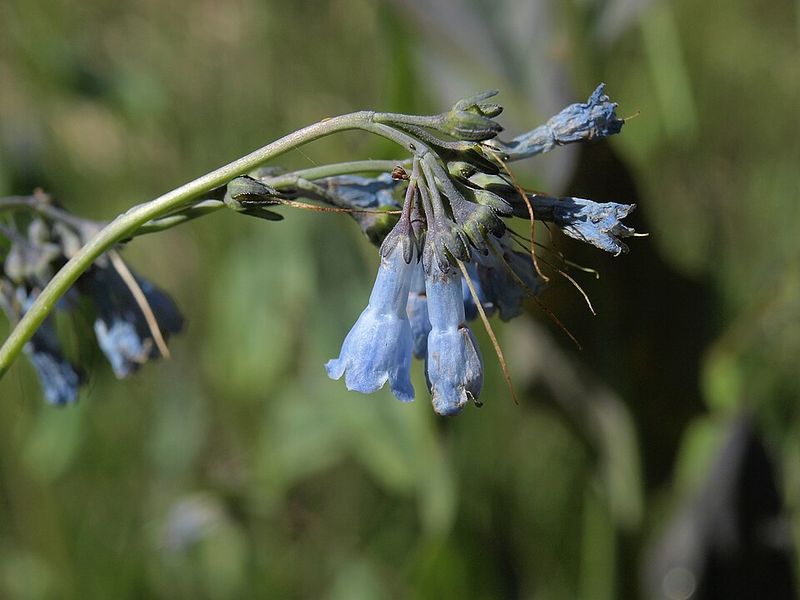
In mountain meadows and riparian zones, Sierra bluebells (Mertensia ciliata) produce clusters of nodding, bell-shaped blue flowers from early spring into summer at higher elevations.
Bumblebees, particularly long-tongued species, are frequent visitors, making these blooms an important early-season food source.
Their nodding shape and vibrant color make them visually striking while providing accessible nectar for a range of pollinators.
Sierra bluebells require consistently moist soil and are best placed in rain gardens, pond edges, or naturally damp garden spots. They prefer full sun in cooler elevations or partial shade in warmer inland areas.
Pairing them with yellow-flowered natives like golden currant creates a layered pollinator display that adds color contrast and ecological value.
These plants are excellent for naturalizing in wildflower meadows or along streams, helping create habitat corridors for pollinators and other wildlife.
Gardeners can enhance bloom vigor with light mulch and avoid over-drying the soil during extended hot periods.
Their extended flowering period helps sustain early-season bee populations and adds continuous visual appeal to California gardens, ensuring that pollinators have a reliable nectar source during the critical spring months.