California Patio Plants That Make A Big First Impression

There’s something about stepping onto a patio filled with vibrant plants that instantly lifts the mood. Whether it’s morning coffee, an evening glass of wine, or just watching the sun set, a thoughtfully planted patio feels welcoming and alive.
Many of us have wandered past dull, empty outdoor spaces and wished our own patio could make the same cheerful statement.
Choosing the right plants for a California patio isn’t just about picking the brightest flowers – it’s about balancing color, texture, and resilience.
From drought-tolerant natives to bold architectural forms, the plants you select can transform your patio into a space that feels curated and effortlessly beautiful.
They need to thrive in sun, heat, and occasional dry spells while framing seating areas and pathways in a way that makes guests pause and admire.
With the right mix of greenery, blooms, and seasonal accents, your patio becomes more than just an outdoor area – it becomes a space that draws attention, invites people to linger, and hints at the personality of the home inside.
Some of these selections might surprise you with how much impact they bring in a small space.
1. Lavender For Fragrance And Bold Purple Blooms

Imagine stepping out onto your patio and being greeted by the gentle aroma of soft purple spikes swaying in the breeze. Lavender brings that calm, Mediterranean vibe that makes outdoor spaces feel like a little slice of Provence.
Beyond its visual charm, the fragrance alone sets a relaxing mood, whether you’re sipping morning coffee or entertaining guests in the evening.
This hardy perennial thrives in full sun and well-drained soil, making it especially suited to California patios. Its silvery-green foliage provides a beautiful contrast to brightly colored planters or natural stone accents.
Grouping several plants together not only amplifies the scent but also creates a lush, cohesive look that feels intentional without appearing overly formal.
Regular pruning after blooms helps keep the plant tidy and encourages a fuller shape for next season, while removing spent flowers can extend the period of visual interest. Lavender also attracts bees and butterflies, subtly turning your patio into a mini pollinator haven.
When planting in containers, make sure pots have adequate drainage, and use a sandy, fast-draining mix to mimic the plant’s natural environment. Even a small patio corner can feel instantly upgraded when framed by clusters of lavender.
Pairing with other sun-loving, drought-tolerant plants like rosemary or California lilac can create a harmonious, low-maintenance landscape that keeps your outdoor space looking vibrant through the spring and summer months.
2. California Lilac (Ceanothus) For Blue‑Flowered Drama

Nothing quite grabs attention like the vivid, electric-blue blooms of California lilac. On patios with ample sunlight, these shrubs create a stunning splash of color that seems to glow against the greenery of other plants.
Ceanothus is versatile: it works well as a container accent, a backdrop for smaller plantings, or even as a natural screen to define patio boundaries.
Its evergreen foliage adds structure and interest year-round, so even outside the flowering season, the plant contributes texture and visual depth. Most varieties tolerate drought once established, which is perfect for busy gardeners or anyone wanting a low-maintenance, high-impact addition to their outdoor space.
Flower clusters attract hummingbirds, bees, and butterflies, turning your patio into a lively, animated corner of the garden. Combining this blue-flowered drama with contrasting foliage colors, such as silvery sages or soft green succulents, creates a palette that feels curated without being stiff.
Planting in raised containers or large pots can help manage size and soil preferences, ensuring that roots remain healthy while blooms flourish. Light pruning after flowering encourages a denser shape and helps maintain the plant’s overall appearance without interfering with its natural form.
California lilac also pairs well with stone or wood patio elements, creating a natural, cohesive look. Whether you have a compact balcony or a sprawling outdoor living area, this shrub delivers an immediate “wow factor” that makes your patio memorable to anyone who visits.
3. Hummingbird Sage For Tall Color And Wildlife
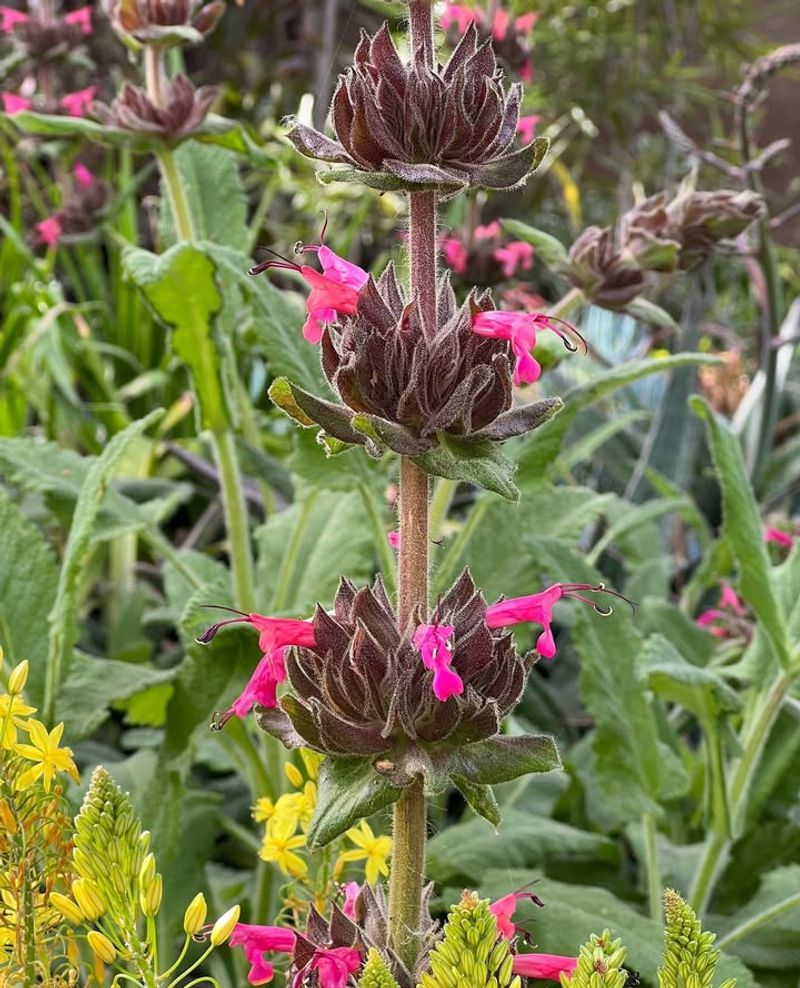
There’s something almost magical about the vertical spikes of Hummingbird Sage rising above a patio planter, each one topped with vibrant red blooms that seem to glow in the California sun. This plant doesn’t just bring color – it invites movement, drawing hummingbirds in for a close-up view of your outdoor oasis.
Watching them hover and dart from flower to flower adds a dynamic, lively energy that makes a patio feel alive.
Hummingbird Sage thrives in full sun with well-drained soil, making it an ideal choice for sunny patios or container gardens. Its fragrant foliage adds a subtle herbal note that mingles pleasantly with nearby plants, and the long-lasting blooms provide weeks of visual interest throughout spring and summer.
Pairing it with other nectar-rich flowers like California lilac or lavender enhances pollinator activity, creating a mini wildlife sanctuary right at your doorstep.
Tall and upright by nature, this sage can serve as a vertical accent in containers, flanked by lower-growing companions to create depth and dimension. Light pruning after flowering encourages new growth and helps maintain a tidy shape without compromising its natural form.
Even small patios benefit from this plant’s dramatic presence; the bright red spikes act as a focal point, while its drought tolerance ensures it remains vibrant with minimal maintenance. Whether you’re enjoying a quiet morning coffee or hosting friends for an evening gathering, Hummingbird Sage adds color, scent, and a delightful connection to local wildlife that makes your patio feel like a vibrant, welcoming retreat.
4. Rockrose For Long‑Lasting Color And Texture

Rockrose brings a cheerful, sun-loving pop of color that seems to thrive even in California’s hottest patios. Its delicate, papery flowers appear almost endlessly, and the evergreen foliage adds texture and structure between blooms.
This low-maintenance shrub is perfect for gardeners seeking continuous visual impact without constant attention.
Sun-drenched patios are where Rockrose shines. Its well-drained, slightly sandy soil mimics its native Mediterranean environment, allowing it to stay healthy and vibrant through warm, dry periods.
Flowering typically spans spring into early summer, but even when blooms fade, the glossy green leaves provide a full, appealing backdrop. Its compact, mounded habit works beautifully in large containers, raised beds, or mixed planters, giving patios both volume and form.
Rockrose attracts pollinators, including bees and butterflies, turning a simple patio corner into a lively, natural space. The shrub’s texture contrasts beautifully with smoother-leaved plants or architectural succulents, adding interest and balance to the overall arrangement.
Pruning is minimal: a light trim after flowering keeps the plant neat and encourages new growth while maintaining its natural shape. Combined with other drought-tolerant plants, Rockrose helps create a layered, harmonious patio display.
Its adaptability and resilience make it a reliable, long-lasting option that adds both color and tactile appeal. With Rockrose in the mix, your patio instantly feels fuller, brighter, and alive with energy, providing a welcoming backdrop for relaxation, conversation, or evening enjoyment under California skies.
5. Toyon For Evergreen Structure And Red Berries
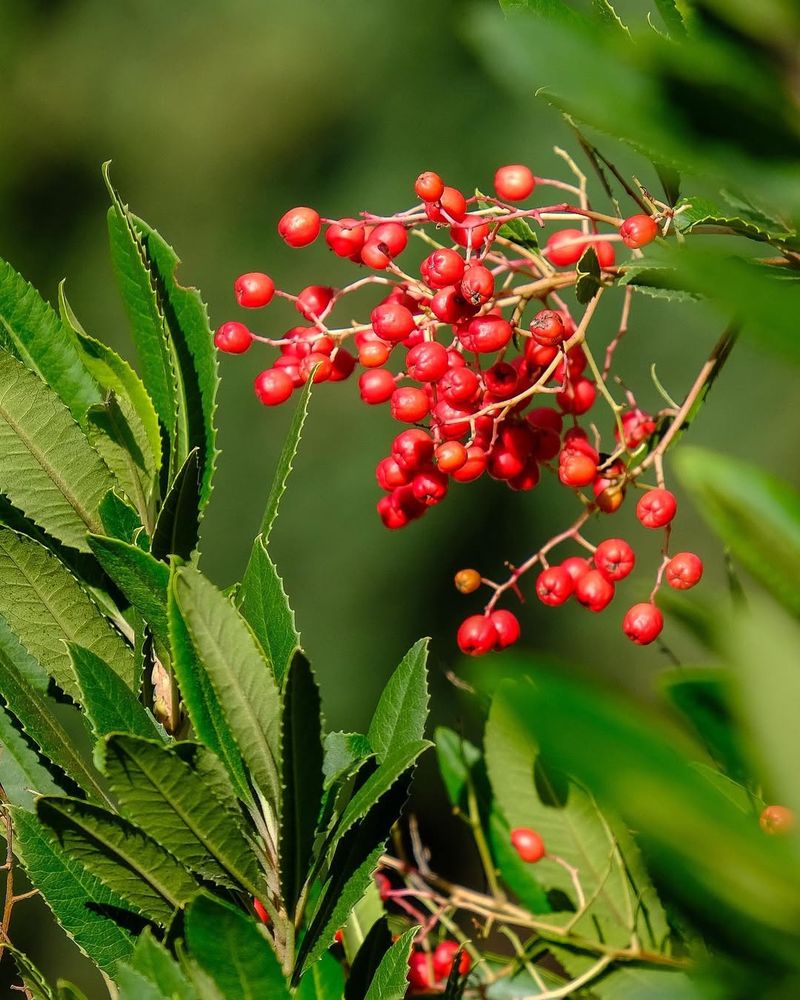
Bright red berries glimmering against glossy green foliage can transform a patio into a vibrant focal point during the fall and winter months. Toyon offers more than color – it brings structure and year-round interest with its evergreen leaves and natural, bushy form.
Even when berries fade, the plant maintains an attractive silhouette, adding depth and balance to container arrangements or larger patio planters.
Full sun is ideal for this native California shrub, and it thrives in well-drained soils typical of outdoor patios. Its moderate size makes it suitable for larger containers, raised beds, or as part of a layered planting scheme.
The dense foliage provides a sense of enclosure and privacy while offering a natural backdrop for lower-growing companions like succulents or small flowering plants.
Wildlife appreciates Toyon almost as much as gardeners do. Birds flock to the bright berries, turning your patio into a lively, interactive space that combines beauty and biodiversity.
Flowering in late spring produces creamy white clusters that attract pollinators, adding another layer of interest and seasonal rhythm.
Minimal pruning helps maintain shape without disrupting its natural form, and occasional deep watering during prolonged dry spells keeps the foliage vibrant. Pairing with other drought-tolerant, textured plants ensures the patio feels lush and cohesive without high maintenance.
With Toyon in place, a patio gains not only visual appeal but also a sense of seasonal rhythm, wildlife connection, and evergreen stability that keeps the space engaging and welcoming year-round.
6. Celestial Blue Sage For Soft Blue Tones

Soft, powdery-blue spikes rise gracefully, creating a calming contrast to bolder colors in the garden or patio space. This sage adds a gentle, airy feel that works beautifully alongside brighter blooms or silvery-leaved companions.
Its subtle hue enhances container arrangements and creates continuity in mixed-planter displays, allowing other plants to pop without overwhelming the eye.
Sun-filled patios are perfect for this perennial. Well-drained soil and moderate watering encourage steady growth and flowering, while its natural drought tolerance ensures it remains vibrant even during California’s warm, dry periods.
Flower clusters appear over an extended season, giving weeks of color and a gentle fragrance that adds another sensory layer to outdoor gatherings.
Pollinators find this sage irresistible. Bees, butterflies, and hummingbirds are frequent visitors, bringing movement and life that transforms even a small patio into a lively, natural retreat.
Planting several together amplifies color and attracts more wildlife, while spacing carefully ensures airflow, reducing disease risks and promoting robust growth.
Occasional light pruning after flowering encourages new spikes and helps maintain a tidy shape, keeping the plant elegant and well-proportioned in pots or raised beds. Its soft, calming tones make it ideal for blending with structural shrubs or architectural succulents, creating a harmonious, layered display.
With Celestial Blue Sage in a patio arrangement, the space feels thoughtfully designed, full of gentle color, and alive with subtle, natural energy that’s enjoyable from every angle.
7. Marine Blue Germander Sage For Edging Or Containers
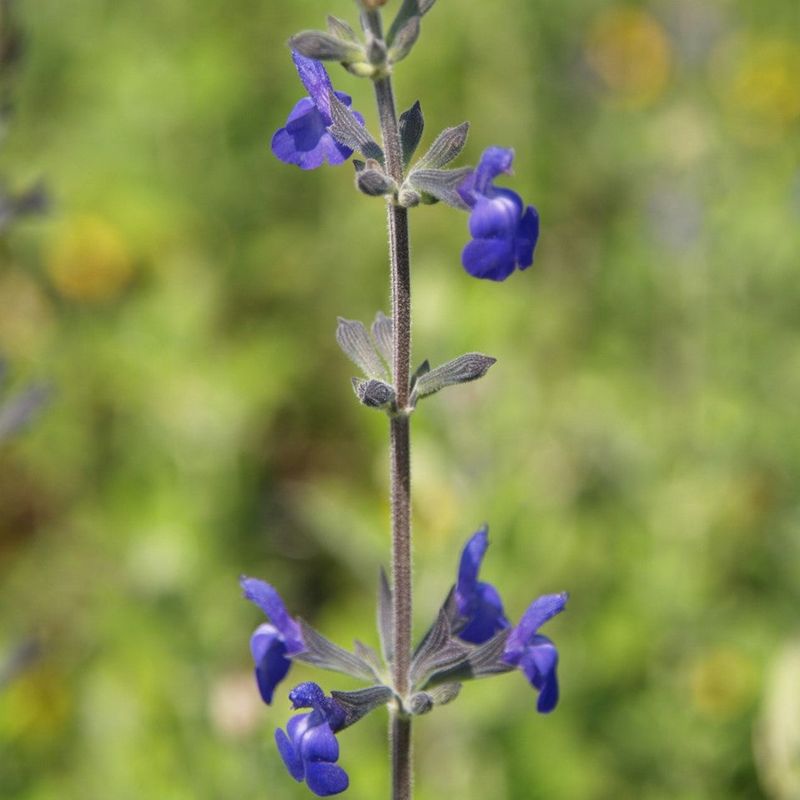
A subtle, soft blue bloom cascading over the edge of a container or edging a patio bed brings elegance and continuity to outdoor spaces. This sage combines color with texture, its silvery-green leaves creating a gentle backdrop that allows flowers to pop without overwhelming the arrangement.
The delicate hue harmonizes with brighter accents, making it perfect for mixed plantings or structured container gardens.
Thriving in full sun with well-drained soil, this perennial tolerates dry spells, which makes it ideal for California patios. Flower spikes appear for weeks at a time, providing continuous visual interest and attracting bees and butterflies, adding energy and movement to the space.
Its compact form also allows it to edge pathways, define planter borders, or fill gaps in larger arrangements, creating a polished, cohesive look.
Light pruning after flowering encourages new growth and keeps the plant tidy, while its slow, steady spread allows gardeners to maintain control over shape and coverage. Pairing it with succulents, Mediterranean herbs, or small shrubs enhances texture contrasts and makes the overall patio feel layered and intentional.
Even in smaller spaces, Marine Blue Germander Sage adds sophistication without dominating the design. Its muted yet luminous blue tones, combined with soft foliage and long bloom periods, create a serene, welcoming atmosphere.
With careful placement, it brings subtle color, structure, and pollinator-friendly charm, ensuring patios look thoughtful, cohesive, and alive throughout the growing season.
8. Agave Bold Architectural Focal

Bold, sculptural forms instantly draw the eye, turning a patio corner into a statement piece that feels both modern and timeless. The thick, fleshy leaves radiate outward in a geometric pattern, giving any outdoor space a striking architectural presence without overwhelming it.
Agave is particularly effective in large containers or mixed succulent displays, where its strong form can anchor the arrangement and provide visual structure.
This succulent thrives in full sun and well-draining soil, making it ideal for California patios with bright, hot conditions. Minimal watering is required once established, which allows busy gardeners to enjoy a dramatic focal point without daily maintenance.
Its slow growth means the plant remains a consistent design element year after year, while its rigid symmetry contrasts beautifully with softer, more colorful companion plants like blue sages or trailing groundcovers.
Agave attracts attention not just for its form but also for the occasional flower spike, which can soar dramatically above the plant and become a temporary highlight before returning to its base shape. Even when not in bloom, the leaves’ rich green or bluish-gray tones provide year-round texture and a strong, contemporary aesthetic.
Pairing Agave with gravel, decorative rocks, or low-growing succulents creates a layered, low-maintenance display that feels both curated and natural. Its durability and sculptural appeal make it ideal for patios where long-lasting impact is a priority.
With one or two well-placed agaves, a patio instantly gains a sense of order, drama, and timeless California style.