13 California Plants That Perform Better With The Right Companions
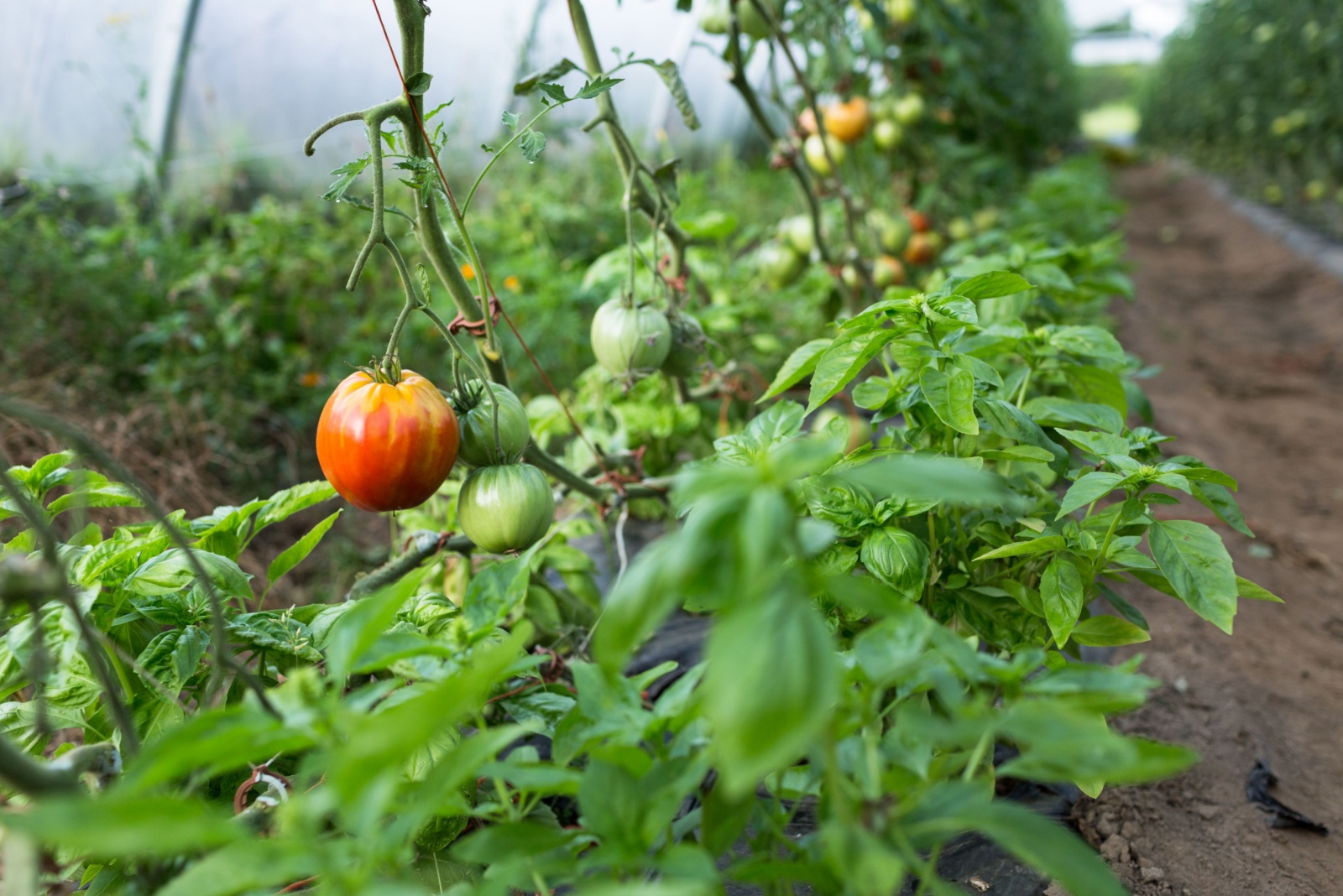
California gardeners quickly learn that plant success often depends on smart partnerships.
Some species thrive when paired with companions that boost moisture retention, deter pests, or improve nutrient balance in the soil.
Others bloom more abundantly when surrounded by plants that create beneficial microclimates in the state’s varied growing zones.
A thoughtful approach to companion planting turns an ordinary landscape into a healthier, more resilient ecosystem, allowing many California natives and ornamentals to reach their full potential.
1. Tomatoes Thrive Alongside Basil And Marigolds
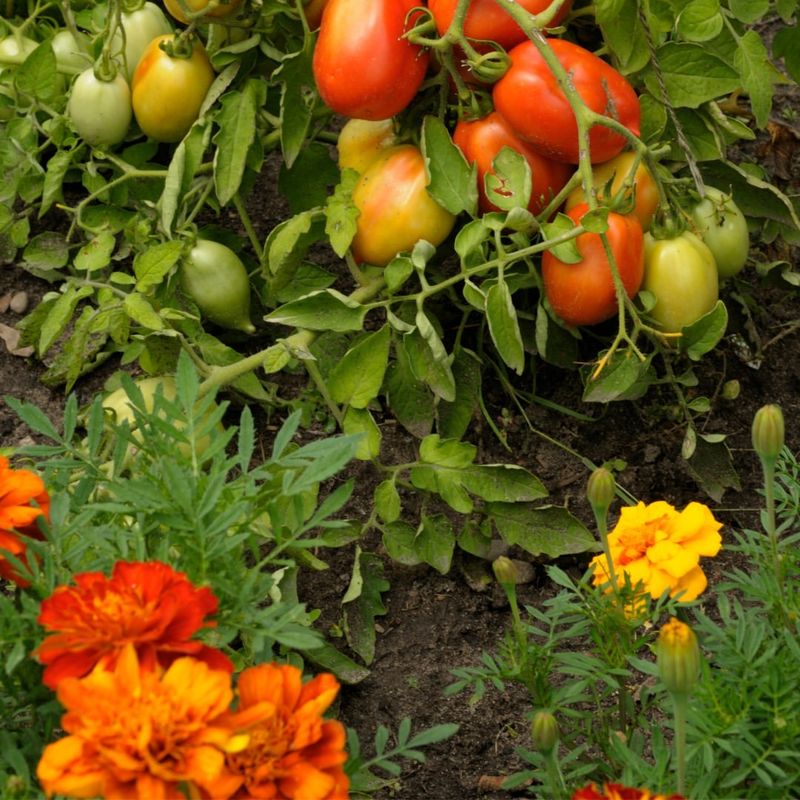
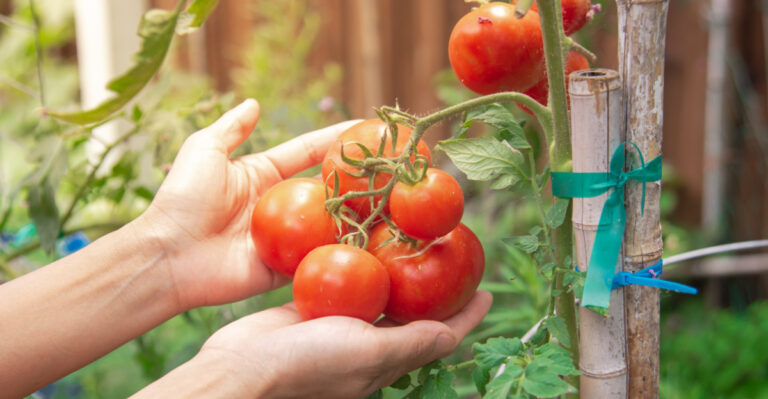
Tomatoes are the stars of many California vegetable gardens, but they perform even better when planted near certain companions.
Basil is perhaps the most famous tomato companion because it helps repel aphids, whiteflies, and hornworms that commonly attack tomato plants.
The aromatic oils in basil leaves confuse pests and make it harder for them to locate your tomatoes.
Marigolds add another layer of protection by deterring nematodes in the soil with their root secretions.
These cheerful flowers also attract beneficial insects like ladybugs and parasitic wasps that prey on tomato pests.
Many California gardeners plant marigolds around the border of their tomato beds for maximum effect.
Basil and tomatoes also share similar water and sunlight needs, making them ideal neighbors in Mediterranean climates.
Plus, harvesting both from the same garden bed makes preparing fresh caprese salad incredibly convenient.
This classic combination proves that companion planting can be both practical and delicious.
Your tomato harvest will thank you for these strategic partnerships.
2. Roses Benefit From Garlic And Chive Neighbors

Roses are beloved throughout California, but aphids and fungal diseases often plague these beautiful blooms.
Planting garlic or chives near your rose bushes creates a natural defense system against common rose problems.
The sulfur compounds released by these allium family members repel aphids, Japanese beetles, and other pests that feast on rose foliage.
Garlic also has antifungal properties that can help prevent black spot and powdery mildew, two diseases that trouble California roses during humid periods.
Chives produce lovely purple flowers that attract pollinators while simultaneously protecting your roses.
Both garlic and chives have shallow root systems that won’t compete with the deeper roots of established rose bushes.
California gardeners have used this pairing for generations with excellent results.
The combination looks attractive too, with the upright foliage of alliums contrasting nicely against rose bushes.
Plant them in a ring around each rose for best protection.
Your roses will reward this thoughtful companionship with healthier growth and more abundant blooms throughout the season.
3. Peppers Flourish When Paired With Carrots And Onions
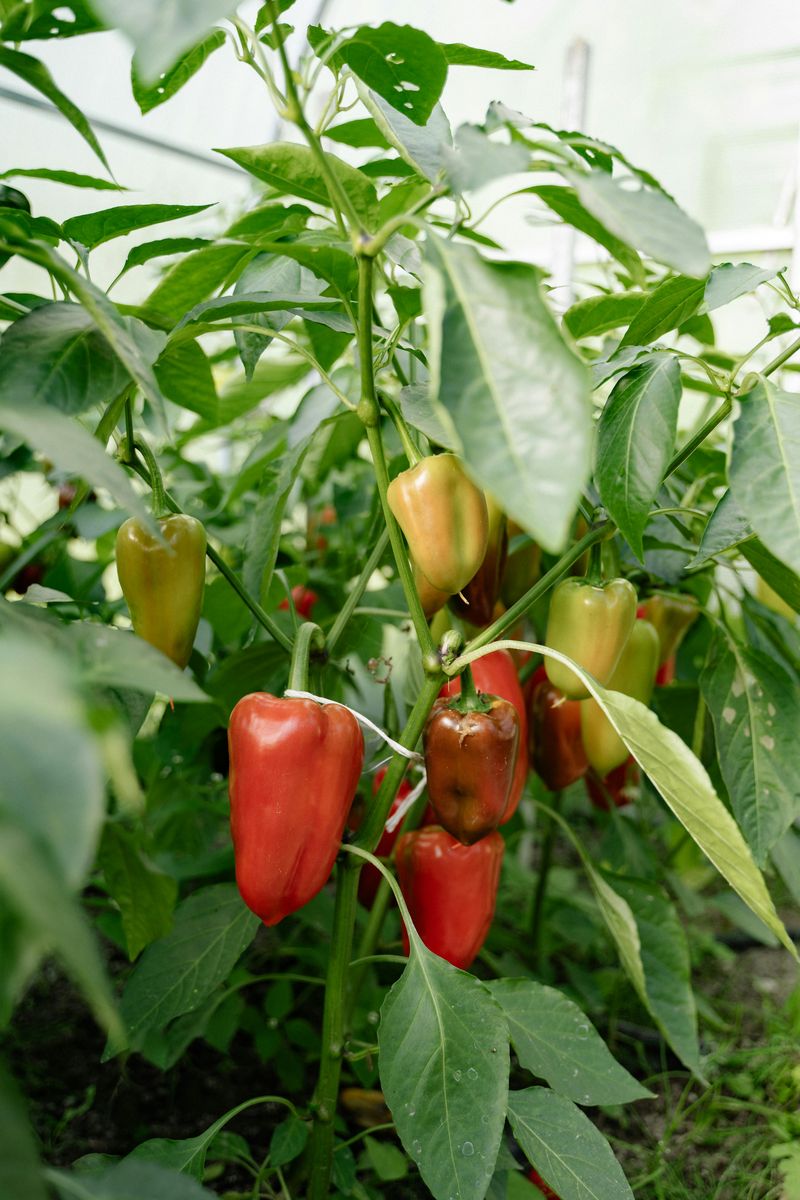
Peppers love California’s warm summers but can struggle with certain pests and space limitations.
Carrots make excellent pepper companions because their deep taproots break up compacted soil while staying out of the way of pepper roots.
This underground partnership allows both plants to access nutrients at different soil levels without competing.
Onions planted near peppers help repel aphids, spider mites, and other insects that commonly attack pepper plants in California gardens.
The strong scent of onions masks the smell of peppers, making it harder for pests to find their target.
Carrots and onions both mature at different rates than peppers, allowing you to harvest them without disturbing your pepper plants.
This succession planting maximizes your garden space throughout the growing season.
Peppers also provide light shade for carrots during intense California summer heat, preventing them from becoming tough or bitter.
Meanwhile, onions help suppress weeds around pepper plants with their dense foliage.
This three-way partnership demonstrates how companion planting can address multiple garden challenges simultaneously while boosting overall productivity in your California vegetable patch.
4. Strawberries Excel With Borage And Thyme Companions
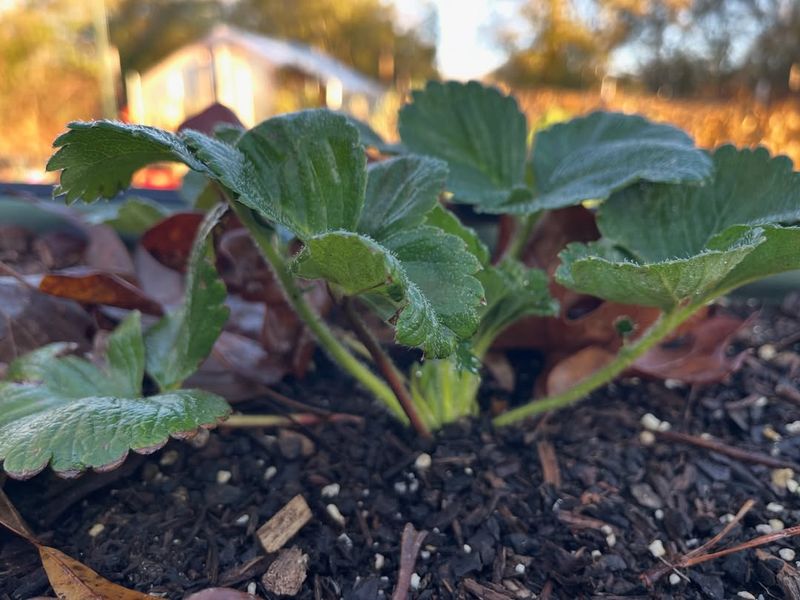
Strawberries are a favorite crop for California gardeners, but they’re susceptible to various pests and diseases.
Borage is an outstanding strawberry companion that attracts pollinators with its star-shaped blue flowers while deterring tomato hornworms and cabbage worms.
The mineral-rich leaves of borage also improve soil quality as they decompose, adding trace elements that strawberries need.
Many California growers believe borage actually enhances the flavor of strawberries when planted nearby.
Thyme serves as a living mulch around strawberry plants, suppressing weeds and retaining soil moisture during dry California summers.
This aromatic herb also repels slugs and snails that would otherwise feast on ripe strawberries.
Thyme’s shallow roots don’t compete with strawberry plants for nutrients or water.
Both borage and thyme are drought-tolerant once established, making them perfect partners in water-conscious California gardens.
The combination creates a beautiful edible landscape with flowers, herbs, and berries all growing together.
Strawberries planted with these companions produce more fruit and experience fewer pest problems throughout the season.
5. Cucumbers Perform Better Near Radishes And Nasturtiums
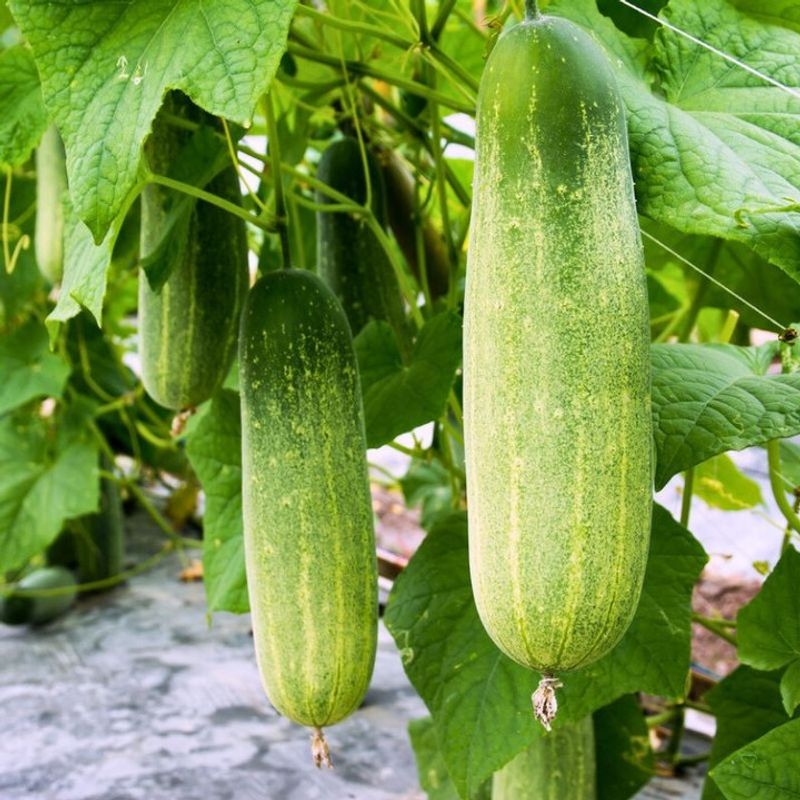
Cucumbers are warm-season favorites in California gardens, but cucumber beetles and aphids can quickly damage crops.
Radishes planted among cucumber seeds act as a trap crop, attracting cucumber beetles away from young cucumber plants.
By the time radishes are harvested, cucumber plants are strong enough to withstand minor pest pressure.
Radishes also help break up soil, making it easier for cucumber roots to establish themselves.
Nasturtiums are another powerful cucumber companion that serves multiple purposes in California gardens.
These colorful flowers act as a trap crop for aphids while their peppery scent repels cucumber beetles and squash bugs.
Nasturtiums also attract beneficial predatory insects that feed on common cucumber pests.
The sprawling nature of nasturtiums creates living mulch that keeps soil cool and moist around cucumber roots.
Both nasturtiums and radishes are edible, adding extra harvests to your cucumber patch.
This companion planting strategy protects cucumbers during their vulnerable early stages while providing continuous pest management throughout the growing season in your California garden.
6. Lavender Grows Stronger With Rosemary And Sage
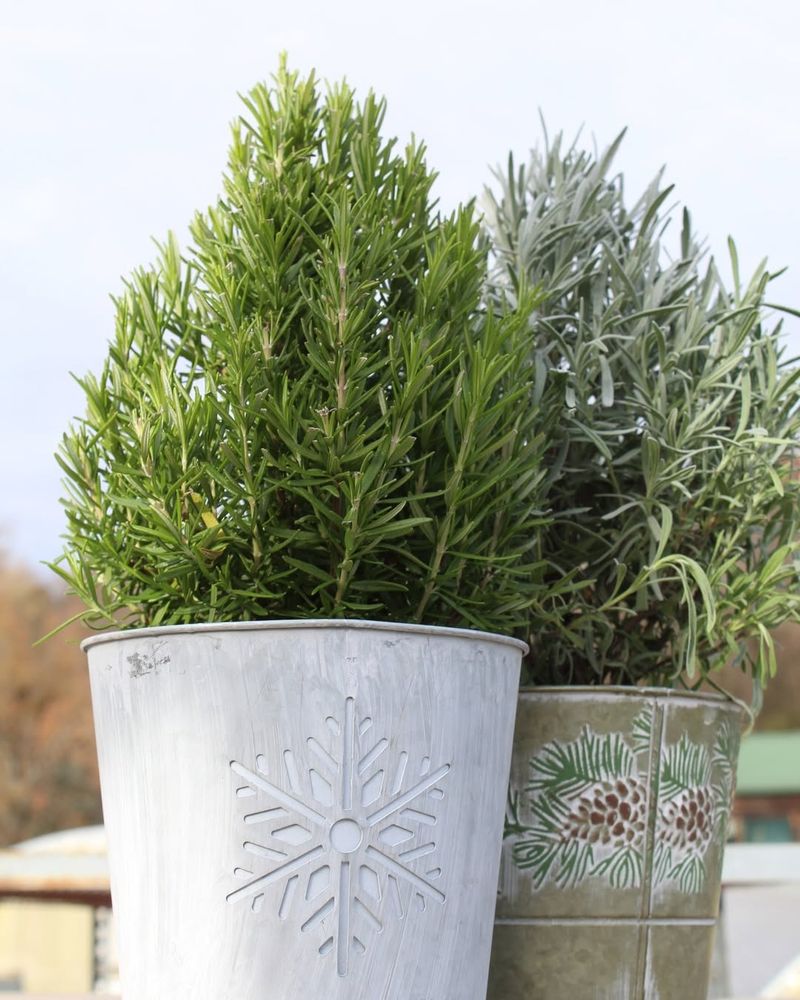
Lavender is perfectly suited to California’s Mediterranean climate but grows even better with compatible companions.
Rosemary and sage are ideal lavender neighbors because they share similar water, soil, and sunlight requirements.
All three herbs prefer well-drained soil and full sun, making them natural partners in California landscapes.
These aromatic plants create a fragrant barrier that repels deer, rabbits, and many insect pests from garden areas.
The similar growth habits mean none of these plants will overshadow or crowd out the others.
Rosemary’s woody structure provides a nice textural contrast to lavender’s softer foliage and flower spikes.
Sage adds another layer of color and interest with its gray-green leaves and tubular flowers.
Together, these three herbs attract countless pollinators including bees, butterflies, and hummingbirds to California gardens.
They’re also extremely drought-tolerant once established, making them perfect for water-wise landscaping.
The combination requires minimal maintenance while providing year-round beauty and fragrance.
California gardeners appreciate how this trio thrives with little intervention while supporting local pollinator populations.
7. Squash Succeeds With Corn And Bean Partners
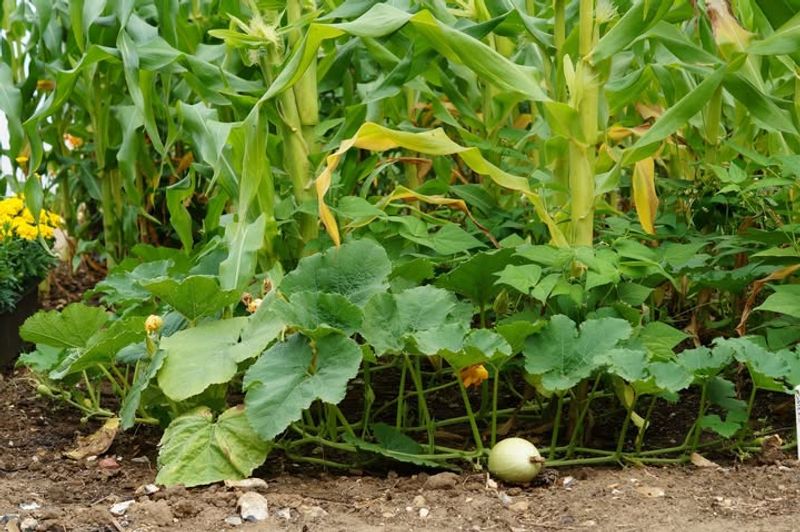
This traditional companion planting trio is known as the Three Sisters and works beautifully in California gardens.
Corn provides a natural trellis for bean vines to climb, eliminating the need for stakes or supports.
Beans fix nitrogen in the soil, enriching it for the heavy-feeding corn and squash plants.
Squash plants spread their large leaves across the ground, creating living mulch that suppresses weeds and retains moisture.
The prickly squash leaves also deter raccoons and other animals from raiding your corn crop.
This symbiotic relationship maximizes vertical space and soil nutrients while minimizing pest problems.
California’s long growing season allows this trio to reach full maturity and produce abundant harvests.
The system works best when corn is planted first and allowed to grow several inches before adding beans and squash.
Native American farmers developed this method centuries ago, and it remains effective in modern California gardens.
The Three Sisters demonstrate how companion planting can create a self-supporting ecosystem that benefits all participants while reducing garden maintenance.
8. Lettuce Loves Growing Under Tall Tomatoes
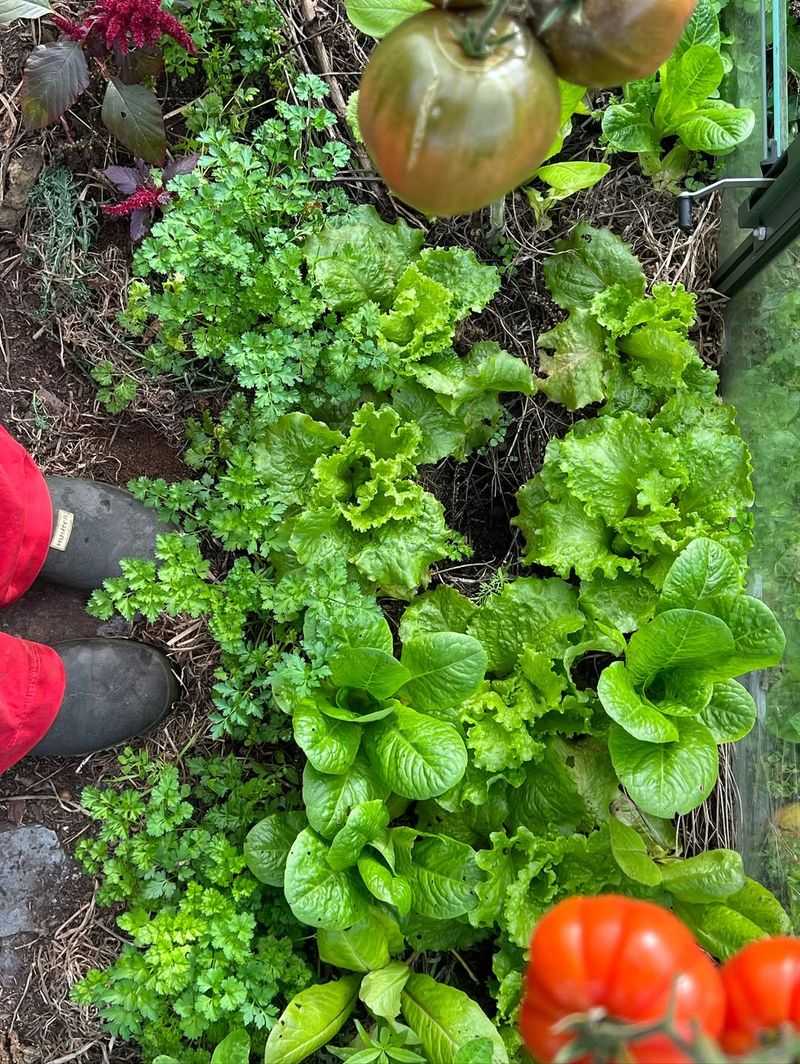
Lettuce can be challenging to grow during California’s hot summer months because it tends to bolt in high heat.
Planting lettuce in the shade of taller tomato plants solves this problem while making efficient use of garden space.
Tomatoes provide just enough dappled shade to keep lettuce cool during the hottest part of the day.
This allows California gardeners to extend their lettuce harvest well into summer instead of losing crops to bolting.
Lettuce has shallow roots that don’t compete with the deeper root systems of tomato plants.
The two crops have different nutrient needs, so they don’t deplete the same soil resources.
Lettuce also acts as a living mulch around tomato plants, keeping soil moist and suppressing weeds.
As you harvest lettuce leaves throughout the season, you’re also aerating the soil around your tomatoes.
This underplanting strategy is called intercropping and significantly increases the productivity of California garden beds.
You’ll harvest two crops from the same space while protecting heat-sensitive lettuce from California’s intense summer sun.
This practical pairing demonstrates how companion planting can overcome climate challenges.
9. Brassicas Appreciate Chamomile And Dill Nearby
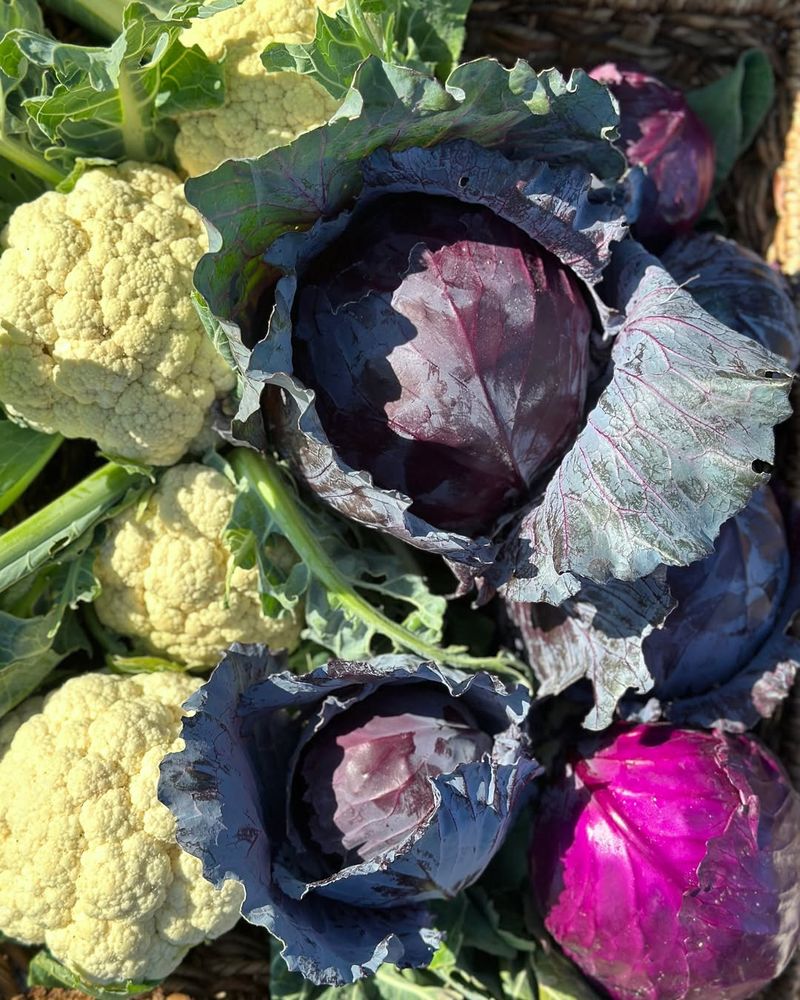
Cabbage, broccoli, and other brassicas face constant threats from cabbage worms, aphids, and other pests in California gardens.
Chamomile planted near brassicas improves their flavor and growth while attracting beneficial insects like hoverflies and parasitic wasps.
These helpful insects prey on the caterpillars and aphids that commonly attack cabbage family plants.
Chamomile’s delicate flowers also indicate soil health, with robust growth suggesting conditions are right for brassicas.
Dill serves as both a companion and a trap crop for brassicas throughout California.
It attracts beneficial predatory insects while simultaneously luring tomato hornworms and other pests away from your vegetables.
The fernlike foliage of dill creates an attractive contrast with the broad leaves of cabbage and broccoli.
Both chamomile and dill are easy to grow from seed and reseed themselves in California gardens.
These companions also provide bonus harvests with chamomile flowers for tea and dill leaves for cooking.
Brassicas planted with these herbal allies experience fewer pest problems and produce healthier, more flavorful heads throughout the California growing season.
10. Beans Benefit From Summer Savory Companions
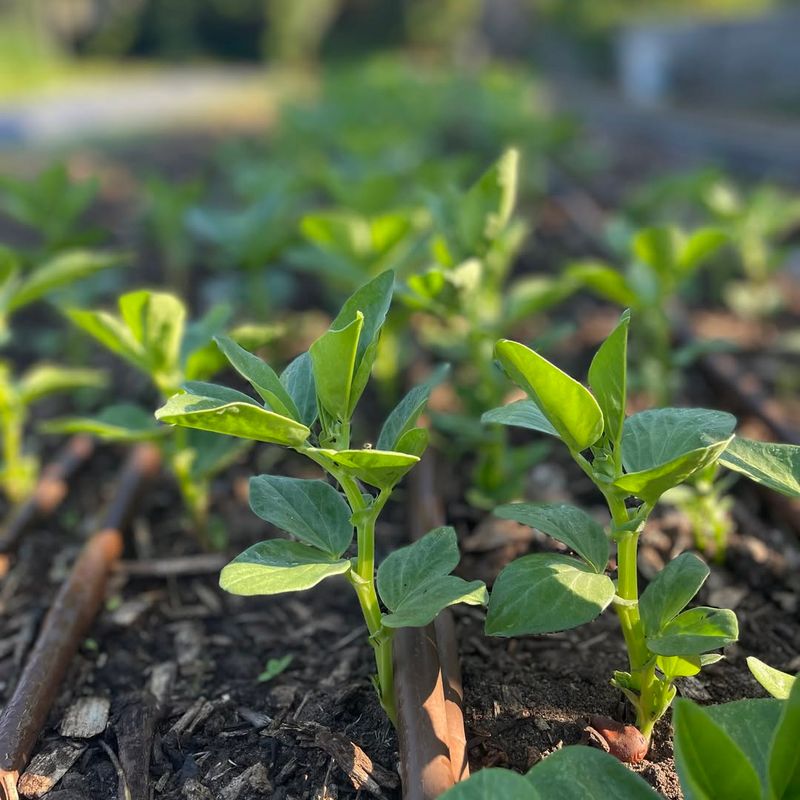
Beans are nitrogen-fixing legumes that improve soil for other plants, but they also need their own companions for best results.
Summer savory is a traditional bean companion that repels aphids and bean beetles with its strong aromatic oils.
European gardeners have planted these two together for centuries, and the practice works equally well in California.
The herb’s compact growth habit fits perfectly between bean rows without competing for space or nutrients.
Summer savory also improves the flavor of beans when planted nearby, making it a culinary as well as practical companion.
California gardeners appreciate that summer savory thrives in the same warm, sunny conditions that beans prefer.
The herb attracts pollinators and beneficial insects that help protect bean plants from various pests.
As beans climb their supports, summer savory remains low to the ground, creating a layered planting that maximizes space.
Both plants have similar water needs, simplifying irrigation in California’s dry climate.
Harvesting summer savory throughout the season actually encourages bushier growth and more aromatic foliage.
This pairing demonstrates how companion planting combines pest management with enhanced flavors.
11. Melons Thrive With Oregano And Nasturtium Protection

Melons need plenty of space and warmth to produce sweet fruit, conditions California provides in abundance.
Oregano planted near melons helps repel cucumber beetles and aphids that commonly attack melon vines.
The strong scent of oregano confuses pests and makes it difficult for them to locate melon plants.
Oregano also attracts beneficial insects like lacewings and parasitic wasps that prey on melon pests.
This Mediterranean herb thrives in California’s climate and requires minimal water once established.
Nasturtiums serve double duty as both a trap crop and a pest deterrent for melons.
Aphids prefer nasturtiums over melons, drawing pests away from your fruit crop.
The sprawling growth of nasturtiums also provides living mulch that keeps soil moist around shallow melon roots.
Both oregano and nasturtiums are edible, giving you extra harvests from your melon patch.
The combination creates a beautiful and productive planting that requires less pest intervention than melons grown alone.
California melon growers find this companion strategy particularly effective for organic pest management.
12. Eggplant Excels Alongside Bush Beans And Tarragon
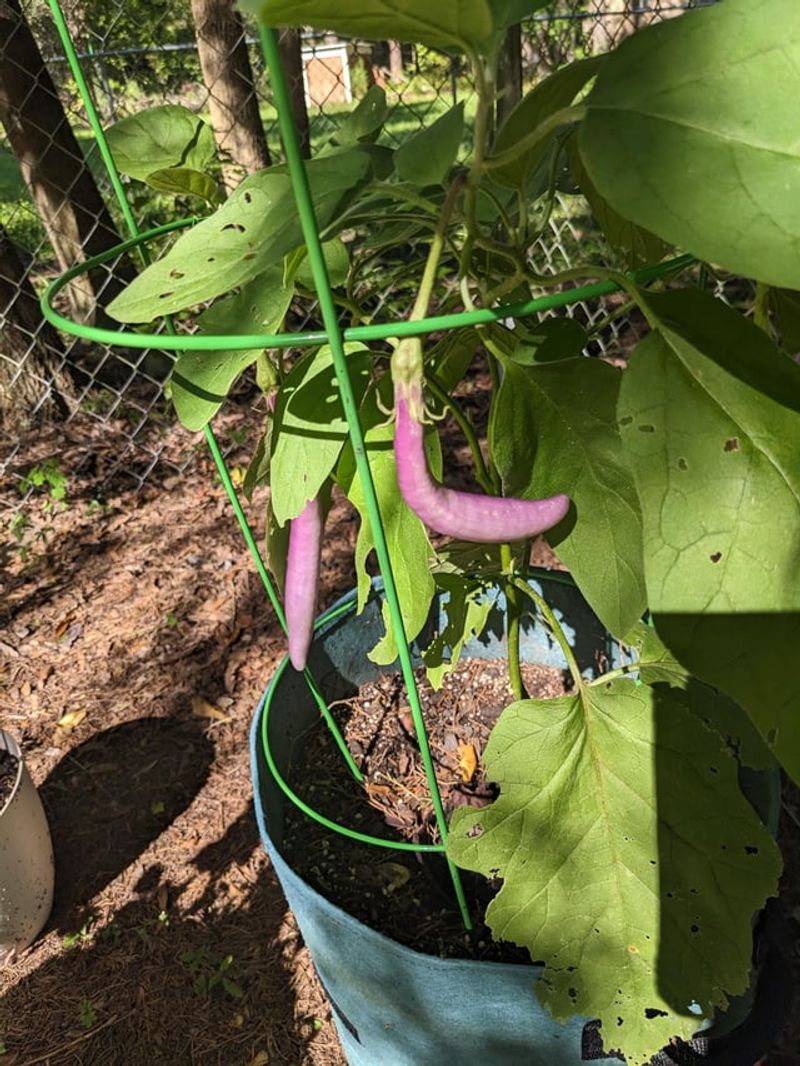
Eggplant thrives in California’s warm climate but benefits greatly from strategic companion planting.
Bush beans planted near eggplant fix nitrogen in the soil, providing this heavy feeder with essential nutrients.
The beans also provide light shade for eggplant roots during the hottest part of California summer days.
Tarragon is an excellent eggplant companion that repels flea beetles, one of the most common eggplant pests.
These tiny jumping beetles can quickly riddle eggplant leaves with holes, but tarragon’s anise scent keeps them away.
Tarragon also attracts beneficial insects that prey on aphids and spider mites.
Both bush beans and tarragon have similar water requirements to eggplant, simplifying irrigation schedules.
The combination creates a diverse planting that confuses pests while supporting soil health.
Eggplants grown with these companions produce more fruit and experience fewer pest problems throughout the season.
California gardeners appreciate how this trio maximizes space while addressing multiple growing challenges.
The result is healthier eggplants and a more productive garden overall.
13. Sunflowers Strengthen With Cucumber And Lettuce Underplanting
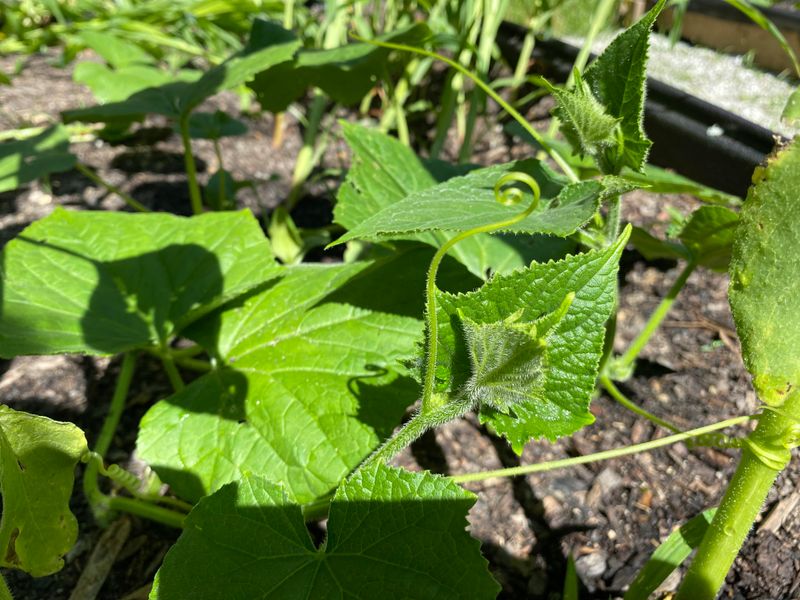
Sunflowers are California favorites that provide more than just cheerful blooms when planted strategically.
Their tall stalks create natural trellises for cucumber vines to climb, eliminating the need for additional supports.
Cucumbers benefit from the light shade provided by sunflower leaves during intense midday heat.
Sunflower roots also help break up compacted soil, making it easier for cucumber roots to spread.
Lettuce planted at the base of sunflowers enjoys cool shade that prevents bolting during warm California weather.
This underplanting strategy allows you to harvest three crops from the vertical space of one.
Sunflowers attract pollinators that also visit cucumber flowers, improving fruit set.
The deep taproots of sunflowers bring up nutrients from lower soil layers, benefiting shallow-rooted lettuce and cucumbers.
As sunflowers mature, their seeds provide food for birds that also eat garden pests.
This vertical companion planting maximizes space in small California gardens while creating a diverse ecosystem.
The combination demonstrates how thoughtful plant partnerships can increase productivity while supporting beneficial wildlife.