California Yards Are Seeing More Tiny Red Bugs And This Is A Reason
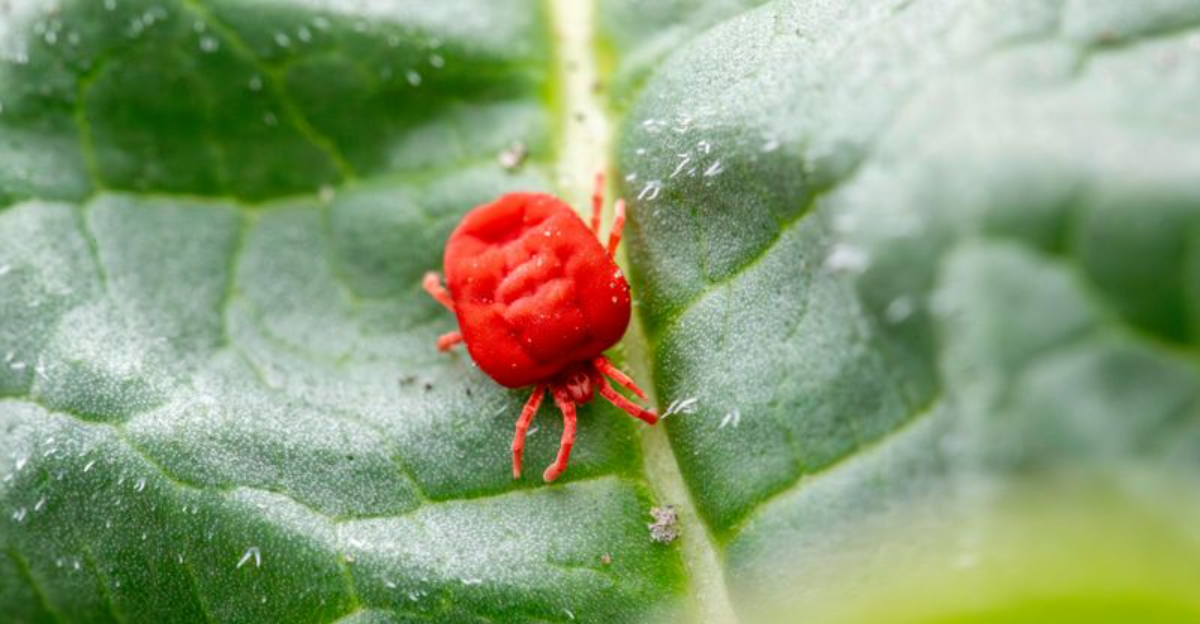
California yards are seeing more tiny red clover mites, and many homeowners are suddenly noticing them in spots that never drew attention before.
These bright red specks tend to appear along patios, foundation walls, walkways, and garden edges, often catching the eye because of their color and movement.
They are easy to overlook at first.
What feels like a sudden invasion is usually connected to subtle changes happening across the yard and surrounding environment. Milder winters, longer warm periods, and shifting seasonal patterns across California have created conditions where clover mites can multiply more easily.
Well-maintained lawns and lush growth near homes provide the moisture and shelter that allow populations to build quietly.
Sunny areas where surfaces warm up quickly during the day tend to attract clusters. Clover mites do not bite.
Even so, seeing clusters of tiny red mites moving together can make homeowners uneasy and unsure if something is wrong.
There is a clear and practical reason why clover mites are showing up more often in California yards right now.
1. What Clover Mites Actually Are
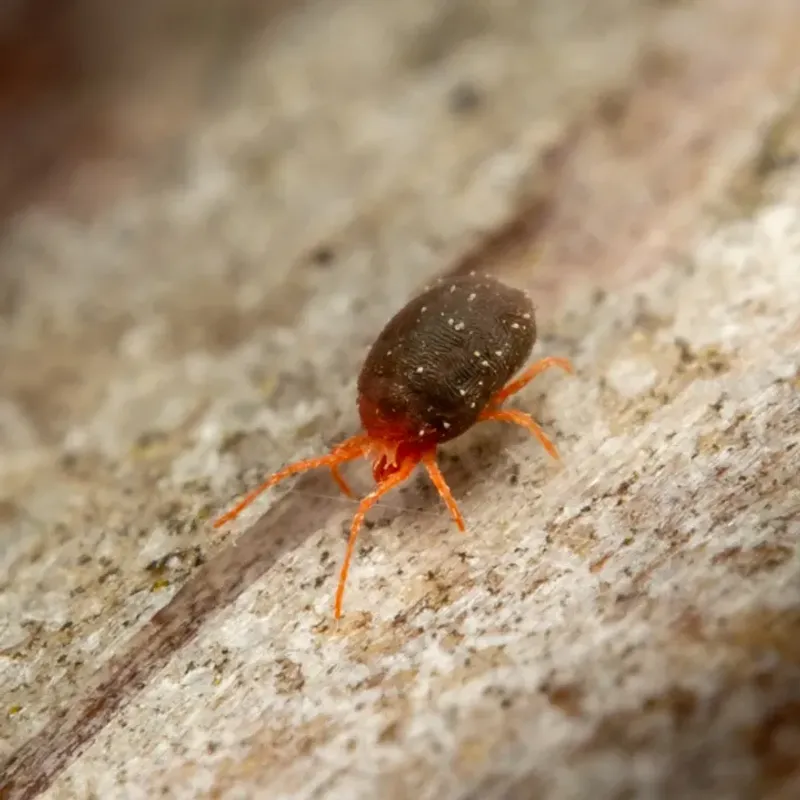
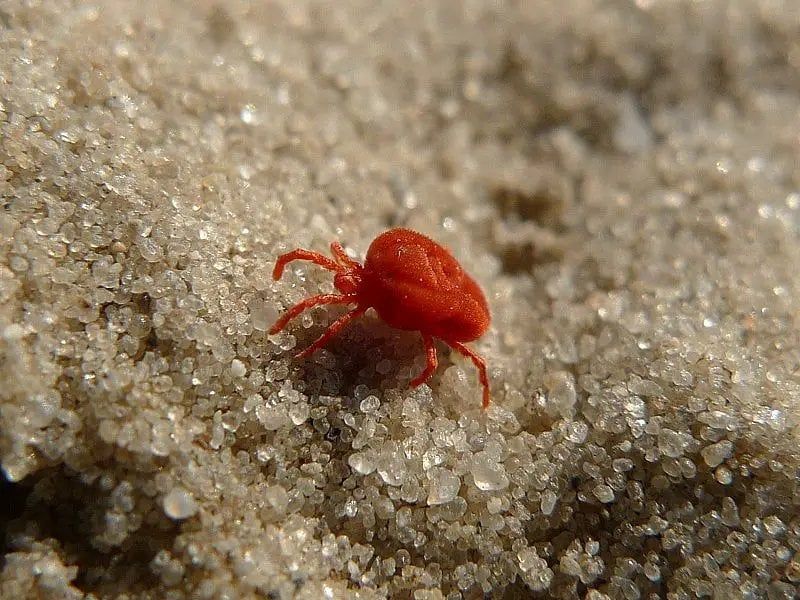
Clover mites belong to the arachnid family, which makes them relatives of spiders and ticks rather than insects.
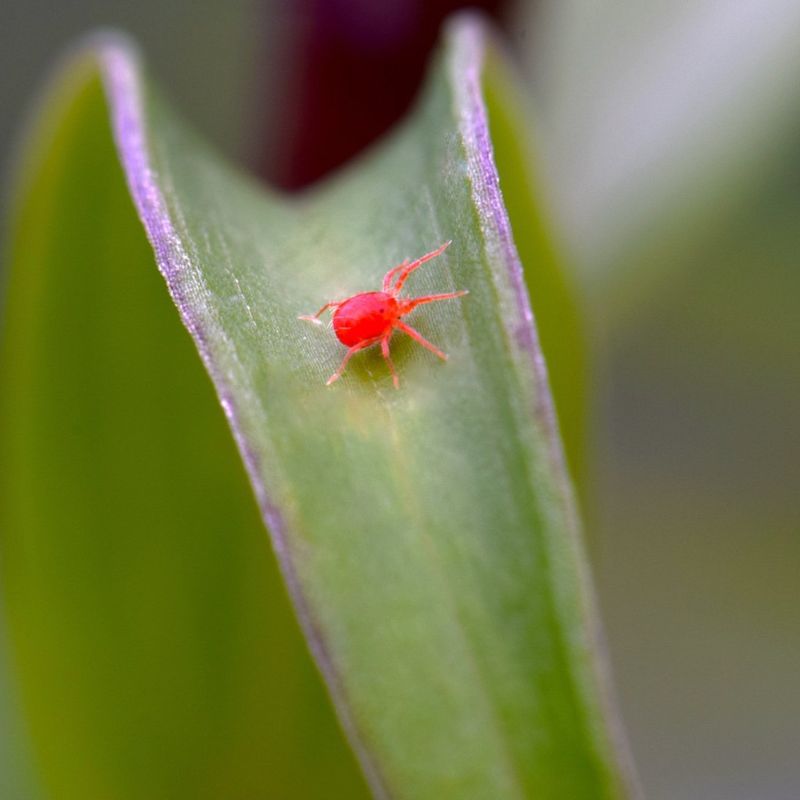
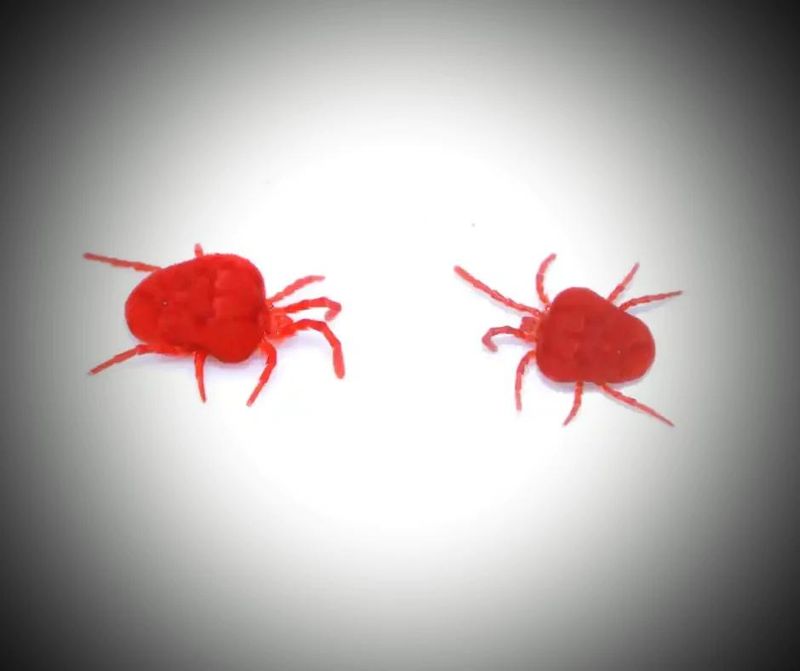
Measuring less than a pinhead, these microscopic creatures sport a distinctive reddish-brown color that stands out against light-colored surfaces.
California residents often mistake them for baby spiders or tiny beetles at first glance.
Their front legs extend unusually long compared to their other limbs, giving them an odd appearance when viewed up close.
Most people never get that close, though, since each mite is barely visible to the naked eye. Homeowners across California typically notice them only when hundreds gather together on sunny walls or windowsills.
Unlike ticks or other arachnids that bite, clover mites feed exclusively on plant material. They use their piercing mouthparts to suck nutrients from grass, clover, and other vegetation.
This plant-based diet means they pose zero health risk to humans or animals.
When crushed, they leave behind a reddish stain that many California homeowners find frustrating. That red smear comes from their body pigments, not blood.
Understanding their true nature helps reduce unnecessary worry about these harmless yard visitors.
Their presence is mostly a nuisance.
Seeing large clusters can be unsettling at first, especially when they suddenly appear on walls, patios, or window frames.
Once homeowners understand what clover mites are and how they behave, the situation usually becomes far less alarming and easier to deal with calmly.
2. Why California Is Seeing More Right Now
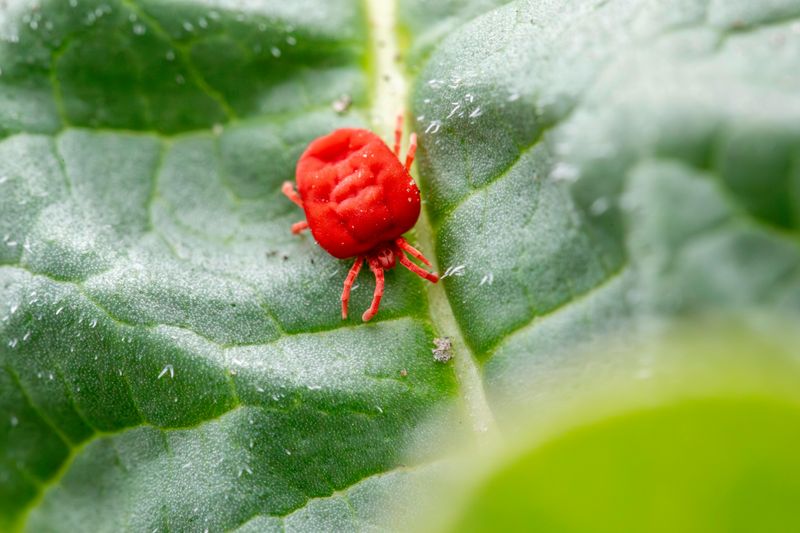
Spring temperatures trigger clover mite activity throughout California, and recent weather patterns have created perfect conditions for population booms. Mild winters followed by warm, sunny days encourage these creatures to emerge from dormancy and start feeding aggressively.
The state’s Mediterranean climate provides ideal breeding grounds year after year.
Moisture levels play a crucial role in their reproduction cycles.
California’s recent rain patterns, alternating between wet and dry periods, have created lush vegetation that clover mites adore. Well-watered lawns and gardens become all-you-can-eat buffets for these tiny arachnids.
Urban landscaping practices across California neighborhoods have inadvertently made yards more attractive to clover mites.
Dense ground covers, thick lawns, and decorative plants close to building foundations provide both food and shelter. These modern landscaping trends create highways that lead mites directly toward homes.
Climate shifts have extended their active season beyond traditional spring months.
Warmer autumns and milder winters mean California residents now encounter clover mites during multiple seasons rather than just one predictable period.
Population numbers have naturally increased as their breeding windows have expanded throughout the year.
Timing plays a big role.
When food sources stay abundant and temperatures remain steady, clover mite numbers rise faster than most homeowners expect.
That combination explains why sudden appearances often feel overwhelming even though the conditions built up quietly over weeks or months.
These spikes often catch California homeowners off guard because clover mites remain unnoticed until numbers suddenly explode.
By the time they become visible, favorable conditions have already been in place for quite a while.
3. They’re Completely Harmless Despite Their Appearance
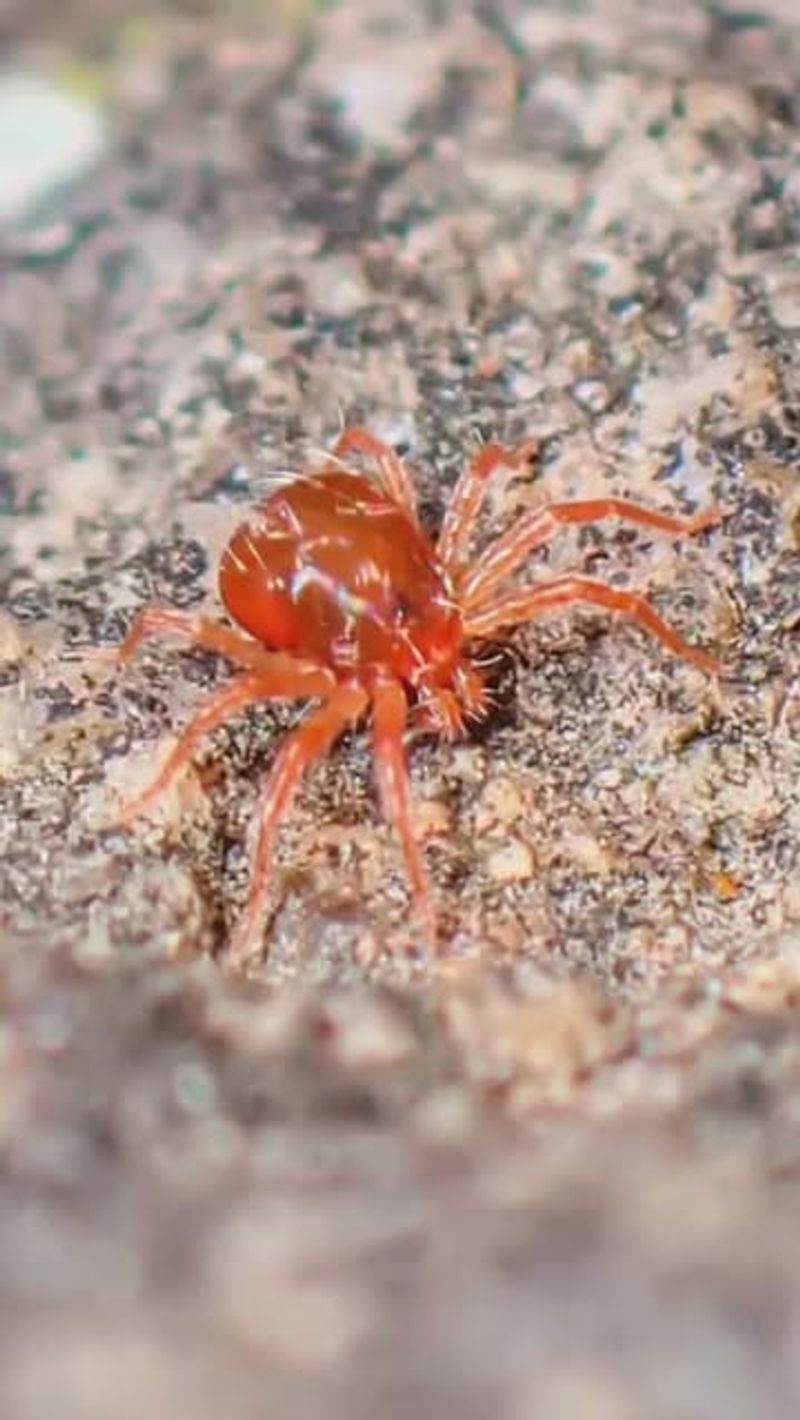
Many California homeowners panic when they first spot hundreds of tiny red dots moving across their exterior walls.
That initial alarm quickly fades once people learn these creatures cannot bite, sting, or transmit diseases. Medical professionals confirm that clover mites pose absolutely no health threats to humans or pets.
Unlike bed bugs or fleas, clover mites have no interest in blood meals.
Their specialized mouthparts work only on plant tissues, making it physically impossible for them to feed on anything else.
California families with young children and pets can relax knowing these visitors won’t cause any harm.
The biggest annoyance they create comes from their sheer numbers and the stains they leave behind.
When accidentally crushed against walls, siding, or window frames, their reddish body fluids create marks that require cleaning.
These stains wash off easily with soap and water, though.
Property damage concerns are equally unfounded since clover mites don’t chew wood, fabric, or stored foods.
They won’t infest pantries or damage building materials like termites or carpenter ants. California homeowners dealing with clover mites face only a cosmetic nuisance, not a structural threat to their homes.
The concern is understandable.
Seeing large numbers all at once can look serious, even when the issue is mostly visual rather than harmful.
Once that distinction becomes clear, most homeowners shift their focus from fear to simple cleanup and prevention instead of worry.
Understanding what clover mites can and cannot do helps California homeowners respond calmly instead of reacting out of fear.
With the facts in mind, the situation feels far more manageable and much less alarming.
4. Where You’ll Find Them Around Your Property

Sunny south-facing walls attract clover mites like magnets throughout California neighborhoods. These heat-loving creatures seek out warm surfaces during cool mornings and position themselves where sunshine hits first.
Homeowners often spot massive congregations on these bright exterior walls during peak activity hours.
Window frames and door thresholds become common gathering spots as mites search for entry points. They don’t intentionally invade homes but wander inside through tiny cracks and gaps.
California residents frequently discover them on windowsills inside their houses, seemingly appearing from nowhere.
Foundation plantings create perfect habitats right next to building exteriors.
Thick ground covers, ivy, and decorative grasses growing against house foundations provide food sources mere inches from entry points.
This proximity explains why California yards with lush landscaping near walls experience higher indoor sightings.
Concrete patios, driveways, and sidewalks also host large numbers during warm afternoons. The heat radiating from these surfaces appeals to their temperature preferences.
California homeowners relaxing on outdoor furniture sometimes notice these tiny red specks dotting nearby pavement and climbing up chair legs seeking warmth and vegetation.
Location matters.
When warmth, vegetation, and small gaps line up near exterior walls, clover mites naturally concentrate in those areas.
Recognizing these patterns helps explain why sightings often cluster around the same spots instead of appearing randomly.
Reducing vegetation directly against exterior walls can significantly lower how often clover mites gather near entry points.
Simple spacing changes around California homes disrupt their preferred pathways and make wall surfaces less inviting.
5. Simple Prevention Methods That Actually Work
Creating a vegetation-free zone around your home’s foundation dramatically reduces clover mite problems across California properties.
Removing grass, ground covers, and dense plantings within an 18-24 inch perimeter eliminates their food source near entry points. Replacing that vegetation with gravel or decorative rock creates an effective barrier.
Sealing cracks and gaps in your home’s exterior keeps wandering mites outside where they belong.
California homeowners should inspect around windows, doors, utility penetrations, and foundation joints for openings.
Quality caulk and weatherstripping provide simple solutions that also improve energy efficiency.
Reducing irrigation near building foundations helps discourage mite populations from establishing nearby. Overwatered lawns and gardens create the moist, lush conditions these creatures love.
California residents can adjust sprinkler systems to avoid excessive moisture against house walls while still maintaining healthy landscapes.
Trimming back vegetation that touches exterior walls removes physical pathways mites use to reach buildings.
Shrubs, tree branches, and vines should maintain at least a foot of clearance from siding and windows.
This spacing strategy works throughout California regardless of specific plant types or architectural styles used in local neighborhoods.
The difference shows quickly.
Homes with clear space around foundations tend to see far fewer mites drifting toward walls and windows.
Over time, these adjustments turn clover mites from a recurring frustration into something most homeowners barely notice anymore.
6. How to Handle Them If They Get Inside
Vacuuming provides the safest and most effective removal method for clover mites that wander indoors. California homeowners should use the hose attachment to gently suction them from windowsills, walls, and other surfaces.
This approach avoids the crushing and staining that happens when people try wiping them away.
Immediately disposing of vacuum bags or emptying canisters outside prevents mites from crawling back out.
Some persistent individuals might survive the vacuuming process and attempt to escape. Taking the vacuum contents directly to outdoor trash bins ensures they stay removed from your California home.
Avoid squashing them against surfaces since their reddish body fluids create stubborn stains.
If accidental crushing occurs, clean the area promptly with mild soap and warm water. California residents have found that gentle dabbing works better than aggressive scrubbing, which can spread the pigment into porous surfaces.
Chemical sprays aren’t necessary or recommended for indoor clover mite control. These creatures don’t establish breeding populations inside homes, so the ones that enter will naturally perish without reproducing.
California families can handle occasional indoor visitors using simple mechanical removal without resorting to pesticides or harsh treatments.
This keeps cleanup simple.
Handling indoor sightings calmly prevents stains, damage, and unnecessary chemical exposure inside the home.
Once removal becomes routine, clover mites stop feeling like a problem and start feeling like a minor inconvenience.
Staying consistent with vacuuming and sealing entry points reduces repeat sightings over time.
Most California households notice indoor clover mite activity drop quickly once these simple habits become routine.
7. Their Life Cycle Explains Seasonal Patterns
Female clover mites lay eggs in dry, protected locations around California yards during favorable conditions.
These eggs can remain dormant for weeks or months, waiting for ideal temperature and moisture levels.
Cracks in concrete, tree bark crevices, and gaps in building materials serve as common egg-laying sites.
When conditions align perfectly, thousands of eggs hatch simultaneously, creating the sudden population explosions homeowners notice.
California’s spring and fall seasons typically trigger these mass emergencies as temperatures moderate and moisture increases.
The synchronized hatching explains why mites seem to appear overnight in overwhelming numbers.
Newly hatched mites immediately begin feeding on nearby vegetation, growing rapidly during their brief lives. Each generation develops quickly, potentially producing multiple cycles within a single favorable season.
California’s extended warm periods allow for more reproductive cycles compared to colder climate regions.
Adult mites live only a few weeks but can lay hundreds of eggs during that time.
This reproductive efficiency creates exponential population growth when environmental conditions remain favorable.
Understanding these cycles helps California residents anticipate when mite activity will peak and when populations will naturally decline as weather patterns shift.
The surge isn’t random.
Once egg sites are established around a yard, favorable weather can trigger rapid hatching before homeowners realize anything has changed.
That timing explains why clover mite problems often rise sharply and then fade just as quickly when conditions shift again.
8. When to Worry and When to Relax

Seeing hundreds or even thousands of clover mites doesn’t indicate a serious problem requiring professional intervention.
California homeowners can handle typical seasonal appearances using the simple prevention and removal methods already discussed.
These population spikes naturally decline as weather conditions change and food sources diminish.
Persistent year-round infestations might suggest underlying moisture issues that need attention beyond just mite management.
Excessive irrigation, drainage problems, or water leaks create continuously favorable conditions. California residents experiencing constant mite activity should evaluate their property’s water management and landscaping practices.
Indoor sightings of more than just occasional wanderers could indicate gaps in your home’s exterior envelope.
While a few mites finding their way inside is normal, regular indoor invasions suggest sealing problems. California building codes require proper weatherproofing, but older homes may need updates to modern standards.
Remember that clover mites cannot reproduce indoors and will naturally perish without outdoor vegetation.
Any mites inside your California home represent temporary visitors rather than an established infestation.
Relaxing about their presence while implementing basic prevention measures provides the balanced approach most situations require.
Seasonal spikes are temporary.
Addressing moisture, sealing entry points, and adjusting landscaping usually reduces activity without additional steps.
Once conditions change, clover mite numbers drop naturally and indoor sightings stop on their own.
Most California homeowners find that patience combined with small adjustments resolves the issue without stress.
Understanding the seasonal nature of clover mites makes these brief surges much easier to tolerate.