Can Lavender And Rosemary Really Grow Together? 12 Tips That Help Them Thrive In California Gardens
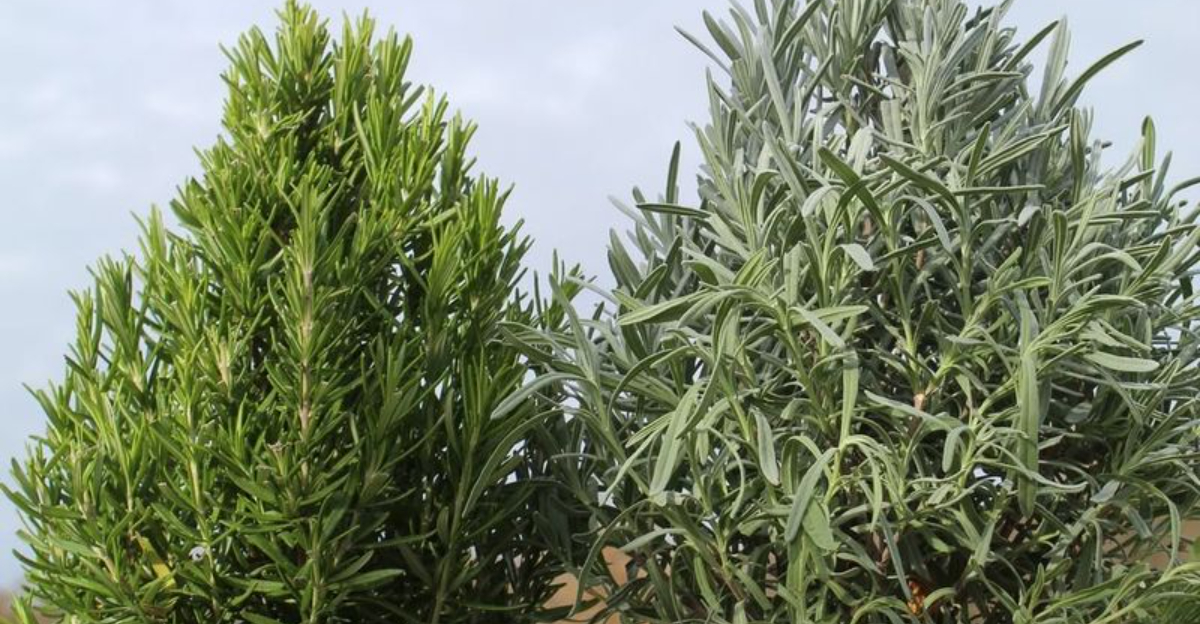
Lavender and rosemary are a classic garden pairing—but can they really thrive side by side in California’s sun-soaked landscapes?
Both love full sun, well-drained soil, and a Mediterranean climate, but getting them to coexist happily isn’t just about dropping them in the ground.
Done right, this duo can transform any garden with fragrance, texture, and year-round charm.
Lavender and rosemary together? Yes—but only if you know their secrets.
These 12 tips show California gardeners how to balance water, soil, pruning, and spacing so both plants flourish without competing.
From container arrangements to garden beds, the right techniques keep leaves vibrant, flowers abundant, and aromas filling the air.
Neglect one, and you risk stunted growth or faded blooms—but with smart care, your garden can become a sensory paradise.
Pairing herbs isn’t just planting—it’s strategy for long-lasting beauty.
For California gardeners craving a low-maintenance yet stunning garden, this guide ensures lavender and rosemary thrive together, providing culinary, aesthetic, and aromatic rewards.
Because when done right, this herbal duo isn’t just surviving—it’s stealing the show.
1. Yes, Lavender And Rosemary Have Similar Growing Needs
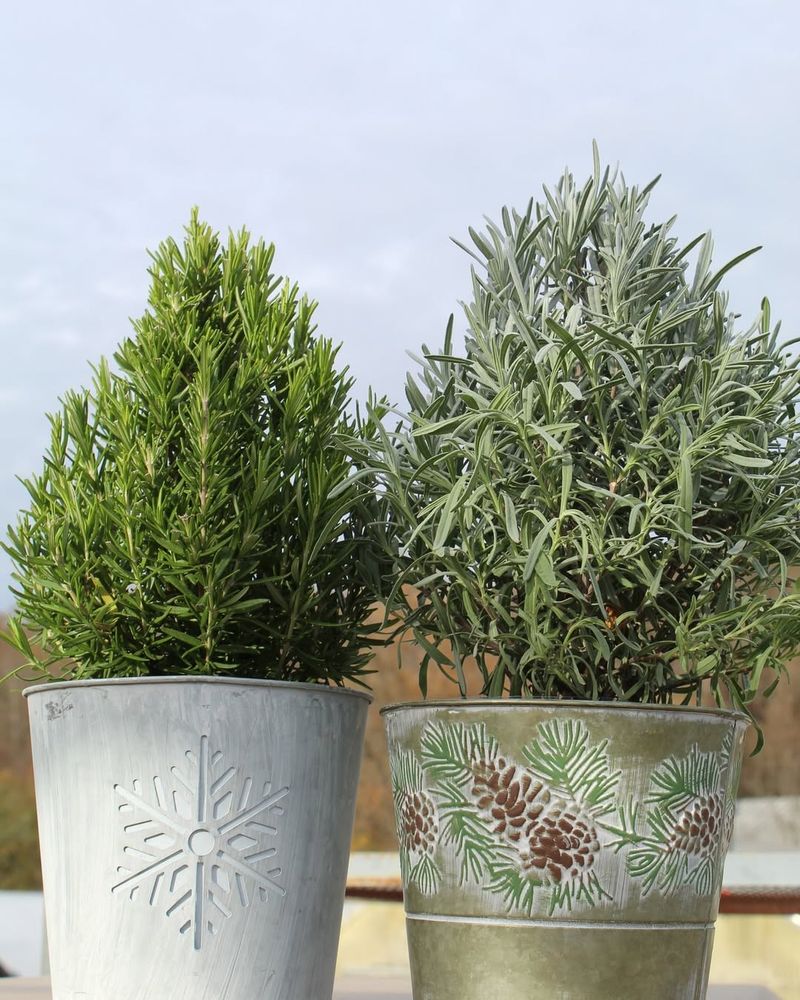
Pairing lavender and rosemary in your California garden makes perfect sense when you understand their shared Mediterranean heritage.
Both plants evolved in rocky, sun-drenched hillsides where water is scarce and soil stays lean and fast-draining.
This common background means they appreciate the same growing conditions that California climates naturally provide.
Lavender and rosemary both crave full sunshine, minimal water once established, and soil that never stays soggy.
They thrive in alkaline to neutral pH ranges and prefer nutrient-poor environments over rich, heavily fertilized beds.
California gardeners benefit enormously from this compatibility because our dry summers and mild winters mirror the Mediterranean climate these herbs call home.
When you plant them together, you eliminate the guesswork of mixing plants with conflicting needs.
No more worrying about overwatering one while underwatering another.
Both herbs resist most pests and diseases common in California gardens, and neither requires frequent feeding or fussy maintenance.
Their aromatic foliage even helps deter certain garden pests naturally.
Understanding this fundamental compatibility sets the foundation for a successful herb garden that practically takes care of itself once established.
When you respect their shared preferences, both plants reward you with vigorous growth, intense fragrance, and years of beauty.
2. Choose Varieties Suited To Your California Region
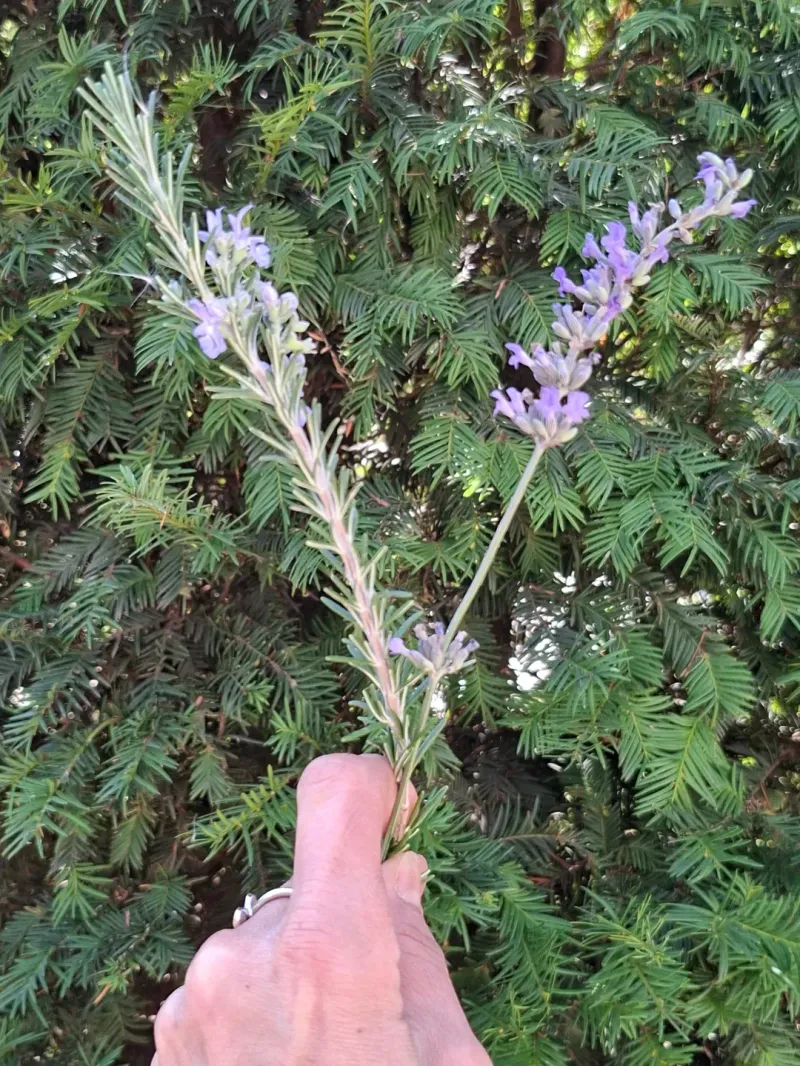
California spans multiple climate zones, from foggy coastal areas to scorching inland valleys and temperate Southern California regions.
Selecting lavender and rosemary varieties suited to your specific microclimate dramatically improves your success rate.
English lavender varieties like ‘Hidcote’ and ‘Munstead’ perform beautifully in cooler coastal regions where summer heat stays moderate.
Spanish and French lavender types tolerate higher humidity levels better than their English cousins.
For hot inland valleys and Southern California gardens, Spanish lavender and lavandin hybrids handle intense heat without wilting or losing vigor.
Rosemary varieties like ‘Tuscan Blue’ and ‘Arp’ show excellent heat tolerance and thrive in warmer zones.
Coastal gardeners should seek varieties that resist fungal issues common in areas with morning fog and higher moisture levels.
‘Irene’ rosemary and certain lavandin types handle coastal conditions particularly well.
Visiting local nurseries and asking experienced staff about regional performance helps you avoid varieties that struggle in your specific area.
Native plant gardens and botanical centers often showcase which varieties flourish in your exact zone.
Matching your plant selection to your regional climate prevents frustration and ensures both herbs reach their full potential in your garden space.
3. Full Sun Is Non-Negotiable For Both Plants
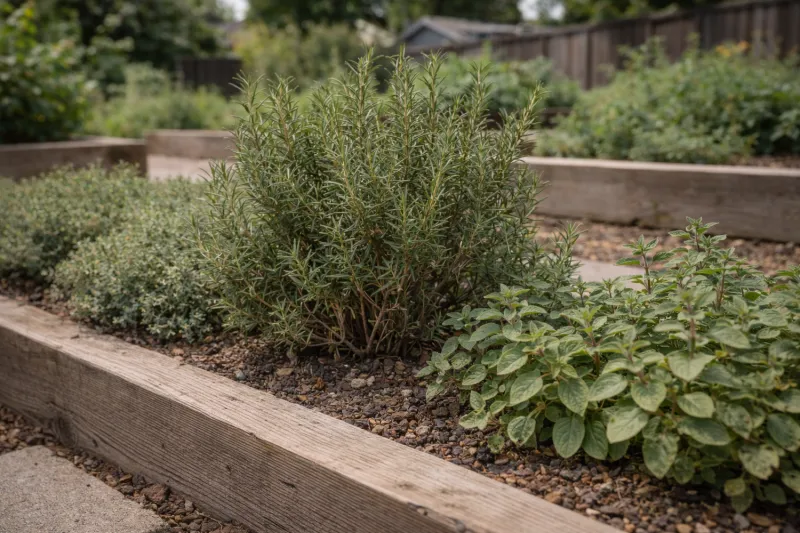
Sunlight fuels everything these Mediterranean herbs do, from producing essential oils to developing compact, bushy growth habits.
Both lavender and rosemary require a minimum of six to eight hours of direct, unfiltered sunlight daily to truly thrive.
Anything less results in leggy, weak growth with sparse foliage and diminished fragrance.
California gardeners enjoy abundant sunshine most of the year, making this requirement easy to meet in properly positioned planting areas.
When lavender receives insufficient light, its flower production drops dramatically and stems stretch toward available sun, creating an unattractive, floppy appearance.
Rosemary grown in shade develops thin branches with pale leaves and loses the robust flavor that makes it valuable in cooking.
Both plants also produce fewer aromatic oils in low-light conditions, reducing their signature scents significantly.
Choose planting locations away from structures, fences, or trees that cast shadows during peak sun hours.
South-facing spots typically receive the most consistent sunlight throughout the day.
Even in hot inland areas, these herbs handle full sun better than partial shade.
Their natural adaptations include silvery, reflective foliage that protects them from intense rays.
Prioritizing sun exposure ensures vigorous plants with maximum fragrance, flavor, and visual appeal throughout every season.
4. Excellent Drainage Is The Biggest Success Factor
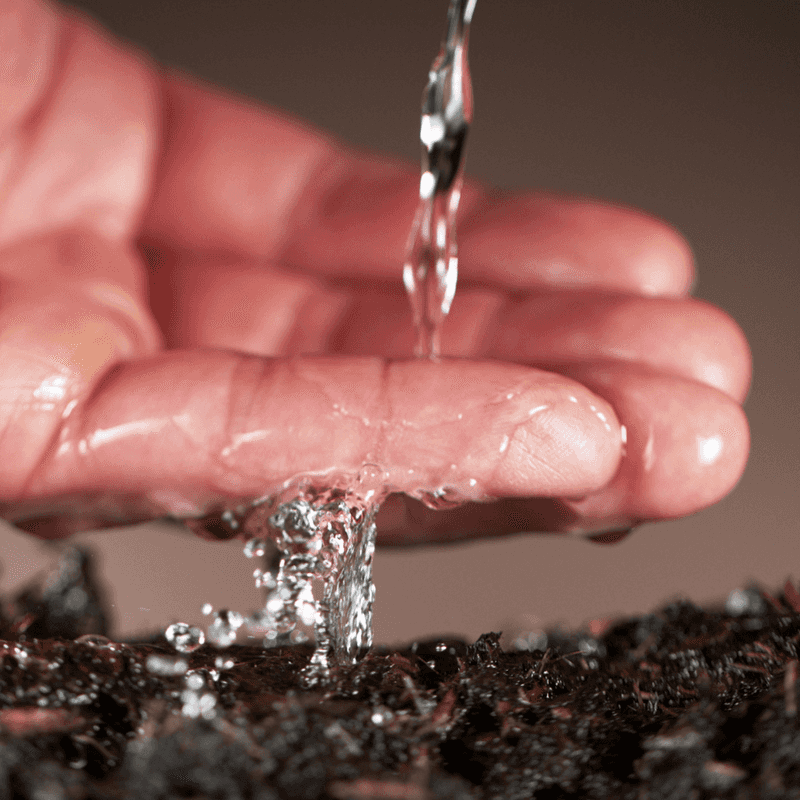
Poor drainage causes more lavender and rosemary failures in California gardens than any other single factor.
These plants evolved in gravelly, fast-draining soils where water moves through quickly and roots never sit in moisture.
Clay-heavy California soils that hold water create conditions where root rot develops rapidly, especially during winter rains.
Lavender proves particularly sensitive to waterlogged roots and often declines within weeks of exposure to soggy conditions.
Rosemary tolerates slightly more moisture but still suffers when drainage remains inadequate.
Testing your soil’s drainage is simple: dig a hole about twelve inches deep, fill it with water, and observe how quickly it drains.
If water remains after four hours, your drainage needs improvement before planting.
Amending heavy soil with coarse sand, pumice, or perlite improves drainage significantly.
Raised beds offer the best solution for challenging soil situations because they provide complete control over soil composition.
Building beds eight to twelve inches high with a sandy, gritty mix ensures water drains freely away from roots.
Mounding soil into gentle berms also works well in flat areas prone to water pooling.
Prioritizing drainage from the start prevents heartbreak later and creates the foundation for healthy, long-lived plants that flourish for years.
5. Avoid Rich Or Heavily Amended Soil
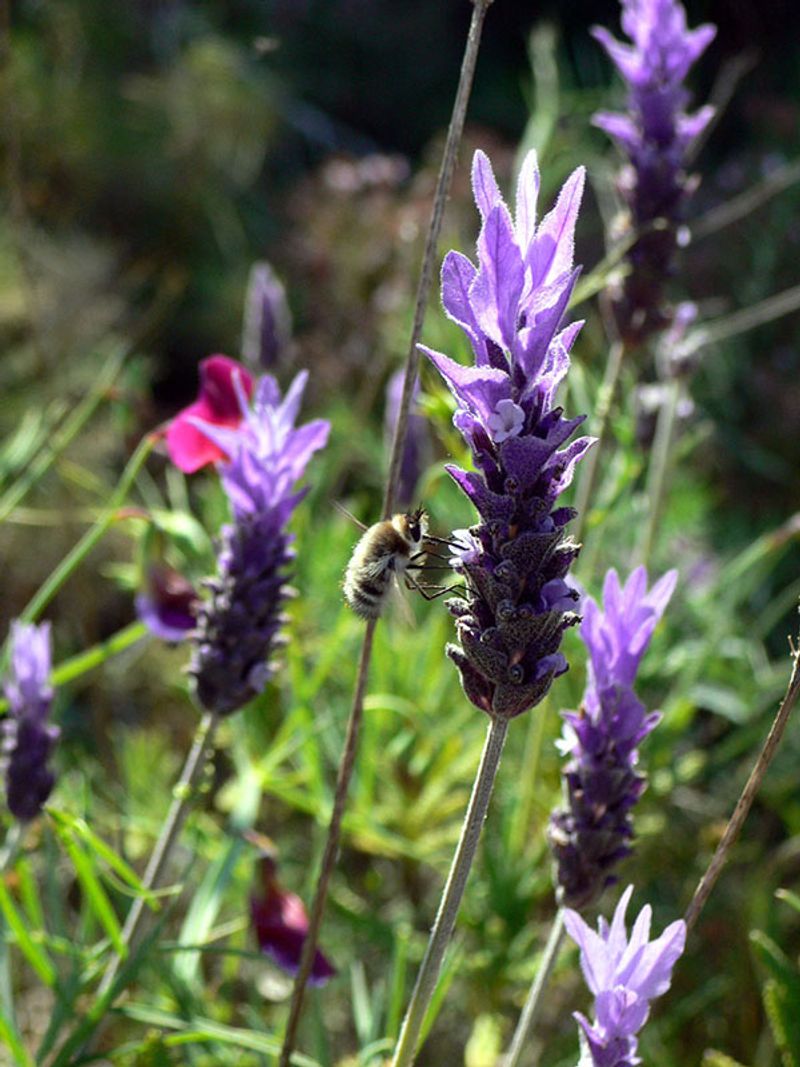
California gardeners often assume plants need rich, fertile soil loaded with compost and nutrients to thrive.
Lavender and rosemary completely contradict this assumption because they actually prefer lean, nutrient-poor growing conditions.
Their native Mediterranean habitats feature rocky, sandy soils with minimal organic matter.
When planted in overly rich soil, both herbs produce excessive soft, lush growth that looks impressive initially but lacks structural strength.
This weak growth flops over easily, attracts more pests, and produces fewer aromatic oils.
The plants also become more susceptible to fungal diseases because dense foliage traps moisture.
Lavender grown in rich soil often develops root rot even with adequate drainage because excess nitrogen encourages tender growth that roots struggle to support.
Rosemary becomes leggy and loses its compact, shrubby form when overfed.
Instead of amending planting areas with compost, mix in coarse sand, fine gravel, or decomposed granite.
These materials improve drainage without adding nutrients.
A ratio of one part sand or gravel to two parts native soil works well for most California gardens.
Embracing lean soil conditions produces stronger plants with better fragrance, more concentrated flavors, and improved resistance to environmental stresses throughout their lifespan.
6. Water Deeply—But Infrequently
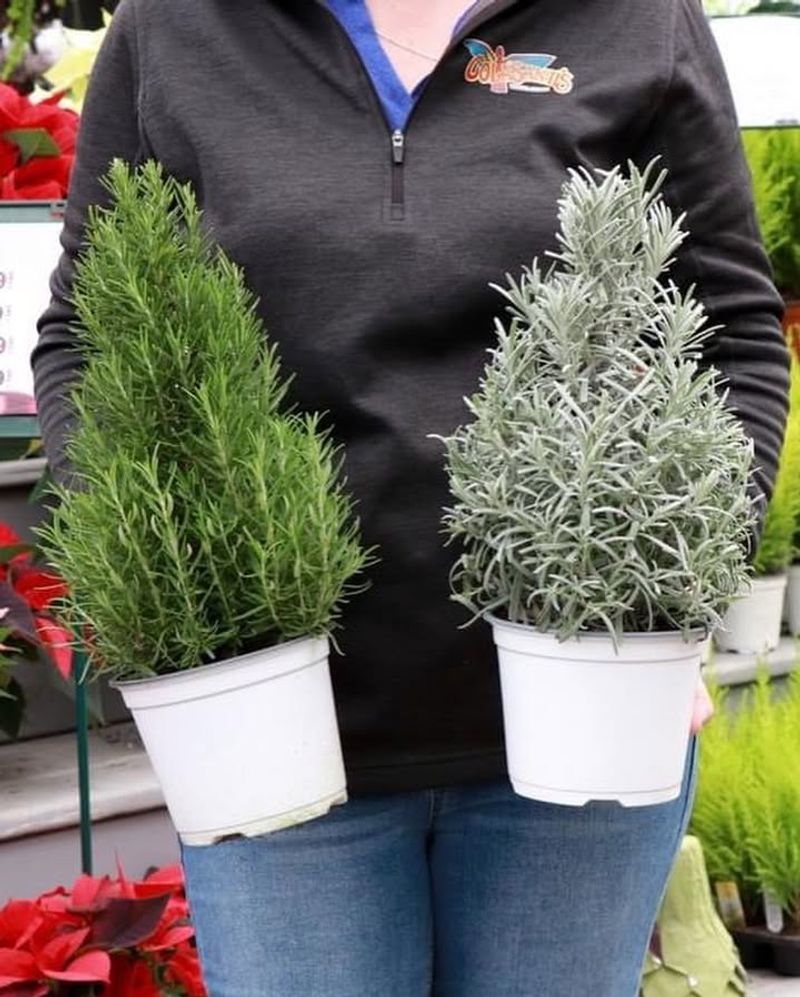
Watering mistakes rank among the most common reasons lavender and rosemary struggle in California gardens.
Many gardeners apply frequent, shallow watering that keeps surface soil moist but never encourages deep root development.
Both herbs need exactly the opposite approach: deep, infrequent watering that mimics their natural rainfall patterns.
Once established after the first growing season, mature plants typically require water only every two to three weeks during summer.
Coastal areas with fog may need even less frequent irrigation.
When you do water, apply enough to penetrate eight to twelve inches deep, encouraging roots to grow downward seeking moisture.
This creates drought-resistant plants with extensive root systems.
Checking soil moisture before watering prevents overwatering accidents.
Push your finger several inches into the soil near the plant base; if it feels dry at depth, watering time has arrived.
Drip irrigation systems work exceptionally well because they deliver water slowly and deeply without wetting foliage.
Avoid overhead sprinklers that splash water on leaves, creating conditions favorable for fungal problems.
During California’s rainy season, established plants often need zero supplemental water.
Learning to water less frequently feels counterintuitive but produces healthier, more resilient herbs that truly thrive in our climate.
7. Give Each Plant Enough Space To Breathe
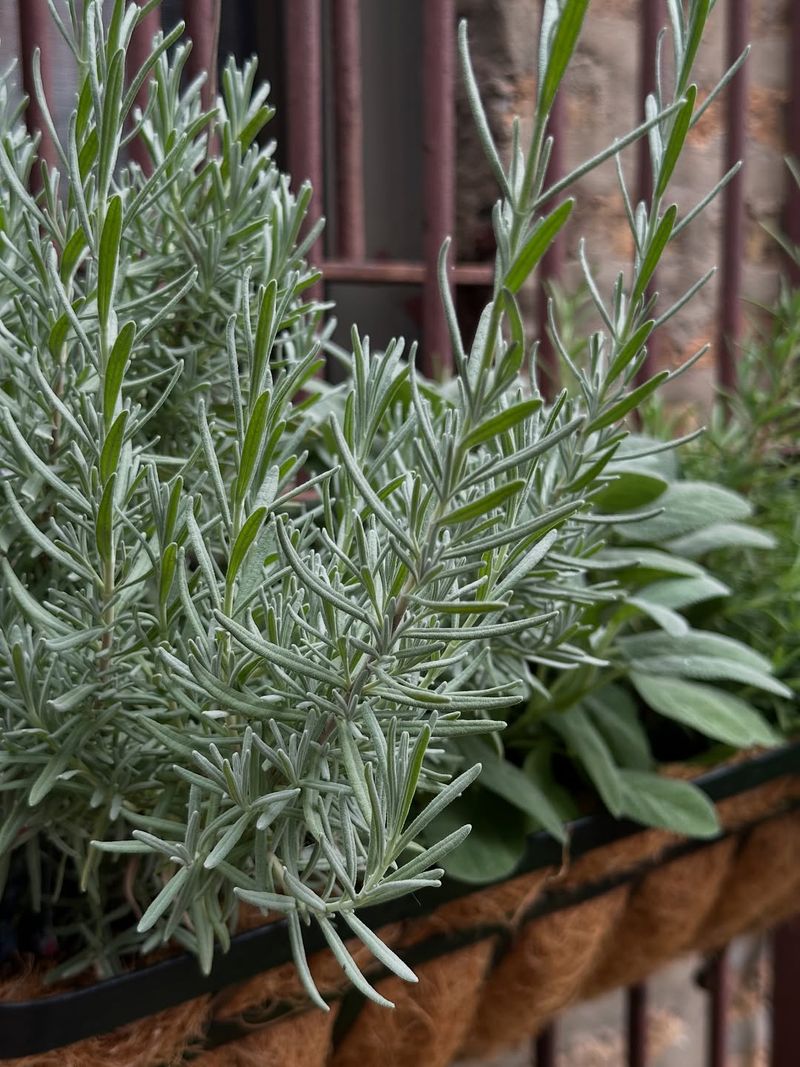
Cramming plants together creates an attractive instant garden but causes serious problems as lavender and rosemary mature.
Both herbs need excellent airflow around their foliage to prevent moisture buildup that encourages fungal diseases.
Lavender proves especially sensitive to poor air circulation because its dense flower spikes trap humidity.
When plants crowd together, their lower branches receive inadequate light and air, creating conditions where powdery mildew and other fungal issues develop.
Space lavender plants at least eighteen to twenty-four inches apart, measuring from center to center.
Larger varieties may require even more room to reach their mature size without touching neighbors.
Rosemary needs similar spacing, though it tolerates slightly tighter quarters better than lavender.
Plan for mature plant sizes rather than how they look at planting time.
That tiny nursery pot will expand into a substantial shrub within two to three years.
Proper spacing also makes maintenance tasks like pruning and harvesting much easier.
You can access plants from multiple sides without trampling surrounding growth.
In California gardens where humidity stays low, generous spacing helps maintain the dry conditions these Mediterranean herbs prefer.
Resisting the temptation to overcrowd planting areas ensures healthier plants that live longer and look better throughout every season.
8. Match Mulch To Dry-Climate Needs
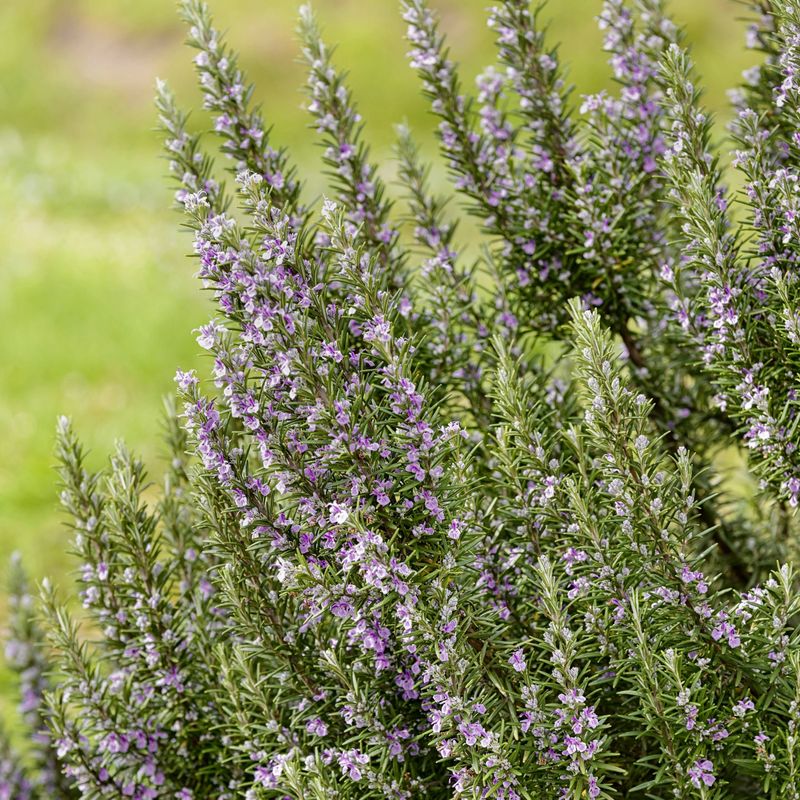
Mulching serves important functions in California gardens, but choosing the wrong material can harm lavender and rosemary rather than help them.
Organic mulches like bark chips, wood shavings, or compost hold moisture against plant stems and slowly decompose, adding nutrients these herbs don’t want.
These materials also create hiding places for pests and can encourage fungal growth in areas where foliage touches moist mulch.
Instead, select mineral mulches that complement dry-climate growing conditions.
Gravel, decomposed granite, small river rocks, or crushed stone work beautifully around both plants.
These inorganic materials reflect heat, suppress weeds, and prevent soil from splashing onto lower leaves during irrigation or rain.
They also maintain excellent drainage right at the soil surface where plant crowns meet the ground.
Apply mineral mulch in a layer two to three inches deep, keeping it pulled back slightly from direct contact with plant stems.
The neutral colors of stone mulches complement the silvery foliage of lavender and rosemary perfectly.
Mineral mulches never need replacement because they don’t break down, making them economical long-term choices.
They also help moderate soil temperature fluctuations during California’s occasional cold snaps.
Matching your mulch choice to these plants’ Mediterranean origins creates a cohesive, low-maintenance garden that looks intentional and professional.
9. Prune Each Plant Differently (They’re Not The Same)
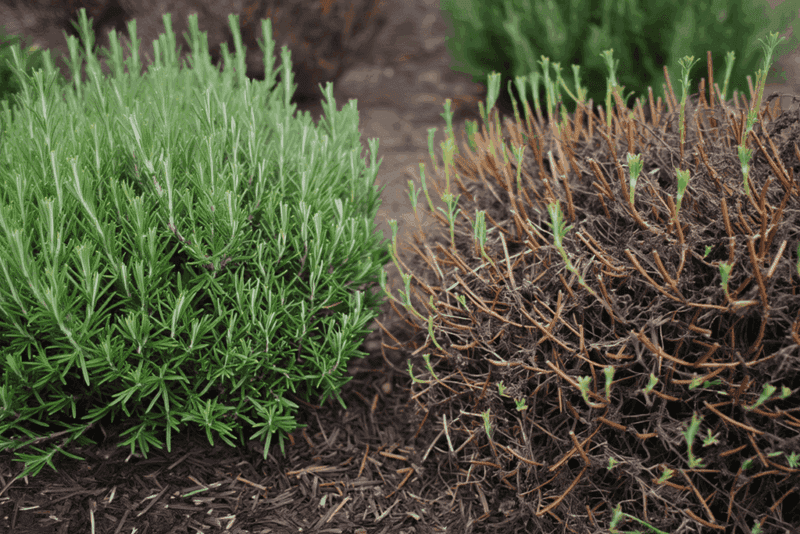
Although lavender and rosemary share many growing requirements, their pruning needs differ significantly.
Understanding these differences prevents accidental damage that shortens plant lifespan or ruins their attractive forms.
Lavender requires annual pruning immediately after flowering ends, typically in late summer or early fall in California gardens.
Cut back spent flower stalks and about one-third of the current season’s green growth, but never cut into old, woody stems.
Lavender cannot regenerate from bare wood, so pruning into brown stems creates permanent bare spots.
This annual shaping keeps plants compact and encourages fresh growth that produces abundant flowers the following season.
Rosemary tolerates more aggressive pruning and can regenerate from woody growth, though it prefers lighter, more frequent trimming.
Prune rosemary throughout the growing season, removing tips to encourage bushier growth and harvesting sprigs for kitchen use.
Avoid cutting more than one-third of the plant at once, and never prune rosemary during winter when growth slows.
Both plants benefit from removing damaged or crossing branches whenever you notice them.
Sharp, clean pruning tools make precise cuts that heal quickly.
Learning the specific needs of each herb ensures they maintain attractive shapes and continue producing fragrant foliage for many years in your California garden.
10. Watch For Humidity Problems In Coastal Areas
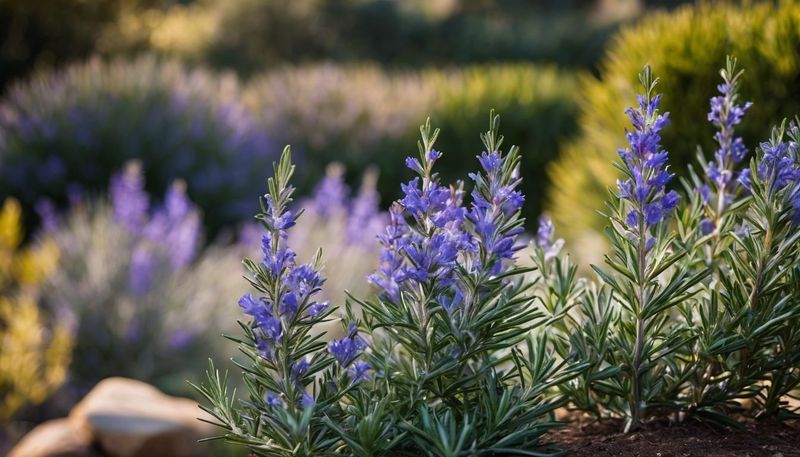
Coastal California gardeners enjoy mild temperatures year-round but face unique challenges with morning fog and higher humidity levels.
Lavender particularly struggles in consistently humid environments because its dense flower spikes and foliage trap moisture.
This creates ideal conditions for powdery mildew, botrytis, and other fungal diseases that rarely appear in drier inland gardens.
Rosemary handles coastal humidity somewhat better but still benefits from strategic placement and care adjustments.
Position both plants where they receive maximum sun exposure and benefit from prevailing breezes that dry foliage quickly after fog lifts.
Avoid planting in sheltered corners or against walls where air stagnates.
Elevated planting locations like slopes or raised beds help because cold, moist air settles in low spots.
Space plants more generously in coastal gardens to maximize airflow between them.
Choose lavender varieties bred for better humidity tolerance, such as lavandin types or certain Spanish lavenders.
Water only in the morning so foliage dries completely before cooler evening temperatures arrive.
Avoid wetting leaves when irrigating, focusing water at the soil level instead.
Monitor plants regularly for early signs of fungal problems like white powdery coating or gray fuzzy growth.
Catching issues early and improving airflow often resolves problems before they become serious in coastal California locations.
11. Containers Make Co-Growing Easier In Small Spaces
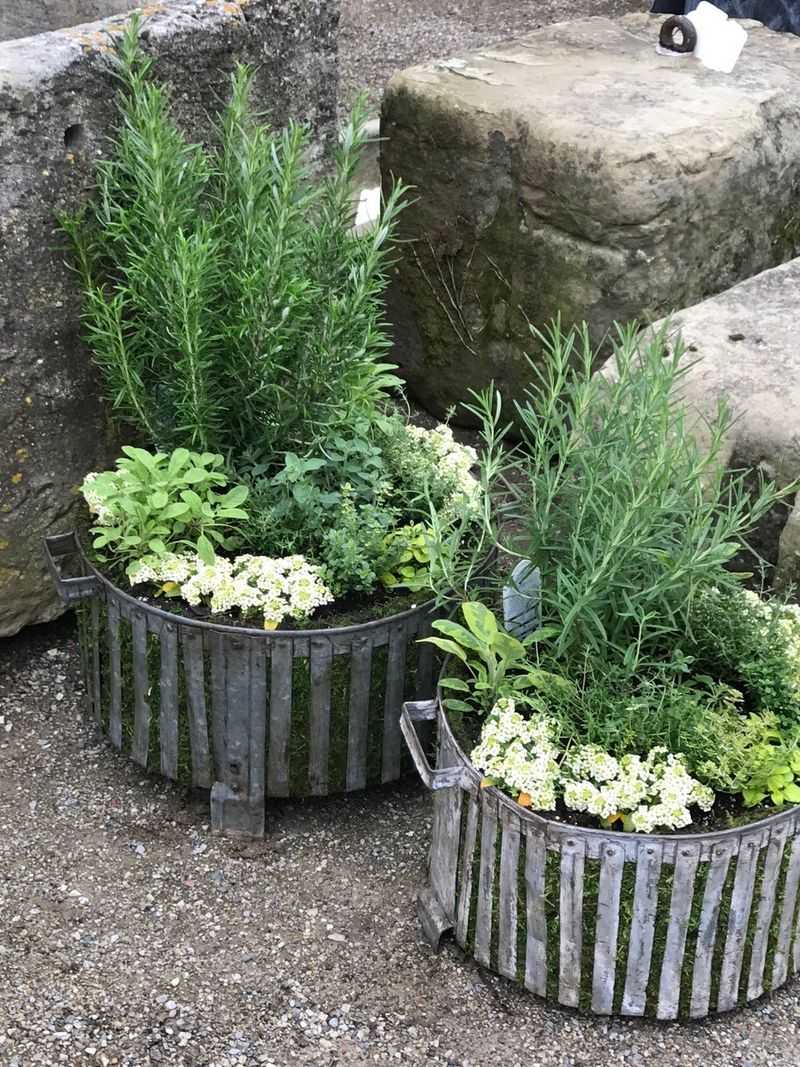
Container growing offers tremendous advantages for California gardeners dealing with challenging soil, limited space, or rental situations.
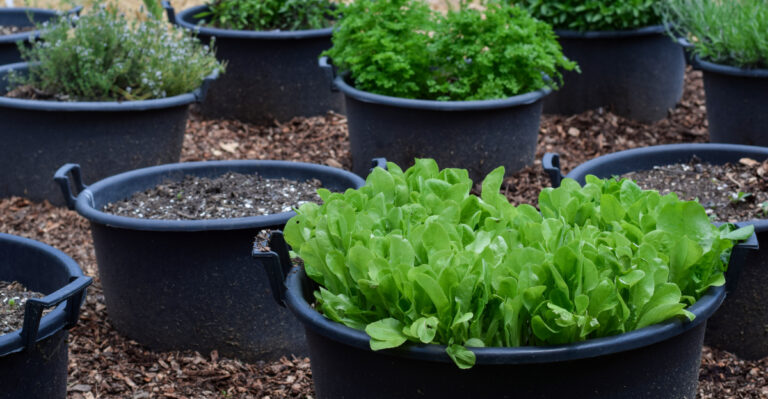
Growing lavender and rosemary in pots provides complete control over soil composition, drainage, and placement.
You can position containers in the sunniest spots and move them if needed to optimize growing conditions.
Choose containers at least twelve to sixteen inches in diameter and equally deep to accommodate mature root systems.
Terracotta pots work exceptionally well because their porous walls allow excess moisture to evaporate, preventing waterlogged roots.
Drainage holes are absolutely essential; without them, even perfect soil becomes waterlogged.
Fill containers with a specialized Mediterranean herb mix or create your own using equal parts potting soil, coarse sand, and perlite.
This lean, fast-draining mixture mimics their preferred growing conditions perfectly.
Container plants dry out faster than in-ground plantings, especially during hot California summers.
Check soil moisture more frequently, watering when the top two inches feel completely dry.
Even in containers, avoid keeping soil constantly moist.
Position pots where they receive six to eight hours of direct sun daily.
Grouping lavender and rosemary containers together creates an attractive, fragrant display on patios, balconies, or deck areas while making care routines more efficient and enjoyable.
12. Treat Them As Mediterranean Shrubs, Not Tender Herbs
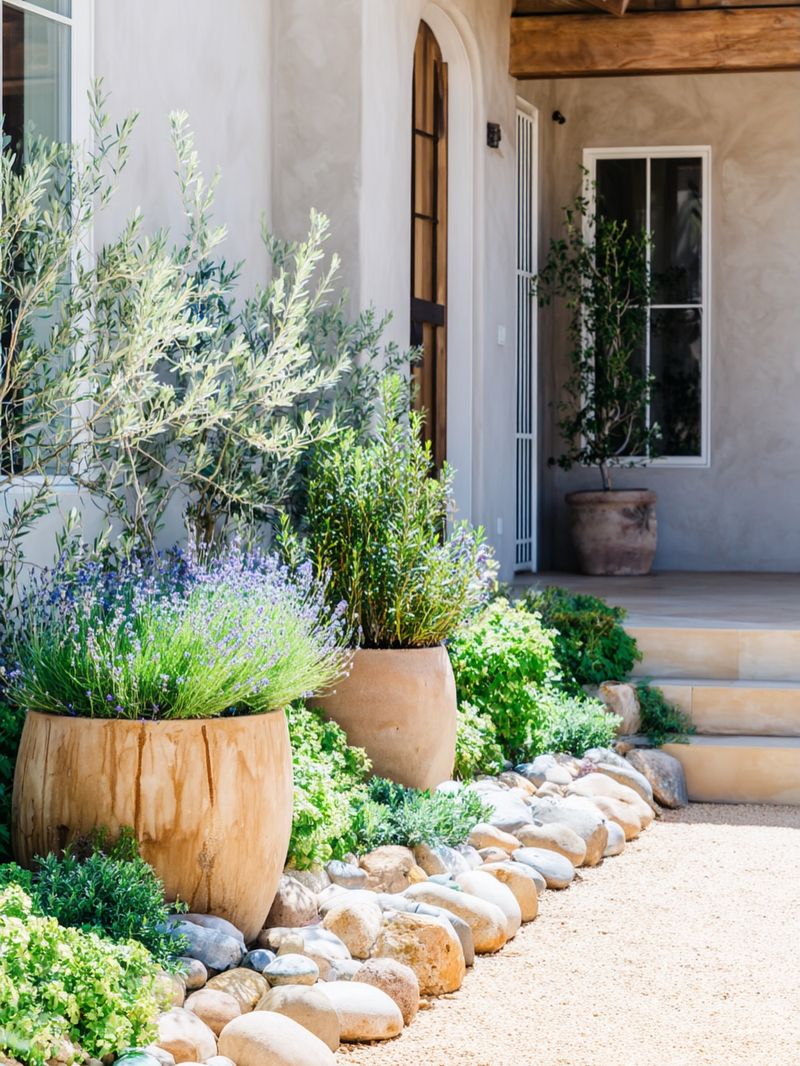
Shifting your perspective from viewing these plants as delicate herbs to recognizing them as woody shrubs transforms your approach to growing them successfully.
Lavender and rosemary are perennial woody plants that live for many years when given appropriate conditions.
Treating them like annual herbs leads to overwatering, overfeeding, and excessive fussing that actually weakens them.
Mediterranean shrubs thrive on benign neglect once established in California gardens.
They prefer lean soil, minimal water, and infrequent intervention rather than constant attention.
This mindset shift helps you resist the temptation to pamper them with extra water during hot spells or fertilizer to boost growth.
Both plants develop substantial woody frameworks over time, creating structure in your garden even when not in bloom.
Their evergreen foliage provides year-round interest and fragrance.
Mature plants can reach two to four feet in height and width, depending on variety and growing conditions.
Planning for their eventual size and permanence ensures they fit appropriately in your landscape design.
These shrubs anchor herb gardens, border plantings, and Mediterranean-style landscapes with equal success.
When you embrace their true nature as resilient, long-lived woody plants perfectly adapted to California’s climate, you set realistic expectations and create conditions where they flourish effortlessly for years to come.