Can Ohio HOAs Ban Native Plant Gardens And What’s Off-Limits
In communities across Ohio, homeowners are rethinking their landscapes. Gone are the days of perfectly trimmed lawns without a second thought.
More people are planting for pollinators, nurturing drought-wise gardens, and choosing blooms that support birds, bees, and butterflies. But as this shift grows, so do questions about what is allowed where you live.
Across the state, many neighborhoods fall under the authority of homeowners associations with rules written decades ago, long before native plant gardening became popular. These covenants, conditions, and restrictions can be strict, vague, or surprisingly specific about what your yard can look like.
At the same time, residents are pushing back, arguing that nature-friendly gardens should be welcomed rather than banned.
That tension leaves a critical question for Ohio homeowners: can an HOA actually prohibit native plant gardens, even when science and community benefits point toward greener choices?
1. Understanding Your HOA Guidelines Before Planting
Before a single seed goes into the ground, your first move should be pulling out those HOA documents and giving them a thorough read. Most homeowners associations provide governing paperwork when you purchase your home, including declarations of covenants, conditions, and restrictions, commonly called CC&Rs, along with landscaping guidelines and architectural standards.
These documents often outline rules about plant height, front-yard appearance, and what materials are permitted in visible garden beds.
Start by locating your HOA’s specific landscaping section and flagging any language that mentions plant types, lawn maintenance standards, or garden bed dimensions. Some Ohio HOAs use broad language like “well-maintained appearance,” while others are more specific about what can be planted and where.
Either way, knowing exactly what the documents say helps you plan a native garden that works within those parameters.
If you cannot find your documents, contact your HOA management company or board directly and request a copy. Many Ohio associations also post these guidelines on community websites or portals.
Taking time to understand the rules before you start saves you from headaches later and puts you in a much stronger position when it is time to share your garden plans.
2. Native Plant Gardens Can Enhance Your Ohio Yard
Imagine stepping outside on a warm Ohio morning and watching monarch butterflies drift across a garden you barely had to water all summer. That is the kind of reward native plant gardening delivers, and it goes well beyond good looks.
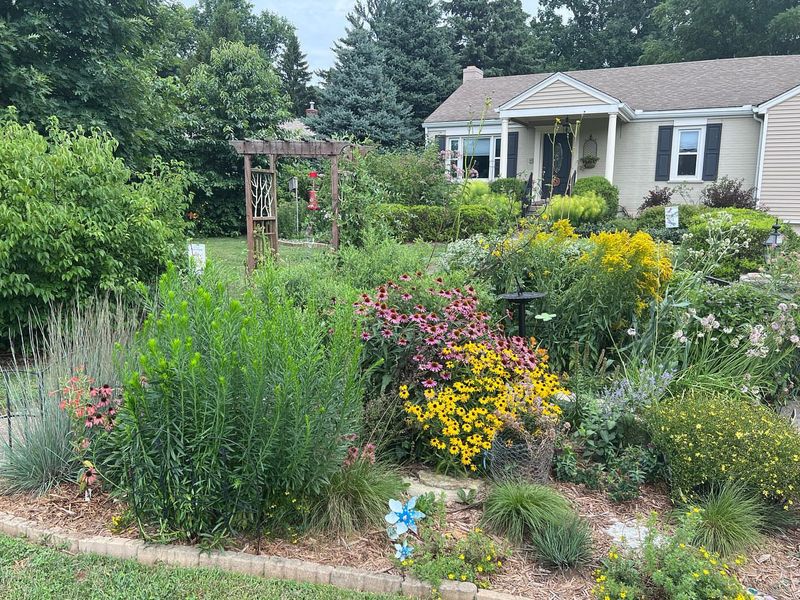
Plants like wild bergamot, coneflowers, and Ohio spiderwort are naturally adapted to the state’s climate, meaning they handle summer heat, clay-heavy soils, and unpredictable rainfall without much fuss from you.
Beyond low maintenance, native plants provide critical habitat for Ohio’s pollinators, songbirds, and beneficial insects. Studies show that native plantings support significantly more wildlife than traditional turf lawns, turning your yard into a mini ecosystem.
Seasonal interest is another huge perk. Spring brings delicate wildflowers, summer offers bold color, fall delivers seed heads that feed birds, and winter provides architectural interest through dried stems and grasses.
For Ohio homeowners, these ecological benefits translate directly into practical wins. Less watering, fewer chemical inputs, and reduced mowing all mean more time enjoying your yard instead of maintaining it.
When you frame native gardening this way to your HOA, it becomes easier to show that your garden is an asset to the neighborhood, not an eyesore. Beauty and sustainability really can go hand in hand.
3. Communicate With Your HOA Early And Honestly
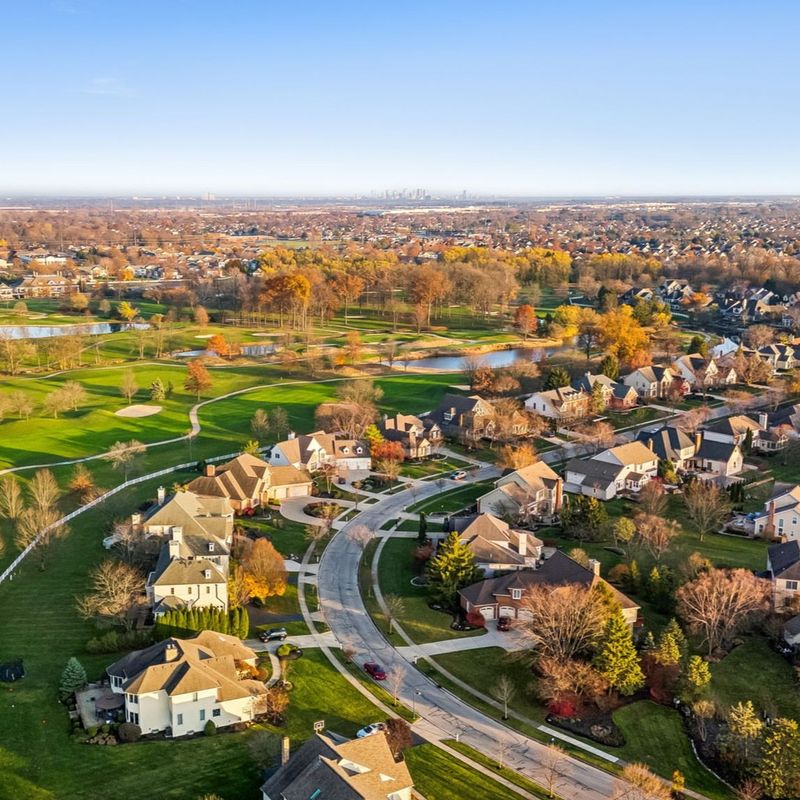
One of the smartest things you can do before breaking ground on a native garden is start a conversation with your HOA well ahead of planting season. Many conflicts between homeowners and associations happen simply because a garden appeared without any prior discussion.
Reaching out early shows good faith and gives your HOA the chance to ask questions or offer guidance before anything is installed.
Consider scheduling a casual meeting with your landscaping committee or submitting a written proposal that explains your goals. Share what plants you plan to use, why you chose them, and how the garden will look across different seasons.
Bringing photos of finished native gardens from other Ohio neighborhoods can be especially persuasive, since it helps board members visualize the end result rather than imagining an unruly mess of weeds.
Keep your tone collaborative rather than confrontational. Phrases like “I wanted to share my plans and get your thoughts” go a long way toward building trust.
Many HOA board members are fellow neighbors who genuinely care about the community’s appearance. When they see that you are thoughtful and organized, they are far more likely to work with you than against you.
Early communication truly is the foundation of a successful native garden project in any Ohio HOA community.
4. Use Design Tricks To Blend With Neighborhood Standards
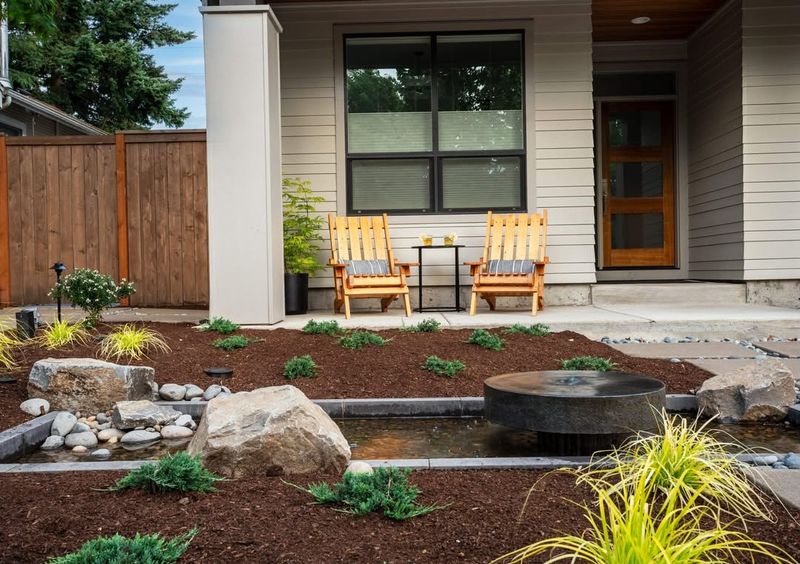
Here is a secret that experienced native gardeners know well: design matters just as much as plant selection. A native garden that looks intentional and polished is far less likely to raise HOA eyebrows than one that appears random or overgrown.
Simple design choices can transform a wildflower planting into something that looks right at home alongside a manicured Ohio lawn.
Start with clear, defined edges. Using stone borders, metal edging, or brick accents signals that your garden is a deliberate design choice, not neglected lawn.
Mulching between plants keeps the space looking tidy while suppressing unwanted growth. Planting in groups or drifts rather than scattered singles creates a more structured, intentional visual that reads as landscaped rather than wild.
Buffer plantings are another clever tool. Placing lower-growing, neater-looking plants along the front edge of a garden bed helps frame taller native species behind them, creating a layered effect that looks sophisticated.
Choose plants with complementary colors that echo other elements in your neighborhood, like the trim color of your house or nearby flowering shrubs. When your native garden feels cohesive with its surroundings, even skeptical neighbors are likely to appreciate the effort.
Curb appeal and ecological value can absolutely coexist in Ohio front yards.
5. Document Your Plant Choices and Placement Carefully
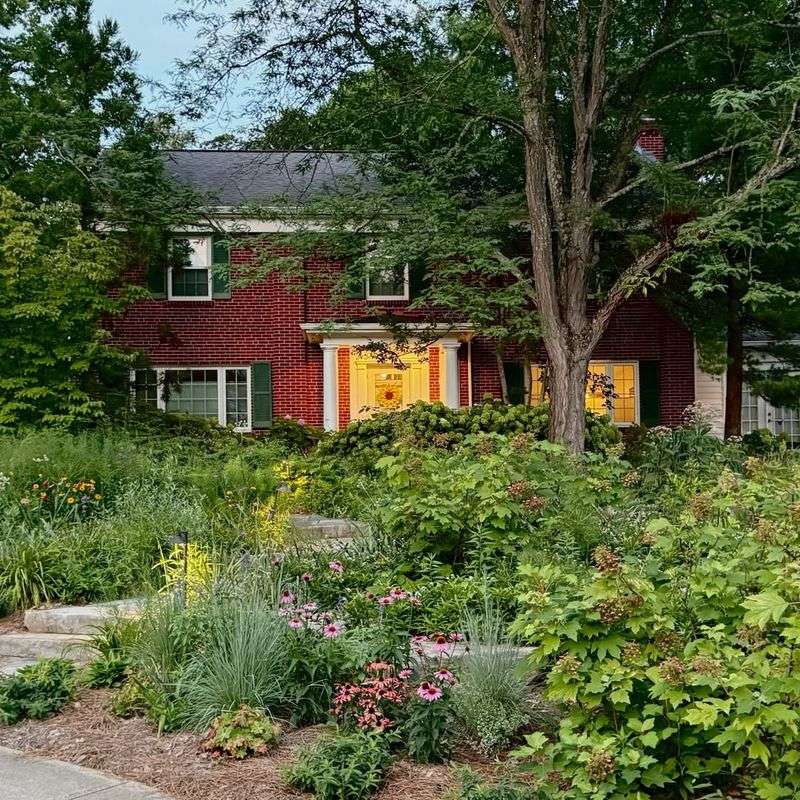
Putting your garden plans on paper might feel like extra work, but it is one of the most powerful tools you have when working with an HOA. A well-prepared garden plan communicates seriousness and professionalism, showing the board that you have thought through every detail rather than just throwing seeds into the ground and hoping for the best.
A simple hand-drawn sketch or a digital diagram showing the location, approximate size, and plant placement of your garden goes a long way. Label each plant with its common and scientific name, note its expected height at maturity, and include a rough timeline for when it will bloom.
If you can add photos of each plant in bloom, even better. Visual references help HOA reviewers understand exactly what they are approving.
Keep copies of everything you submit, along with any written responses you receive from your HOA. This paper trail is genuinely helpful if questions arise later about what was originally approved.
Taking photos of your garden at each stage of growth also creates a visual record that demonstrates you are following through on your plan. Documentation is not about building a legal case.
It is about showing your neighbors and HOA board that your native garden is a thoughtful, well-managed addition to the Ohio community.
6. Highlight Environmental And Practical Benefits Clearly
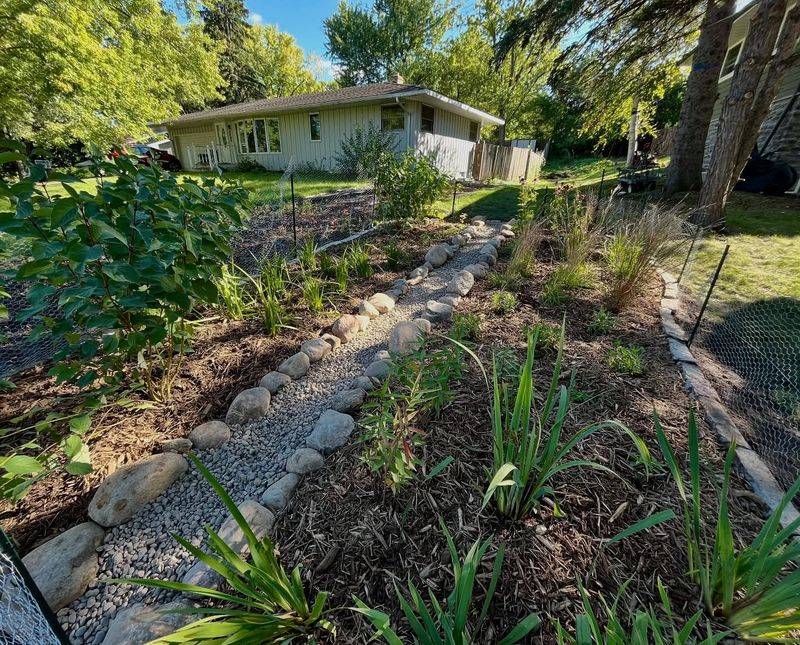
Sometimes the best way to win over a skeptical HOA board is to speak their language, and that language is often practical benefits. Native plant gardens offer a genuinely impressive list of advantages that go beyond aesthetics, and sharing these points clearly can shift the conversation from restriction to appreciation.
Water conservation is a compelling argument in many Ohio neighborhoods. Native plants, once established, typically require far less supplemental watering than traditional lawns or exotic ornamentals because their root systems are adapted to local rainfall patterns.
This means lower water bills and less runoff into neighborhood storm drains, which is a benefit the entire community shares. Healthier soil is another bonus, since deep native root systems improve drainage and reduce compaction over time.
Pollinator support is a message that resonates broadly. With bee and butterfly populations facing serious challenges nationwide, Ohio homeowners who provide native habitat are contributing to something genuinely meaningful.
Sharing this context with your HOA frames your garden as a community asset rather than a personal quirk. You might also mention that native plantings tend to reduce the need for chemical fertilizers and pesticides, which benefits neighboring yards and local waterways alike.
Presenting these practical wins confidently and clearly makes your native garden proposal much harder to dismiss.
7. Choose Native Plants That Naturally Look Tidy
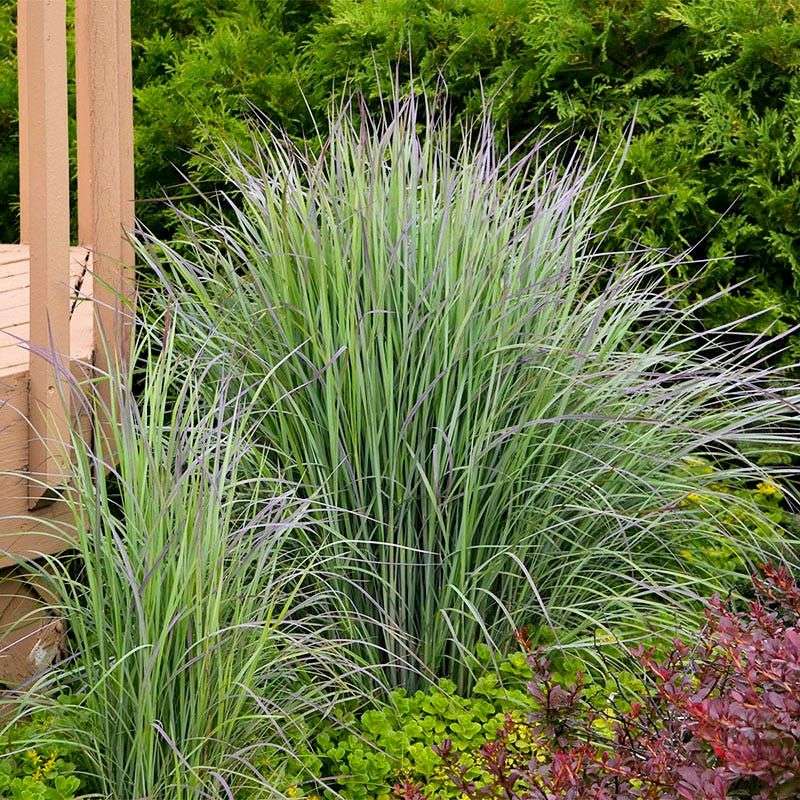
Not all native plants have the same visual personality. Some grow tall and exuberant, perfect for back yards or naturalized areas, while others stay compact and tidy, making them ideal for HOA-sensitive front yards.
Knowing the difference and choosing wisely can make your native garden project much smoother from the start.
Compact cultivars of native species are particularly useful in HOA communities. Varieties of coneflower, black-eyed Susan, and little bluestem grass have been developed to stay shorter and more uniform than their wild counterparts while retaining the same ecological benefits.
These plants look deliberate and polished, which is exactly the aesthetic most Ohio HOAs prefer in front-yard landscapes.
Ornamental native grasses add graceful texture without looking weedy, especially when kept in defined clumps rather than spreading freely. Pairing grasses with flowering natives creates a layered, four-season display that genuinely impresses visitors.
Choosing plants that maintain their structure through fall and winter also helps, since dried seed heads and grasses can look beautiful rather than neglected when arranged thoughtfully. Starting with tidier species builds confidence with your HOA, and once that trust is established, you may find more flexibility to experiment with wilder plantings in less visible areas of your Ohio yard.
8. Seasonal Maintenance Keeps Your Garden Looking Sharp
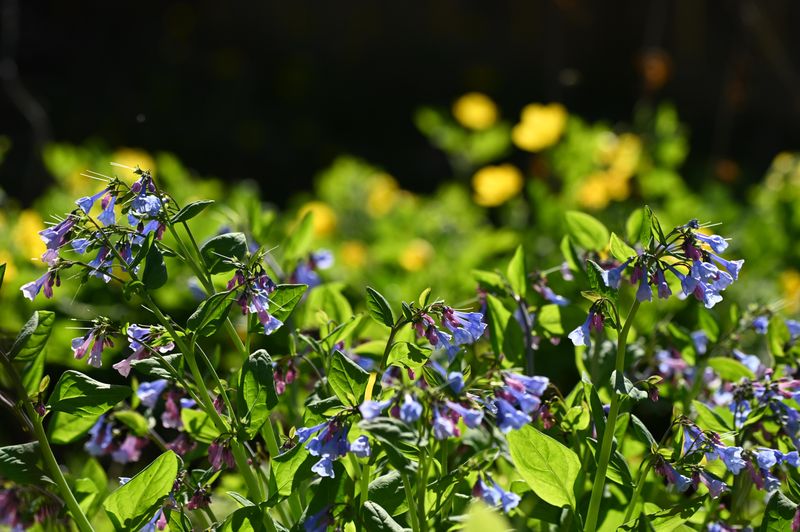
A thriving native garden does not mean a hands-off garden, at least not in the eyes of most Ohio HOAs. Regular, visible maintenance signals to neighbors and board members alike that your planting is cared for and intentional.
The good news is that native plants genuinely require less work than traditional landscapes, so staying on top of upkeep is far more manageable than it sounds.
Spring is a great time for cleanup, removing any winter-damaged growth and refreshing mulch in your beds. Resist the urge to cut everything back too early in spring, since many beneficial insects overwinter in hollow stems and leaf litter.
A light cleanup in late spring, after temperatures have consistently warmed, strikes the right balance between tidiness and ecology.
Throughout summer, deadheading spent blooms encourages continued flowering and keeps the garden looking polished. In fall, you can choose to leave some seed heads standing for birds while cutting back others for a neater winter profile.
This kind of thoughtful, seasonal approach shows your HOA that you are actively managing your garden, not ignoring it. Keeping a simple maintenance log with dates and tasks completed is a small effort that reinforces your credibility as a responsible Ohio native gardener year-round.
9. Connect With Ohio Native Plant Communities For Support
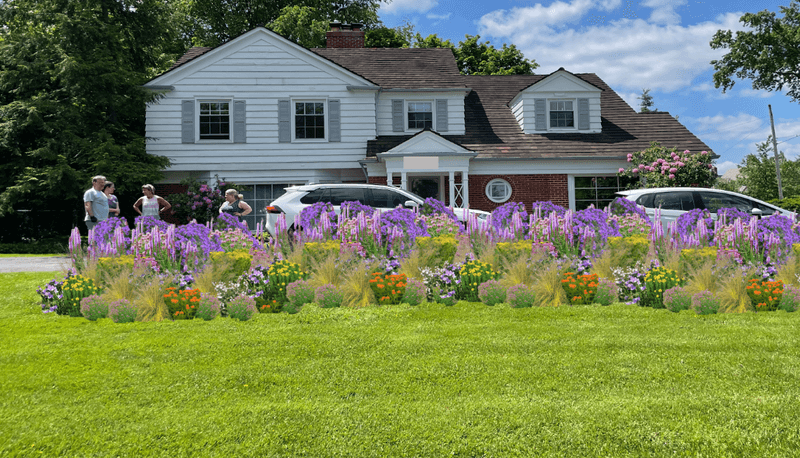
You do not have to figure all of this out alone. Ohio has a wonderfully active community of native plant enthusiasts, master gardeners, and conservation organizations who are eager to share knowledge, resources, and encouragement.
Connecting with these groups can strengthen your garden project and give you credible, locally grounded information to share with your HOA.
The Ohio Native Plant Society and local chapters of the Wild Ones are excellent starting points. These organizations often host workshops, plant sales, and garden tours that connect you with experienced native gardeners who have navigated HOA situations before.
Hearing firsthand how other Ohio homeowners successfully introduced native gardens into their communities is both inspiring and practically useful.
Local Cooperative Extension offices across Ohio are another fantastic resource. They offer research-based guidance on plant selection, soil preparation, and sustainable landscaping practices that carry scientific credibility.
Sharing a handout or fact sheet from an Ohio State University Extension publication with your HOA can add a layer of authority to your proposal that personal enthusiasm alone cannot provide. Building a network of knowledgeable supporters also means you have people to call when questions arise about plant identification, pest management, or seasonal care.
Community connection genuinely makes native gardening in Ohio more successful and more fun.