Can Overgrown Tropical Plants Make Hawaii Homeowners Responsible For Fence Damage

Some Hawaii homeowners are realizing their big tropical plants aren’t just pretty anymore once they start leaning, pushing, and slowly nudging the nearest fence like they’ve got their own plans.
It feels a little awkward when the neighbor points out a bend or crack and suddenly everyone’s wondering who’s actually responsible for the damage in the middle of all that lush island growth.
The whole thing turns into one of those everyday Hawaii moments where plants grow fast and questions show up even faster.
People start checking their yards a little differently once they hear stories about fences getting pushed out of shape by plants that didn’t seem like a problem yesterday.
And before long the conversation shifts from “look how nice that plant looks” to “okay, but who handles the repair bill if it keeps growing like that.”
1. Property Owners Must Control Vegetation Growth
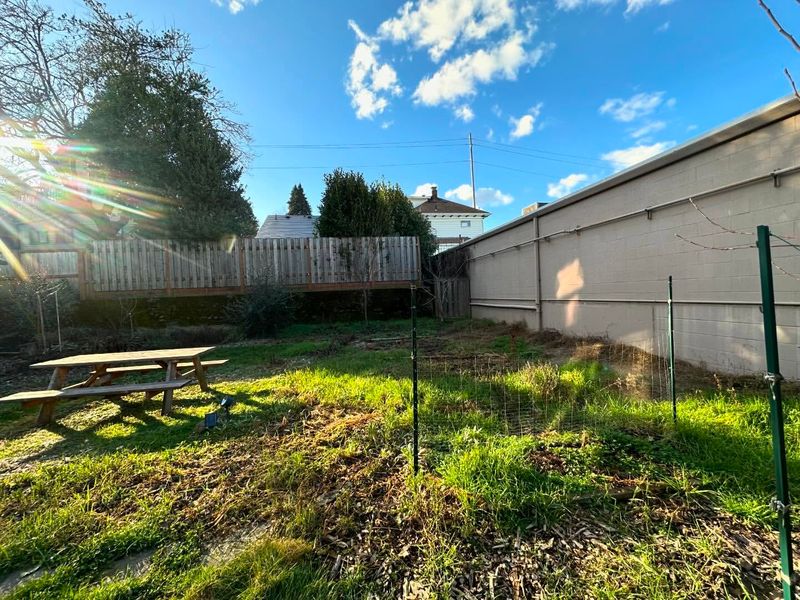
Hawaiian law makes it clear that homeowners bear responsibility for plants growing on their property, even when nature seems unstoppable.
Your bamboo, banana trees, or monstera plants cannot creep onto a neighbor’s fence without consequences.
Courts across Hawaii have ruled that property owners must take reasonable steps to prevent their vegetation from causing damage to adjacent properties.
This means regular trimming, root barriers, and careful plant placement become your legal duty, not just good gardening practice.
Neighbors can file claims against you if your plants push against their fence and cause warping, rotting, or structural failure.
Insurance companies in Hawaii often deny coverage for gradual damage caused by plants, leaving homeowners to pay out of pocket.
Smart gardeners research how large their tropical plants will grow before planting them near property lines.
2. Root Systems Cause Hidden Fence Damage
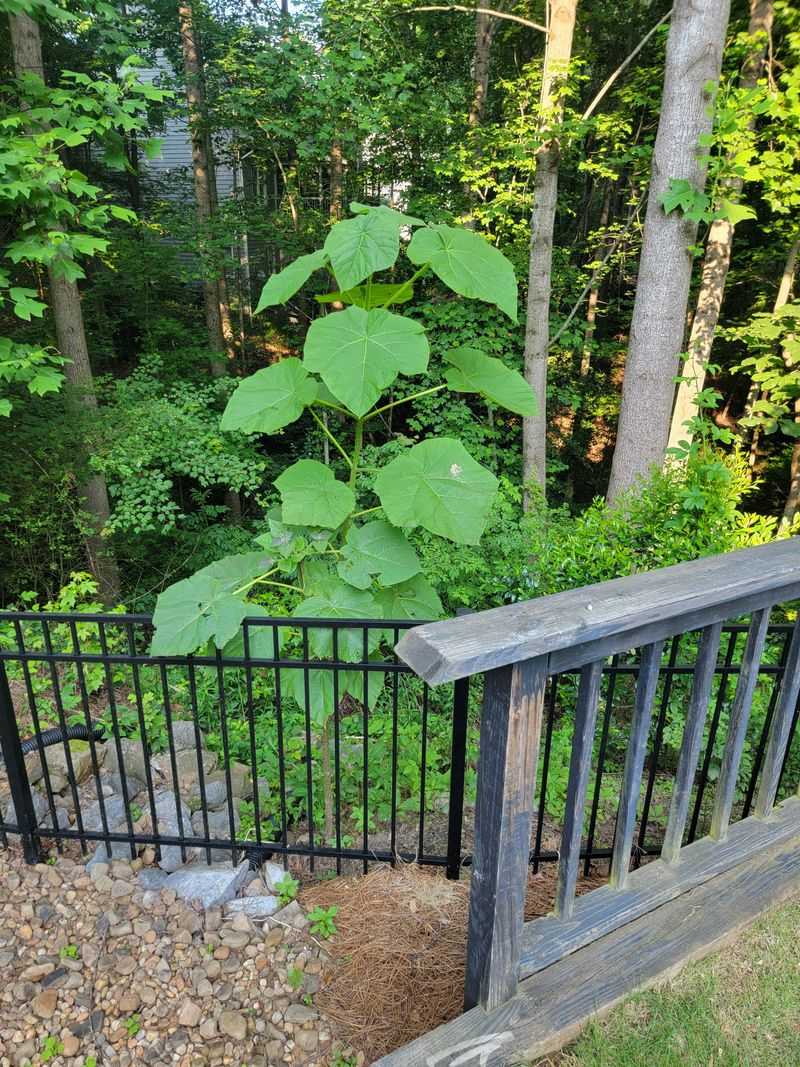
What happens beneath the soil can destroy fences just as effectively as branches pushing from above ground.
Tropical plants in Hawaii develop aggressive root systems that search for water and nutrients, often traveling far beyond the visible plant canopy.
These roots wrap around fence posts, lift concrete footings, and create pressure that weakens the entire fence structure over time.
Bamboo species are particularly notorious for sending runners underground that pop up on the neighbor’s side of the property line.
Homeowners in Honolulu have faced lawsuits when their tree roots buckled adjacent fences, even though the tree trunk stood several feet away.
Prevention requires installing root barriers at least two feet deep along property boundaries where large plants grow nearby.
Regular inspection of fence lines helps catch root problems before they become expensive repair jobs.
3. Shared Fence Responsibility Creates Complications
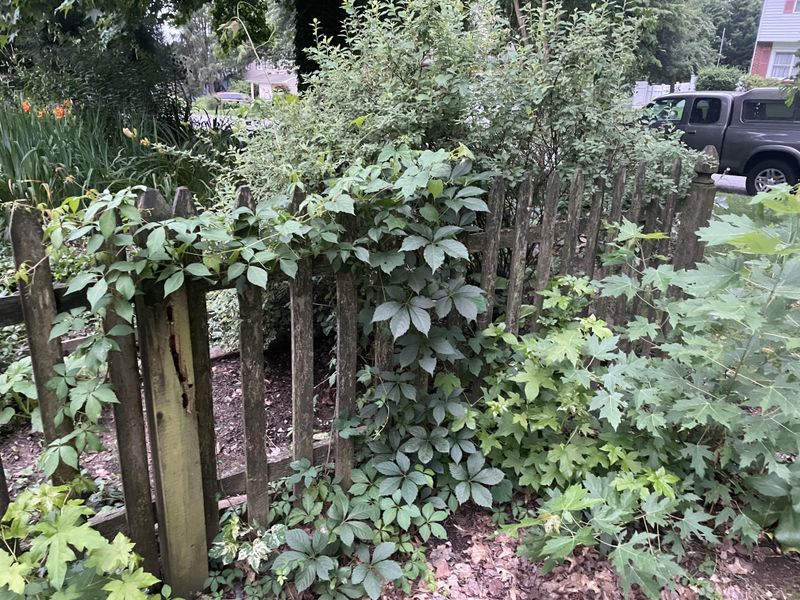
When two neighbors share ownership of a boundary fence, determining responsibility for plant damage becomes more complex and contentious.
Hawaii follows general property laws that assume shared fences belong equally to both parties unless documentation proves otherwise.
If your plants damage a shared fence, you typically must pay for your portion of repairs, which courts often calculate as fifty percent.
However, judges may assign greater responsibility to the homeowner whose neglected plants caused the actual damage to the structure.
Written agreements between neighbors in Hawaii can clarify maintenance duties before problems arise, saving friendships and money.
Some homeowners choose to build their fence entirely on their own property to avoid shared ownership disputes altogether.
Documentation with photos and dates helps establish which side’s vegetation caused damage if disagreements end up in small claims court.
4. Native Versus Invasive Species Matter Legally
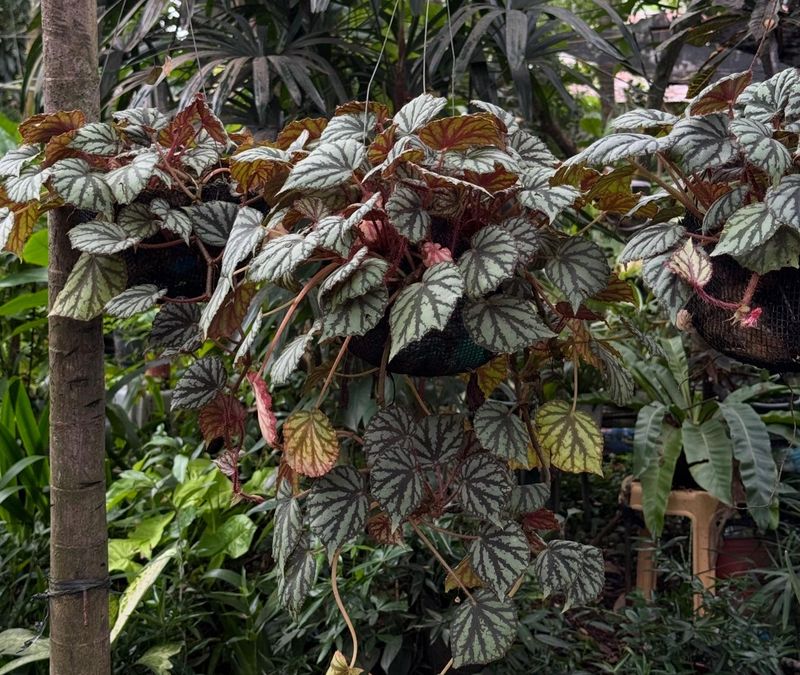
The type of plant causing fence damage can influence how Hawaii courts view your responsibility and potential negligence.
Invasive species like strawberry guava or African tulip trees carry additional legal weight because homeowners should actively remove these destructive plants.
Hawaii has specific regulations about controlling invasive vegetation, and allowing these plants to damage property shows clear negligence in court proceedings.
Native plants receive somewhat more sympathetic treatment, though homeowners still must prevent them from harming neighboring fences and structures.
Environmental laws in Hawaii encourage planting native species, but this preference doesn’t excuse property damage caused by poor maintenance.
Landscapers familiar with Hawaii’s unique ecosystem can recommend plants that stay compact and won’t threaten fence lines as they mature.
Choosing appropriate species for your space demonstrates responsible ownership and reduces liability risks significantly over the years.
5. Warning Notices Protect Homeowners From Claims
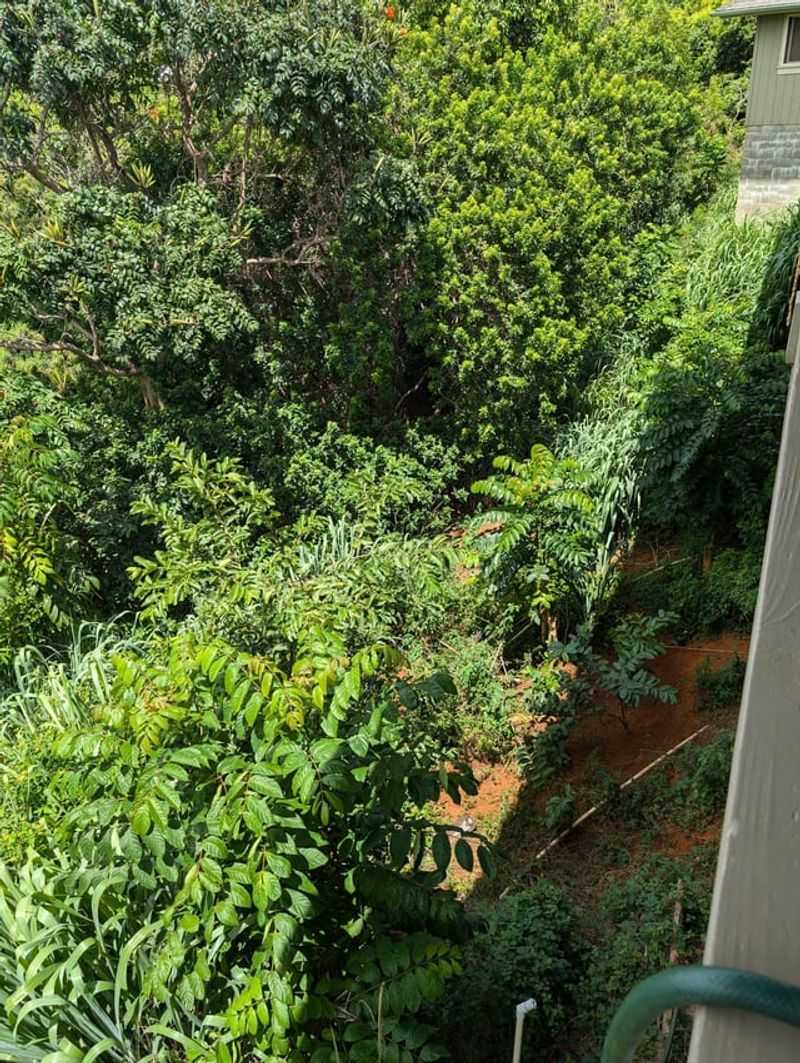
Sending formal written notice about problematic vegetation creates important legal protection if fence damage leads to disputes or lawsuits later.
Hawaii courts favor homeowners who attempted reasonable communication before plants caused serious harm to adjacent properties and structures.
Your notice should include specific descriptions of the plants, their location, and how they threaten or damage the shared fence.
Certified mail with return receipt provides proof that your neighbor received the warning and had opportunity to address the problem.
Photographs attached to the notice document the condition of plants and fence at the time you raised concerns.
After proper notice, Hawaii homeowners gain stronger legal standing to seek compensation for repairs if the plant owner ignores the problem.
Consulting an attorney before sending formal notices ensures your documentation meets legal standards for potential small claims court cases.
6. Homeowner Insurance Rarely Covers Plant Damage
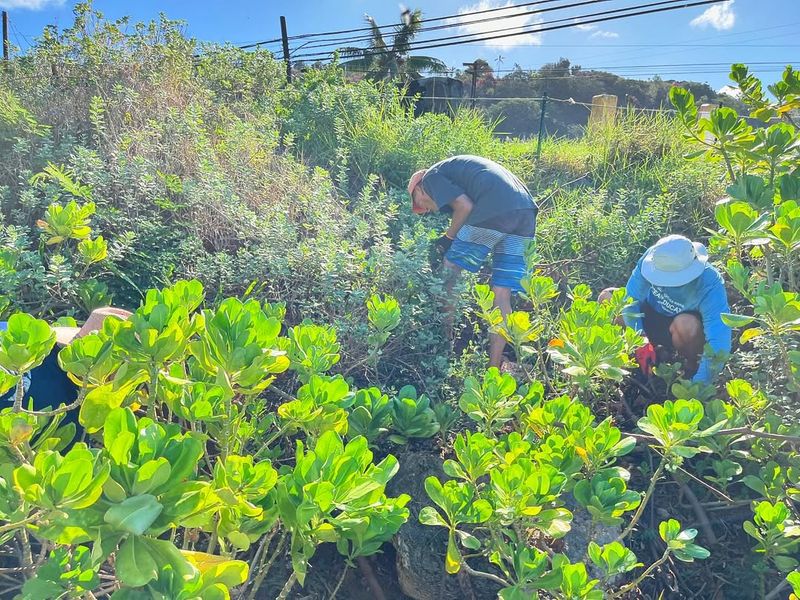
Most standard homeowner policies in Hawaii specifically exclude coverage for damage caused by vegetation growth, leaving owners financially exposed.
Insurance companies classify plant damage as gradual deterioration rather than sudden accidents, which falls outside typical policy protection.
Homeowners discover this coverage gap only after filing claims for fence repairs caused by their overgrown tropical plants.
Liability coverage might help if a neighbor sues you for plant damage, but policies often contain exclusions for foreseeable maintenance issues.
Reading your policy carefully and discussing vegetation liability with your Hawaii insurance agent prevents unpleasant surprises when problems occur.
Some insurers offer additional riders or umbrella policies that provide broader protection for property damage disputes between neighbors.
Budgeting for potential out-of-pocket fence repairs makes financial sense when you maintain large tropical plants near property boundaries.
7. Regular Maintenance Demonstrates Reasonable Care
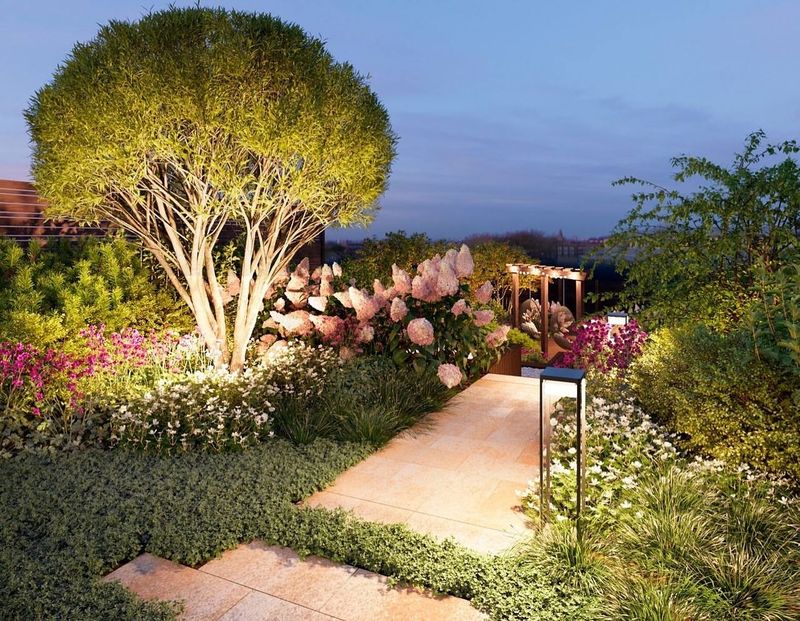
Establishing a consistent schedule for trimming and controlling vegetation near fences shows courts you acted responsibly as a property owner.
Hawaii judges consider whether homeowners took reasonable precautions to prevent foreseeable damage when determining liability in plant-related disputes.
Keeping receipts from landscaping services or maintaining a garden journal documents your ongoing efforts to control problematic growth.
Photographs taken quarterly showing trimmed plants and intact fences create a timeline that demonstrates your diligence and attention.
Neighbors find it much harder to prove negligence when you can show regular maintenance efforts throughout the year.
Professional arborists in Hawaii can provide written assessments recommending appropriate maintenance schedules for your specific tropical plants.
Investing time and money in prevention costs far less than paying for fence replacement and potential legal fees after damage occurs.
8. Small Claims Court Handles Most Fence Disputes

When negotiations fail, most fence damage cases between Hawaii neighbors end up in small claims court rather than expensive formal litigation.
The small claims system allows disputes under five thousand dollars to be resolved quickly without requiring attorneys for either party.
Judges in Hawaii small claims courts focus on fairness and reasonableness rather than complex legal technicalities when deciding plant damage cases.
Bringing photographs, maintenance records, communication history, and repair estimates helps judges understand the situation and make informed decisions.
Filing fees in Hawaii remain relatively low, making small claims court accessible for homeowners seeking compensation for fence repairs.
Most cases settle before trial once both parties present their evidence to a court mediator who encourages compromise.
Understanding the small claims process reduces anxiety about addressing fence damage disputes and encourages homeowners to seek fair resolution.
9. Boundary Surveys Prevent Future Disagreements
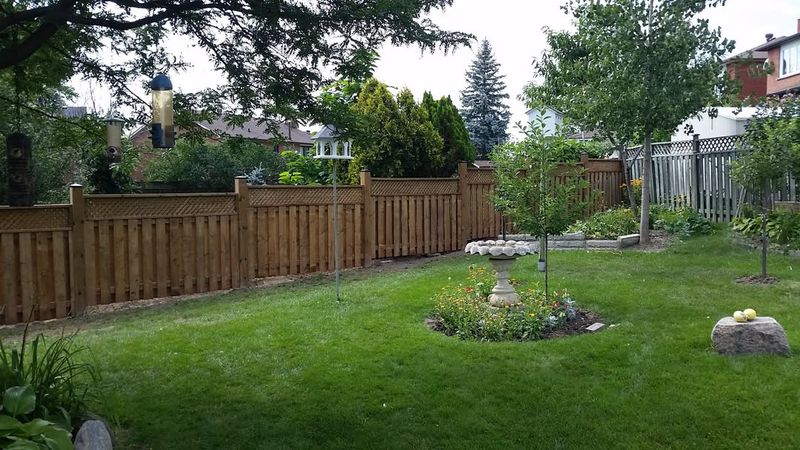
Confusion about exact property lines often escalates fence damage disputes, making professional surveys valuable investments for Hawaii homeowners.
Licensed surveyors use legal property descriptions and historical records to mark precise boundaries with permanent monuments and detailed maps.
Knowing exactly where your property ends helps you position plants appropriately and avoid encroachment issues with neighboring fences.
Survey costs in Hawaii typically range from five hundred to fifteen hundred dollars depending on property size and terrain complexity.
Both neighbors benefit when boundaries are clearly established, reducing misunderstandings about whose plants are causing damage to shared structures.
Surveys become especially important in older Hawaii neighborhoods where fences have been repaired or moved multiple times over decades.
Sharing survey costs with neighbors demonstrates good faith and often leads to better relationships when addressing vegetation management near property lines.
10. Proactive Communication Prevents Legal Battles
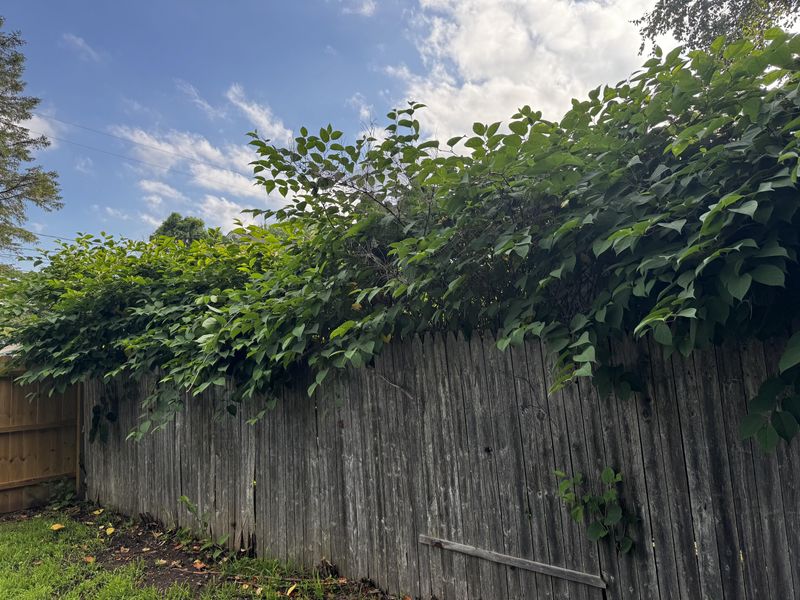
Simply talking with neighbors about plant growth before problems escalate prevents most fence damage disputes from ever reaching court.
Hawaii’s island culture traditionally values community relationships and collaborative problem-solving over adversarial legal confrontations.
Offering to trim plants or split fence repair costs shows good faith and often results in mutually beneficial arrangements.
Neighbors appreciate being approached respectfully about potential problems rather than receiving formal legal notices without prior conversation.
Regular informal check-ins about property line issues help maintain positive relationships and catch problems while they remain small and inexpensive.
Homeowners in Hawaii communities often develop shared understandings about vegetation management that work better than strict legal enforcement.
Building trust through consistent communication creates goodwill that proves invaluable when unexpected property issues arise between neighbors over time.