Can Pennsylvania Homeowners Cut Back A Neighbor’s Overhanging Shrubs

Overhanging shrubs can quietly become a source of tension for Pennsylvania homeowners, especially when branches start crossing property lines.
What feels like a simple trimming question often turns into uncertainty about rights, boundaries, and neighbor relations.
Many people assume they can cut anything that enters their space, but the reality is more nuanced.
Pennsylvania homeowners frequently hesitate because they want to avoid conflict while still protecting their property.
Shrubs that block walkways, sunlight, or views tend to bring the issue to the surface faster.
Legal responsibility does not always match common assumptions, which is where confusion usually begins. Even well-intended trimming can cause problems if done the wrong way or at the wrong time.
Knowing the general rules helps homeowners handle overhanging shrubs calmly instead of turning a small issue into a lasting dispute.
1. Why Overhanging Shrubs Commonly Cause Questions In Pennsylvania
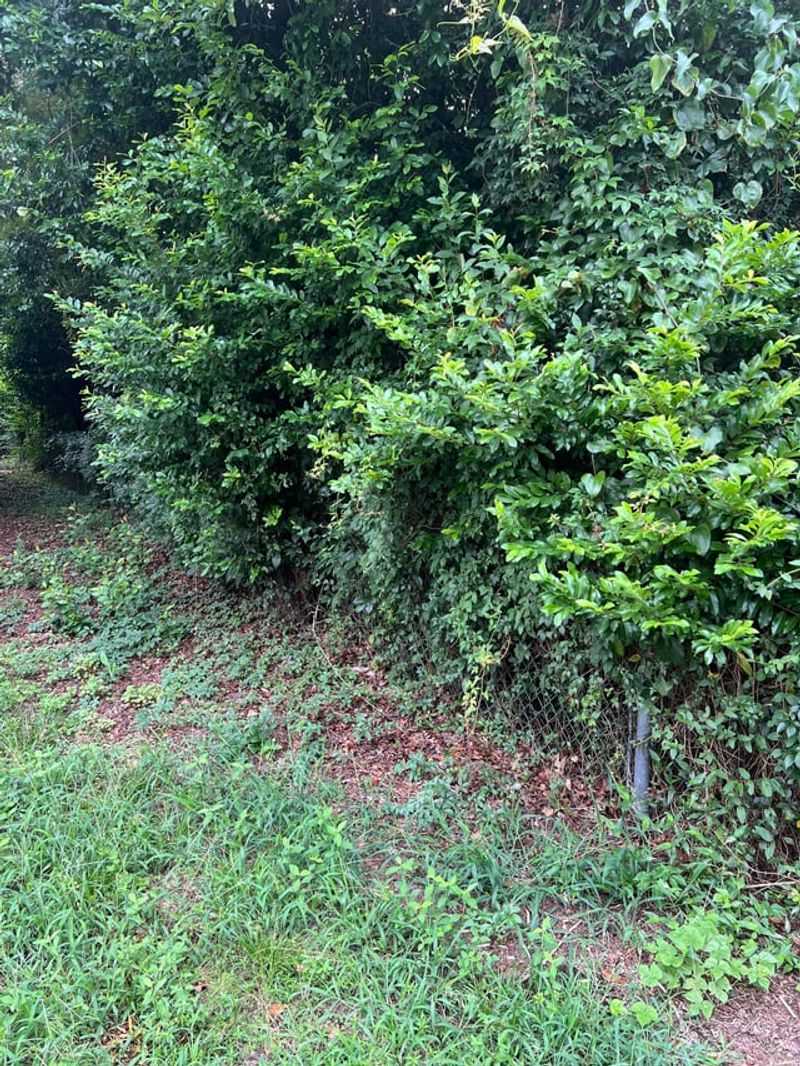
Yards across Pennsylvania neighborhoods often feature mature trees and shrubs that grow without regard for invisible property boundaries. Plants naturally expand outward as they age, sending branches and foliage into spaces where homeowners didn’t originally plan for them.
This growth pattern creates situations where one person’s landscaping becomes another person’s problem.
Suburban communities throughout the state see these disputes arise regularly during growing season. Homeowners invest time and money maintaining their yards, only to find leaves, berries, or branches dropping from a neighbor’s plants.
The frustration builds when these overhanging elements block sunlight, create mess, or interfere with lawn care routines.
Pennsylvania’s mix of older established neighborhoods and newer developments means property lines aren’t always clearly marked or understood. Fences don’t exist everywhere, and even when they do, plants often grow beyond them.
Confusion about rights and responsibilities leads many residents to search for answers about what they can legally do.
Seasonal changes make the issue more noticeable at certain times of year. Spring growth spurts and fall leaf drops bring the problem to the forefront of homeowners’ minds.
What seemed manageable in winter becomes overwhelming when vegetation is in full bloom.
Different types of shrubs present varying levels of concern for Pennsylvania residents. Some varieties grow quickly and aggressively, while others remain relatively contained.
Thorny bushes create additional safety worries, especially near driveways or play areas where children spend time.
The emotional aspect shouldn’t be overlooked when neighbors share space. People feel protective of their property and want control over what happens within their boundaries.
At the same time, most folks prefer avoiding confrontation with people they see regularly in their community.
2. How Property Lines Affect Shrub Trimming Situations
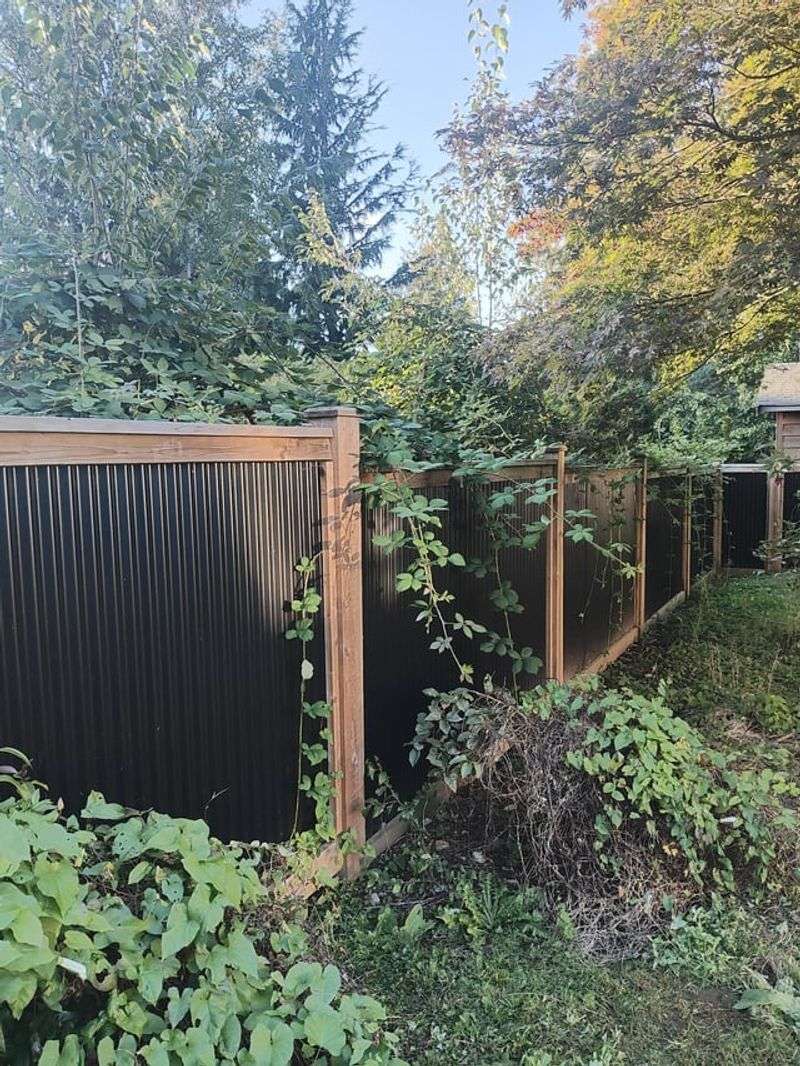
Legal boundaries between properties form the foundation for understanding trimming rights in Pennsylvania. The exact location where one yard ends and another begins determines what actions homeowners can take.
Survey markers and property deeds contain this information, though many residents have never examined these documents closely.
Pennsylvania law generally allows property owners to trim vegetation that crosses onto their side of the boundary line. This principle applies to branches, roots, and other plant parts that extend beyond the original property.
The key factor is that the trimming must occur entirely on your own land without trespassing.
Measuring and identifying the true property line can be more challenging than it sounds. Old fences might not follow the legal boundary exactly, and visual estimates often prove inaccurate.
Professional surveyors can establish precise locations, but this service comes with costs that not everyone wants to absorb.
Some Pennsylvania homeowners discover their assumptions about boundaries were wrong after years of believing otherwise. A driveway edge or garden bed might sit several feet from where the actual line runs.
These revelations can change how people view their rights regarding overhanging vegetation.
The concept of air rights extends property ownership upward, meaning the space above your land belongs to you as well. When a neighbor’s shrub branches occupy that space, they’re technically on your property.
This legal principle supports the right to trim back to the boundary line.
However, exercising this right requires careful consideration of how far you can reach and cut. You cannot lean over the fence or step onto the neighbor’s property to access the plants, even if they’re causing problems on your side.
3. What Homeowners Often Assume About Overhanging Plants
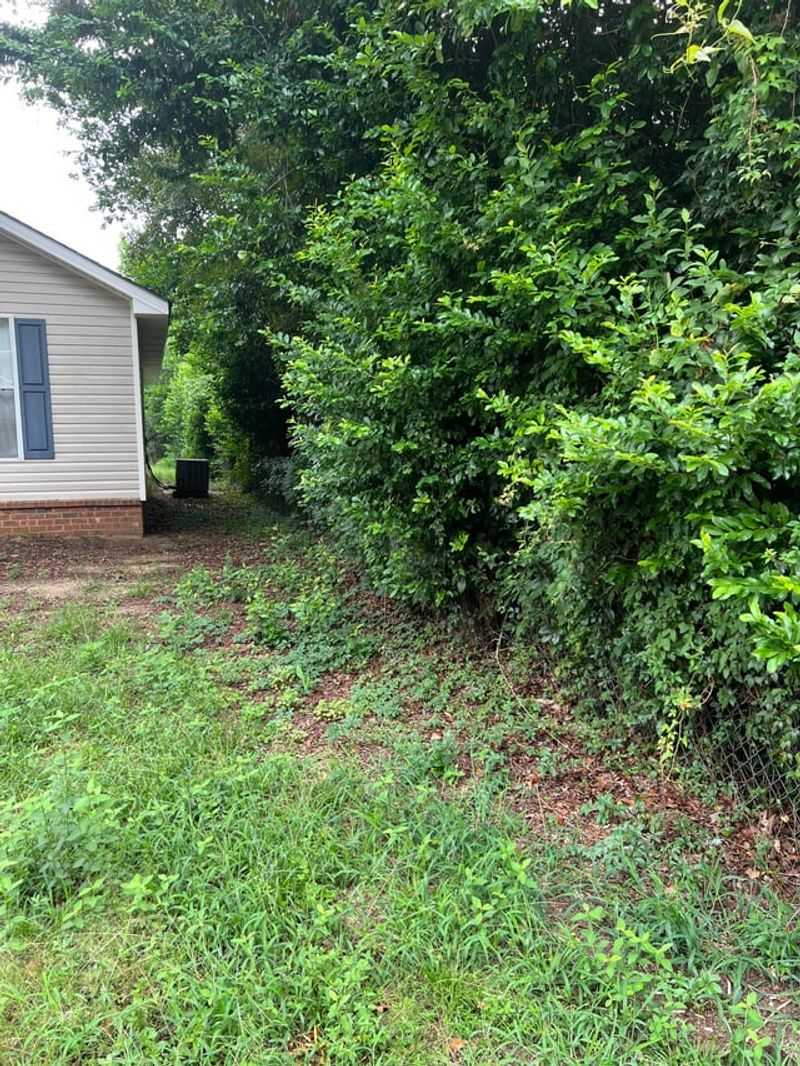
Many Pennsylvania residents believe they must get permission before touching any part of a neighbor’s shrub, even portions hanging over their own yard. This assumption leads people to tolerate unwanted vegetation rather than taking action they’re legally entitled to pursue.
The misconception causes unnecessary frustration and allows problems to worsen over time.
Another common belief is that homeowners can trim plants however they want once branches cross the property line. While you do have rights, there are limitations on how aggressively you can cut and what you can do with the removed material.
Destroying the health of the neighbor’s plant through excessive trimming could create liability.
Some folks think that if a shrub was there first, it has special protection under Pennsylvania law. The age of the plant doesn’t change property rights or trimming permissions.
A fifty-year-old bush has the same legal status as one planted last month when it comes to overhanging portions.
People also assume that if they don’t complain, they lose their right to address the problem later. Property rights don’t expire through non-use in this context.
You can decide to trim back overgrowth at any point, though waiting years might make the conversation with neighbors more awkward.
There’s a widespread belief that homeowners can force neighbors to trim their own plants before they encroach. Pennsylvania law doesn’t generally require property owners to maintain vegetation in ways that prevent all overgrowth.
The responsibility typically falls on the affected party to trim what crosses onto their land.
Many residents think professional landscapers automatically know all the rules and will handle everything correctly. Even experienced workers can make mistakes about property lines or trimming limits without clear guidance from homeowners.
4. When Shrubs Cross From One Property To Another

Growth patterns vary dramatically depending on the type of shrub and growing conditions in Pennsylvania. Some species send out long, reaching branches that can extend several feet beyond the main plant body.
Others grow upward more than outward, creating less frequent boundary conflicts between neighbors.
Weather conditions throughout the state influence how quickly and aggressively plants expand. Areas with rich soil and adequate rainfall see faster growth than regions with challenging conditions.
A shrub that seemed perfectly contained when planted might become problematic within just a few growing seasons.
The transition from acceptable to problematic isn’t always sudden or obvious. Gradual encroachment means homeowners might not notice when a plant first crosses the property line.
By the time the issue becomes apparent, significant overgrowth may have already occurred.
Pennsylvania’s climate allows for vigorous spring growth that can surprise property owners. What looked manageable in early April might become overwhelming by late June.
This rapid seasonal change catches people off guard and prompts urgent questions about trimming rights.
Root systems present a hidden dimension to the crossing problem. While branches are visible, roots spread underground and can cause damage to foundations, driveways, or utility lines.
Pennsylvania homeowners have similar rights to trim roots on their property as they do for above-ground portions.
The location where shrubs cross matters for practical purposes. Overgrowth near windows, doors, or outdoor living spaces causes more immediate concern than branches extending into a seldom-used corner of the yard.
Prioritizing which areas need attention helps homeowners focus their efforts effectively.
5. How Local Rules Can Influence Trimming Decisions
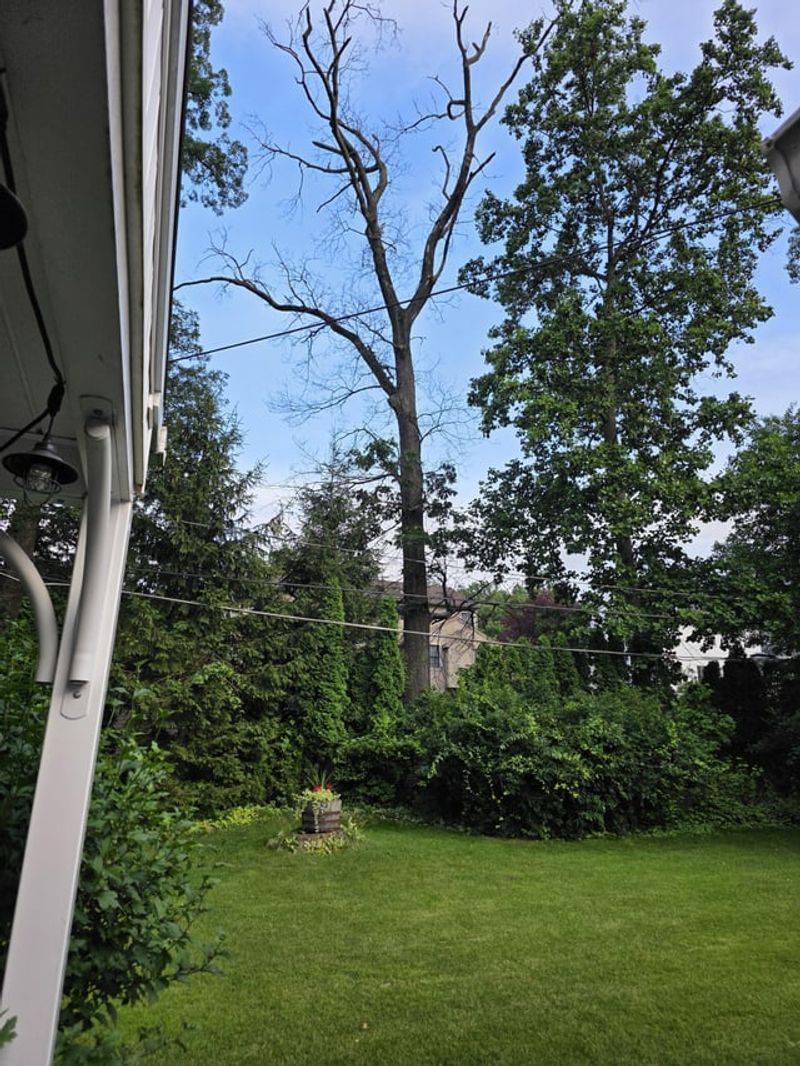
Pennsylvania municipalities sometimes have ordinances that add requirements beyond state law regarding vegetation and property maintenance. These local rules can affect how and when homeowners address overhanging shrubs.
Checking with your township or borough office provides clarity about any additional regulations in your specific area.
Some communities have height restrictions for hedges and shrubs, particularly those near streets or sidewalks. These rules aim to maintain visibility and safety for drivers and pedestrians.
If a neighbor’s plant violates local codes, you might be able to file a complaint rather than handling the trimming yourself.
Homeowner associations in Pennsylvania developments often impose their own landscaping standards. These private rules can be more restrictive than public laws, requiring members to maintain plants within certain boundaries.
HOA regulations might give you additional options for addressing overgrowth from a neighbor’s property.
Historic districts within the state may have special preservation rules that affect how residents can modify vegetation. Even trimming back overgrowth might require approval if the plants are considered part of the historic character.
These situations are relatively rare but worth investigating if you live in a designated area.
Noise ordinances can impact when you’re allowed to use power tools for trimming. Pennsylvania communities typically restrict loud equipment use during early morning, late evening, or Sunday hours.
Planning your trimming work within permitted times helps avoid complaints or fines.
Environmental protection rules sometimes limit cutting near streams, wetlands, or other sensitive areas. If the overhanging shrub sits near protected features, additional permissions might be necessary before trimming.
Local conservation offices can explain what restrictions apply to your situation.
6. Why Communication Between Neighbors Matters
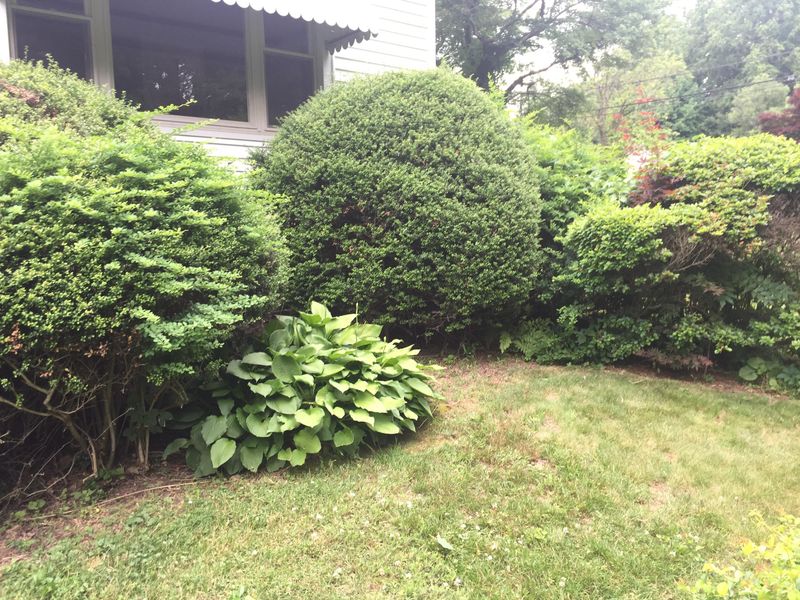
Talking with neighbors before taking action can prevent misunderstandings and preserve relationships in Pennsylvania communities. A simple conversation often resolves issues more smoothly than exercising legal rights without warning.
Most people appreciate being informed about concerns rather than discovering trimming has occurred without their knowledge.
Starting the discussion with a friendly tone sets a positive foundation. Explaining how the overgrowth affects your property without blaming or demanding helps keep the conversation productive.
Many neighbors are willing to trim their own plants once they understand the problem.
Some Pennsylvania residents discover their neighbors were unaware of the overgrowth issue. People don’t always notice what’s happening on the far side of their yard, especially if they don’t use that area regularly.
Bringing it to their attention might prompt immediate voluntary action.
Written communication can be helpful when verbal conversations feel awkward or when you want documentation. A polite letter or email creates a record of your attempt to address the situation cooperatively.
This paper trail can be valuable if disputes escalate later.
Offering to share trimming costs or labor sometimes encourages cooperation. If the neighbor is elderly, busy, or financially stretched, they might welcome assistance rather than feeling defensive.
This collaborative approach builds goodwill while solving the practical problem.
Understanding your neighbor’s perspective can reveal reasons for the overgrowth. Perhaps they’ve been dealing with health issues, or they prefer a more natural landscaping style.
Finding common ground makes compromise easier than taking an adversarial stance from the beginning.
7. Situations Where Cutting Back Can Create Disputes
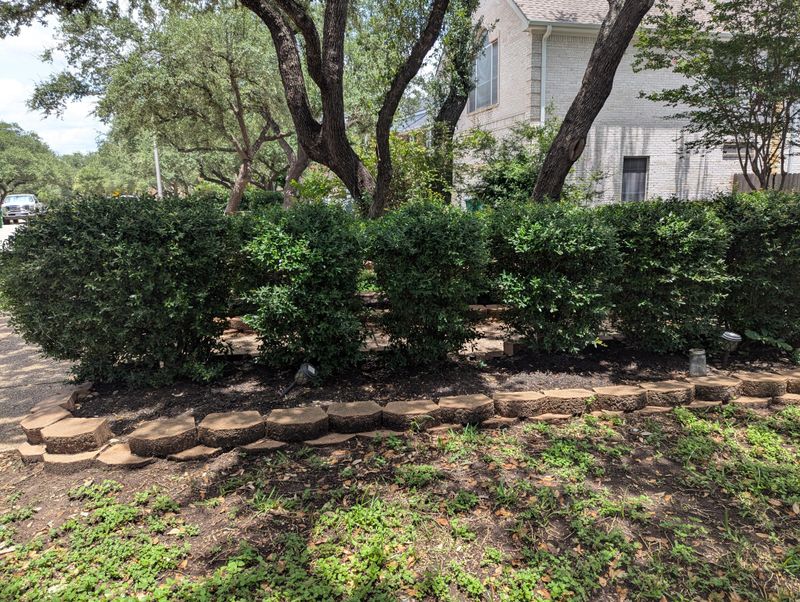
Aggressive trimming that causes serious harm to a neighbor’s shrub can lead to legal liability in Pennsylvania.
Even though you have the right to trim back to your property line, you must do so carefully to avoid harming the plant’s overall health. Excessive cutting that destroys the shrub’s shape or vitality might result in claims for the plant’s replacement value.
Disposing of trimmed branches and leaves improperly can spark conflicts. Throwing the cut material back onto your neighbor’s property or leaving it in shared spaces creates new problems.
Pennsylvania homeowners should plan to remove and dispose of trimmings responsibly through yard waste collection or composting.
Timing your trimming work can affect how neighbors react. Cutting back shrubs right before a special event at their home, like a graduation party or wedding, might seem inconsiderate even if it’s legal.
Being mindful of your neighbor’s schedule shows respect and reduces friction.
Using the wrong tools or techniques can cause more damage than necessary. Tearing branches instead of making clean cuts, or trimming during seasons when plants are vulnerable, might harm the shrub beyond what’s reasonable.
Pennsylvania homeowners should research proper pruning methods for the specific plant type.
Disputes sometimes arise when property lines are unclear or contested. If your neighbor believes the boundary sits in a different location than you do, trimming based on your understanding might feel like trespassing to them.
These disagreements can escalate quickly without professional survey confirmation.
Privacy concerns can fuel conflicts when trimming removes screening between properties. Even if the shrub was on their property, your neighbor might have valued the visual barrier it provided.
Anticipating and discussing these concerns can help manage expectations.
8. When Professional Advice May Be Considered
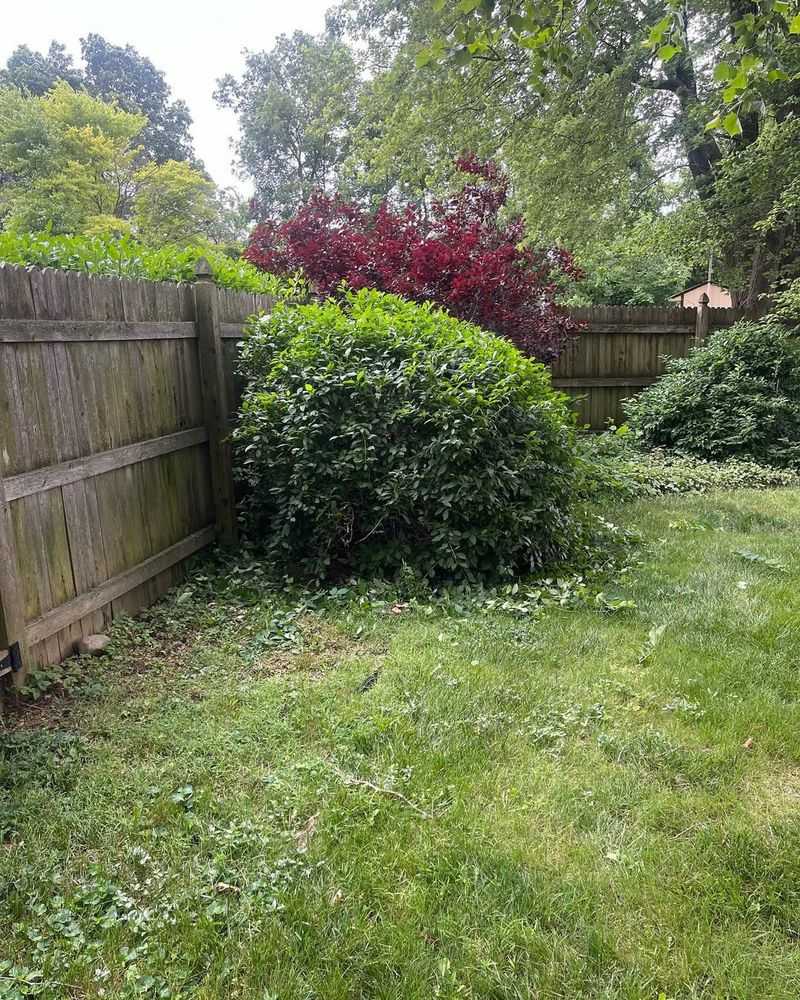
Complex situations benefit from consulting with professionals who understand Pennsylvania property law. Real estate attorneys can explain your specific rights and potential liabilities before you take action.
This investment in legal advice might save money and stress compared to dealing with disputes after trimming occurs.
Professional landscapers bring expertise about proper pruning techniques and plant health. Hiring someone with experience ensures the work is done correctly without causing unnecessary damage.
These experts can also provide documentation of what was trimmed and how, which could be valuable if questions arise later.
Property surveyors offer definitive answers about boundary locations when visual estimates aren’t sufficient. Pennsylvania homeowners facing significant overgrowth or neighbor disagreements should consider getting an official survey.
The cost typically ranges from a few hundred to over a thousand dollars depending on property size and complexity.
Mediation services help neighbors reach agreements without going to court. Many Pennsylvania counties offer community mediation programs that facilitate conversations between disputing parties.
A neutral third party can help both sides understand each other’s concerns and find mutually acceptable solutions.
Arborists specialize in tree and shrub health, providing guidance about the best times and methods for trimming. Their professional assessment can determine whether cutting back will harm the plant significantly.
Pennsylvania homeowners can request written opinions that document the arborist’s recommendations.
Insurance agents should be consulted if you’re concerned about potential liability from trimming. Your homeowner’s policy might cover certain disputes or damages, but understanding your coverage before problems occur is wiser than discovering gaps afterward.
9. What Pennsylvania Homeowners Should Keep In Mind
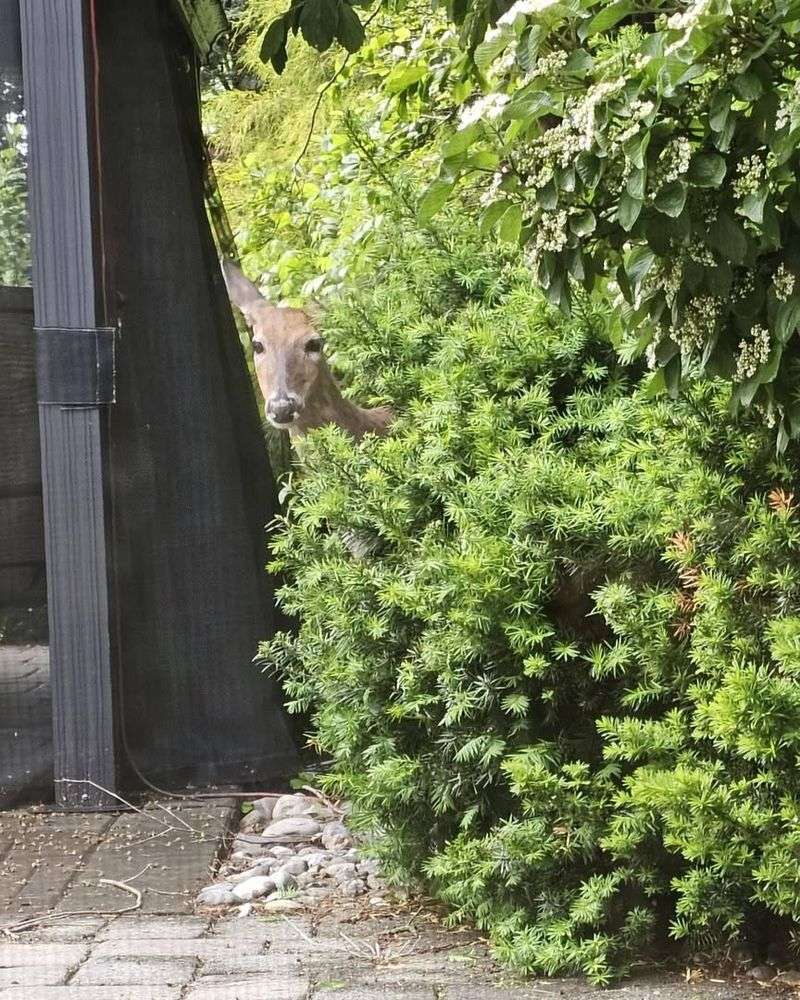
Documentation serves as your best protection when dealing with overhanging shrubs in Pennsylvania. Taking photos before and after trimming, keeping records of conversations with neighbors, and saving receipts from professional services creates a clear timeline.
This evidence can support your position if disputes arise or legal questions emerge later.
Patience often yields better outcomes than rushing to exercise your legal rights. Allowing time for conversations and cooperative solutions preserves neighborhood harmony.
Pennsylvania communities function better when residents work together rather than immediately resorting to confrontational approaches.
Understanding the difference between rights and relationships helps guide decision-making. You might have the legal authority to trim back to your property line, but doing so without warning could damage friendships or create ongoing tension.
Weighing practical benefits against social costs leads to more balanced choices.
Regular maintenance prevents small issues from becoming major problems. Addressing overgrowth when it first appears is easier than waiting until branches have grown extensively.
Pennsylvania homeowners who stay on top of boundary vegetation avoid both the physical work and emotional stress of dealing with severe encroachment.
Learning about the specific shrub species involved helps you make informed decisions. Some plants tolerate heavy pruning well, while others suffer lasting damage from aggressive cutting.
Research or professional advice about the neighbor’s particular shrub type guides how much you can safely trim.
Keeping perspective about what truly matters in property maintenance prevents overreaction to minor issues. A few branches crossing the line might not warrant immediate action if they’re not causing real problems.
Pennsylvania homeowners should focus energy on situations that genuinely affect property use or value.