Can You Demand Tree Removal In Colorado If A Neighbor’s Tree Threatens Your Property
When a neighbor’s tree starts creeping a little too close for comfort, it can feel like a ticking time bomb looming over your Colorado property.
Maybe the branches are dangling like trouble waiting to happen, or the roots are inching toward your foundation with bad intentions.
Naturally, the big question pops up: Can you actually demand that your neighbor remove the tree before disaster strikes?
Before you stump up the courage for an awkward conversation—or worse, a legal showdown—it helps to know exactly what Colorado law says about risky trees, property rights, and where your power as a homeowner really begins.
Colorado Follows The Massachusetts Rule For Tree Disputes
Colorado courts apply something called the Massachusetts Rule when neighbors disagree about trees.
Under this legal principle, property owners generally cannot force their neighbors to cut down healthy trees, even if branches or roots cross property lines.
You have the right to trim branches and roots that extend onto your property, but you must do so carefully without harming the tree.
If your trimming destroys or damages the tree, you could be held responsible for its value.
This rule balances property rights with the understanding that trees benefit entire communities.
However, exceptions exist when trees become genuinely dangerous or cause significant damage.
Courts recognize that withered, diseased, or structurally unsound trees pose real threats to people and property.
Documenting the condition of a problematic tree becomes essential if you need to take legal action.
Professional arborist reports can provide crucial evidence about whether a tree truly threatens your property.
Understanding this foundational rule helps you know what actions you can take on your own and when you might need legal intervention to resolve a tree dispute with your neighbor.
Dangerous Trees Create Legal Liability For Property Owners
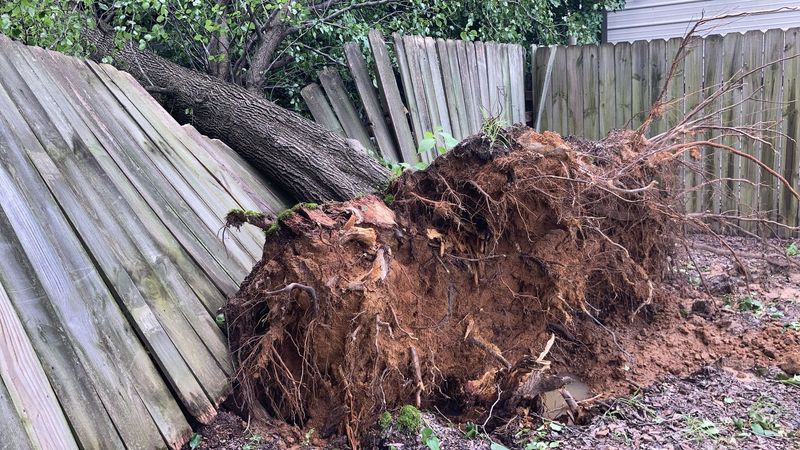
Property owners in Colorado have a legal duty to maintain trees on their land in reasonably safe condition.
When a tree becomes hazardous due to disease, structural weakness, or storm damage, the owner can be held liable if it causes harm.
This liability extends to damage on neighboring properties, not just the owner’s own land.
If you notice a neighbor’s tree showing signs of danger, document everything with photographs and dated notes.
Look for warning signs like large withered branches, significant lean, visible decay, or fungal growth at the base.
Cracks in the trunk or exposed roots can also indicate instability.
After documenting the hazard, notify your neighbor in writing about your concerns.
Keep copies of all correspondence for your records.
Many disputes resolve once neighbors understand the potential risks and their legal responsibilities.
If the neighbor refuses to address a genuinely dangerous tree, you may have grounds for legal action.
Courts are more likely to order removal when clear evidence shows the tree poses imminent danger.
Acting proactively protects both your property and strengthens your legal position should the situation escalate to involve lawyers or insurance companies.
You Can Trim Branches And Roots Crossing Your Property Line
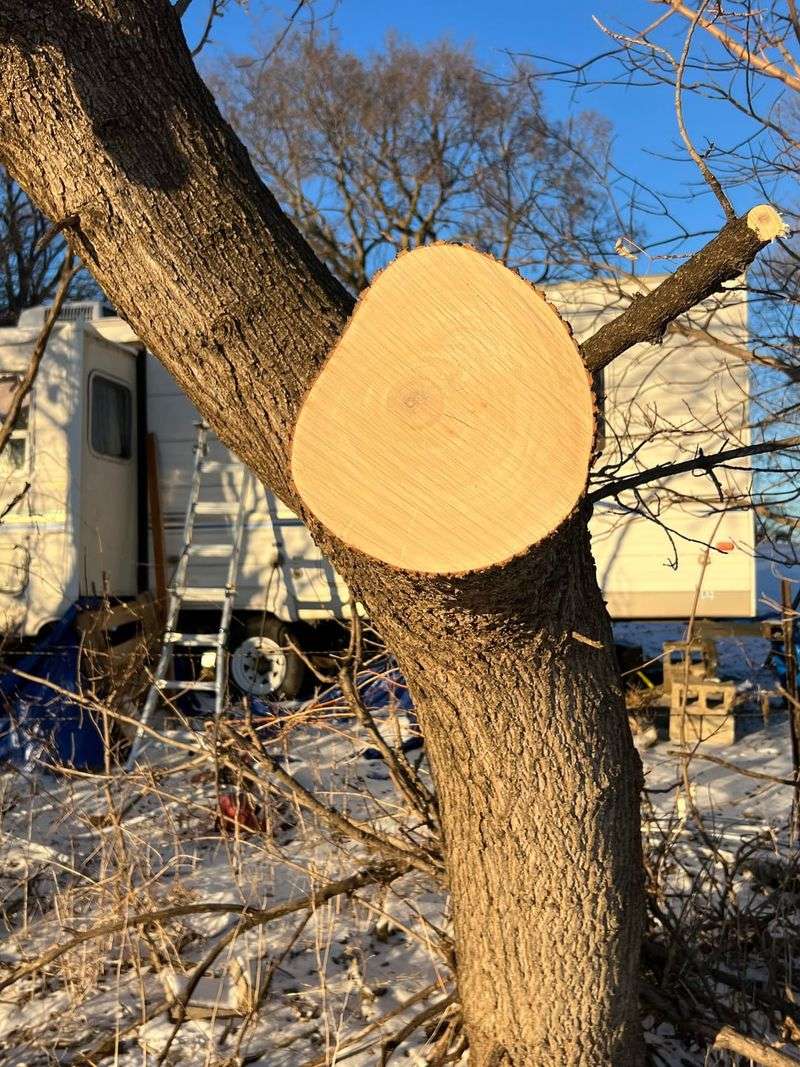
One of your clearest rights as a Colorado property owner is trimming vegetation that crosses onto your land.
Branches hanging over your roof or roots buckling your driveway can be cut back to the property line without asking permission.
This self-help remedy gives you immediate control over encroachments affecting your property.
However, you must exercise this right responsibly and avoid causing unnecessary harm to the tree.
Improper pruning techniques can destroy or seriously damage trees, creating liability for you.
Hiring a certified arborist ensures the work follows proper horticultural practices.
Never remove so much that the tree becomes unstable or withers.
Timing matters too since pruning during certain seasons can stress trees more than others.
You’re responsible for disposing of the branches and roots you remove.
Some people return them to their neighbor, while others handle disposal themselves.
Keep records of the work, including before and after photos.
If the neighbor complains or the tree later withers, documentation proves you acted reasonably.
Remember that your right to trim stops at the property line; you cannot enter your neighbor’s property or cut anything on their side without permission.
Written Notice To Your Neighbor Is Crucial First Step
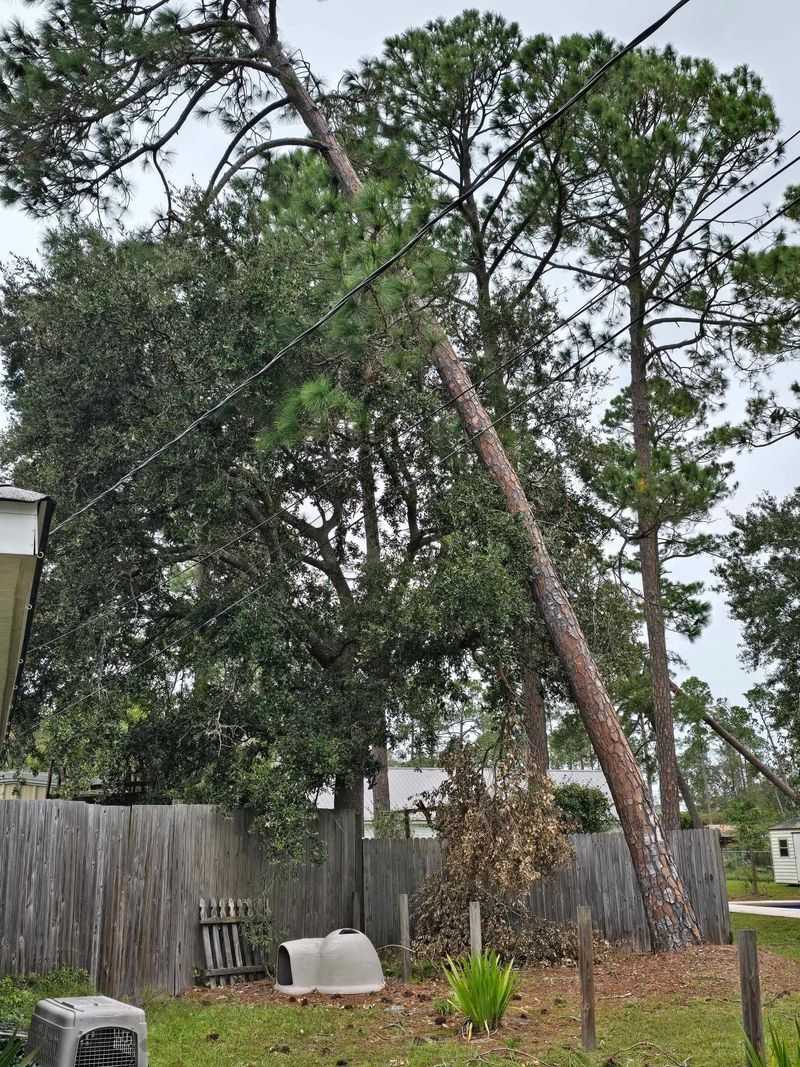
Before taking any legal action, Colorado law expects you to notify your neighbor about tree problems in writing.
A well-crafted letter serves multiple purposes in tree disputes.
First, it gives your neighbor a fair chance to address the issue before matters escalate.
Many people genuinely don’t realize their tree poses problems and will act once informed.
Second, written notice creates an official record that you attempted to resolve things amicably.
Courts appreciate parties who try to work things out before filing lawsuits.
Your letter should clearly describe the problem, explain how it affects your property, and request specific action with a reasonable deadline.
Include photos if possible and mention any safety concerns.
Keep the tone polite but firm.
Send the letter via certified mail with return receipt so you have proof of delivery.
Save copies of everything for your records.
If your neighbor responds, continue documenting all communications.
Should the situation eventually require legal intervention, this paper trail demonstrates you made good-faith efforts to resolve the dispute.
Judges and mediators view favorably those who exhaust reasonable alternatives before seeking court orders.
Homeowners Insurance May Cover Tree-Related Damage
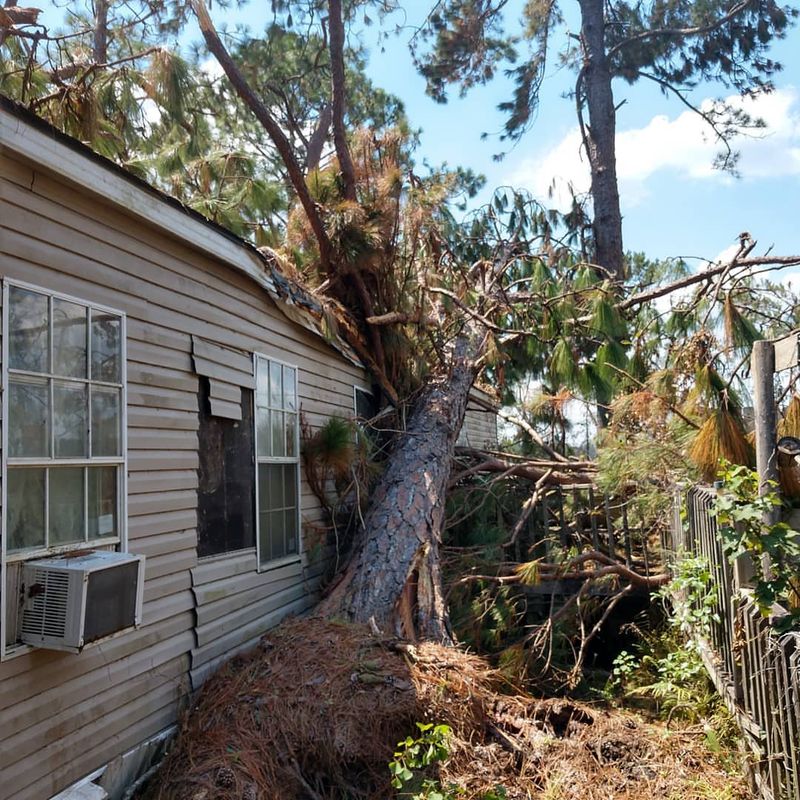
Your homeowners insurance policy might provide coverage when a neighbor’s tree damages your property.
Most standard policies cover sudden, accidental damage from falling trees or branches.
If a storm causes a neighbor’s tree to crash into your house, your insurance typically pays for repairs regardless of who owned the tree.
Your insurance company may then seek reimbursement from your neighbor’s insurer if negligence was involved.
This process, called subrogation, happens between insurance companies without requiring your direct involvement.
However, insurance generally won’t cover gradual damage from roots or ongoing issues you knew about but didn’t address.
Policies also exclude damage from trees you should have removed from your own property.
Review your policy carefully to understand what’s covered and your deductible amount.
Document all tree-related damage thoroughly with photos and videos before making repairs.
Contact your insurance company promptly after incidents occur.
Delays in reporting can sometimes affect coverage.
Keep receipts for any emergency repairs you make to prevent further damage.
Your agent can explain whether filing a claim makes sense given your deductible and potential premium increases.
Sometimes working directly with neighbors proves more cost-effective than involving insurance companies.
Municipal Ordinances May Provide Additional Protection
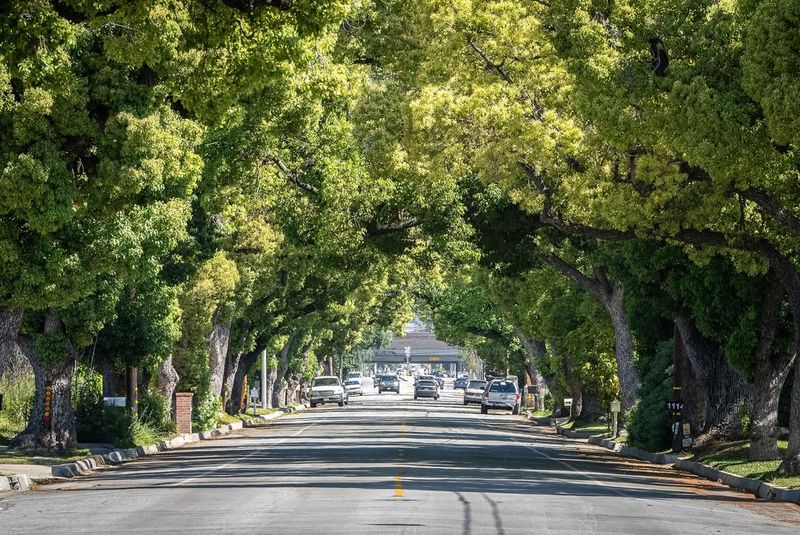
Many Colorado cities and counties have local tree ordinances that go beyond state law.
These regulations often address specific community concerns about tree preservation, maintenance, and removal.
Some municipalities require permits before removing certain trees, even on private property.
Others mandate that property owners maintain trees in safe condition or face fines.
Local ordinances might designate certain species as protected or establish standards for tree care.
Cities like Boulder, Fort Collins, and Denver have particularly detailed tree regulations.
Checking your local municipal code can reveal rights and remedies not available under general state law.
Your city’s code enforcement department can investigate complaints about dangerous trees.
They have authority to require property owners to remove hazardous trees or face penalties.
This governmental intervention sometimes resolves disputes more effectively than private legal action.
Homeowners associations may impose additional tree-related rules in planned communities.
These HOA covenants are legally enforceable contracts between property owners.
Reviewing all applicable regulations helps you understand the full range of options available.
Local tree boards or forestry departments often provide free advice about navigating tree disputes within your specific municipality’s rules and procedures.
Hiring A Certified Arborist Provides Expert Documentation
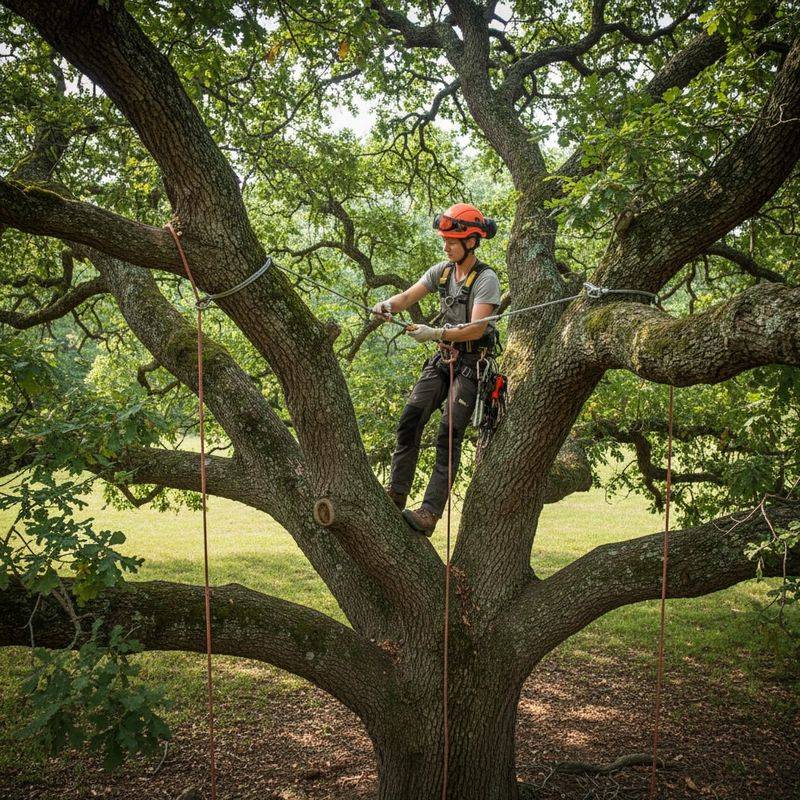
Getting a professional arborist’s assessment can make or break your case in tree disputes.
Certified arborists have specialized training in tree health, structure, and risk assessment.
Their expert opinions carry significant weight in legal proceedings and insurance claims.
An arborist can determine whether a tree is truly dangerous or just inconvenient.
They assess factors like disease, structural defects, and proximity to structures that average people might miss.
Their written reports provide objective evidence of tree conditions and appropriate remedies.
Courts often require expert testimony in tree cases, making an arborist’s involvement valuable if litigation becomes necessary.
Look for arborists certified by the International Society of Arboriculture (ISA).
This credential indicates they’ve met professional standards and maintain current knowledge.
Many arborists offer consultation services specifically for legal disputes.
They can photograph problem areas, test for disease, and evaluate root systems.
Some will attend mediation sessions or testify in court if needed.
While hiring an arborist costs money upfront, their documentation often prevents more expensive legal battles later.
Their reports also help negotiate with neighbors by providing neutral, scientific assessments rather than emotional complaints.
Mediation Offers A Less Expensive Alternative To Lawsuits

When direct negotiation fails, mediation provides a middle ground before expensive litigation.
A neutral third party helps both sides communicate and find mutually acceptable solutions.
Unlike judges, mediators don’t impose decisions but facilitate agreements between disputing neighbors.
Colorado courts often encourage or require mediation before tree cases go to trial.
Many counties offer community mediation services at low cost or even free.
Private mediators with expertise in property disputes charge fees but typically cost far less than attorneys and court proceedings.
Mediation sessions remain confidential, allowing honest discussion without creating public records.
Both parties can speak freely about concerns without worrying statements will be used against them later.
Creative solutions often emerge that courts couldn’t order.
Neighbors might agree to share removal costs, plant replacement trees, or establish maintenance schedules.
These customized agreements preserve relationships better than adversarial court battles.
Successful mediation produces written agreements that become legally binding contracts.
If someone violates the agreement, enforcement through courts becomes straightforward.
Even unsuccessful mediation clarifies issues and sometimes leads to settlement before trial.
The process typically takes just one or two sessions, resolving disputes much faster than litigation.
Legal Action May Result In Court-Ordered Tree Removal

Sometimes legal action becomes necessary when all other options fail to resolve dangerous tree situations.
Colorado courts can order tree removal, but only when evidence clearly shows the tree poses genuine threats.
Filing a lawsuit should be your last resort after exhausting communication, documentation, and mediation.
You’ll need to prove the tree is hazardous and your neighbor knew or should have known about the danger.
Strong cases include expert arborist reports, photographs documenting deterioration, and records of previous damage.
Evidence that you notified your neighbor and they refused to act strengthens your position.
Courts balance your property rights against your neighbor’s rights to keep trees on their land.
Judges rarely order removal of healthy trees simply because they’re inconvenient or messy.
The threat must be substantial, not speculative or minor.
Legal proceedings take time and money.
Attorney fees, court costs, and expert witness expenses add up quickly.
Consider whether the potential outcome justifies these costs.
If you win, courts may award damages for property harm and order the neighbor to remove the tree.
You might also recover legal fees depending on circumstances.
However, enforcement can present challenges if neighbors refuse to comply with court orders.
Prevention And Good Neighbor Relations Work Best
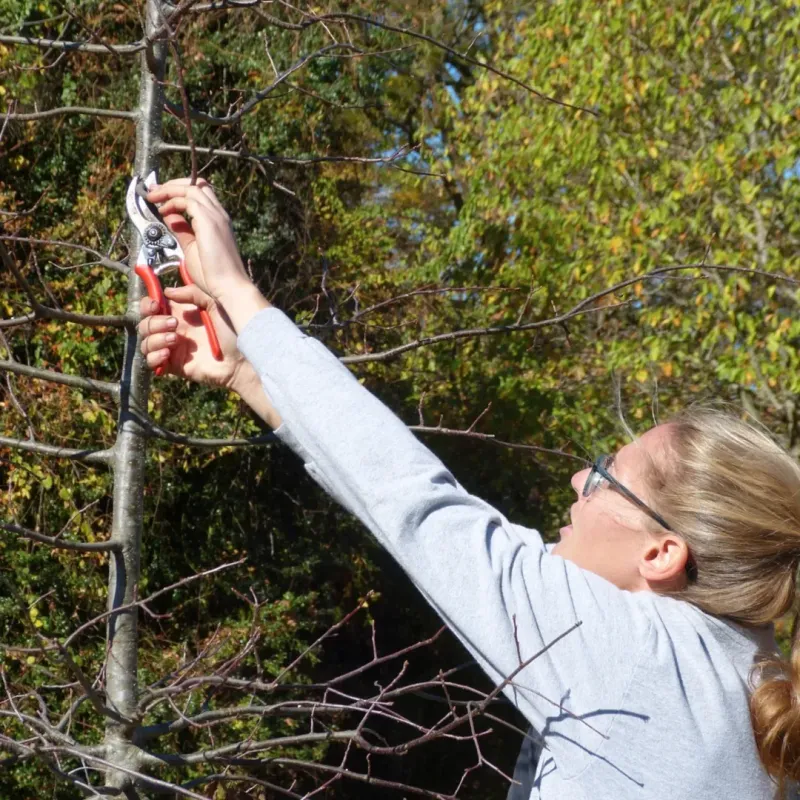
The best approach to tree disputes involves prevention and maintaining positive neighbor relationships.
Regular communication about property concerns often prevents small issues from becoming major conflicts.
Many tree problems develop gradually, giving attentive neighbors time to address them cooperatively.
Approach conversations with empathy, recognizing that tree removal can be emotionally difficult for owners.
People often have sentimental attachments to trees they’ve watched grow for years.
Offering to share costs for trimming or removal can make neighbors more receptive to necessary action.
Sometimes compromises like pruning instead of complete removal satisfy everyone’s concerns.
Regular property maintenance on both sides reduces tree-related problems.
Inspect trees annually for signs of disease or damage.
Address issues promptly before they threaten structures or safety.
Consider hiring professionals for regular tree care rather than waiting for emergencies.
Planting appropriate species in suitable locations prevents future conflicts.
Choose trees that won’t outgrow their space or have aggressive root systems near property lines.
When you invest in good relationships and proactive maintenance, legal disputes rarely become necessary.
Remember that you’ll likely live near these neighbors for years, making cooperation more valuable than winning battles.