Can You Legally Stop A Oregon Neighbor From Mowing Dry Grass During A Fire Watch?
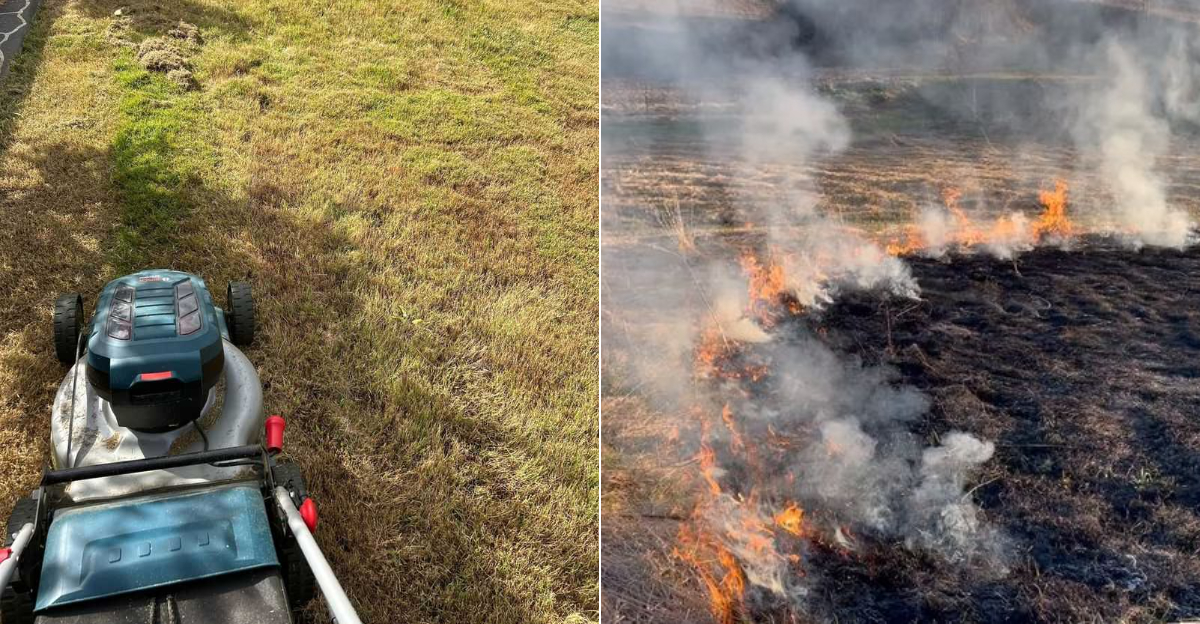
A mower running through brittle grass during a fire watch can make the whole neighborhood uneasy.
In Oregon, that concern becomes more complicated when the activity is happening on someone else’s property.
You may feel the risk is obvious, but neighbor disputes and fire restrictions do not always line up as neatly as people expect. The rules can depend on location, current fire danger, and what type of work is being done.
That means stepping in directly may not be the smartest first move, even when conditions feel dangerous.
There are situations where outside authorities have a role, and others where the issue remains largely between property owners.
If dry grass is being cut during a period of heightened fire risk, the safest response starts with understanding which rules actually apply before the situation turns into a confrontation.
1. Extreme Fire Danger Can Stop Mowing Completely
Most people think of fire danger as something that only affects campfires or burning trash. The truth is that during extreme fire danger, state officials have the power to restrict far more than open flames.
In Oregon, the Oregon Department of Forestry can issue Industrial Fire Precaution Levels, known as IFPLs. At the highest level, Level 4, nearly all outdoor power equipment use is banned in forested and wildland areas.
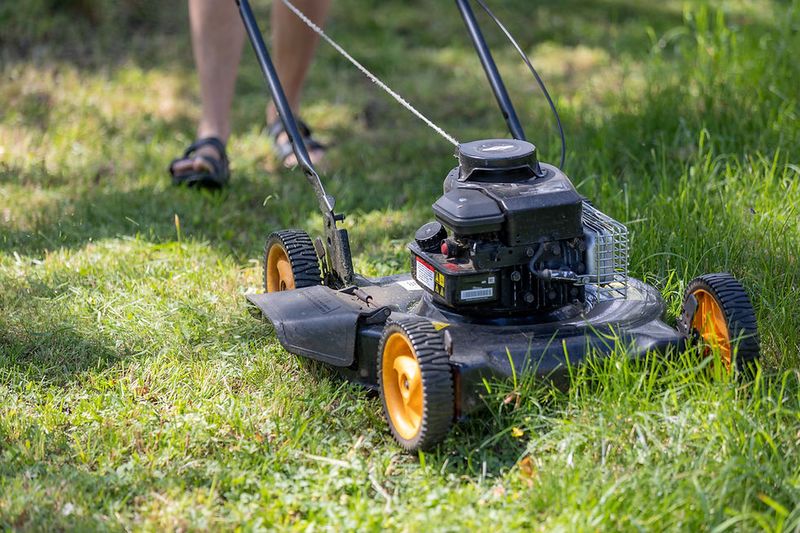
That includes gas-powered lawn mowers. When an IFPL Level 4 is active, mowing dry grass is not just risky, it is prohibited.
This applies to homeowners living near or within wildland-urban interface zones. Many rural and semi-rural properties fall into these zones, so this rule affects more people than most realize.
The reason is straightforward. Mower blades spin at high speeds and can strike rocks, wire, or hard soil.
That contact can create a spark hot enough to ignite dry grass instantly. Fire officials have documented real wildfires that started exactly this way.
During extreme fire danger periods, the risk simply becomes too high to allow it. If your neighbor is mowing during a Level 4 restriction, they may be breaking state law.
You do not have to confront them directly. Calling your local ODF office or county fire agency is the right move.
Officials can follow up and issue warnings or citations when needed.
2. Dry Grass Is The Part Officials Worry About
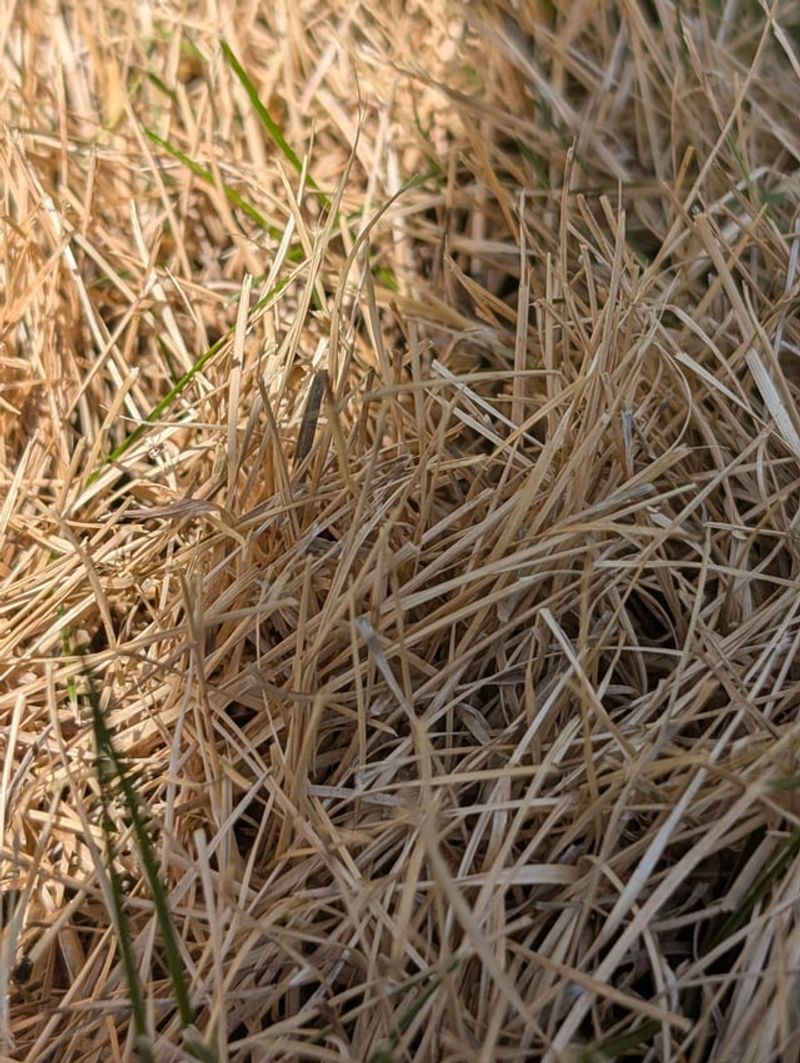
Not all grass is created equal when it comes to fire risk. Green, moist grass is far less likely to catch fire than dry, cured grass.
Officials use the term “cured” to describe grass that has turned brown and lost most of its moisture. Cured grass burns fast, spreads flame easily, and can carry fire across a yard in seconds.
Fire behavior scientists measure something called the Fine Fuel Moisture content. When that number drops low enough, even a tiny spark can start a fire.
Cured grass in late summer across Oregon regularly hits those dangerous levels. That is why fire agencies pay close attention to the color and condition of grass when setting restrictions.
If your neighbor’s lawn is a sea of brown, dry blades, their mower is operating in some of the most flammable conditions possible. The spinning blade alone can create enough heat from friction to ignite nearby material.
Your Oregon Garden Changes Every Week. Your Plan Should Too.
Gardening in Oregon changes quickly throughout the season. Every Friday you’ll receive a simple weekly plan showing exactly what to plant, prune, fertilize, harvest, and protect so you never miss the right timing.
Add in a rock strike or a piece of metal debris, and the risk goes up fast. Dry grass fires also move quickly and can jump fences and spread to neighboring properties before anyone can react.
This is not just a personal risk for the mower. It becomes a risk for the whole neighborhood.
Knowing this helps explain why state and county officials take dry grass mowing seriously during a fire watch.
3. One Rock Strike Can Throw A Dangerous Spark
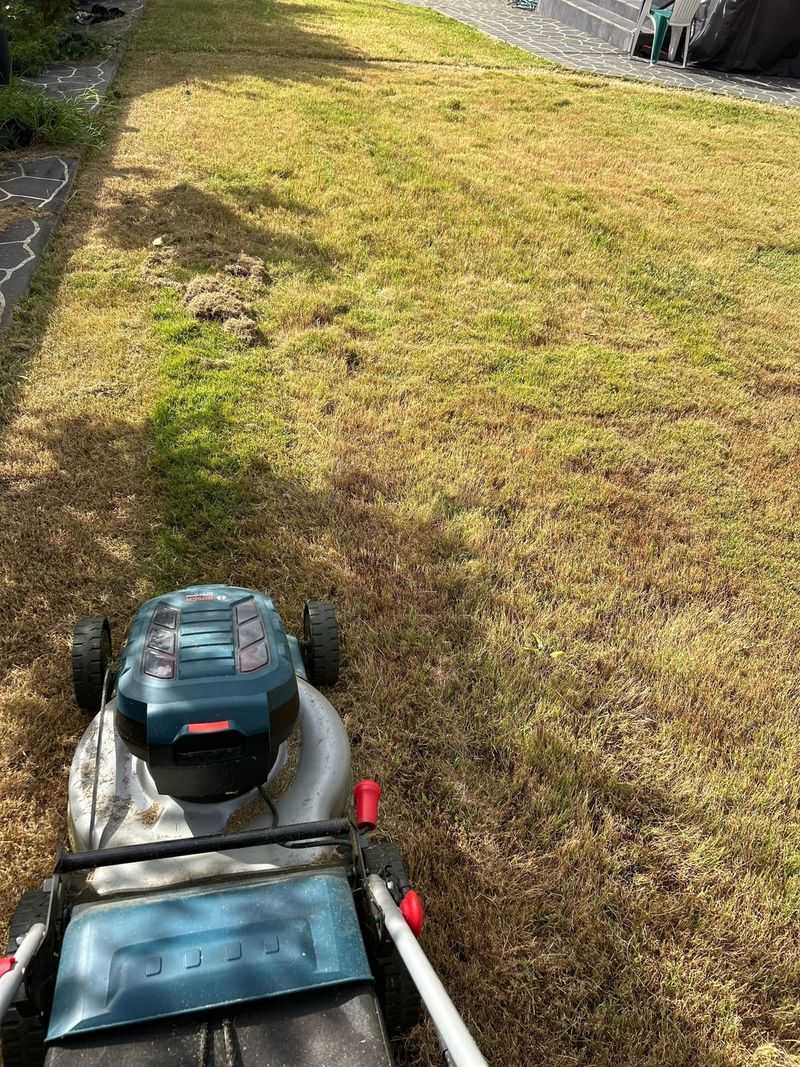
Here is something that surprises a lot of homeowners. A standard gas-powered mower does not need to malfunction to start a fire.
All it takes is the blade hitting a single rock hiding in the dry grass. That impact throws a spark, the spark lands on dry fuel, and within moments a small flame can turn into something much bigger.
This is not a rare event. Fire investigators across western states have traced dozens of wildfires back to exactly this cause.
The mower operator often does not even notice it happened. They keep moving forward while a fire quietly grows behind them in the clippings and dry blades left on the ground.
Rock strikes are nearly impossible to prevent completely. Yards in rural parts of this state often have hidden rocks, gravel, or hardened soil just below the grass surface.
Even a well-maintained lawn can have debris that shifts with weather and irrigation changes. During a fire watch, that unpredictability becomes a serious hazard.
Fire officials understand this, which is why restrictions often target gas-powered equipment specifically. Electric mowers carry less spark risk, but they are not completely risk-free either.
If a neighbor is mowing with a gas mower during a fire watch and their yard has any rocks or debris, the danger is real and immediate. Reporting it protects everyone on the block, not just the person next door.
4. High Fire Danger Can Limit Mowing To Cooler Hours
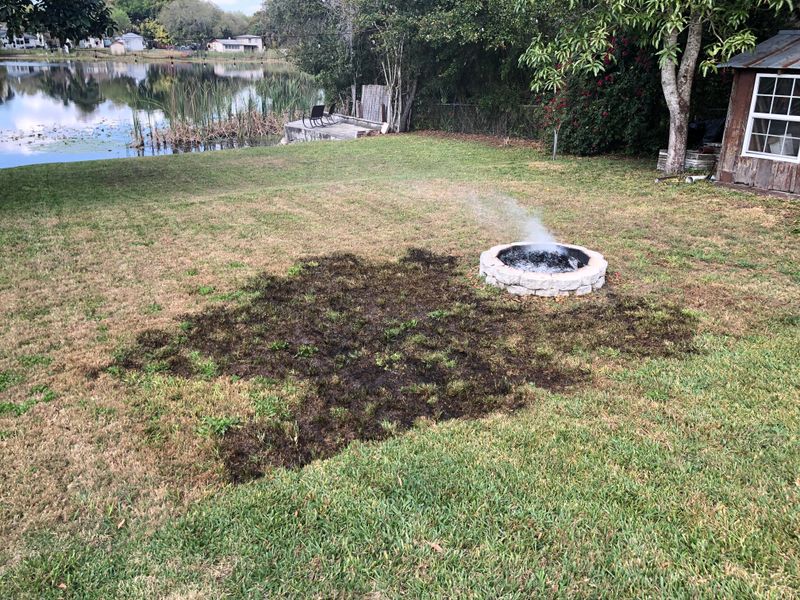
Not every fire restriction is an all-out ban. In many cases, the rules are more about timing than total prohibition.
At lower Industrial Fire Precaution Levels, like Level 2 or Level 3, outdoor power equipment use may still be allowed but only during specific hours of the day. Typically, that means early morning before 10 a.m., when temperatures are cooler and humidity is higher.
Cooler air holds more moisture, and grass that has had overnight dew on it is less likely to ignite than grass baked by afternoon sun. Fire officials know that the riskiest window runs from mid-morning through late afternoon.
Wind speeds also tend to pick up during that period, which makes any spark even more dangerous.
Restricting mowing to early morning is a practical compromise that reduces risk without banning activity entirely.
If your neighbor is mowing at 2 p.m. on a hot August afternoon during a Level 2 or Level 3 restriction, they may be violating the specific conditions of that restriction.
Checking the current IFPL level for your county is easy through the ODF website or a quick phone call to your local fire district.
The rules are posted publicly and updated regularly during fire season. Knowing the exact level in effect gives you the information you need to report a violation accurately and get the right response from officials without any guesswork.
5. A Green Lawn Is Different From Cured Dry Grass
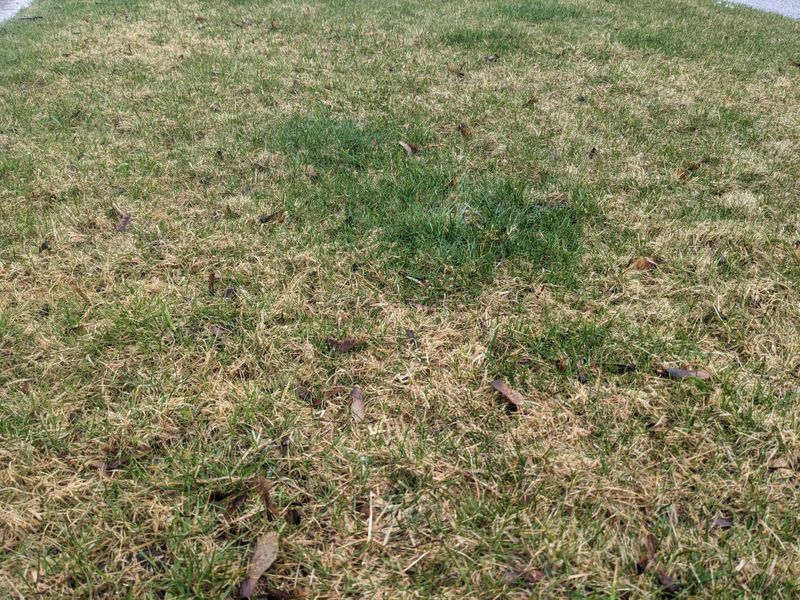
One of the most common points of confusion during fire season is whether all mowing is restricted or just mowing of dry grass.
The answer depends on the specific rules in effect, but fire officials do make a distinction between green, irrigated lawns and dry, cured grass areas.
A lush green lawn that is regularly watered holds significantly more moisture and poses much less ignition risk.
That said, even green lawns are not completely safe. Clippings can dry out quickly in summer heat.
Mowers can still strike rocks. And the edges of a green lawn often transition into drier areas where fire can start and spread.
So even a well-watered yard is not entirely off the hook when fire danger is high.
Some county and state rules specifically address this by banning mowing of dry or cured grass while still allowing mowing of irrigated green grass under certain conditions.
If your neighbor has a green, healthy lawn and is mowing it carefully, they may be within the rules even during a fire watch.
But if they are mowing the dry, brown areas of their property, that is where the restriction likely applies. The key is knowing exactly what the current local rules say.
Checking with your county fire agency or the ODF hotline gives you a clear answer and helps you avoid reporting someone who is actually following the rules correctly.
6. Local ODF Restrictions Decide What Is Actually Allowed
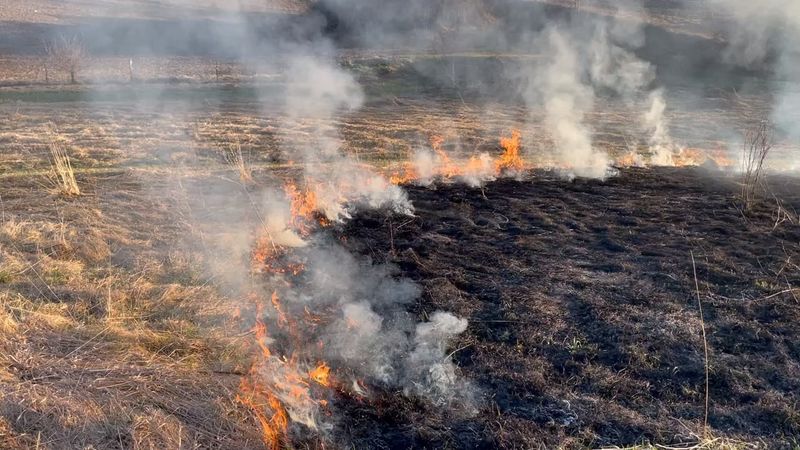
The Oregon Department of Forestry is the main agency that sets and enforces fire restrictions for forestland and wildland areas across the state.
Their Industrial Fire Precaution Level system runs from Level 1 to Level 4, with each level adding more restrictions on outdoor activities.
At Level 1, basic precautions apply. By Level 4, most power equipment use is off the table entirely.
ODF restrictions apply specifically to lands within their protection area. That includes a large portion of rural and semi-rural properties across the state.
If your home is near timber, brush, or wildland, there is a good chance your property falls within ODF jurisdiction. You can check this on the ODF website using your address or by calling your local district office directly.
Beyond ODF, local county fire agencies and city fire departments may layer on additional restrictions. Some counties issue their own burn bans or fire safety orders that go further than state rules.
This means the rules in one county can be stricter than in another, even during the same fire event. Always check both the state-level ODF restrictions and your local county or city rules to get the full picture.
If a neighbor is mowing and you believe it violates current rules, the ODF hotline is a good first call. They can tell you exactly what is in effect for your area and whether the activity you are seeing is actually prohibited under current law.
7. Reporting A Violation Beats Starting A Fence-Line Fight
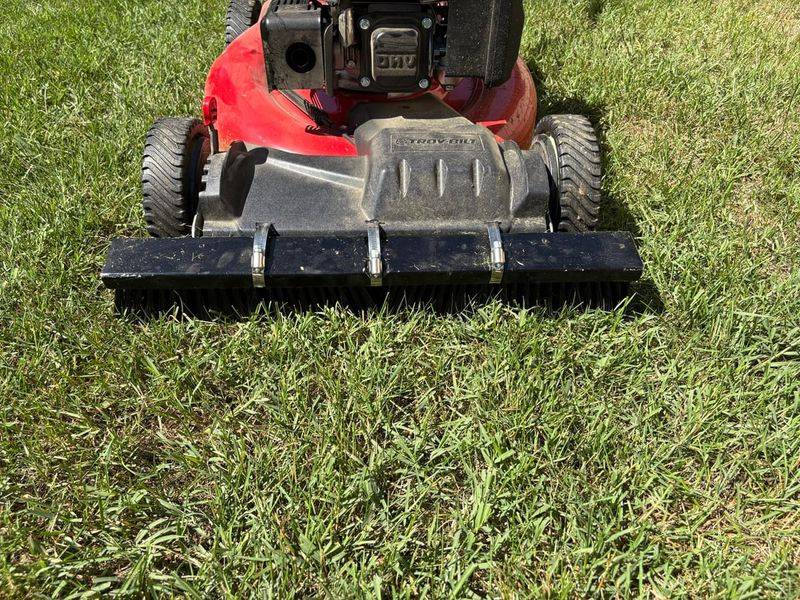
Walking over to a neighbor and telling them to stop mowing is rarely a good idea during a tense fire season. Emotions run high when people feel their property or safety is threatened.
A face-to-face confrontation over something like this can escalate fast and damage a relationship that might otherwise be perfectly fine. There is a better path available, and it does not require any awkward conversations.
Calling your local fire district, county sheriff, or ODF office is the smart move. These agencies have the authority to respond to violations, issue warnings, and write citations if needed.
When you call, have the address ready, describe what you are seeing, and mention the current fire danger level if you know it. Officials can dispatch someone to check on the situation without you being involved at all.
You can also report concerns through the ODF tip line, which is available during fire season for exactly these kinds of situations. Many counties also have non-emergency fire safety lines that handle reports like this.
Keeping yourself out of the conflict protects your relationship with your neighbor and puts the enforcement where it belongs, with trained officials who have the legal tools to handle it.
Neighbors who get a visit from a fire official are far more likely to stop and comply than neighbors who get a complaint from the person next door. Let the system work the way it was designed to.