Can You Legally Trim A Neighbor’s Overgrown Bamboo In Washington State
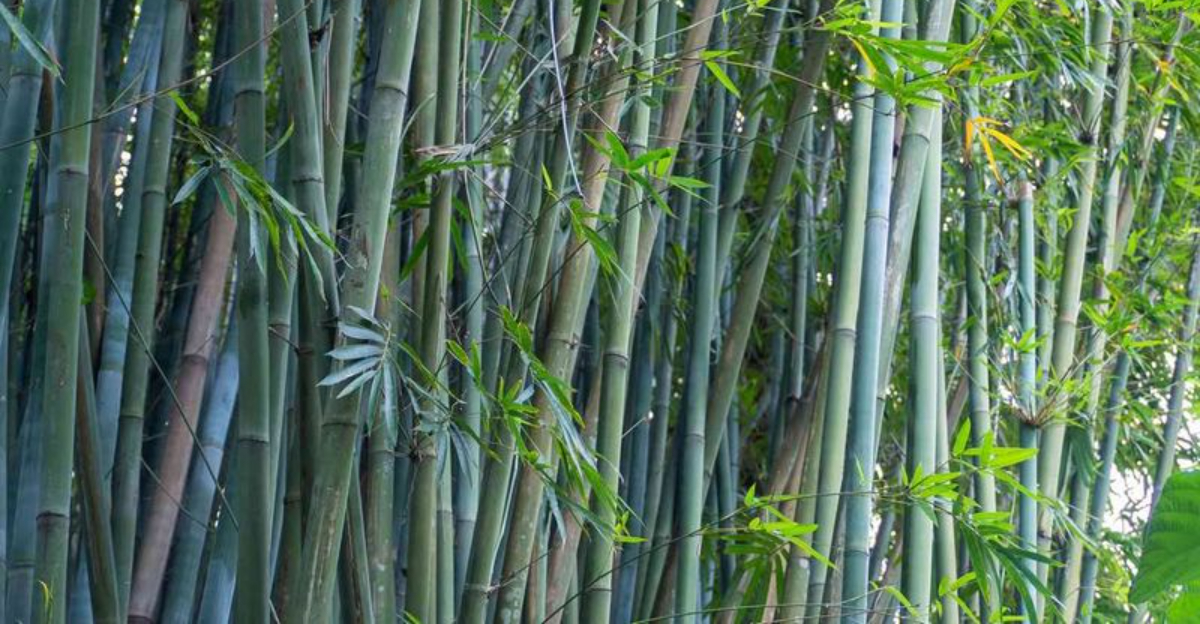
Bamboo can be beautiful, but when it crosses property lines, it becomes a real headache.
If your neighbor’s bamboo is invading your yard, you might wonder whether you can legally grab your pruning shears and take action yourself.
Washington State has specific laws about property boundaries, plant overgrowth, and neighbor disputes that you need to understand before making any cuts.
Knowing your rights and responsibilities can help you avoid legal trouble while protecting your property from unwanted green invaders.
Washington’s Property Line Rules Apply To All Plants
Property boundaries matter more than most people realize when dealing with vegetation disputes.
Washington law gives property owners certain rights when plants from a neighbor’s yard cross onto their land.
The state follows what legal experts call the “Massachusetts Rule,” which means you generally have the right to trim branches, roots, or shoots that extend over your property line.
However, this right comes with important limitations you must respect.
You can only trim up to the exact property boundary, not an inch further onto your neighbor’s side.
Any cutting must be done carefully to avoid damaging the main plant on your neighbor’s property.
If you cause harm to the plant beyond what’s on your side, you could be held financially responsible.
Before taking action, consider having a professional survey done if property lines aren’t clearly marked.
Guessing where the boundary sits could land you in legal hot water.
Many neighborhood disputes start because someone thought they knew where the line was but got it wrong.
Taking time to verify boundaries protects both you and your relationship with your neighbor.
You Can Trim What Crosses Your Boundary
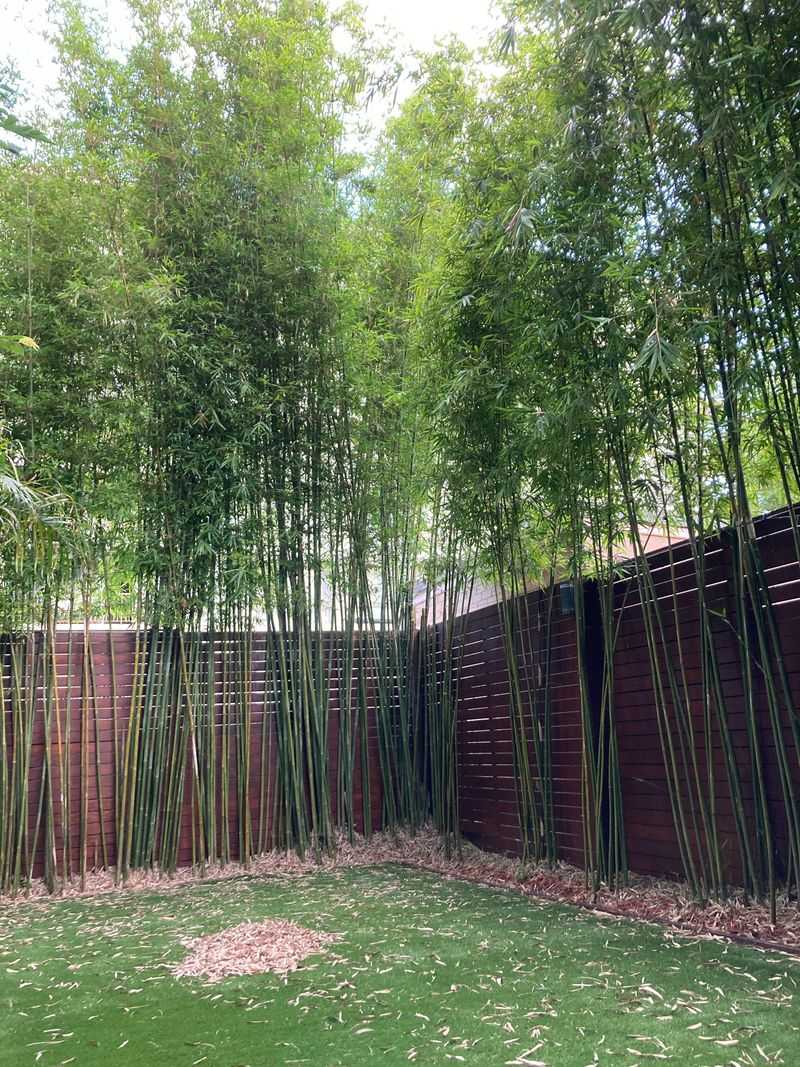
Once bamboo shoots or stalks cross into your yard, you gain the legal right to cut them back.
Washington State law protects your ability to maintain your property free from unwanted vegetation.
Bamboo is particularly aggressive, sending runners underground that pop up feet away from the original plant.
When these shoots emerge on your side of the fence, they’re fair game for removal.
The key is keeping your trimming strictly to your side of the property line.
Use sharp, clean tools to make neat cuts that won’t cause unnecessary damage.
Some homeowners worry they’ll get sued for touching their neighbor’s plants, but the law supports your right to control what grows on your land.
Document the overgrowth with photos before you start trimming, showing clearly where the bamboo has invaded your space.
This creates a record if disputes arise later.
Remember that while you can trim what’s on your property, you cannot use herbicides or chemicals that might seep into your neighbor’s soil.
That crosses the line from maintenance into potential property damage.
Underground Bamboo Roots Change Everything

Bamboo doesn’t just grow above ground—it spreads through an extensive root system called rhizomes.
These underground runners can travel surprisingly far from the parent plant, sometimes covering 15 to 20 feet in a single growing season.
Washington law gets complicated when dealing with roots because they’re hidden from view.
You have the right to cut roots that have invaded your property, but you must be extremely careful.
Digging up roots can destabilize soil and potentially harm structures on either property.
If cutting roots causes the neighbor’s bamboo to wither or fall over, you might face liability.
Courts have ruled that property owners must exercise reasonable care when removing roots.
Simply hacking away without thought could make you responsible for damages.
Consider hiring a professional who understands bamboo root systems before attempting removal yourself.
They can identify which roots to cut without causing catastrophic failure of the plant.
Installing a root barrier along your property line provides a long-term solution that prevents future invasion without harming existing plants.
Communication Beats Confrontation Every Time

Before you start cutting anything, knock on your neighbor’s door and have a conversation.
Most bamboo problems get resolved through friendly discussion rather than legal action.
Your neighbor might not even realize their bamboo is spreading into your yard, especially if it’s happening underground or behind fences.
Approach the situation calmly and without accusations.
Explain what you’ve noticed and suggest working together on a solution.
Many neighbors will gladly help trim back their plants or even split the cost of installing barriers.
Showing photos of the invasion helps make your case without seeming confrontational.
If they’re receptive, you might agree to handle the trimming yourself with their permission, which gives you more freedom to work.
Getting written consent protects you if they later claim you damaged their property.
A simple email or text confirming what you discussed creates a helpful record.
Neighborhood relationships matter, and bamboo won’t be the last issue you might need to discuss.
Starting with cooperation rather than conflict makes future interactions much easier for everyone involved.
Bamboo Species Affects Legal Considerations
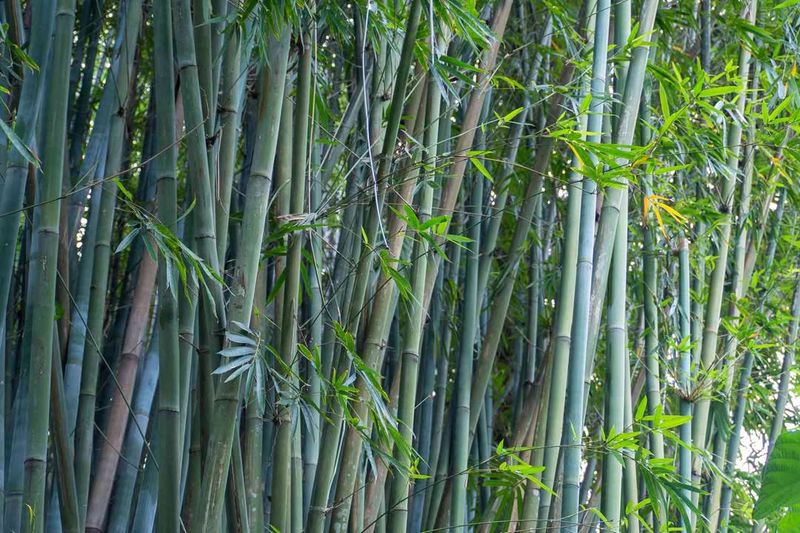
Not all bamboo behaves the same way, and the species matters when considering your options.
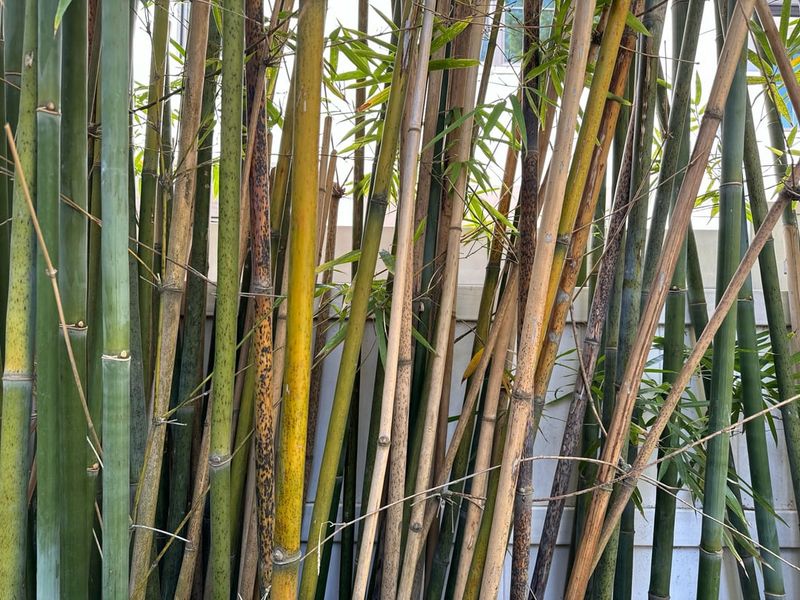
Running bamboo spreads aggressively through underground rhizomes and causes most neighbor disputes.
Species like golden bamboo or black bamboo can travel far from their original planting site.
Clumping bamboo, on the other hand, grows in tight clusters and rarely invades neighboring properties.
Understanding which type your neighbor has planted helps you predict future problems.
If they’ve planted running bamboo without containment barriers, you’re likely facing an ongoing battle.
Some homeowners associations in Washington actually prohibit running bamboo because of its invasive nature.
Checking your local regulations might reveal restrictions your neighbor has violated.
This information strengthens your position if you need to request removal rather than just trimming.
When discussing the issue with your neighbor, gently educating them about bamboo types might help.
They may not have known what they were planting or understood how it would spread.
Suggesting replacement with clumping varieties offers a compromise that protects both properties.
Document Everything Before Taking Action
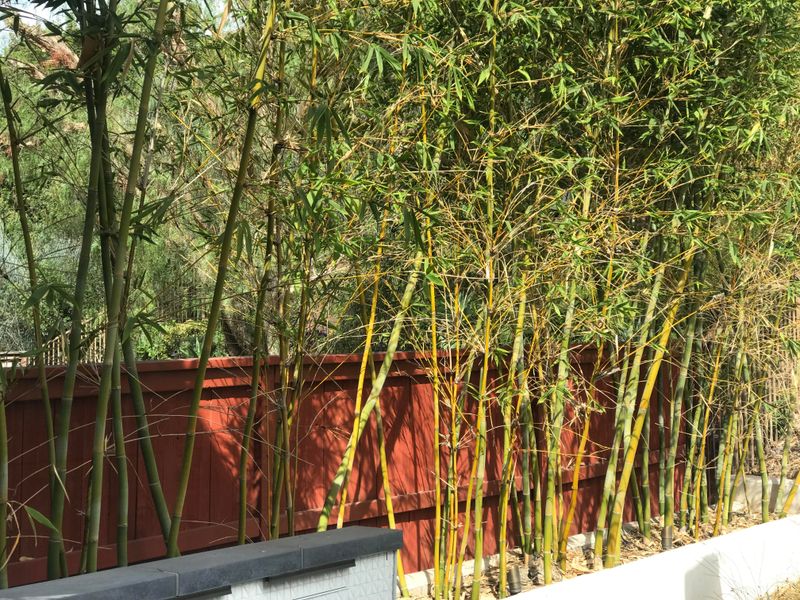
Smart homeowners create detailed records before trimming any vegetation from a neighbor’s property.
Take clear photographs showing where the bamboo crosses the property line and how far it extends into your yard.
Include shots from multiple angles and distances to provide complete context.
Date-stamp your photos or use apps that automatically record when and where pictures were taken.
If possible, include something in the frame that shows the property boundary, like a fence post or survey marker.
This documentation protects you if your neighbor later claims you damaged their property or cut beyond the boundary.
Write down dates when you first noticed the bamboo invasion and how it has progressed over time.
Keep copies of any communications with your neighbor about the issue, including texts, emails, or letters.
If you hire professionals for surveying or trimming, save all receipts and contracts.
Should the situation escalate to small claims court or mediation, having thorough documentation dramatically strengthens your case.
Courts appreciate parties who have made reasonable efforts to document problems and communicate before taking action.
Potential Liability For Improper Trimming

Cutting your neighbor’s bamboo incorrectly can create serious legal and financial consequences.
Washington courts have held property owners responsible when their trimming causes significant damage to a neighbor’s plants.
If you cut so aggressively that the entire bamboo grove withers, you might have to pay for its replacement value.
Mature bamboo can be expensive, and some ornamental varieties cost hundreds or thousands of dollars.
Using improper techniques or tools can introduce disease or pests that spread to the remaining plant.
This type of damage goes beyond simple boundary maintenance and enters the territory of property destruction.
Courts look at whether you acted reasonably and with appropriate care when trimming.
Hiring a professional arborist or bamboo specialist demonstrates that you took the matter seriously.
If you choose to do the work yourself, research proper cutting techniques specific to bamboo.
Clean cuts made at the right nodes help prevent disease and allow the plant to recover.
Never use harsh chemicals or herbicides near the property line where they might affect your neighbor’s plants or soil.
When To Involve Your Homeowners Association
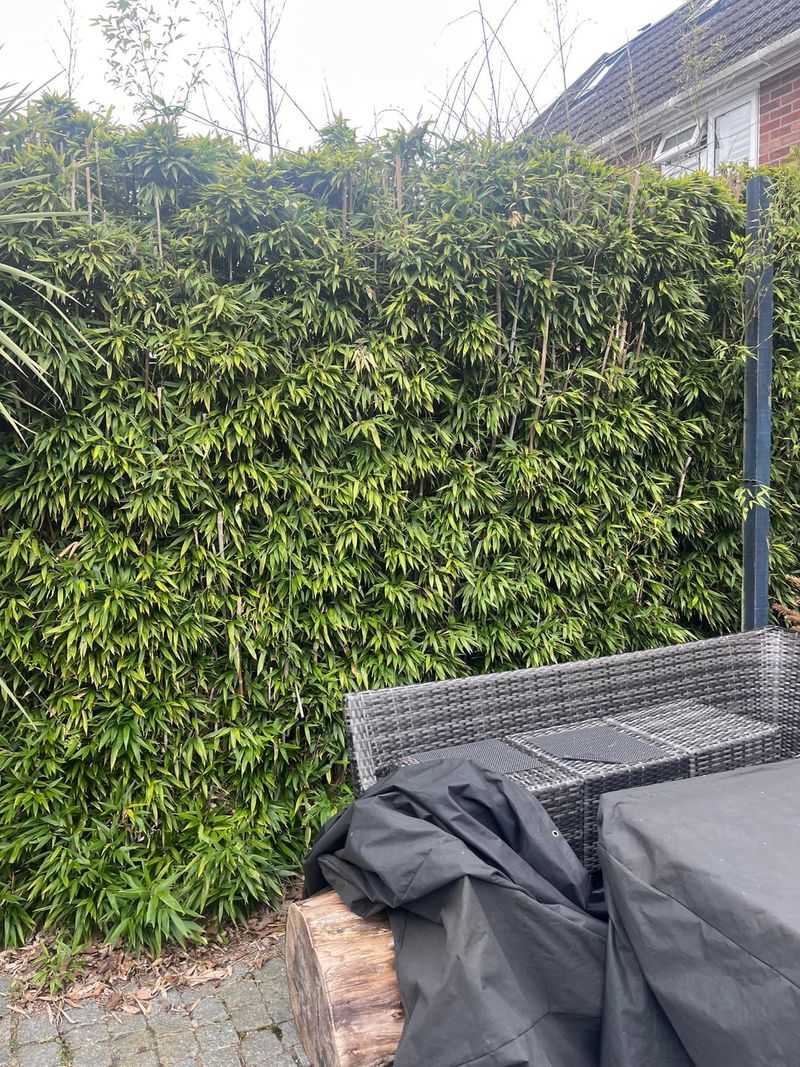
Many Washington neighborhoods have homeowners associations with specific rules about landscaping and invasive plants.
Check your HOA covenants, conditions, and restrictions before dealing with bamboo disputes.
Some associations explicitly prohibit running bamboo or require containment barriers for any bamboo planting.
If your neighbor has violated HOA rules, reporting the issue might be more effective than handling it yourself.
The association can enforce compliance through fines or mandated removal, taking the burden off your shoulders.
This approach also protects you from being seen as the bad guy in the neighborhood.
Even if bamboo isn’t specifically mentioned, most HOAs have general provisions about maintaining landscaping and preventing nuisances.
Invasive bamboo that damages neighboring properties typically qualifies as a nuisance under these broader rules.
Submit your complaint in writing with supporting photos and documentation.
Be prepared for the process to take time, as HOAs often move slowly through their enforcement procedures.
Meanwhile, you still retain your right to trim what crosses onto your property, but HOA involvement might lead to a more permanent solution.
Small Claims Court As A Last Resort
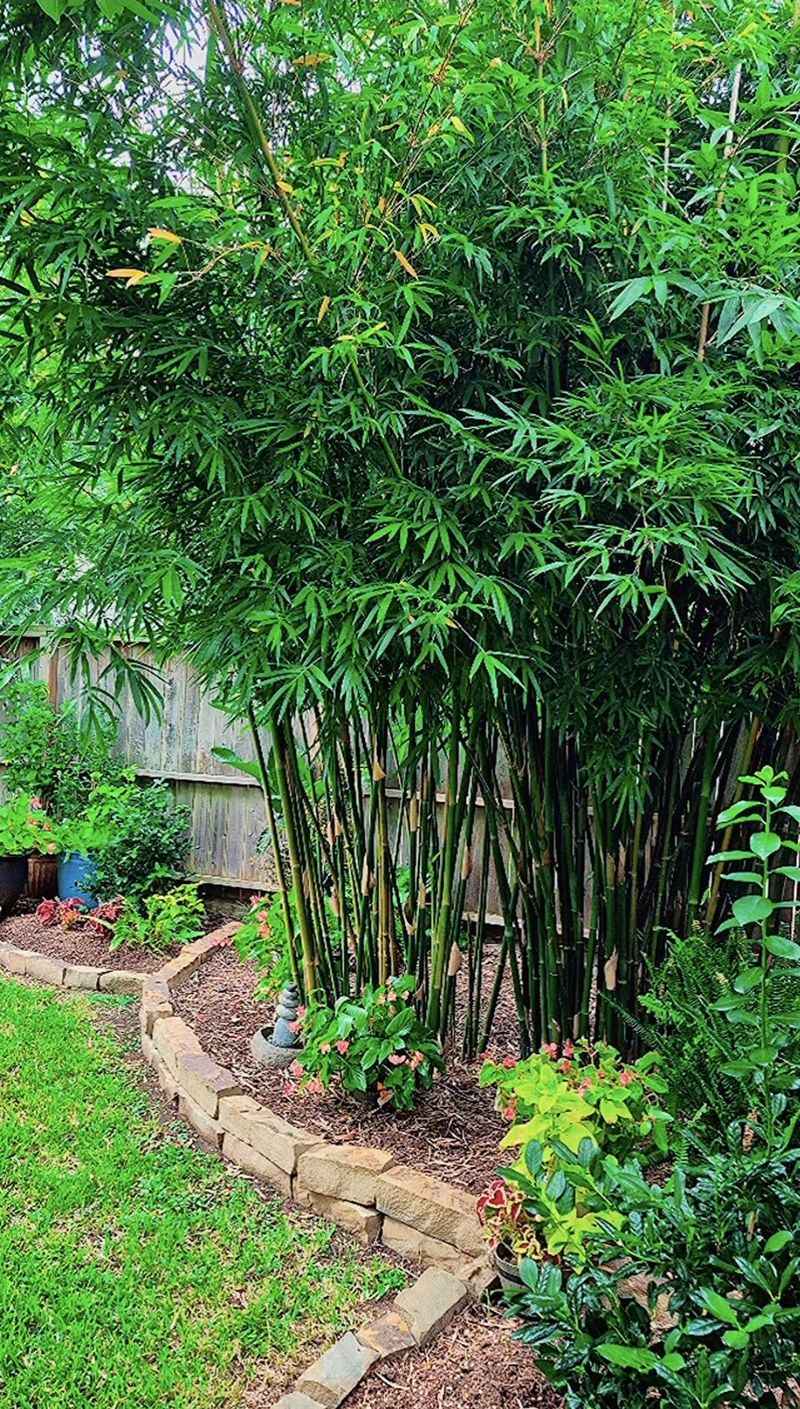
When communication fails and the bamboo keeps invading, small claims court offers a legal remedy.
Washington allows property owners to sue for damages caused by a neighbor’s failure to maintain their vegetation.
You can seek compensation for the cost of repeatedly removing bamboo shoots and for any damage to your landscaping.
Small claims court handles disputes involving amounts up to $10,000, which covers most bamboo-related issues.
The process is designed for regular people without lawyers, though you can hire one if you choose.
Filing fees are relatively modest, usually under $50, making this option accessible.
Bring all your documentation, including photos, communications with your neighbor, and receipts for any expenses.
Judges appreciate seeing evidence that you attempted to resolve the matter cooperatively before filing suit.
You might request that the court order your neighbor to install root barriers or remove the bamboo entirely.
Courts can also award ongoing damages if the problem continues after the judgment.
Remember that suing a neighbor can permanently damage your relationship, so exhaust other options first.
Installing Barriers Prevents Future Problems
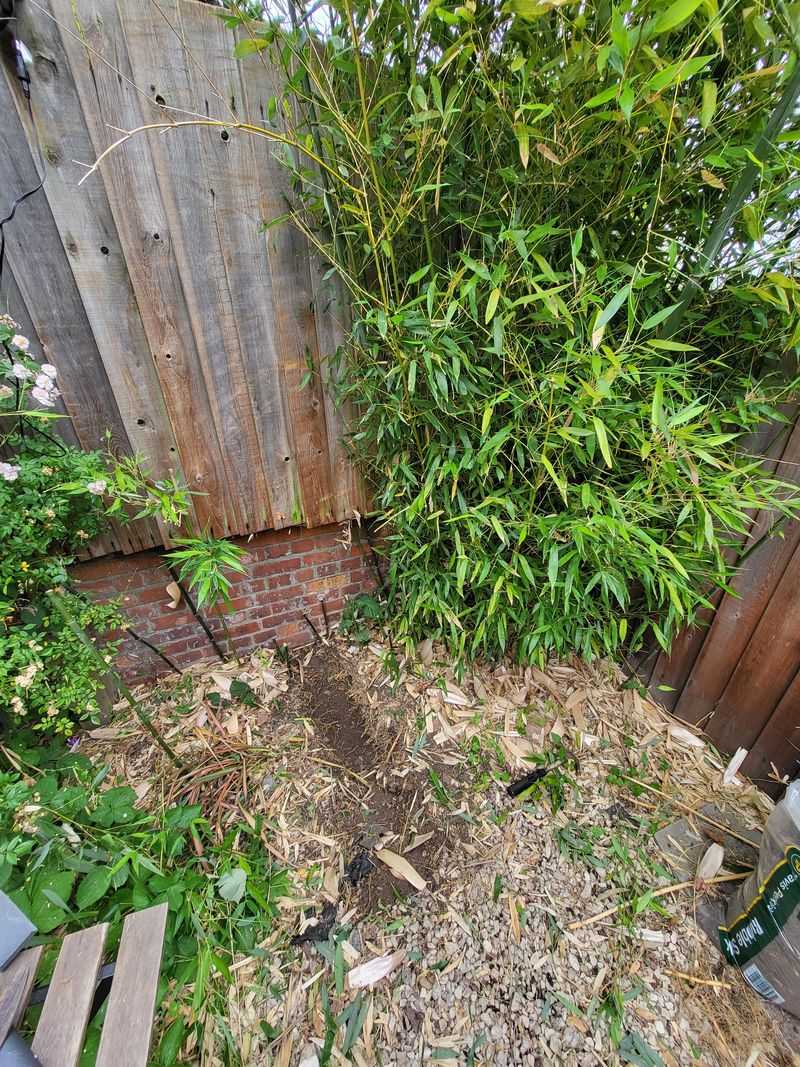
Prevention beats constant maintenance when dealing with invasive bamboo.
Root barriers installed along property lines stop underground rhizomes from crossing into your yard.
These barriers are typically made from heavy-duty plastic or metal and extend two to three feet deep.
Professional installation ensures the barrier has no gaps where determined roots might sneak through.
The barrier should stick up a few inches above ground to catch any runners that try to go over the top.
While barriers represent an upfront investment of several hundred to several thousand dollars depending on length, they provide long-term peace of mind.
You can install a barrier entirely on your property without needing your neighbor’s permission.
Some homeowners split the cost with neighbors as part of resolving the dispute cooperatively.
If your neighbor refuses to help pay, document your barrier installation expenses in case you later pursue legal reimbursement.
Barriers work best when installed before bamboo has already invaded, but they can still help contain existing problems.
Regular inspection of the barrier ensures it remains intact and effective over the years.