Can You Legally Trim A Neighbors Overhanging Shrub Branches In Oregon?
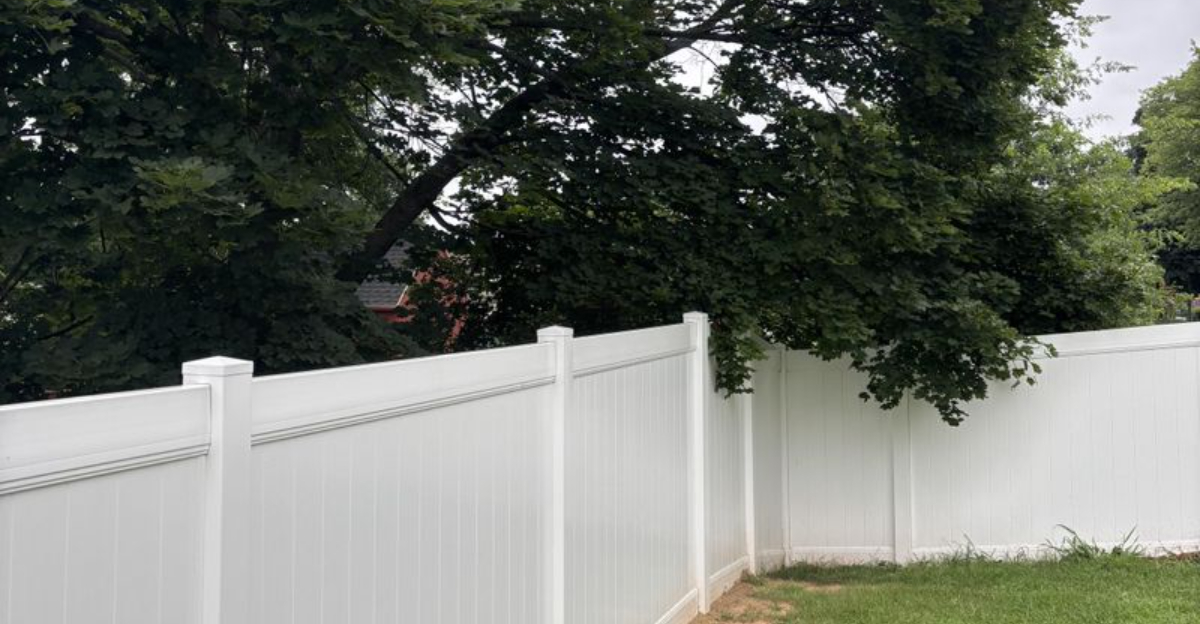
You’re outside taking care of the yard, maybe on one of those mild Oregon afternoons, when you notice it again, your neighbor’s shrub stretching right over the fence.
A few branches hang into your space, brushing your plants or creeping toward a walkway.
You stop and think for a moment.
Can you trim them back yourself, or is that something you’re not supposed to touch?
It’s a small, everyday situation, but it comes up more often than people admit.
Most homeowners aren’t looking for conflict.
They just want their yard to feel usable and a little less crowded.
Still, no one wants an awkward conversation or a misunderstanding that turns into something bigger than it needs to be.
If you’ve ever hesitated with the clippers in hand, wondering what’s reasonable and what’s legal in Oregon, you’re not alone.
Know where the law draws the line so you can take care of your space while keeping things respectful next door.
Your Right To Trim At The Property Line
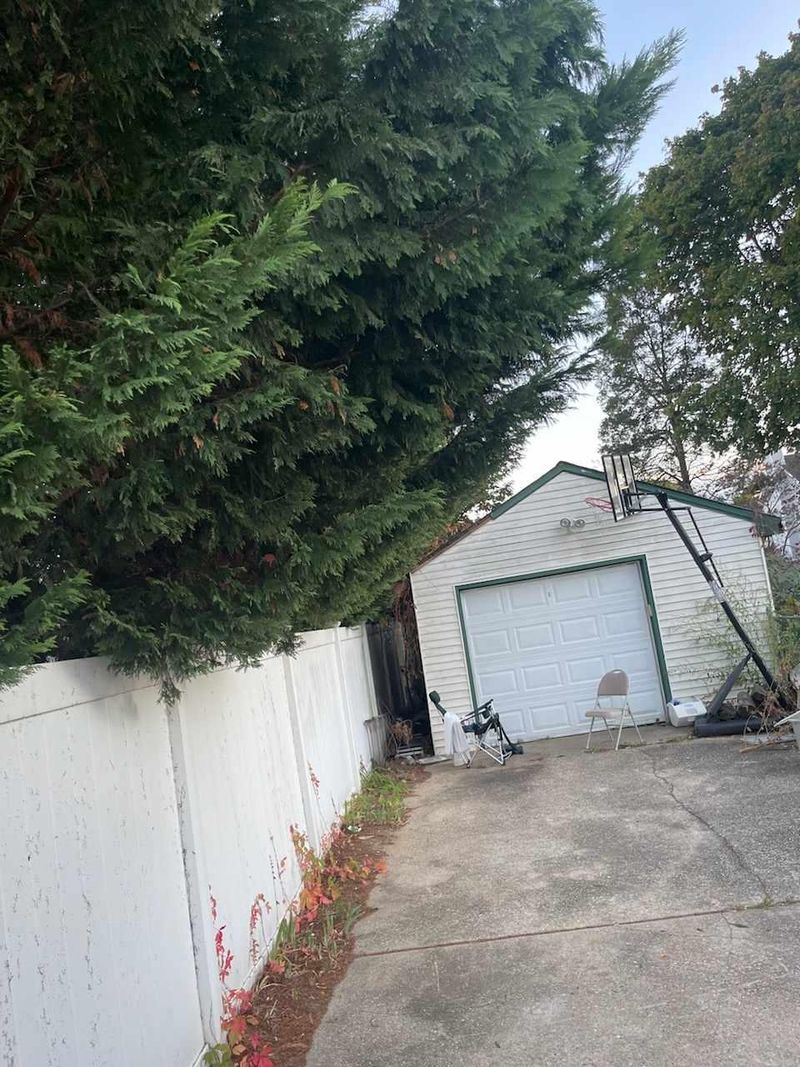
Oregon law gives property owners a specific right when it comes to overhanging vegetation.
You can trim branches, roots, and shrubs that cross onto your property, but only up to the exact boundary line.
This means you must respect where your land ends and your neighbor’s begins.
Before you grab your pruning shears, make sure you know precisely where that line sits.
Many homeowners assume they know their boundaries, but surveys can reveal surprises.
Using a fence as a guide works only if the fence actually marks the legal border.
Oregon courts have consistently upheld this principle in various cases over the years.
You do not need permission from your neighbor to trim what extends onto your side.
However, you cannot reach over into their yard to cut branches that have not crossed the line yet.
Keep your trimming activities strictly on your side to avoid legal complications.
Documenting the boundary with photos before you start can protect you later.
This documentation proves you stayed within your rights if disputes arise down the road, and it can also help resolve misunderstandings calmly, reducing the risk of escalating conflicts or costly legal action between neighbors.
Responsibility For Damage You Cause
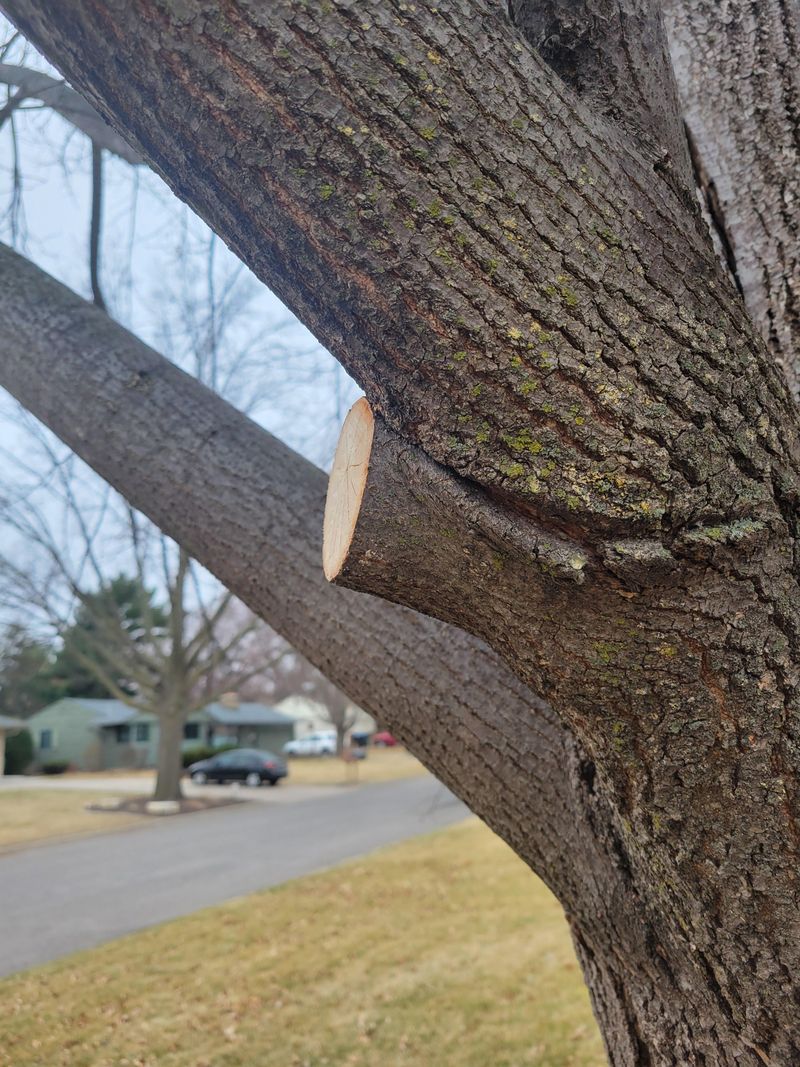
Trimming rights come with important limitations that every Oregon homeowner should understand.
If your cutting harms the overall health of a tree or shrub, you could face financial responsibility.
Oregon law holds you accountable for damage that results from careless or excessive trimming.
Courts look at whether your actions were reasonable and necessary for your property use.
Chopping off huge sections of a tree just because a few leaves fall in your yard might cross the line.
Judges consider factors like the size of branches removed and the impact on the plant’s survival.
Hiring a professional arborist can help you avoid costly mistakes.
These experts know how to trim without causing lasting harm to trees and shrubs.
They understand which cuts promote health and which ones create problems.
Some trees have significant value, and damaging them can lead to substantial claims.
Oregon recognizes both the actual value of the plant and sometimes even emotional attachment.
Being cautious protects your wallet and maintains peace with your neighbors at the same time.
Talking To Your Neighbor First
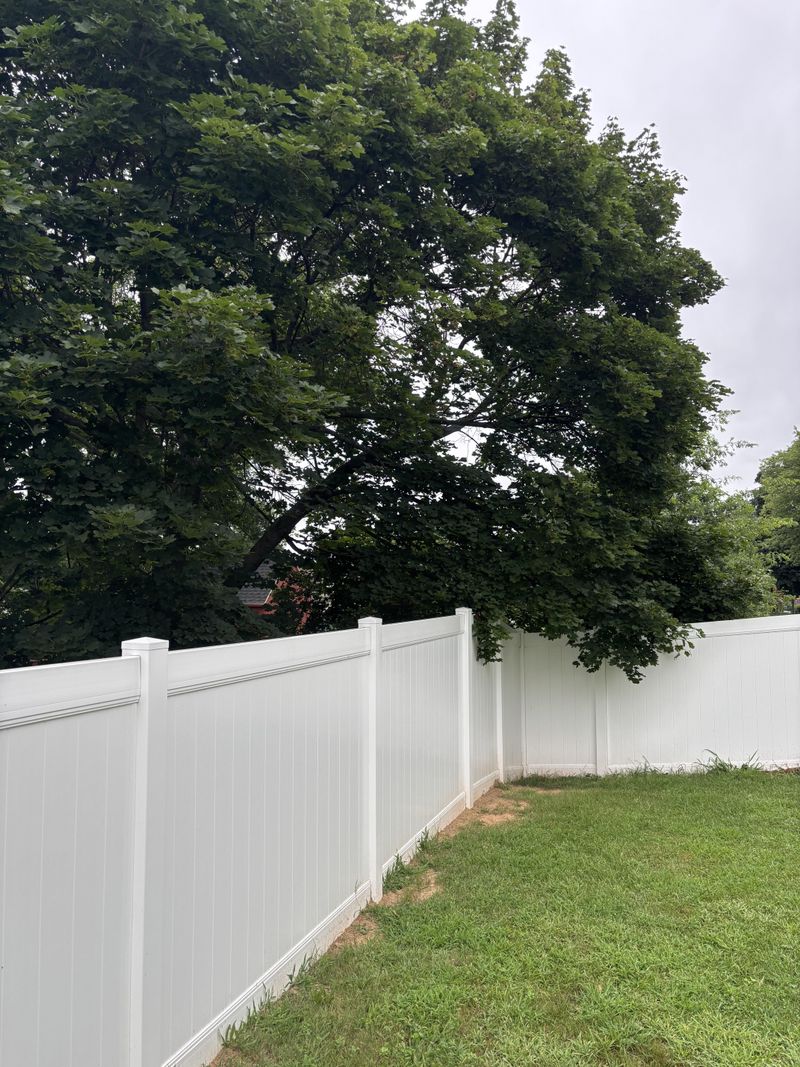
Communication often solves problems faster and cheaper than any legal action.
Approaching your neighbor with respect and openness can lead to solutions that benefit everyone involved.
In my experience, a calm conversation often changes the entire tone of a situation before it becomes stressful.
Many people have no idea their plants are causing issues until someone mentions it.
I’ve found that most neighbors genuinely appreciate being told rather than finding out through conflict.
Start the conversation casually and avoid making accusations right away.
A friendly tone helps keep defenses down and opens the door to cooperation.
Explain how the branches affect your property, whether they block sunlight or drop debris constantly.
Sharing specific examples makes the concern easier to understand and less personal.
Most neighbors appreciate knowing about problems and will offer to handle the trimming themselves.
Some may even apologize for the inconvenience without being asked.
Suggesting a shared solution can strengthen relationships rather than damage them.
Perhaps you both can split the cost of a professional tree service.
Offering compromise shows fairness and respect for their property as well as your own.
This approach shows goodwill and often results in better long-term outcomes.
Document your conversation with a friendly follow-up email or text message.
Keep the message polite and appreciative to maintain a positive tone.
This creates a record without seeming aggressive or confrontational.
If issues continue, you have proof that you tried to resolve things peacefully first.
Skipping this step and immediately cutting branches can create hostility that lasts for years.
Resentment between neighbors can be far more costly than trimming a few branches.
A simple conversation takes minutes but can save months of stress and potential legal battles later on.
Understanding Tree Ordinances In Your City
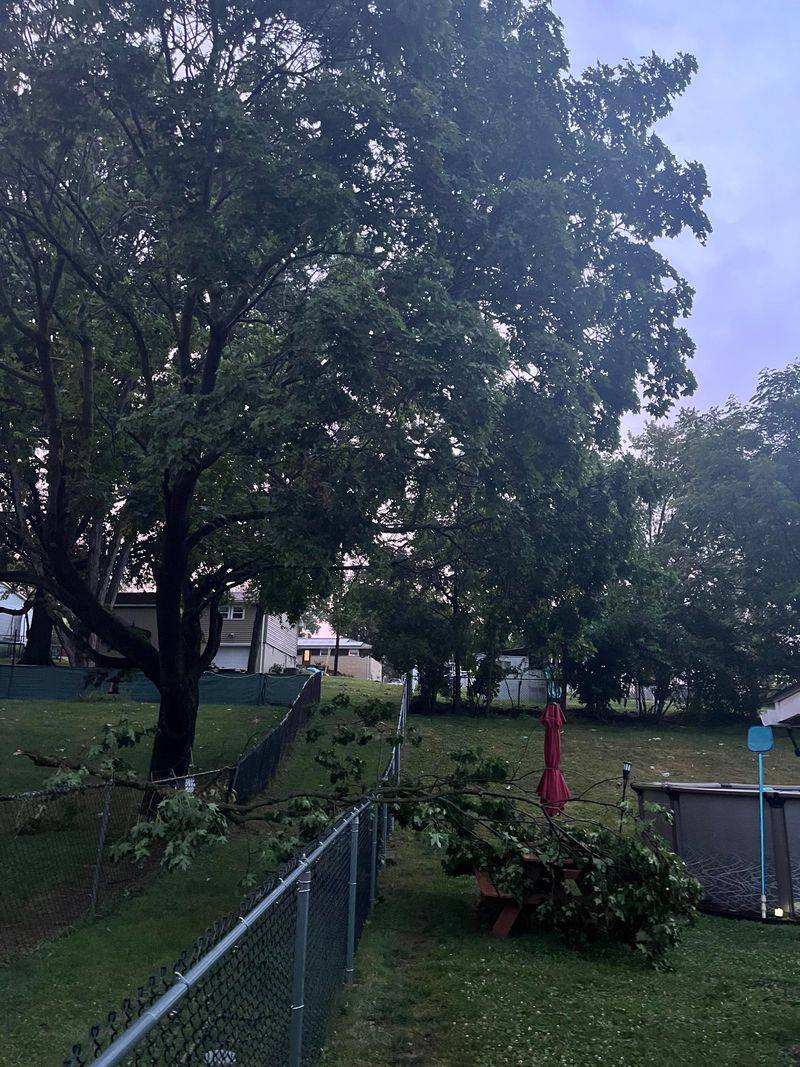
State law provides a foundation, but local rules can add extra layers of requirements.
Many Oregon cities have specific ordinances about tree removal, trimming, and protection.
Portland, Eugene, and other municipalities maintain detailed codes that residents must follow.
Some cities protect certain tree species or sizes, regardless of property ownership.
You might need a permit before trimming even branches on your own side of the line.
Heritage trees often receive special status that limits what property owners can do.
Checking with your city’s planning or forestry department saves trouble before you start.
These offices can explain local rules and whether your situation requires any special permissions.
Ignoring city ordinances can result in fines that far exceed the cost of proper compliance.
Homeowner associations add another potential layer of rules if you live in a planned community.
These organizations frequently have landscape requirements that affect trimming decisions.
Review your HOA documents carefully before taking action on any vegetation issues.
Taking time to understand all applicable rules protects you from unexpected consequences down the road.
What Happens To The Trimmed Branches
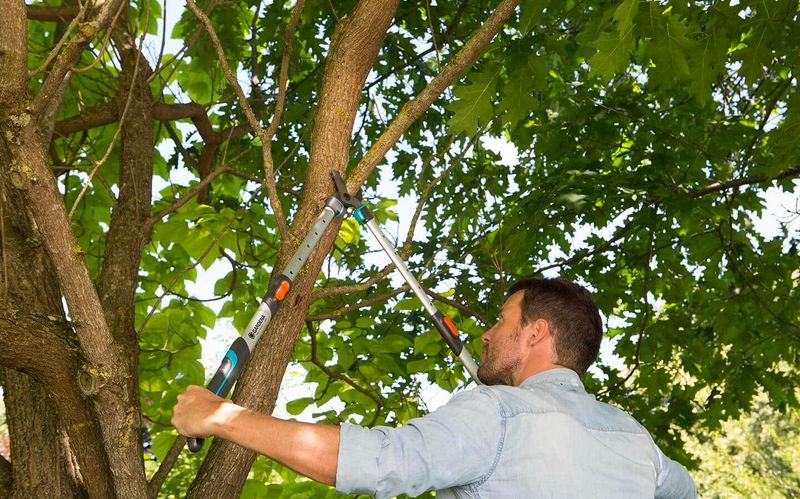
Oregon law addresses not just the cutting but also what you do with the removed material.
Branches you trim remain the property of the tree owner, which means your neighbor technically owns them.
You cannot simply keep valuable wood or sell it without permission.
Most neighbors will not care about typical yard waste from routine trimming.
However, if you remove substantial branches from a valuable tree, ownership questions can arise.
Offering the trimmed material back to your neighbor shows respect and follows legal principles.
Disposal becomes your responsibility once you decide to trim overhanging vegetation.
Oregon cities have different rules about yard waste collection and disposal methods.
Some areas offer curbside pickup, while others require you to take materials to designated facilities.
Composting works well for smaller branches and leaves if you have the space.
Larger limbs might need cutting into smaller pieces or professional removal services.
Burning yard waste requires permits in many Oregon locations and is completely banned in others during certain seasons.
Planning for disposal before you start trimming prevents piles of branches from sitting in your yard for weeks.
When You Might Need Professional Help
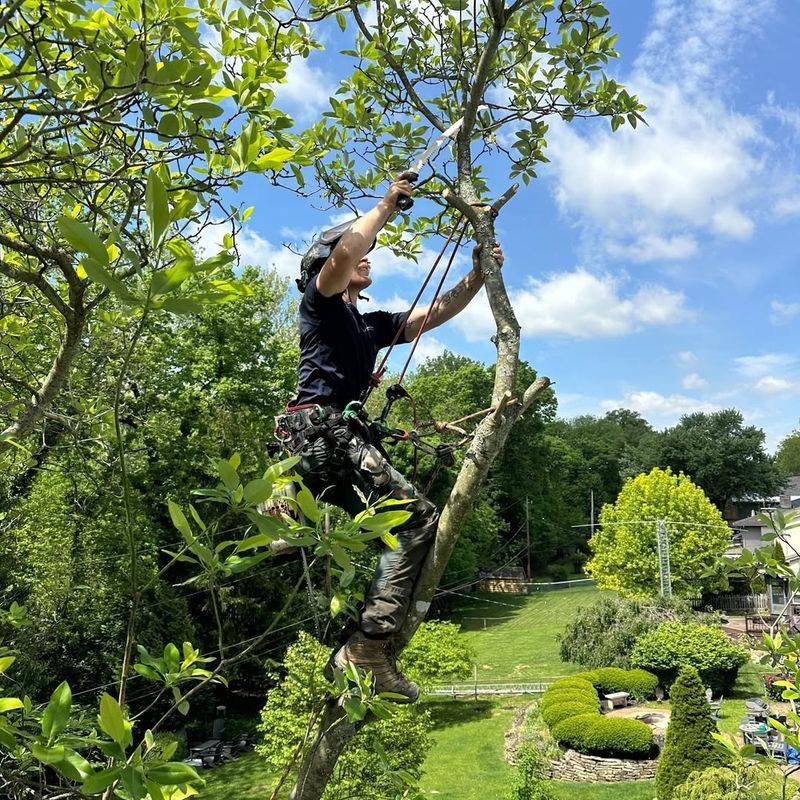
Some situations call for expertise that goes beyond basic homeowner skills and tools.
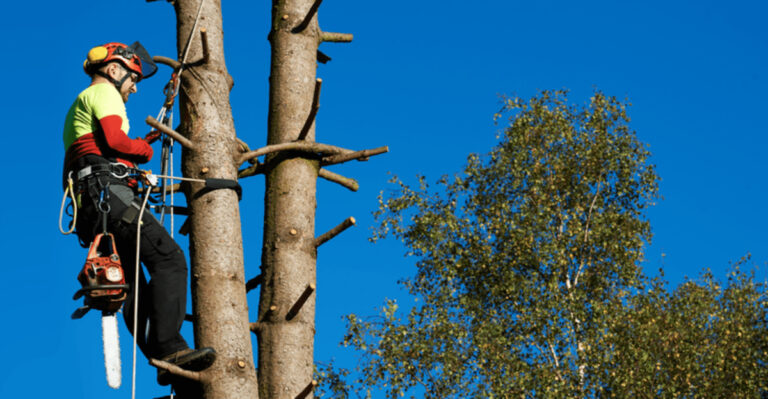
Large branches near power lines create serious safety hazards that only trained professionals should handle.
Oregon has strict regulations about working near utility lines, and violations can result in injuries or fines.
Certified arborists bring knowledge about proper cutting techniques that promote tree health.
They understand how different species respond to pruning and which cuts encourage future growth.
This expertise becomes especially valuable when dealing with expensive or mature trees.
Professional services also carry insurance that protects you if something goes wrong during the work.
If a branch falls and damages property, their coverage handles the costs rather than your homeowner policy.
This protection alone often justifies the expense of hiring experts.
Complex property line disputes might benefit from legal consultation before any cutting begins.
Real estate attorneys familiar with Oregon property law can advise on your specific situation.
Spending a few hundred dollars on legal advice can prevent thousands in potential lawsuits.
Recognizing when a job exceeds your abilities shows wisdom and protects both your property and your neighbor’s interests effectively.
Avoiding Common Mistakes That Lead To Lawsuits
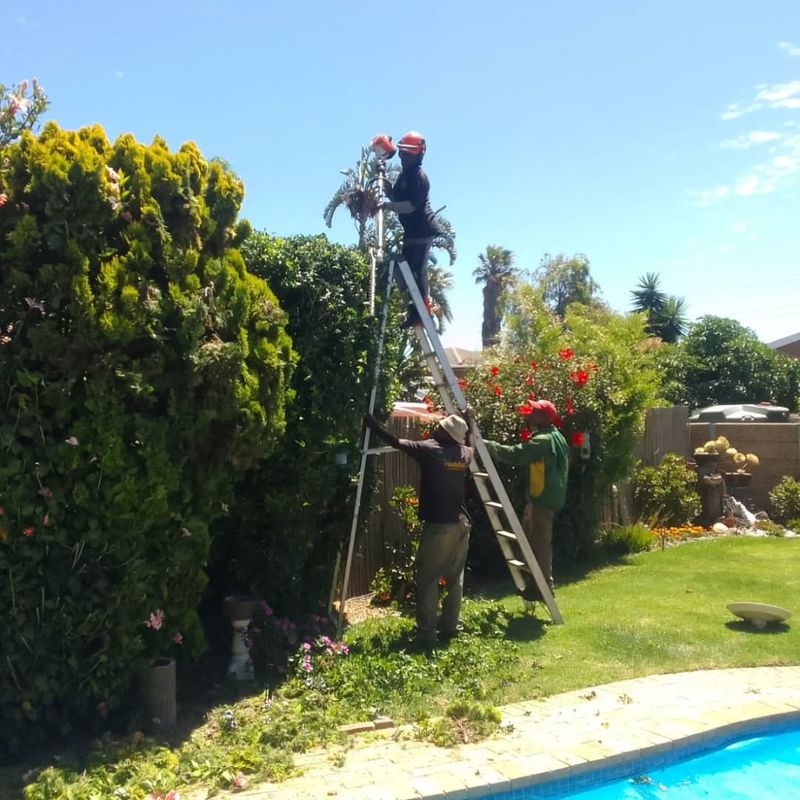
Oregon courts have seen numerous cases where simple trimming projects turned into expensive legal battles.
One common mistake involves cutting too far and removing branches that never actually crossed the property line.
This trespass can result in damages even if you thought you were acting within your rights.
Another frequent error happens when homeowners trim so aggressively that they essentially destroy the tree’s appearance or health.
Courts may find this excessive even if you stayed on your side of the boundary.
Reasonableness matters as much as technical legal rights in these situations.
Timing your trimming poorly can also create problems, especially during nesting season for birds.
Federal and state wildlife protection laws sometimes limit when you can disturb vegetation.
Spring trimming might violate these protections if birds have established nests in the branches.
Failing to document the condition before trimming leaves you vulnerable to false claims later.
Take photos and videos showing exactly how branches crossed your property line.
This evidence becomes crucial if your neighbor claims you damaged more than what actually hung over.
Learning from others’ mistakes costs nothing but can save you from expensive consequences.