Can You Report A Neighbor For Noisy Yard Equipment In Rhode Island
Nothing derails a peaceful morning in Rhode Island quite like the sudden scream of a leaf blower or the relentless buzz of a mower that seems to run on pure chaos.
When the noise keeps rolling long after your patience runs out, it’s hard not to wonder whether you just have to live with it—or if there’s a way to hit pause on the racket.
That’s when the real question surfaces: Do you actually have the right to report a neighbor for excessively noisy yard equipment in Rhode Island?
Before you reach for earplugs or consider moving to the quiet side of town, it’s worth knowing what the law says and where your options truly begin.
Rhode Island Has State-Level Noise Regulations
Rhode Island law actually addresses noise pollution through state regulations that apply across all cities and towns.
The Department of Environmental Management oversees noise control standards, which means there are baseline rules everyone must follow.
These regulations set limits on how much noise is acceptable during different times of day.
Residential areas have stricter standards than commercial or industrial zones because people need quiet spaces to rest and relax at home.
State law recognizes that excessive noise can harm your health and quality of life.
Maximum allowable sound levels are measured in decibels, and equipment that exceeds these limits during restricted hours can be considered a violation.
While the state provides this framework, individual municipalities often add their own specific rules on top of these baseline standards.
Knowing that Rhode Island takes noise seriously at the state level gives you confidence that your concerns are legitimate.
You have legal backing when noise from yard equipment disrupts your daily life or sleep.
The key is understanding both state and local regulations to know exactly what protections apply in your specific neighborhood.
Local Ordinances Often Set Specific Time Restrictions
Most Rhode Island cities and towns have created their own noise ordinances that spell out exactly when loud equipment can be used.
Common restrictions prohibit operating noisy lawn mowers, leaf blowers, and similar tools before 7:00 or 8:00 AM on weekdays.
Weekend and holiday rules are typically even stricter, often not allowing loud equipment until 9:00 AM or later.
Evening cutoff times usually fall between 6:00 PM and 9:00 PM, depending on your municipality.
Providence, Warwick, Cranston, and other major cities each have slightly different time windows, so checking your specific town’s code is essential.
Some communities also limit the total hours per day that certain equipment can operate.
These time restrictions exist because early morning and late evening are when people most need quiet for sleeping and unwinding.
Violating these time limits is often the clearest basis for filing a complaint.
Your neighbor might not even realize they’re breaking the rules if they’re new to the area.
Sometimes a friendly conversation pointing out the local time restrictions can solve the problem without needing to file an official report.
You Can File Complaints With Local Police Or Code Enforcement
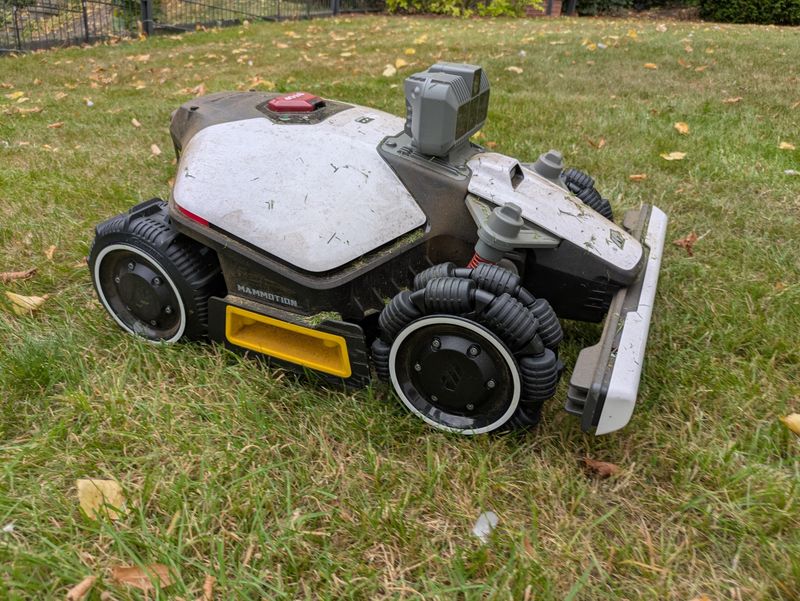
When noise from yard equipment becomes unbearable, you have official channels to report the problem.
Your first option is calling the non-emergency police line in your city or town to file a noise complaint.
Officers can respond to ongoing violations and may issue warnings or citations depending on the severity and frequency.
Another option is contacting your municipal code enforcement office, which handles violations of local ordinances.
Code enforcement typically investigates complaints during business hours and can issue fines for repeated violations.
Some communities have online complaint forms that make reporting easier and create a documented record.
When you file a complaint, provide specific details like the date, time, duration, and type of equipment involved.
Recording this information helps officials determine if a violation actually occurred.
Many departments allow anonymous complaints, though providing your contact information can help with follow-up investigations.
Remember that authorities need evidence, so keeping a log of noise incidents strengthens your case.
Filing through official channels protects you legally and ensures the matter is handled properly rather than escalating into a neighbor dispute.
Decibel Limits Define What Counts As Excessive Noise
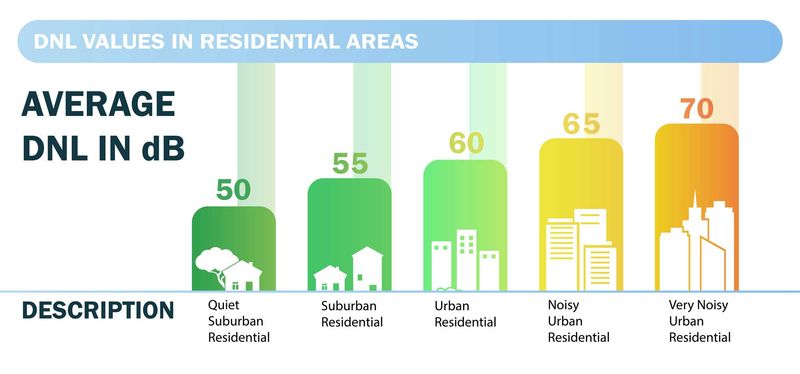
Rhode Island noise regulations use decibel measurements to determine when sound becomes legally excessive.
Residential areas typically have limits around 55-60 decibels during daytime hours and 45-50 decibels at night.
To put this in perspective, normal conversation measures about 60 decibels, while a gas-powered lawn mower can reach 90 decibels or higher.
Leaf blowers often hit 80-90 decibels, and chainsaws can exceed 100 decibels at close range.
These noise levels clearly surpass residential limits, which is why time restrictions exist for their use.
Enforcement officers may use sound meters to measure actual decibel levels if complaints lead to investigations.
However, most ordinances allow reasonable daytime use of yard equipment even though it exceeds general noise limits.
The key is that equipment must be operated during permitted hours and for reasonable durations.
Continuous, prolonged use or operation during restricted times makes violations more serious.
Understanding decibel standards helps you assess whether your neighbor’s equipment truly violates local laws or just causes temporary inconvenience.
This knowledge makes your complaints more credible and fact-based when you need to report a problem.
Repeated Violations Can Lead To Fines And Legal Action
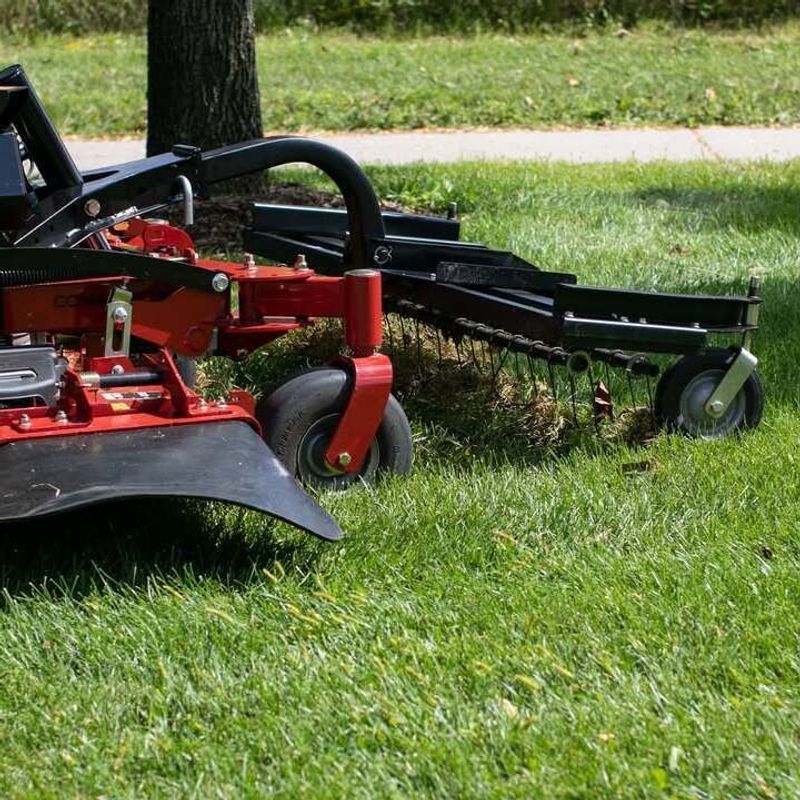
Neighbors who consistently ignore noise ordinances face escalating consequences in Rhode Island communities.
First-time violations often result in warnings, giving people a chance to correct their behavior.
However, repeated offenses typically lead to monetary fines that increase with each subsequent violation.
Initial fines might range from $50 to $100, but can climb to several hundred dollars for chronic violators.
Some municipalities impose daily fines for continuing violations, which can add up quickly.
In extreme cases involving persistent, intentional violations, legal action beyond fines becomes possible.
Courts can issue cease-and-desist orders prohibiting specific activities during certain hours.
Homeowners associations in some neighborhoods have additional enforcement powers and may levy their own fines.
Documentation is crucial if violations continue, so keep detailed records of dates, times, and any responses from authorities.
Multiple complaints from different neighbors strengthen the case for enforcement action.
While most situations resolve before reaching serious legal consequences, knowing these escalation steps exist provides reassurance.
The system is designed to encourage compliance rather than punish people, but persistent violators will face real penalties.
Commercial Landscaping Services Must Follow Stricter Standards

Professional landscaping companies operating in Rhode Island face additional regulations beyond what applies to homeowners.
Many municipalities require commercial services to obtain permits or licenses that include noise compliance requirements.
These businesses often have earlier start times than residents but still must respect morning quiet hours in most towns.
Commercial operators are expected to use well-maintained equipment that minimizes noise pollution.
Some forward-thinking communities now encourage or require landscaping services to use electric or battery-powered equipment in residential areas.
These quieter alternatives produce significantly less noise than gas-powered tools.
If your neighbor hires a lawn service that consistently violates noise ordinances, you can report the company directly.
Complaints against commercial operators often receive faster responses because businesses have more to lose, including licenses and reputation.
Many landscaping companies will adjust their schedules if you explain the problem politely.
They want to maintain good relationships with the communities they serve.
Reporting commercial violations helps set standards that benefit entire neighborhoods, not just your property.
Professional services should know and follow local regulations as part of their business operations.
Talking To Your Neighbor First Often Solves The Problem
Before filing official complaints, a friendly conversation with your neighbor can resolve many noise issues.
Your neighbor might be completely unaware that their yard work bothers you or violates local time restrictions.
People who are new to Rhode Island or recently moved to your town may not know the specific ordinances yet.
Approaching the situation calmly and respectfully increases the chances of a positive outcome.
You might say something like, “I noticed you’ve been starting your lawn work pretty early, and our town actually has a noise ordinance about morning hours.”
Offering specific information about local rules shows you’re trying to be helpful rather than confrontational.
Many neighbors will appreciate the heads-up and adjust their schedules voluntarily.
This approach preserves good relationships and avoids the awkwardness that can follow official complaints.
However, if your neighbor responds rudely or continues the behavior after a polite conversation, you’re fully justified in reporting the violations.
Documenting that you attempted to resolve the matter directly can actually strengthen your complaint if authorities get involved.
Community harmony matters, but so does your right to peace and quiet in your own home.
Exemptions Exist For Emergency And Essential Maintenance
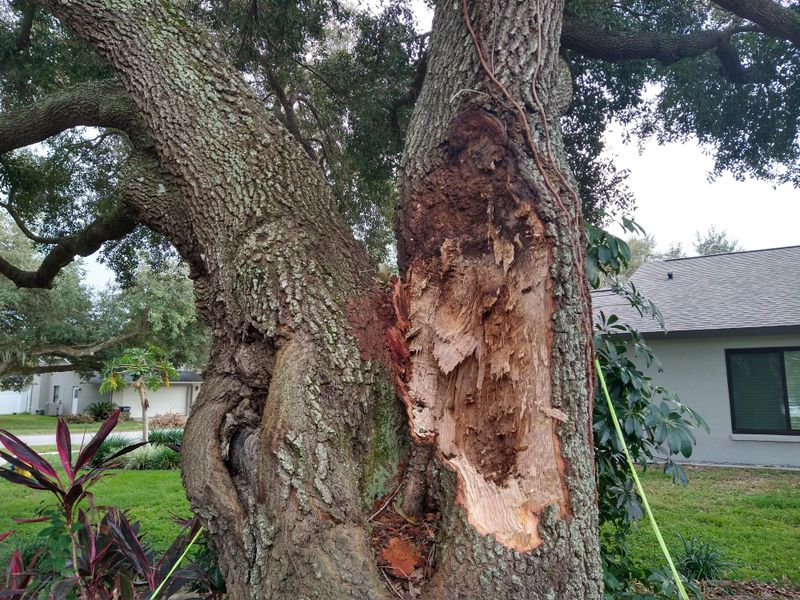
Rhode Island noise ordinances include reasonable exemptions for certain situations that require immediate attention.
Emergency tree removal after storms, for example, often cannot wait until permitted hours.
When fallen trees block roads or threaten property damage, noise restrictions are typically waived.
Snow removal equipment operates outside normal quiet hours because clearing snow must happen when it falls, regardless of time.
Essential repairs to prevent property damage or address safety hazards also receive exemptions.
Municipal maintenance work, including road repairs and utility work, often occurs during times that would otherwise violate noise rules.
These exemptions recognize that some activities simply cannot be postponed for convenience.
However, routine landscaping and yard maintenance do not qualify as emergencies.
Your neighbor cannot claim an exemption just because they prefer to mow their lawn at 6:00 AM before work.
If you believe someone is misusing emergency exemptions for regular yard work, you can still file a complaint.
Authorities will investigate whether the situation truly qualified for an exemption.
Understanding these exceptions helps you assess whether a complaint is appropriate or if the noise is legally justified under special circumstances.
Noise Complaints Can Be Filed Anonymously In Many Towns
Concern about retaliation or awkwardness with neighbors often prevents people from reporting noise violations.
Fortunately, many Rhode Island municipalities allow you to file anonymous noise complaints.
Anonymous reporting protects your identity while still allowing authorities to investigate and address the problem.
When you call the non-emergency police line or code enforcement, you can request that your name not be disclosed.
Online complaint systems often include options to submit reports without providing identifying information.
However, understand that anonymous complaints may receive less follow-up since investigators cannot contact you for additional details.
Providing your contact information with a request for confidentiality often works best.
This allows officials to reach you if they need more information while keeping your identity private from your neighbor.
Some communities require complainants to identify themselves to prevent false or frivolous reports.
Check your specific town’s policies before filing to understand what privacy protections are available.
Even if you must identify yourself to authorities, they typically will not reveal your name when addressing the violation with your neighbor.
Anonymous options make reporting more accessible for people who want to maintain neighborhood peace.
Keeping Detailed Records Strengthens Your Complaint
Documentation makes the difference between a credible complaint and one that is difficult to investigate or enforce.
Start a noise log that records the date, time, duration, and type of equipment involved in each incident.
Note specific details like whether the noise occurred during restricted hours according to your local ordinance.
Taking time-stamped photos or videos provides powerful evidence, especially if they capture the noise level or time of day.
Many smartphone apps can measure approximate decibel levels, giving you objective data to support your complaint.
Save any written communications with your neighbor about the noise issue, including texts or emails.
If other neighbors are also affected, their corroborating statements add weight to your complaint.
Multiple complaints about the same property and issue prompt faster enforcement action.
When you file a report, reference your documentation and offer to provide it to investigators.
This organized approach shows you are serious and not just making a complaint based on a single incident.
Authorities can more easily take action when they have clear evidence of repeated violations.
Your detailed records demonstrate a pattern of behavior rather than isolated events that might be dismissed.