Can You Sue In Louisiana If A Neighbor’s Tree Roots Damage Your Property
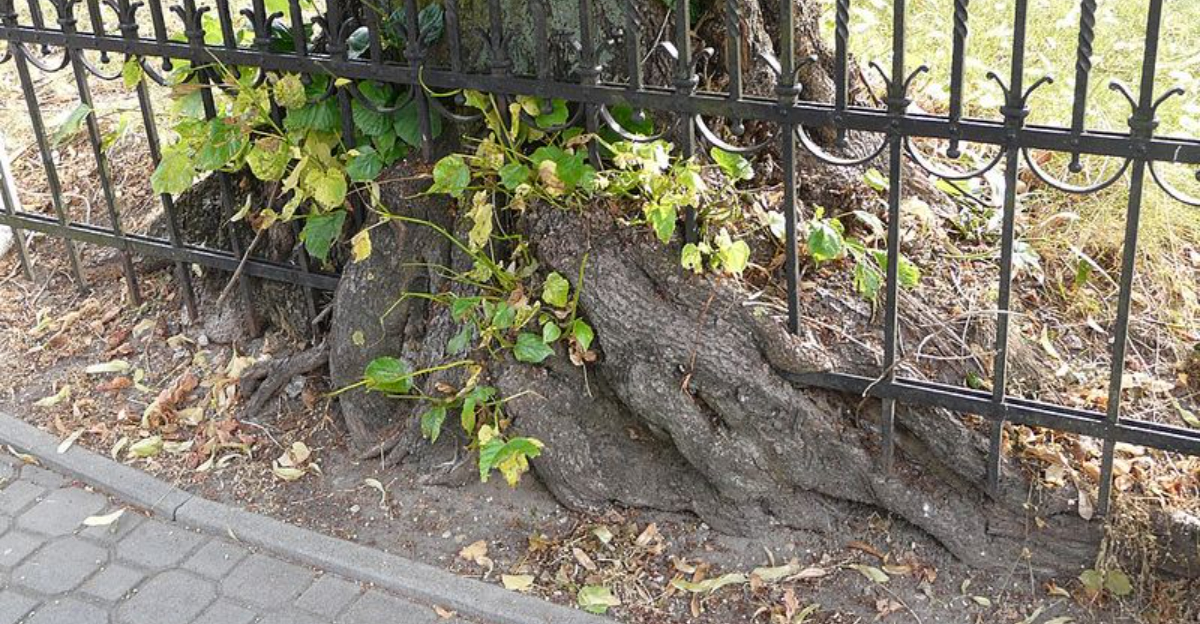
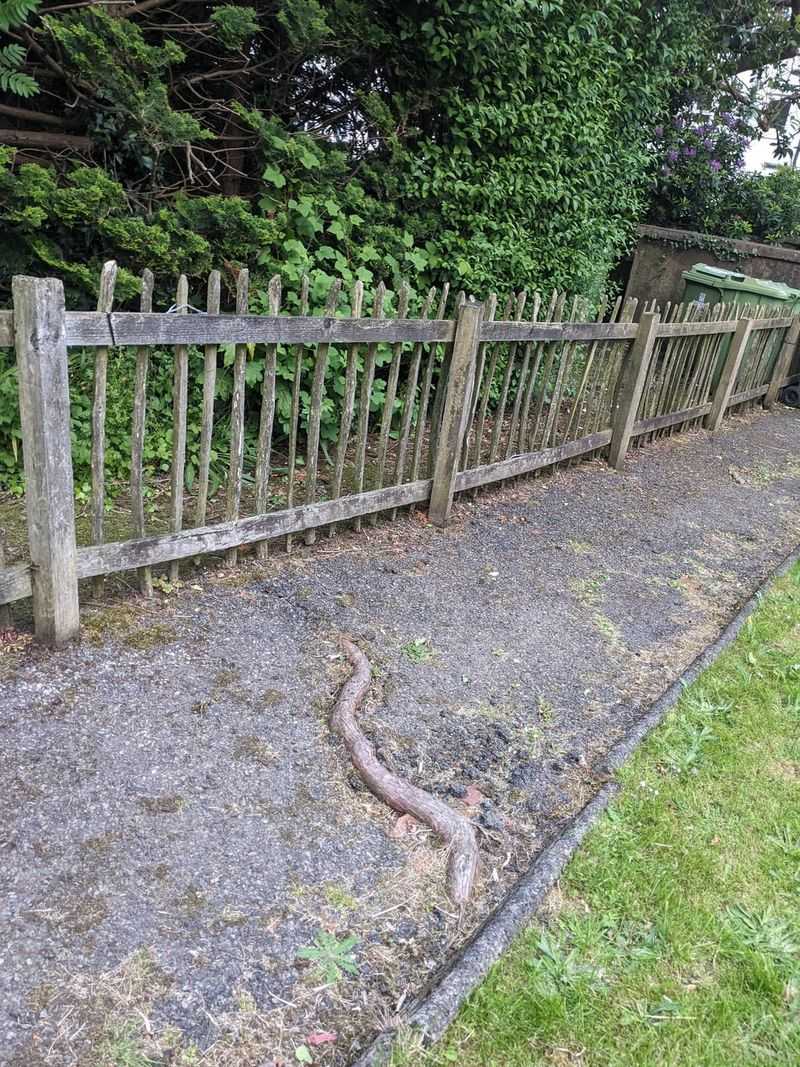
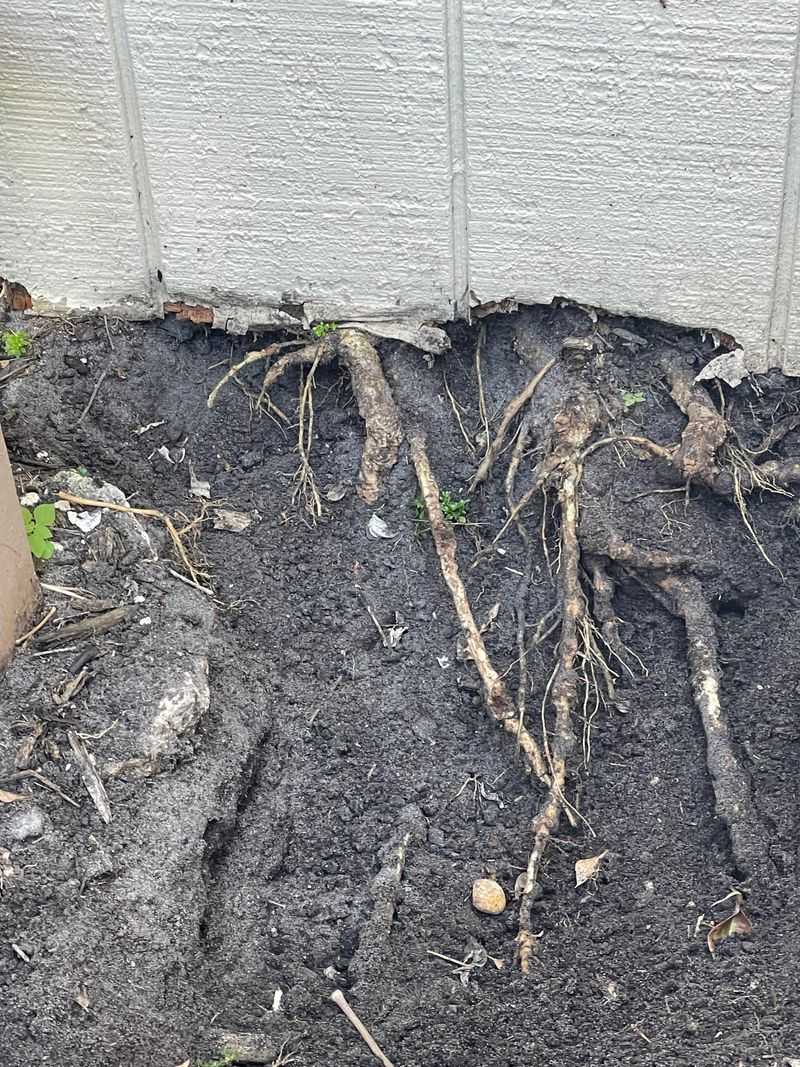
When a neighbor’s tree starts sending its roots crawling beneath your fence like silent saboteurs, the damage can sneak up fast—cracked driveways, buckled sidewalks, or pipes that suddenly stop behaving.
It’s enough to make any Louisiana homeowner wonder: Can you actually sue if those runaway roots start tearing up your property?
Before frustrations boil over or branches of a feud take root, it helps to know exactly what the law says and where your rights as a property owner truly begin.
Louisiana Follows Civil Law, Not Common Law
Unlike most American states, Louisiana operates under a civil law system inherited from French and Spanish colonial history.
This legal foundation makes property disputes work differently here compared to your neighbors in Texas or Mississippi.
The Louisiana Civil Code governs tree root disputes rather than judge-made common law precedents used elsewhere.
Property owners must look at specific code articles to understand their rights when roots cross boundary lines.
This unique legal framework affects how courts decide who’s responsible for damage and what remedies you can pursue.
Many Louisiana lawyers specialize in civil code interpretation because it requires different training than common law.
Your case might get decided based on centuries-old legal principles that trace back to Roman law traditions.
Understanding this fundamental difference helps you approach your neighbor’s tree problem with realistic expectations.
Courts apply specific code articles about property boundaries, ownership responsibilities, and damage compensation.
This civil law approach sometimes offers clearer rules than the case-by-case decisions common in other states.
You Can Sue for Actual Damages Caused By Roots
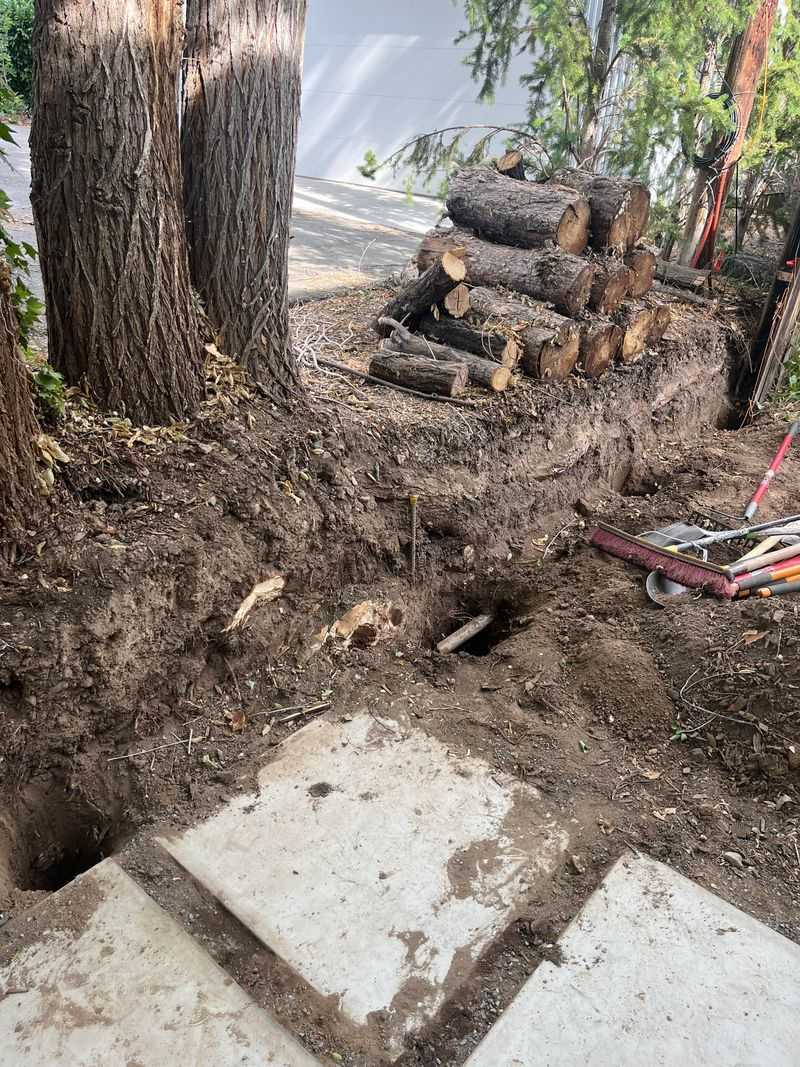
Property owners have the legal right to seek compensation when a neighbor’s tree roots cause measurable harm to their land or structures.
Actual damages include cracked foundations, broken sewer lines, buckled driveways, damaged sidewalks, and ruined landscaping.
You’ll need solid proof showing the roots came from your neighbor’s tree and directly caused the specific damage you’re claiming.
Photos, contractor estimates, plumber reports, and expert testimony strengthen your case significantly.
Courts won’t award money for potential future damage or minor inconveniences that don’t cost you real money to fix.
The compensation you receive typically covers repair costs, not emotional distress or punitive damages in most situations.
Keeping detailed records from the moment you discover damage helps build a winning lawsuit.
Some homeowners try negotiating with neighbors before filing suit, which can save time and legal fees.
Your claim needs to show clear cause-and-effect between the roots and damage, not just suspicion or guesswork.
Louisiana courts take property rights seriously and will enforce them when you present convincing evidence.
The Tree Owner Has Responsibilities Under Louisiana Law
When someone owns a tree, they also own the legal responsibility for problems it creates on neighboring land.
Louisiana Civil Code Article 2315 establishes that people must answer for damage their property causes to others.
This principle extends to trees and their root systems that venture beyond property boundaries.
Neighbors can’t ignore obvious problems their trees create for people living next door.
If roots from their oak tree destroy your sewer line, they’re generally liable for the repair costs.
However, they might argue they didn’t know about the problem or couldn’t reasonably prevent it.
Courts look at whether the tree owner acted reasonably given what they knew or should have known.
A deceased or obviously diseased tree that causes damage creates stronger liability than a healthy tree with hidden root problems.
Property owners should maintain their trees and address known issues before they harm neighbors.
This responsibility balances everyone’s right to enjoy trees on their land while protecting others from harm.
You Might Need To Prove Negligence Or Fault
Winning your lawsuit often requires proving your neighbor failed to act responsibly regarding their tree.
Simple negligence means they didn’t take reasonable care that an ordinary person would take in similar circumstances.
Did they ignore warnings about a withering tree? Did they refuse to trim dangerous branches when asked?
Courts examine whether the neighbor knew or should have known their tree posed risks to your property.
A healthy tree with roots that gradually spread underground might not involve negligence at all.
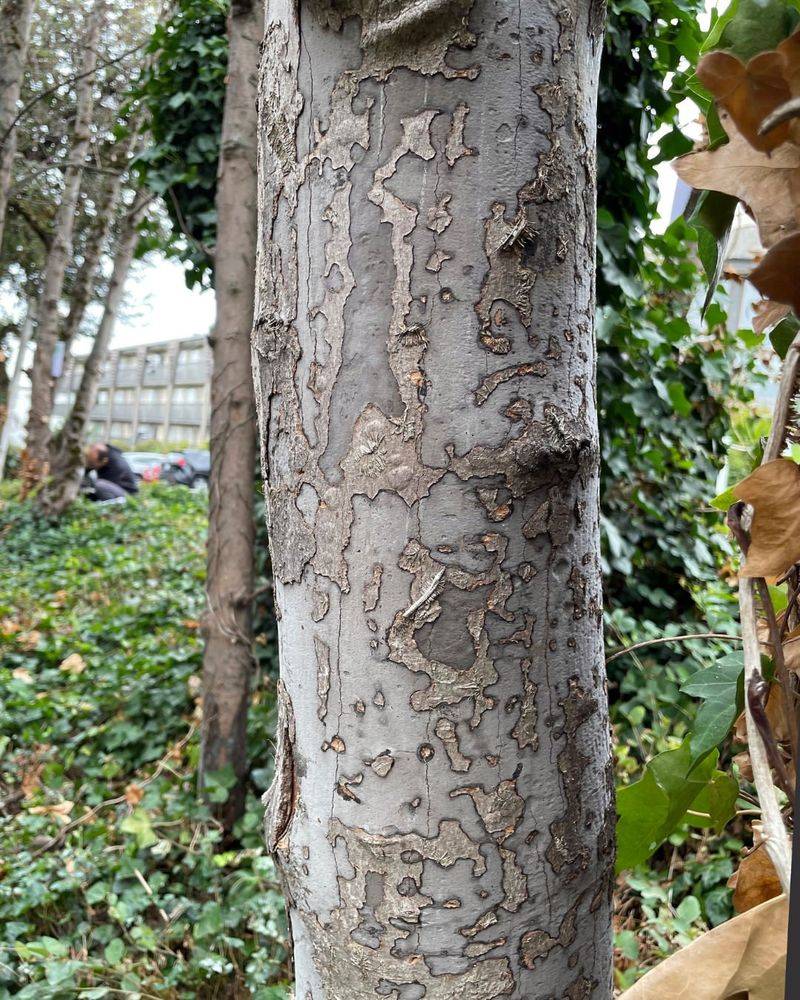
But a rotting tree with visible problems that the owner ignored for years creates a stronger negligence claim.
You’ll need evidence showing the neighbor had opportunities to prevent the damage but chose not to act.
Certified letters, text messages, or witnesses who heard your warnings become important proof.
Sometimes trees cause damage despite everyone acting reasonably, making lawsuits harder to win.
Louisiana law doesn’t automatically make tree owners liable for every problem roots create without some fault involved.
Self-Help Remedies Have Strict Limitations
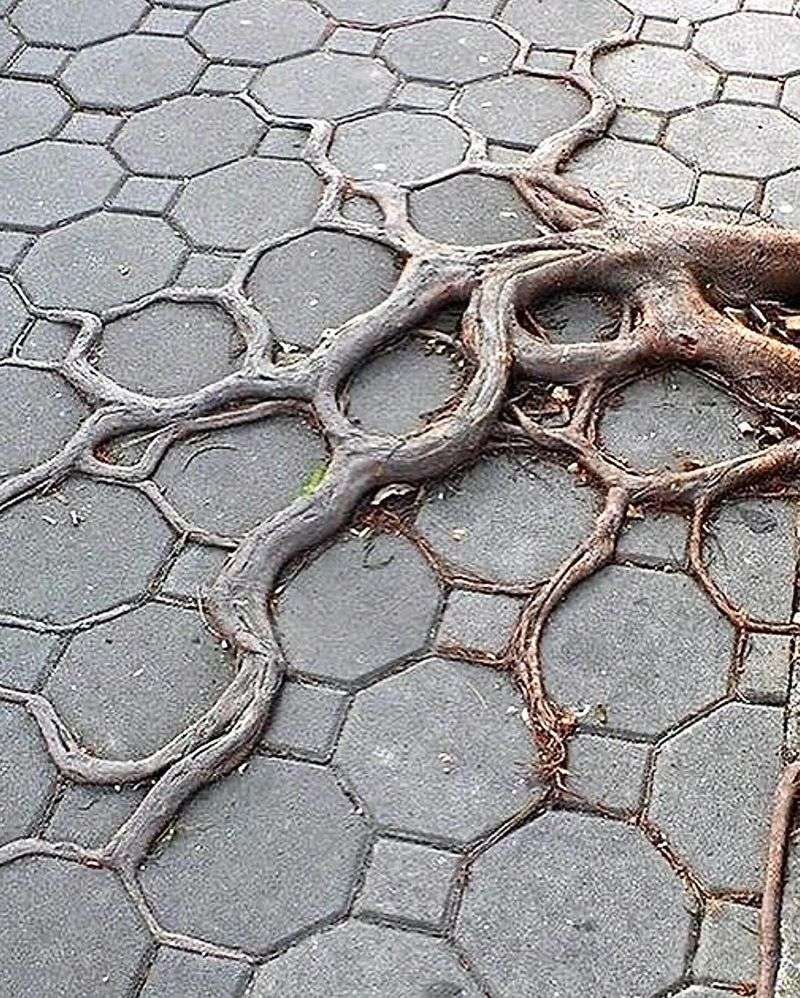
Louisiana law allows you to cut roots that cross onto your property, but only under specific conditions.
You can trim roots right at the property line without getting your neighbor’s permission first.
However, you absolutely cannot go onto your neighbor’s land to cut roots or damage their tree.
Cutting roots must be done carefully to avoid destroying or seriously harming the tree itself.
If your root-cutting destroys a valuable tree, your neighbor can sue you for the tree’s worth.
Courts expect you to act reasonably and not use self-help as revenge or to harm your neighbor’s property.
Professional arborists can cut roots properly while minimizing risk to the tree’s health and stability.
Document your root-cutting with photos and keep records showing you stayed on your side of the boundary.
Some experts recommend consulting with your neighbor before cutting roots, even though it’s not legally required.
Self-help works best for minor root problems, while major damage usually needs professional legal intervention instead.
Homeowners Insurance Might Cover Root Damage
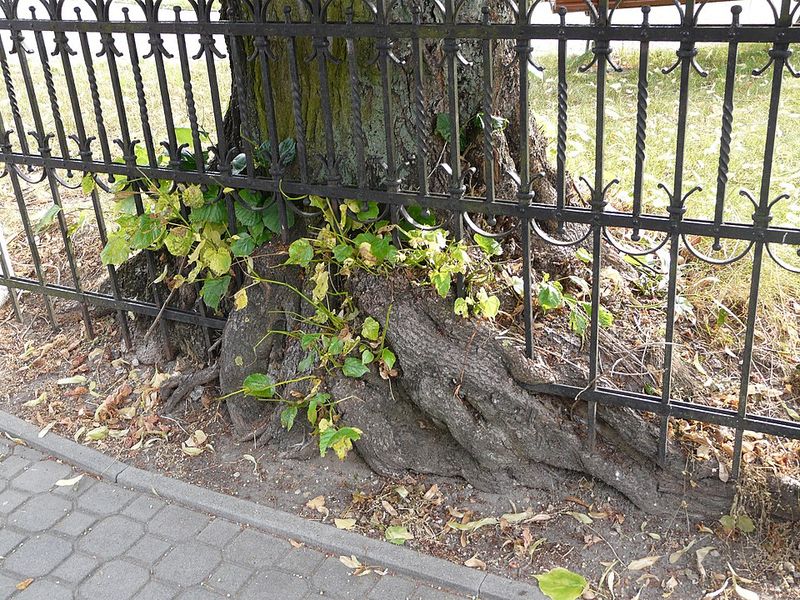
Before rushing to court, check whether your homeowners insurance policy covers tree root damage to your property.
Many policies include coverage for sudden, accidental damage but exclude gradual problems that develop over time.
A sewer line that suddenly collapses might be covered, while slowly spreading foundation cracks might not qualify.
Insurance companies often deny claims they consider preventable maintenance issues rather than covered accidents.
Reading your policy’s exact language about tree damage, roots, and gradual deterioration helps you understand your coverage.
Some policies specifically exclude damage from trees, roots, or vegetation regardless of how it happens.
If your insurance pays for repairs, they might pursue your neighbor through a process called subrogation.
This means the insurance company sues your neighbor to recover what they paid you.
Filing an insurance claim before suing can get your property repaired faster while legal issues sort themselves out.
Talk with your insurance agent about coverage before spending money on lawyers and court fees.
Documentation Becomes Your Most Powerful Tool
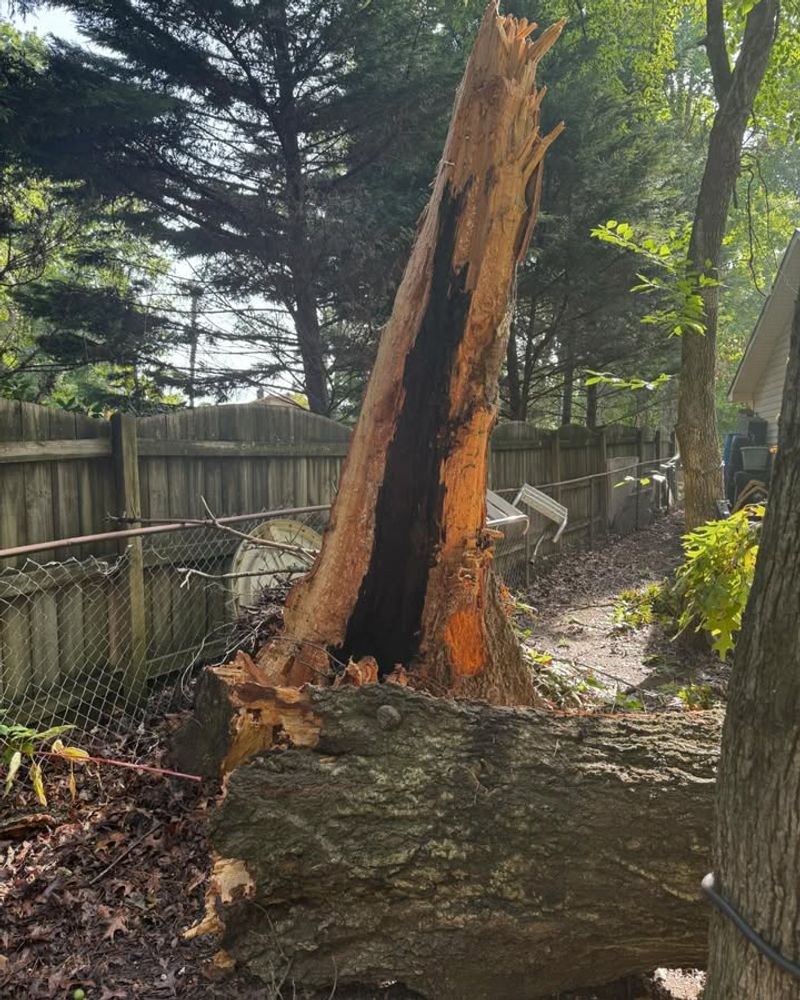
Strong evidence makes the difference between winning and losing tree root damage lawsuits in Louisiana courts.
Start photographing damage the moment you discover it, taking pictures from multiple angles with clear date stamps.
Measure cracks, document their growth over time, and photograph the tree you believe is causing problems.
Hire professionals like foundation experts, plumbers, or arborists to inspect damage and provide written reports.
These expert opinions carry significant weight when judges decide who’s responsible for damage.
Save every repair estimate, invoice, and receipt related to the damage for calculating your compensation.
Write down conversations with your neighbor about the tree problem, including dates and what was said.
Send formal letters by certified mail requesting your neighbor address the tree issue, keeping copies for court.
Video documentation showing the tree’s location relative to your damage helps judges visualize your situation.
Organized, thorough documentation often convinces neighbors to settle before trial, saving everyone time and money.
Timing Matters Because Of Prescription Periods
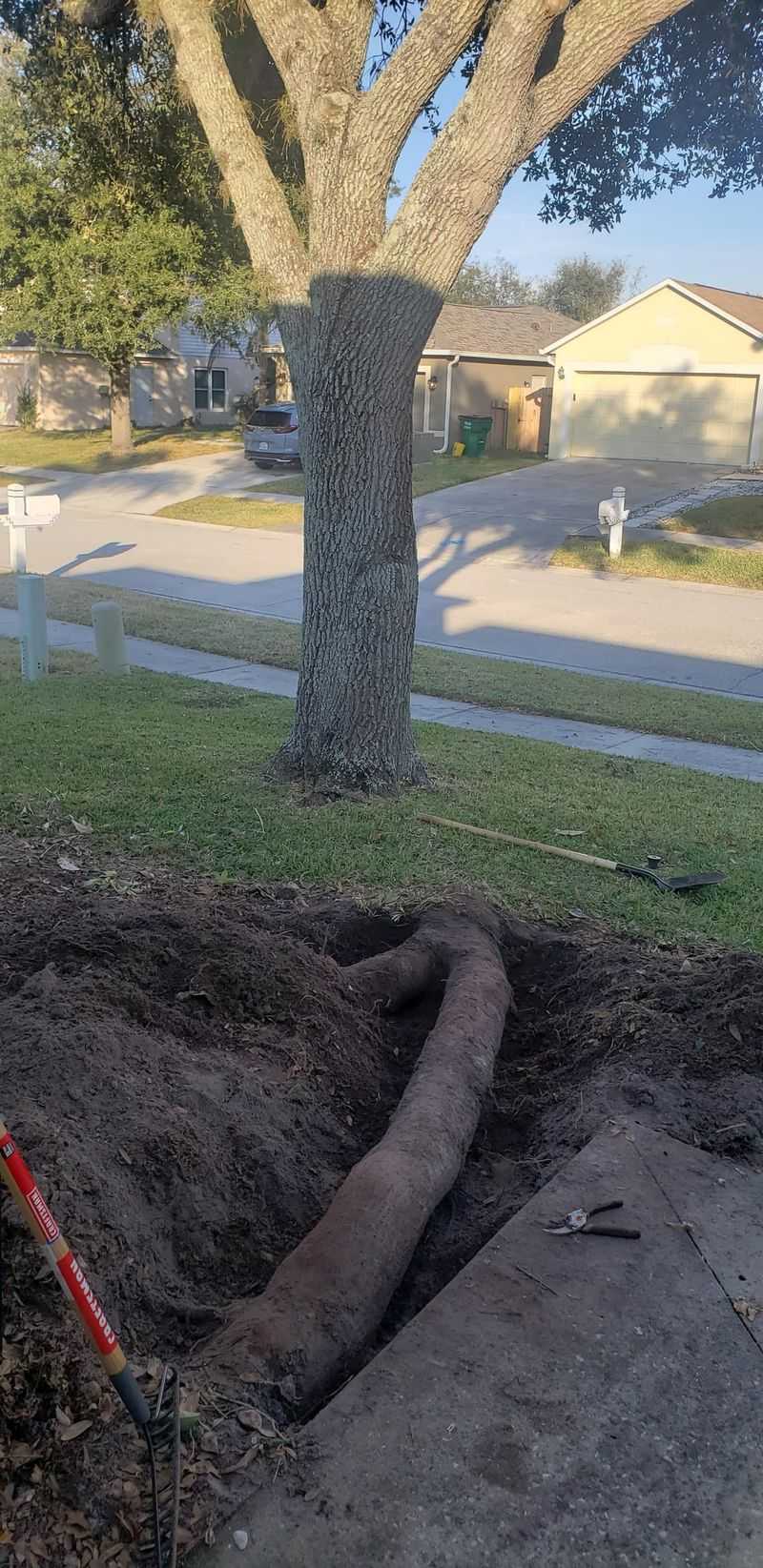
Louisiana law sets time limits called prescription periods for filing property damage lawsuits.
Generally, you have one year from discovering the damage to file suit against your neighbor.
This short deadline catches many homeowners by surprise compared to longer periods in other states.
The clock starts ticking when you knew or should have known about the damage and its cause.
Gradual damage creates confusion about when the prescription period actually begins.
Courts might say it started when damage first appeared, when it became serious, or when you learned roots caused it.
Missing the deadline means losing your right to sue forever, regardless of how strong your case might be.
Some situations pause or extend prescription periods, but these exceptions are limited and complicated.
Consulting a Louisiana attorney quickly after discovering damage protects your legal rights.
Don’t wait months hoping your neighbor will voluntarily pay for repairs, as you might lose your chance to sue.
Mediation Often Works Better Than Courtroom Battles
Many Louisiana tree root disputes get resolved through mediation rather than expensive, time-consuming trials.
Mediation brings you and your neighbor together with a neutral third party who helps negotiate a solution.
This process costs far less than hiring lawyers for a full lawsuit and preserves neighborly relationships better than courtroom fights.
Some parishes require mediation before allowing property disputes to proceed to trial.
Mediators don’t decide who wins but help both sides find compromises they can accept.
You might agree your neighbor pays half the repair costs, removes the tree, or installs a root barrier.
These creative solutions often work better than the limited remedies judges can order in court.
Mediation sessions stay private, unlike court trials that become public records anyone can access.
Even if mediation doesn’t fully resolve everything, it might narrow the issues for a faster trial later.
Many homeowners find mediation less stressful than testifying in court and appreciate controlling the outcome themselves.
Prevention Protects You Better Than Lawsuits
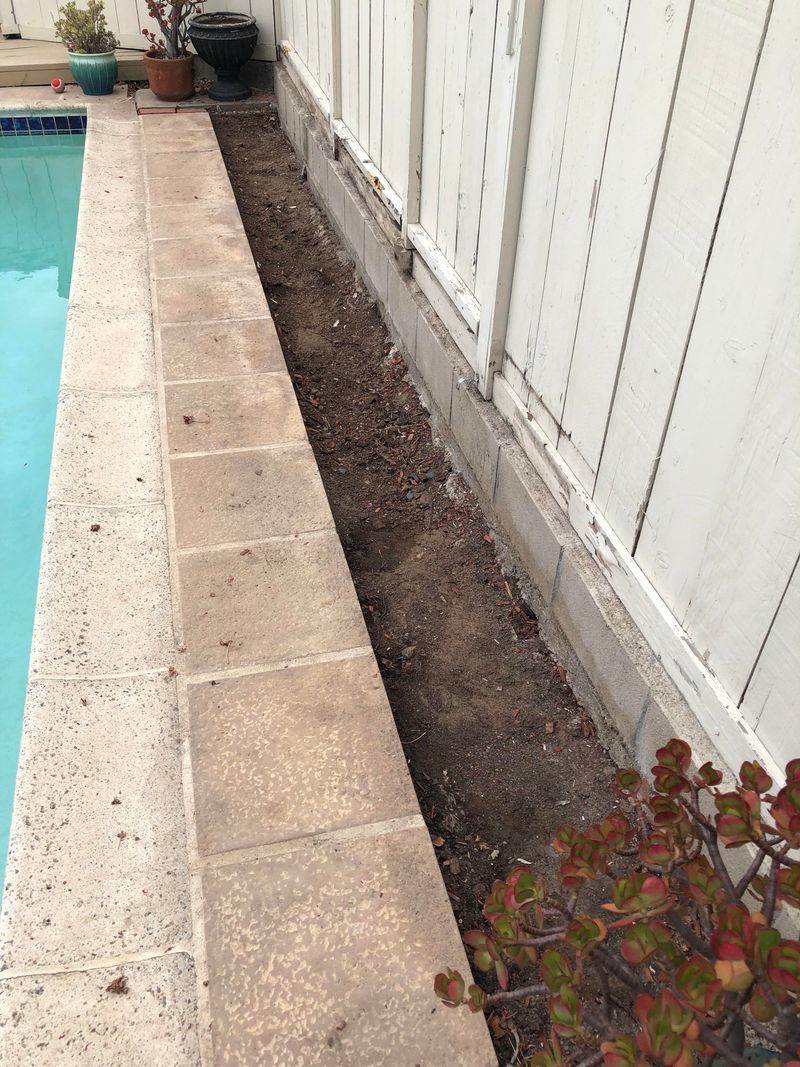
Smart homeowners take steps to prevent tree root problems before damage occurs and lawsuits become necessary.
Root barriers installed underground along property lines block roots from crossing into your yard.
These plastic or metal sheets redirect roots downward rather than toward your foundation or utilities.
Regular inspections of your foundation, driveway, and sewer lines catch problems while they’re still small and cheaper to fix.
Planting trees far from structures and property lines reduces future root conflicts with neighbors.
Talking with neighbors about tree concerns early builds cooperation that prevents legal battles later.
Some homeowners agree to share costs for tree maintenance or removal that benefits both properties.
Professional arborists can assess whether nearby trees pose risks to your property and recommend protective measures.
Understanding which tree species have aggressive root systems helps you make informed planting decisions.
An ounce of prevention truly saves pounds of cure when it comes to tree root damage and neighbor disputes.