Can You Trim Your Neighbor’s Shrub That Hangs Into Your Yard In Georgia
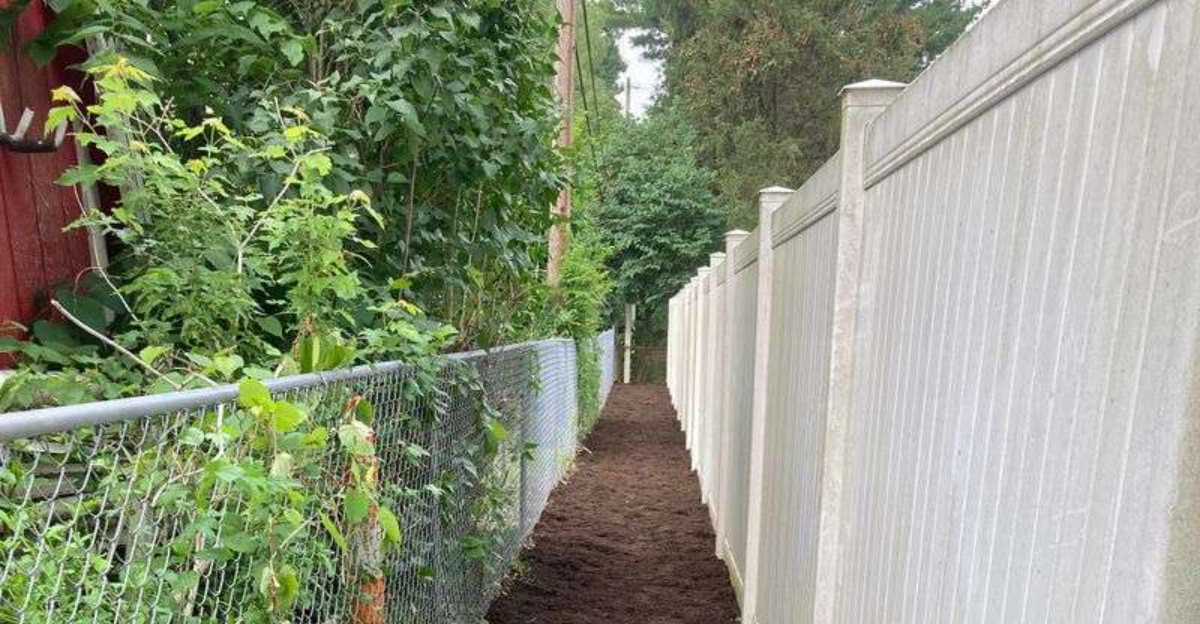
Dealing with a neighbor’s overgrown shrubs creeping into your yard can be frustrating, especially when branches block your view or drop leaves all over your lawn.
In Georgia, property line disputes involving trees and bushes are more common than you might think, and knowing your legal rights can save you from awkward conversations or potential lawsuits.
While you might be tempted to grab your hedge trimmers and take matters into your own hands, Georgia law has specific rules about what you can and cannot do when vegetation crosses property boundaries.
Understanding these regulations will help you maintain good relationships with your neighbors while protecting your property rights and avoiding legal trouble.
Georgia Follows The Self-Help Doctrine
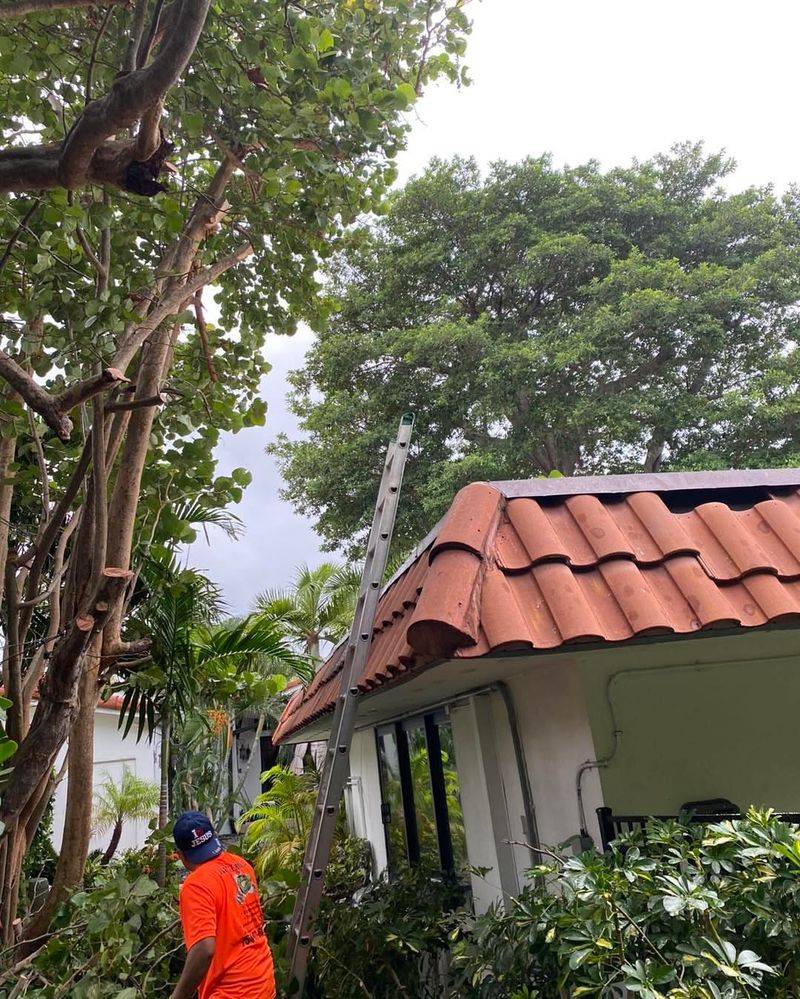
Georgia law allows homeowners to trim branches and roots that cross onto their property without asking permission first.
This legal principle, called the self-help doctrine, gives you the right to cut back any part of your neighbor’s vegetation that extends over the boundary line.
You don’t need to send a formal letter or wait for your neighbor to handle the problem themselves.
However, this right comes with important limitations that you must follow carefully.
The self-help doctrine only applies to the portions of plants that actually cross into your airspace or underground onto your land.
You cannot go onto your neighbor’s property to do the trimming, even if it would be easier.
Georgia courts have consistently upheld this right, recognizing that property owners shouldn’t have to tolerate encroaching vegetation.
Still, exercising this right requires you to act reasonably and responsibly.
Many homeowners find it helpful to document the encroachment with photos before trimming.
This creates a record showing exactly what crossed the property line.
Remember that while you have this legal right, approaching your neighbor first with a friendly conversation often prevents misunderstandings and maintains good relationships in your community.
You Must Stay On Your Property
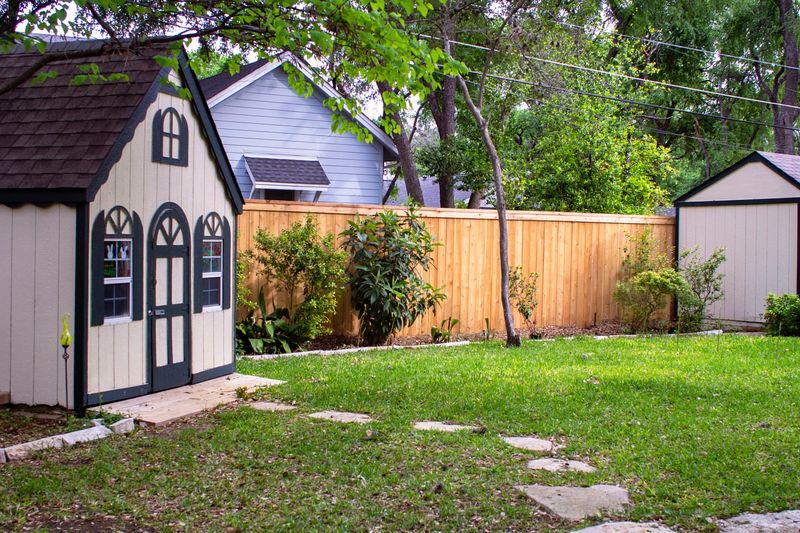
One of the most important rules when trimming encroaching vegetation is that you must remain on your own property the entire time.
Stepping over the property line to make cutting easier, even for a moment, turns your legal trimming into trespassing.
Georgia law is very clear about this boundary restriction.
If you need to reach high branches, you’ll need to use a ladder or pole trimmer from your side of the fence.
Sometimes this makes the job more difficult or awkward, but crossing the line could give your neighbor grounds to sue you.
Trespassing can result in legal consequences even if your intentions were good.
Courts won’t excuse boundary violations just because you were trying to maintain your property.
Before you start trimming, take time to identify exactly where your property line runs.
Property surveys, fence lines, and county records can help you determine the precise boundary.
If there’s any doubt about where your property ends, consider hiring a professional surveyor.
Spending a few hundred dollars on a survey is much cheaper than defending yourself in a lawsuit.
When in doubt, trim conservatively and stay well within your side of the boundary to avoid any potential disputes or legal complications.
Don’t Damage Or Destroy The Plant
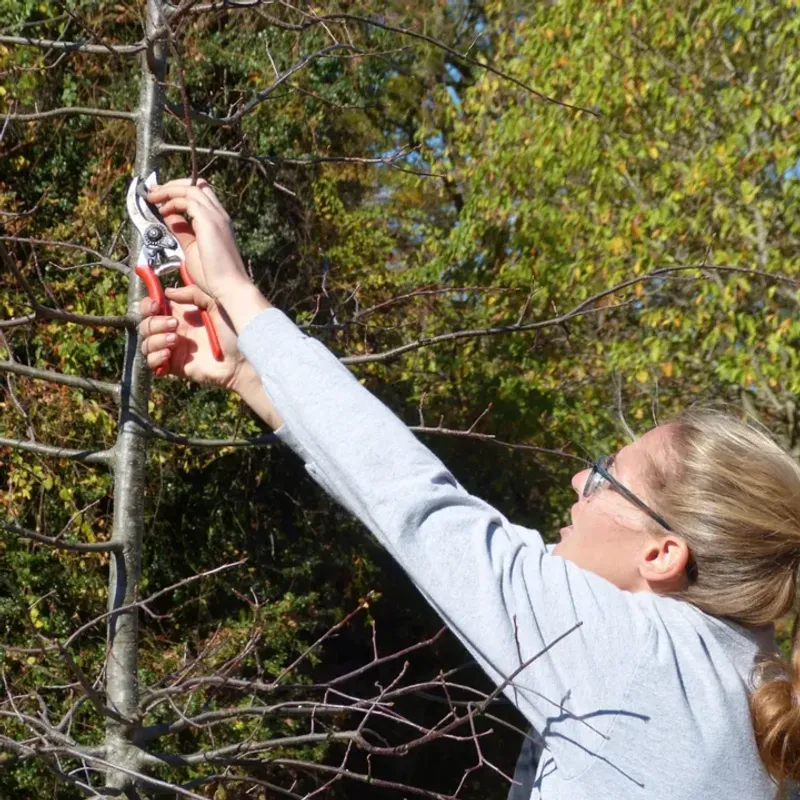
While Georgia law lets you trim encroaching branches, you cannot harm the overall health of your neighbor’s plant in the process.
Cutting back vegetation in a way that damages or destroys the tree or shrub crosses the line from legal trimming to property damage.
Your neighbor could sue you for the value of the damaged or destroyed plant, which can be surprisingly expensive.
Mature trees and established shrubs can be worth thousands of dollars.
Georgia courts have awarded significant damages to property owners whose plants were harmed by overzealous trimming.
To avoid liability, trim conservatively and follow proper horticultural practices.
Don’t remove so much foliage that the plant cannot survive or becomes severely weakened.
Avoid cutting during seasons when plants are most vulnerable, such as extreme heat or drought periods.
If you’re unsure about how much you can safely remove, consult an arborist or landscaping professional.
They can advise you on trimming techniques that remove the encroachment without threatening the plant’s survival.
Taking photos before and after trimming can protect you if disputes arise later.
Remember that your right to trim ends where harm to the plant begins, so always err on the side of caution when making cuts.
You Own The Trimmed Branches
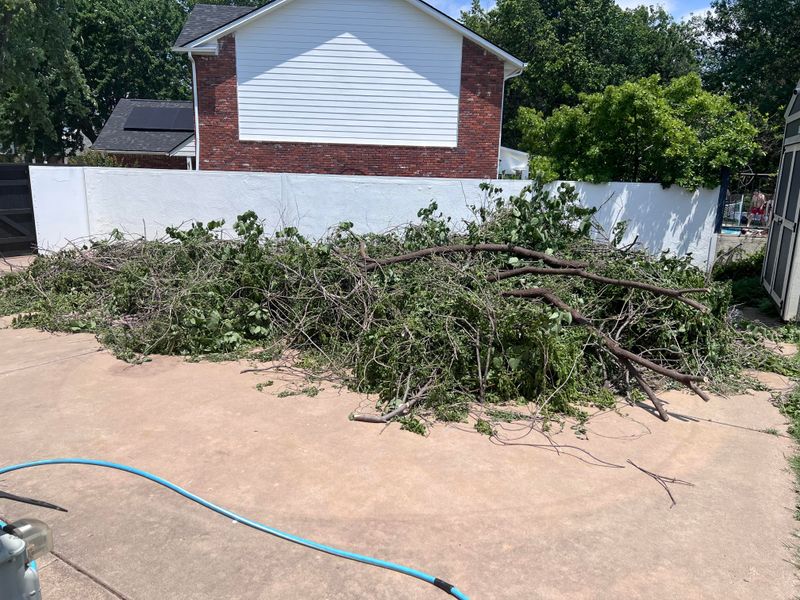
After you trim branches that were hanging over your property line, those cut pieces legally belong to you.
Georgia law treats the trimmed vegetation as your responsibility once it’s been removed.
You cannot simply toss the branches back over the fence onto your neighbor’s property.
Doing so could be considered littering or creating a nuisance, which might give your neighbor legal grounds to complain.
Instead, you need to dispose of the trimmed material properly according to your local waste management rules.
Many Georgia municipalities offer yard waste collection services or have designated drop-off locations.
Some homeowners choose to chip the branches for mulch or compost them if they have the equipment and space.
If the amount of trimmed material is substantial, you might need to rent a trailer or hire a hauling service.
The cost of disposal is your responsibility, not your neighbor’s, even though the vegetation came from their plant.
This rule might seem unfair, but it’s part of the trade-off for having the right to trim without permission.
Planning ahead for disposal makes the job go more smoothly.
Having bags, bins, or a truck ready before you start trimming saves time and prevents cut branches from piling up in your yard.
Communicate Before You Cut
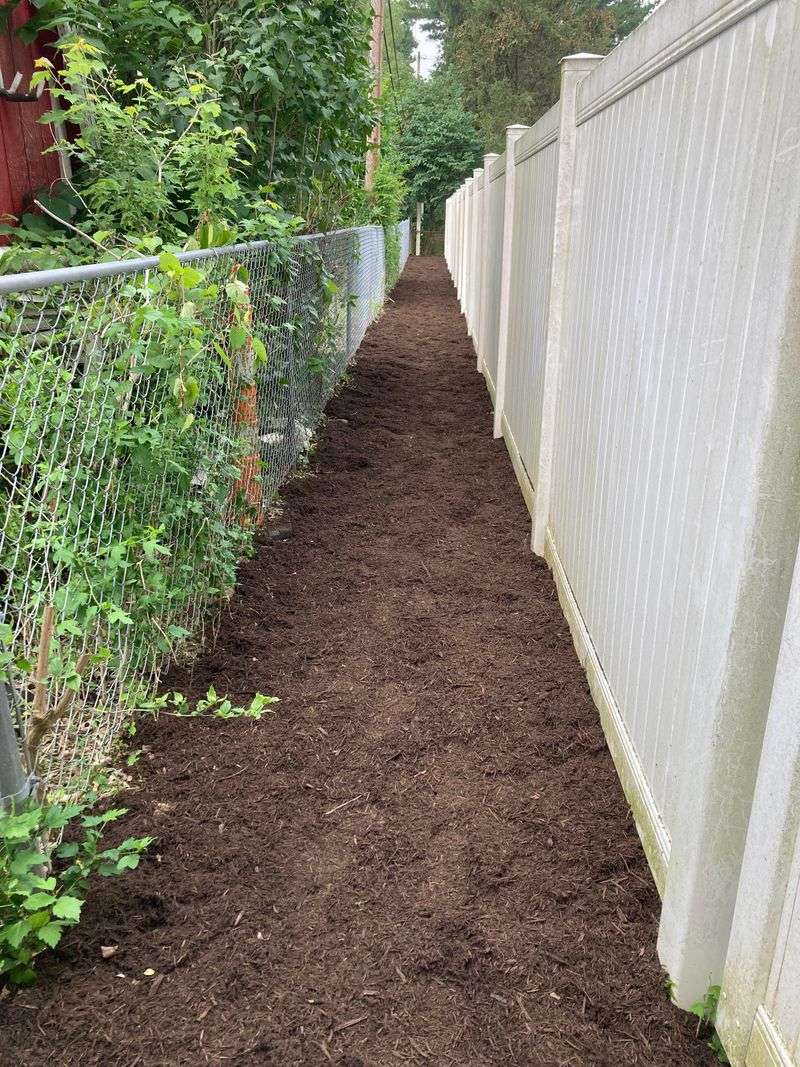
Even though Georgia law gives you the right to trim without permission, talking to your neighbor first is almost always the smarter approach.
A simple conversation can prevent misunderstandings, hurt feelings, and potential conflicts that might escalate unnecessarily.
Your neighbor might not even realize their shrub is encroaching on your space.
Many people appreciate being informed and may offer to do the trimming themselves, which solves your problem without any work on your part.
When you approach your neighbor, keep the tone friendly and solution-focused rather than accusatory or demanding.
Explain the situation calmly and suggest working together to find a resolution.
Most reasonable people will respond positively to respectful communication.
If your neighbor agrees to trim the shrub themselves, consider offering a reasonable timeframe for them to complete the work.
Life gets busy, and they might need a few weeks to schedule the task.
Documenting your conversation with a friendly follow-up text or email can be helpful if issues arise later.
If your neighbor refuses or ignores your request, then you can proceed with trimming on your own while knowing you made a good-faith effort.
Building positive neighbor relationships is valuable, and a little courtesy goes a long way toward maintaining peace in your community.
Understand Boundary Tree Rules
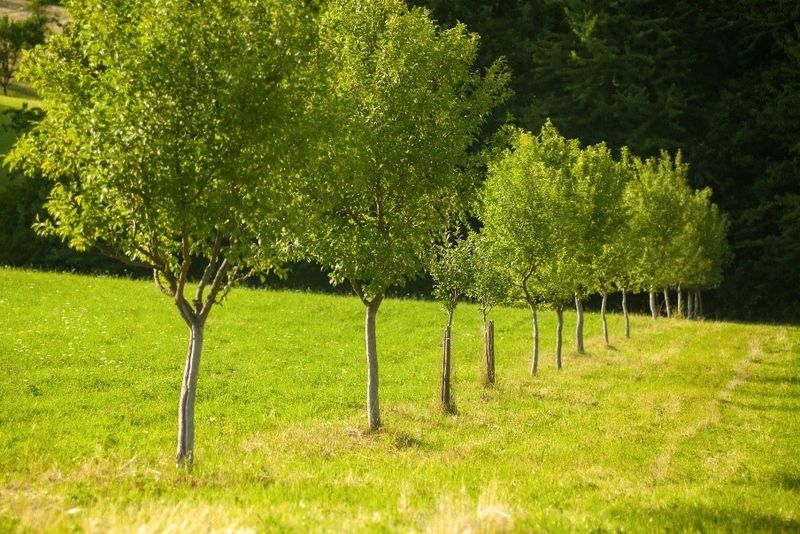
Trees that grow directly on the property line between two yards are treated differently under Georgia law than trees clearly on one side.
When a tree’s trunk straddles the boundary line, both neighbors are considered co-owners of that tree.
Neither owner can remove or significantly alter a boundary tree without the other’s permission.
If you want to cut down or heavily prune a boundary tree, you must get your neighbor’s agreement first.
Removing a co-owned tree without permission can result in serious legal consequences and financial liability.
Georgia courts have ordered homeowners to pay damages for unauthorized removal of boundary trees.
However, you still have the right to trim branches from a boundary tree that extend into your airspace.
The co-ownership rule applies to major decisions about the tree, not minor maintenance trimming.
If a boundary tree is diseased, withering, or poses a safety hazard, both owners share responsibility for addressing the problem.
You might need to work together to hire an arborist or tree removal service.
Determining whether a tree is truly a boundary tree requires knowing exactly where the property line runs.
If the trunk is even slightly on one side of the line, that property owner has full ownership rights and responsibilities for the tree.
Consider Nuisance Laws
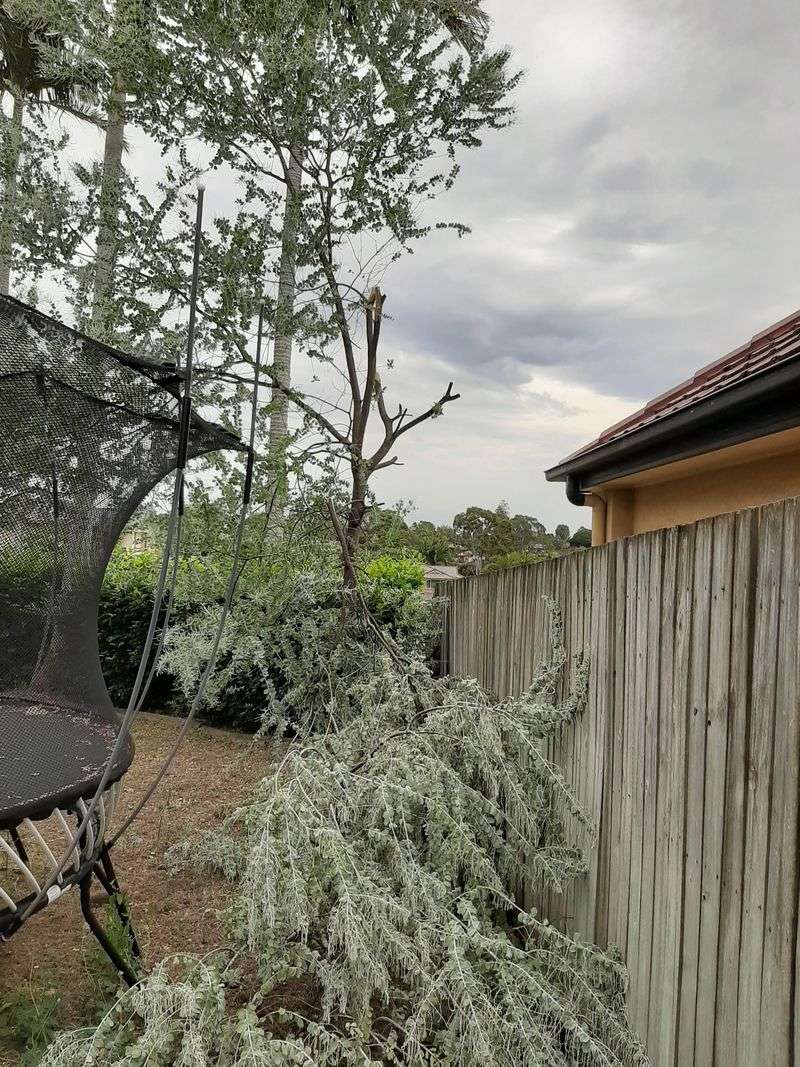
Sometimes a neighbor’s vegetation creates problems that go beyond simple encroachment and become a legal nuisance.
In Georgia, you might have additional legal options if overhanging branches cause actual damage or significantly interfere with your property use.
Examples include branches that block your driveway, damage your roof, interfere with utility lines, or drop excessive debris that requires constant cleanup.
Nuisance law gives you the right to seek remedies beyond just trimming the encroaching portions yourself.
You might be able to demand that your neighbor address the problem or even seek compensation for damages.
However, proving a legal nuisance requires showing that the interference is substantial and unreasonable, not just mildly annoying.
Courts won’t consider minor inconveniences like a few falling leaves to be nuisances.
If you believe your situation rises to the level of a nuisance, document everything thoroughly with photos, videos, and written records.
Keep track of any expenses you incur due to the problem, such as cleaning costs or repairs.
Sending your neighbor a certified letter explaining the nuisance and requesting action creates a formal record of the issue.
If the problem persists, consulting with a property attorney can help you understand your options, which might include mediation or legal action to force resolution.
Know Your HOA Rules
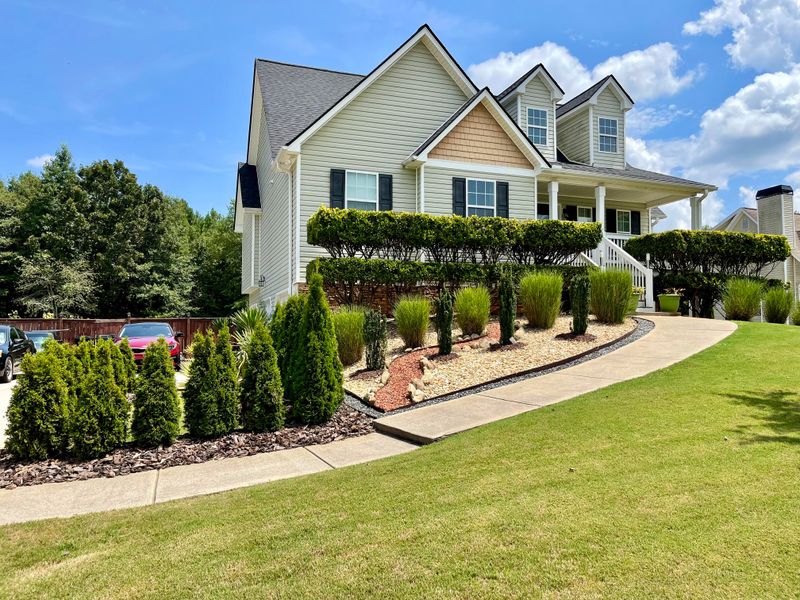
If you live in a neighborhood with a homeowners association, additional rules beyond Georgia state law might apply to vegetation disputes.
Many HOAs have specific regulations about landscaping, tree maintenance, and how property line disputes should be handled.
Your HOA covenants might require you to get approval before trimming or might have a dispute resolution process you must follow first.
Failing to comply with HOA rules can result in fines or other penalties, even if your actions were legal under state law.
Before taking any action, review your HOA documents carefully or contact your association board for guidance.
Some HOAs prefer to mediate disputes between neighbors rather than having residents take self-help measures.
Your association might have landscaping standards that your neighbor is violating, which could work in your favor.
Reporting the encroachment to the HOA might prompt them to require your neighbor to trim the shrub themselves.
On the other hand, your HOA might have restrictions on what types of trimming you can do or when you can do it.
Understanding these rules before you act protects you from potential violations.
HOA regulations can be complex and sometimes contradictory to your preferences, but they’re legally binding contracts you agreed to when you bought your home.
Working within your HOA framework usually leads to better outcomes than ignoring the rules.
Watch Out For Protected Species
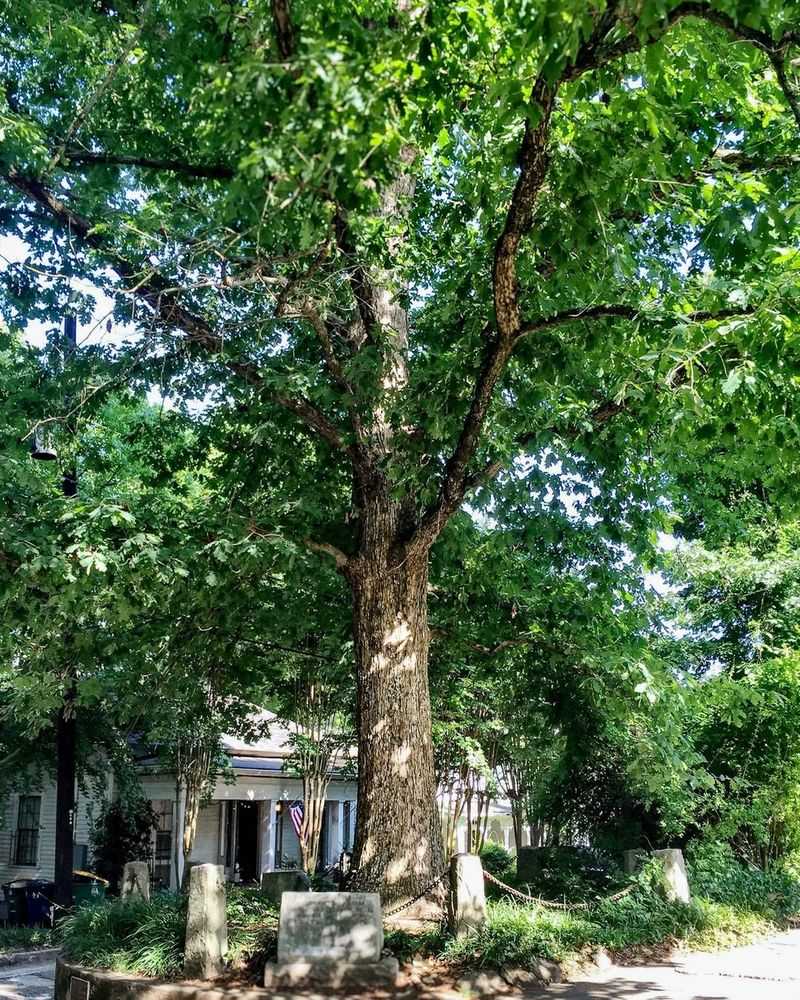
Georgia has laws protecting certain tree species, and trimming protected vegetation without proper permits can lead to serious legal trouble.
Some cities and counties have tree protection ordinances that restrict cutting or pruning specific species or trees above certain sizes.
Atlanta, for example, has strict tree ordinances that require permits for work on trees meeting certain diameter requirements.
Even if a protected tree’s branches hang into your yard, you might need permission before trimming them.
Violating tree protection laws can result in substantial fines, sometimes thousands of dollars per tree.
Before trimming any substantial vegetation, check with your local government to see if tree protection ordinances apply.
Many cities have online resources or forestry departments that can provide information about protected species and permit requirements.
Heritage trees, which are particularly old or historically significant, often have extra protections.
If you’re unsure whether a tree is protected, it’s better to ask first than face penalties later.
Professional arborists familiar with local regulations can help you navigate these requirements.
They can identify tree species, determine if permits are needed, and perform trimming in compliance with local laws.
Taking time to understand protection rules might seem inconvenient, but it prevents expensive mistakes and legal complications down the road.
Document Everything Thoroughly
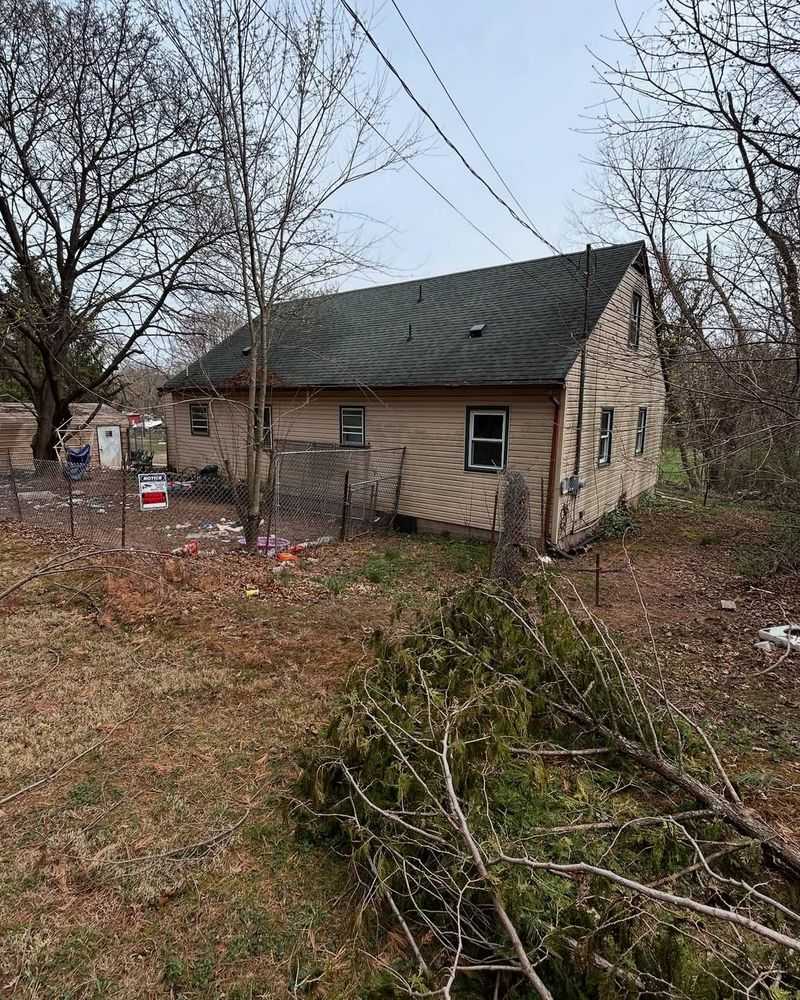
Keeping detailed records of vegetation encroachment and your actions to address it protects you if disputes arise later.
Take clear photos showing the extent of the encroachment from multiple angles before you do any trimming.
Make sure your photos include identifiable landmarks or measurements that clearly show the vegetation crossing your property line.
Date-stamped photos from your phone or camera provide valuable evidence if your neighbor later claims you damaged their property.
If you speak with your neighbor about the issue, follow up with a friendly email or text summarizing the conversation.
Written communication creates a record showing you tried to resolve things amicably before taking action.
After trimming, take more photos showing exactly what you cut and the condition of the remaining plant.
This documentation proves you trimmed conservatively and didn’t damage the overall plant.
Keep receipts for any expenses related to the trimming, such as tool rentals or disposal fees.
If you hire a professional, save contracts and invoices showing the work was done properly.
Store all documentation in a safe place where you can easily access it if needed.
Good records turn your word against your neighbor’s into clear evidence of what actually happened, making legal disputes much easier to resolve in your favor.