10 Care Tips To Help Winter Houseplants Thrive In Illinois Homes
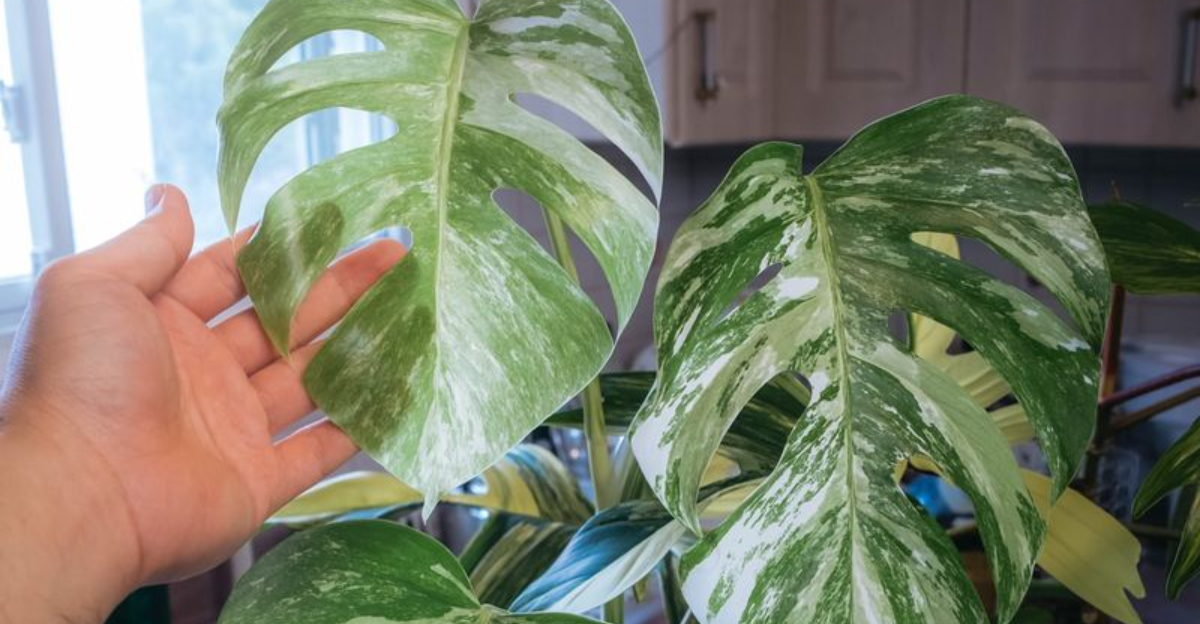
Winter in Illinois tests even the hardiest houseplants.
Short days, dry indoor air, and chilly drafts can slow growth, fade foliage, and leave plants looking droopy.
Small adjustments make all the difference, keeping greenery vibrant until spring returns.
Light, water, temperature, and humidity each play a role, and ignoring one can undo effort in a flash.
Pot placement, occasional pruning, and careful feeding help plants maintain energy through the cold months.
Choosing resilient varieties and monitoring for pests ensures problems don’t escalate while outdoor conditions remain harsh.
A little foresight transforms winter from a struggle into a season of steady growth.
1. Adjust Your Watering Schedule

Plants drink less water during winter months because they grow more slowly.
Cool temperatures and lower light levels mean your green companions need less moisture than they do in summer.
Overwatering becomes a real problem when roots sit in soggy soil for too long.
Check the soil with your finger before adding more water.
Stick your finger about two inches deep into the potting mix.
If it feels dry at that depth, your plant is ready for a drink.
Most houseplants prefer to dry out a bit between waterings during the cold season.
You might find yourself watering once every two weeks instead of weekly.
Different plants have different needs, so pay attention to each one individually.
Succulents and cacti need even less water, sometimes just once a month.
Tropical plants like ferns prefer slightly more consistent moisture.
Use room-temperature water instead of cold tap water straight from the faucet.
Cold water can shock the roots and slow growth even more.
Keep a watering journal to track when you water each plant and how it responds.
2. Boost Humidity Levels Indoors
Furnaces and heating systems suck moisture right out of the air inside your home.
This creates a desert-like environment that many houseplants find uncomfortable.
Brown leaf tips and crispy edges often signal that your plants need more humidity.
Several easy methods can add moisture back into the air around your greenery.
Group plants together so they create their own little humid microclimate.
As one plant releases moisture through its leaves, the others benefit from that extra dampness.
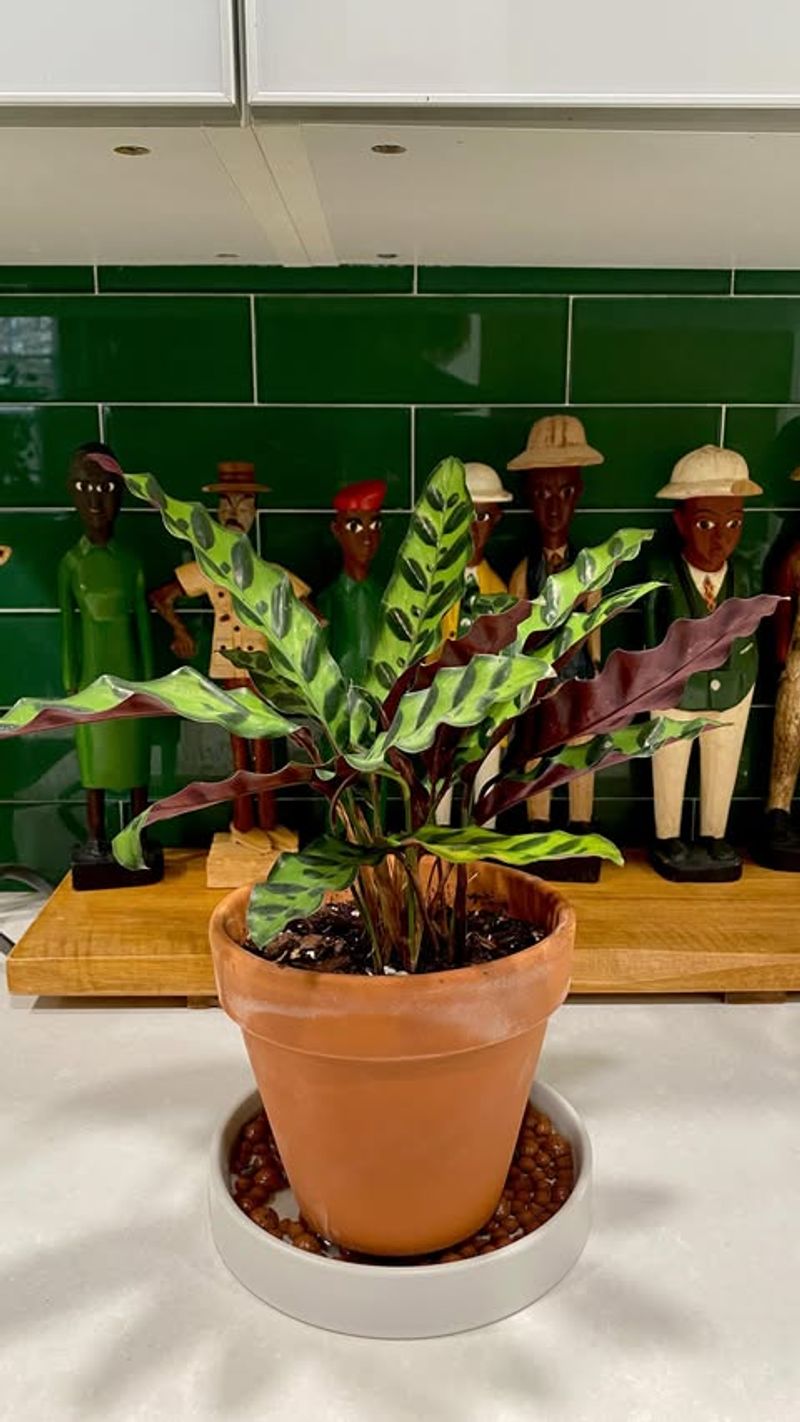
Pebble trays work wonderfully for raising humidity without much effort.
Fill a shallow tray with stones, add water just below the top of the pebbles, then set your pots on top.
As the water evaporates, it moistens the air right where your plants need it most.
Small humidifiers placed near your plant collection can make a huge difference.
Misting leaves with a spray bottle provides temporary relief but needs to be done daily.
Bathrooms and kitchens naturally have higher humidity from showers and cooking.
Consider moving some plants to these rooms if they really struggle with dry air.
3. Maximize Natural Light Exposure
Shorter winter days mean less sunlight reaches your plants each day.
Illinois experiences particularly gray, cloudy weather during the coldest months
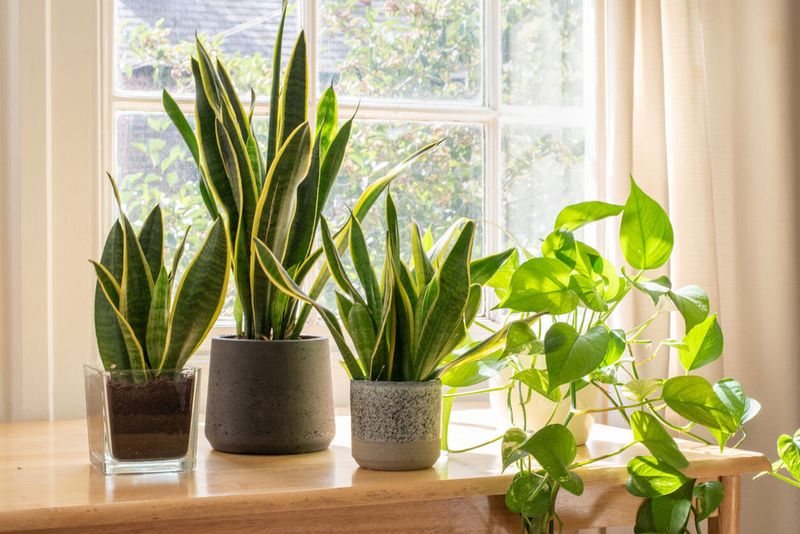
Your plants may need to move closer to windows to catch every available ray of sunshine.
South-facing windows provide the brightest light during winter in the Northern Hemisphere.
East and west windows offer moderate light that works well for many common houseplants.
North-facing windows give the least light and might not support plants that need bright conditions.
Clean your windows inside and out to remove dust and grime that blocks precious sunlight.
Even a thin layer of dirt can reduce the amount of light coming through glass.
Rotate your pots every week or two so all sides of the plant receive equal exposure.
This prevents lopsided growth where one side stretches toward the window.
Watch for signs that your plant wants more light, like pale leaves or leggy stems.
If natural light remains insufficient, consider adding a grow light.
These special bulbs mimic sunlight and can keep your plants happy when winter skies stay dark.
Position grow lights about 6 to 12 inches above your plants for best results.
4. Reduce Fertilizer Applications
Growth slows way down for most houseplants when temperatures drop and daylight decreases.
Your plants enter a semi-dormant state where they focus on survival rather than producing new leaves.
Feeding them the same amount of fertilizer you used in summer can actually harm them.
Excess nutrients build up in the soil and can burn sensitive roots.
Cut back your fertilizing routine to once a month or stop completely until spring arrives.
Some plant experts recommend pausing all fertilizer from November through February.
If you do feed during winter, dilute the fertilizer to half the strength recommended on the package.
This gentler approach gives plants a small nutrient boost without overwhelming them.
Flowering plants like African violets or Christmas cacti might need a bit more food to support blooms.
Pay attention to what your specific plants are doing.
Active growth means they can handle some fertilizer, while complete dormancy means they need none.
Always water your plants before applying fertilizer to prevent root damage.
Resume your regular feeding schedule in early spring when you notice new growth starting.
This gradual return to normal care helps plants transition smoothly back to active growing mode.
5. Protect Plants From Cold Drafts
Chilly air sneaking through windows and doors can shock tropical houseplants that prefer steady warmth.
Even a few hours of cold drafts can cause leaves to drop or turn yellow.
Check for drafts by holding your hand near windows, exterior doors, and vents on a cold day.
You might feel cold air flowing in even when everything looks sealed tight.
Move plants at least a few feet away from these problem spots to keep them comfortable.
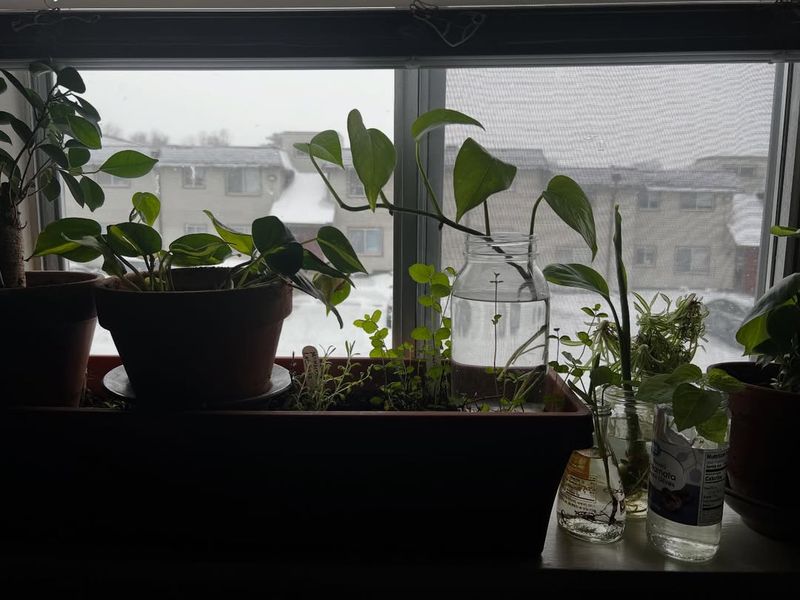
Window sills seem like perfect plant spots, but single-pane glass gets icy cold during Illinois winters.
Leaves touching frozen glass can develop brown patches or become damaged.
Use weatherstripping or draft stoppers to block cold air from entering your home.
This helps your plants and reduces your heating bills at the same time.
Avoid placing plants near heating vents or radiators too.
Hot, dry air blasting directly on leaves causes just as much stress as cold drafts.
Maintain a consistent room temperature between 65 and 75 degrees Fahrenheit for most common houseplants.
Sudden temperature swings confuse plants and interrupt their natural rhythms.
Consider hanging curtains or blinds at night to create an insulating barrier between plants and cold windows.
6. Monitor For Common Winter Pests

Bugs love warm, dry indoor conditions just as much as we do during cold weather.
Spider mites thrive in low humidity and can quickly infest your entire plant collection.
These tiny pests create fine webbing on leaves and suck sap from plant tissues.
Scale insects look like small brown or tan bumps stuck to stems and leaf undersides.
Fungus gnats buzz around soil that stays too wet and lay eggs in the potting mix.
Check your plants carefully every week for early signs of trouble.
Look under leaves where pests often hide from view.
Catching an infestation early makes it much easier to control.
Wipe leaves with a damp cloth to remove dust and spot any unwanted visitors.
Isolate any plant that shows signs of pests immediately to prevent spread.
Treat infested plants with insecticidal soap or neem oil following package directions carefully.
These organic options work well for most common houseplant pests.
Improve air circulation around your plants by spacing them apart and running a small fan.
Better airflow discourages many pests from settling in.
Maintaining proper humidity levels also helps prevent spider mites from taking hold.
7. Prune Away Damaged Growth
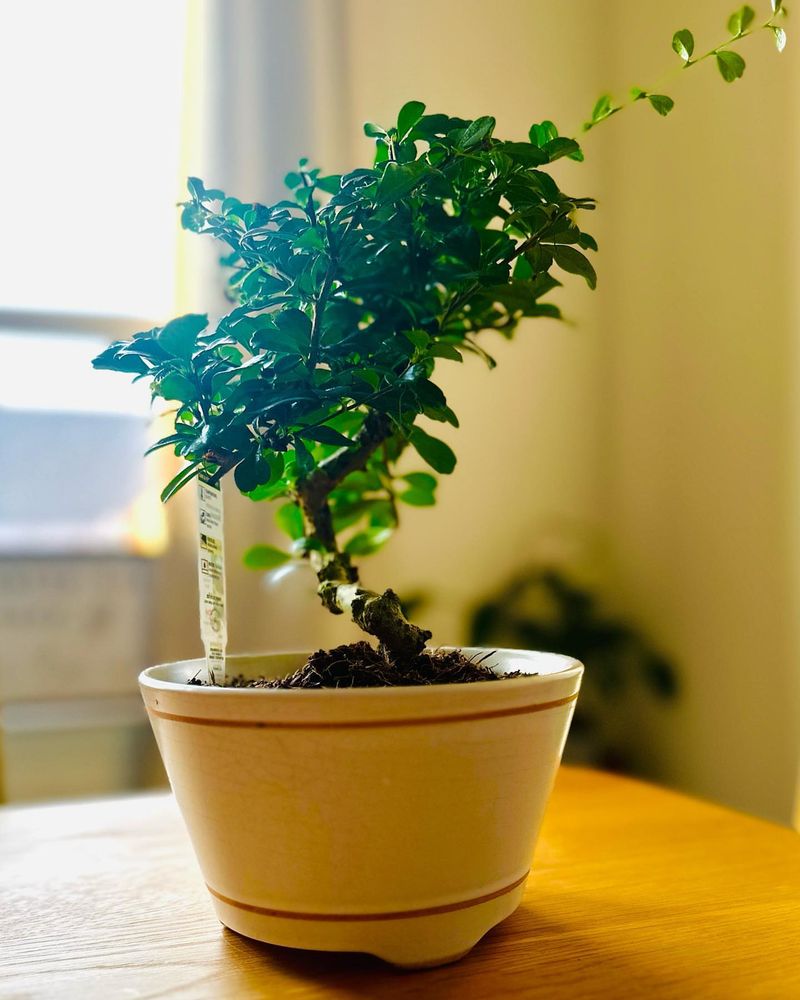
Brown tips, yellow leaves, and scraggly stems make your plants look sad and unhealthy.
Winter stress often causes some foliage to decline even with excellent care.
Removing damaged parts helps your plant focus energy on healthy growth instead of trying to repair what cannot be saved.
Use clean, sharp scissors or pruning shears to make neat cuts.
Sterilize your tools with rubbing alcohol between plants to avoid spreading diseases.
Cut brown leaf tips at an angle to mimic the natural leaf shape.
This looks better than leaving crispy edges or cutting straight across.
Remove entire yellow leaves by cutting the stem close to the main plant.
These leaves will not turn green again and just waste the plant’s resources.
Leggy stems that stretched toward light can be trimmed back to encourage bushier growth.
Most plants respond to pruning by producing new shoots below the cut.
Avoid heavy pruning during winter when growth is slow.
Save major reshaping for spring when plants have more energy to recover.
Light maintenance pruning keeps plants tidy without stressing them during their rest period.
Dispose of all clippings rather than leaving them on the soil surface where they might rot.
8. Use Proper Potting Soil Mix
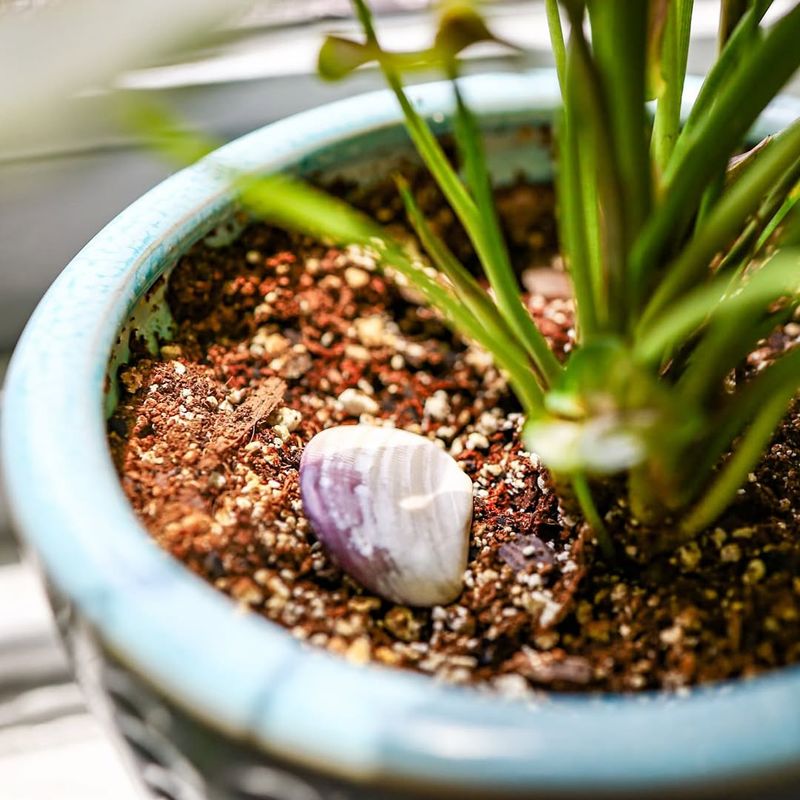
Soil quality matters more during winter when plants are already stressed by harsh conditions.
Old, compacted potting mix drains poorly and can suffocate roots.
If you notice water sitting on the soil surface instead of soaking in, your mix has probably broken down.
Fresh potting soil contains the right balance of materials to hold moisture while allowing excess water to drain.
Good drainage becomes extra important in winter when plants drink less frequently.
Most houseplants do well in a standard indoor potting mix from the garden center.
Cacti and succulents need a special fast-draining blend with extra sand or perlite.
Orchids require a chunky bark-based mix that their aerial roots can grip.
Avoid using garden soil indoors because it compacts too much in containers.
Winter is not the ideal time for repotting unless absolutely necessary.
Plants prefer to be repotted during active growth in spring or summer.
If you must repot during cold months, be extra gentle and keep the plant in a warm spot afterward.
Consider top-dressing instead of full repotting by removing the top inch of old soil and replacing it with fresh mix.
This refreshes nutrients without disturbing roots during their dormant period.
9. Avoid Moving Plants Around Frequently

Plants adapt to their environment over time and prefer consistency.
Constant changes in light, temperature, and humidity confuse them and trigger stress responses.
Find the best spot for each plant at the beginning of winter and leave it there.
Your plant will adjust to that location and settle into a comfortable routine.
Moving plants back and forth between rooms disrupts this adaptation process.
Each time you relocate a plant, it must work to acclimate all over again.
This wastes energy the plant could use to stay healthy during difficult winter months.
Some plants drop leaves or stop growing when moved repeatedly.
They react to change as if facing a threat and go into survival mode.
Of course, you should move a plant if its current location clearly is not working.
Signs like stretching toward light or dropping many leaves mean a change is needed.
Just make one thoughtful move to a better spot rather than constantly experimenting.
Once you find a location where your plant looks happy, resist the urge to rearrange.
Stability helps plants conserve energy and maintain their health through the challenging season.
Come spring, they will reward your patience with fresh new growth.
10. Keep Leaves Clean And Dust-Free

Dust settles on everything indoors during winter when windows stay closed and furnaces blow air around.
A thick coating of dust on leaves blocks sunlight from reaching the plant’s cells.
This reduces the plant’s ability to make food through photosynthesis.
Clean leaves also breathe better through their tiny pores called stomata.
Dust clogs these openings and interferes with gas exchange.
Wipe smooth leaves gently with a soft, damp cloth every few weeks.
Support each leaf from underneath while you clean to avoid tearing or bending.
For plants with fuzzy or textured leaves, use a soft brush instead of a damp cloth.
A clean paintbrush works perfectly for African violets and other delicate foliage.
Small plants can be rinsed in the sink or shower with lukewarm water.
Let them drain completely before returning them to their spots.
Avoid using leaf shine products that leave a waxy coating.
These products can clog stomata and cause more harm than good.
Clean leaves look brighter and healthier, making your whole plant collection more attractive.
This simple task takes just a few minutes but makes a real difference in plant health and appearance throughout the long Illinois winter.