Cascade Hydrangeas Are Taking Over Ohio Gardens This Season (Plus Easy Growing Tips)
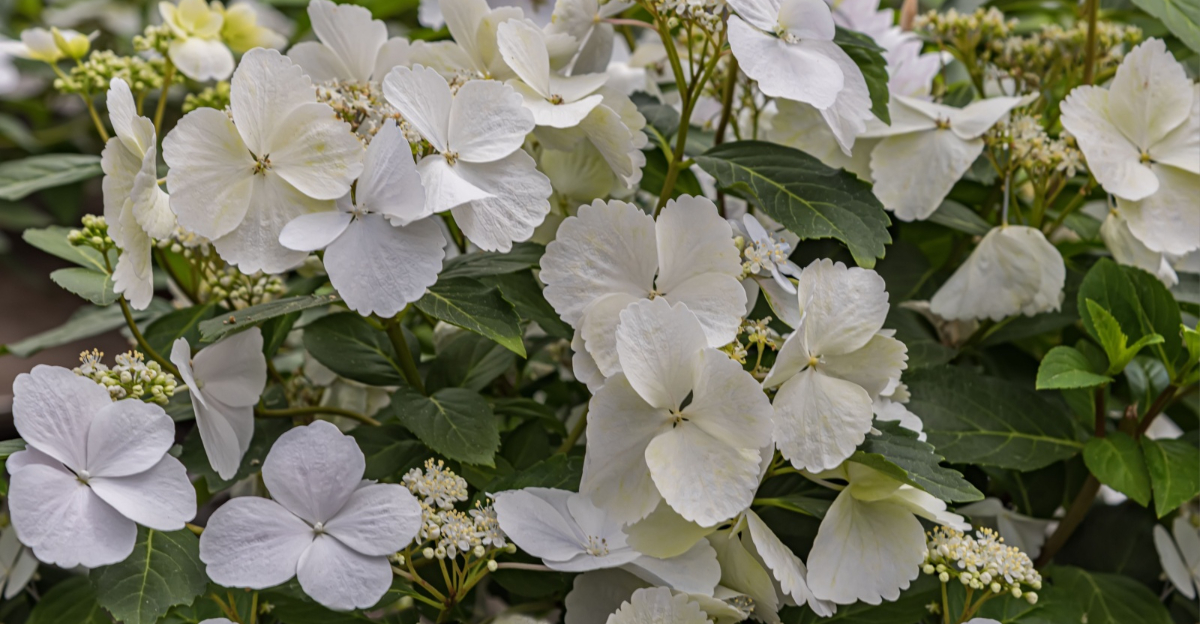
Ohio gardens are exploding with color this season, and cascade hydrangeas are leading the charge. They tumble over fences, patios, and flower beds, spilling waves of pink, blue, and creamy white that stop neighbors in their tracks.
You don’t need a huge garden or endless hours of work to make your yard unforgettable. With the right care, these hydrangeas transform even the smallest space into a show-stopping scene.
Their drooping stems and bold colors make every bloom feel like it was made to catch the eye. If you’ve been searching for that “wow” factor this summer, cascade hydrangeas are your answer.
Plant them, nurture them, and watch your garden become the one everyone can’t stop talking about.
1. Cascade Hydrangeas Create Dramatic Flowering Displays
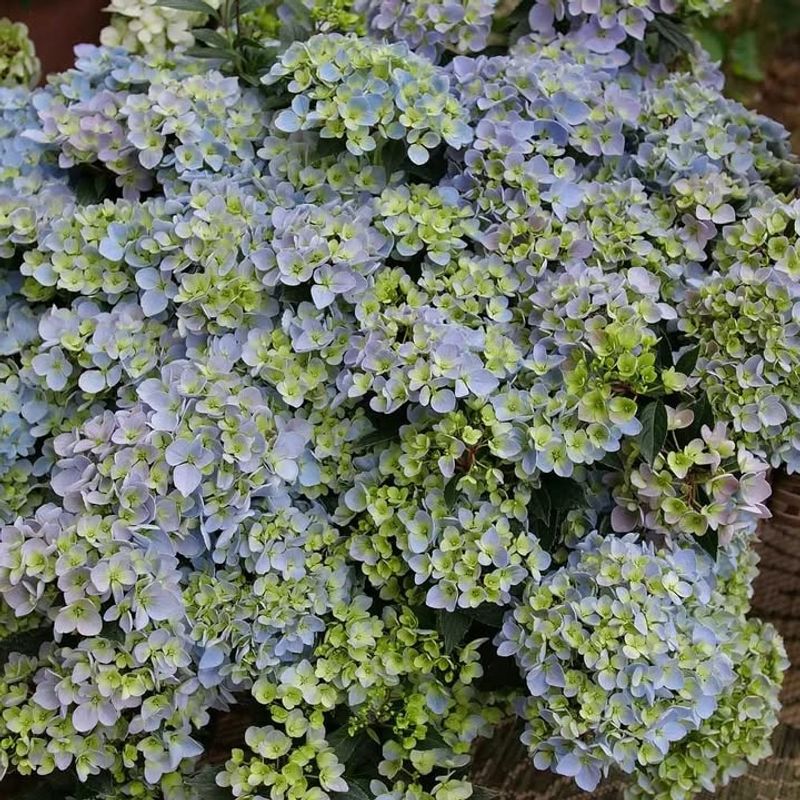
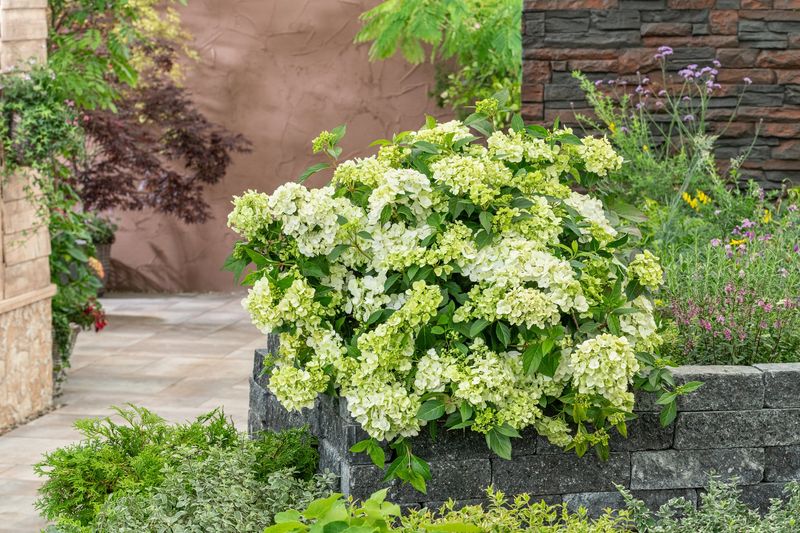
Walking past a garden in full summer bloom and spotting a shrub that looks like it is draped in a waterfall of white flowers is an experience that stops people in their tracks. Cascade hydrangeas earn that reaction every single time.
Unlike traditional mophead or lacecap varieties, cascade types produce flowers along the full length of each arching stem, creating a layered, garland-like effect that looks almost too good to be real.
Horticulture experts often describe this bloom structure as uniquely theatrical. The stems bow gracefully under the weight of the blooms, giving the plant a sweeping, romantic silhouette that works beautifully as a focal point in any Ohio landscape.
Whether planted along a fence line, in a mixed border, or in a large container on a patio, the visual impact is hard to match.
The Fairytrail Bride variety, one of the most recognized cascade types, produces pure white flowers that hold their color well throughout the season. Ohio gardeners who have added this plant report that neighbors and visitors frequently stop to ask what it is.
That kind of curb appeal is exactly what makes cascade hydrangeas one of the most talked-about garden plants this season.
2. These Hydrangeas Bloom Heavily Along Every Stem
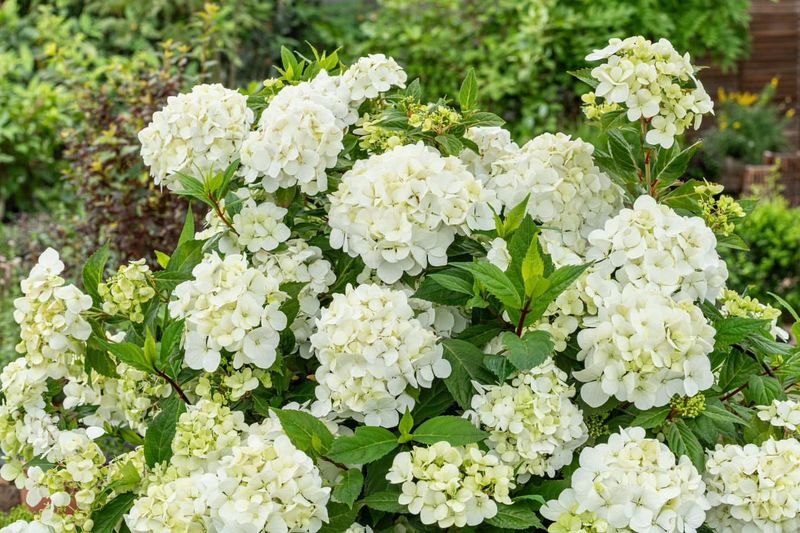
Most flowering shrubs save their blooms for the tips of their branches, leaving the rest of the plant looking bare and green during the growing season. Cascade hydrangeas completely flip that script.
These plants are hybrids specifically developed to set flower buds along the entire length of every stem, not just at the ends. The result is a shrub that looks fully clothed in flowers from top to bottom.
This unique flowering habit means there is almost no empty space on the plant when it reaches peak bloom. Every stem contributes to the overall display, making the shrub appear far fuller and more generous with its flowers than most other hydrangea types.
For Ohio gardeners who want maximum visual payoff from a single plant, that is a major advantage.
According to information from hydrangea specialists at hydrangea.com, the Fairytrail series was bred specifically for this stem-length blooming trait, which sets it apart from older hydrangea cultivars. The plant blooms on both old and new wood, which also means a late frost or accidental pruning is less likely to ruin the entire season’s flower show.
That reliability makes it a smart choice for Ohio landscapes where spring weather can be unpredictable.
3. They Fit Perfectly In Small Ohio Gardens
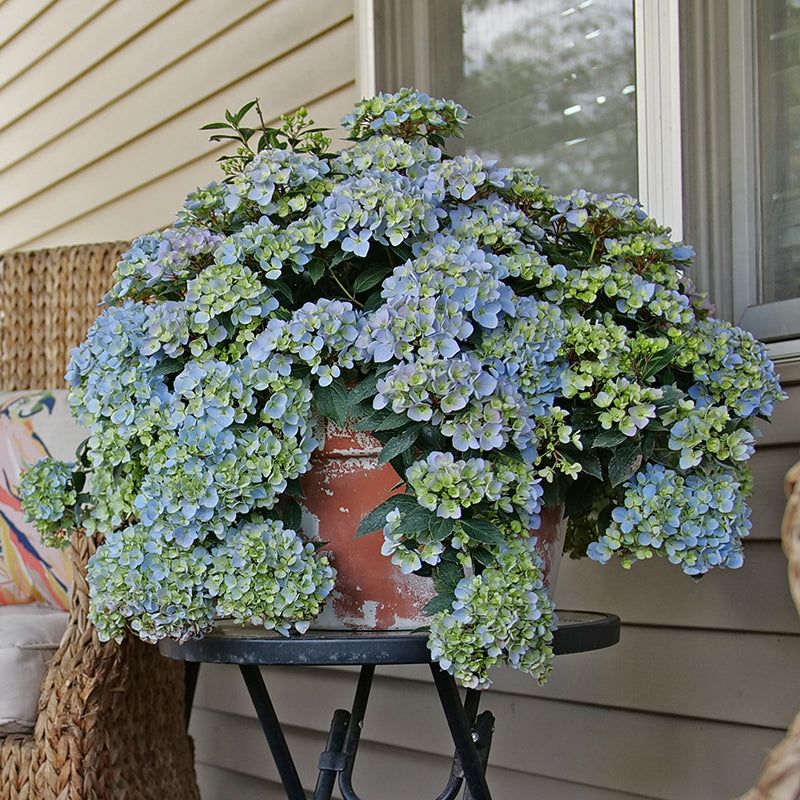
Not every Ohio homeowner has acres of land to work with. Many gardeners are working with small city lots, narrow side yards, or modest suburban spaces where every plant needs to earn its place.
Cascade hydrangeas are a surprisingly good fit for these situations because they stay relatively compact compared to many other hydrangea types.
The Fairytrail Bride variety typically reaches about two to three feet in height with a similar spread, making it manageable even in tight spots. It works well planted near a front walkway, tucked into a foundation bed, or used as a low border along a garden path.
Its arching form adds height and softness without overwhelming nearby plants or blocking windows.
Ohio State University Extension recommends choosing shrubs that match the scale of your landscape, and cascade hydrangeas check that box for smaller properties. Their compact size also makes them excellent candidates for large containers on decks and patios, where they can be moved to take advantage of the best light conditions.
For Ohio gardeners who have admired hydrangeas from afar but worried about space, cascade varieties finally offer a way to enjoy those stunning blooms without needing a sprawling backyard to support them.
4. Cascade Hydrangeas Add Long Lasting Summer Color
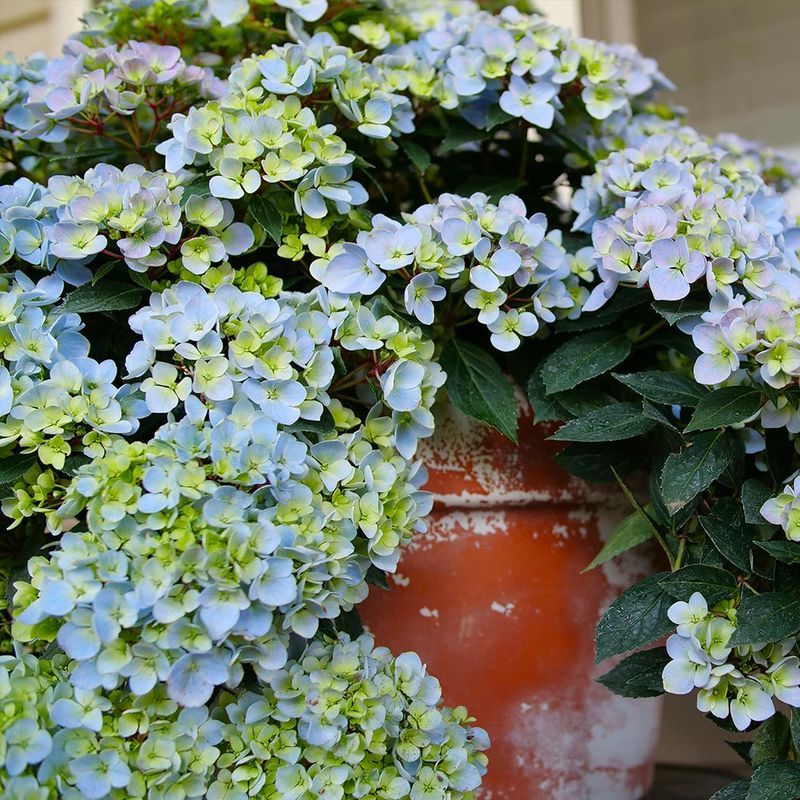
Summer color in the garden is wonderful, but color that keeps going from June all the way through late summer is something truly worth planting. Cascade hydrangeas deliver that kind of staying power.
Once they begin blooming, these plants maintain their floral display for an impressively long stretch of the growing season, far outlasting many popular summer perennials.
The white blooms of the Fairytrail Bride variety start out bright and crisp, then gradually shift to soft antique tones as the season progresses. That color evolution adds a dynamic quality to the garden that keeps things looking interesting even as other plants come and go.
Many Ohio gardeners find that the aged blooms are just as attractive as the fresh ones, giving the plant a vintage charm in late summer.
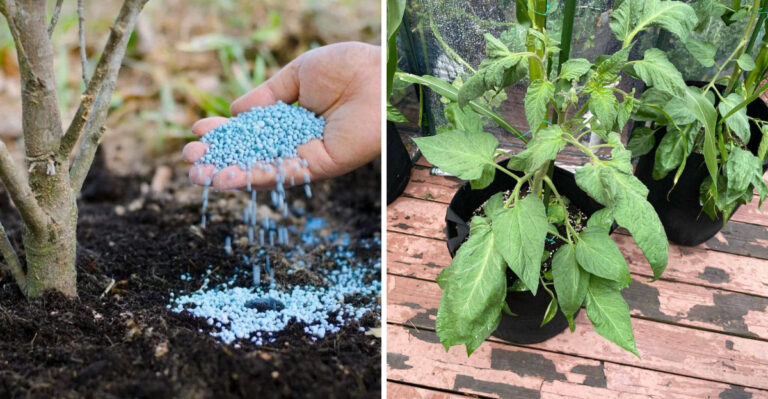
Applying a granular rose fertilizer in early spring encourages strong bud set and supports that long bloom period, according to growing guidance from hydrangea.com. A second application in early summer can further extend the flowering season.
For Ohio landscapes that need reliable, low-maintenance color from mid-spring through fall, cascade hydrangeas fill that role with very little fuss and a whole lot of beauty that keeps delivering week after week.
5. They Thrive In Ohio’s Warm And Humid Summers
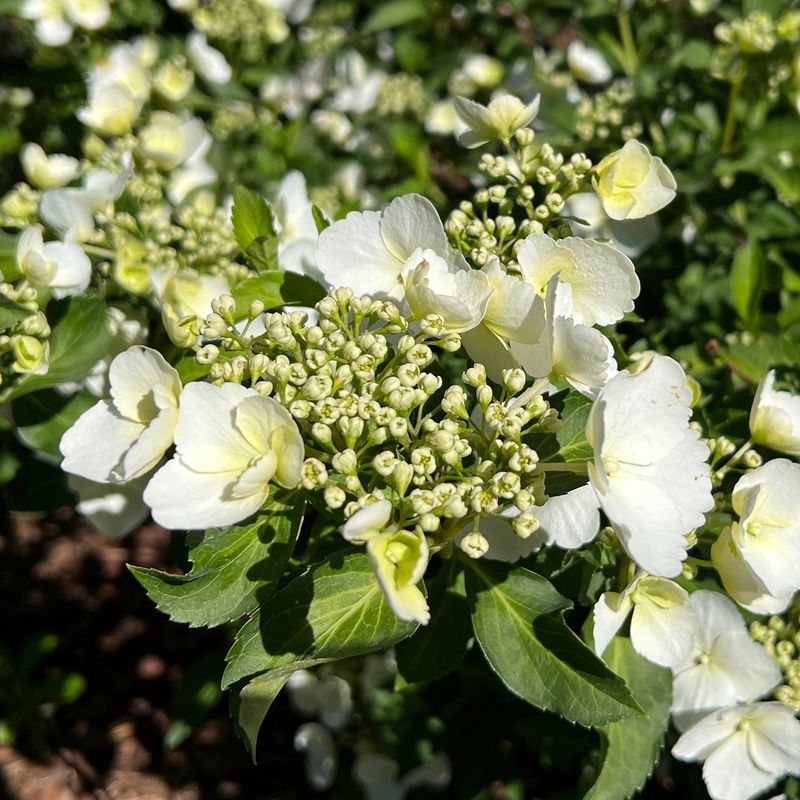
Ohio summers bring heat, humidity, and the occasional dry stretch, which can challenge plants that are not well adapted to the region. Cascade hydrangeas, particularly the Fairytrail Bride variety, handle Ohio’s summer conditions with impressive ease.
They are hardy in USDA zones 5 through 9, which covers the entire state of Ohio, making them a reliable choice for gardeners from the Lake Erie shoreline down to the Ohio River valley.
One key to their success in Ohio landscapes is smart placement. Horticulture guidance from hydrangea.com recommends planting in full to part sun, with afternoon shade providing protection during the hottest parts of the day.
Ohio summers can push temperatures well into the 90s, and that afternoon shade helps keep the plants comfortable and the blooms looking their best well into August.
Consistent moisture is also important during dry spells. Deep watering, rather than frequent shallow watering, encourages roots to grow downward and become more drought-tolerant over time.
Ohio’s naturally humid climate actually helps these hydrangeas thrive compared to drier regions of the country. Gardeners who provide good drainage and steady moisture will find that cascade hydrangeas reward them with lush foliage and nonstop blooms all season long.
6. Simple Pruning Keeps Plants Full And Healthy
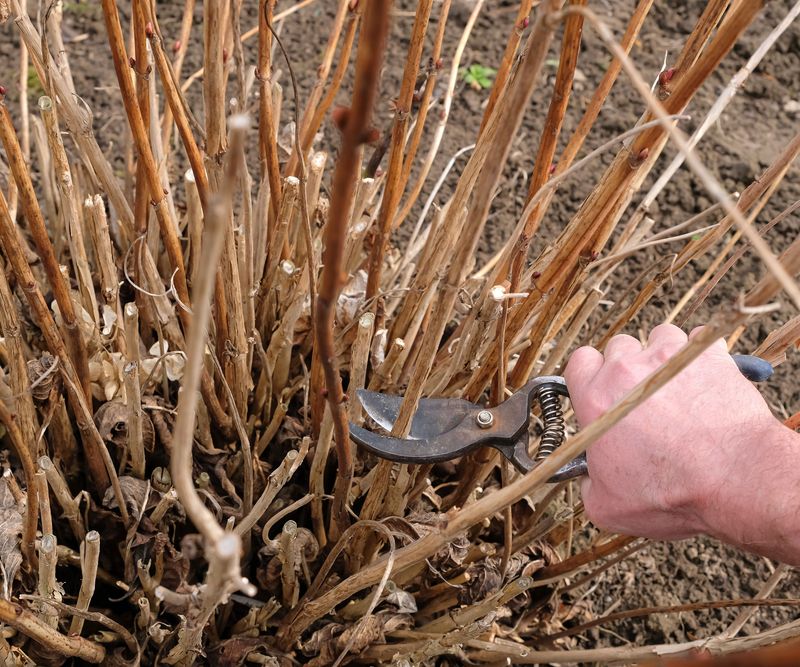
One of the most common worries gardeners have about hydrangeas is pruning. Cut at the wrong time and you can accidentally remove all the flower buds, leaving yourself with a green shrub and no blooms for the entire season.
Cascade hydrangeas take some of that anxiety off the table because they bloom on both old and new wood, giving gardeners more flexibility than older hydrangea types.
The best approach is to keep pruning minimal. Remove any withered or damaged wood in early spring before new growth begins, but leave healthy stems alone.
Because these plants set buds along the full length of their stems, aggressive cutting back removes a significant portion of the potential flower display. Light cleanup pruning is all that is typically needed to keep the plant looking tidy and productive.
Ohio State University Extension advises gardeners to observe their plants carefully in early spring before reaching for pruning shears. Waiting to see where new buds are breaking allows you to make smarter cuts that preserve as much blooming wood as possible.
A light hand with the pruners, combined with good feeding and watering practices, will keep cascade hydrangeas full, healthy, and producing generous blooms year after year in Ohio gardens.
7. Rich Soil Helps Cascade Hydrangeas Bloom Better
Soil quality might be the single most overlooked factor when it comes to growing hydrangeas well. A plant can have perfect sunlight and regular water, but if the soil is compacted, poorly drained, or low in nutrients, the results will always be disappointing.
Cascade hydrangeas respond beautifully to soil that has been prepared with care before planting.
The ideal growing medium is moist, well-drained, and rich in organic matter. Incorporating generous amounts of compost into the planting hole and surrounding area improves soil structure, boosts moisture retention, and feeds beneficial soil microbes that support root health.
Biologyinsights.com notes that compost is especially valuable for establishing new plants quickly and encouraging strong root development in the first season.
Ohio soils vary quite a bit across the state. Some areas have heavy clay that holds too much water, while others have sandy soils that drain too fast.
Amending with compost addresses both problems, improving drainage in clay soils and increasing water-holding capacity in sandy ones. Testing your soil before planting is a smart step that Ohio State University Extension consistently recommends.
Knowing your soil’s pH and nutrient levels allows you to make targeted improvements that give cascade hydrangeas exactly the growing environment they need to produce their most spectacular blooms.
8. Mulch Protects Roots During Ohio Winters
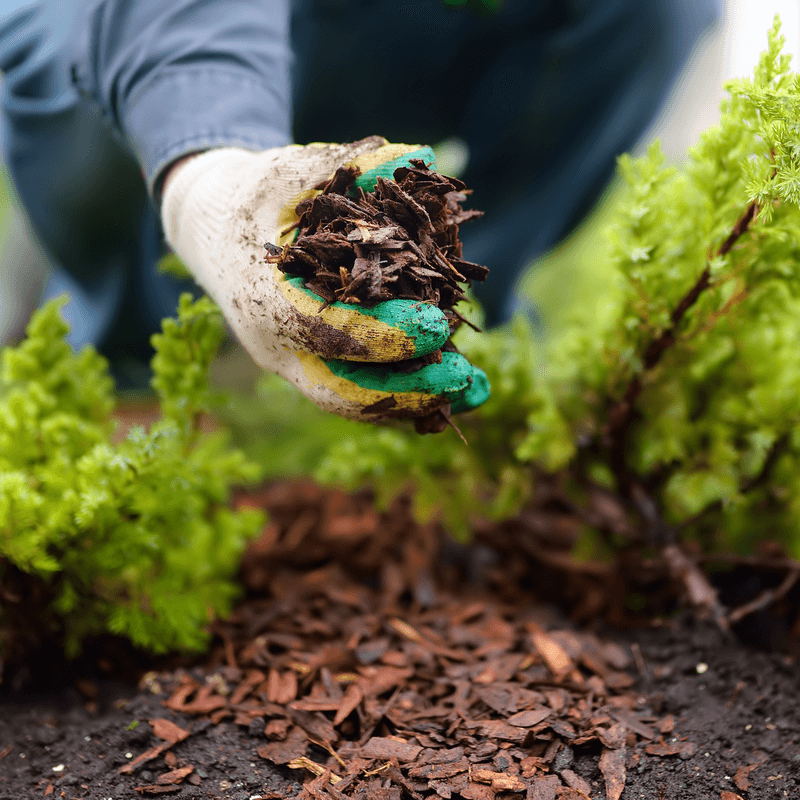
When the last blooms of summer fade and Ohio temperatures begin their long slide toward winter, the work of protecting garden plants begins. Cascade hydrangeas are hardy enough to handle Ohio winters without a lot of extra fuss, but giving the roots a little added protection with mulch can make a real difference in how the plant emerges come spring.
Applying a two to three inch layer of shredded bark mulch around the base of each plant before the ground freezes is a simple step that pays dividends. The mulch acts as insulation, keeping soil temperatures more stable and reducing the freeze-thaw cycles that can stress roots and heave plants out of the ground.
Hydrangea.com specifically recommends this practice for cascade hydrangeas grown in colder parts of their hardiness range, which includes much of northern Ohio.
Pull the mulch back slightly from the main stem to prevent moisture from sitting directly against the bark, which can encourage rot. In spring, the mulch can be refreshed and left in place to help retain soil moisture and suppress weeds through the growing season.
This one inexpensive habit, done consistently each fall, helps Ohio gardeners protect their investment and enjoy healthy, well-established cascade hydrangeas that get better and more floriferous with every passing year.