11 Cheap Flowers That’ll Make Your Ohio Garden Pop
Think a bold, colorful garden has to cost a fortune? Not in Ohio.
Some of the most eye catching flowers in local garden beds come with surprisingly small price tags. With the right picks, you can fill borders, containers, and sunny corners with vibrant blooms without draining your budget.
Many affordable flowers grow fast, bloom generously, and handle Ohio’s mix of heat, humidity, rain, and cool snaps with ease. A few well chosen plants can turn plain soil into a bright, layered display that looks far more expensive than it really is.
Garden centers often stock these reliable standouts at low prices, yet they deliver season long color and strong performance. Ready to stretch your dollars while still making your yard stand out?
These budget friendly bloomers prove you do not need to spend big to create a garden that truly pops.
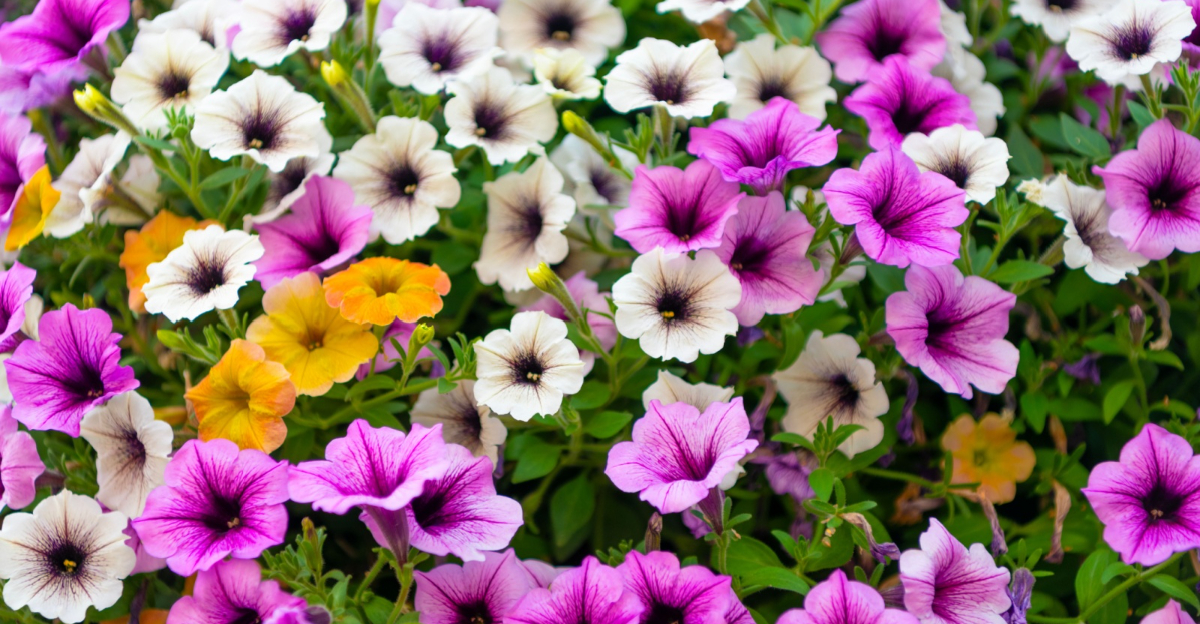
1. Petunias Deliver Nonstop Color On A Budget
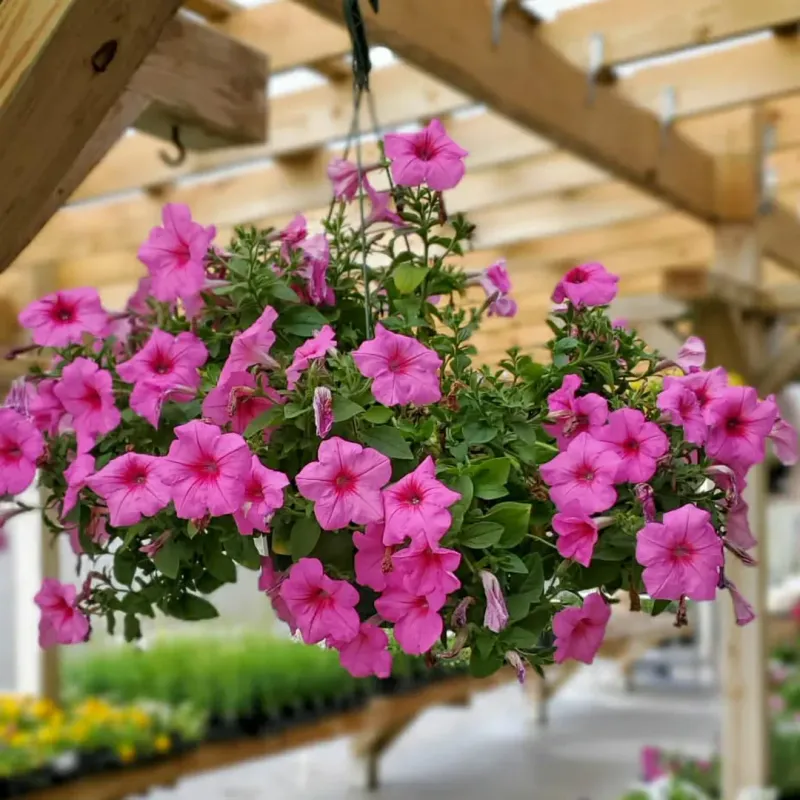
Six-packs of petunias at your local garden center typically run just a few dollars, yet these cheerful annuals pump out flowers from late spring until the first hard freeze. That’s months of continuous color for less than the cost of a fancy coffee.
Ohio gardeners love petunias because they handle our hot, humid summers without skipping a beat and bounce back quickly after those surprise thunderstorms that flatten less sturdy plants.
Plant petunias in full sun for the best show, though they’ll tolerate a bit of afternoon shade. They work beautifully in hanging baskets, window boxes, or planted directly in garden beds.
The key to keeping them blooming nonstop is deadheading spent flowers regularly and giving them a light trim if they get leggy by midsummer.
Feed petunias every two weeks with a balanced liquid fertilizer to fuel all that flower production. Wave and Supertunia varieties cost slightly more upfront but spread wider and require less maintenance than traditional types.
If you’re really pinching pennies, start petunias from seed indoors about ten weeks before your last frost date. One seed packet costs less than a single plant and gives you dozens of seedlings to fill your entire yard with color.
2. Marigolds Bring Bold Color For Pennies
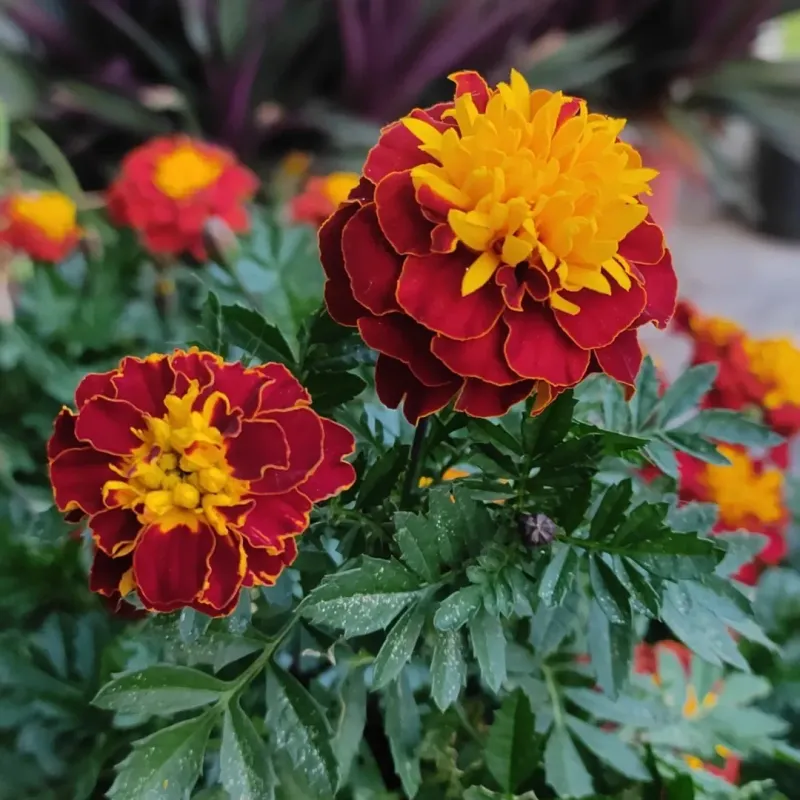
A packet of marigold seeds costs about two dollars and contains enough seeds to plant an entire border. These sunshine-colored annuals practically grow themselves, making them perfect for beginning gardeners or anyone who wants maximum impact with minimum effort.
Marigolds germinate quickly when direct-sown into Ohio soil after the last frost, usually giving you blooms within eight weeks of planting.
Their pungent scent naturally deters many common garden pests, including aphids and some beetles, giving you free pest control alongside those cheerful flowers. Ohio State University Extension research confirms marigolds can help protect nearby vegetables from certain insect problems.
French marigolds stay compact at 6-12 inches tall, perfect for edging beds, while African marigolds stretch to two feet and create dramatic focal points.
Marigolds thrive in our hot Ohio summers and actually prefer slightly dry conditions once established. They’re not fussy about soil quality either, growing happily in average garden dirt without amendments.
Deadhead spent blooms to encourage more flowers, though newer varieties like the Antigua series keep blooming even without this maintenance. Save the dried flower heads in fall and you’ll have free seeds for next year’s garden.
3. Zinnias Grow Fast And Bloom Even Faster
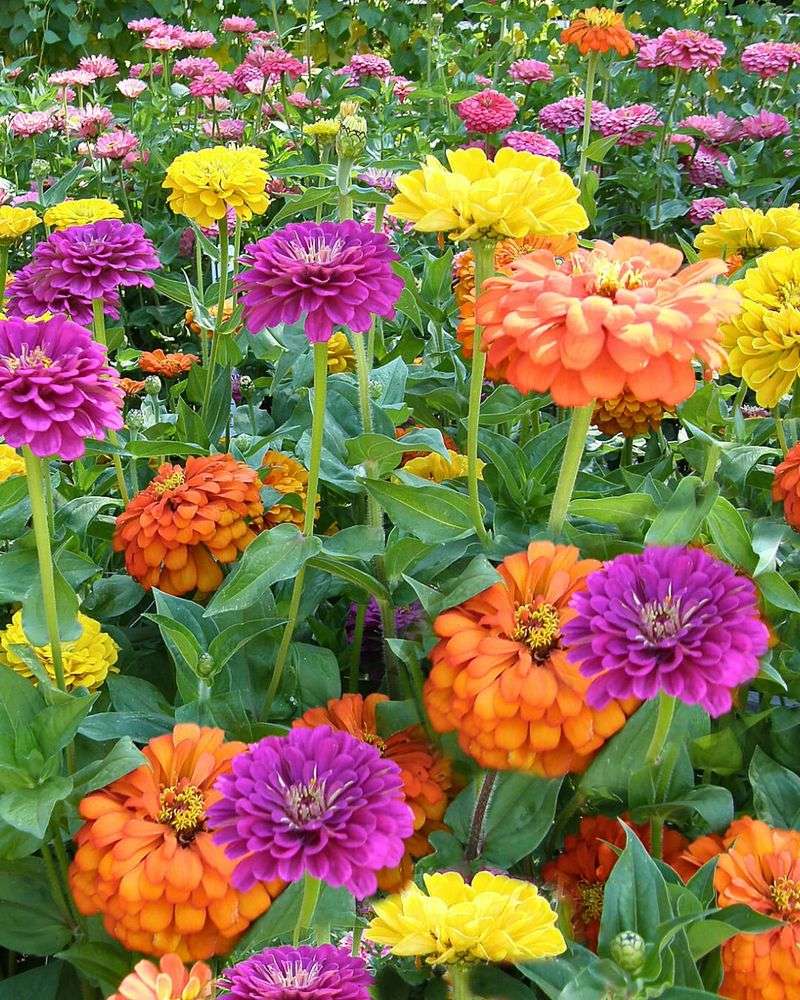
Plant zinnia seeds directly in your Ohio garden after the soil warms in late May, and you’ll see sprouts within a week. Six weeks later, those seedlings transform into bushy plants covered in vibrant blooms.
This lightning-fast growth makes zinnias incredibly satisfying for impatient gardeners who want quick results without waiting months for payoff.
One seed packet typically costs under three dollars and produces dozens of plants in every color imaginable except blue. Zinnias handle heat and drought better than most annuals, continuing to bloom through those dog days of August when other flowers look tired and stressed.
They’re also champion cut flowers, lasting over a week in a vase and actually encouraging the plant to produce more blooms when you harvest stems.
Butterflies and bees flock to zinnias, making your garden a pollinator paradise without any extra effort. Space plants about a foot apart in full sun for the best air circulation, which helps prevent the powdery mildew zinnias can develop during humid Ohio weather.
The Profusion and Zahara series show excellent disease resistance if mildew has been a problem in your garden before. Shorter varieties like Thumbelina work beautifully in containers, while tall types like Benary’s Giant create stunning back-of-border drama.
4. Cosmos Fill Empty Spaces With Airy Charm
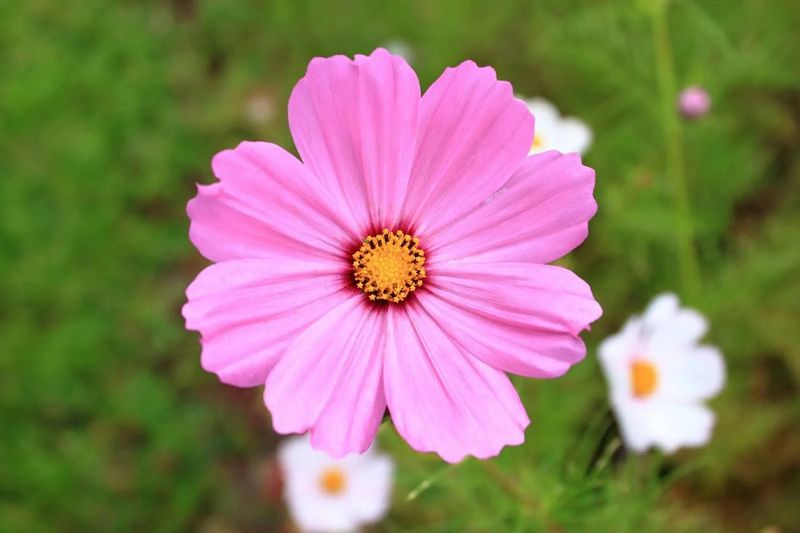
Got a bare spot in your garden that needs filling fast? Scatter some cosmos seeds and step back.
These graceful annuals grow three to six feet tall depending on variety, creating a billowing mass of ferny foliage topped with daisy-like flowers in pink, white, or orange. A single packet of seeds costs less than a fancy latte and covers a surprisingly large area since cosmos self-sow enthusiastically once established.
Cosmos actually perform better in average or even slightly poor soil, making them ideal for those challenging spots where other flowers struggle. Rich soil causes cosmos to produce more foliage than flowers, so skip the fertilizer and compost with these beauties.
They tolerate Ohio’s clay soil just fine as long as drainage is reasonable.
These flowers keep blooming from midsummer straight through fall frost with zero deadheading required, though removing spent blooms does tidy up their appearance. The tall varieties like Sensation mix make excellent living screens to hide utility areas or create privacy along property lines.
Shorter types like Sonata stay under two feet and work well at the front of borders. Cosmos stems are sturdy enough to withstand typical Ohio weather without staking, and their airy texture softens the look of heavier, bolder plants nearby.
5. Black Eyed Susans Return Year After Year
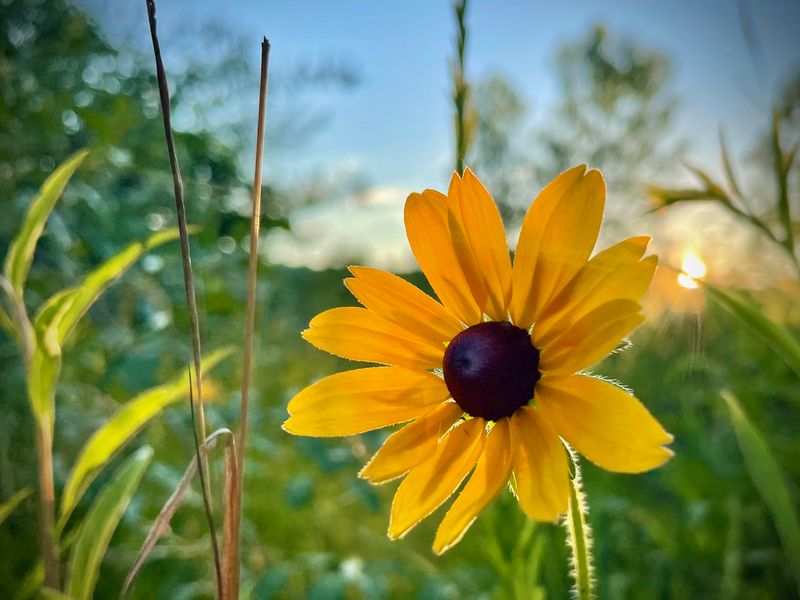
Spend a few dollars once on black-eyed Susan plants or seeds, and they’ll reward you with golden blooms every summer for years to come. This native Ohio wildflower costs pennies per year when you calculate its longevity, making it one of the smartest investments for budget-conscious gardeners.
These tough perennials survive our coldest winters, hottest summers, and everything in between without any special coddling.
Black-eyed Susans bloom from July through September, providing reliable color during that late-summer period when many spring flowers have finished and fall bloomers haven’t started yet. Their cheerful yellow petals with chocolate-brown centers brighten any garden and look equally at home in formal beds or naturalized meadow plantings.
Goldfinches adore the seed heads in fall, giving you free bird-watching entertainment after the flowers fade.
These natives thrive in full sun and average Ohio soil without amendments or fertilizer. They’re remarkably drought-tolerant once established, cutting down on water bills during dry spells.
Black-eyed Susans spread slowly over time, filling in bare spots and creating larger drifts of color without becoming aggressively invasive. Divide clumps every few years to create more plants for free or share with gardening friends.
The Goldsturm variety stays compact at two feet tall, while native Rudbeckia hirta can reach three feet.
6. Coreopsis Keeps The Color Going All Summer
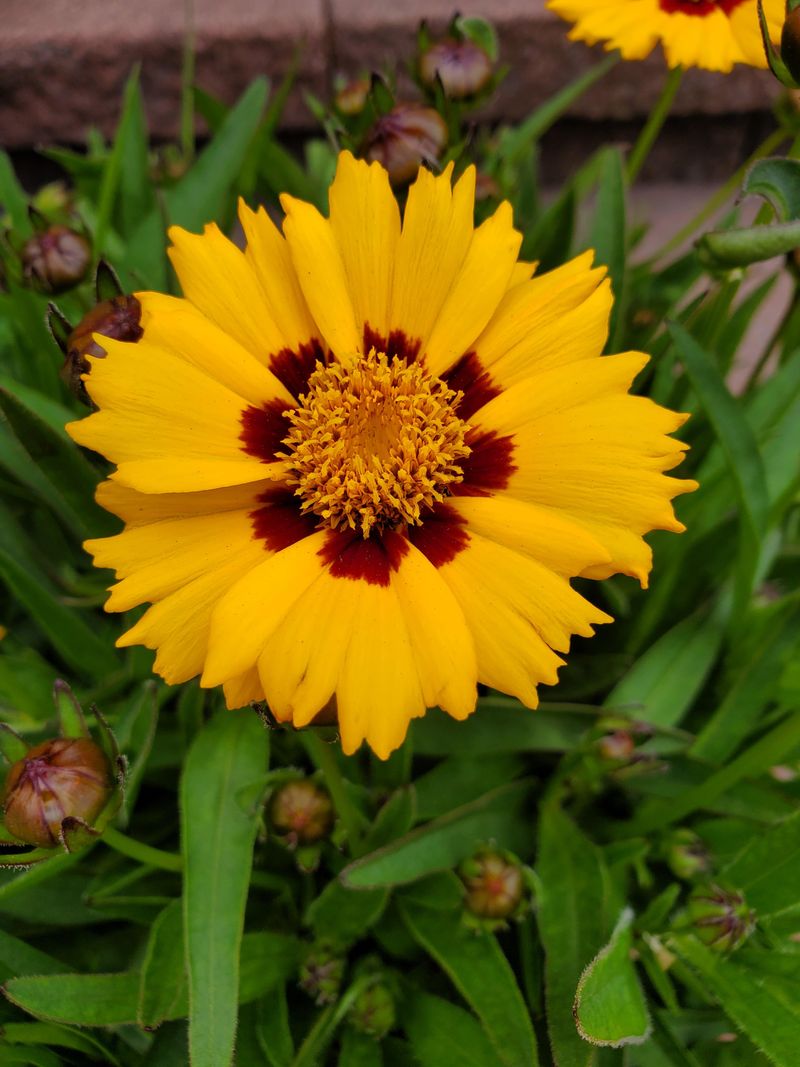
This cheerful perennial punches way above its weight in the value department. A single coreopsis plant costs about the same as an annual but comes back faithfully every spring for five to ten years or more.
The bright yellow, daisy-like flowers start opening in early June and continue nonstop until fall frost if you shear plants back lightly after the first flush of blooms fades.
Coreopsis handles drought like a champion, making it perfect for Ohio gardeners who want gorgeous flowers without constantly dragging hoses around. Once established, these plants sail through weeks without rain and still keep blooming.
They’re not fussy about soil either, growing happily in everything from sandy loam to heavy clay as long as drainage is decent.
The Moonbeam variety produces soft yellow flowers on compact plants that stay under two feet tall, perfect for the front of borders or container gardens. Zagreb offers brighter golden-yellow blooms on an equally tidy plant.
For bolder impact, try the newer UpTick series with larger flowers in yellow, gold, or cream. Coreopsis attracts butterflies and beneficial insects while deer typically leave it alone, solving two common garden problems without any effort on your part.
Simply cut plants back by one-third in midsummer to encourage fresh growth and another round of heavy blooming.
7. Sweet Alyssum Creates A Soft Fragrant Carpet
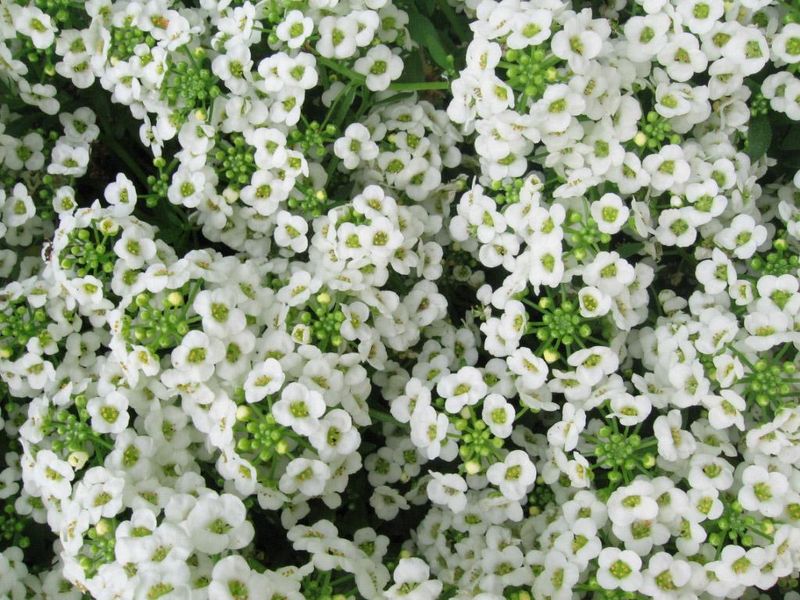
Picture a frothy carpet of tiny flowers spilling over the edges of your garden beds or containers, releasing a sweet honey scent every time you brush past. That’s sweet alyssum, one of the most affordable and versatile annuals you can grow.
A four-inch pot costs just a couple dollars and quickly spreads to cover a foot or more, or start from seed for even greater savings.
Sweet alyssum thrives during Ohio’s cool spring weather, blooming heavily from April through June. It often slows down during July and August heat but rebounds beautifully in September and October, continuing to flower until hard frost.
This cool-season preference makes alyssum perfect for pairing with spring bulbs or filling in around pansies and violas.
Plant alyssum along walkway edges where you’ll brush against it and release that wonderful fragrance, or tuck it between stepping stones where it will self-sow and create a living pathway. It works beautifully as a filler in container combinations, softening the edges of pots and hanging baskets.
White varieties like Snow Princess spread widest and bloom most heavily, while purple and pink types add color variety. Alyssum tolerates light shade and actually prefers it during the hottest part of Ohio summers.
No deadheading needed, just shear plants back if they get straggly in midsummer.
8. Nasturtiums Thrive In Poor Soil And Still Shine
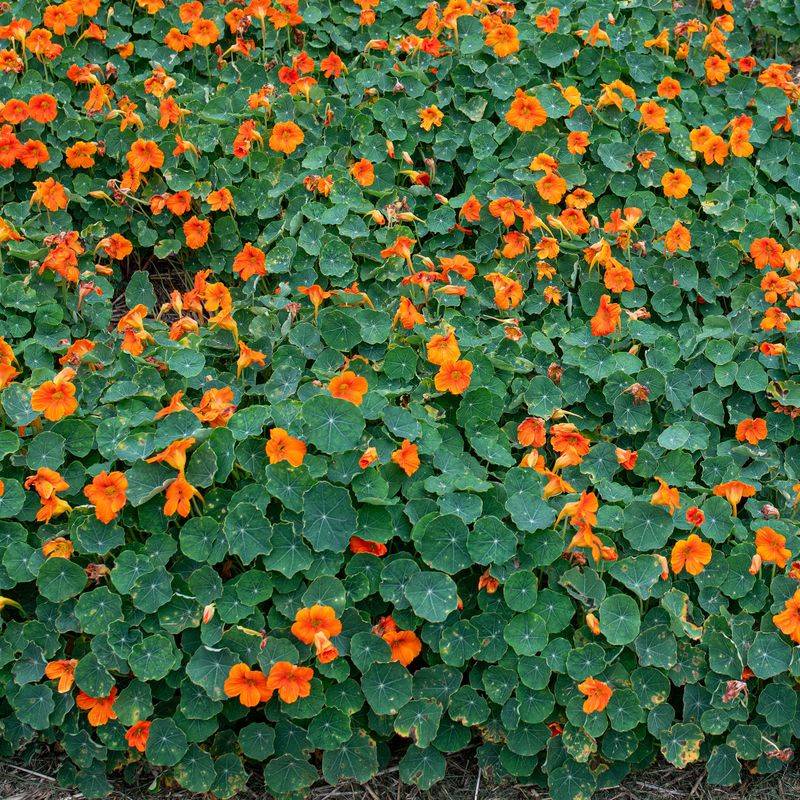
Your worst soil might be the perfect home for nasturtiums. These cheerful annuals actually bloom better in poor, unamended dirt than in rich, fertile garden beds.
That means you can transform problem areas into colorful displays without hauling in expensive compost or soil amendments. A packet of large, easy-to-handle nasturtium seeds costs about two dollars and produces armloads of flowers all summer long.
Both the flowers and leaves are edible with a peppery, watercress-like flavor that adds zip to salads and sandwiches. You’re essentially growing free gourmet garnishes alongside your ornamental display.
The flowers come in brilliant shades of orange, yellow, red, and cream, creating a warm color palette that glows in the landscape.
Nasturtiums grow as compact mounds or long trailing vines depending on variety. Bush types stay under a foot tall and work well at the front of beds or in containers, while trailing varieties can climb a trellis or cascade from hanging baskets.
Direct-sow seeds after your last frost date in full sun to partial shade. Nasturtiums germinate quickly and start blooming within eight weeks.
They handle Ohio’s summer heat well and keep flowering until frost. Aphids love nasturtiums, which actually works in your favor since the plants act as trap crops, luring pests away from your vegetables.
9. Dianthus Adds Early Season Color Pop
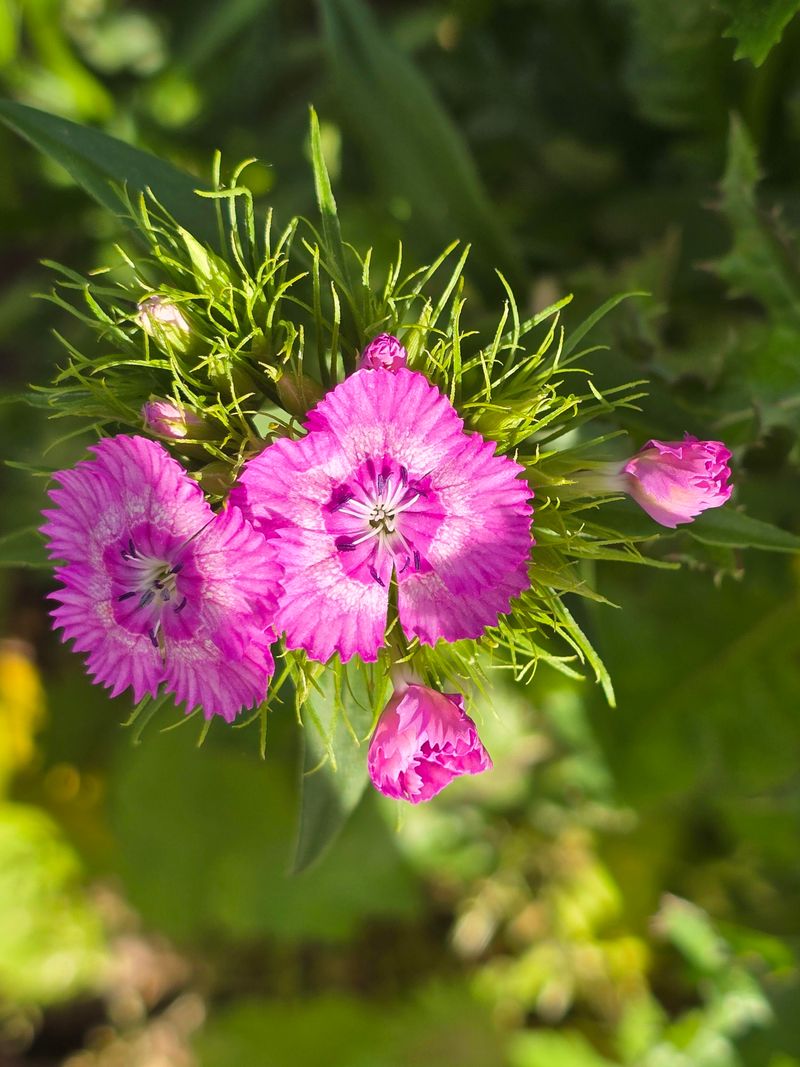
When most annuals are just getting started, dianthus is already putting on a show. These compact plants burst into bloom in May across Ohio, covering themselves in fringed flowers in shades of pink, red, white, and bicolors.
Many varieties also offer a delightful clove-like fragrance that perfumes the garden on warm spring days. Six-packs typically cost just a few dollars and provide months of color.
Dianthus handles our unpredictable spring weather beautifully, shrugging off late frosts that would damage more tender annuals. This cold tolerance makes it perfect for planting earlier than petunias or other frost-sensitive flowers, giving you instant color in April and May when gardens often look bare.
The compact growth habit keeps plants tidy at 6-10 inches tall, ideal for edging beds, lining walkways, or tucking into rock gardens.
Plant dianthus in full sun and well-drained soil for best performance. They bloom most heavily in spring and fall, often taking a break during the hottest part of summer before rebounding when temperatures cool.
Deadheading spent flowers encourages more blooms and keeps plants looking neat. The Floral Lace series offers excellent heat tolerance for Ohio summers, while Ideal Select blooms continuously without deadheading.
Dianthus also works beautifully in containers paired with cool-season companions like pansies, snapdragons, or dusty miller for early spring impact.
10. Sunflowers Make A Big Statement For Little Cost
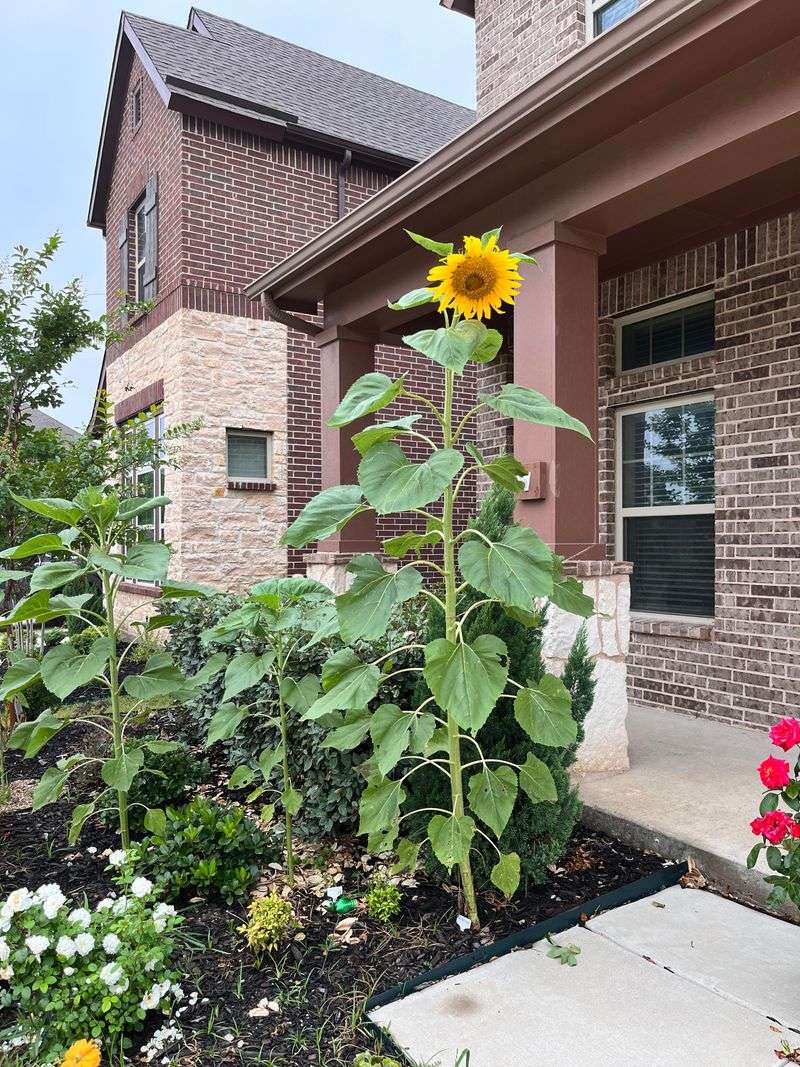
Few flowers deliver more dramatic impact per dollar than sunflowers. A packet containing dozens of seeds costs less than a single perennial plant, yet produces towering stalks crowned with dinner-plate-sized blooms that stop traffic.
Kids especially love watching these giants shoot up seemingly overnight, sometimes growing several inches per day during peak season. Plant them along a fence line or at the back of borders where their height creates a stunning backdrop.
Sunflowers are ridiculously easy to grow in Ohio. Simply poke seeds an inch deep into the soil after frost danger passes, water occasionally until they sprout, then stand back.
These tough plants handle heat, drought, and less-than-perfect soil without complaint. They grow best in full sun but tolerate light shade, though flower size decreases somewhat in shadier spots.
Traditional tall varieties like Mammoth Russian reach 8-12 feet and provide seeds for fall bird feeding, while shorter types like Teddy Bear stay under three feet for smaller gardens. Branching varieties produce multiple flowers per plant, extending the bloom season for weeks.
Pollinators mob sunflowers, with bees working the blooms constantly from dawn to dusk. Leave seed heads standing in fall and you’ll enjoy watching goldfinches and chickadees feast on the nutritious seeds all winter long, getting free wildlife entertainment from your initial tiny investment.
11. Salvia Sends Up Spikes Of Bold Lasting Color
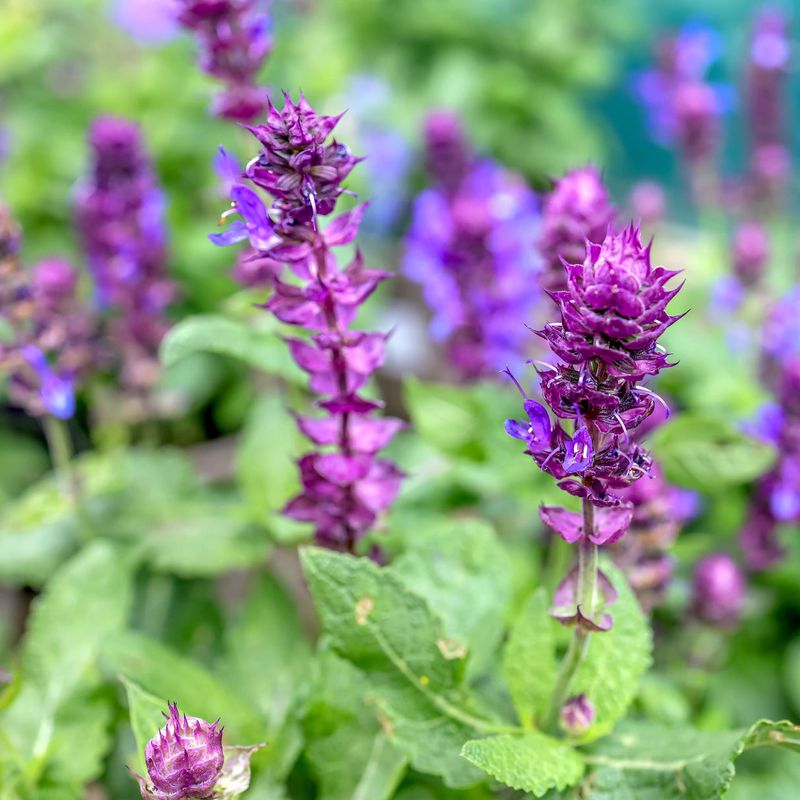
Vertical flower spikes in rich shades of purple, blue, red, or white rise above neat mounds of foliage from June through September when you plant salvia. These hardworking perennials cost just a few dollars per plant yet return faithfully every spring for years, making them an incredible value.
The tubular flowers attract hummingbirds, bees, and butterflies while deer and rabbits leave them alone, solving multiple garden challenges with one plant.
May Night salvia produces deep purple-blue flower spikes on compact 18-inch plants and earned the prestigious Perennial Plant of the Year award for its outstanding performance. Caradonna offers even darker purple flowers on slightly taller stems.
For red blooms, try the native scarlet sage (Salvia splendens) as an annual, or perennial Salvia greggii in protected spots. All salvias thrive in full sun and well-drained soil, handling Ohio’s summer heat and occasional drought without wilting.
Cut back flower spikes after the first bloom flush fades and salvia will send up fresh stems for a second round of flowers in late summer. This simple maintenance task takes just minutes but doubles your color display.
Salvias work beautifully in perennial borders, pollinator gardens, or container plantings. Their upright form provides excellent contrast to mounding plants like coreopsis or spreading groundcovers, creating visual interest through varied plant shapes and textures throughout the growing season.