Check These Things On Your Houseplants Before February In New Jersey
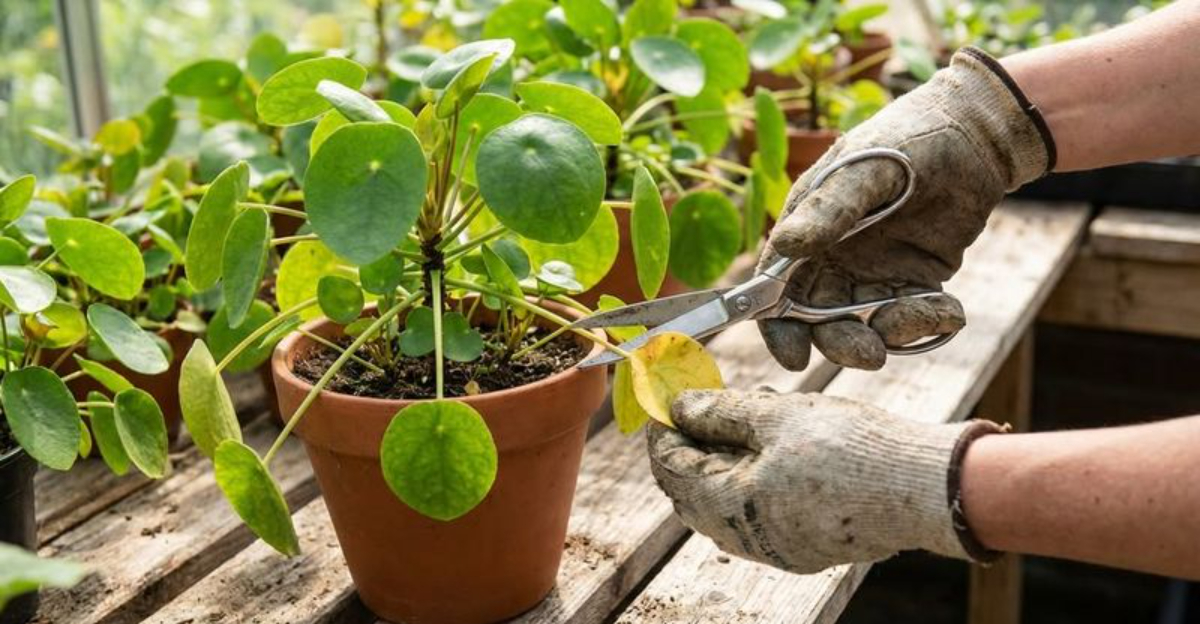
Winter in New Jersey can be tough on your indoor greenery, especially as we approach the coldest weeks of the season.
Houseplants that thrived in the fall might start showing signs of stress when temperatures drop and heating systems kick into high gear.
Before February arrives with its freezing winds and dry indoor air, taking a few minutes to check on your plants can make all the difference between healthy growth and struggling foliage.
Many plant parents don’t realize that late January is the perfect time for a thorough houseplant inspection.
Your green friends have been adjusting to winter conditions for weeks now, and small problems can quickly become bigger issues if left unchecked.
From hidden pests taking advantage of the cozy indoor environment to roots that have outgrown their containers, there are several key areas that deserve your attention right now.
Getting ahead of potential problems means your plants will be in prime condition when spring finally arrives in the Garden State.
A little preventive care now saves you from dealing with major plant emergencies later.
Whether you’re caring for a single succulent or managing a jungle of tropical beauties, these eight essential checkpoints will help you keep your indoor garden thriving through the rest of winter and beyond.
1. Inspect For Sneaky Pests Hiding In The Foliage
Winter heating creates the perfect environment for unwanted guests to multiply on your houseplants without you noticing.
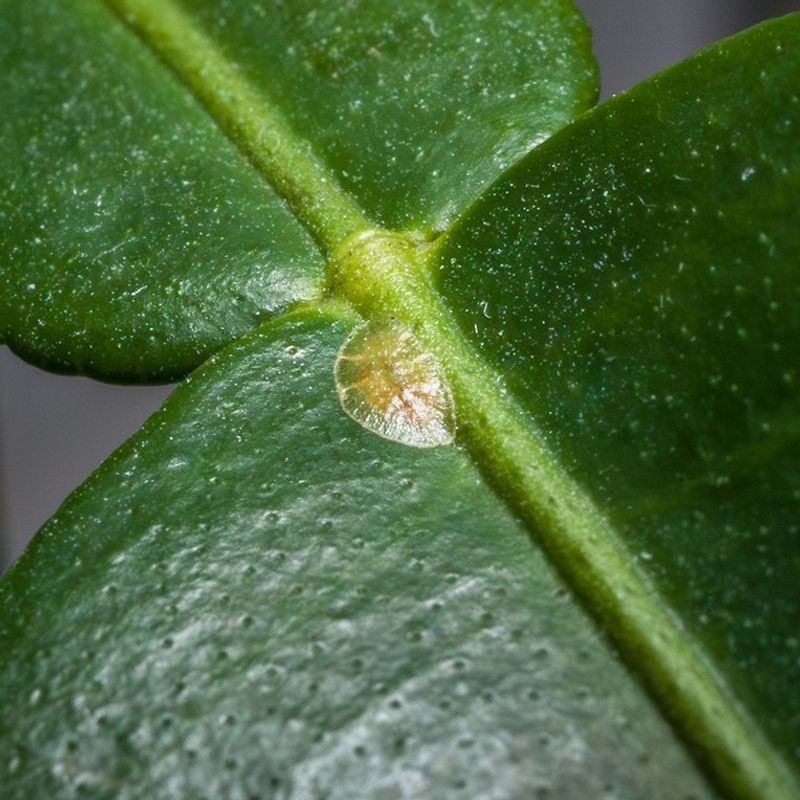
Spider mites, mealybugs, and scale insects love the warm, dry conditions inside New Jersey homes during January.
Grab a magnifying glass and examine both sides of leaves carefully, paying special attention to new growth and the spots where leaves meet stems.
Look for tiny webbing, white cottony spots, or small bumps that might be insects in disguise.
Yellowing leaves or sticky residue on surfaces below your plants often signal an infestation that needs immediate attention.
Early detection makes treatment much easier and prevents pests from spreading to your entire collection.
If you spot any suspicious activity, isolate the affected plant right away to protect your other greenery.
Mix a solution of water and mild dish soap, then gently wipe down all leaf surfaces with a soft cloth.
For stubborn infestations, neem oil works wonders as a natural treatment option.
Check your plants weekly throughout winter since pest populations can explode quickly in heated indoor spaces.
The dry air from furnaces weakens plant defenses, making them more vulnerable to attacks.
Keep a spray bottle with diluted neem oil handy for regular preventive treatments.
Remember that healthy plants resist pests better, so maintaining proper care routines strengthens their natural defenses against these common winter invaders.
2. Check Soil Moisture Levels And Watering Needs
Cold weather completely changes how quickly your houseplants use water, and many New Jersey plant owners make the mistake of sticking to their summer watering schedule.
Plants grow more slowly during winter months, which means they absorb less moisture from their soil.
Overwatering becomes a serious risk when roots sit in soggy conditions for too long.
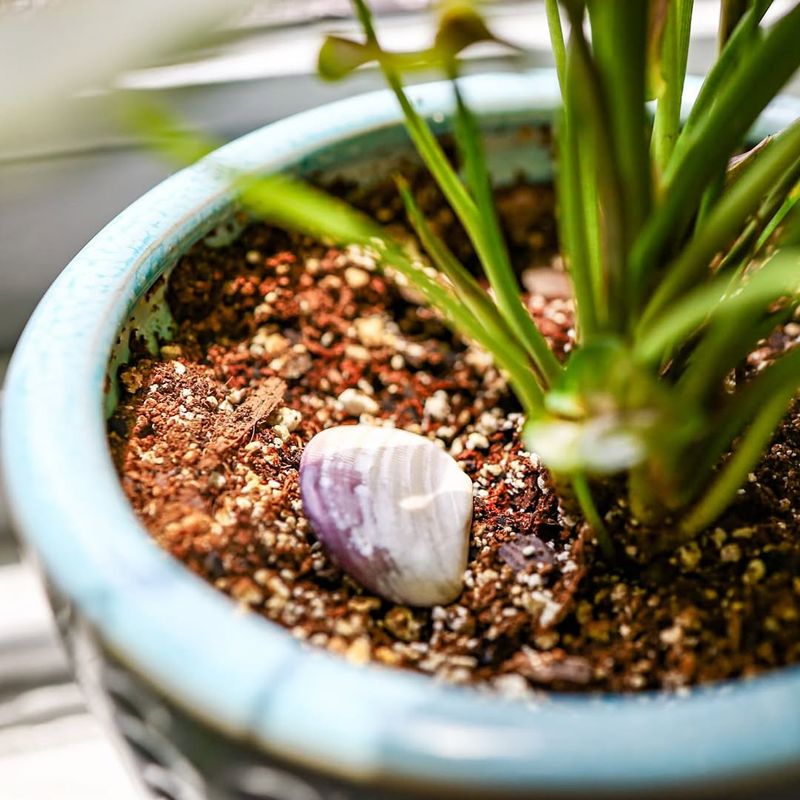
Stick your finger about two inches deep into the soil to feel the actual moisture level rather than just looking at the surface.
Different plants have different preferences, but most houseplants prefer their soil to dry out slightly between waterings during the cooler months.
Terra cotta pots dry out faster than plastic ones, so adjust your schedule based on container type too.
Watch for warning signs like yellowing lower leaves or a musty smell coming from the pot, which often indicate waterlogged roots.
On the flip side, crispy leaf edges and soil pulling away from pot sides suggest your plant needs more frequent drinks.
Indoor heating systems in New Jersey homes can dry out the air significantly, sometimes requiring more watering than you might expect for winter.
Invest in a moisture meter if you struggle to judge when watering is needed, especially for finicky plants like orchids or succulents.
These inexpensive tools take the guesswork out of watering decisions.
Always use room-temperature water since cold water can shock roots during winter.
Proper moisture management prevents root rot and keeps your plants healthy until spring arrives.
3. Examine Roots For Crowding And Pot Size Issues
Your houseplants might have been growing steadily since you brought them home, and their roots could be running out of space without any visible signs above soil level.
Late January offers an ideal opportunity to check whether your plants have become rootbound before the spring growing season begins.
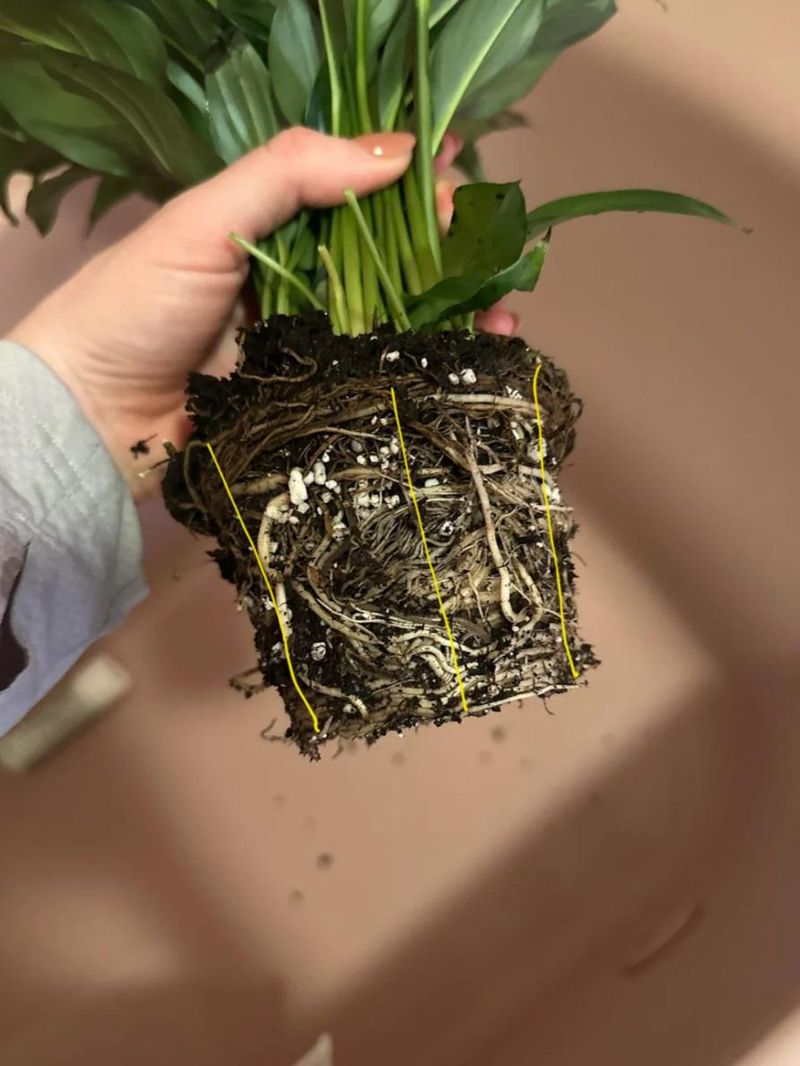
Gently tip the plant to one side and look at the drainage holes on the bottom of the pot.
Roots circling around the inside of the pot or poking through drainage holes indicate it’s time for a larger container.
Rootbound plants struggle to absorb water and nutrients properly, which leads to stunted growth and stressed foliage.
Some plants actually prefer being slightly snug in their pots, but most appreciate fresh soil and a bit more room every year or two.
If you discover crowded roots, consider repotting before February arrives so your plant can settle into its new home before spring growth kicks in.
Choose a container only one to two inches larger in diameter than the current pot, since too much extra space can lead to waterlogged soil.
Use fresh, high-quality potting mix appropriate for your specific plant type when repotting.
For plants that don’t need repotting yet, refreshing the top inch or two of soil provides a nutrient boost without the stress of a full transplant.
This simple task works particularly well for large plants that are difficult to move around New Jersey homes.
Healthy root systems support vigorous growth, so addressing crowding now sets your plants up for success in the coming months.
4. Evaluate Light Exposure And Adjust Placement
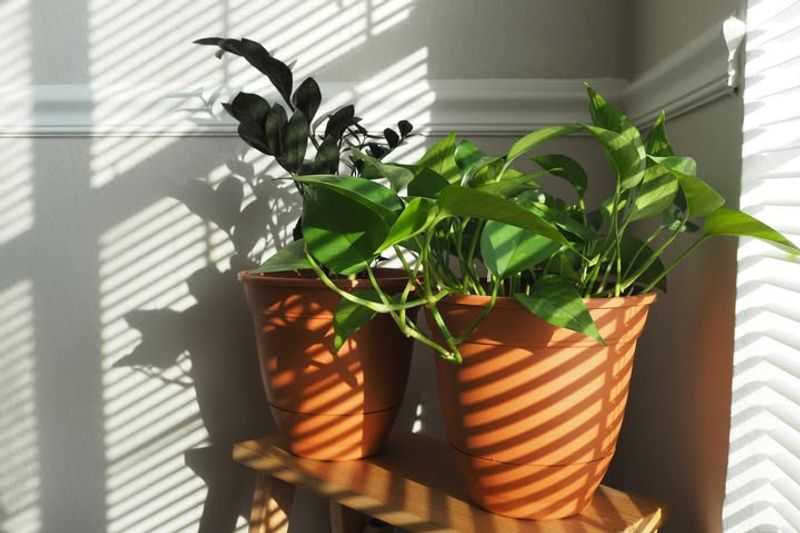
Shorter winter days mean your houseplants receive significantly less light than they did back in summer, even if they’re sitting in the same spot.
The sun’s lower angle during New Jersey winters also changes which areas of your home get the best natural light.
Plants that seemed happy in September might be stretching toward windows or showing pale new growth by late January.
Watch for signs that your plants aren’t getting enough light, such as leggy stems, leaves turning toward the light source, or slower growth than usual.
Moving plants closer to south-facing windows can make a huge difference during the darkest months.
Clean your windows inside and out to maximize the light that reaches your greenery, since winter grime blocks precious rays.
Some sun-loving plants might benefit from supplemental grow lights if your home doesn’t have bright natural light during winter.
LED grow lights are energy-efficient and don’t generate much heat, making them perfect for small spaces.
Position them about 12 to 18 inches above your plants and run them for 12 to 14 hours daily to mimic longer summer days.
Rotate your plants a quarter turn every week so all sides receive equal light exposure and growth stays balanced.
This simple habit prevents lopsided plants that lean dramatically in one direction.
Remember that low-light tolerant plants like pothos and snake plants handle winter conditions better than tropical varieties that crave brightness.
Adjusting placement now helps your indoor garden maintain healthy growth until spring sunshine returns to New Jersey.
5. Assess Humidity Levels In Your Indoor Environment
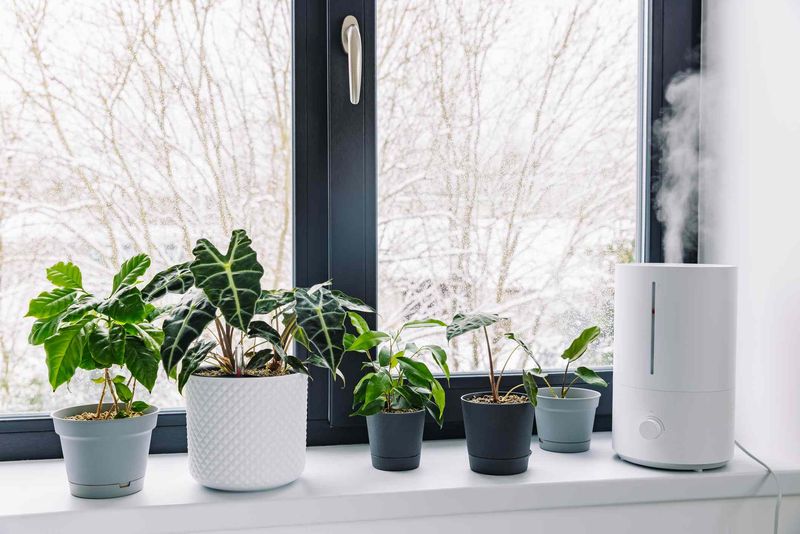
Furnaces and heating systems create desert-like conditions inside New Jersey homes during winter, which can stress tropical houseplants that prefer moisture in the air.
Most common houseplants originally come from humid environments and struggle when indoor humidity drops below 40 percent.
Crispy brown leaf tips, curling foliage, and leaves falling off prematurely all point to air that’s too dry for your plants’ comfort.
Purchase an inexpensive hygrometer to measure the actual humidity levels in rooms where you keep plants.
You might be surprised to discover that winter heating drops humidity to 20 or 30 percent in some spaces.
Grouping plants together creates a microclimate where they share moisture through transpiration, naturally increasing humidity around their leaves.
Setting pots on trays filled with pebbles and water provides localized humidity without waterlogging roots, as long as the pot bottom sits above the water line.
Misting plants offers temporary relief but isn’t a long-term solution since the moisture evaporates quickly.
For serious humidity lovers like ferns and calatheas, consider using a small humidifier near your plant collection.
Running a humidifier benefits not just your plants but also your own comfort during dry New Jersey winters.
Place it on a timer so it runs during the day when you’re home to enjoy the improved air quality.
Bathrooms and kitchens naturally have higher humidity from showers and cooking, making them excellent locations for moisture-loving plants.
Addressing humidity issues now prevents the frustration of watching beautiful foliage turn brown and crispy over the coming weeks.
6. Review Fertilizing Schedule And Nutrient Needs
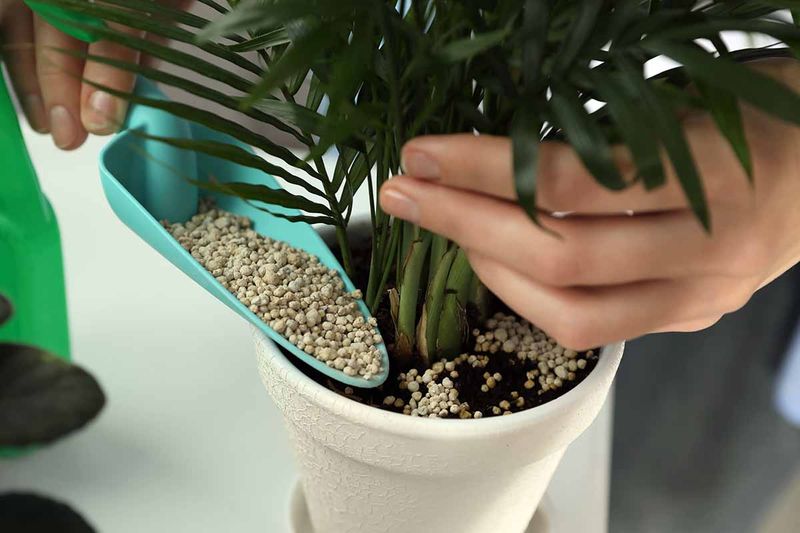
Many houseplants enter a dormant or semi-dormant phase during winter when they barely grow at all.
Continuing your regular summer fertilizing schedule can actually harm plants that aren’t actively using nutrients right now.
Excess fertilizer salts build up in the soil and can burn roots, causing brown leaf tips and edges that look similar to other problems.
Most houseplants in New Jersey need little to no fertilizer from November through February when growth naturally slows down.
Check the soil surface for white crusty deposits that indicate salt buildup from previous fertilizing.
If you spot this crust, flush the soil thoroughly with room-temperature water to wash away accumulated salts before they cause damage.
A few exceptions exist, like actively blooming plants such as African violets or Christmas cacti, which benefit from diluted fertilizer to support flower production.
For these special cases, use half the recommended strength and apply it less frequently than during the growing season.
Read the specific care requirements for each plant variety you own since needs vary widely.
Plan to resume regular fertilizing in March when daylight hours increase and plants show signs of new growth.
Store your fertilizer properly in a cool, dry place so it stays effective until spring arrives.
Organic options like worm castings or compost tea provide gentle, slow-release nutrients without the risk of chemical burns.
Hold off on heavy feeding now and your plants will reward you with vigorous growth once warmer weather returns to the Garden State.
7. Look For Damaged Or Unhealthy Leaves To Remove
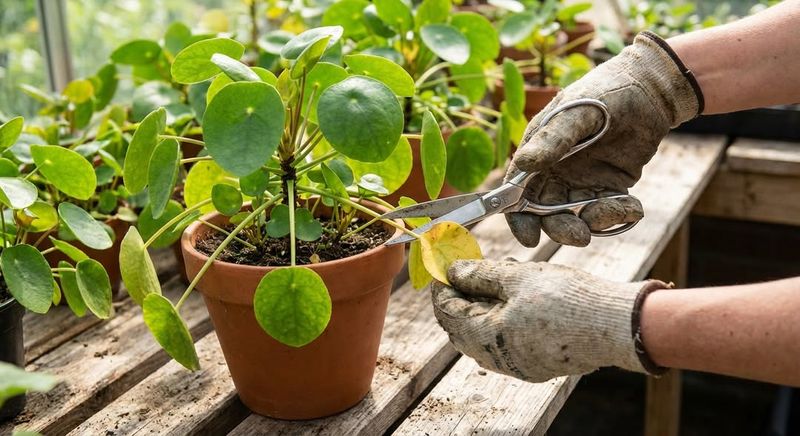
Dry, yellowing, or damaged leaves serve no purpose for your plant and actually drain energy that could go toward healthy growth.
Winter stress from low light and dry air often causes older leaves to decline naturally as plants conserve resources.
Taking a few minutes to prune away this tired foliage improves both the appearance and health of your houseplants before February arrives.
Use clean, sharp scissors or pruning shears to make neat cuts close to the main stem without leaving stubs that can rot.
Sterilize your cutting tools with rubbing alcohol between plants to prevent accidentally spreading diseases or pests through your collection.
Remove any leaves with brown spots, holes, or signs of pest damage along with completely yellow leaves that have finished their life cycle.
This cleanup also gives you a chance to shape your plants and encourage bushier growth where you want it.
For vining plants that have become leggy, cutting back long stems promotes new branching and fuller foliage.
Toss the removed plant material in your compost pile or yard waste bin rather than leaving it sitting around where pests might hide.
Regular grooming keeps your New Jersey indoor garden looking tidy and prevents problems from spreading.
Don’t go overboard though, since removing too much foliage at once stresses plants unnecessarily.
Focus on obviously damaged or declining leaves rather than anything with minor imperfections.
Clean, well-maintained plants photosynthesize more efficiently and resist pests better than neglected ones covered in dry leaves.
8. Clean Dust Off Leaves For Better Photosynthesis
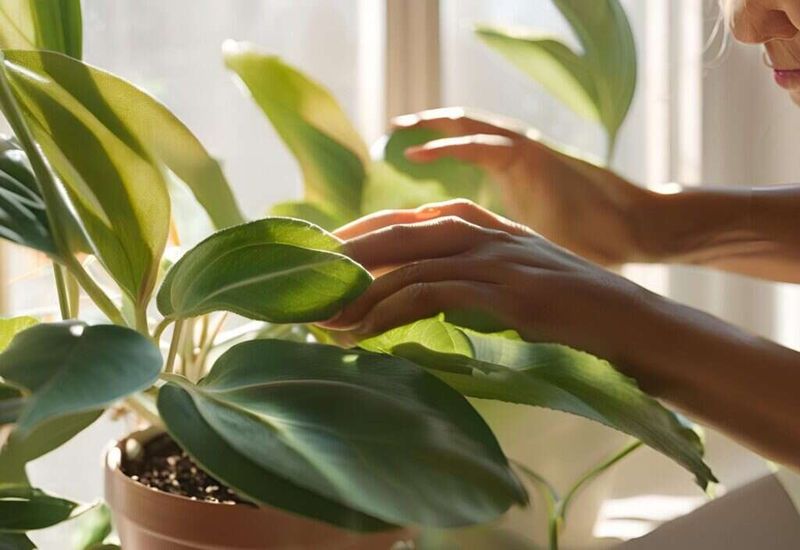
Dust accumulates surprisingly fast on houseplant leaves during winter when windows stay closed and heating systems circulate air through New Jersey homes.
This layer of grime isn’t just unsightly; it actually blocks light from reaching the leaf surface and interferes with the plant’s ability to make food through photosynthesis.
Plants with large, smooth leaves like rubber trees and monstera show dust buildup most obviously.
Fill a bowl with lukewarm water and use a soft, damp cloth to gently wipe each leaf, supporting it from underneath to avoid tearing.
For plants with fuzzy leaves like African violets, use a soft brush instead of water to remove dust without damaging the delicate leaf surface.
Small-leaved plants can be rinsed in the shower using gentle water pressure, making sure to let excess water drain completely before returning them to their spots.
This cleaning session also provides another opportunity to inspect for pests hiding on leaf undersides where you might not normally look.
Clean leaves appear more vibrant and green, instantly improving the look of your entire plant collection.
Make leaf cleaning part of your regular routine every month or two rather than waiting until plants look obviously dirty.
Your houseplants will reward this simple maintenance with better growth and healthier appearance.
The improved photosynthesis from clean leaves helps plants maintain their strength during the challenging winter months ahead.
This quick task makes a noticeable difference and only takes a few minutes per plant, making it perfect for a lazy Sunday afternoon in January.