Choose The Right Trellis For Your Oregon Vegetables Before Spring Growth Begins
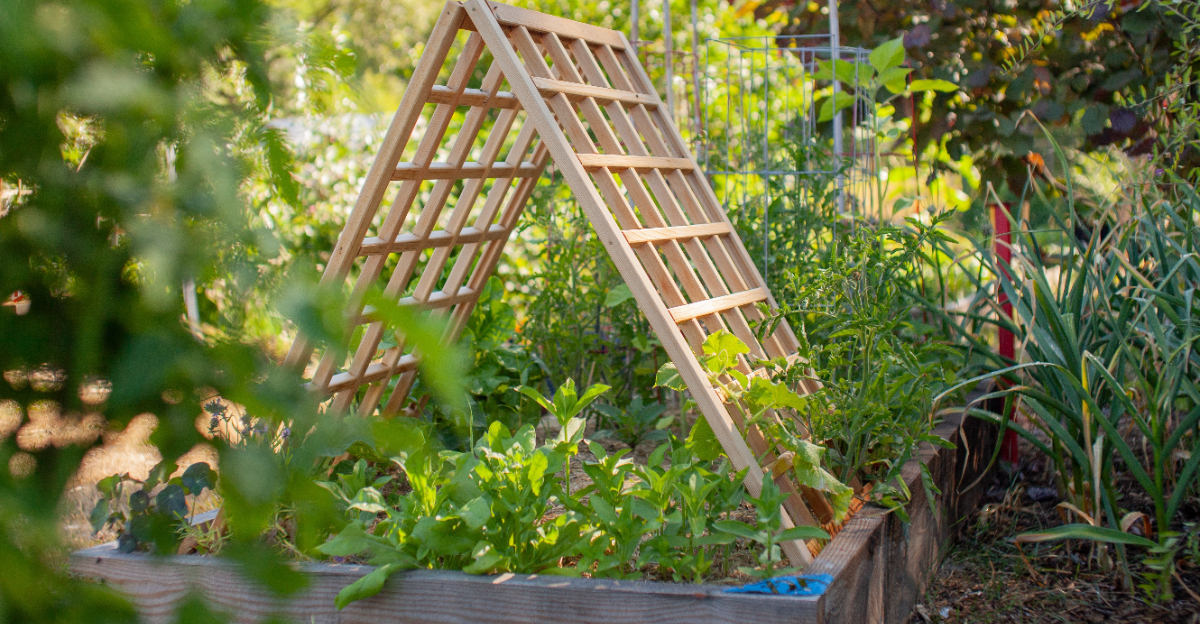
A good trellis does more than hold plants up. It shapes how your vegetables grow, how much space you save, and how easy harvesting becomes all season long.
In Oregon, where spring growth can take off quickly once temperatures rise, setting up the right support early makes a big difference. Climbing peas, vining beans, cucumbers, and tomatoes all perform better when they have the structure they need from the start.
The key is matching the trellis to the plant’s growth style, weight, and height, while also considering wind, rain, and soil conditions. A sturdy setup now prevents tangled vines, broken stems, and mid season scrambling later.
With the right choice in place before growth begins, your vegetable garden stays healthier, more organized, and far easier to manage as the season unfolds.
1. Peas – Light Trellis, Fast Climbers
By late February, even when the ground still feels cold under your boots, pea seeds are already going into Oregon soil. These eager climbers don’t waste time once they sprout, sending out delicate tendrils that reach for anything nearby.
Setting up their trellis early means those first shoots have something to grab immediately.
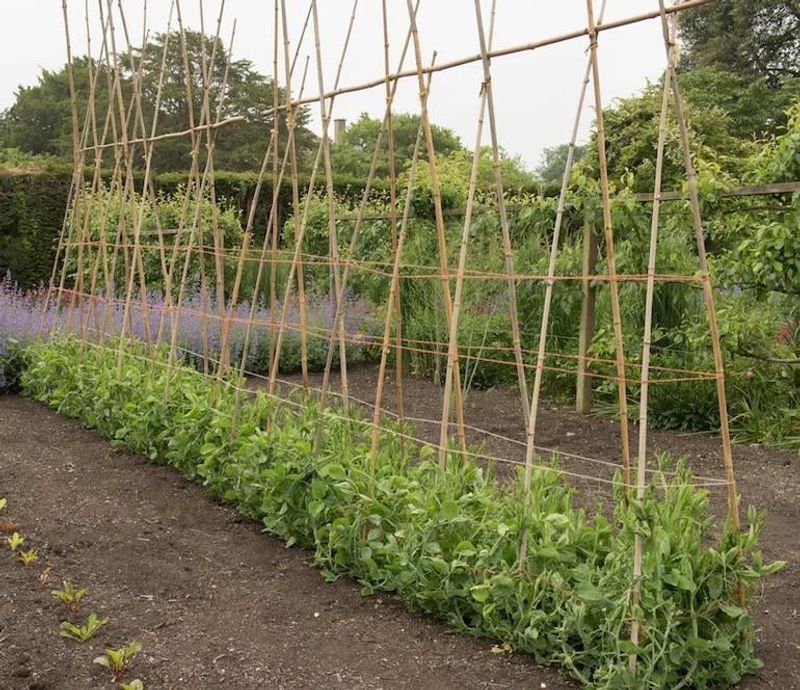
Peas need support that matches their lightweight nature. A simple framework of bamboo stakes with garden twine strung horizontally works beautifully, as does lightweight netting stretched between posts.
Avoid heavy-duty cattle panels or thick wooden structures, peas can’t grip oversized supports, and their thin stems don’t need that kind of strength.
Oregon’s spring rains make metal or plastic netting smarter than natural fiber, which tends to rot before the season ends. Position your trellis running north-south if possible, giving both sides of the planting equal sunlight.
Peas grow fast but stay relatively short, so a four to six-foot structure handles most varieties without towering over your garden beds.
Many gardeners reuse the same lightweight netting year after year, rolling it up after harvest and storing it dry. Just shake off any clinging plant debris first to prevent disease carryover.
Getting this simple support in place now means your peas climb neatly instead of tangling on the ground where slugs find them easily.
2. Pole Beans – Go Tall Or Go Home
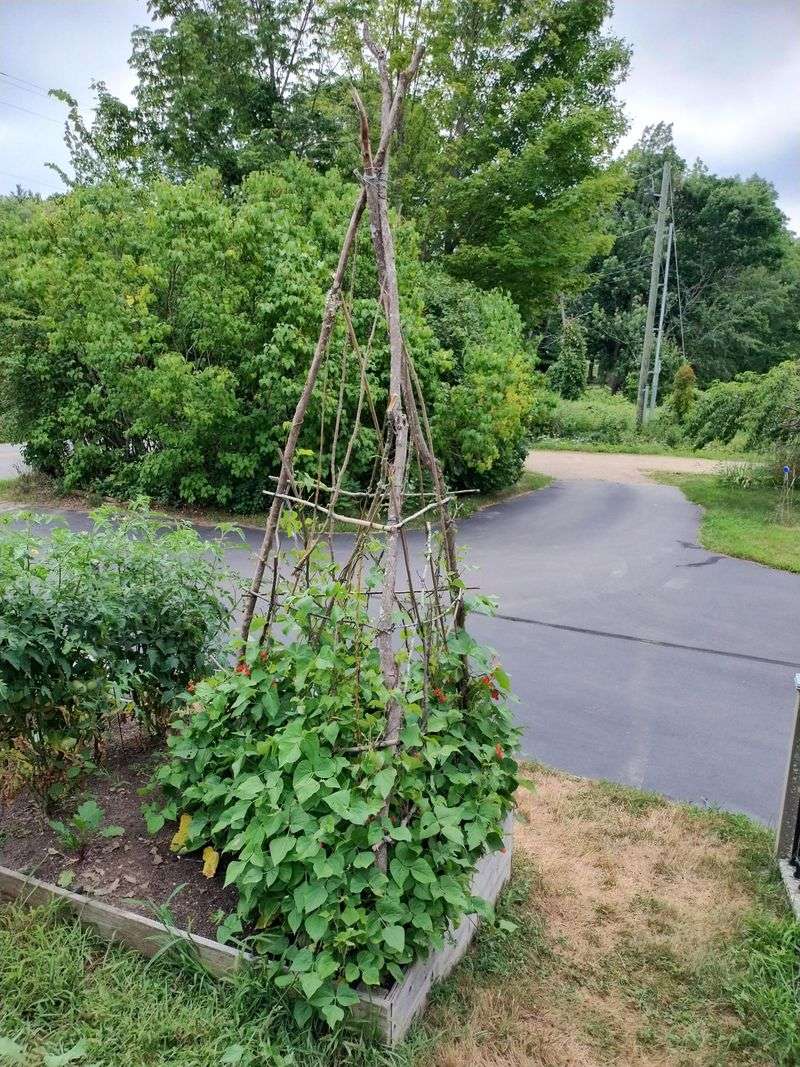
Walk past any established bean trellis in July and you’ll understand why these plants need serious height. Pole beans don’t just climb, they absolutely explode upward once warm weather settles in, easily reaching six to eight feet before they’re done.
Underestimating their ambition leaves you with tangled vines spilling everywhere by midsummer.
Sturdy wooden or bamboo teepees work wonderfully for beans, creating that classic garden look while providing excellent support.
Metal cattle panels arched between two posts handle the weight beautifully too, especially when you’re growing heavier-podded varieties.
Whatever structure you choose, make sure it’s anchored firmly, Oregon’s occasional summer windstorms can topple weak supports once plants are fully loaded.
Beans twine around their supports rather than grabbing with tendrils like peas do. This means they need vertical poles or strings, not just horizontal netting.
Space poles or strings about six inches apart so each plant has its own clear path upward. The clockwise-twining habit of most bean varieties means they’ll wrap naturally without much guidance from you.
Installing tall trellises before planting lets you position bean seeds right at the base without disturbing roots later. In western Oregon’s cooler springs, that trellis also creates a microclimate that warms slightly faster than open ground, giving beans the heat boost they appreciate.
3. Cucumbers – Climb For Cleaner Fruit
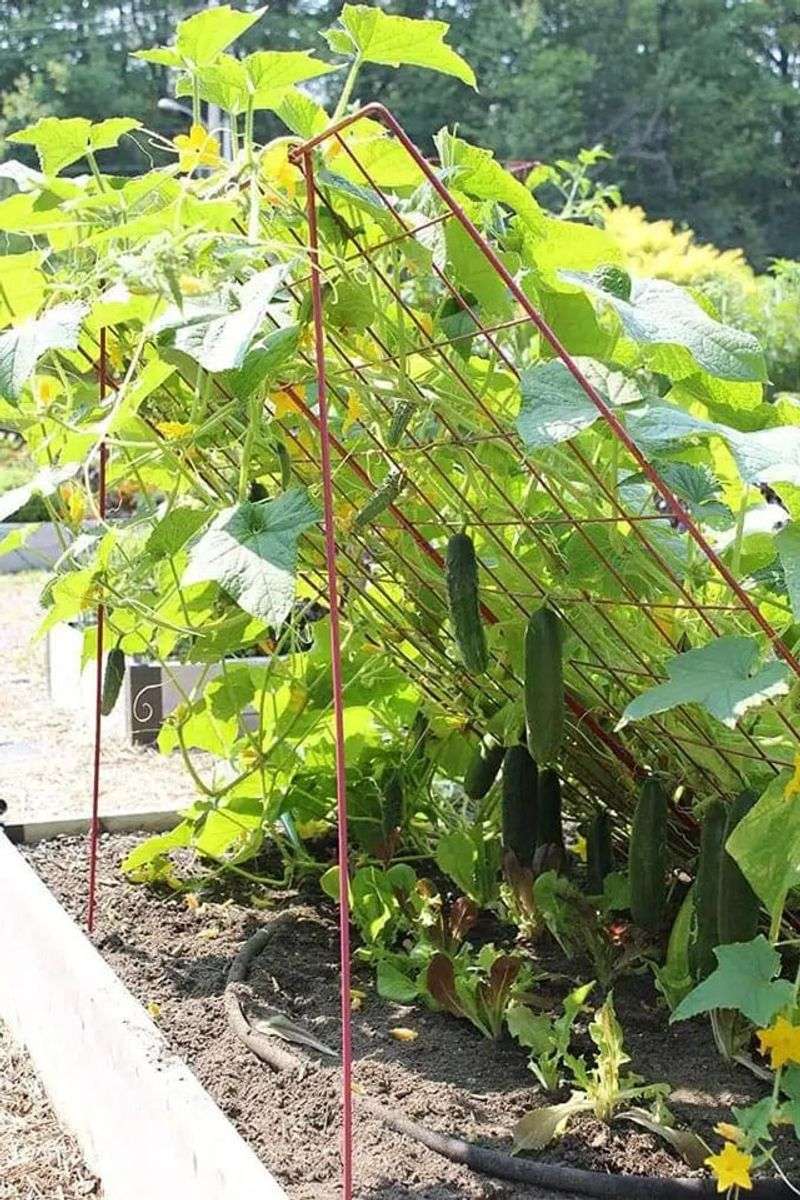
Cucumbers left sprawling on wet Oregon soil often develop soft spots, yellowing, and that disappointing mushiness that ruins perfectly good fruit. Our climate stays damp enough that ground contact invites trouble fast.
Vertical growing solves this completely, keeping cucumbers hanging clean and dry even after heavy morning dew.
An A-frame trellis or sturdy wire fencing gives cucumbers exactly what they need, something substantial to climb with plenty of airflow through the vines. These plants get surprisingly heavy once loaded with fruit, so flimsy supports bend and sag by August.
Cucumbers use small tendrils to grip, so they handle wire mesh, wooden lattice, or even sturdy twine strung vertically between horizontal supports.
Vertical cucumbers grow straighter too, which matters more than you’d think. Those picture-perfect specimens you see at farmers markets?
Almost always grown upright. Ground-grown cucumbers curve and twist around themselves, sometimes developing odd shapes that make slicing awkward.
When they hang freely, gravity does the work of keeping them straight.
Plan your cucumber trellis to run east-west if your space allows it, maximizing sun exposure on both sides of the planting.
The improved air circulation around vertical vines also reduces powdery mildew pressure, a common late-summer problem in our humid climate.
Installing support before transplanting protects delicate cucumber roots from disturbance once they’re established and growing rapidly.
4. Indeterminate Tomatoes – Strong Support Only
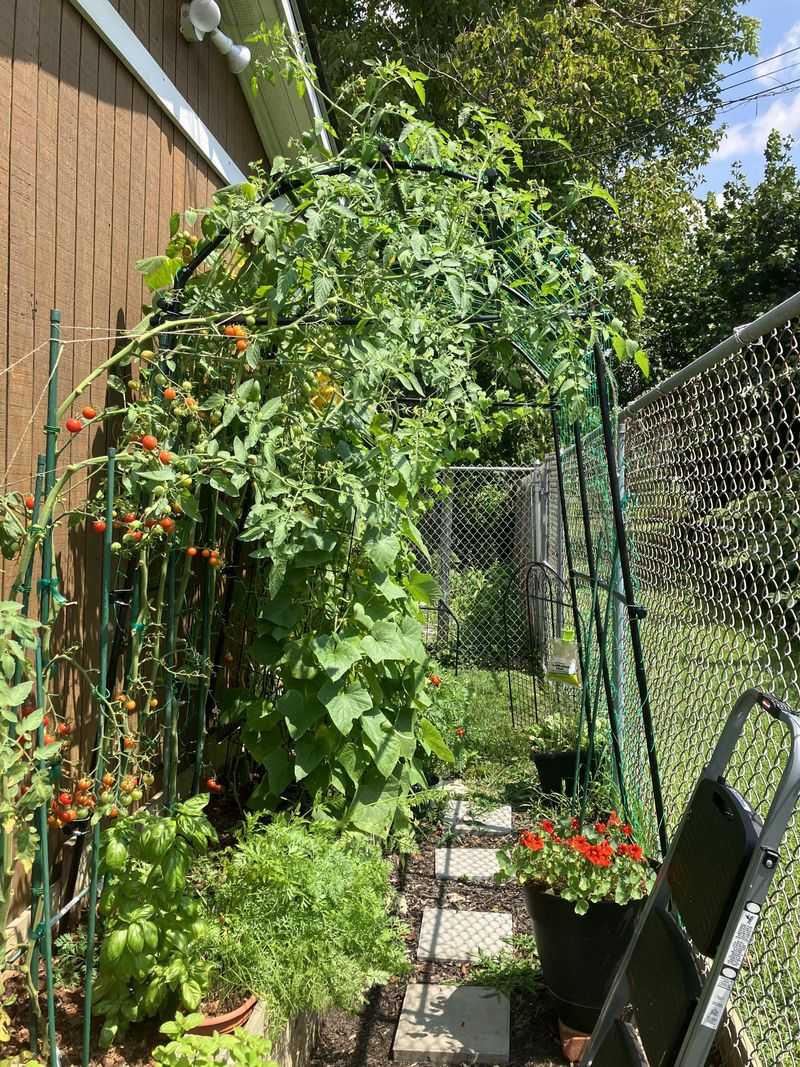
That moment when your tomato cage buckles under the weight of a loaded plant is both predictable and completely avoidable. Indeterminate tomatoes, the varieties that keep growing taller all season, need support that can handle fifty pounds or more by September.
Those flimsy wire cones from the hardware store simply won’t cut it.
Heavy-gauge cattle panels, substantial wooden stakes driven deep, or custom-welded cages provide the strength indeterminate tomatoes demand. These plants grow six to eight feet tall in good Oregon soil, producing fruit continuously until frost.
As they mature, the combined weight of stems, leaves, and ripening tomatoes creates serious leverage, especially when summer winds pick up or our occasional heavy rain soaks everything.
Wooden stakes should be at least six feet tall and driven eighteen inches into the ground for stability. Tie main stems loosely as they grow, using soft material that won’t cut into expanding stems.
Metal cages need to be at least five feet tall with openings large enough to reach through for harvesting, those tiny squares on cheap cages make picking tomatoes frustratingly difficult.
Installing strong support at planting time protects roots and lets you train stems from the start. Trying to wrestle a sprawling tomato plant into a cage mid-season risks breaking branches and damaging developing fruit.
In western Oregon’s long growing season, indeterminate varieties really earn their keep, but only when properly supported from day one.
5. Snap Peas – Early Netting Wins
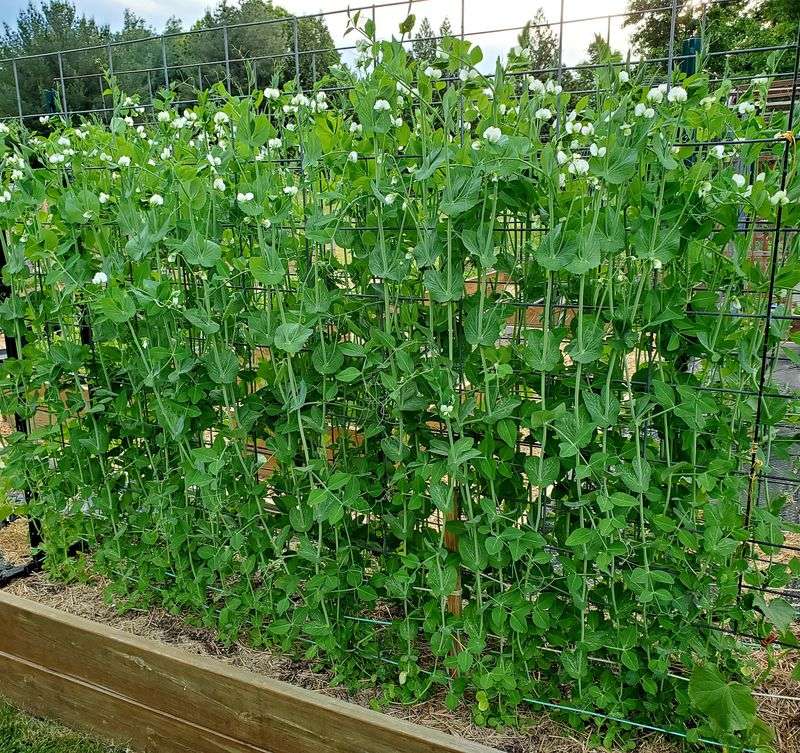
Snap peas hit the ground running in Oregon’s cool spring, often sprouting within a week when soil temperatures cooperate. Unlike their shell pea cousins, snap peas tend to grow slightly taller and produce heavier pods that benefit from really secure support.
Getting netting up before planting makes the whole season smoother.
Plastic or metal mesh netting stretched tight between sturdy posts works perfectly for snap peas. The key is tension, saggy netting frustrates climbing plants and makes harvesting awkward.
Snap peas produce plump, edible pods that add weight as they mature, so your support needs more strength than you might expect from such delicate-looking vines.
Many Oregon gardeners install permanent posts at the ends of their pea beds, then attach and remove netting seasonally. This approach lets you rotate crops while keeping the basic infrastructure in place.
Snap peas appreciate a trellis that’s at least five feet tall, especially if you’re growing vigorous varieties bred for extended harvests.
Early installation matters because snap peas grow fast in our mild spring weather. If you wait until plants are already flopping, untangling them without breaking stems becomes nearly impossible.
The tendrils grab and hold tight once they find something, and forcing them to release damages both plant and support. Set your netting early, plant seeds right at the base, and watch those tendrils find their way up naturally within days of sprouting.
6. Zucchini & Summer Squash – To Trellis Or Not?
Most gardeners assume squash plants belong sprawling across the ground, taking up half the garden bed with their enormous leaves.
But space-conscious Oregon gardeners have discovered that many summer squash varieties actually climb quite willingly when given appropriate support.
The decision depends on your space, variety, and willingness to do a bit of training.
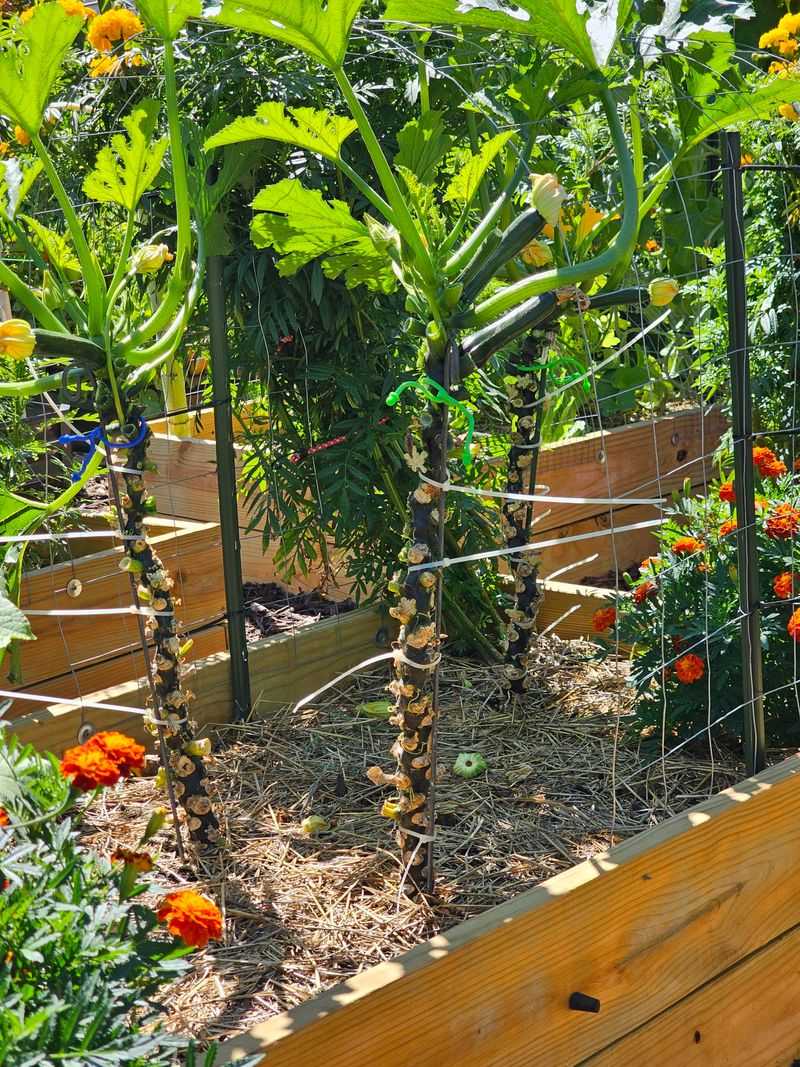
Bush varieties obviously don’t need trellising, they’re bred to stay compact. But longer-vined types of zucchini and yellow squash can be trained up an angled trellis or sturdy fence, saving considerable ground space.
You’ll need to tie the main stem as it grows since squash don’t have natural climbing mechanisms like tendrils. Soft strips of fabric work well, supporting without constricting the thick stems.
Vertical squash growing offers real advantages in Oregon’s damp climate. Better air circulation reduces powdery mildew pressure, and keeping leaves and fruit off wet ground prevents rot.
Harvesting becomes easier too, no more crouching under giant leaves hunting for hidden zucchini that somehow grew to baseball bat size overnight. You’ll spot developing fruit immediately when it’s hanging at eye level.
The tradeoff is extra work securing those heavy stems and occasionally repositioning wayward growth. Some gardeners love the space savings and improved plant health.
Others prefer letting squash sprawl naturally, arguing it’s less fussy. Either approach works in Oregon gardens, just decide before planting so you can install support if you’re going vertical.
7. Small Melons – Support The Weight
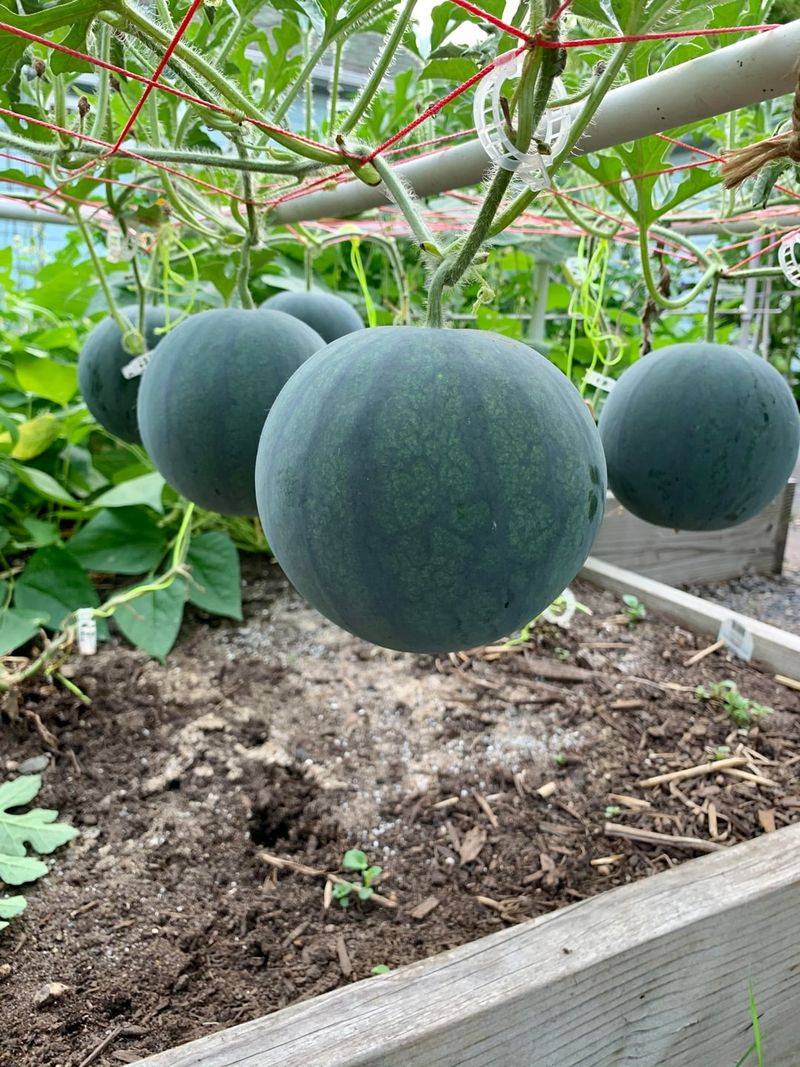
Watching a melon ripen while dangling from a trellis feels slightly miraculous, like defying horticultural gravity.
Small varieties of cantaloupe, honeydew, and specialty melons absolutely can grow vertically in Oregon gardens, but they need more than just something to climb.
Those developing fruits require individual support as they size up, or they’ll tear free and drop.
Start with a robust trellis, cattle panel, heavy wooden lattice, or strong wire fencing. Melons develop thick, sturdy vines that handle vertical growth well once established.
As fruits begin forming and growing beyond tennis ball size, create individual slings for each one using old t-shirts, mesh produce bags, or purchased melon hammocks. Tie these securely to the trellis above the fruit, cradling it as it grows.
This technique works best with smaller melon varieties, typically those maturing at three pounds or less. Full-size watermelons push the limits of what’s practical, though adventurous gardeners do succeed with compact varieties and very strong supports.
The vertical approach offers significant benefits in Oregon’s climate, improved air circulation, better sun exposure, and keeping fruit off damp ground where it’s vulnerable to rot and slug damage.
Vertical melons also ripen more evenly since all sides receive sunlight as they hang. You’ll notice ripeness easily without lifting heavy vines, and harvesting becomes a simple matter of snipping the stem when the fruit reaches perfect sweetness.
Install your trellis and prepare sling materials before planting so everything’s ready when those first melons appear.
8. Cherry Tomatoes – Small Vine, Big Growth
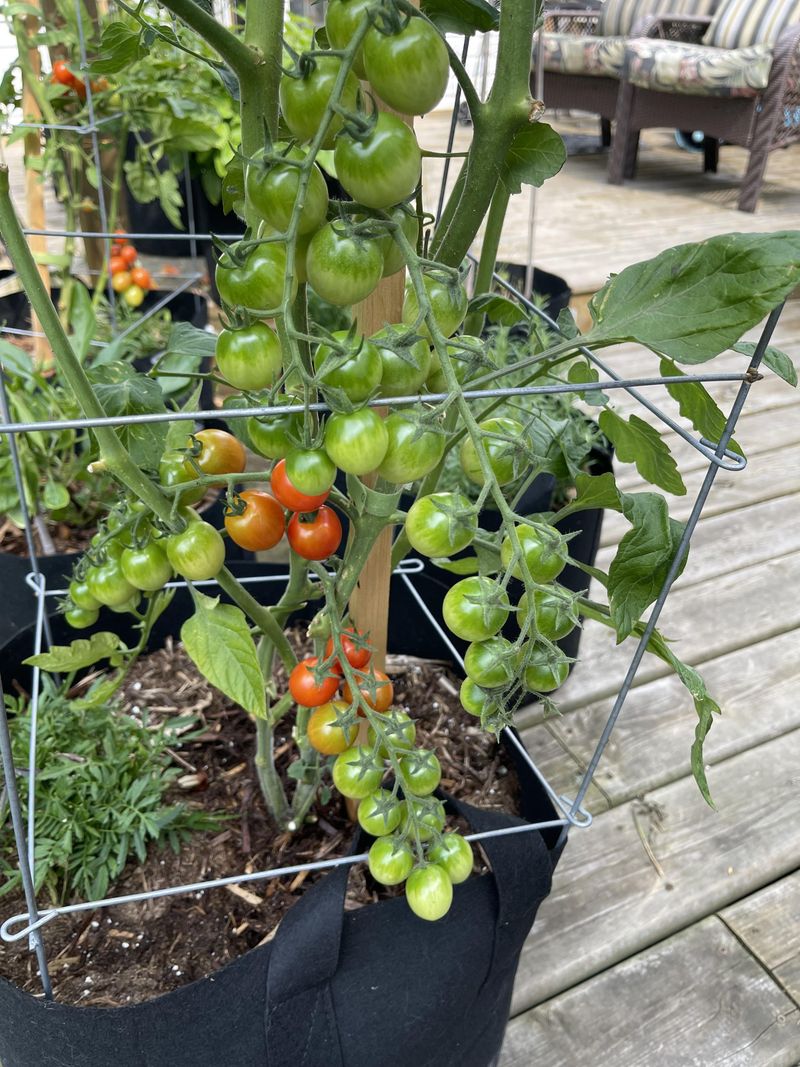
Cherry tomato plants fool gardeners every single season with their innocent appearance at planting time. That six-inch transplant will become an eight-foot monster by late summer, loaded with hundreds of fruits and weighing far more than seems possible.
Treating them like their larger-fruited cousins with inadequate support leads to bent cages and broken branches by August.
Most cherry tomato varieties are indeterminate, meaning they keep growing until frost stops them. In Oregon’s relatively long growing season, that translates to massive plants producing fruit continuously for months.
They need tall, sturdy cages or a strong staking system with multiple tie points. The sheer volume of fruit clusters creates surprising weight, and those thin branches snap easily when overloaded.
Consider using tall wooden stakes with horizontal supports creating a ladder effect, or extra-tall wire cages specifically designed for indeterminate varieties.
The support needs to be at least six feet tall, and you’ll likely need to prune some growth to keep plants manageable.
Cherry tomatoes benefit from having multiple main stems tied to supports, distributing weight more evenly than trying to train everything to a single stake.
The payoff for proper support is incredible, a well-trellised cherry tomato plant can produce ten pounds or more of fruit throughout summer and fall.
In Oregon’s cool nights, cherry varieties often outperform larger tomatoes, ripening reliably even when temperatures dip.
Install serious support early, and you’ll be harvesting sweet tomatoes by the handful all season long.