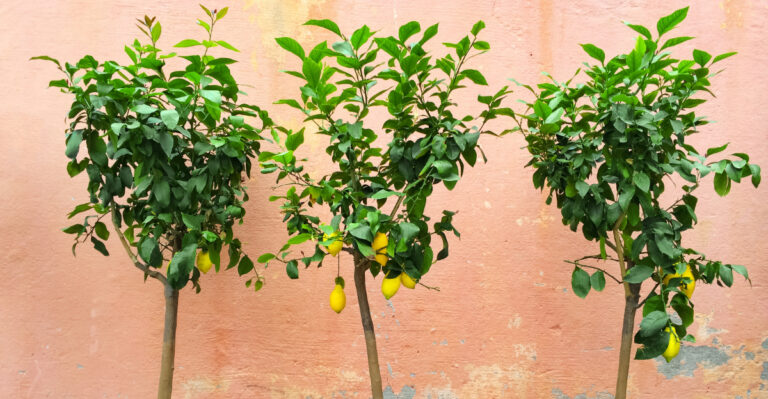
Choosing Between Deciduous Or Coniferous Trees For Michigan Yards
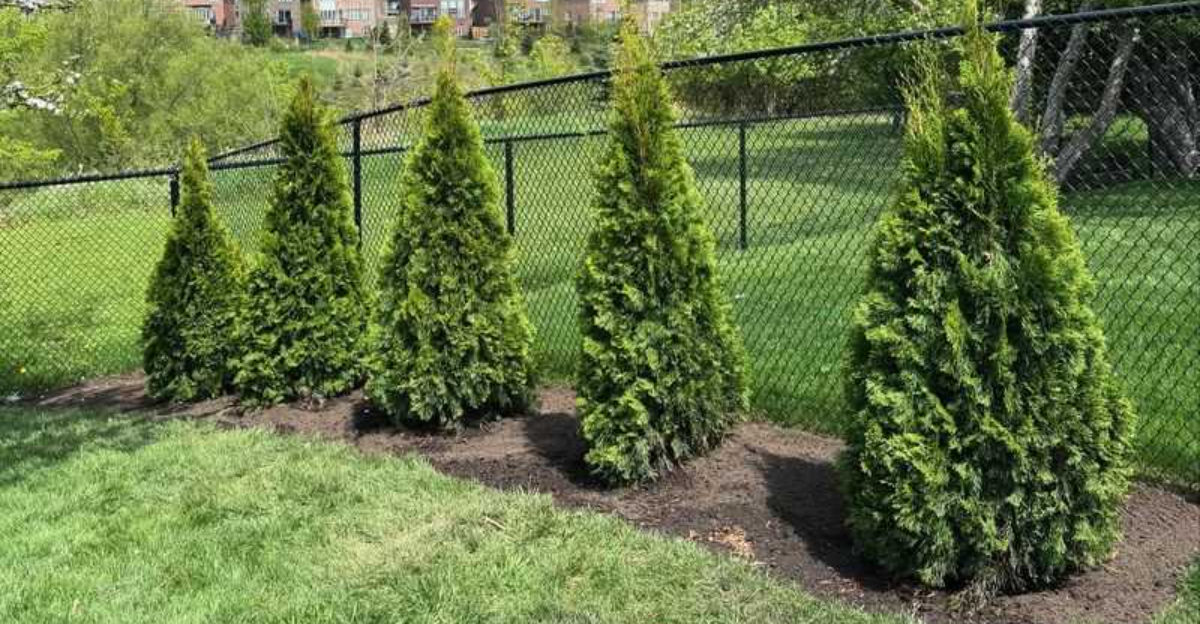
Picking trees for a Michigan yard is not a casual call.
Long winters, hot summers, lake-effect weather, and sudden storms all shape what thrives and what struggles.
Deciduous trees bring blazing fall color and open branches that welcome winter sun, yet they shed leaves that demand cleanup.
Coniferous trees stand firm through snow and wind, offer year-round privacy, and hold steady color when everything else looks bare.
Each type carries its own payoff and price, and the wrong match can haunt a yard for decades.
Space, soil, shade, wildlife, and maintenance all weigh into the decision, not just looks on planting day.
Michigan’s climate rewards planning and punishes guesswork.
A smart choice today sets the stage for comfort, beauty, and value far into the future.
Consider Your Yard’s Sun Exposure Throughout The Day
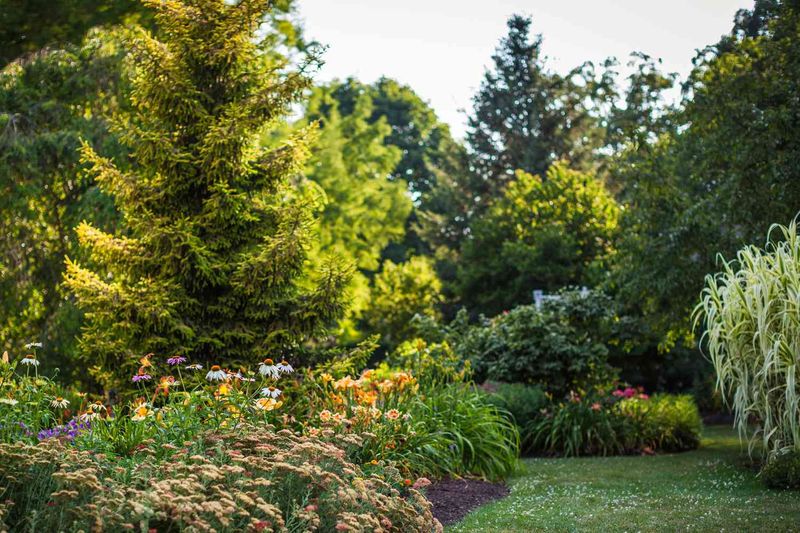
Different trees thrive under different light conditions, so knowing how much sunlight your yard receives matters tremendously.
Deciduous trees like maples and oaks generally love full sun and need at least six hours of direct light daily to grow strong and healthy.
Coniferous trees such as pines and spruces also enjoy sunny spots but can tolerate partial shade better than many deciduous varieties.
Walk around your property at different times and notice which areas get morning sun versus afternoon light.
Morning sun tends to be gentler, while afternoon rays can be intense during Michigan summers.
Some coniferous trees, like hemlocks and certain firs, actually prefer shadier locations and can struggle in blazing sun.
If your yard has a mix of sunny and shady spots, you might plant deciduous trees where light is abundant and save shadier areas for shade-tolerant conifers.
Understanding your yard’s light patterns helps you match the right tree to the right location.
This simple observation prevents future problems like weak growth or branch decline.
Take photos at different hours to track sun movement across seasons.
Your trees will reward your careful planning with decades of beauty and strength.
Think About Seasonal Color And Year-Round Interest
Michigan winters can feel long and gray, so many homeowners crave trees that provide visual interest across all seasons.
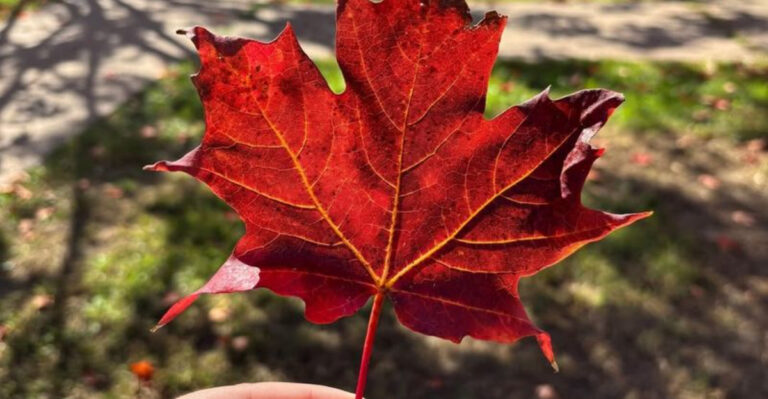
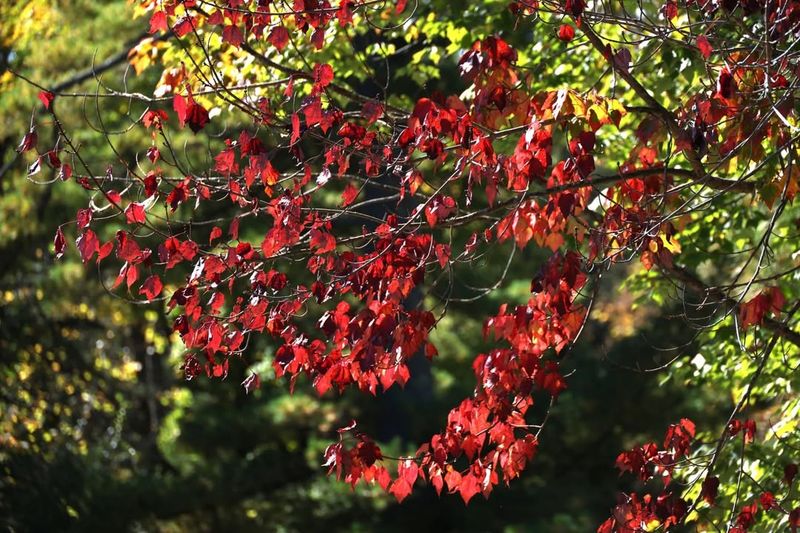
Deciduous trees offer spectacular fall colors—think fiery reds, brilliant oranges, and golden yellows that transform your yard into a living painting.
Sugar maples and red oaks deliver some of the most stunning autumn displays in the Midwest.
However, once leaves drop, deciduous trees stand bare until spring, which some people find less appealing during snowy months.
Coniferous trees maintain their green needles all winter, creating a lush backdrop even when everything else looks dormant.
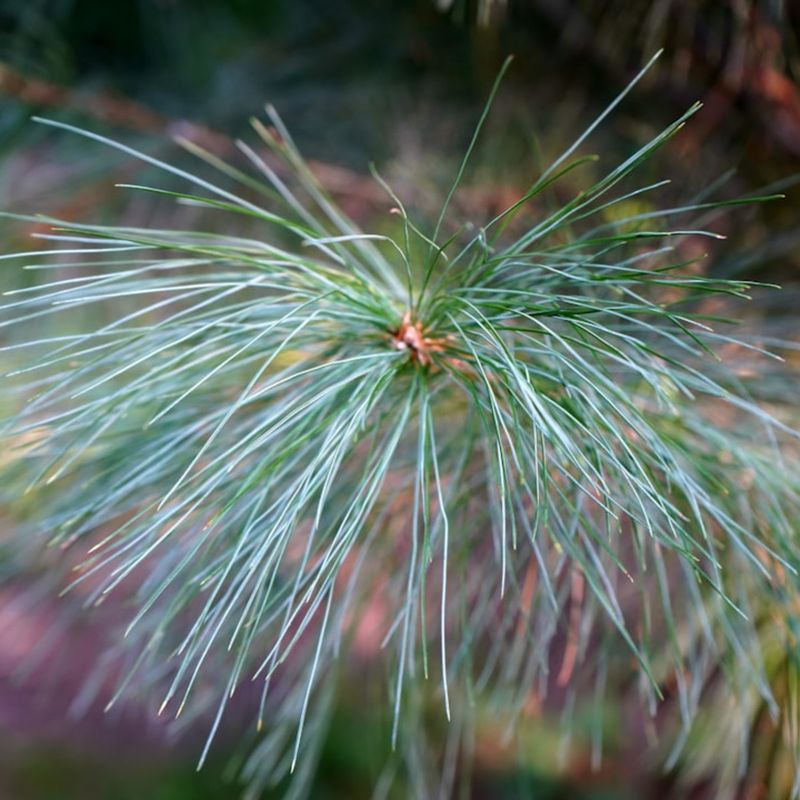
Evergreens like white pines and Norway spruces add structure and color to winter landscapes, making your yard feel alive year-round.
Many homeowners choose a combination approach, planting deciduous trees for seasonal drama and conifers for winter beauty.
This strategy creates a balanced landscape that never looks empty or boring.
Spring brings fresh growth to both tree types, with deciduous varieties budding out and conifers producing new, lighter-colored growth tips.
Summer offers full, lush canopies from deciduous trees and dense evergreen foliage from conifers.
Your personal preference for seasonal change versus consistent color should guide your decision.
Evaluate Maintenance Requirements And Cleanup Needs
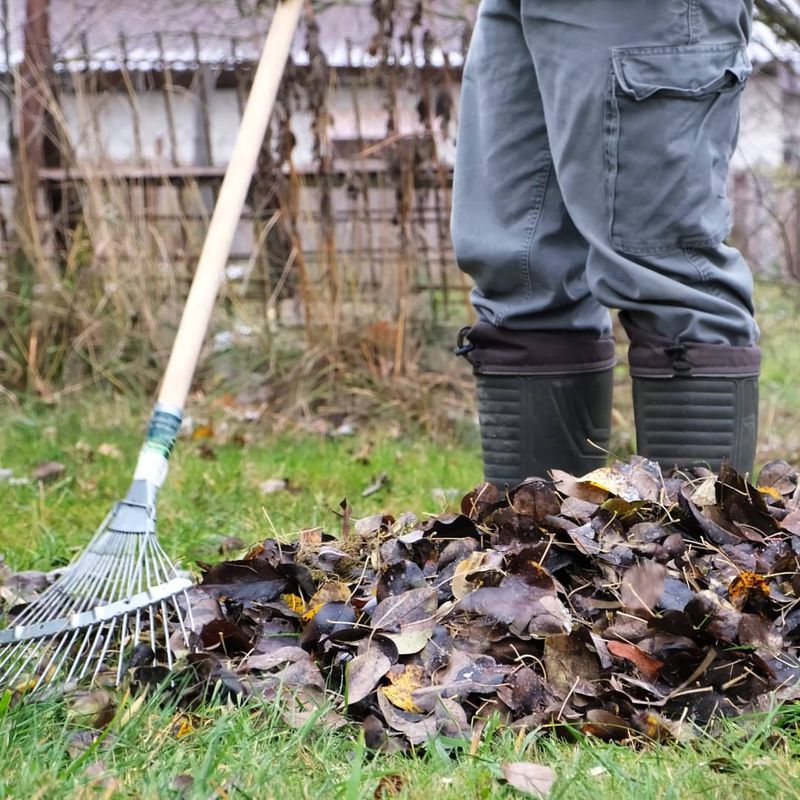
Some homeowners love yard work, while others prefer low-maintenance landscapes that require minimal attention.
Deciduous trees shed their leaves every autumn, which means raking, bagging, or mulching becomes a regular chore.
Large maples or oaks can drop enormous amounts of leaves that need removal to keep lawns healthy and prevent slippery walkways.
If you enjoy the crisp smell of fall and find leaf cleanup satisfying, deciduous trees might suit your lifestyle perfectly.
Coniferous trees drop needles gradually throughout the year rather than all at once.
This steady shedding creates less dramatic cleanup but still requires occasional attention, especially under the tree canopy.
Pine cones and spruce cones also fall regularly, which can be messy but also provide natural mulch and wildlife food.
Some conifers, like white pines, have softer needles that decompose quickly, while others have tougher needles that take longer to break down.
Deciduous trees may also drop twigs, seed pods, or flowers depending on the species.
Honest assessment of how much time you want to spend on yard maintenance helps narrow your tree choices.
Neither type is maintenance-free, but understanding the differences helps you plan accordingly.
Assess Your Privacy And Screening Goals
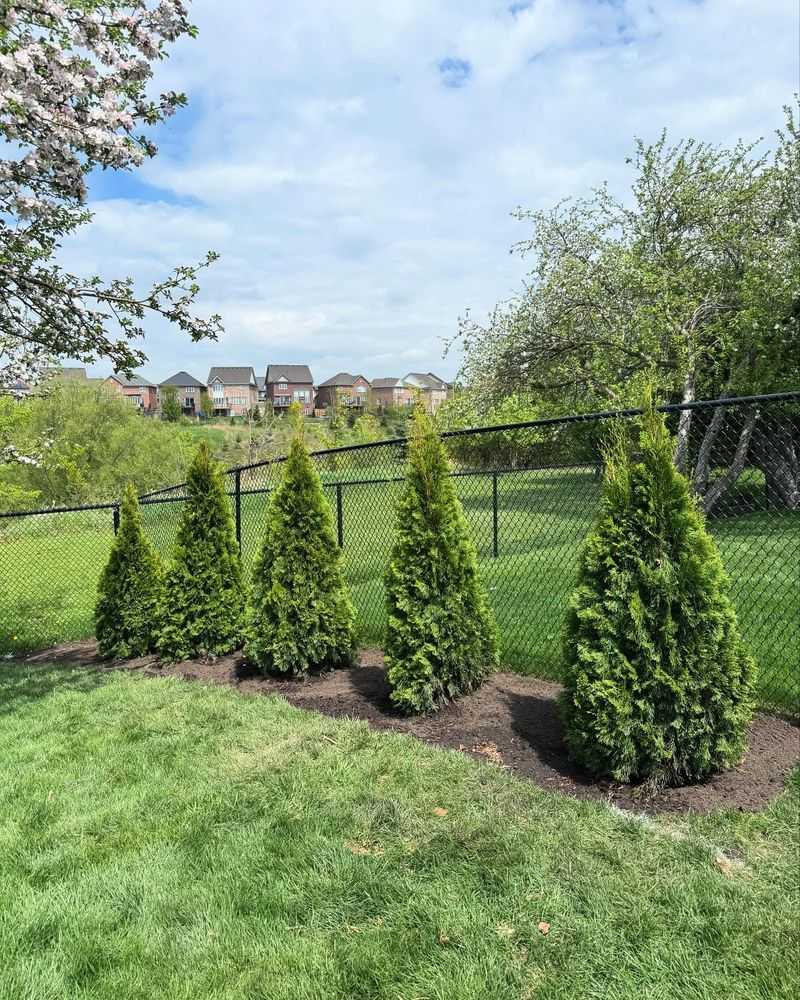
Many Michigan homeowners plant trees to create privacy from neighbors or block unsightly views.
Coniferous trees excel at this job because their dense, year-round foliage provides constant screening.
Arborvitae, spruces, and pines form effective living walls that shield your yard from prying eyes even in winter.
A row of evergreens planted along a property line creates an attractive, natural fence that improves with age.
Deciduous trees offer privacy too, but only during the growing season when leaves are present.
From late fall through early spring, bare branches provide little screening, which might matter if privacy is your main concern.
However, deciduous trees often grow faster than conifers, so they reach screening height more quickly.
Some deciduous species, like hornbeams or beeches, hold onto their brown leaves through winter, providing more screening than typical deciduous varieties.
Consider when you need privacy most—if summer outdoor activities are your priority, deciduous trees work wonderfully.
If year-round seclusion matters, evergreens are your best bet.
Combining both types creates layered screening that looks natural and provides flexibility.
Your specific privacy needs should strongly influence your tree selection process.
Match Trees To Your Soil Type And Drainage
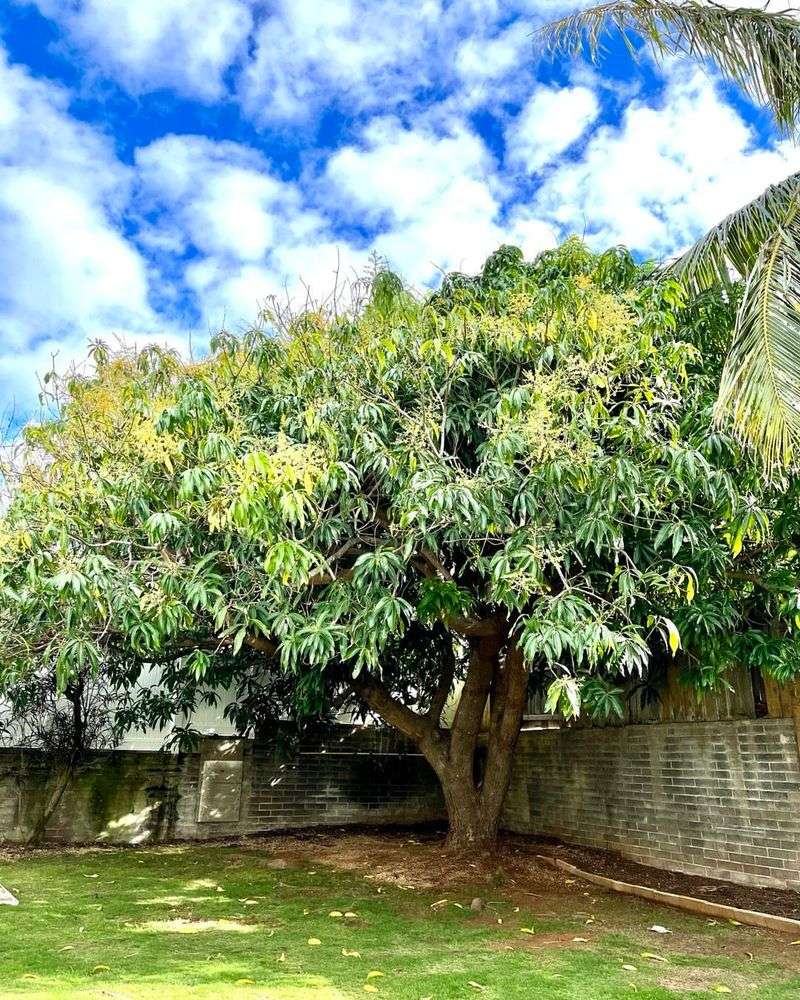
Michigan soils vary widely, from sandy lakeside plots to heavy clay in many suburban areas.
Understanding your soil type helps you select trees that will thrive rather than struggle.
Deciduous trees like river birch and red maple tolerate wet, poorly drained soils that would stress many conifers.
If your yard has low spots that stay soggy after rain, these moisture-loving deciduous varieties make excellent choices.
Conversely, many coniferous trees prefer well-drained soils and can suffer in constantly wet conditions.
White pines and junipers thrive in sandy, fast-draining soils where some deciduous trees might struggle during dry spells.
Clay soils present challenges for both tree types, but proper planting techniques and species selection make success possible.
Oaks and certain spruces adapt reasonably well to clay if you avoid planting too deeply.
Test your soil’s drainage by digging a hole, filling it with water, and watching how quickly it drains.
Water that disappears within a few hours indicates good drainage, while standing water after 24 hours suggests drainage problems.
Matching trees to your soil conditions prevents stress, disease, and disappointing growth.
Your local nursery can recommend specific varieties suited to Michigan soil types.
Factor In Michigan’s Winter Hardiness Zones
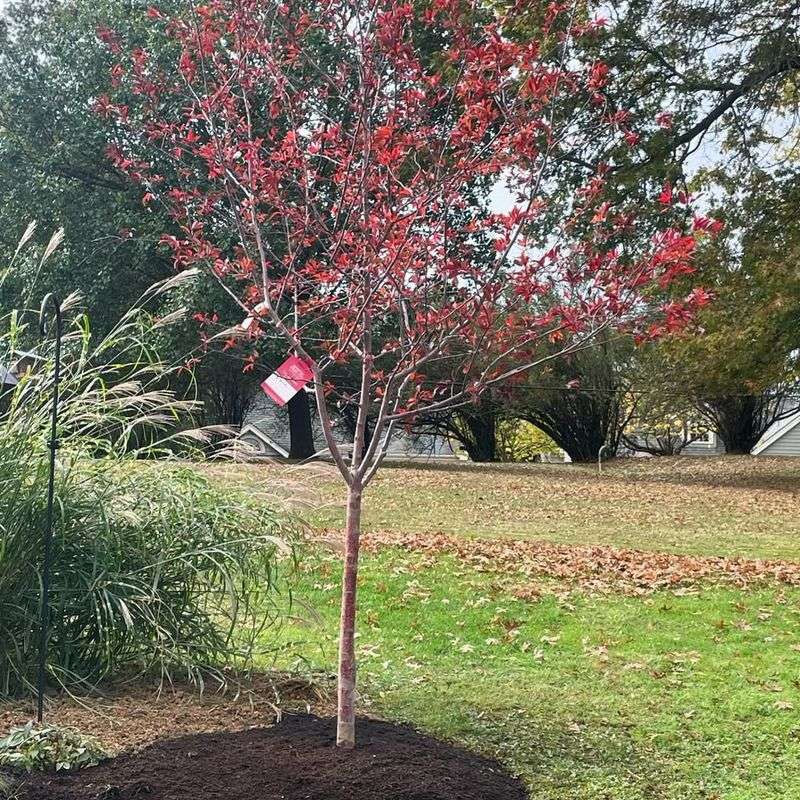
Michigan spans several USDA hardiness zones, with colder zones in the Upper Peninsula and milder zones in southern regions.
Choosing trees rated for your specific zone ensures they survive Michigan’s harsh winters.
Most of Michigan falls within zones 4 through 6, which experience winter temperatures from minus 30 to zero degrees Fahrenheit.
Both deciduous and coniferous trees have varieties suited to these zones, but not all species handle extreme cold equally.
Native Michigan deciduous trees like sugar maple, white oak, and paper birch evolved here and tolerate cold beautifully.
Similarly, native conifers like white pine, balsam fir, and white spruce handle Michigan winters without trouble.
Some popular ornamental trees, both deciduous and coniferous, come from warmer climates and may suffer winter damage or fail to thrive.
Always check a tree’s hardiness zone rating before purchasing, and choose varieties rated for at least one zone colder than yours for extra insurance.
Winter injury can weaken trees, making them vulnerable to pests and diseases.
Your county extension office provides detailed zone information for your specific location.
Investing in properly hardy trees saves money and frustration over the long term.
Cold-hardy trees establish faster and live longer in Michigan landscapes.
Consider Wildlife Benefits And Habitat Value
Trees provide crucial habitat for Michigan’s diverse wildlife, from songbirds to squirrels to beneficial insects.
Coniferous trees offer excellent shelter during winter when other cover is scarce.
Dense evergreen branches protect birds from wind, snow, and predators, making spruces and pines valuable for backyard wildlife.
Many bird species nest in conifers, appreciating the year-round cover and protection.
Deciduous trees provide different but equally important benefits for wildlife.
Oaks produce acorns that feed dozens of animal species, while maples and birches attract insects that birds rely on for food.
Deciduous trees with cavities offer nesting sites for woodpeckers, owls, and squirrels.
Fall leaves from deciduous trees create ground cover where insects overwinter, supporting the food chain.
If you enjoy watching wildlife, planting a mix of deciduous and coniferous trees creates the most diverse habitat.
Native trees support more native wildlife than exotic species, so prioritize Michigan natives when possible.
Berry-producing trees like serviceberry (deciduous) or juniper (coniferous) add extra food sources.
Your yard can become a mini nature preserve that supports local ecosystems while beautifying your property.
Plan For Mature Size And Growth Rate

Young trees look small at the nursery, but they eventually reach their mature size, which can surprise unprepared homeowners.
A tiny white pine sapling can grow into a massive tree exceeding 80 feet tall and 40 feet wide.
Similarly, a young oak might seem perfect for your yard but could eventually overwhelm smaller properties.
Research the mature size of any tree before planting to avoid future conflicts with buildings, power lines, or neighboring properties.
Coniferous trees generally grow more slowly than deciduous trees, though growth rates vary widely by species.
Fast-growing deciduous trees like silver maples or hybrid poplars provide quick shade but may have weaker wood prone to storm damage.
Slower-growing deciduous trees like oaks or hickories take longer to mature but typically live longer and develop stronger structures.
Coniferous trees like spruces and firs grow steadily but may take decades to reach impressive sizes.
Consider your timeline—do you need shade or privacy quickly, or can you wait for slower, sturdier growth?
Proper spacing at planting time prevents overcrowding as trees mature.
Allow enough room for each tree to develop its natural shape without constant pruning.
Planning ahead ensures your landscape looks beautiful for generations.