12 Christmas Cactus Care Tips Every Arizona Homeowner Should Follow In December
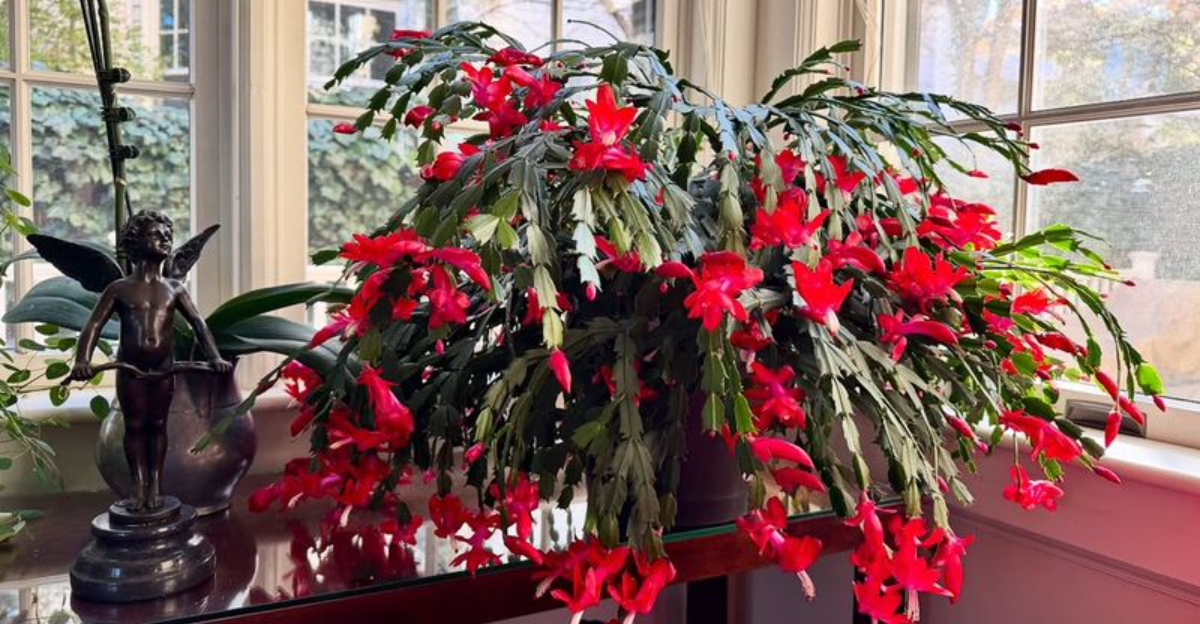
In Arizona, December doesn’t always bring snowflakes and frostbitten noses—it brings dry air, warm afternoons, and the kind of desert sunshine that leaves Christmas cacti wondering what holiday they’ve landed in.
These festive plants may be crowd-pleasers during the season, but getting them to stay cheerful in an Arizona winter can feel like herding cats.
Too much sun, too little humidity, and watering guesswork can turn a healthy cactus into a holiday hiccup.
But don’t let the desert climate rain on your Christmas cheer.
With a little know-how and a few simple adjustments, your Christmas cactus can bloom brighter than a string of holiday lights.
This guide spills the beans on the December care tips every Arizona plant lover needs—helping your cactus not just survive, but thrive.
1. Adjust Your Watering Schedule For Arizona’s Dry Winter Air
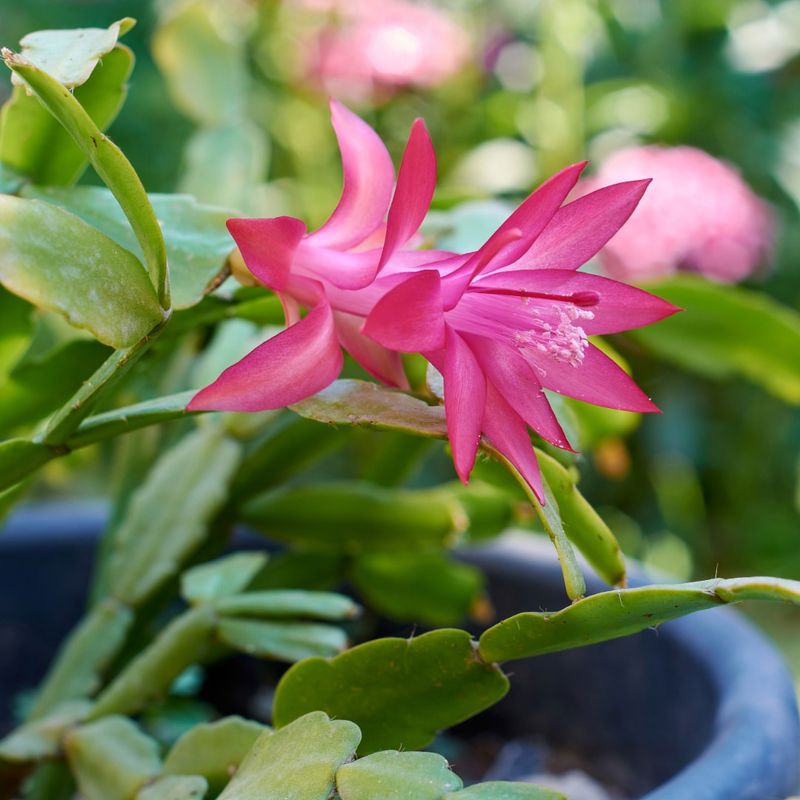
Arizona’s winter months bring surprisingly low humidity levels that can affect your Christmas cactus differently than plants in other regions.
The dry desert air pulls moisture from the soil faster than you might expect, even during cooler December temperatures.
Your Christmas cactus prefers consistently moist soil during its blooming period, but never waterlogged conditions that lead to root problems.
Check the top inch of soil every few days by sticking your finger into the potting mix to gauge moisture levels.
When the surface feels dry to the touch, water thoroughly until liquid drains from the bottom holes.
Arizona homeowners should water more frequently than care guides suggest for humid climates, possibly every five to seven days.
Room temperature water works best since cold water can shock the roots and cause bud drop.
Empty saucers underneath pots within thirty minutes to prevent root rot from standing water.
Morning watering allows any excess moisture on leaves to evaporate during the day.
Adjust your schedule based on your home’s heating system, which can dry air even more.
Consistent moisture helps your Christmas cactus produce those gorgeous blooms everyone loves to see during the holidays.
2. Position Your Plant Away From Heating Vents And Fireplaces
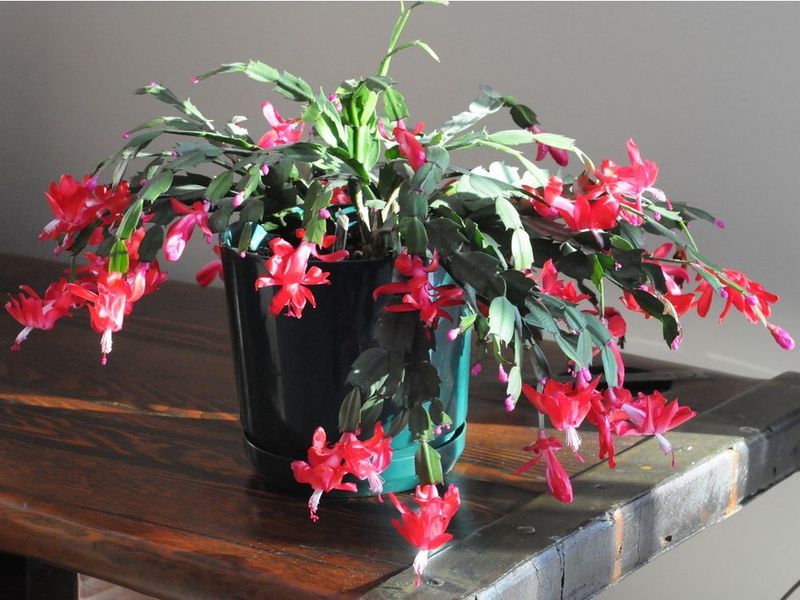
Placement matters tremendously when you want your Christmas cactus to thrive through December’s festivities.
Heating systems kick into high gear during Arizona’s cooler evenings, creating hot, dry air currents that stress tropical plants.
Direct heat from vents, fireplaces, or space heaters can cause rapid moisture loss from both soil and plant tissues.
Your Christmas cactus evolved in Brazilian rainforests where temperatures stay moderate and humidity remains high year-round.
Sudden temperature swings confuse the plant and often result in bud drop right before the flowers open.
Find a spot at least six feet away from any direct heat source to maintain stable growing conditions.
Corner locations or interior walls typically experience less temperature fluctuation than areas near exterior doors or windows.
Watch for signs of heat stress like shriveled segments or buds that turn brown and fall off prematurely.
Moving your plant to a better location can reverse mild stress within a week or two.
Arizona homes with radiant floor heating should elevate pots on plant stands to prevent root zone overheating.
Stable temperatures between 65-70 degrees Fahrenheit create the perfect environment for spectacular December blooms that last for weeks.
3. Increase Humidity Around Your Christmas Cactus
Desert dwellers face a constant battle against low humidity that affects both people and plants during winter months.
Christmas cacti naturally grow on tree branches in misty forests where moisture hangs in the air constantly.
Arizona’s typical December humidity of 20-30 percent falls far short of the 50-60 percent these plants prefer.
Creating a more humid microclimate around your plant doesn’t require expensive equipment or complicated setups.
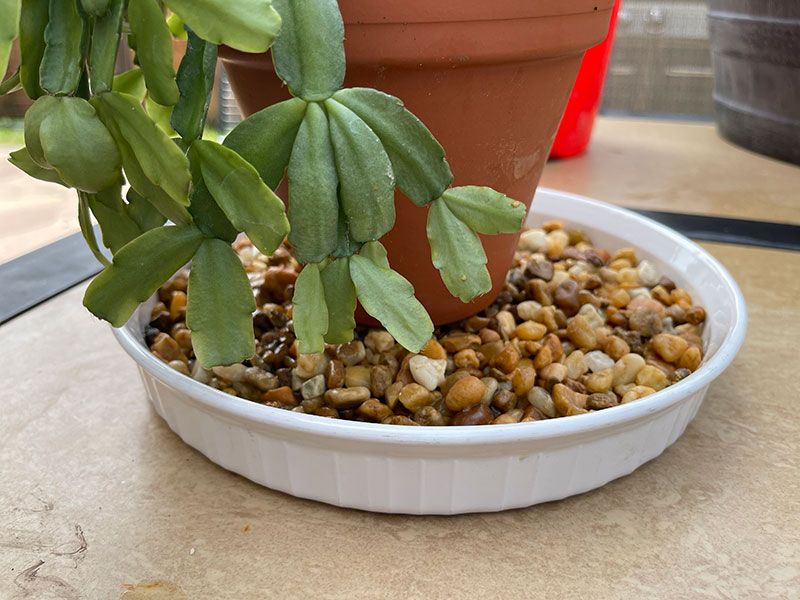
Pebble trays work wonderfully by placing your potted cactus on a shallow dish filled with stones and water.
The water level should sit just below the pot bottom so roots don’t sit in standing water.
As water evaporates, it raises humidity in the immediate area around your plant’s foliage.
Grouping multiple houseplants together also increases local humidity through their combined transpiration.
Small room humidifiers placed near your Christmas cactus benefit both the plant and your family’s comfort.
Misting provides temporary relief but needs repeating several times daily to make a real difference.
Bathrooms with natural light often provide naturally higher humidity if you have appropriate space.
Higher humidity helps buds develop properly and keeps those beautiful blooms looking fresh throughout the entire holiday season.
4. Provide Bright Indirect Light For Optimal Blooming
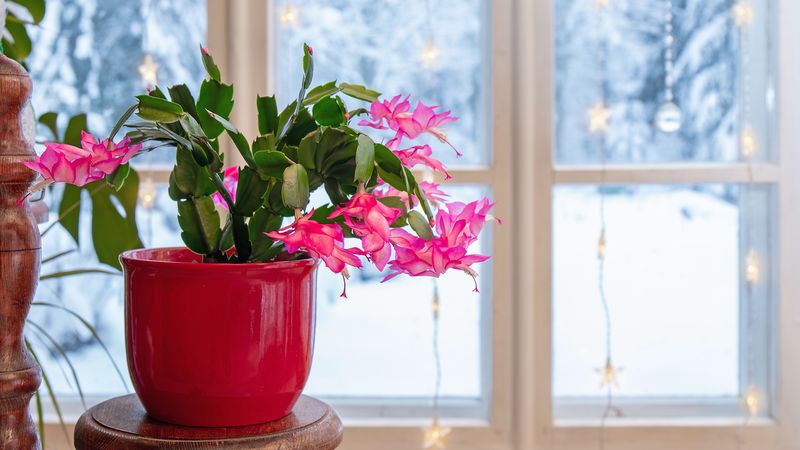
Light requirements change throughout the year for Christmas cacti, and December demands special attention to keep those blooms coming.
Arizona’s intense winter sun can still scorch delicate foliage even though temperatures drop compared to summer months.
Your Christmas cactus needs bright conditions but cannot tolerate direct afternoon rays beating through windows.
East-facing windows provide gentle morning light that energizes the plant without causing sunburn on the flattened stem segments.
North-facing exposures work well too, offering consistent brightness without harsh direct rays throughout the day.
South and west windows require sheer curtains or positioning the plant three to five feet back from the glass.
Watch for yellowing or reddish tinges on the foliage that signal too much light exposure.
Pale green segments that look stretched indicate insufficient light and may reduce flowering.
Arizona’s clear skies provide excellent natural light even on shorter December days for indoor plant growing.
Rotate your pot a quarter turn weekly so all sides receive equal light exposure and develop evenly.
Proper lighting helps your Christmas cactus produce the energy needed for those stunning flower displays that brighten your home.
Balanced light conditions encourage strong growth and reliable blooming year after year.
5. Avoid Moving Your Plant Once Buds Form
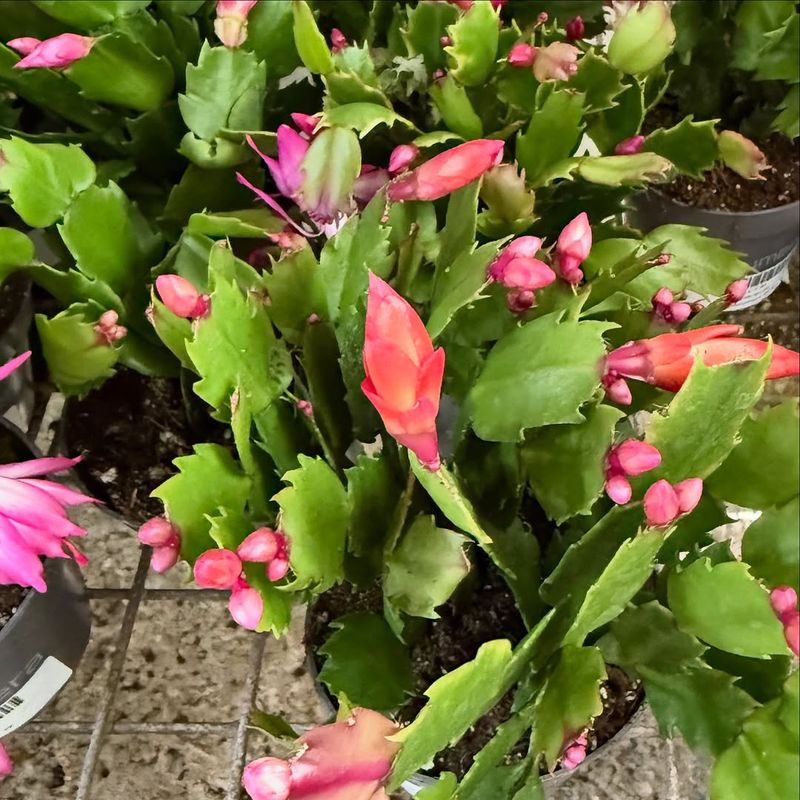
Stability becomes absolutely critical once your Christmas cactus develops those precious flower buds you’ve been waiting for.
These plants evolved as epiphytes that remain anchored to the same tree branch throughout their entire blooming cycle.
Moving a budding Christmas cactus triggers stress responses that often cause bud drop before flowers ever open.
Even rotating the pot or shifting it to a different room can confuse the plant’s orientation to light sources.
Changes in temperature, humidity, or light levels tell the plant something has gone wrong in its environment.
The natural response involves dropping buds to conserve energy for survival rather than reproduction.
Choose your Christmas cactus’s December location carefully before buds begin forming in late autumn.
Arizona homeowners hosting holiday gatherings should resist the temptation to move their blooming plant to a more visible spot.
If you absolutely must relocate your plant, do so before buds develop or after flowers finish blooming.
Small adjustments like turning the pot slightly usually don’t cause problems, but major moves spell trouble.
Patience pays off when you leave your Christmas cactus undisturbed and let it bloom in peace.
A stable environment produces the most abundant and longest-lasting flower display possible.
6. Maintain Cooler Night Temperatures For Better Blooms
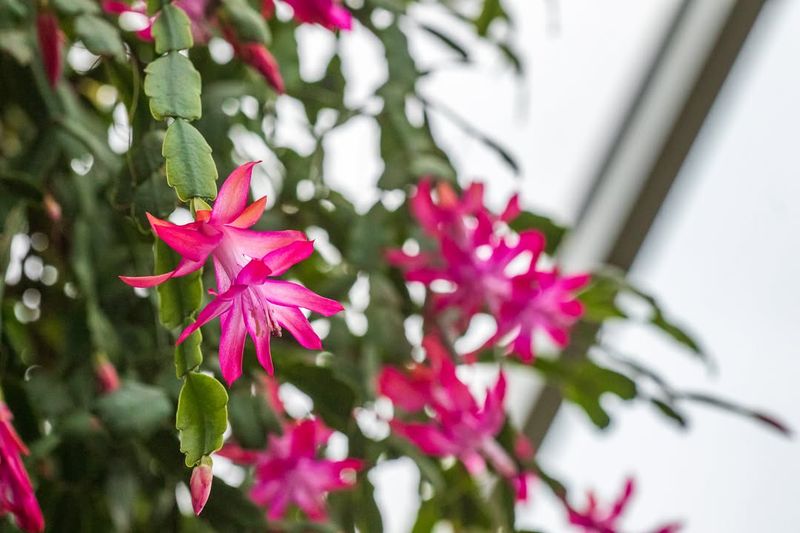
Temperature variations between day and night play a surprising role in Christmas cactus flowering success.
Wild Christmas cacti experience cooler nights in their native Brazilian habitats, which triggers blooming responses.
Arizona homeowners can replicate these conditions by allowing nighttime temperatures to drop into the low 60s during December.
Many people keep their thermostats set at the same temperature around the clock for comfort and energy efficiency.
Programming a slight decrease of five to ten degrees at night benefits your Christmas cactus tremendously.
Cooler evening temperatures help set buds and intensify flower colors once blooms open.
Rooms farther from the central heating system often provide naturally cooler conditions perfect for these plants.
Guest bedrooms, enclosed porches, or sunrooms work wonderfully if they receive adequate light during the day.
Avoid exposing your plant to temperatures below 50 degrees, which can cause damage to the tender foliage.
The temperature difference also mimics the plant’s natural growing season when shorter days and cooler nights signal blooming time.
This simple adjustment costs nothing but delivers impressive results in bloom quantity and quality.
Your Christmas cactus will reward you with more flowers that last longer when you provide that temperature drop each evening.
7. Skip Fertilizer During The Blooming Period
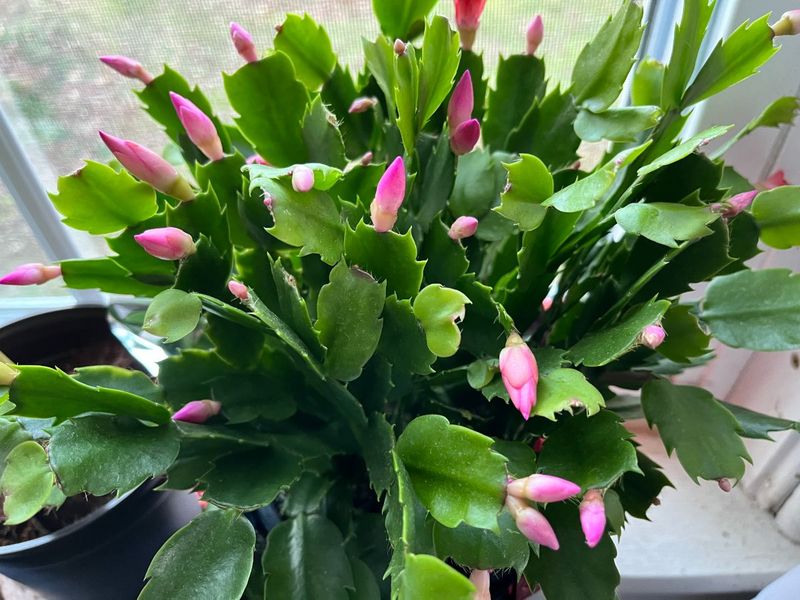
Nutrient timing makes a huge difference in how your Christmas cactus performs throughout its annual cycle.
December’s blooming period requires the plant to focus all its energy on producing and maintaining those gorgeous flowers.
Adding fertilizer during active blooming redirects the plant’s resources toward vegetative growth instead of flower production.
Your Christmas cactus built up nutrient reserves during spring and summer when you fertilized monthly.
Those stored nutrients provide everything the plant needs to sustain its December flower show without additional feeding.
Excess nitrogen from fertilizer can actually shorten bloom duration and reduce flower quality.
Wait until all flowers fade and drop naturally before resuming your fertilization schedule in late winter or early spring.
Arizona’s mineral-rich tap water already provides trace elements that supplement the plant’s nutritional needs.
Rest periods benefit Christmas cacti just as much as active growth phases throughout the year.
Think of December as your plant’s performance month when it shows off rather than building strength.
Resume feeding with a balanced, water-soluble fertilizer diluted to half strength once new growth emerges after blooming.
This approach keeps your Christmas cactus healthy without overwhelming it during its most spectacular season.
8. Monitor For Pests That Thrive In Heated Homes
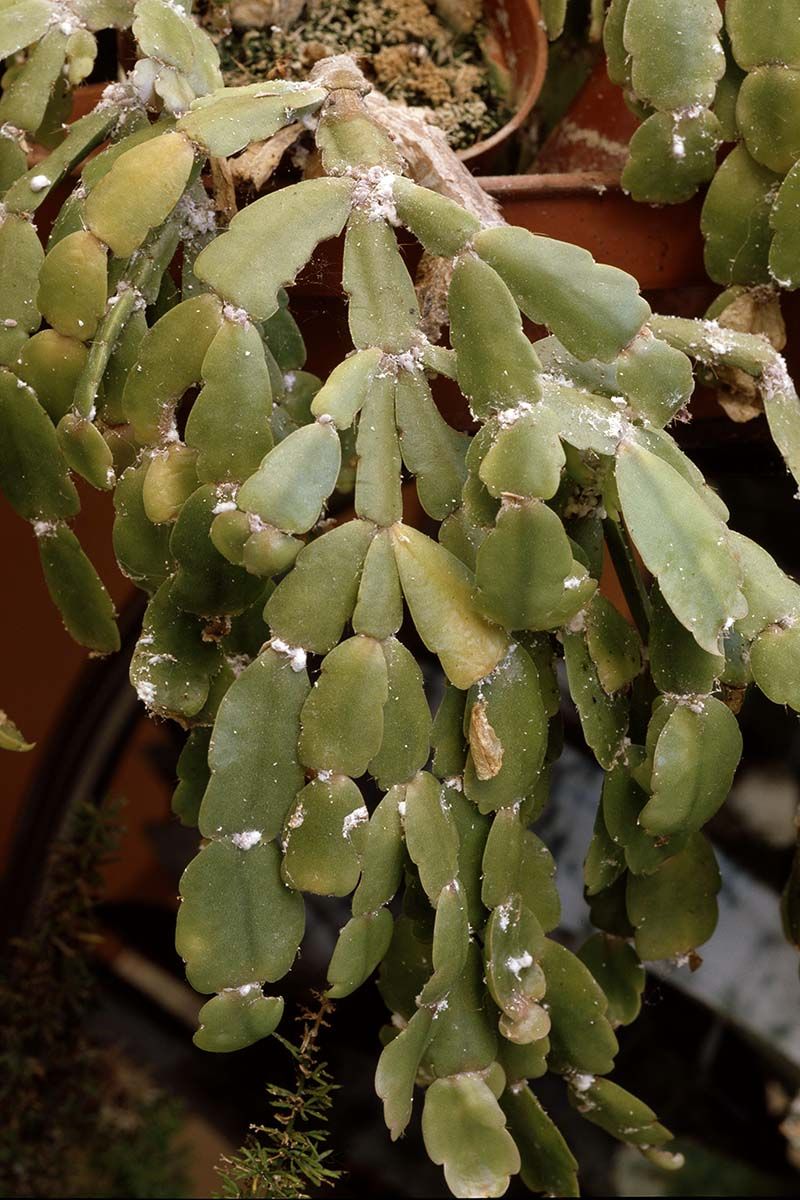
Indoor heating creates perfect conditions for certain pests that love warm, dry environments during Arizona winters.
Spider mites particularly enjoy Christmas cactus plants and multiply rapidly when humidity drops and temperatures rise indoors.
These tiny pests appear as barely visible dots but leave telltale fine webbing between stem segments.
Mealybugs also target Christmas cacti, appearing as white cottony masses in the joints between segments.
Regular inspection helps you catch pest problems early before they damage your plant or spread to other houseplants.
Check your Christmas cactus weekly by examining both sides of the segments and the areas where they connect.
Early detection allows for simple treatment with insecticidal soap or neem oil spray applied to affected areas.
Isolate any infested plants immediately to prevent pests from migrating to nearby houseplants.
Increased humidity helps prevent spider mite infestations since these pests prefer dry conditions.
A gentle shower in the sink or tub can physically remove many pests while refreshing your plant.
Avoid harsh chemical pesticides that can damage sensitive Christmas cactus foliage or cause bud drop.
Healthy plants with proper care resist pest problems better than stressed ones struggling with poor growing conditions.
9. Ensure Proper Drainage To Prevent Root Issues
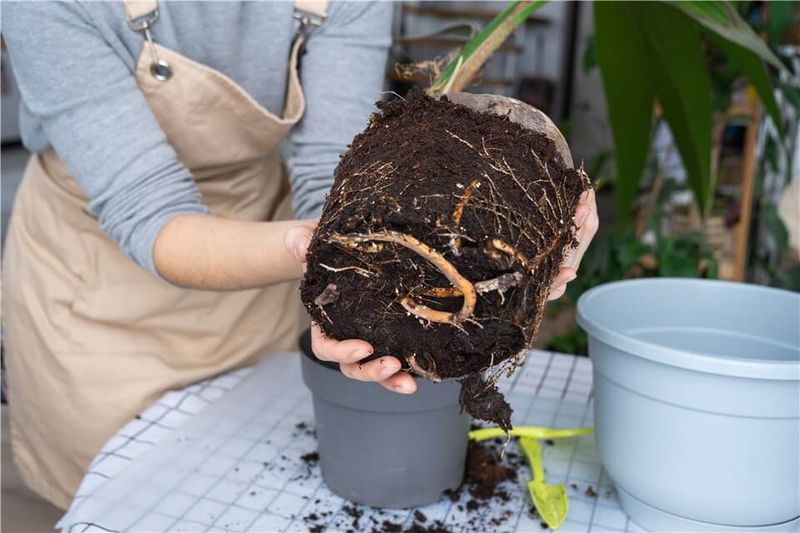
Root health determines overall plant vitality, yet drainage often gets overlooked until problems develop.
Christmas cacti need consistent moisture but suffer quickly when roots sit in waterlogged soil.
Arizona’s hard water and mineral deposits can clog drainage holes over time, creating unexpected problems.
Check that your pot has adequate drainage holes and that they remain clear of debris or salt buildup.
Terracotta pots work exceptionally well for Christmas cacti because the porous material allows excess moisture to evaporate through the sides.
Plastic containers work fine too as long as they have sufficient drainage holes and you monitor watering carefully.
The potting mix should contain perlite, orchid bark, or sand to create air pockets that prevent compaction.
Dense, heavy soil stays soggy too long and suffocates roots that need oxygen to function properly.
Refresh the soil every two to three years even if your plant doesn’t need a larger pot.
Old potting mix breaks down and loses its drainage properties over time.
Elevating pots slightly on feet or pot risers improves air circulation underneath and prevents water from pooling.
Proper drainage keeps roots healthy and happy, which translates directly to better blooms and stronger growth throughout the year.
10. Protect From Cold Drafts Near Doors And Windows
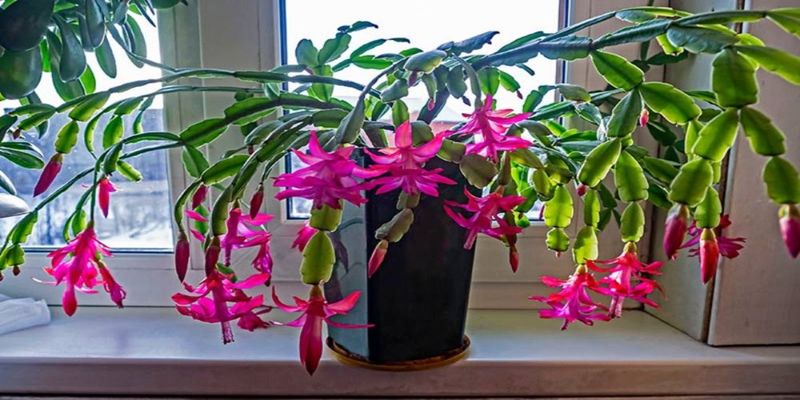
Arizona’s December nights can surprise newcomers with temperatures that occasionally dip below freezing.
Cold air infiltration around windows and doors creates invisible drafts that harm tropical plants like Christmas cacti.
Your plant may sit in a room that feels warm overall while experiencing localized cold spots near leaky areas.
Christmas cacti originated in warm Brazilian forests and have zero tolerance for cold air exposure.
Even brief contact with cold drafts causes segments to become limp and discolored.
Window glass itself becomes cold on winter nights and can chill plants positioned too close to the panes.
Maintain at least a few inches of space between your Christmas cactus foliage and any window surface.
Entry doors that open frequently during holiday gatherings let in bursts of cold air that stress nearby plants.
Temporarily relocate your Christmas cactus to a more protected spot if you’re hosting parties or expecting lots of visitors.
Curtains or blinds provide insulation barriers that protect plants from cold window glass overnight.
Arizona homeowners in higher elevation areas like Flagstaff or Prescott need to be especially vigilant about cold protection.
A stable, draft-free environment helps your Christmas cactus maintain those beautiful blooms throughout the entire holiday season without stress-related problems.
11. Avoid Touching Or Handling Buds And Flowers
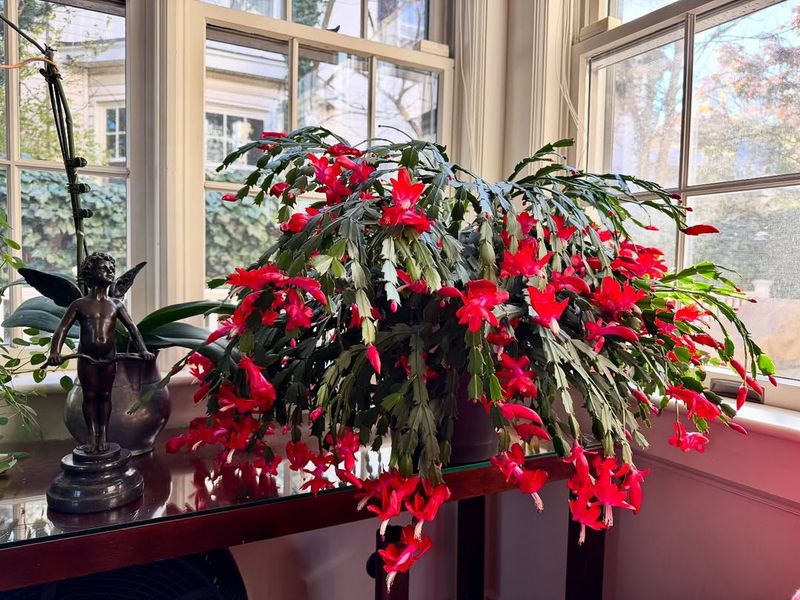
Curiosity often tempts us to touch those fascinating buds and delicate flowers developing on our Christmas cacti.
Children and pets may also find the dangling blooms irresistible to poke or bat at playfully.
Christmas cactus flowers are surprisingly fragile despite their exotic appearance and vibrant colors.
Handling buds or blooms transfers oils from your skin and can damage delicate tissues.
Even gentle touching may cause premature bud drop or shortened bloom duration once flowers open.
The connection points where flowers attach to stem segments are particularly vulnerable to disturbance.
Position your Christmas cactus where it can be admired visually but remains out of reach of curious hands and paws.
Higher shelves or plant stands work well for keeping flowers safe from accidental contact.
Teach children to appreciate the beauty without touching, explaining how delicate the flowers are.
Cats sometimes chew on houseplants, so consider placement carefully if you have feline family members.
Christmas cactus isn’t toxic to pets, but nibbling damages the plant and may upset sensitive stomachs.
Admiring from a distance allows your plant to put on its best show without interference or stress.
The hands-off approach results in longer-lasting blooms that stay vibrant throughout December and sometimes into January.
12. Prepare For Post-Bloom Care In Late December
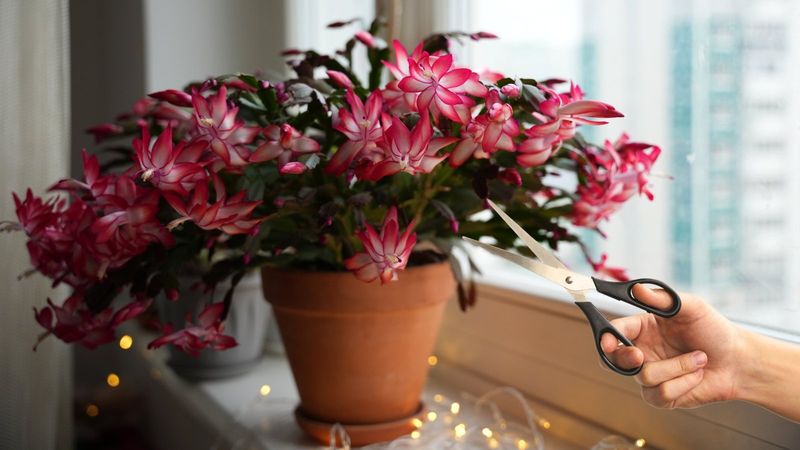
Planning ahead helps your Christmas cactus transition smoothly from its spectacular blooming phase into the rest period that follows.
Late December brings the natural end of the flowering cycle as blooms fade and drop from the stem segments.
Your plant needs a brief rest period after expending so much energy on flower production.
Reduce watering slightly once the last flowers finish, allowing the soil to dry a bit more between waterings.
Continue providing bright indirect light and stable temperatures while the plant recuperates from blooming.
Remove spent flowers gently if they don’t drop on their own to keep your plant looking tidy.
This rest period typically lasts four to six weeks before new growth emerges in late winter.
Arizona homeowners can use this time to assess whether their Christmas cactus needs repotting or fresh soil.
Plants that have outgrown their containers or show roots emerging from drainage holes benefit from moving up one pot size.
Late winter repotting gives your Christmas cactus time to establish in new soil before next year’s blooming cycle begins.
Resume regular fertilization once you see new growth appearing at the tips of the stem segments.
Proper post-bloom care sets the foundation for another spectacular flowering display next December when the holidays roll around again.