8 Christmas Cactus Care Tips For Post-Bloom Health In Pennsylvania
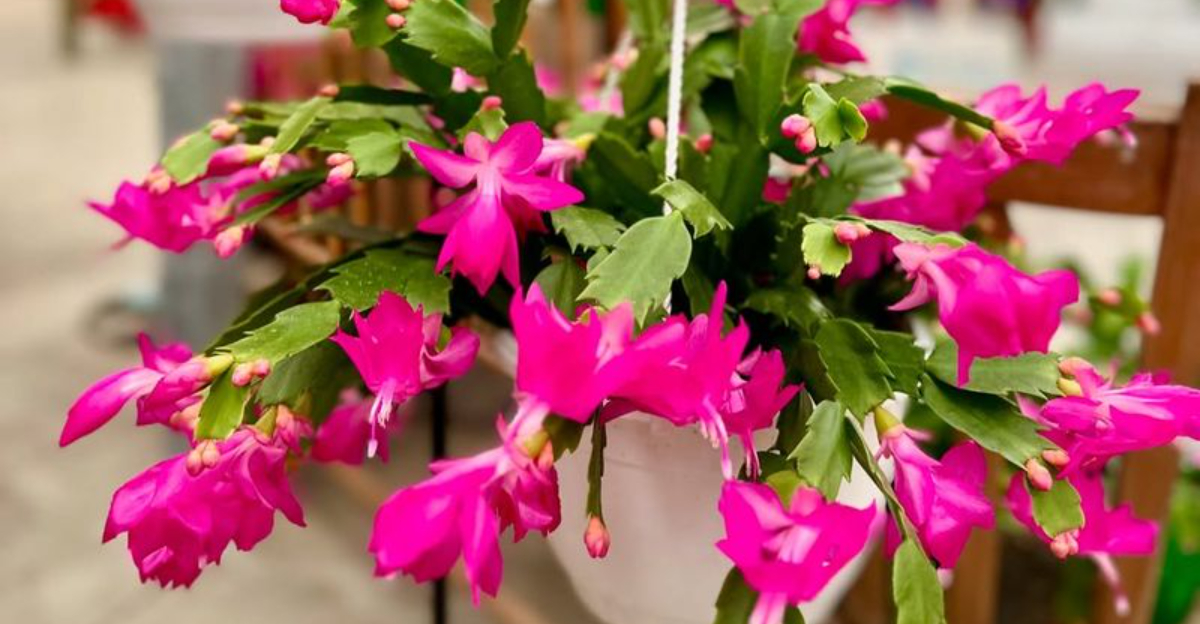
After the bright holiday blooms drop from your Christmas cactus, it’s easy to move on and forget about it.
In Pennsylvania, though, this quiet period is when your plant needs attention the most.
The flowers may be gone, but the work behind the scenes is just getting started.
Cold weather, dry indoor heat, and limited daylight can take a toll if the plant is left on autopilot.
A little care now can help your cactus bounce back, stay strong, and avoid common problems like limp leaves or skipped blooms next year.
Many people assume a Christmas cactus can be treated like any other houseplant once winter passes.
That’s where things can go off track. Small changes in watering habits, light exposure, and temperature can make a world of difference.
Think of this stage as recovery time, not downtime.
Giving your cactus the right conditions now helps it store energy and stay on track for future growth.
With steady care, you’ll be setting the stage for healthier plants and better blooms when the holidays roll around again.
1. Reduce Watering Frequency After Flowering Ends
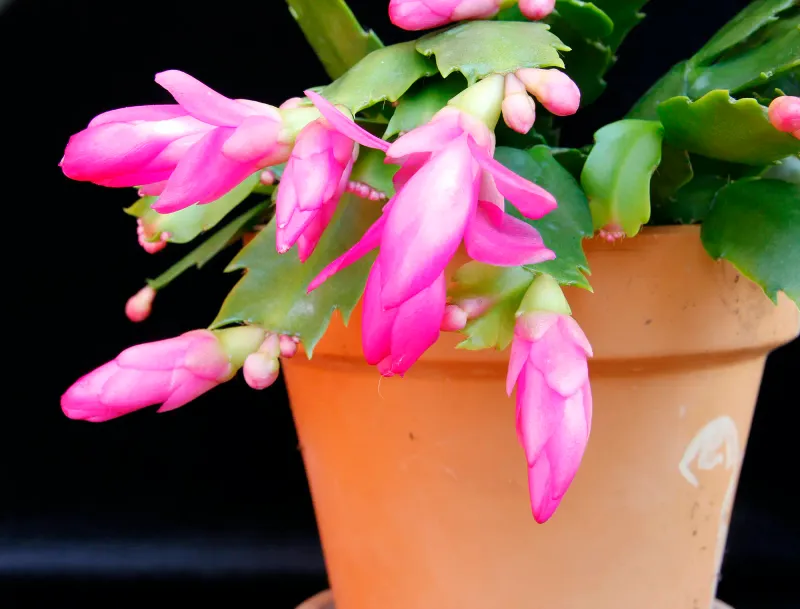
Once your Christmas cactus finishes blooming, it enters a rest period where growth slows down considerably.
During this time, the plant needs far less moisture than it did while producing those gorgeous flowers.
Overwatering becomes a serious risk because the roots can’t absorb water as quickly when the plant isn’t actively growing.
Pennsylvania homes often have dry indoor air during winter, which might trick you into watering too often.
Check the soil by poking your finger about an inch deep before adding any water.
If it feels damp, wait a few more days.
Most Christmas cacti only need watering every two to three weeks during their rest phase.
The segments might look slightly wrinkled when truly thirsty, giving you a visual cue.
Room temperature water works best since cold water can shock the roots.
Always pour excess water out of saucers beneath pots to prevent root rot.
This simple adjustment protects your plant from the most common post-bloom problem.
Proper watering habits now set the foundation for vigorous growth when spring arrives.
2. Move Your Plant Away From Heat Sources
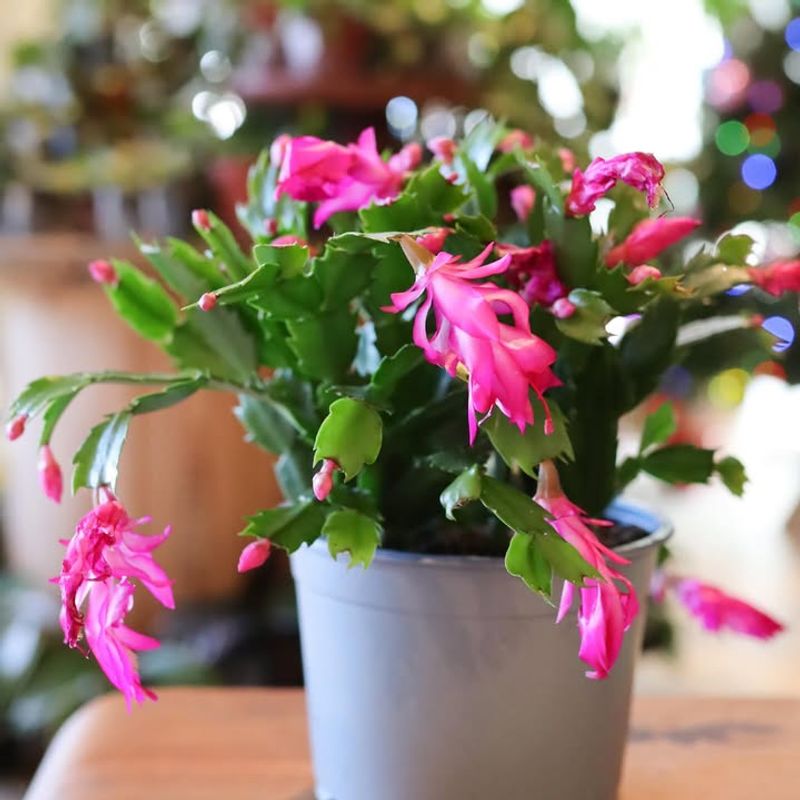
Pennsylvania winters mean cranking up the heat, but radiators and vents create harsh conditions for tropical plants.
Direct heat causes the air around your Christmas cactus to become extremely dry.
The segments shrivel and turn reddish when exposed to constant warmth and low humidity.
Heating systems also create temperature swings that stress the plant throughout the day and night.
Find a spot at least three feet away from any heat source to give your cactus stable conditions.
East or west-facing windows work wonderfully because they provide bright indirect light without the intensity of southern exposure.
Cooler room temperatures between 60 and 68 degrees Fahrenheit actually benefit the plant during its rest period.
Basements with windows or unheated sunrooms can be ideal if temperatures stay above 50 degrees.
You might notice improved segment color and firmness within just a week of relocating your plant.
Avoid placing it near fireplaces or wood stoves as well.
The goal is consistent, moderate temperatures rather than tropical warmth.
This change alone can transform a struggling plant into a thriving one.
3. Provide Adequate Humidity In Dry Indoor Air
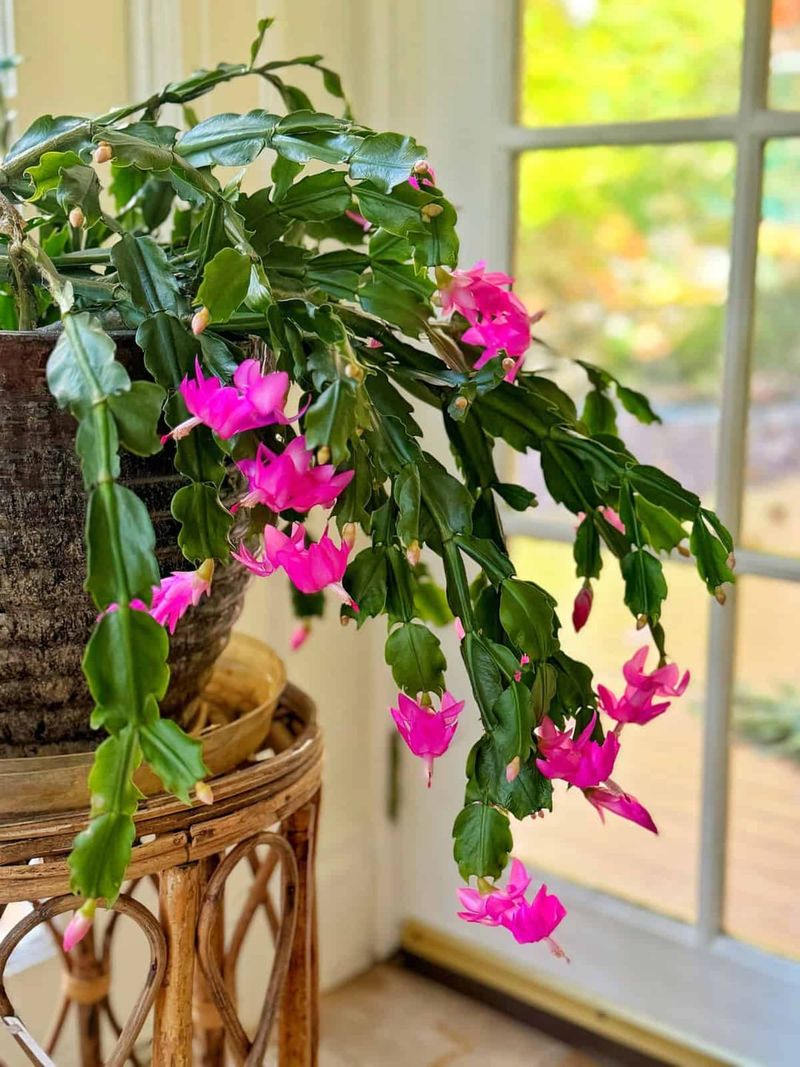
Indoor humidity in Pennsylvania homes can drop below 20 percent during heating season, which is far too dry for Christmas cacti.
Native to Brazilian rainforests, your plant naturally craves moisture in the air around its leaves.
Low humidity causes segment tips to brown and the entire plant to look stressed and shriveled.
Creating a humidity tray takes just minutes and makes a tremendous difference.
Fill a shallow dish with pebbles or small stones, add water until it nearly reaches the top of the stones, then set your pot on top.
The water evaporates around the plant without soaking the roots.
Grouping several houseplants together also raises humidity through their combined transpiration.
Misting the segments every few days provides temporary relief but isn’t a complete solution.
Small room humidifiers work exceptionally well if you have multiple tropical plants.
Bathrooms with windows offer naturally higher humidity if they receive enough light.
Aim for humidity levels between 40 and 60 percent for optimal health.
Your Christmas cactus will reward you with plump, vibrant segments when the air stays comfortably moist.
4. Trim Damaged Or Wilted Segments Carefully
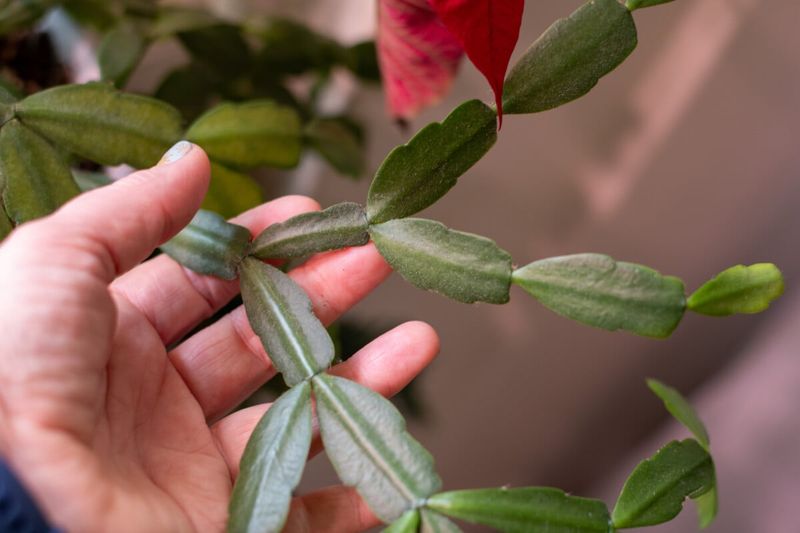
Post-bloom is the perfect time to remove any segments that look unhealthy or damaged from the flowering process.
Pruning encourages bushier growth and prevents the plant from wasting energy on struggling parts.
Look for segments that appear shriveled, discolored, or mushy to the touch.
Use clean scissors or pruning shears to make cuts at the natural joints between segments.
Never tear or rip the segments because rough edges invite disease and pests.
You can also shape your plant by removing overly long stems that make it look leggy or unbalanced.
Each cut you make actually stimulates new growth from that point, creating a fuller appearance over time.
Save healthy segments you remove because they root easily in moist potting mix to create new plants.
Wipe your cutting tools with rubbing alcohol between cuts to prevent spreading any potential problems.
Avoid removing more than one-third of the plant at once, which can shock it too severely.
Light pruning keeps your Christmas cactus compact and attractive.
The plant recovers quickly from careful trimming and often looks better than before.
5. Skip Fertilizing During The Rest Period
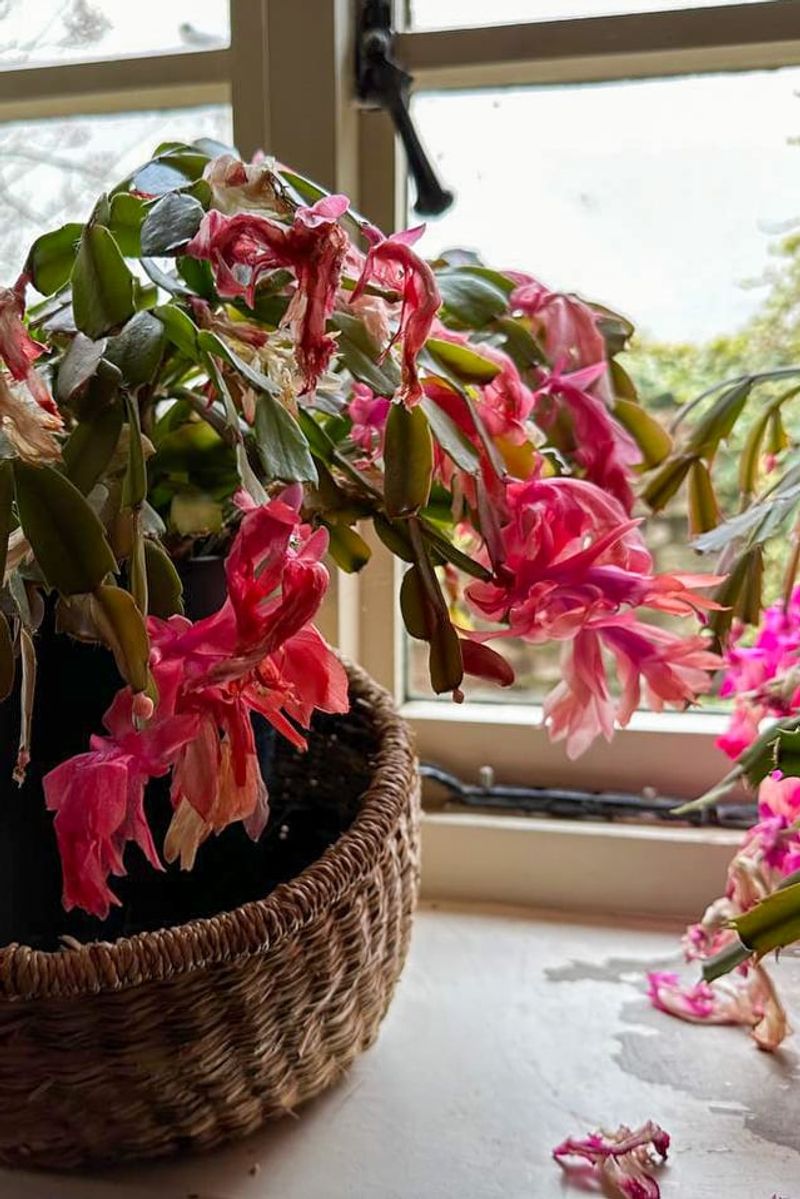
Many gardeners make the mistake of feeding their Christmas cactus immediately after blooming ends.
Plants need a break from fertilizer during their natural rest cycle, just like they need less water.
Adding nutrients when the plant isn’t actively growing can actually harm the roots and cause salt buildup in the soil.
Pennsylvania tap water often contains minerals that accumulate over time, making extra fertilizer even more problematic.
Your cactus will show signs of fertilizer burn through browning leaf tips and stunted growth if overfed.
Wait until you see new growth emerging from the segment tips in early spring before resuming any feeding schedule.
When you do start again, use a balanced houseplant fertilizer diluted to half the recommended strength.
Monthly feeding from spring through early fall provides all the nutrition your plant needs.
Stop fertilizing again by late September to encourage bud formation for the next blooming cycle.
This natural rhythm mimics what the plant experiences in its native habitat.
Patience with fertilizer pays off in stronger, healthier growth.
Your Christmas cactus knows when it needs food and when it needs rest.
6. Monitor For Common Pests In Winter Conditions
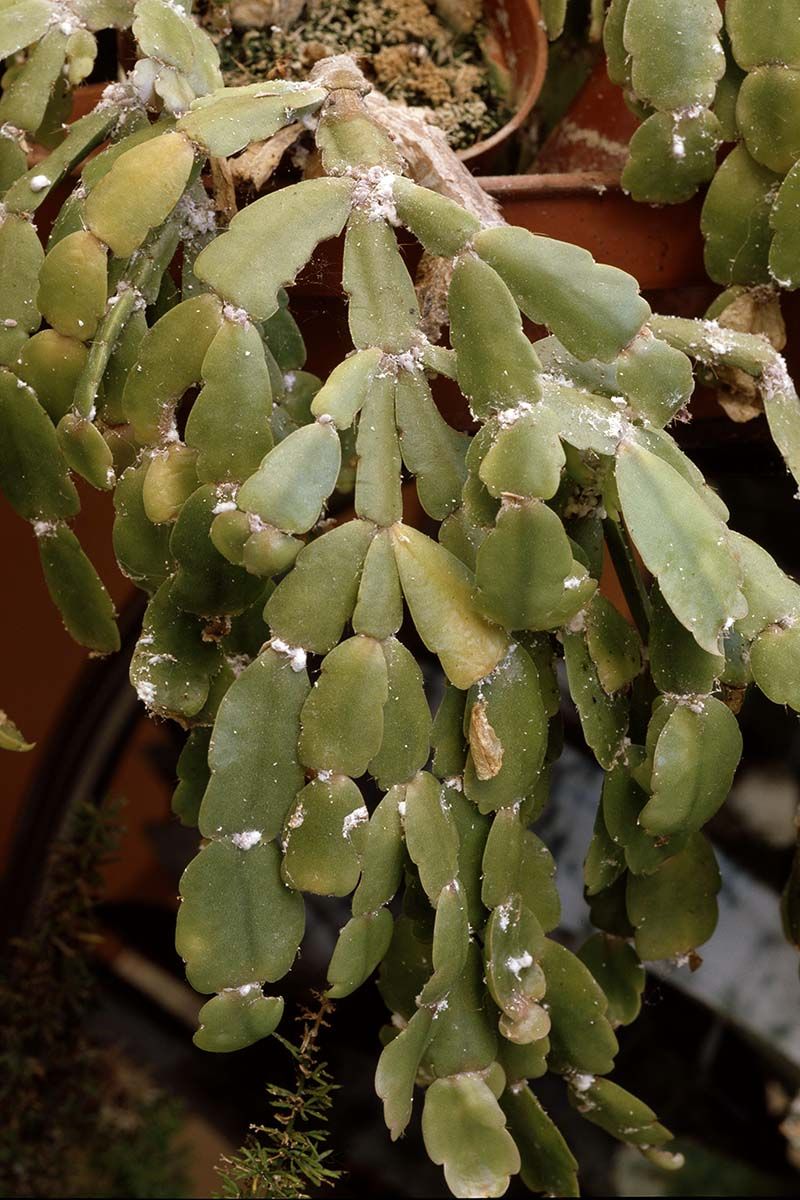
Stressed plants become magnets for pests, and the post-bloom period can leave your Christmas cactus vulnerable.
Spider mites thrive in the dry indoor air common throughout Pennsylvania winters.
You might notice fine webbing between segments or tiny moving specks on the undersides of leaves.
Mealybugs appear as white cottony masses in the joints between segments and along stems.
Scale insects look like small brown bumps that don’t move but suck sap from the plant.
Inspect your cactus weekly by checking both sides of segments and the joints where they connect.
Early detection makes treatment much easier and more effective.
Isolate any infested plant immediately to protect other houseplants from contamination.
Wipe away pests with cotton swabs dipped in rubbing alcohol for small infestations.
Insecticidal soap sprays work well for larger problems without harsh chemicals.
Increasing humidity often discourages spider mites naturally.
Healthy plants resist pests better, so proper watering and placement remain your best prevention strategies.
Vigilance now prevents major headaches later when pests multiply rapidly.
7. Maintain Consistent Light Exposure Throughout Winter
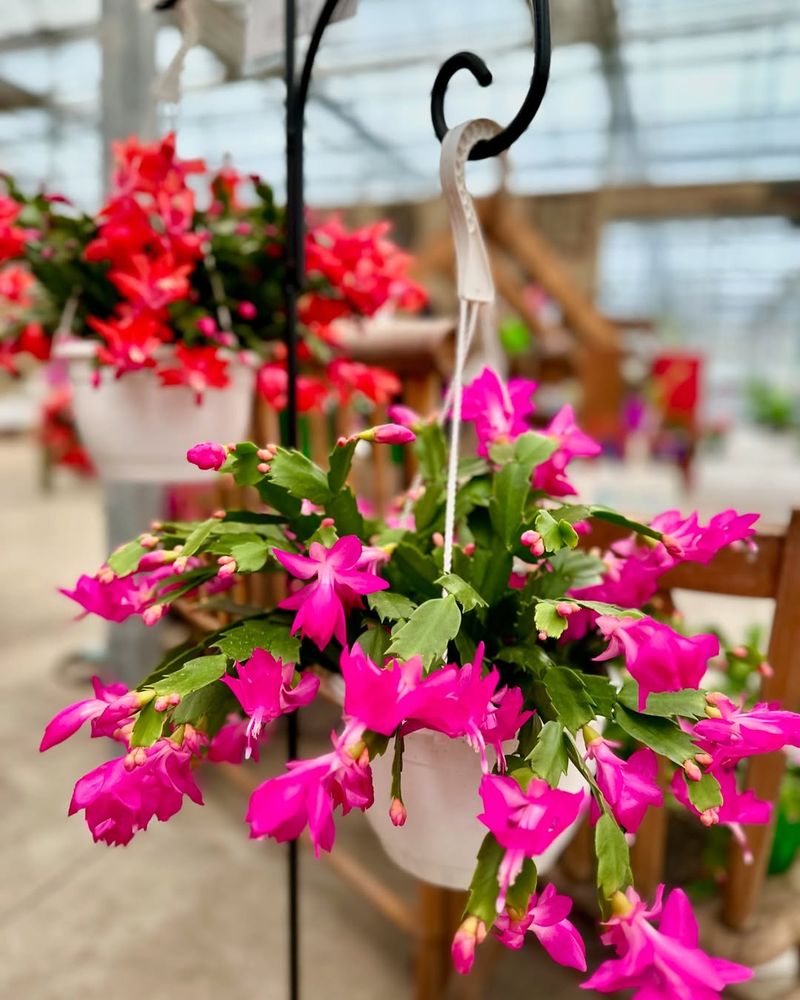
Shorter winter days in Pennsylvania mean your Christmas cactus receives less natural light than during other seasons.
The plant still needs bright, indirect light to maintain healthy segments and prepare for future growth.
Too little light causes segments to become thin, pale, and elongated as they stretch toward available illumination.
South-facing windows provide the strongest winter light but can be too intense during sunny days.
Sheer curtains filter harsh rays while still allowing plenty of brightness to reach your plant.
East or west windows offer gentler light that works beautifully for Christmas cacti year-round.
Rotate your pot a quarter turn every week so all sides receive equal exposure.
Uneven light creates lopsided growth that makes the plant look unbalanced and awkward.
Supplemental grow lights can help if your home lacks adequate natural light.
Place LED grow lights about 12 inches above the plant for 12 to 14 hours daily.
Avoid moving the plant frequently between light conditions because sudden changes cause stress.
Consistent lighting keeps segments firm and green throughout the rest period.
8. Repot Only If Absolutely Necessary This Season
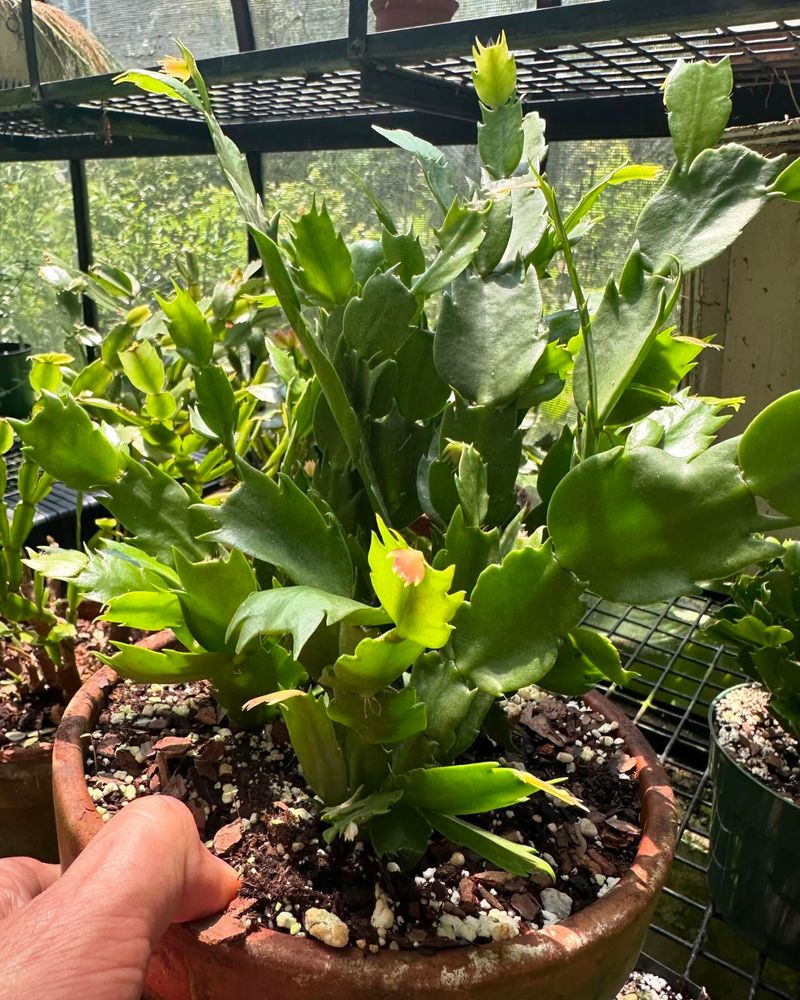
Christmas cacti actually prefer slightly crowded root conditions and bloom better when somewhat pot-bound.
The post-bloom rest period is not the ideal time for repotting because the plant isn’t actively growing.
Disturbing roots during dormancy can shock the plant and delay its recovery for the next growing season.
Only repot if roots are growing out of drainage holes or the plant has become extremely top-heavy and unstable.
Wait until early spring when you see new growth emerging for the best repotting results.
Choose a pot only one size larger than the current container because too much soil stays wet and promotes root rot.
Use a well-draining potting mix designed for cacti and succulents rather than regular potting soil.
Pennsylvania garden centers carry excellent cactus mixes, or you can make your own with equal parts potting soil, perlite, and coarse sand.
Handle the root ball gently and avoid breaking apart healthy roots unnecessarily.
Water lightly after repotting and wait several days before watering again.
Most Christmas cacti only need repotting every three to four years.
Patience with repotting protects your plant from unnecessary stress during its vulnerable rest phase.