8 Christmas Cactus Care Tips To Keep It Thriving After Blooming In Illinois
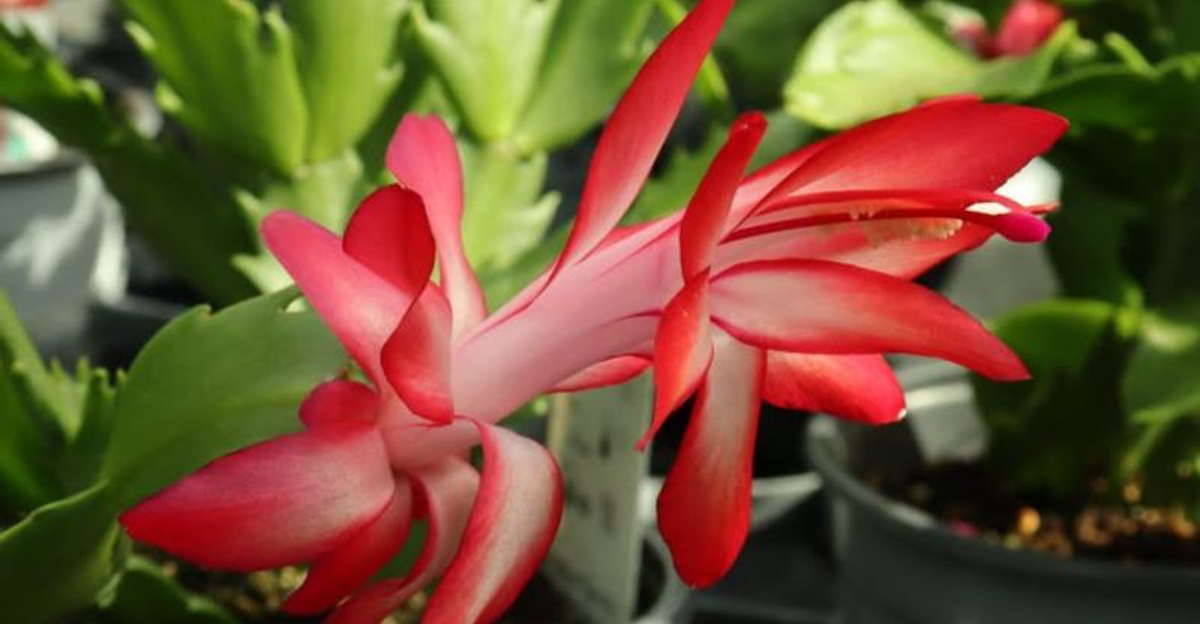
Your Christmas cactus just finished putting on its spectacular winter show, and now you might be wondering what comes next.
These beloved houseplants need special attention after their blooming period to stay healthy and prepare for next year’s display.
Illinois gardeners face unique challenges with indoor plant care during our changing seasons, making proper post-bloom care essential.
Follow these proven strategies to keep your Christmas cactus happy and thriving long after the last flower fades.
1. Adjust Your Watering Schedule For Winter Dormancy
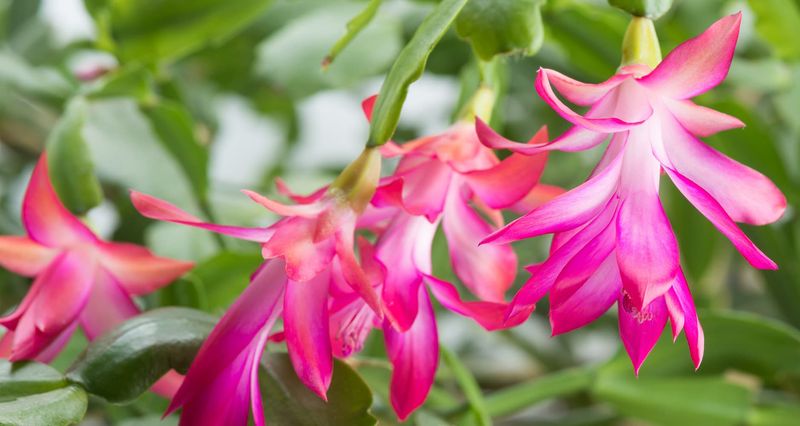
Once the flowers drop off, your Christmas cactus enters a rest period that requires less moisture than during its blooming phase.
Many Illinois plant owners make the mistake of continuing their regular watering routine, which can lead to root problems and unhealthy growth.
During this dormant time, allow the top inch of soil to become completely dry before adding more water.
Your cactus is conserving energy and doesn’t need as much hydration as it did while producing those beautiful blooms.
Check the soil with your finger rather than following a strict schedule since indoor heating can affect how quickly moisture evaporates.
When you do water, make sure it drains completely through the pot and never let your plant sit in standing water.
Illinois winters mean dry indoor air from heating systems, but overcompensating with too much water causes more harm than good.
A light watering every two to three weeks usually works well during the rest period.
Watch your plant’s segments for signs of shriveling, which indicates it needs a drink, or yellowing, which suggests too much moisture.
This careful balance helps your Christmas cactus build strength for its next blooming cycle.
2. Provide Bright Indirect Light Throughout The Day
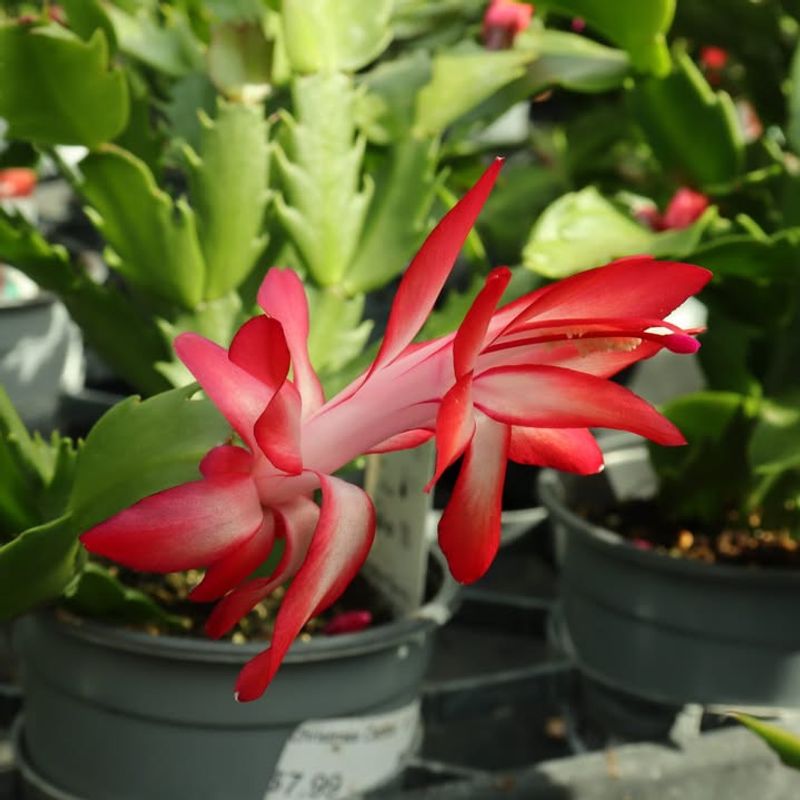
Light requirements shift after blooming, but your Christmas cactus still craves plenty of bright, filtered sunshine to maintain its health.
Position your plant near an east or west-facing window where it receives several hours of gentle morning or afternoon rays.
Direct sunlight streaming through south-facing windows during Illinois winters can actually scorch the leaf segments, causing them to turn reddish or pale.
Sheer curtains work wonderfully to diffuse intense light while still providing the brightness your cactus needs for photosynthesis.
North-facing windows typically don’t offer enough illumination during our shorter winter days, which can weaken the plant over time.
Your Christmas cactus uses this post-bloom period to gather energy and produce new growth segments that will eventually hold next year’s flowers.
Rotating your plant every few weeks ensures all sides receive equal light exposure and helps it maintain a balanced, attractive shape.
If you notice the segments becoming thin or the plant leaning heavily toward the window, it’s asking for better light conditions.
Supplemental grow lights can help during particularly cloudy Illinois winters when natural light is limited.
Remember that consistent lighting helps your cactus establish a healthy rhythm for future blooming cycles.
3. Maintain Comfortable Temperature Ranges Indoors
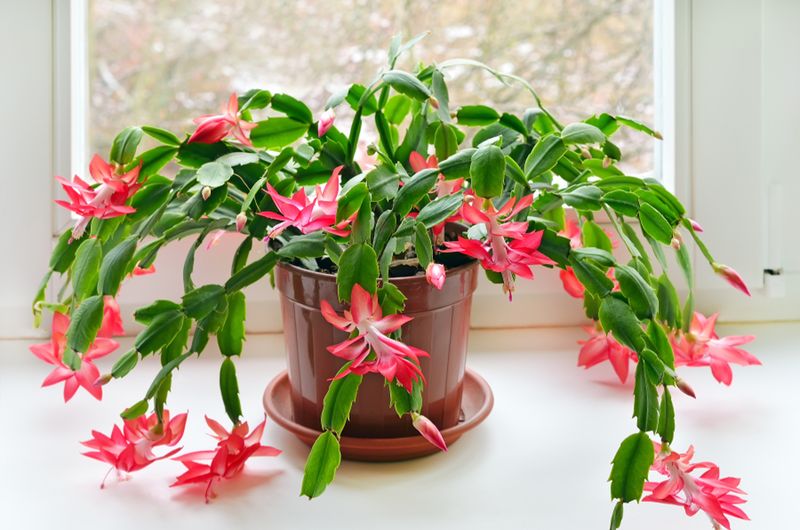
Temperature plays a surprisingly important role in keeping your Christmas cactus content during its recovery phase after blooming.
These tropical natives prefer daytime temperatures between 65 and 75 degrees Fahrenheit, which matches most Illinois home settings perfectly.
Nighttime temperatures can drop slightly to around 55 to 65 degrees without causing stress to your plant.
Avoid placing your cactus near heating vents, radiators, or fireplaces where sudden temperature spikes can shock the plant and cause segment drop.
Cold drafts from windows or doors during harsh Illinois winters can be equally harmful, potentially damaging the tender segments.
Your Christmas cactus appreciates stable conditions rather than wild fluctuations between hot and cold throughout the day.
If you keep your home cooler to save on heating bills, your plant will adapt as long as temperatures don’t regularly dip below 50 degrees.
Bathrooms and kitchens often provide ideal temperature stability along with humidity, making them excellent locations for your cactus.
Watch for signs of temperature stress like segment wrinkling or sudden dropping of healthy-looking leaves.
Consistent, moderate temperatures help your Christmas cactus focus its energy on root development and new growth rather than survival.
4. Skip Fertilizing During The Rest Period
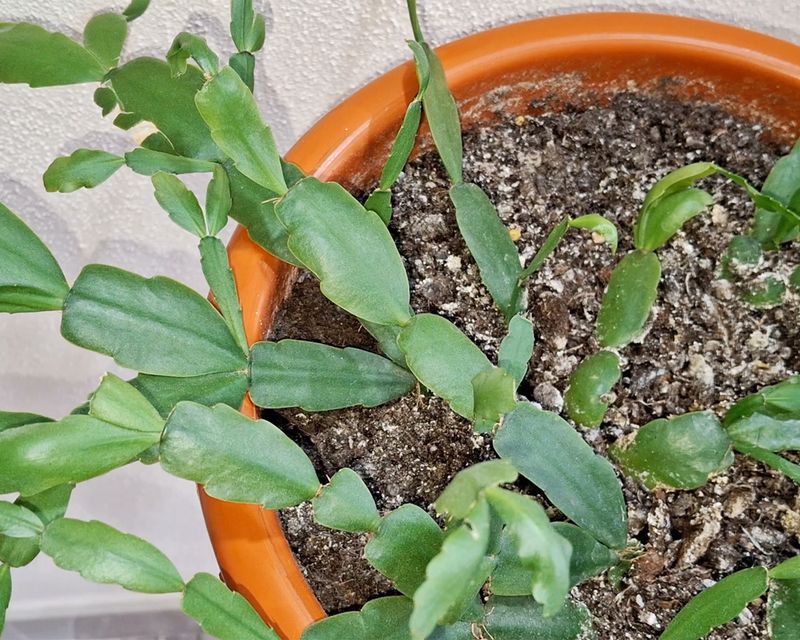
After your Christmas cactus finishes blooming, it needs a break from fertilizer just like it needs less water.
Many enthusiastic gardeners want to immediately feed their plants to reward them for their beautiful display, but this approach backfires.
Your cactus enters a natural rest phase where it focuses on recovery rather than active growth, and added nutrients can actually stress the plant.
Think of it like trying to run a marathon right after finishing another race without proper rest in between.
Wait until you notice new growth emerging from the tips of the segments, usually around late winter or early spring in Illinois.
This signals that your plant is ready to resume active growing and can benefit from nutritional support again.
When you do restart feeding, use a balanced, water-soluble fertilizer diluted to half the recommended strength.
Monthly applications during the growing season provide plenty of nutrients without overwhelming the plant’s system.
Too much fertilizer causes salt buildup in the soil, which damages roots and prevents proper water absorption.
If you accidentally fertilized right after blooming, flush the soil thoroughly with plain water to remove excess nutrients and start the rest period properly.
5. Increase Humidity Levels Around Your Plant
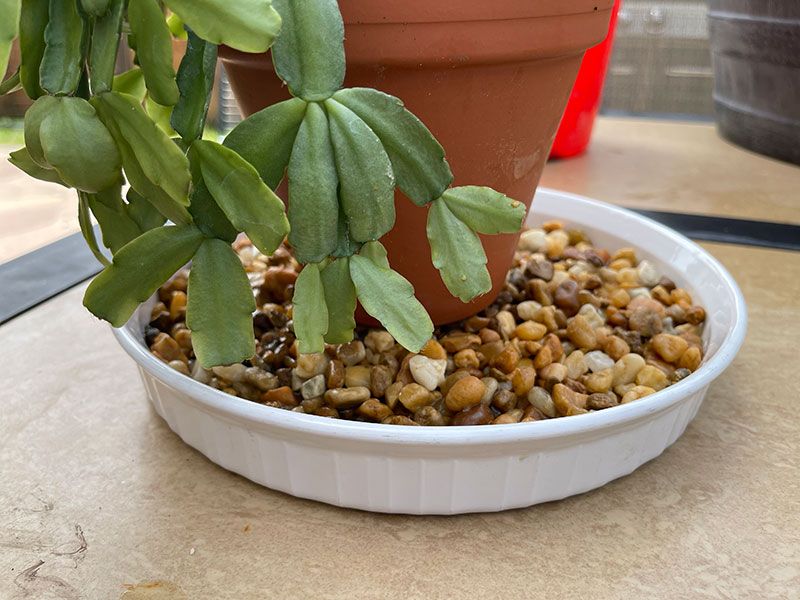
Illinois winters bring notoriously dry indoor air thanks to constant heating, which can stress your Christmas cactus even after blooming ends.
These plants originate from Brazilian rainforests where humidity levels stay much higher than our typical 20 to 30 percent indoor conditions.
Boosting moisture in the air around your cactus helps prevent segment shriveling and encourages healthy new growth during the recovery period.
A simple pebble tray filled with water and placed beneath the pot works wonders without requiring any special equipment.
Make sure the pot sits on the pebbles above the water line rather than directly in it to avoid root problems.
Small room humidifiers placed near your plant collection can benefit all your houseplants while making the air more comfortable for your family too.
Grouping several plants together creates a mini microclimate where they share moisture through transpiration, naturally increasing local humidity.
Misting sounds helpful but actually provides minimal benefit since the moisture evaporates quickly and can promote fungal issues if done excessively.
Bathrooms with windows make excellent homes for Christmas cacti since they naturally have higher humidity from showers and baths.
Proper humidity levels help your cactus maintain plump, healthy segments that will support abundant blooms next season.
6. Prune And Shape For Better Growth
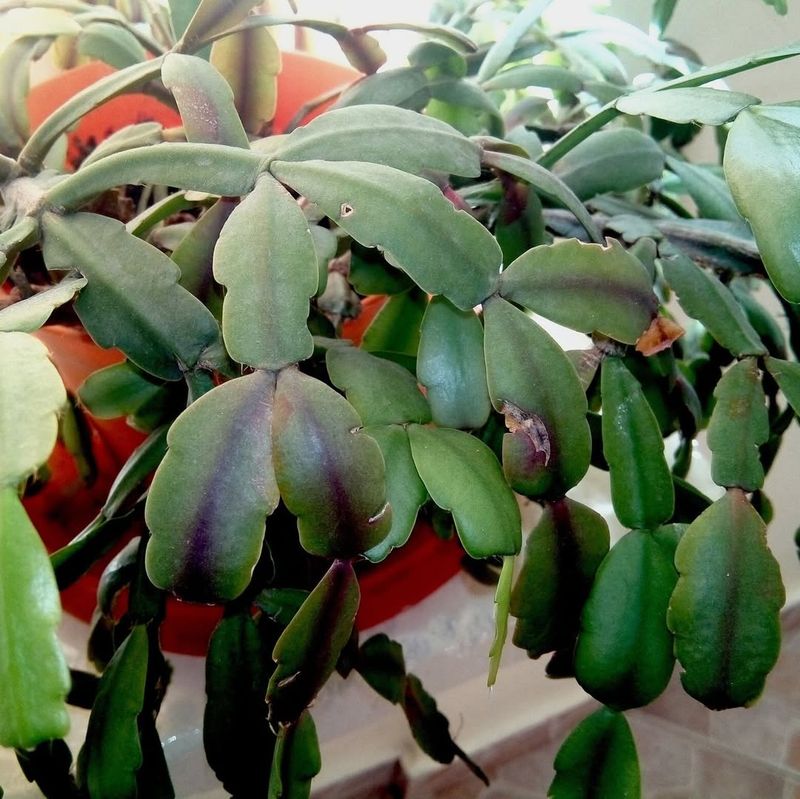
Right after blooming ends is the perfect time to shape your Christmas cactus and encourage bushier, more attractive growth.
Pruning might seem scary, but these resilient plants actually respond beautifully to thoughtful trimming that removes leggy or damaged segments.
Simply twist off individual segments at their natural joints rather than cutting them with scissors, which can leave jagged edges.
Focus on removing any segments that look shriveled, discolored, or damaged from the blooming period or earlier stress.
Taking off the top one or two segments from longer stems encourages the plant to branch out and create multiple growing points.
This branching habit results in a fuller, more compact plant with more potential bloom sites for next winter’s display.
Don’t worry about being too aggressive since Christmas cacti tolerate pruning well and quickly recover from even significant trimming.
The segments you remove can be propagated in soil to create new plants for yourself or to share with fellow Illinois gardening friends.
Aim for a balanced, rounded shape that looks attractive from all angles rather than a lopsided or stretched-out appearance.
Post-bloom pruning helps your cactus redirect energy into developing a strong structure rather than maintaining excessive, weak growth.
7. Watch For Common Pests And Problems
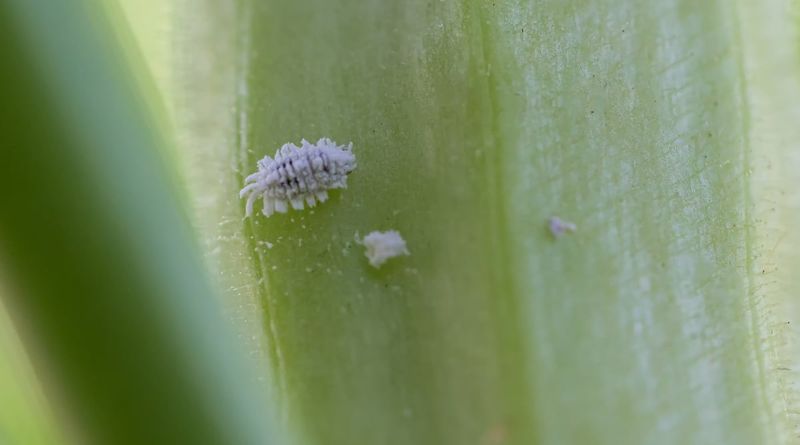
After blooming, your Christmas cactus may be slightly weakened and more vulnerable to pest invasions that can compromise its recovery.
Mealybugs love to hide in the joints between segments where they look like tiny bits of white cotton or fuzz.
These sap-sucking insects weaken your plant and can spread quickly to other houseplants in your Illinois home if left unchecked.
Scale insects appear as small brown bumps on the segments and can be mistaken for natural markings until you look closely.
Both pests are easily treated with rubbing alcohol applied directly to the affected areas using a cotton swab.
Spider mites sometimes appear when indoor air becomes too dry, creating fine webbing between segments and causing stippling damage.
Regular inspection of your Christmas cactus helps you catch problems early before they become serious infestations requiring aggressive treatment.
Isolate any affected plants immediately to prevent pests from spreading to your other houseplants.
Fungal issues can develop if the plant sits in soggy soil or receives poor air circulation around its segments.
Maintaining proper watering practices and adequate spacing between plants prevents most disease problems naturally without needing chemical interventions.
8. Repot Only When Necessary For Health
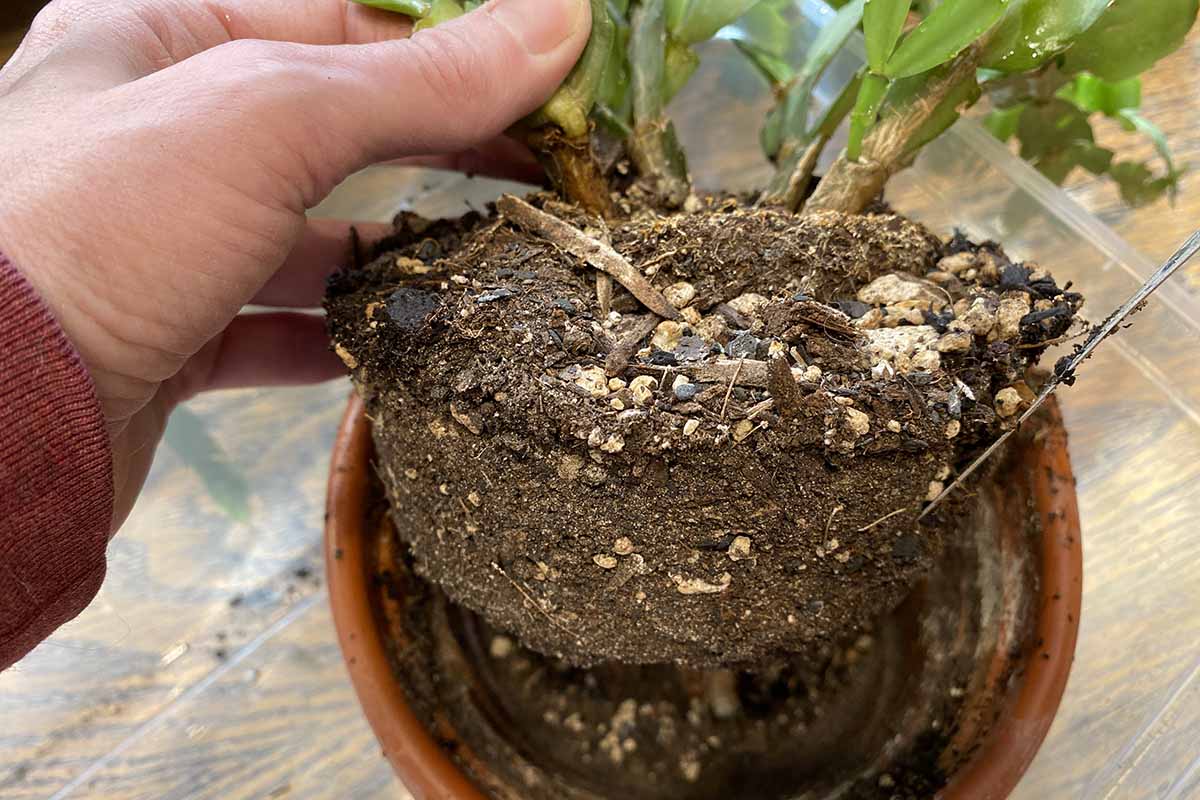
Christmas cacti actually prefer being slightly rootbound and don’t need frequent repotting like many other houseplants.
Check your plant every two to three years to see if roots are growing out of the drainage holes or circling tightly around the soil mass.
Late winter or early spring works best for repotting in Illinois since this timing aligns with the plant’s natural growth cycle resuming.
Choose a pot only one size larger than the current container since too much extra space leads to waterlogged soil and root problems.
Use a well-draining potting mix designed for cacti and succulents, or create your own by mixing regular potting soil with perlite or sand.
Gently loosen the roots when transferring to the new pot, but don’t worry if a few break since the plant recovers quickly.
Position your cactus at the same depth it was growing previously rather than burying it deeper, which can cause stem issues.
Water lightly after repotting and then wait a week before resuming your normal care routine to let the roots settle in.
Fresh soil provides renewed nutrients and better drainage, supporting vigorous growth as your plant exits its dormant period.
Most Christmas cacti can thrive in the same pot for several years if they receive proper care and regular fertilization during growing seasons.