Citrus Varieties Perfect For Southern California Backyards
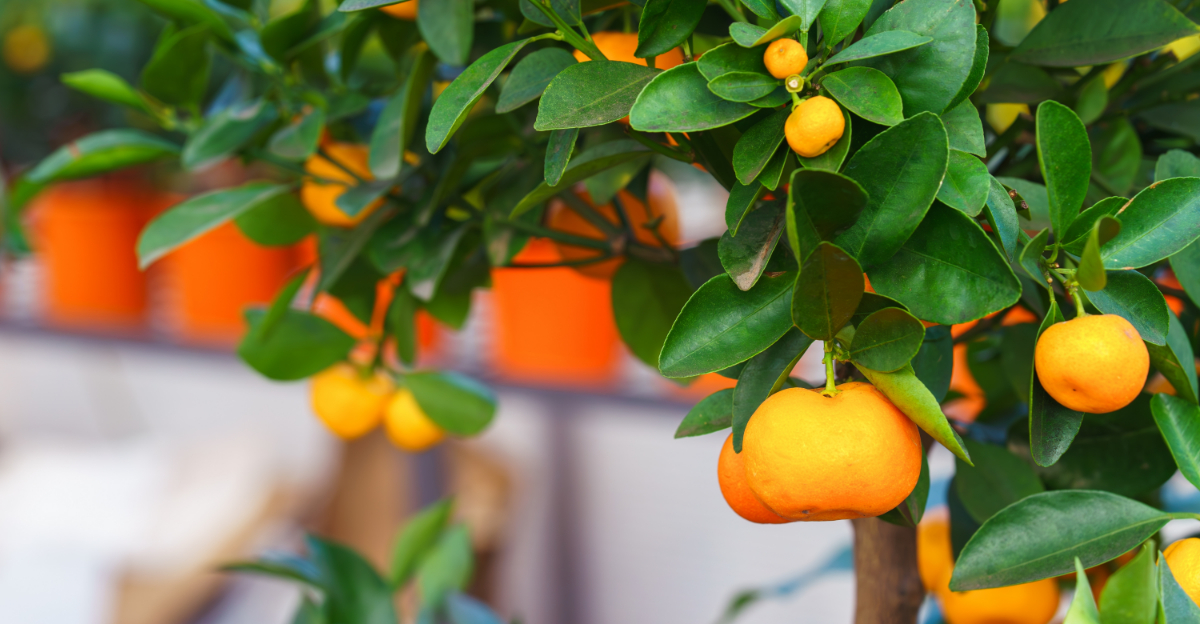
In Southern California, the sun warms the backyard early, and many gardeners are already dreaming of sweet, fragrant citrus hanging from small trees near patios and pathways.
There’s something comforting about the familiar scent of lemon or orange blossoms on a spring morning, and the thought of fresh fruit in reach brings smiles to anyone who loves homegrown flavors.
Choosing the right citrus variety is crucial for a backyard that looks beautiful and produces well.
Some thrive in pots on a sunny terrace, while others flourish in garden beds, each with unique flavors and aromas that make every meal or cocktail more special.
Planting the right variety now means enjoying vibrant leaves, fragrant blooms, and a harvest that feels both abundant and effortless. Your first steps in selecting trees could turn your outdoor space into a fragrant, sun-drenched paradise that lasts for years.
1. Meyer Lemon Bursting With Sweetness
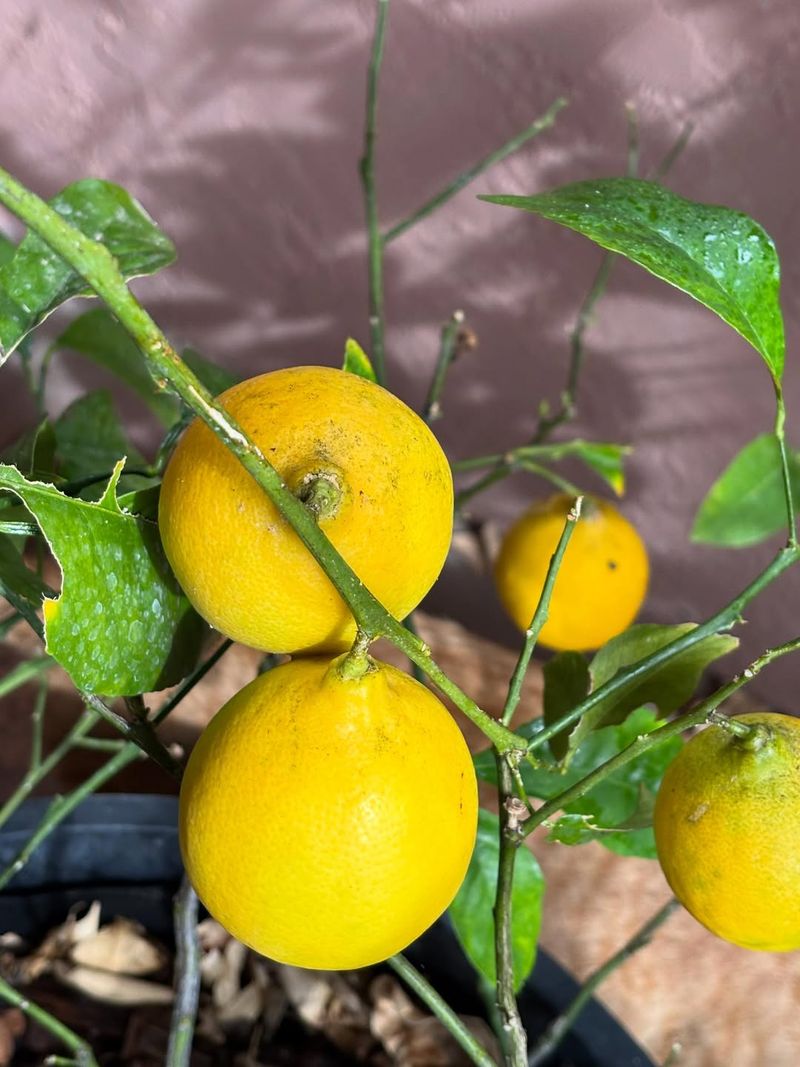
Ask any home gardener in Southern California what their favorite citrus tree is, and there is a good chance they will say the Meyer Lemon without hesitation. This popular variety is actually a hybrid between a citron and a mandarin, giving it a rounder shape and a sweeter, less sharp flavor than regular lemons.
The deep yellow skin often has a slight orange tint when fully ripe, making it easy to spot when harvest time arrives.
Meyer Lemons are incredibly versatile in the kitchen. You can use them in lemonade, salad dressings, baked goods, marinades, and so much more.
Because they are less acidic than standard lemons, even people who normally find lemons too sour tend to enjoy them. The trees are also compact and manageable, which makes them great for smaller Southern California yards or even large containers on a patio.
One fun fact about Meyer Lemons is that they were first brought to the United States from China in the early 1900s. With proper care, they may produce fruit most of the year, though actual timing depends on climate, variety, and growing conditions.
Regular watering, well-drained soil, and a sunny spot are really all this tree needs to keep delivering those golden, flavorful fruits season after season.
2. Persian Lime Bringing Zesty Flavor
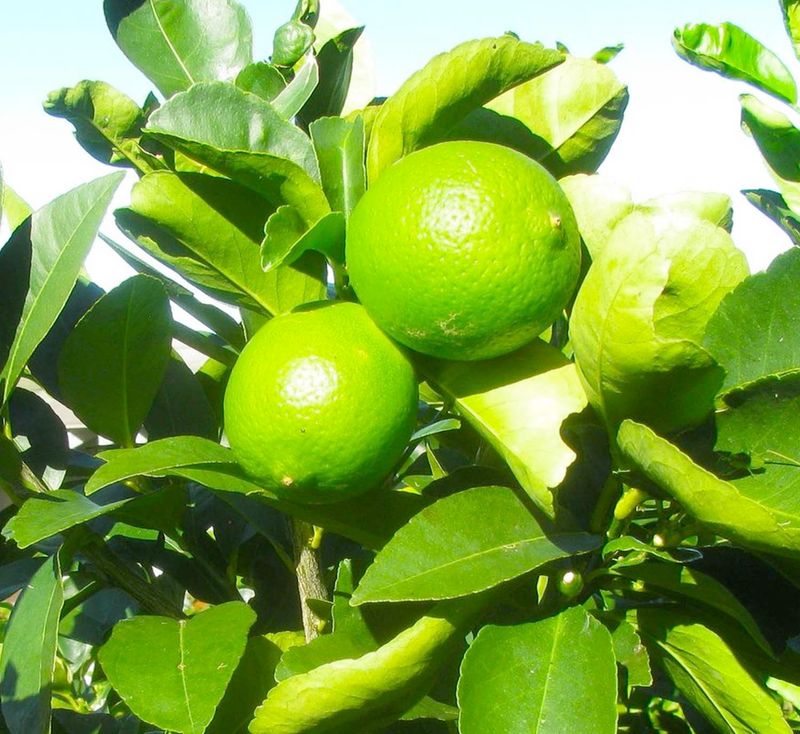
If you have ever squeezed a lime over tacos, stirred one into a cocktail, or added a splash to your water, there is a solid chance that lime was a Persian Lime. Also known as the Bearss Lime, this variety is the most widely grown lime in the United States, and for good reason.
It is seedless, juicy, and has that classic tangy flavor everyone loves. Best of all, it absolutely loves the heat that Southern California delivers so generously.
Persian Lime trees are vigorous growers that can reach a decent size, so give them plenty of room in your yard or opt for a dwarf version if space is limited. They can produce fruit throughout much of the year in warm climates, giving you a plentiful supply of fresh limes depending on conditions.
The trees are also relatively easy to care for, making them a solid choice for beginner gardeners in the region.
Unlike key limes, Persian Limes are nearly thornless and their larger fruit is easier to juice. They prefer full sun and regular watering, and they do best in well-drained soil.
Southern California’s dry, warm conditions suit this variety very well. Plant one near your kitchen door and you will always have fresh limes within arm’s reach whenever a recipe calls for that bright citrus punch.
3. Ruby Red Grapefruit Shining Bright
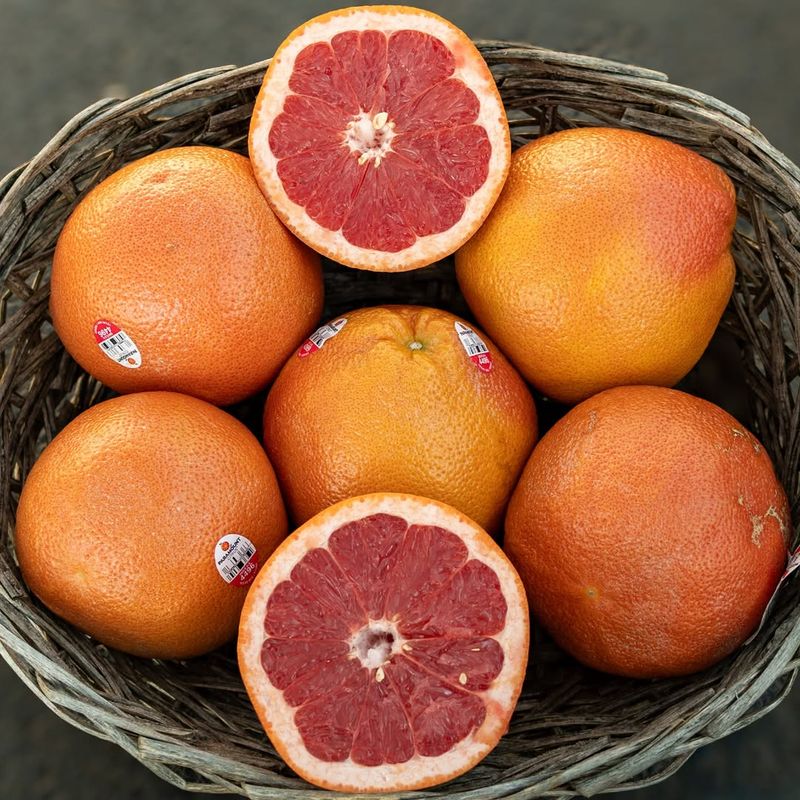
There is something almost magical about slicing open a Ruby Red Grapefruit and seeing that gorgeous pinkish-red flesh inside. This variety stands out from other grapefruits because it is noticeably sweeter and far less bitter, making it a favorite for fresh eating and morning juicing.
The skin has a lovely red blush on the outside that hints at the colorful surprise waiting inside. Southern California’s warm days and cool nights help bring out the best color and sweetness in this variety.
Ruby Red Grapefruit trees are medium to large in size, so they work best in yards where there is room to let them spread out a bit. They love full sun exposure and need consistent watering during dry spells, which is pretty common in Southern California.
Mulching around the base of the tree helps retain moisture and keeps roots cool during those hot summer months.
Did you know that Ruby Red Grapefruit was discovered as a natural mutation on a pink grapefruit tree in Texas back in 1929? It quickly became one of the most popular grapefruit varieties in the country.
Fruit typically ripens from late fall through winter, giving Southern California gardeners a delicious treat during the cooler months. Add one to your backyard and enjoy fresh, tangy-sweet grapefruit juice straight from the source.
4. Sweet Kumquat Packing Tiny Punch
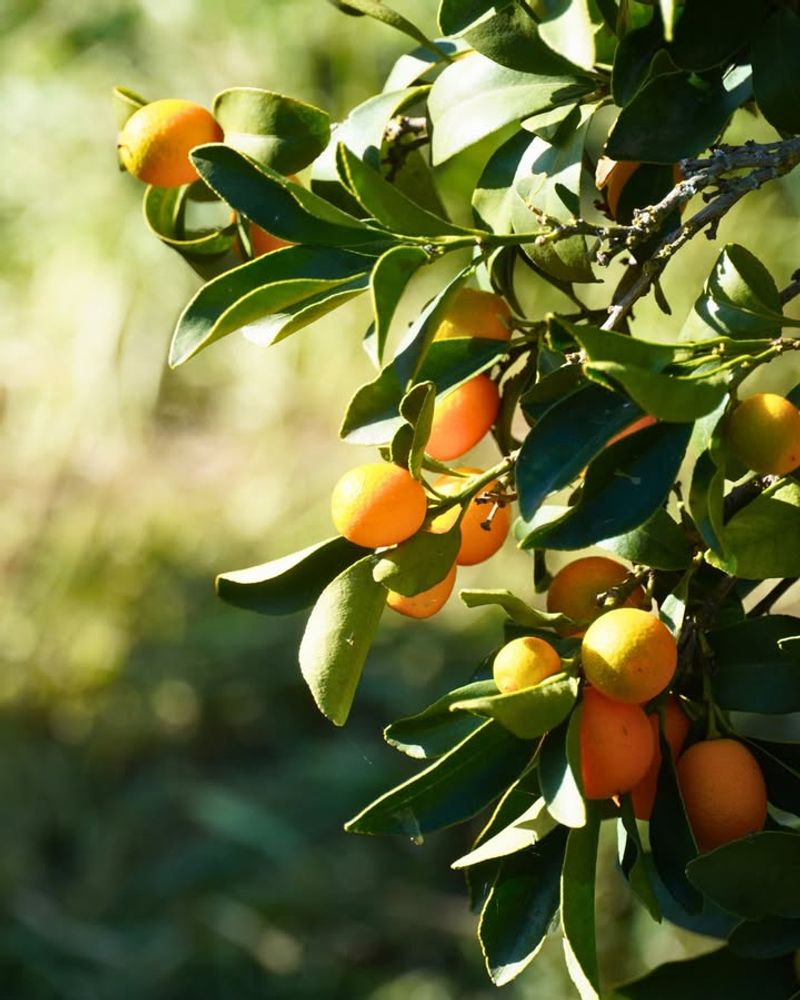
In the citrus world, kumquats are the little overachievers. Small in size but packed with bold flavor, Sweet Kumquats are unique because you eat the whole fruit, skin and all.
The rind is actually the sweet part, while the inside is slightly tart. This flavor combo is surprisingly addictive, and once you pop one in your mouth, it is hard to stop.
The Meiwa variety, often called the Sweet Kumquat, is especially popular in Southern California for its rounder shape and pleasantly sweet skin.
One of the biggest perks of growing Sweet Kumquats in Southern California is how compact these trees are. They rarely grow taller than eight to ten feet, and they can even thrive in large containers on a patio or balcony.
The trees are also quite cold-tolerant compared to other citrus varieties, making them a reliable choice even in areas of Southern California that occasionally see cooler winter temperatures.
Beyond fresh eating, Sweet Kumquats are fantastic for making marmalades, jellies, candied fruit, and cocktail garnishes. The trees can produce plentiful fruit from late fall through winter, and their glossy leaves and bright orange fruit make them attractive ornamental plants.
If you want a low-maintenance citrus tree that is as pretty as it is productive, the Sweet Kumquat belongs in your Southern California backyard.
5. Satsuma Orange Delivering Juicy Bliss
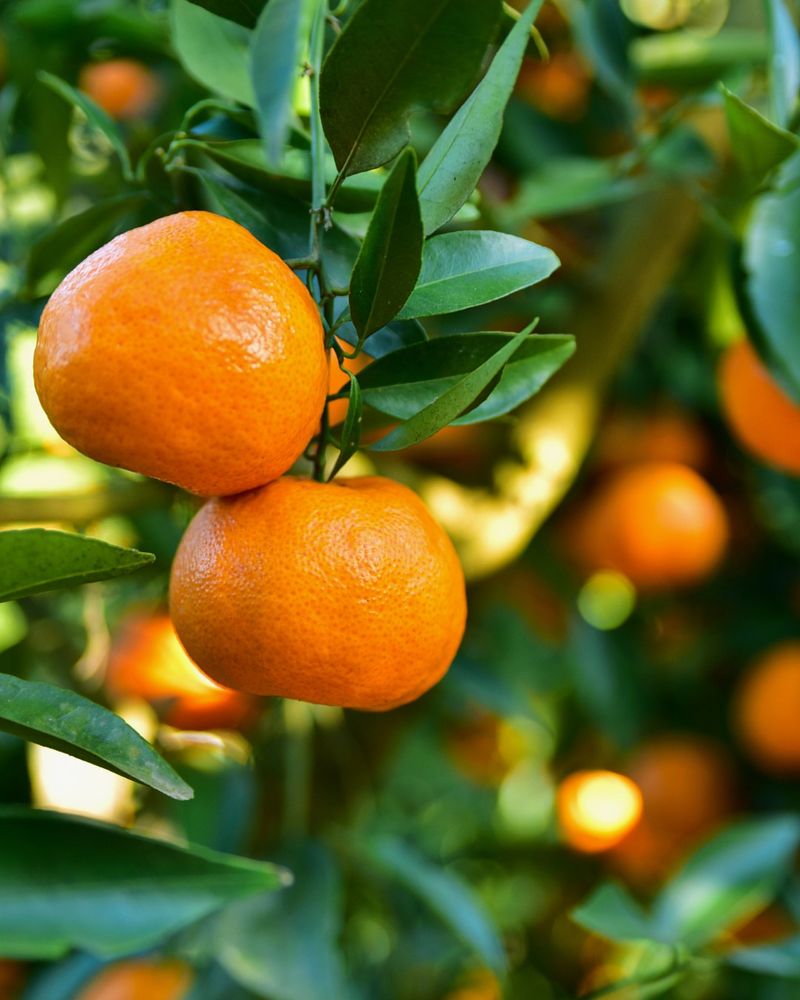
When October rolls around in Southern California and most fruit trees are winding down, the Satsuma Orange is just getting started. This early-ripening mandarin is one of the first citrus fruits ready for harvest each fall, making it a welcome treat after a long, hot summer.
Satsumas are completely seedless, incredibly easy to peel, and have a sweet, delicate flavor that kids and adults alike absolutely love. It is no surprise they are one of the most popular citrus trees among Southern California home gardeners.
Satsuma trees are compact and manageable, usually staying under ten feet tall, which makes them a great fit for smaller backyards. They are generally cold-hardy among mandarins, which can help during the occasional chilly nights Southern California experiences in late fall and winter.
Give them a spot with full sun and well-drained soil, and they will reward you generously.
One thing that sets Satsumas apart from other mandarins is the texture of their skin. It is slightly puffy and loose, which makes peeling feel almost effortless.
The segments separate cleanly and are rarely stringy, giving you a clean, refreshing snack every single time. For families with young children, Satsuma Oranges are especially popular because little hands can peel them easily without any help.
Plant one and enjoy fresh fruit from your own Southern California yard starting in early fall.
6. Navel Orange Stealing The Spotlight
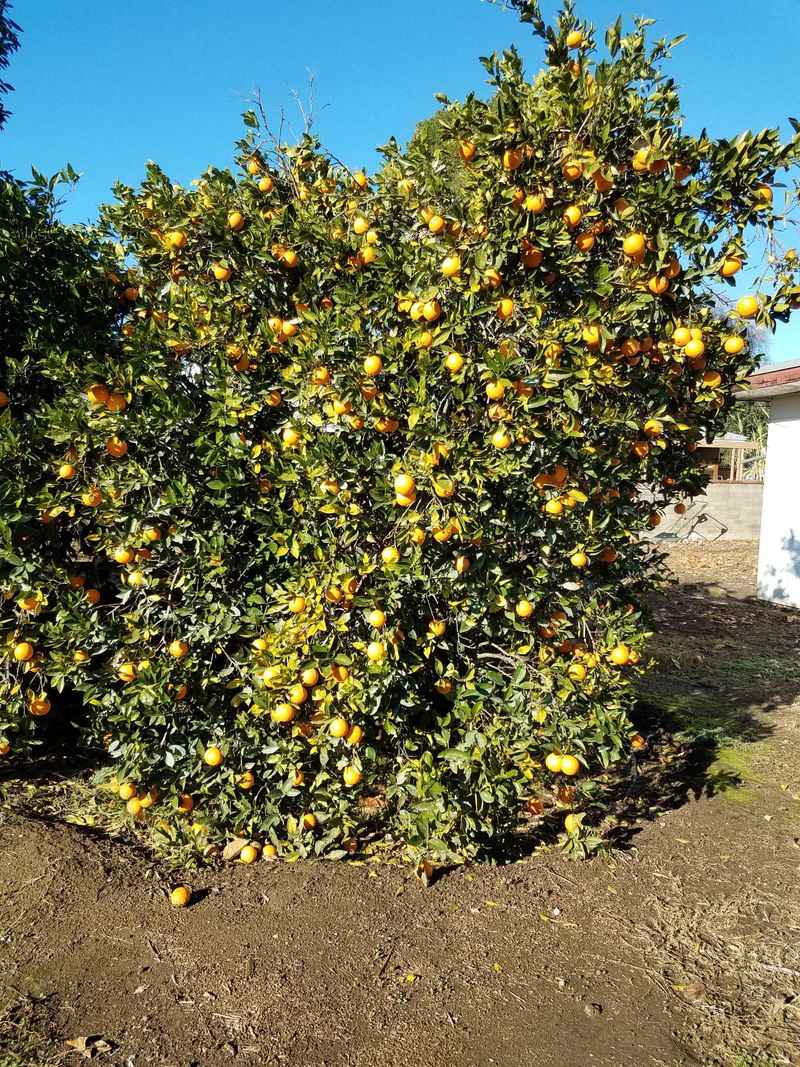
Few things feel more classically Californian than biting into a sweet, seedless Navel Orange fresh off the tree. The Washington Navel Orange has been a staple of California citrus culture for well over a century, and it remains one of the top choices for Southern California backyard growers today.
These oranges are known for their thick, easy-to-peel skin, their rich sweet flavor, and the tiny undeveloped fruit at the blossom end that gives them their signature navel-like appearance.
Navel Oranges ripen from December through May, which is a wonderful bonus because it means you have access to fresh fruit during the winter months when other trees are not producing much. The trees themselves are medium to large in size and do best in full sun with regular, deep watering.
In Southern California’s warm climate, Navel Orange trees are often productive and can produce multiple fruits per season once established, though yields vary.
A fun piece of history: the Washington Navel Orange was introduced to California in the 1870s and quickly transformed the state’s agricultural industry. Today, backyard growers throughout Southern California continue to enjoy this legendary variety.
Whether you eat them fresh, juice them, or slice them into salads, Navel Oranges deliver that bright, cheerful citrus flavor that never gets old. Adding one to your yard is practically a Southern California tradition.
7. Valencia Orange Perfect For Juices
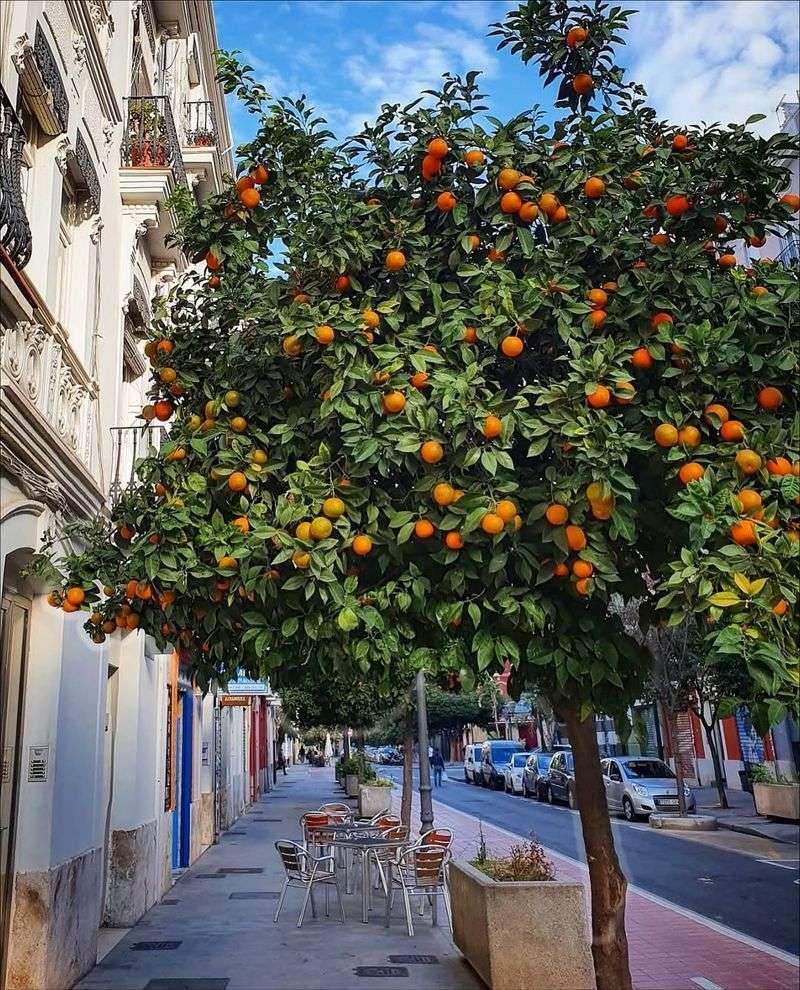
If you are serious about fresh-squeezed orange juice, the Valencia Orange is your tree. Nicknamed the juice orange, Valencia Oranges are celebrated for their exceptionally juicy flesh and balanced sweet-tart flavor that makes every glass of juice taste like it came from a fancy restaurant.
Unlike Navel Oranges, Valencias ripen later in the season, usually from spring through summer, which means Southern California gardeners can enjoy a longer overall citrus season by growing both varieties.
Valencia Orange trees are vigorous and can grow quite large when planted in the ground, so they work best in yards with a bit of space. However, dwarf versions are available for smaller gardens or container growing on patios.
The fruit has a thin skin and may have a few seeds, but the payoff in juice quantity and quality more than makes up for it. Trees thrive in Southern California’s warm, sunny climate and benefit from consistent deep watering and occasional fertilizing during the growing season.
One quirky thing about Valencia Oranges is that the fruit can actually re-green on the outside as temperatures warm up in late spring. The orange inside is still perfectly ripe and delicious, but the skin may turn slightly greenish.
This is completely normal and just a sign that the tree is responding to the heat. Southern California’s climate is practically tailor-made for Valencia Orange production, and backyard trees often produce abundantly for decades.
8. Calamondin Orange Tiny Fruit, Big Flavor
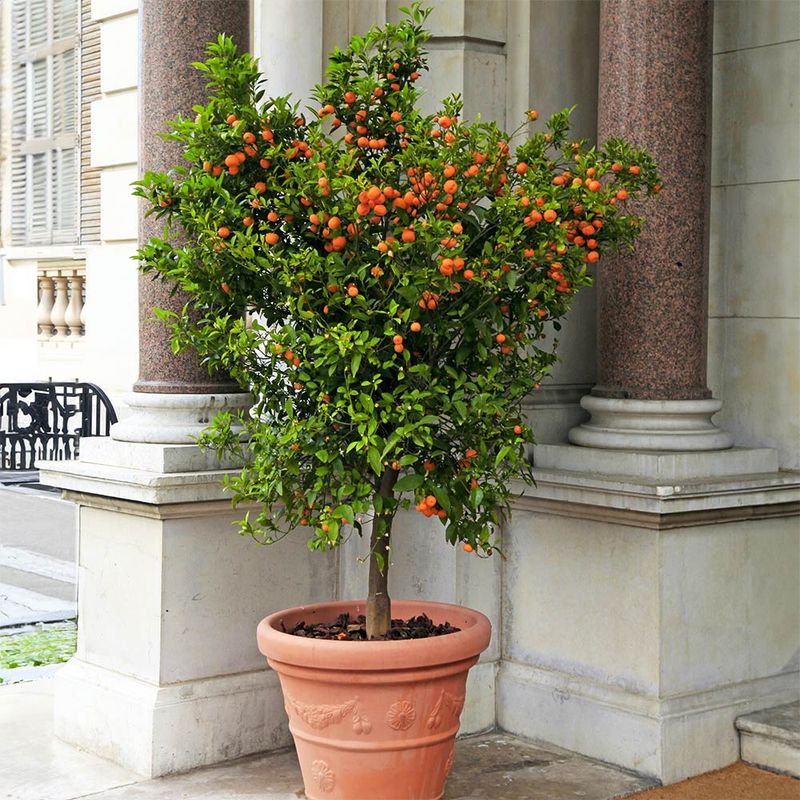
Pretty enough to be a houseplant but productive enough to keep you busy in the kitchen, the Calamondin Orange is one of the most charming citrus trees you can grow in Southern California. This small, evergreen tree produces an abundance of tiny, deep orange fruits that look like miniature mandarin oranges.
The fruit is quite tart and acidic, similar to a sour lime, which makes it perfect for use in marinades, cocktails, marmalades, and Filipino-inspired dishes where its sharp flavor really shines.
Calamondin trees are naturally compact, typically reaching only six to eight feet tall, making them ideal for smaller Southern California yards, patios, or even indoor spaces near a sunny window. They are surprisingly cold-tolerant for a tropical citrus variety and can handle temperature dips better than most.
The trees bloom multiple times per year, filling the air with a sweet floral fragrance that is genuinely delightful.
Beyond their culinary uses, Calamondin Oranges are prized as ornamental trees because they look stunning year-round. The contrast of glossy dark green leaves against clusters of bright orange fruit is visually striking.
Many Southern California homeowners use them as decorative focal points in their landscaping. Whether you want a functional fruit tree or simply something beautiful to look at, the Calamondin Orange delivers on both fronts with remarkable ease and consistency.
9. Gold Nugget Mandarin Sweet And Sunny
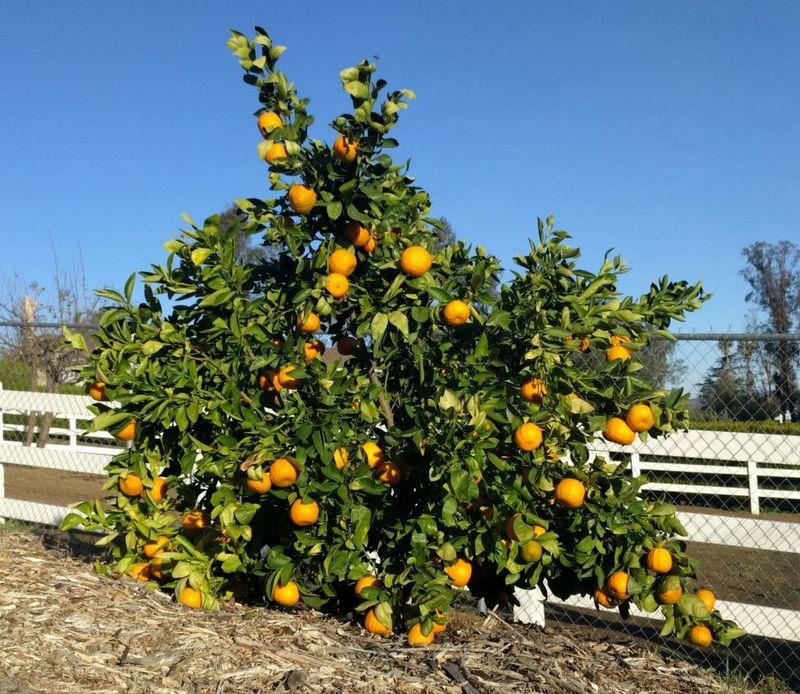
Developed right here in California by researchers at UC Riverside, the Gold Nugget Mandarin is a homegrown success story that Southern California backyard gardeners absolutely love. This variety produces medium-sized, bumpy-skinned fruit that is seedless, easy to peel, and bursting with a rich, honeyed sweetness that sets it apart from other mandarins.
The flavor is often described as more complex and dessert-like compared to standard mandarins, making it a real crowd-pleaser at harvest time.
Gold Nugget Mandarins ripen later than most other mandarins, usually from March through June, which is a major advantage for Southern California gardeners who want to extend their citrus season well into spring and early summer. The trees are medium-sized and manageable, fitting comfortably in most backyard settings.
They prefer full sun and well-drained soil, and they respond well to regular fertilizing during the growing season to maximize fruit production.
Because the fruit holds so well on the tree without losing quality, you do not have to rush to harvest everything at once. Gold Nugget Mandarins can stay on the tree for weeks after reaching peak ripeness, which gives you plenty of flexibility.
Southern California’s warm, dry climate suits this variety well, and the trees can be productive once established, though results depend on care and conditions. For anyone looking for a premium, seedless mandarin with outstanding flavor, Gold Nugget is an exceptional backyard choice.
10. Tangelo Balancing Tangy And Sweet
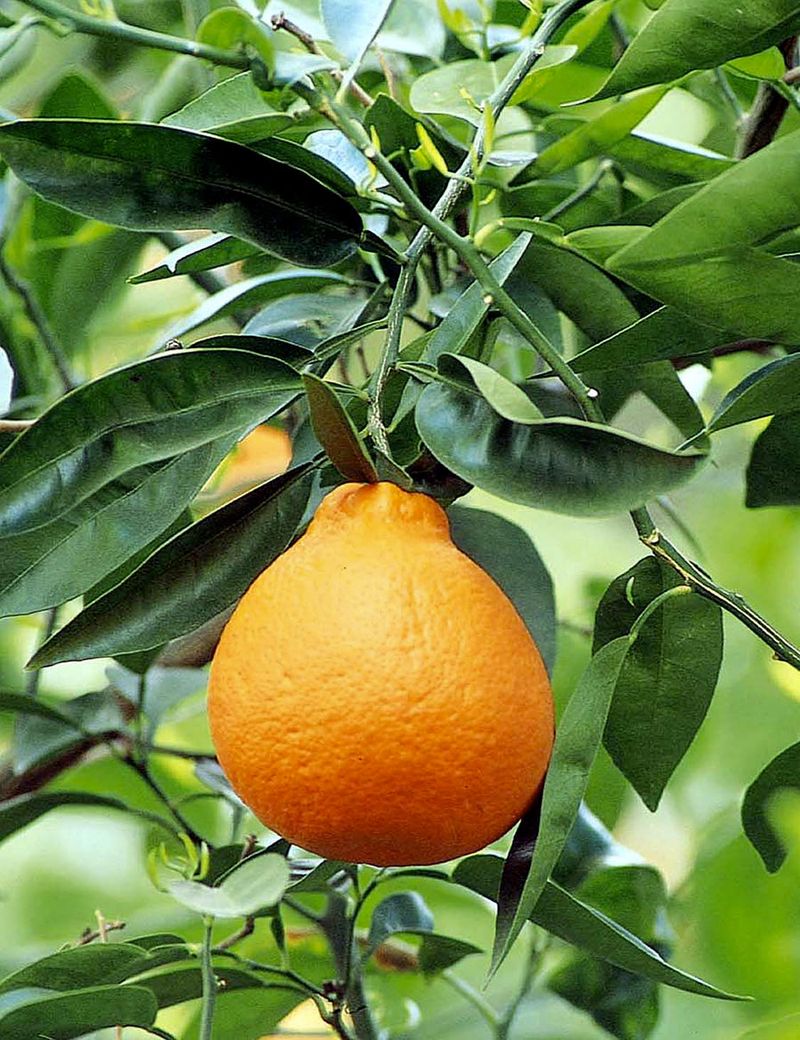
Tangelos are what happens when you cross a tangerine with a grapefruit or pomelo, and the result is something truly special. Known for their distinctive knobby top and easy-to-peel skin, Tangelos are large, juicy fruits with a bold, tangy-sweet flavor that is more exciting than a regular orange but not as sharp as a grapefruit.
The Minneola Tangelo is the most popular variety grown in Southern California, and it is easy to see why once you taste that bright, punchy citrus flavor.
Tangelo trees are medium to large in size and grow vigorously in Southern California’s warm climate. They do best in full sun with deep, regular watering and benefit from cross-pollination with another citrus variety nearby, such as a Temple Orange or a Clementine Mandarin.
Planting a companion tree nearby can sometimes improve fruit production and overall yield, depending on variety and conditions. The trees typically ripen from November through January, adding welcome variety to the winter citrus harvest.
One of the most appealing things about Tangelos is how fun they are to eat. The skin peels off almost effortlessly, the segments are full of juice, and the flavor has a lively zip that makes them hard to put down.
Southern California gardeners who grow Tangelos often say the fruit gets better with each passing year as the tree matures and settles into its spot. Plant one and you will have a conversation-starting tree that delivers seriously impressive fruit season after season.