9 Classic Yellow Flowers You Can Grow In Your Michigan Garden
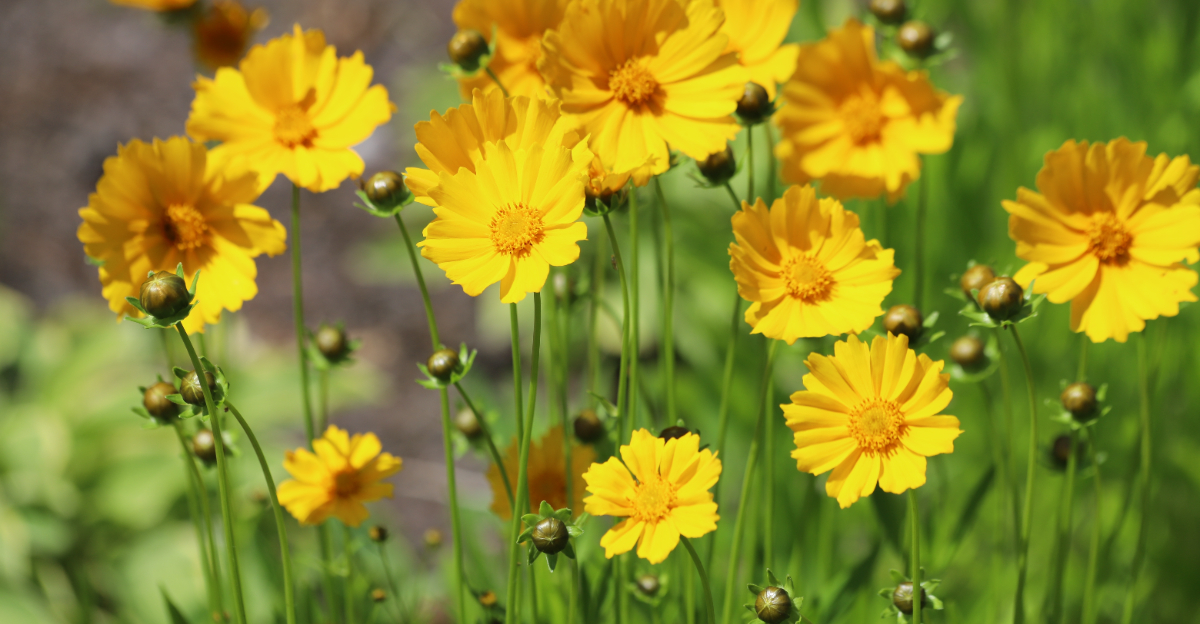
Nothing brightens a landscape quite like a burst of golden color glowing against fresh green leaves. In Michigan, gardeners have a wonderful opportunity to grow yellow flowers that shine from the first hints of spring through the height of summer.
These cheerful blooms bring warmth to cool mornings and create eye catching contrast in beds, borders, and containers.
Michigan’s diverse climate supports a wide range of yellow flowering plants, from hardy early season varieties that handle chilly nights to bold midsummer favorites that thrive in full sun.
Even shaded corners can come alive with carefully chosen selections suited to local conditions. Beyond their beauty, yellow flowers add energy and vibrancy that make outdoor spaces feel welcoming and full of life.
With the right mix of dependable performers, your Michigan garden can glow with rich, sunny color all season long, creating a landscape that feels joyful, lively, and impossible to overlook.
1. Black Eyed Susan Brings Bright Yellow Summer Color
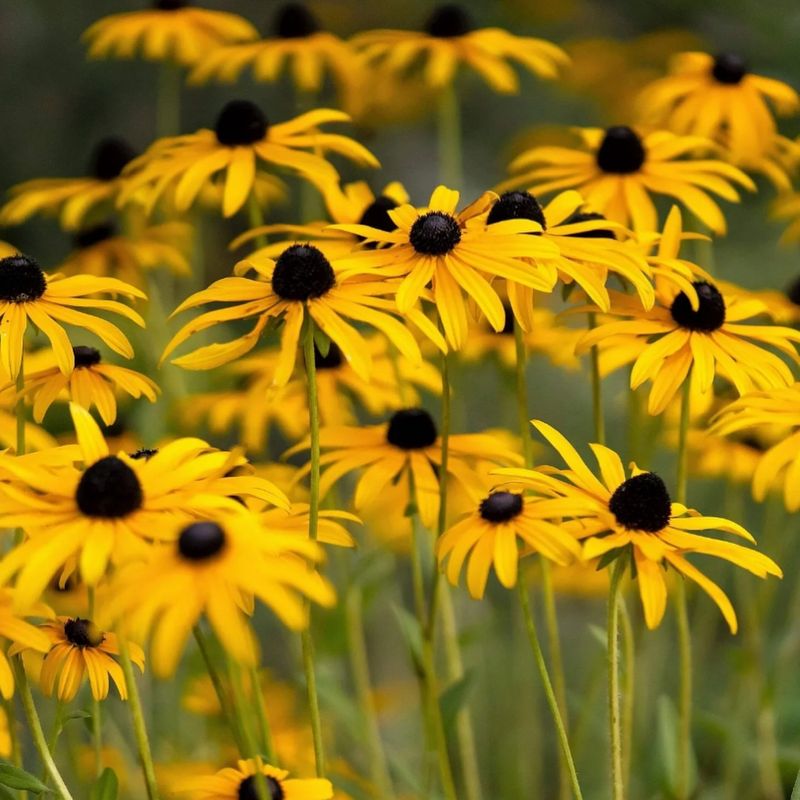
Few wildflowers carry the same cheerful energy as the Black Eyed Susan. With its golden-yellow petals surrounding a rich, dark brown center, this flower looks like summer sunshine frozen in bloom.
Native to North America, it thrives naturally across Michigan and adapts beautifully to home gardens of all sizes.
Black Eyed Susans love full sun and do best in well-drained soil. Plant them in a spot that gets at least six hours of sunlight daily, and they will reward you generously.
These tough plants handle heat, drought, and even poor soil without much complaint, making them ideal for beginner gardeners.
Blooming from mid-summer through early fall, they provide long-lasting color when many other flowers start to fade. Butterflies and bees absolutely love them, so your garden becomes a buzzing, beautiful ecosystem.
You can plant them from seed or transplant young plants in spring. Once established, Black Eyed Susans spread on their own, filling empty spaces with cheerful yellow blooms year after year.
2. Coreopsis Provides Long Lasting Yellow Blooms
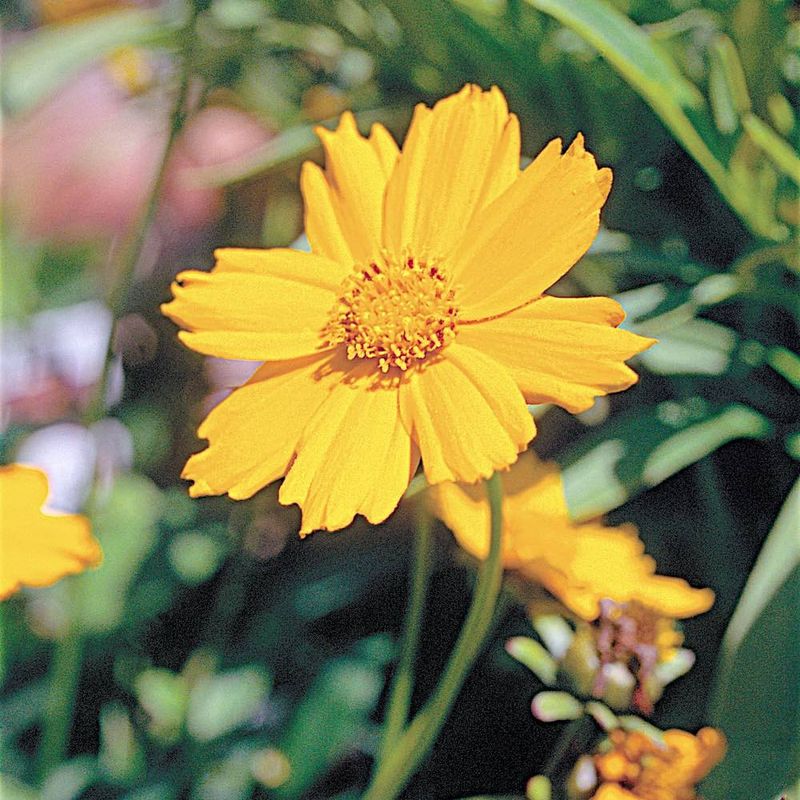
Coreopsis has earned its nickname “tickseed” honestly, but do not let that fool you into thinking it is anything but gorgeous. Bright yellow, daisy-like flowers cover this plant from late spring all the way through fall, making it one of the longest-blooming perennials you can grow in Michigan.
Gardeners love it because it simply refuses to stop flowering.
This plant thrives in full sun and prefers well-drained or even sandy soil. It handles Michigan summers with ease and does not need much watering once it gets established.
Deadheading spent blooms encourages even more flowers to open, so a little bit of regular care goes a long way toward keeping the color going strong.
Coreopsis grows in compact mounds, typically reaching one to two feet tall, which makes it perfect for garden borders, container planting, or filling gaps between taller plants. Pollinators are drawn to its cheerful blooms all season long.
Plant it in spring after the last frost, and within a few weeks you will have a reliable burst of golden yellow that lasts until the first cool nights of autumn arrive.
3. Daylilies Offer Reliable Yellow Flowers Each Year
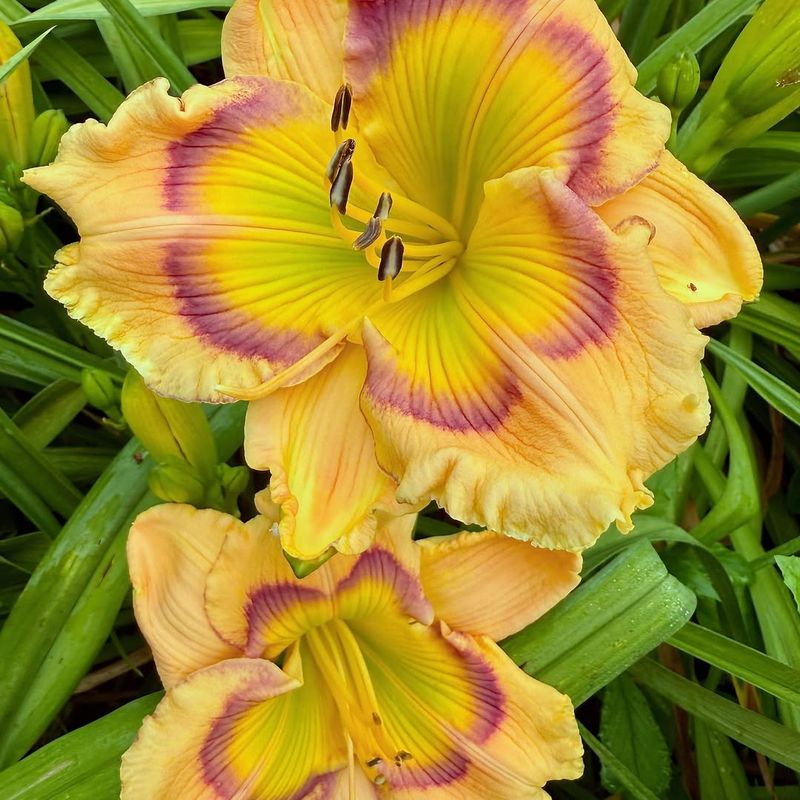
Daylilies are the kind of plant that makes gardening feel easy and rewarding. Each flower only lasts for one day, but the plant produces so many buds that it keeps blooming for weeks on end.
Yellow varieties like Stella de Oro are especially popular in Michigan because they are compact, prolific, and incredibly tough through cold winters.
These plants grow best in full to partial sun and thrive in almost any well-drained soil. Once you plant them, they come back stronger every year, spreading slowly into larger clumps that you can divide and share with neighbors.
They are virtually maintenance-free once established, which is a huge bonus for busy gardeners who want beauty without constant effort.
Daylilies bloom from early summer into late summer depending on the variety, giving you plenty of flexibility when planning your garden’s color schedule. They look stunning along walkways, in mixed borders, or even as a ground cover on slopes.
Deer tend to avoid them, and they handle Michigan’s unpredictable spring weather with impressive resilience. Plant them in early spring or fall, give them a little water to get started, and watch them take off beautifully season after season.
4. Daffodils Bring Early Spring Yellow Blooms
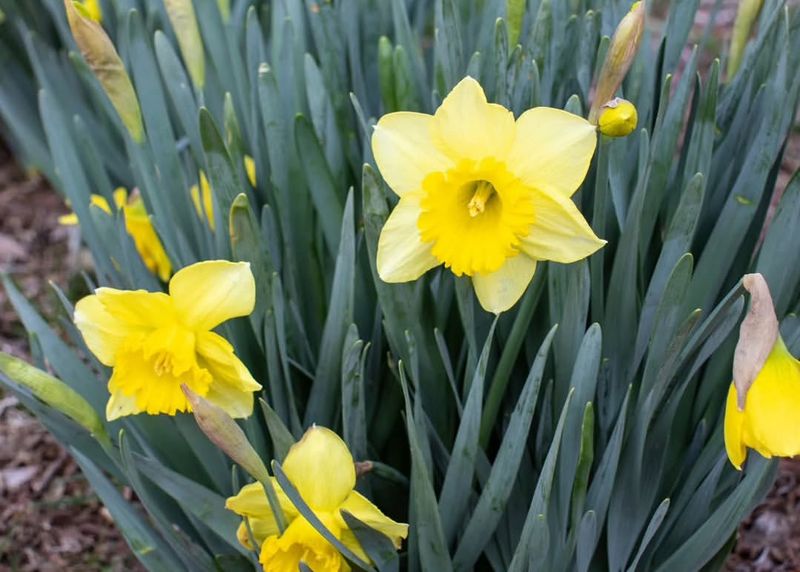
Nothing signals the end of a long Michigan winter quite like a patch of yellow daffodils pushing through the soil. These iconic spring flowers bloom as early as March or April, often while there is still a chill in the air, making them one of the most eagerly awaited sights in any Michigan yard.
Their trumpet-shaped centers and bright yellow petals are instantly recognizable and endlessly uplifting.
Daffodils grow from bulbs that you plant in the fall, ideally between September and November before the ground freezes. Choose a sunny or lightly shaded spot with well-drained soil, plant the bulbs about six inches deep, and let nature do the rest.
They naturalize over time, meaning they multiply and spread, giving you more blooms each spring without any extra work on your part.
One of the best things about daffodils is that deer and squirrels leave them alone because the bulbs are mildly toxic to animals. That makes them a smart choice for Michigan gardens where wildlife can be a real challenge.
After the flowers fade, let the foliage die back naturally so the bulb stores energy for next year. With minimal care, daffodils will brighten your garden every spring for many years to come.
5. Goldenrod Produces Natural Yellow Late Season Flowers
Goldenrod gets a bad reputation that it does not deserve. Many people blame it for fall allergies, but the real culprit is ragweed, which blooms at the same time.
Goldenrod’s heavy pollen does not travel through the air the way ragweed pollen does, so it is actually safe for most allergy sufferers. Once you clear up that misunderstanding, goldenrod becomes one of the most exciting plants you can add to a Michigan garden.
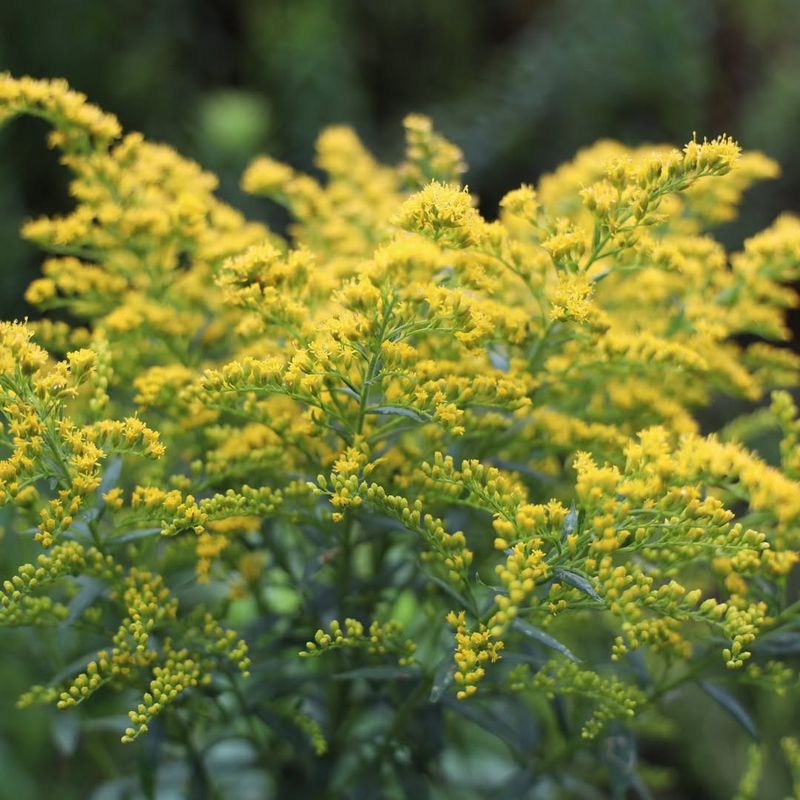
This native wildflower bursts into feathery plumes of golden yellow in late summer and fall, right when most other flowers are winding down. It can reach three to five feet tall, creating a dramatic backdrop in garden beds or naturalized areas.
Goldenrod thrives in full sun and tolerates poor, dry soil extremely well, making it one of the lowest-maintenance plants around.
Pollinators go absolutely wild for goldenrod. Bees, butterflies, and beneficial insects flock to its blooms in huge numbers, making it an incredible plant for supporting local ecosystems.
It spreads by both seeds and underground runners, so give it some space to grow. Plant it along fence lines, in wildflower meadows, or at the back of a border for a stunning and ecologically valuable late-season display.
6. Sunflowers Add Bold Yellow Garden Impact
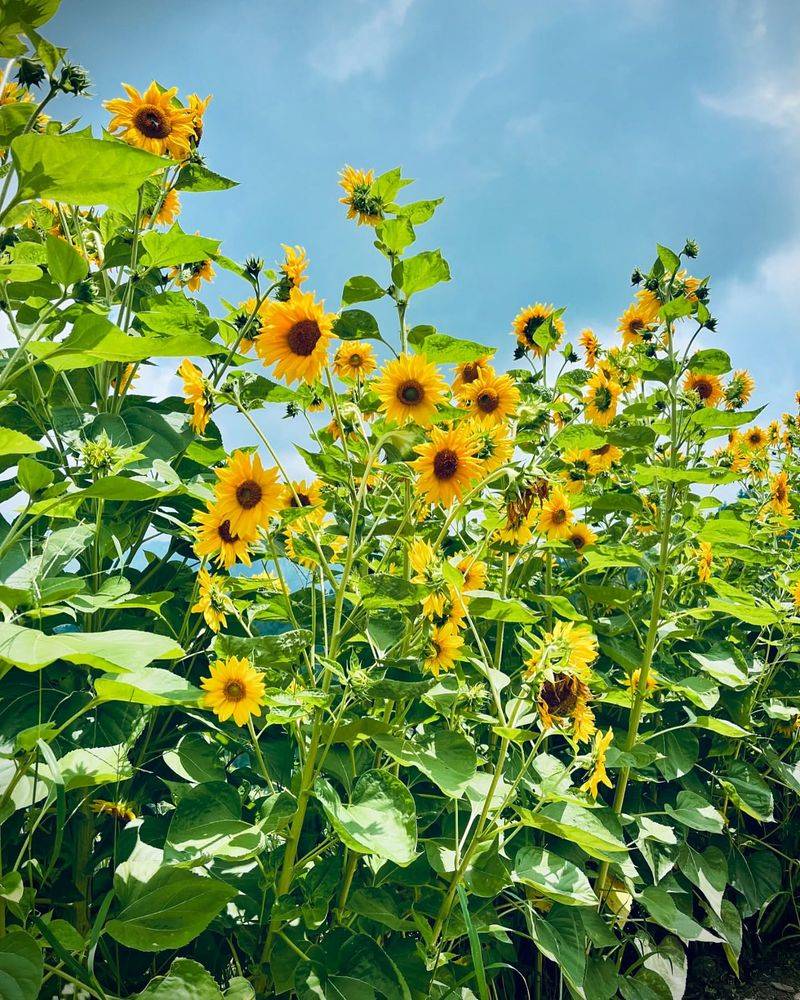
Sunflowers are pure joy in plant form. Standing tall with their massive golden heads turning toward the sun, they bring an unmistakable sense of warmth and abundance to any garden space.
Michigan’s warm summers are perfectly suited for growing sunflowers, and they reward even first-time gardeners with spectacular results that never get old.
Direct sow sunflower seeds into the garden after the last frost, usually around late May in most parts of Michigan. They prefer full sun and well-drained soil, and they grow quickly once the warm weather arrives.
Depending on the variety, sunflowers can reach anywhere from two feet to over ten feet tall, so choose a size that fits your space and growing goals.
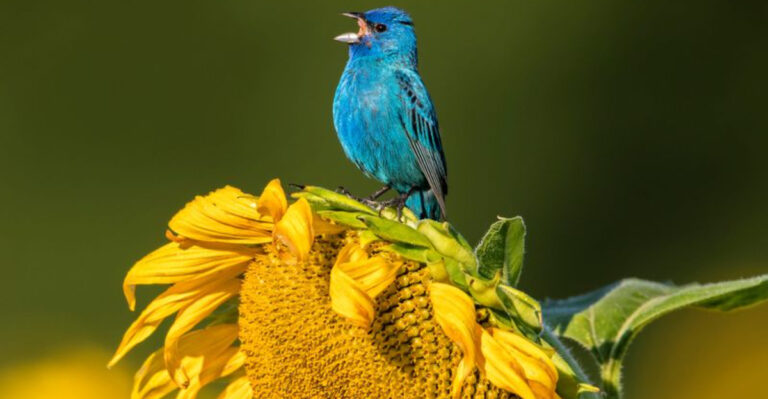
Beyond their visual impact, sunflowers are incredibly practical. Birds love the seeds in late summer, turning your garden into a natural feeding station.
The thick stalks attract beneficial insects, and the large leaves provide shade for the soil below. Try planting a mix of dwarf and giant varieties for a layered, dramatic look.
Cut a few stems to bring indoors for a vase arrangement that brightens up any room with that signature bold yellow energy sunflowers are famous for.
7. Yarrow Produces Clusters Of Yellow Summer Flowers
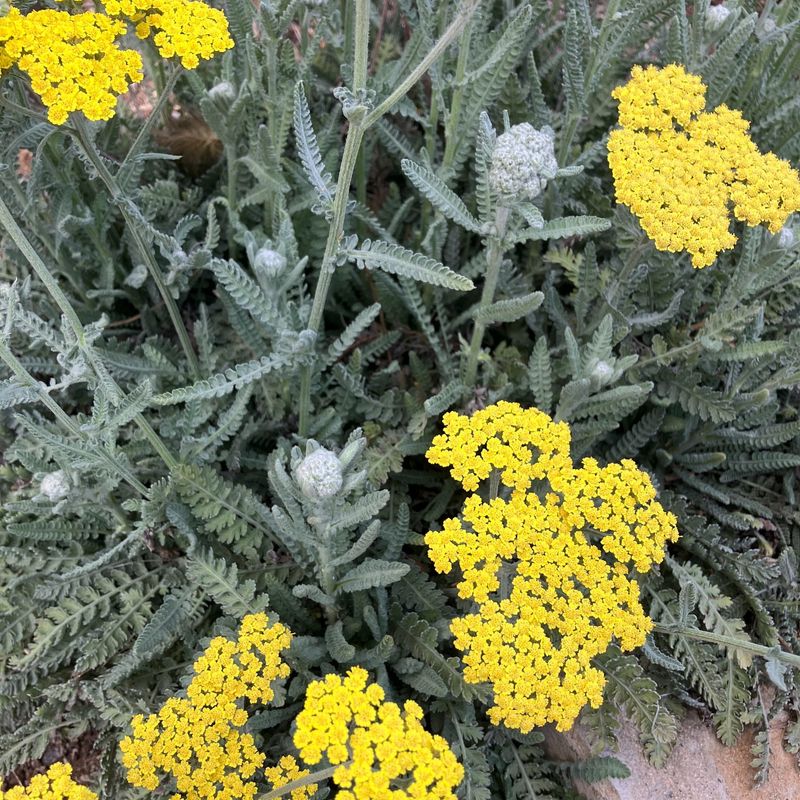
Yarrow has been a garden staple for centuries, and for very good reason. Its flat-topped clusters of tiny yellow flowers sit above soft, feathery green leaves, creating a textured look that pairs beautifully with almost any other garden plant.
It has a slightly herbal scent that many gardeners find wonderfully nostalgic, and it blooms generously from early summer through mid-fall.
Growing yarrow in Michigan is straightforward. It loves full sun and thrives in average to dry, well-drained soil.
In fact, yarrow actually performs better in leaner soil conditions than in rich, heavily amended garden beds. Water it occasionally during dry spells, but avoid overwatering because soggy roots are the one thing yarrow truly dislikes.
Yarrow is a pollinator magnet, attracting butterflies, bees, and ladybugs in impressive numbers throughout the growing season. It spreads steadily over time, filling in bare patches with lush, textured foliage and bright yellow blooms.
Divide the clumps every two to three years to keep plants vigorous and tidy. Yarrow also dries beautifully, so you can cut stems and hang them upside down to create long-lasting dried flower arrangements.
It is a genuinely versatile plant that earns its place in every Michigan garden with very little fuss.
8. Yellow Tulips Brighten Michigan Spring Gardens
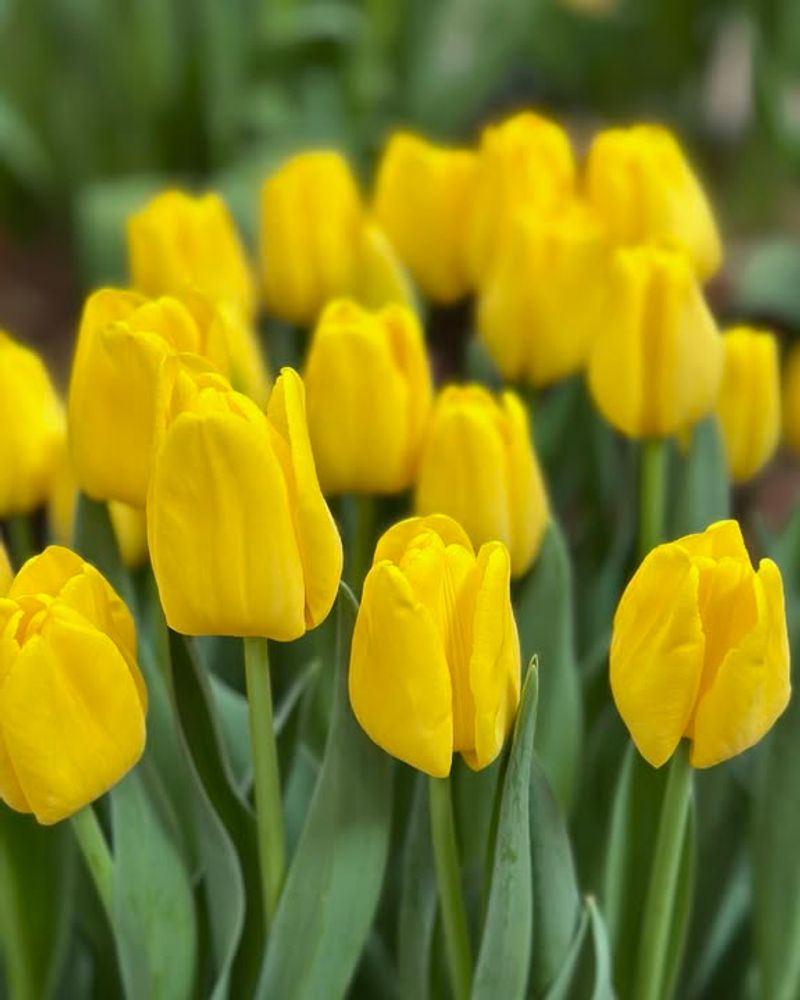
Yellow tulips have a way of making even the grayest Michigan spring morning feel instantly brighter. Their bold, cup-shaped blooms stand tall on sturdy stems, announcing the arrival of warmer weather with unmistakable confidence.
Whether you plant them in rows for a formal look or scatter them through a garden bed for a natural effect, yellow tulips never fail to impress.
Plant tulip bulbs in fall, ideally in October or early November, before the ground freezes solid. Choose a spot with full to partial sun and well-drained soil, since bulbs sitting in soggy ground will struggle.
Plant them about six to eight inches deep and six inches apart for a full, lush display when spring finally rolls around after Michigan’s long winter season.
Yellow tulips bloom in mid-spring, typically April through May, and they pair wonderfully with blue grape hyacinths or white daffodils for a classic, eye-catching color combination. After blooming, allow the foliage to yellow and fade naturally so the bulb can recharge for next year.
In Michigan, tulip bulbs benefit from a layer of mulch in winter for extra insulation. With proper planting and a little patience, yellow tulips reward you with one of spring’s most satisfying and colorful garden moments.
9. Evening Primrose Produces Soft Yellow Flowers In Summer
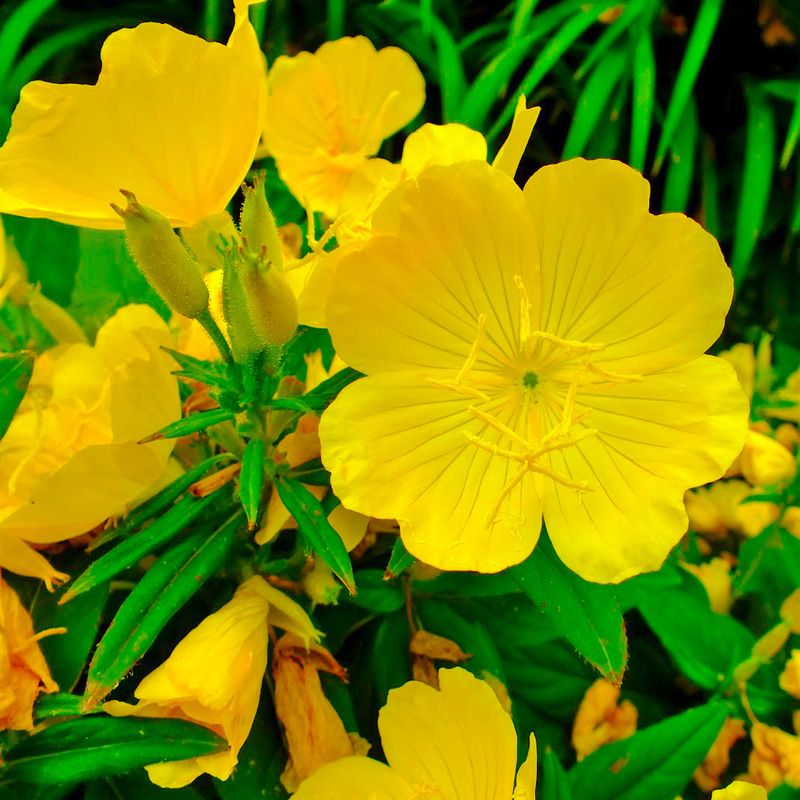
Evening primrose has a quiet kind of magic to it. As the sun begins to set, its soft, pale yellow flowers open up and release a light, sweet fragrance that drifts through the garden air.
Watching this happen in real time is one of those small gardening moments that feels genuinely special, especially on warm Michigan summer evenings when the air is still and the yard is peaceful.
This plant grows as a biennial or short-lived perennial, meaning it may take a full growing season before it flowers, but it self-seeds so freely that you will always have plants coming back. It prefers full sun to light shade and adapts well to dry, sandy, or average soil conditions.
Evening primrose is actually one of the toughest wildflowers you can grow, thriving even in spots where other plants struggle to get going.
Beyond its beauty, evening primrose has a long history of medicinal and culinary use, and its seeds attract small songbirds in late summer. The flowers themselves attract moths and night-flying pollinators, making it an excellent choice for anyone interested in supporting nocturnal wildlife.
Plant it along a fence, near a patio, or at the edge of a garden bed where you can enjoy the fragrance and soft glow of its blooms as evening settles in.