9 Clear Signs A Coyote Visited Your Illinois Yard Without You Noticing

Coyotes move through Illinois neighborhoods with a quiet confidence that can slip past even the sharpest eyes.
One moment a yard looks untouched, and the next it holds a hint that a wild visitor passed through while the world slept.
These animals travel light, leaving only small clues behind as they follow their nightly routes.
A bit of disturbed soil, a trail pressed lightly into the grass, or a single paw print near a fence can speak volumes for those who know how to read the ground.
Many homeowners wake to a yard that feels unchanged, unaware a coyote drifted through like a shadow.
As more sightings pop up across the state, people are growing curious about the subtle signs these animals leave in their wake.
A quiet yard can tell a whole story once you learn to pay attention, revealing that the night holds more life than most folks ever imagine.
1. Scattered Pet Food Or Empty Bowls

Pet food left outside becomes an irresistible buffet for hungry coyotes prowling through neighborhoods at night.
If you notice your dog or cat’s food bowl mysteriously empty by morning, or kibble scattered across your patio, a coyote might have helped itself to a free meal.
These intelligent animals have excellent memories and will return repeatedly to reliable food sources.
Coyotes prefer easy meals that require minimal effort, making accessible pet food a prime target.
They typically approach cautiously, using their keen sense of smell to locate food from considerable distances.
Once they find a steady supply, they may establish your yard as part of their regular hunting route.
Bringing pet food indoors after feeding time eliminates this attraction entirely.
If you must leave food outside, secure it in heavy containers with tight-fitting lids that coyotes cannot easily open.
Clean up any spilled food promptly, as even small amounts can draw these opportunistic feeders.
Motion-activated lights near feeding areas can also discourage nighttime visits.
Remember that attracting coyotes with food puts your pets at risk and encourages unwanted wildlife behavior in residential areas.
2. Distinctive Paw Prints In Soil Or Snow

Coyote tracks tell a story of their nocturnal travels through your property.
Their paw prints measure about 2.5 inches long and appear more oval than the rounder prints left by domestic dogs.
You’ll notice four toe pads arranged in front of a larger heel pad, with claw marks visible at the tip of each toe.
Fresh snow or soft garden soil preserves these tracks beautifully, creating a clear record of recent visits.
Coyotes typically walk in a straight line, placing their hind feet almost exactly where their front feet stepped.
This efficient walking pattern creates a narrow trail that distinguishes their tracks from dogs, which tend to wander more randomly.
Check areas near fences, garden beds, and around sheds where coyotes might investigate for food or shelter.
Morning inspections after rain or snow often reveal the most visible prints.
Measuring and photographing tracks helps you confirm whether you’re dealing with a coyote or another animal.
If you consistently find fresh tracks, it indicates regular visits rather than a single passing animal.
Understanding their travel patterns through your yard allows you to take appropriate precautions in those specific areas.
3. Unusual Droppings In Your Yard
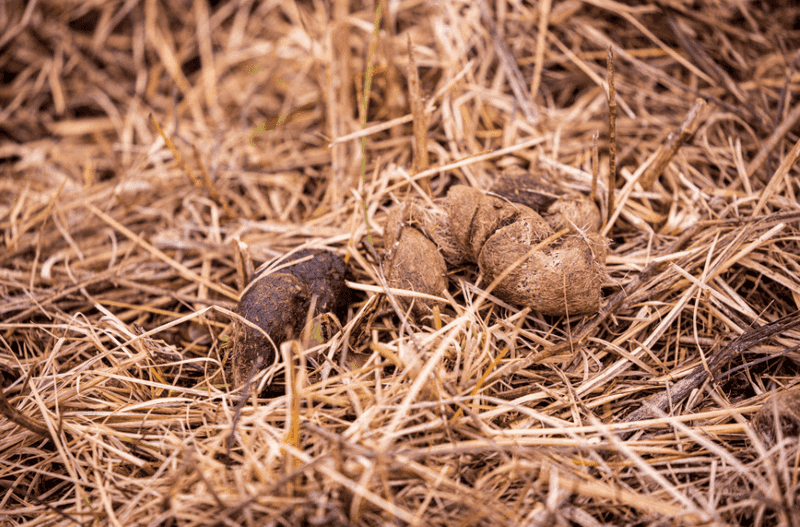
Coyote droppings serve as territorial markers and provide unmistakable evidence of their presence.
Their scat typically appears cylindrical, about 3–4 inches long, and often contains visible fur, bones, or berry seeds depending on recent meals.
Unlike dog waste, coyote droppings usually have tapered ends and a rope-like, twisted appearance.
These animals often deposit their scat in prominent locations like the middle of paths, on rocks, or near property boundaries.
This strategic placement serves as communication to other coyotes about territory claims.
Fresh droppings appear dark and moist, while older specimens turn gray or white and crumble easily.
Finding scat in your yard indicates that a coyote considers your property part of its territory.
Regular appearances suggest the animal feels comfortable and safe in the area.
Always use gloves or tools when removing wildlife droppings, as they can carry parasites and diseases.
Clean the area thoroughly with disinfectant afterward.
If you discover droppings frequently, consider implementing deterrents to discourage continued visits.
Documentation of these findings helps wildlife professionals assess the situation if intervention becomes necessary.
4. Missing Or Disturbed Garbage Can

Garbage cans provide coyotes with easy access to food scraps and other attractants.
If you wake up to find your trash bin knocked over, bags torn open, or contents strewn across your driveway, a coyote may have been scavenging overnight.
These resourceful animals have learned to manipulate unsecured lids and exploit weakly fastened bins.
Coyotes possess surprising strength and dexterity when motivated by hunger.
They can tip bins, pry open loose lids, and drag bags away from collection areas.
Unlike raccoons, which tend to make smaller, more contained messes, coyotes often scatter debris over wider areas while searching for edible items.
Securing garbage in bins with locking lids or storing them in garages until collection day prevents this problem.
Heavy-duty bungee cords can also keep lids firmly attached to standard bins.
Avoid putting trash out the night before pickup if possible, reducing the window of opportunity for scavengers.
Rinse food containers before disposal to minimize odors that attract wildlife.
Composting meat products or strong-smelling foods requires extra care, as these particularly entice coyotes.
Maintaining clean, secure waste management practices protects your property and discourages repeated visits from opportunistic predators.
5. Nervous Behavior From Your Pets

Domestic animals often sense coyote presence before humans do.
Dogs may bark frantically at seemingly nothing, refuse to go outside at certain times, or act unusually anxious near doors and windows.
Cats might hide more than usual, avoid their outdoor routines, or display agitated behavior without apparent cause.
Your pets detect scent markers and sounds that escape human perception.
A dog pacing near the back door or growling at the yard after dark often signals something amiss outside.
Cats with outdoor access may suddenly refuse to use pet doors they previously used confidently.
Pay attention to these behavioral changes, especially if multiple pets react similarly.
Their instincts provide an early warning system about potential dangers in your immediate environment.
Never dismiss persistent anxiety or fear-based behaviors as random quirks.
Keep pets indoors during dawn and dusk hours when coyotes are most active.
Supervise all outdoor time, even in fenced yards, as coyotes can jump surprisingly high barriers.
Small pets face particular risk and should never be left unattended outside in areas with coyote activity.
Installing motion-activated lights and removing attractants helps create a less inviting environment for these wild visitors.
6. Damaged Or Missing Garden Produce
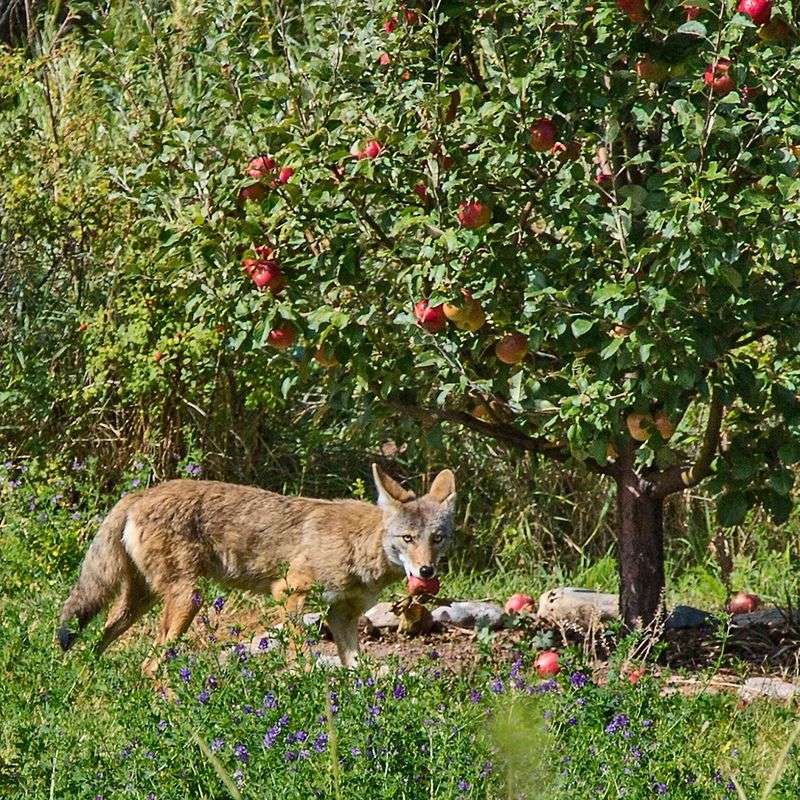
Gardens offer coyotes more than just vegetable snacks, they attract rodents and rabbits that coyotes hunt.
However, these omnivores also consume fruits and vegetables directly, particularly melons, berries, and fallen fruit from trees.
If you discover partially eaten produce with distinctive bite patterns or notice vegetables disappearing overnight, a coyote might be raiding your garden.
Coyotes possess sharp teeth that leave different marks than smaller garden pests.
They typically take large bites and may drag items away from plants.
Unlike deer, which leave ragged tears, coyote bites create cleaner cuts through flesh.
Compost piles also attract these animals, especially when they contain food scraps.
The decomposing matter draws insects and small mammals, which in turn attract hunting coyotes.
Securing compost in closed bins rather than open piles reduces this attraction.
Fencing gardens with buried barriers prevents digging underneath.
Harvest ripe produce promptly and clean up fallen fruit regularly to eliminate food sources.
Motion-activated sprinklers can startle visiting coyotes and teach them to avoid your garden.
Remember that while losing some vegetables frustrates gardeners, the real concern is establishing patterns that bring coyotes too close to homes where pets and children play.
7. Eerie Nighttime Vocalizations
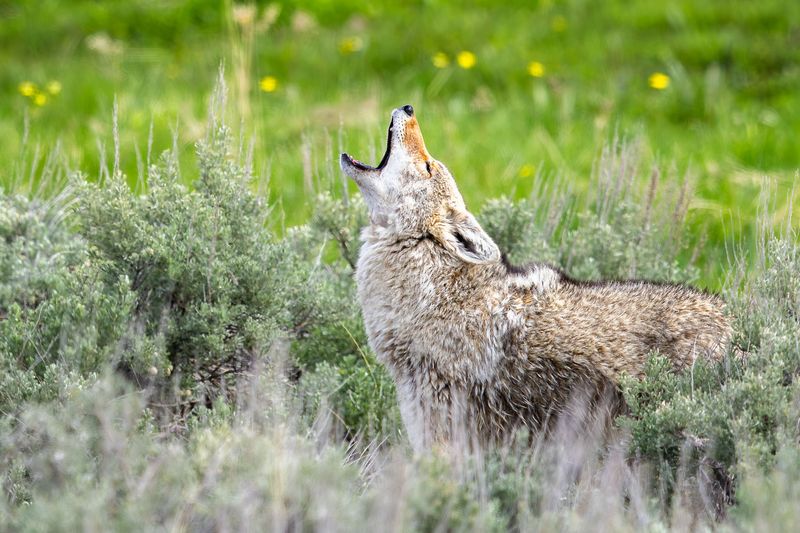
Coyote calls create an unmistakable soundtrack that ranges from high-pitched yips to prolonged howls.
If you hear what sounds like multiple animals making a cacophony of barks, howls, and yelps during evening hours, you’re likely listening to coyote communication.
These vocalizations serve various purposes including territory marking, pack coordination, and social bonding.
A single coyote can produce sounds that mimic several animals, creating the illusion of a larger group.
They often vocalize after successful hunts or when claiming territory.
The sounds typically increase during breeding season from January through March in Illinois.
Hearing these calls near your property indicates active coyote presence in your immediate neighborhood.
While the sounds themselves pose no danger, they confirm that these animals consider your area part of their home range.
Recording the vocalizations and noting the time and frequency helps establish patterns.
If calls occur regularly very close to your home, it may indicate a den site nearby.
Coyotes with pups become more defensive and potentially aggressive toward perceived threats.
Contact local wildlife authorities if you suspect denning activity on or near your property.
Understanding their vocal patterns helps you anticipate when coyotes are most active around your home.
8. Unexplained Holes Dug In Your Lawn

Fresh excavations in your yard might reveal coyote hunting activity rather than simple mischief.
Coyotes dig to catch burrowing animals like moles, voles, and ground squirrels that live beneath the surface.
These holes typically appear cone-shaped, several inches deep, and scattered across areas where prey animals are active.
Unlike the neat, round entrance holes created by the prey animals themselves, coyote digging looks more chaotic and destructive.
You might notice claw marks in the surrounding soil and displaced grass.
Multiple holes appearing overnight in previously undisturbed lawn areas suggest recent hunting activity.
Coyotes possess incredible hearing that allows them to detect rodent movements underground.
They pounce and dig rapidly to catch prey before it escapes through tunnel networks.
While this hunting behavior actually helps control rodent populations, the resulting lawn damage frustrates homeowners.
Addressing the underlying rodent problem makes your yard less attractive to hunting coyotes.
Professional pest control can reduce prey animal populations humanely.
Maintaining healthy, dense lawn growth discourages burrowing animals from establishing extensive tunnel systems.
Fill holes promptly and reseed bare patches to restore your lawn.
If digging continues despite pest control efforts, other deterrents may be necessary to discourage coyote visits.
9. Smaller Wildlife Suddenly Disappears
A sudden absence of rabbits, squirrels, or ground-feeding birds that previously frequented your yard may indicate a predator has moved into the area.
Coyotes are efficient hunters that significantly impact local small animal populations.
When one establishes your neighborhood as part of its territory, prey species quickly learn to avoid the area or become meals.
Rabbits that once nibbled your garden at dawn may vanish entirely within days of coyote arrival.
Squirrel activity often decreases noticeably, with fewer animals visiting bird feeders or crossing yards.
Even birds may alter their behavior, avoiding ground feeding in favor of elevated feeders.
This population shift happens quickly because prey animals possess keen survival instincts.
They detect predator scent markers and adjust their routines accordingly.
While you might initially appreciate fewer rabbits eating your plants, the complete absence of small wildlife signals an ecosystem change worth noting.
Observing these patterns helps you understand the larger wildlife dynamics in your neighborhood.
Coyotes travel through established territories regularly, so small animals may gradually return during periods when the predator hunts elsewhere.
Keeping detailed observations of wildlife presence helps you determine whether a coyote has temporarily passed through or established permanent residence nearby.
This knowledge guides appropriate safety measures for pets and outdoor activities.