9 Clear Signs A Fox Is Sneaking Through Your North Carolina Yard

A fox slips through a North Carolina yard as quietly as a rumor, and many homeowners miss the clues until the trail grows cold.
One moment the night appears calm, the next it hums with secrets.
Pawprints pepper the soil like punctuation marks in a fast-moving story, and shadows flicker as though the dark itself darts between trees.
A cunning visitor often moves under the radar, yet its presence leaves a string of hints bold enough for a sharp eye to catch.
Turf shifts, feathers scatter, and the air carries a faint, wild edge that refuses to sit still.
A fox never strolls in without stirring up a little mystery, and your yard may already hold more evidence than you think.
Step into the world of this red-tailed trickster and watch each sign snap into focus, revealing a hidden guest that treats your property as its own nighttime playground.
1. Small, Oval-Shaped Paw Prints In Mud Or Dirt
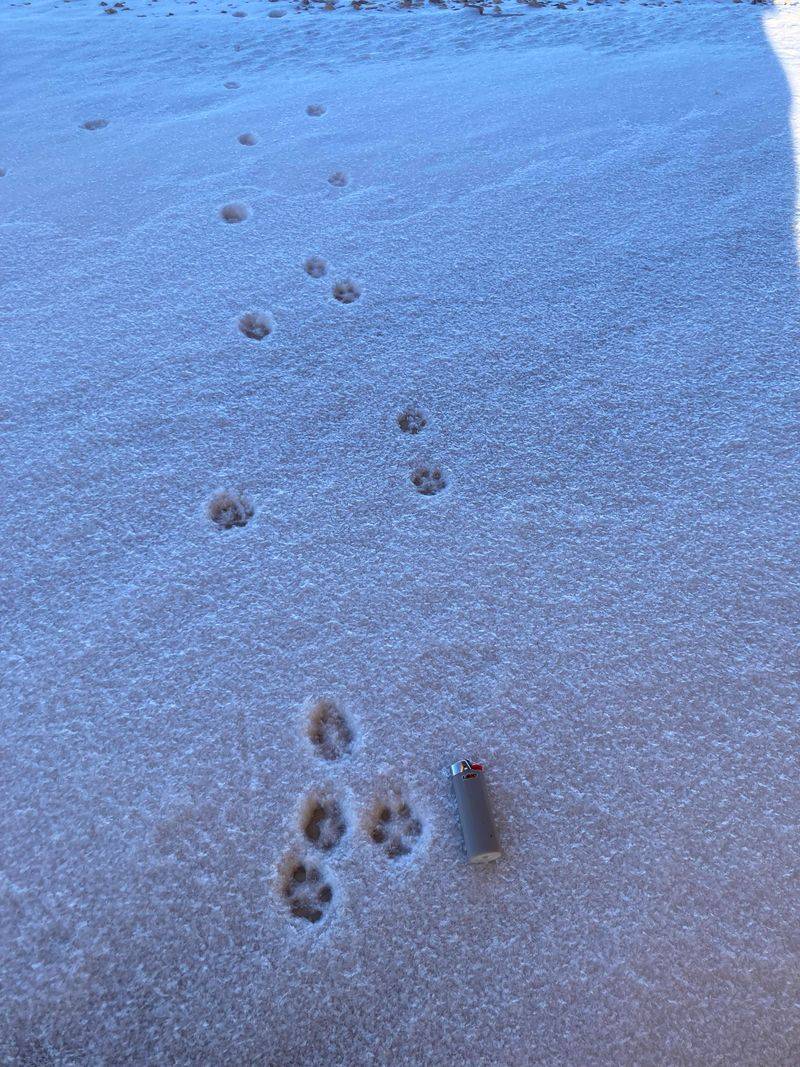
Fox tracks look different from dog prints because they form a neat, almost straight line.
Each print shows four toe pads and claws, but the overall shape is more oval and compact than a dog’s rounder paw.
If you spot tracks near your garden beds, driveway edges, or around water sources, a fox might be making regular rounds through your property.
The tracks typically measure about two inches long, smaller than most domestic dogs but larger than cat prints.
Foxes walk in a distinctive pattern called direct register, where the back paw lands almost exactly where the front paw stepped.
This creates a single-file line of prints that looks deliberate and efficient.
Check soft soil, mud puddles, or sandy areas after rain to spot these telltale marks.
Fresh prints have sharp edges, while older ones look worn and blurred.
Pay attention to where the tracks lead, as foxes often follow fences, hedges, or tree lines for cover.
If you notice the same path being used repeatedly, you have identified a fox highway through your yard.
Documenting the tracks with photos can help you confirm the visitor and track patterns over time.
2. Strong, Musky Odor Near Dens Or Pathways
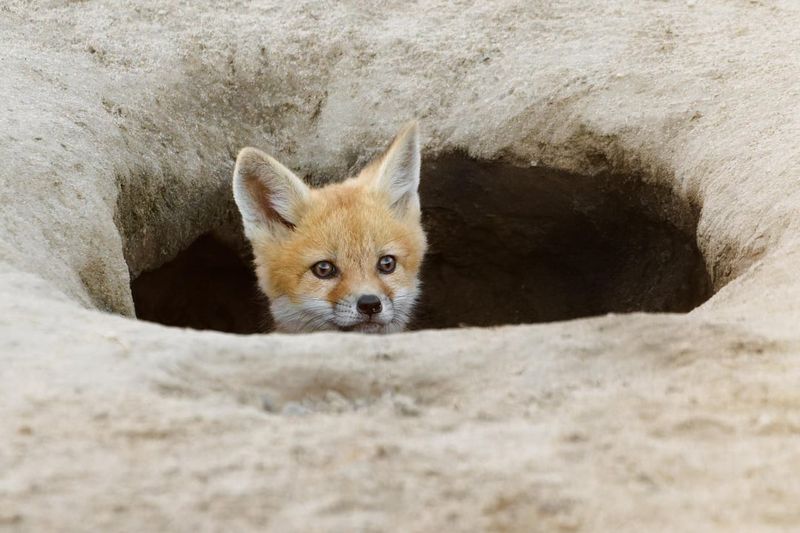
One of the most unmistakable signs comes from the sharp, musky scent foxes produce.
This smell resembles a mix of skunk and wet dog, but with a distinctly wild, earthy quality.
Foxes use scent marking to communicate with other foxes, spraying urine on posts, rocks, and corners of structures.
If you suddenly notice a strange odor near your shed, under your deck, or along fence lines, a fox may be claiming territory or denning nearby.
The scent becomes particularly strong during mating season in winter and early spring when foxes are most active in marking their range.
Female foxes also produce strong odors when raising kits in a den.
Check areas where the smell concentrates, especially spots that offer shelter like crawl spaces, woodpiles, or thick brush.
Foxes prefer hidden, quiet locations for dens, often choosing spots under buildings or in overgrown corners.
The odor lingers for days, even after the fox moves on, so a persistent smell indicates regular visits.
Some homeowners describe the scent as pungent enough to notice from several feet away, especially on humid days when smells travel more easily.
3. Scattered Feathers Or Missing Poultry
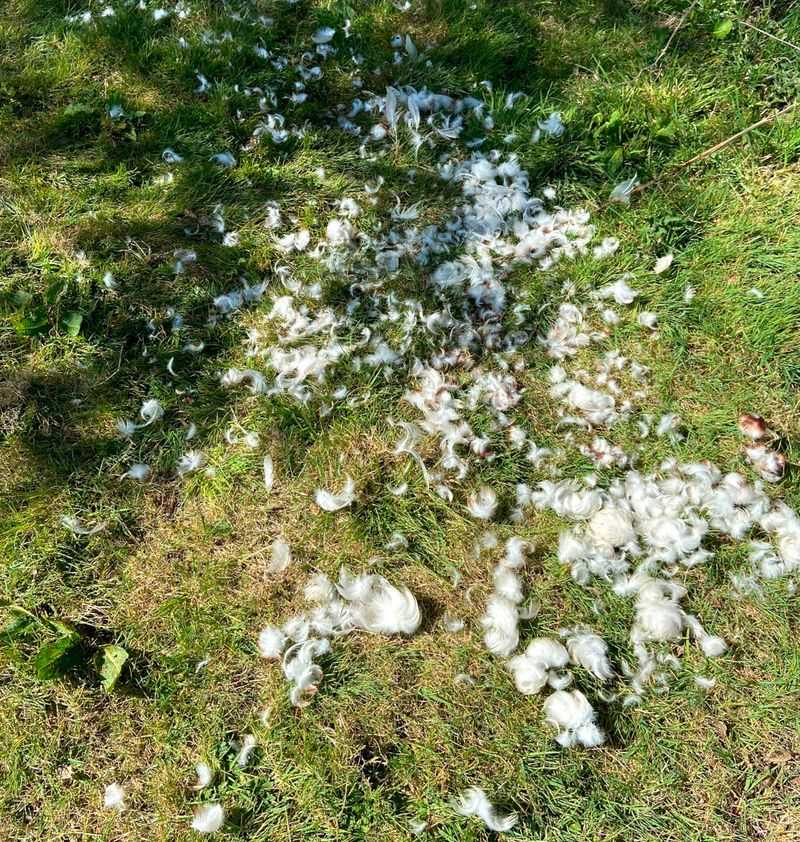
Foxes are skilled hunters and view backyard chickens, ducks, or small birds as easy meals.
If you raise poultry and notice birds missing without much noise or struggle, a fox could be responsible.
Unlike raccoons that make a mess, foxes tend to take their prey away cleanly, sometimes caching it for later.
You might find scattered feathers in a trail leading away from the coop, evidence of a quick snatch-and-run.
Foxes usually hunt at dawn or dusk when chickens are settling in or just waking up.
They can squeeze through surprisingly small gaps in fencing, so even secure-looking coops might have vulnerabilities.
Check for holes dug under fences or gnawed openings in wire mesh.
Foxes often return to the same hunting ground if they succeed once, so repeated losses suggest a regular visitor.
Installing motion-activated lights or reinforcing coop security can help protect your flock.
Some homeowners also notice feathers from wild birds like mourning doves or robins scattered in the yard, another sign of fox hunting activity.
The predator’s efficiency means you might not witness the event, but the evidence tells the story clearly.
4. Distinctive Barking Or Screaming Sounds At Night

Foxes produce an array of eerie sounds that can startle anyone unfamiliar with their calls.
The most common vocalization sounds like a sharp, raspy bark repeated several times in quick succession.
During mating season, female foxes emit a chilling scream that many people mistake for a person in distress.
This high-pitched shriek echoes through neighborhoods, especially on cold winter nights when foxes are seeking mates.
Males respond with their own barks and howls, creating a back-and-forth conversation that can last for minutes.
If you hear these sounds coming from your yard or nearby wooded areas, foxes are definitely in the vicinity.
The calls typically occur between midnight and dawn, when foxes are most active.
Young fox kits also make chattering and whimpering sounds when playing or calling for their mother, especially in spring and early summer.
Recording the sounds on your phone can help you confirm the species by comparing them to online fox call databases.
Many North Carolina residents report hearing these vocalizations more frequently in suburban areas where fox populations have grown.
Once you recognize the distinctive bark and scream, you’ll never mistake it for another animal again.
5. Dug-Up Holes In Lawn Or Garden Beds
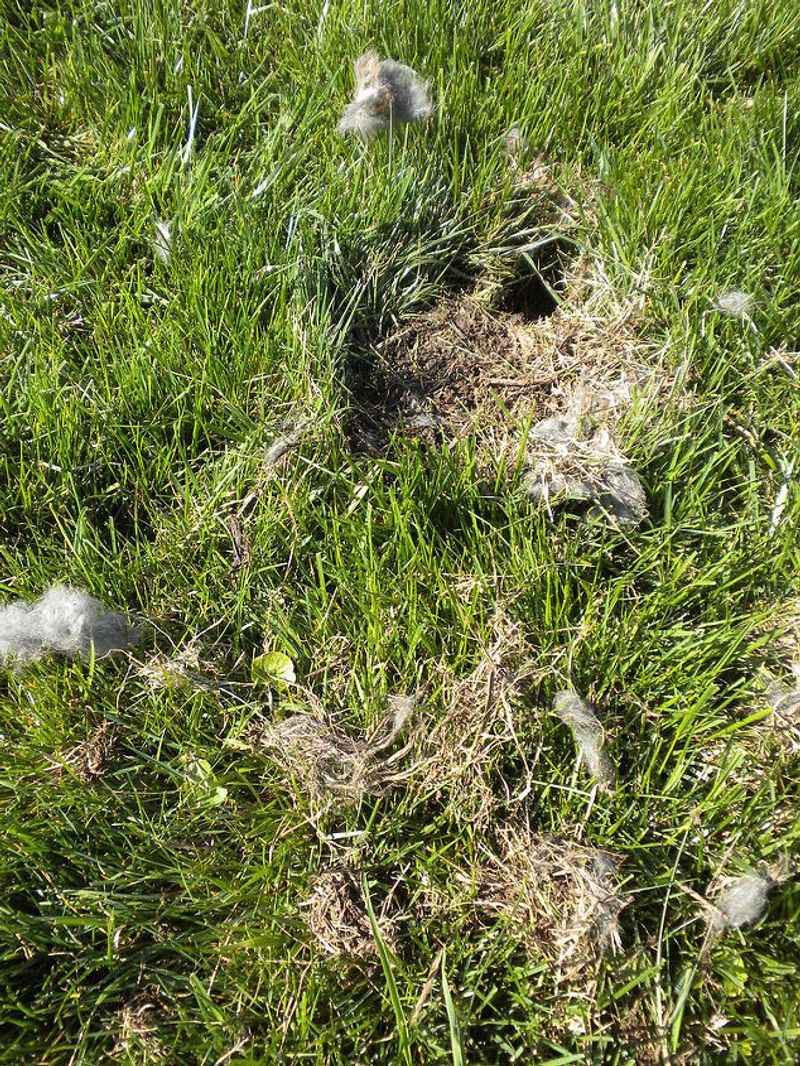
Foxes dig shallow holes when hunting for grubs, earthworms, and small rodents like voles or mice.
These holes typically measure a few inches across and aren’t as deep or destructive as those made by armadillos or groundhogs.
You’ll often find them scattered randomly across the lawn, especially in areas where the grass is thin or the soil is soft.
Foxes have an incredible sense of hearing and can detect prey moving underground.
They pounce and dig quickly, creating cone-shaped divots in the turf.
If you notice multiple small holes appearing overnight, particularly after rain when earthworms surface, a fox is likely the culprit.
Gardens with mulch or loose soil also attract foxes searching for insects and rodents that hide in the cover.
The holes usually appear fresh, with loose dirt piled nearby and sometimes scratch marks visible around the edges.
Foxes may also dig near compost piles or bird feeders where rodents congregate.
While the holes can be annoying for homeowners who take pride in their lawns, they actually indicate the fox is helping control pest populations.
Filling the holes and reducing rodent attractions can discourage this behavior over time.
6. Droppings That Look Twisted With Fur Or Berries
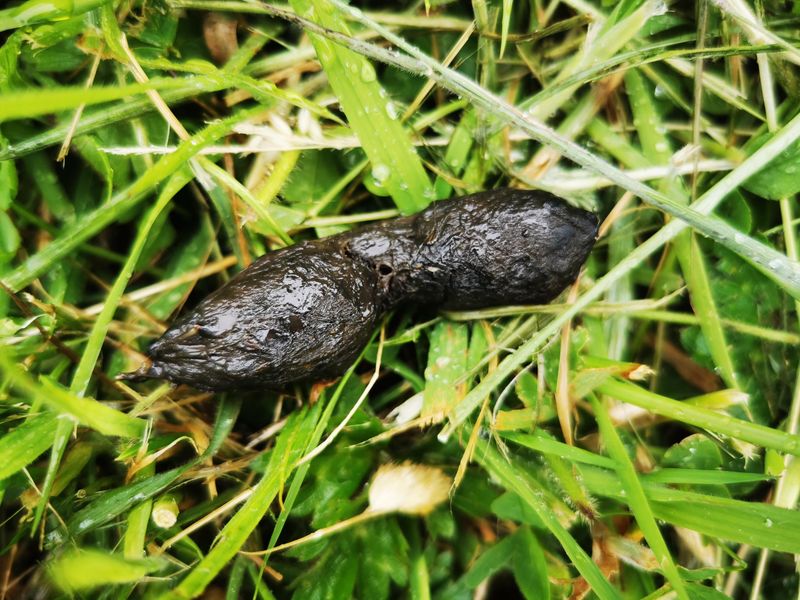
Fox droppings provide clear evidence of their presence and diet.
The scat typically appears dark, twisted, and rope-like, measuring about two to three inches long and a half-inch in diameter.
Unlike dog waste, fox droppings often contain visible bits of fur, bones, seeds, or berry skins, revealing what the animal has been eating.
Foxes are omnivores, so their diet changes with the seasons.
In summer, droppings might be full of blackberry seeds or insect parts, while winter scat often contains more fur and small bone fragments from rodents.
You’ll typically find droppings in prominent locations like on top of rocks, stumps, or in the middle of paths.
Foxes use scat as territorial markers, deliberately placing it where other animals will notice.
Fresh droppings look moist and dark, while older ones turn gray and crumbly.
The droppings have a distinctive musky odor, similar to the fox’s scent marking.
If you find these regularly in the same spots, a fox considers your yard part of its territory.
Always use gloves or a tool when examining or removing wildlife droppings to avoid parasites or diseases.
7. Pets Acting Nervous Or Alert At Certain Times
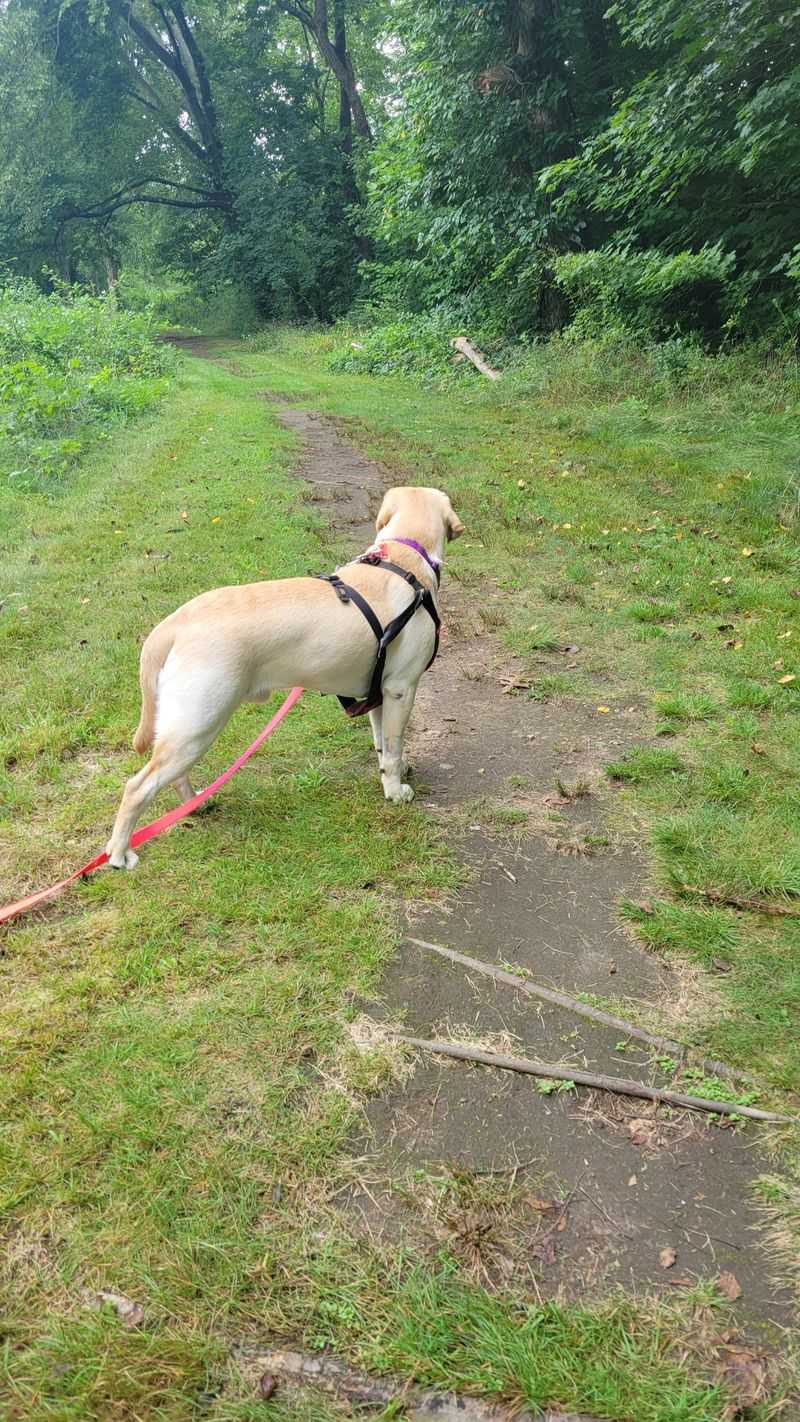
Dogs and cats often sense foxes before humans do, thanks to their superior hearing and smell.
If your dog suddenly becomes fixated on a particular area of the yard, barks at seemingly nothing, or refuses to go outside at certain times, a fox might be nearby.
Many pets display nervous behavior like pacing, whining, or staying close to their owners when they detect a wild animal’s presence.
Cats may refuse to use their outdoor litter areas or rush back inside quickly after going out.
Foxes typically move through yards during dawn and dusk, so pet behavior changes at these times are especially telling.
Some dogs become territorial and patrol fence lines more aggressively when they smell fox scent markings.
Others act fearful and want to stay indoors, particularly smaller breeds that might view the fox as a threat.
Pay attention to where your pet focuses their attention, as this can help you locate fox pathways or den sites.
If your outdoor cat stops roaming at night or your dog insists on accompanying you outside after dark, they’re likely aware of the fox’s presence.
Trusting your pet’s instincts can alert you to wildlife activity you might otherwise miss.
8. Damaged Or Moved Garbage And Compost

Foxes are opportunistic feeders and won’t pass up an easy meal from unsecured garbage or compost bins.
While raccoons are notorious for making huge messes, foxes tend to be more selective and tidier in their scavanging.
You might notice your garbage bags torn open in specific spots, with only certain food items taken.
Foxes prefer meat scraps, pet food, and fruit, often ignoring vegetables and packaging.
Compost piles attract them because of the rodents that feed there and the food scraps decomposing inside.
If your compost looks disturbed with a small entrance hole dug into the side, a fox has likely been investigating.
They’re smart enough to return regularly to spots where they’ve found food before, so securing your bins becomes essential.
Using bungee cords or locking lids can prevent access.
Some homeowners notice garbage moved but not scattered everywhere, which suggests a fox rather than a larger, messier scavenger.
Foxes also cache food, so you might find buried scraps in your flower beds or under bushes near the garbage area.
Reducing food attractants is one of the most effective ways to discourage fox visits.
9. Sightings Of The Fox Itself At Dawn Or Dusk
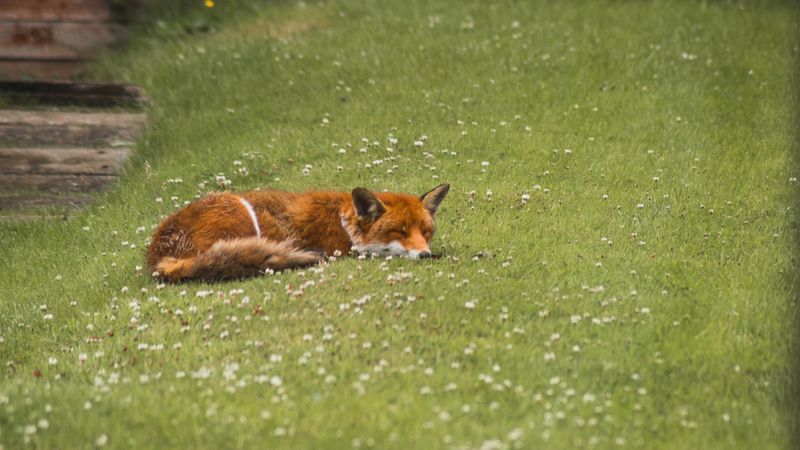
Actually seeing a fox is the most definitive sign, though it requires being in the right place at the right time.
Foxes are crepuscular, meaning they’re most active during the twilight hours of dawn and dusk.
If you happen to glance outside during these times, you might spot a reddish or gray figure moving quickly along fence lines or through garden beds.
Red foxes are more common in North Carolina and feature rusty-red fur with black legs and white-tipped tails.
Gray foxes have salt-and-pepper colored fur and can actually climb trees, a unique trait among canines.
Foxes move with a distinctive trot, head held low, and tail streaming behind them.
They’re generally shy and will flee if they notice you watching, so sightings are usually brief.
Setting up a motion-activated camera can help you confirm their presence and observe their behavior without disturbing them.
Some homeowners enjoy watching foxes from a distance, appreciating their role in controlling rodent populations.
If you see a fox repeatedly in your yard, it means the area provides good hunting opportunities or shelter.
Remember to keep a respectful distance and never attempt to feed or approach them, as they’re wild animals that can carry diseases.