10 Clear Signs A Raccoon Crept Across Your Pennsylvania Yard While You Weren’t Looking

Pennsylvania homeowners keep swapping stories about the sneaky signs raccoons leave behind, and it’s turning late-night yard checks into a small daily mystery.
Each clue feels like a quiet hint that something curious wandered through, leaving markings and patterns that don’t match the usual backyard visitors.
The growing fascination shows how easily these nighttime guests capture attention long after they’ve already slipped back into the dark.
1. Trash Cans Tipped Over and Contents Scattered
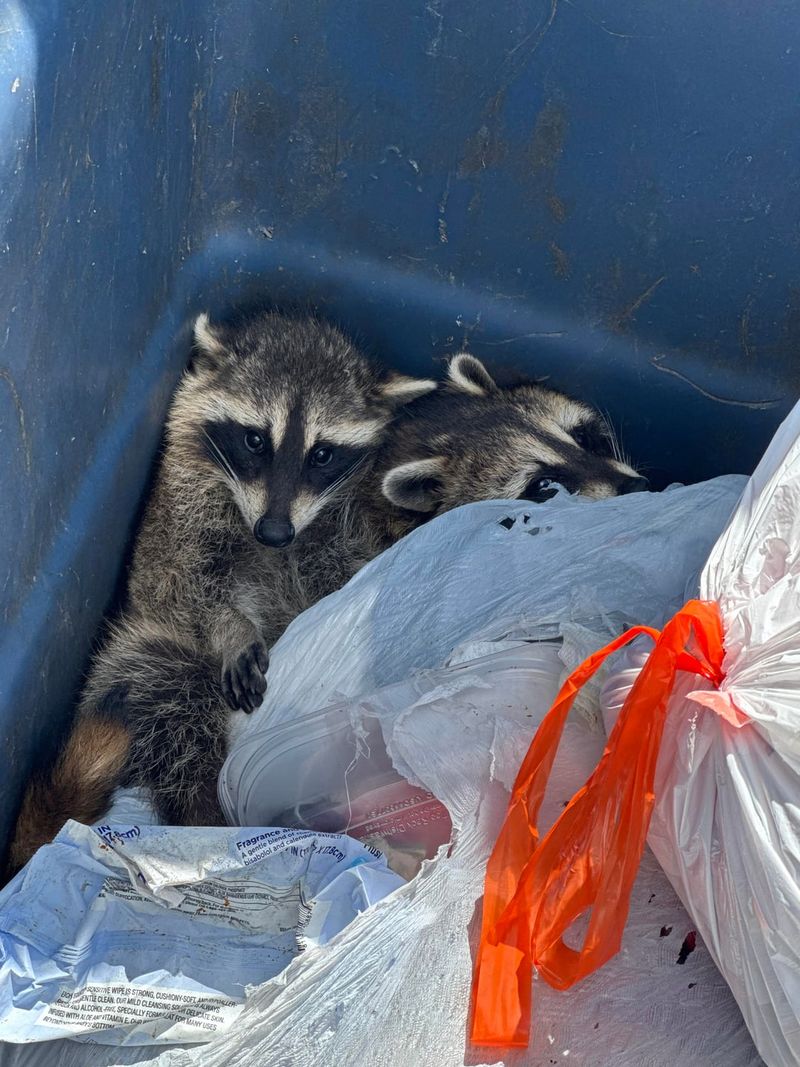
Your garbage bins lying on their sides with trash strewn everywhere is a classic calling card of raccoon visitors in Pennsylvania neighborhoods.
Raccoons possess incredibly strong and nimble paws that can easily flip over bins, pop off lids, and dig through bags searching for food scraps.
They especially love leftover pizza, fruit peels, and anything with a strong smell that catches their attention during nighttime foraging trips.
If you notice your trash cans knocked over multiple mornings in a row, raccoons have likely discovered your yard as a reliable food source.
Pennsylvania residents often find shredded bags and food wrappers creating a messy trail from the bins across the lawn toward nearby trees or fences.
Securing your trash with bungee cords or storing bins in a garage can help discourage these persistent visitors from making nightly return trips.
Cleaning up quickly prevents raccoons from establishing your property as part of their regular feeding route through the neighborhood each evening.
2. Muddy Paw Prints on Walkways and Porches

Raccoon tracks look surprisingly similar to tiny human handprints because their front paws have five long fingers that leave distinctive marks in soft surfaces.
After rainy nights across Pennsylvania, you might discover these unique prints dried onto your sidewalks, porch steps, or even patio furniture cushions.
The back paws create longer prints that resemble small footprints, while the front ones show those characteristic finger-like impressions that set them apart.
Finding these muddy trails usually means a raccoon wandered through your yard exploring for food, water, or simply passing through to another destination.
Pennsylvania homeowners often spot these tracks leading from one part of the property to another, showing the exact path the animal took overnight.
Fresh prints that appear wet or damp indicate very recent activity, possibly just hours before you stepped outside to check your yard that morning.
Taking photos of the prints helps you track patterns over time and determine if the same raccoon keeps returning to explore your outdoor areas.
3. Holes Dug in Lawn or Garden Beds
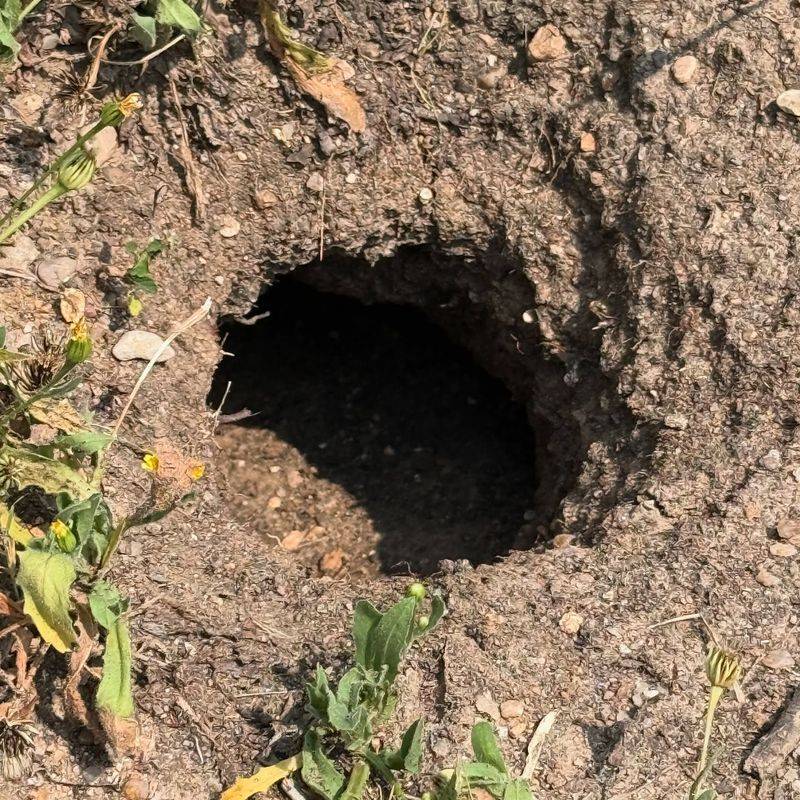
Waking up to find mysterious holes scattered across your Pennsylvania lawn often means raccoons spent the night hunting for grubs, worms, and insects beneath the surface.
These holes typically measure a few inches across and appear in clusters where the soil is soft and easy to dig through with sharp claws.
Raccoons have an excellent sense of smell that helps them locate tasty underground treats like beetle larvae that damage grass roots anyway during summer months.
Garden beds with freshly turned soil become especially attractive to these animals because the loose dirt makes digging much easier than compacted lawn areas.
Pennsylvania gardeners sometimes mistake this damage for mole activity, but raccoon holes are usually wider and less organized than the tunnel systems moles create.
While the holes might look messy, raccoons actually help control pest populations by eating insects that would otherwise harm your plants and grass.
Filling the holes with soil and watering your lawn encourages grass to regrow quickly, though raccoons may return if grubs remain plentiful underground.
4. Overturned Potted Plants and Planters

Finding your carefully arranged potted plants tipped over with soil spilling everywhere suggests raccoons explored your porch or patio during their nighttime Pennsylvania wanderings.
Curious by nature, raccoons investigate anything that might hide food, including the space beneath pots where insects, worms, or even pet food sometimes gets tucked.
Their front paws work almost like human hands, allowing them to grip pot edges and tip containers over with surprising ease despite their weight.
Heavier ceramic planters usually stay upright, but plastic and lightweight containers become easy targets for these strong and determined animals searching for snacks.
Pennsylvania homeowners often discover not just tipped planters but also claw marks on the pot surfaces where raccoons gripped while pushing them over.
Sometimes raccoons knock over plants accidentally while climbing on porch railings or furniture, not necessarily because they wanted what was inside the containers.
Securing pots with heavy stones or moving them against walls makes it harder for raccoons to tip them during future nighttime visits to your property.
5. Disturbed Mulch and Ground Cover

Mulch scattered far from your garden beds tells a story of raccoons digging through the layers searching for worms, beetles, and other creatures hiding underneath.
Pennsylvania yards with thick mulch coverage become attractive hunting grounds because the moist environment beneath the wood chips hosts plenty of tasty invertebrates for raccoons.
You might notice mulch piled in odd spots or spread across walkways where raccoons flung it aside while using their sensitive paws to explore the soil.
Rock gardens and decorative stone areas sometimes get disturbed too, though raccoons prefer softer mulch that their claws can easily push aside during foraging sessions.
The disturbance often looks random and messy compared to the neat work of gardeners, with mulch scattered in every direction rather than carefully placed.
Pennsylvania residents sometimes find small holes beneath the scattered mulch where raccoons dug down several inches to reach particularly appealing food sources below ground.
Raking mulch back into place takes just minutes, but raccoons may return repeatedly if your garden beds continue offering easy access to their favorite foods.
6. Empty or Knocked Over Pet Food Bowls
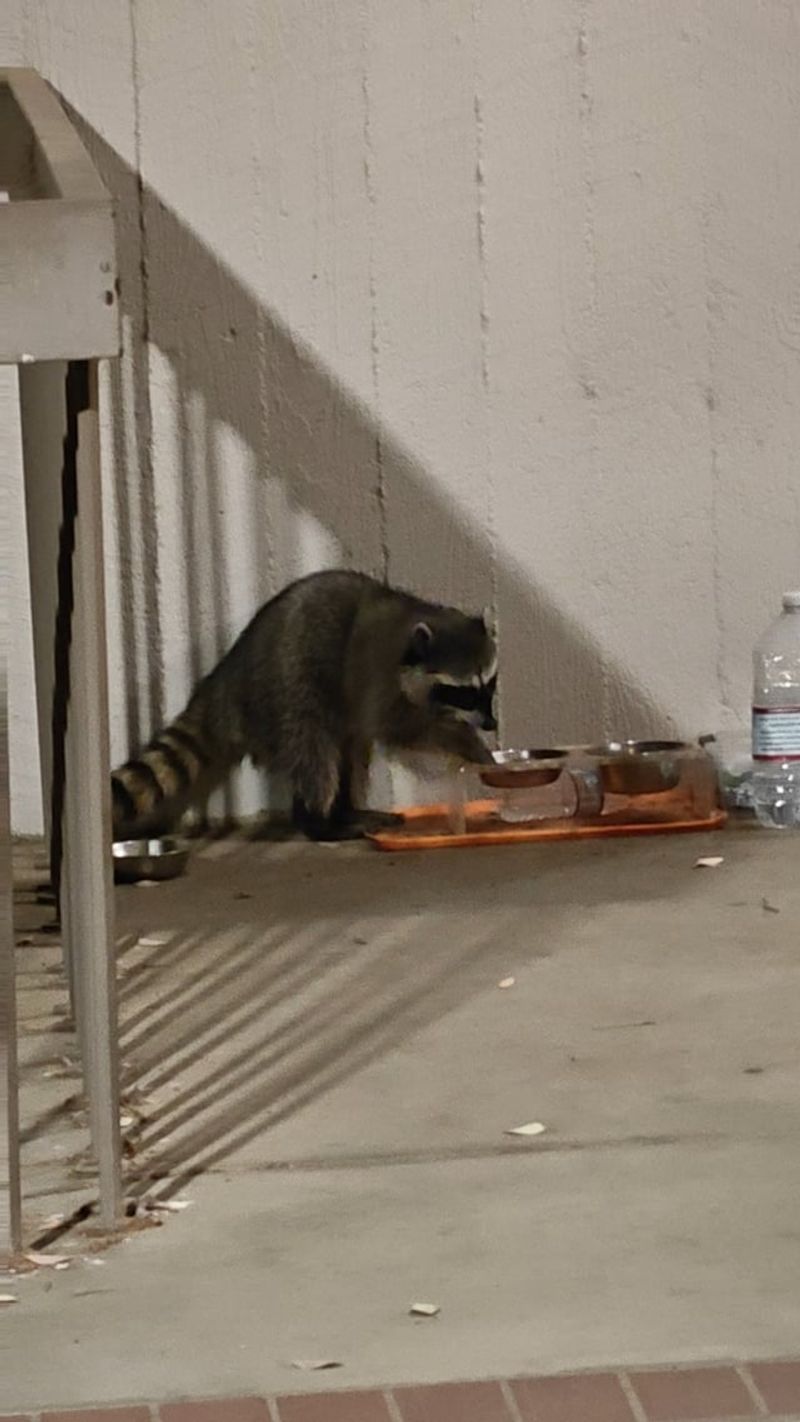
Pet food left outside overnight becomes an irresistible buffet for hungry raccoons prowling through Pennsylvania neighborhoods looking for easy meals to enjoy.
Raccoons have no trouble crunching through dry dog or cat kibble, and they absolutely love the taste of wet food that pet owners leave out.
You might discover bowls completely empty, tipped over, or even carried several feet away from where you originally placed them on the porch.
These clever animals sometimes dunk their food in water bowls before eating, a behavior called dousing that helps them examine and soften their meals.
Pennsylvania pet owners often find water dishes dirtied with food debris or knocked over entirely after raccoons finished their midnight snacking sessions outside homes.
Feeding pets indoors or bringing bowls inside after dinner prevents raccoons from learning your yard offers regular food that keeps them coming back nightly.
Once raccoons establish a feeding routine at your home, breaking the pattern requires consistency in removing food sources they have come to expect.
7. Damaged or Opened Bird Feeders

Bird feeders hanging crooked or lying on the ground with seed scattered everywhere clearly indicate raccoons climbed up to access the contents during nighttime raids.
Pennsylvania raccoons are excellent climbers with strong grip strength that allows them to shimmy up poles, chains, and tree branches to reach suspended feeders.
They use their nimble fingers to pry open feeding ports, unscrew caps, or simply shake feeders violently until seeds pour out onto the ground below.
Suet cages often show bent bars or missing blocks after raccoons worked persistently to extract the high-fat food that gives them energy through cold months.
Homeowners across Pennsylvania sometimes find feeder pieces scattered across yards where raccoons disassembled them completely while trying to access every last seed inside.
Installing baffles on feeder poles or bringing feeders indoors at night helps protect your investment and prevents raccoons from developing destructive feeding habits.
While frustrating for bird lovers, this behavior shows just how resourceful and determined raccoons become when they discover reliable food sources in residential areas.
8. Scratches or Claw Marks on Trees and Fences
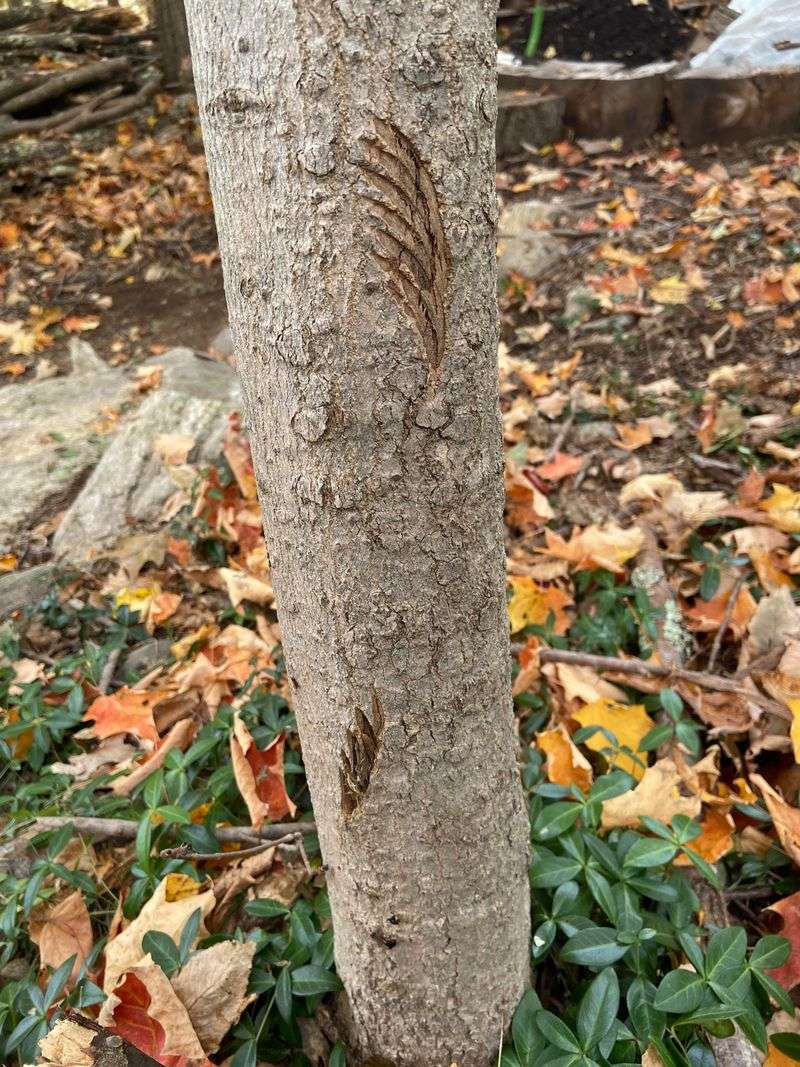
Fresh scratch marks appearing on tree trunks and wooden fence posts reveal where raccoons climbed while traveling through your Pennsylvania yard overnight on their routes.
Raccoons have sharp, curved claws designed for gripping bark and wood surfaces, leaving distinctive parallel scratch patterns that differ from squirrel or cat marks.
Trees near homes often show the most damage because raccoons use them as highways to access roofs, gutters, or simply to survey the neighborhood safely.
Pennsylvania homeowners might notice these scratches concentrated at certain heights where raccoons repeatedly grip the same spots while ascending or descending during their nightly travels.
Wooden privacy fences also display claw marks where raccoons climbed over barriers while moving between yards in search of food, water, or den sites.
Fresh scratches appear lighter in color than older marks because they expose the wood beneath the weathered outer layer of bark or fence stain.
Wrapping tree trunks with smooth metal guards prevents raccoons from climbing and protects both your trees and your roof from potential unwanted animal visitors.
9. Unusual Sounds During Nighttime Hours
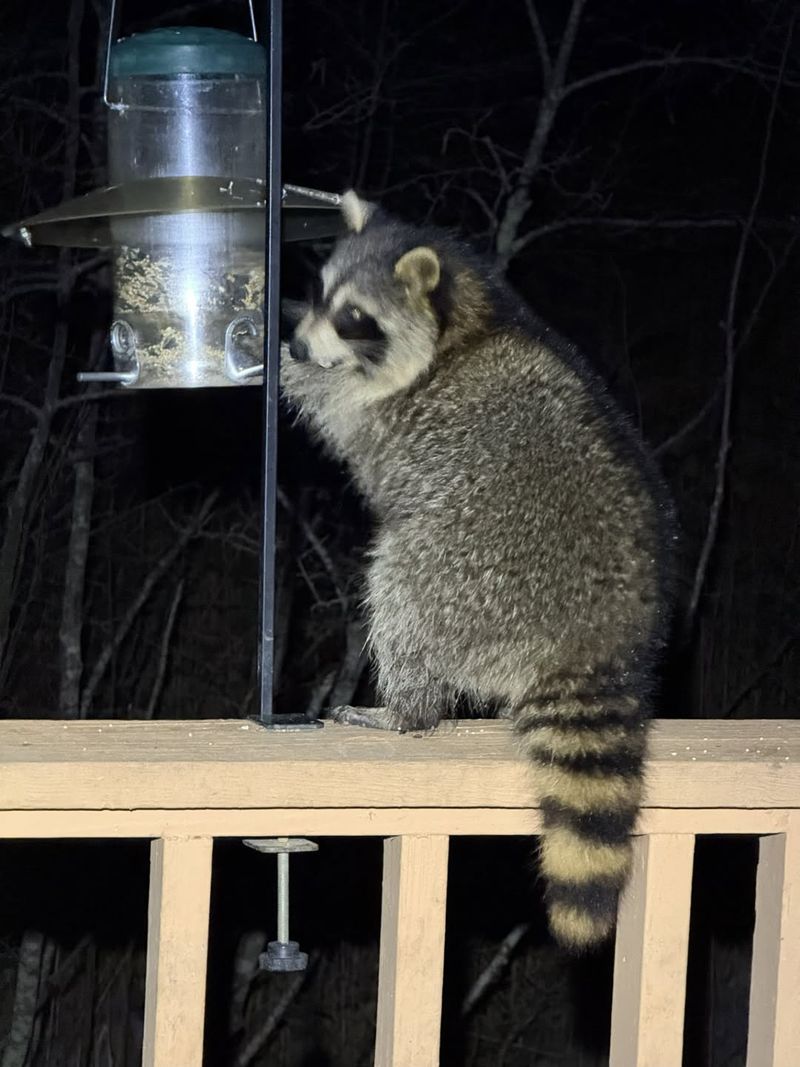
Strange noises coming from your yard after dark often signal raccoon activity, though you might mistake their sounds for other animals or even people outside.
Raccoons make surprisingly varied vocalizations including chittering, growling, hissing, and even sounds that resemble purring when they feel content while eating discovered food.
Pennsylvania residents sometimes hear thumping or scraping sounds as raccoons knock over objects, climb structures, or dig through materials searching for meals and water.
Baby raccoons create high-pitched crying sounds that might wake you up, especially during spring months when mothers bring their young along on foraging trips.
Fighting raccoons produce loud screeching and growling that can sound alarming, though these confrontations usually end quickly without serious harm to either animal involved.
Trash can lids clanging, fence boards rattling, or gutter banging all provide audible clues that raccoons are actively exploring your property during overnight hours.
Keeping a flashlight handy lets you safely peek outside when you hear suspicious sounds, though raccoons typically flee quickly when they notice human presence nearby.
10. Missing Fruits or Vegetables from Gardens
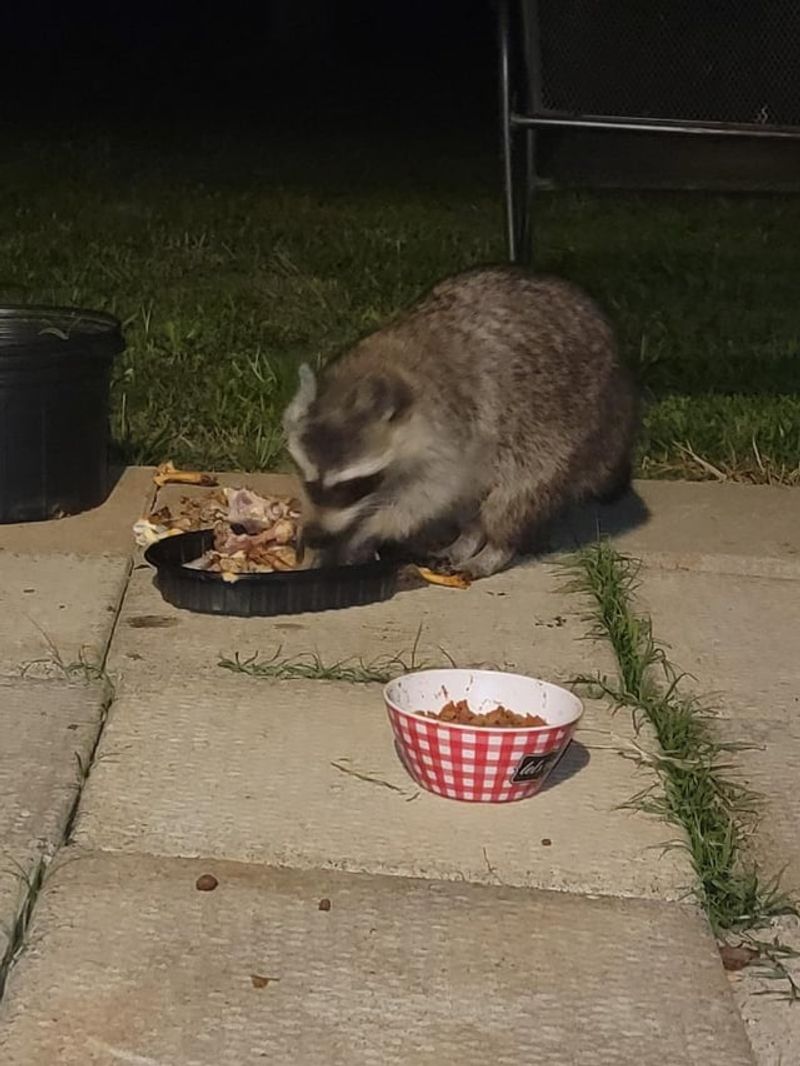
Discovering half-eaten tomatoes, missing ears of corn, or picked-clean berry bushes strongly suggests raccoons enjoyed a feast from your Pennsylvania garden while you slept inside.
Raccoons possess an excellent sense of timing and often harvest fruits and vegetables right when they reach peak ripeness, sometimes beating gardeners to the harvest.
They typically leave behind partially eaten produce with distinctive tooth marks rather than consuming entire fruits, moving from plant to plant sampling different items available.
Pennsylvania gardeners growing sweet corn face particularly persistent raccoon problems because these animals adore corn and can strip stalks clean in a single night.
Watermelons, cantaloupes, and pumpkins often show claw marks and holes where raccoons broke through tough rinds to access the sweet flesh hidden inside.
Berry bushes appear picked over with branches bent or broken where raccoons reached for fruit, and you might find berry-stained paw prints nearby afterward.
Installing motion-activated lights or fencing around garden areas helps protect your harvest, though determined raccoons sometimes find ways around obstacles to reach favorite foods.