10 Clear Signs A River Otter Passed Through Your Minnesota Yard Without You Noticing

River otters are some of the most playful and curious creatures in Minnesota, but they move through yards so quietly that most people never realize they had a visitor.
These sleek mammals travel far from water in search of food, shelter, or simply exploring new territory.
Your backyard might have been part of their nightly route without leaving obvious clues behind.
Knowing what to look for can help you understand the wildlife sharing your space.
From unusual tracks to disturbed areas near your pond, otters leave behind subtle hints of their presence.
Learning these signs connects you to the natural world in your own neighborhood.
Many Minnesota homeowners are surprised to discover that otters have been frequent guests all along.
Spotting these clues turns an ordinary yard into an exciting wildlife observation area.
1. Muddy Slide Marks Near Water Features

Otters love to slide, and they create smooth, muddy trails wherever they go.
If you have a pond, stream, or even a low spot that collects water, check the banks for long streaks in the mud.
These slides look like someone dragged a sled down a small hill, but they are actually otter highways.
River otters in Minnesota use these slides for fun and efficient travel between water sources.
The marks are usually about a foot wide and can stretch several feet long.
Fresh slides appear wet and shiny, while older ones dry out and harden.
Look closely at the edges of your water features, especially after rain when the ground is soft.
Otters repeat their favorite routes, so you might notice the same slide getting deeper over time.
This behavior is one of their most distinctive habits.
Even small decorative ponds can attract these playful animals if they are passing through your Minnesota neighborhood.
Finding a slide mark is exciting proof that an otter explored your property.
Keep your eyes open near any damp or muddy areas.
2. Five-Toed Tracks With Webbing Impressions
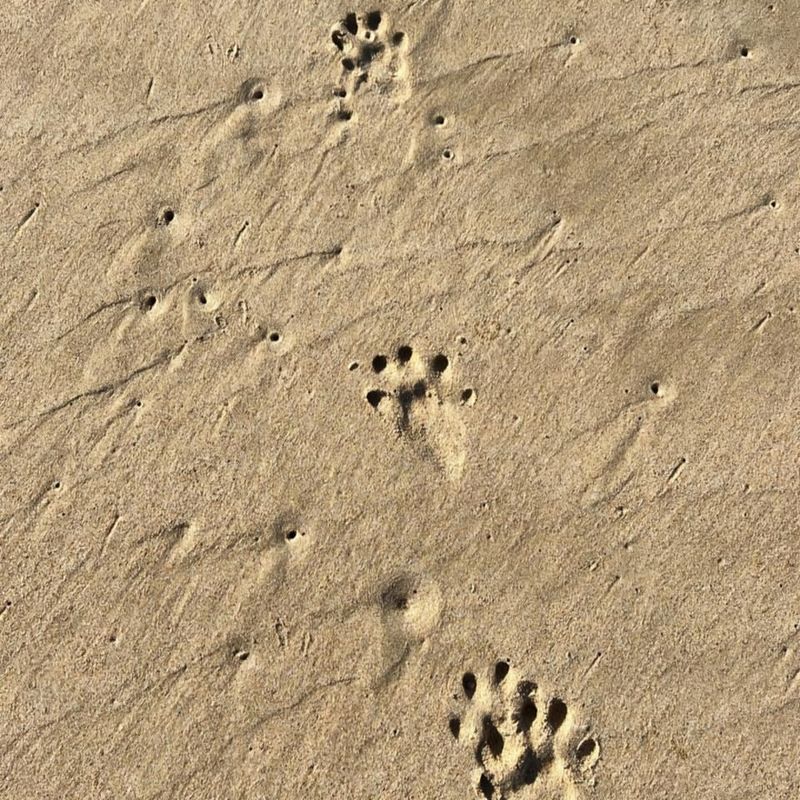
Otter tracks are surprisingly easy to identify once you know what to look for.
Each footprint shows five toes arranged in a wide pattern, and sometimes you can see webbing between them.
The prints measure about two to three inches across, larger than most other small mammals in Minnesota.
Front feet are slightly smaller than the back ones, creating an uneven trail.
When otters walk, their feet often overlap, making the track pattern look messy or dragged.
Check soft mud, sand, or snow around water edges, driveways, or garden beds.
Fresh tracks show clear toe details and claw marks at the tips.
Otters move in a bounding motion, so their prints often appear in groups of four.
The tail sometimes drags between the footprints, leaving a wavy line in the mud.
Minnesota homeowners near lakes or rivers are most likely to spot these tracks.
Compare what you find to pictures online to confirm your discovery.
Tracks are one of the clearest signs that an otter visited your yard recently.
3. Fish Scales And Bones Scattered Around
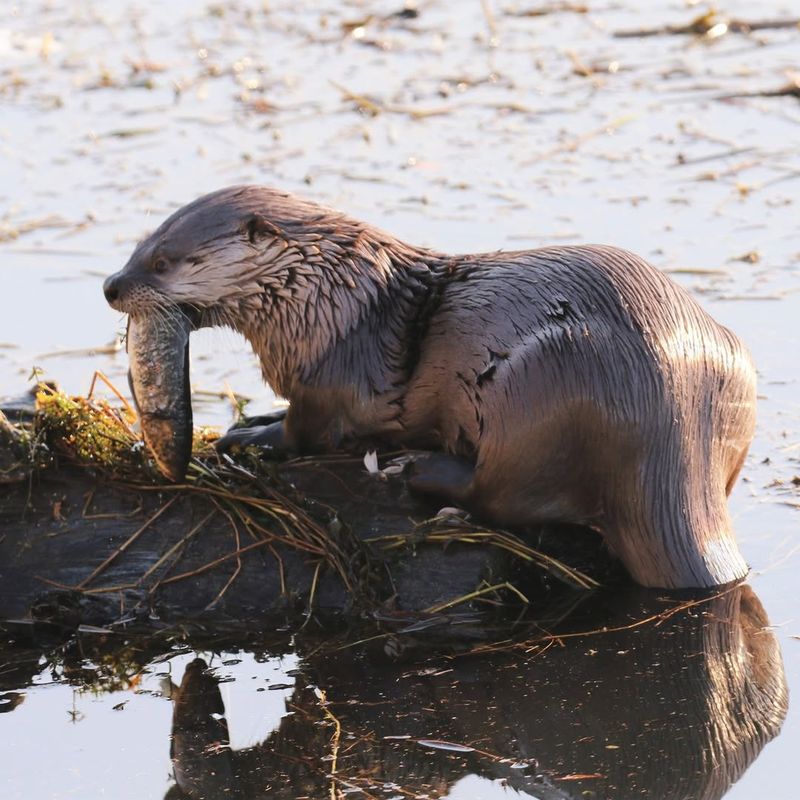
River otters are skilled hunters, and they often leave behind the remains of their meals.
If you notice fish scales glittering on the grass or small bones near your pond, an otter might be responsible.
They prefer to eat their catch on land rather than in the water, choosing flat rocks or grassy areas.
Look for piles of scales, fish heads, or tiny skeletons near the water’s edge.
Otters in Minnesota feed on species like perch, sunfish, and minnows from nearby ponds and streams.
The leftovers are usually scattered rather than neatly piled, showing signs of quick consumption.
Fresh remains smell fishy and attract flies, while older ones dry out and become brittle.
Check areas where the grass is flattened, as otters like to rest while eating.
Crayfish shells and frog parts are also common otter snacks you might find.
These feeding signs are more noticeable in spring and summer when otters are most active.
Discovering these clues means your yard provided a convenient dining spot.
Otters are messy eaters, so leftovers are a reliable sign.
4. Strong Musky Odor Near Water Or Trails

Otters communicate through scent, and their musk has a powerful, unforgettable smell.
If you catch a whiff of something musky, fishy, or slightly sweet near your pond or yard, it could be otter scent marking.
They leave droppings called spraints in specific spots to signal their territory to other otters.
These spraints have a distinctive odor that some people compare to fresh-cut hay mixed with fish.
Minnesota river otters mark their favorite routes and resting areas regularly.
The smell is strongest near water sources, on rocks, or along trails they use frequently.
Spraints look like dark, tar-like droppings filled with fish scales and bones.
Fresh spraints are moist and strong-smelling, while older ones dry out and lose intensity.
Check elevated spots like logs, large rocks, or dock edges where otters prefer to leave their messages.
The musky odor can linger for days, especially in humid weather.
If your yard has a persistent fishy smell that you cannot explain, an otter might be marking its path.
This scent communication helps otters avoid conflicts with each other.
5. Disturbed Vegetation Along Water Edges
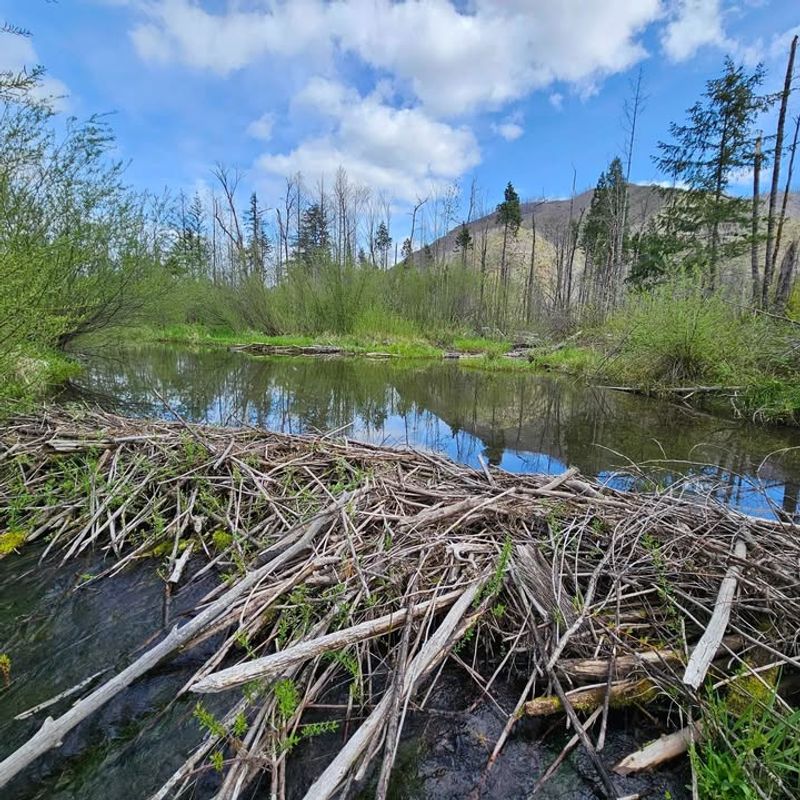
Otters are not careful travelers, and they leave obvious trails through grass and plants.
Look for flattened vegetation leading from water to other parts of your Minnesota yard.
These pathways appear as narrow, matted-down strips where grass is bent or crushed.
Otters follow the same routes repeatedly, creating well-worn trails over time.
The paths are usually about a foot wide and wind through the easiest terrain.
Plants near pond edges might be pushed aside or broken where otters enter and exit the water.
Check for disturbed mulch, displaced rocks, or dug-up soil along these trails.
Otters move quickly and do not worry about tidiness, so their routes look messy.
In tall grass, the trails are especially noticeable because the stems stay bent for days.
Minnesota homeowners with waterfront property see these pathways most often.
Otters also create shortcuts across lawns to reach different water sources.
The more you look, the easier it becomes to spot their travel patterns.
Disturbed vegetation is a clear sign of regular otter activity.
6. Missing Koi Or Pond Fish Overnight
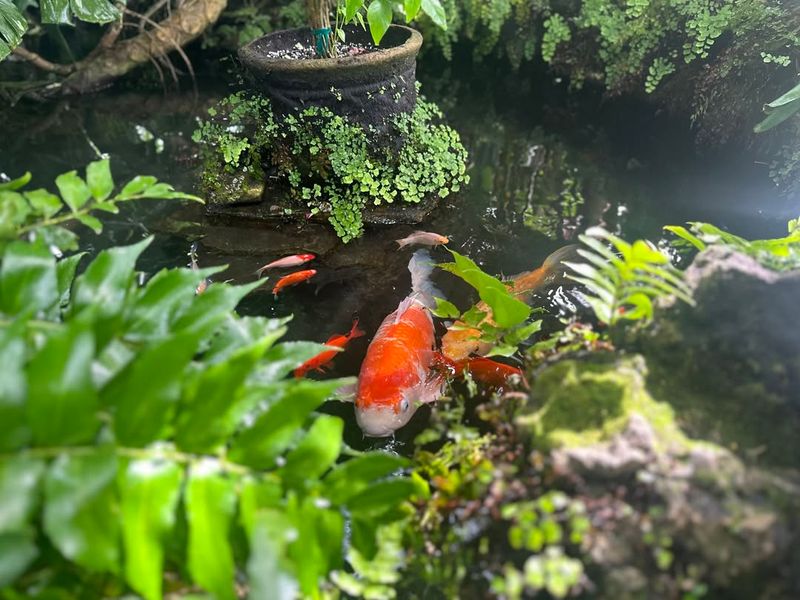
Few things are more frustrating than discovering your prized koi have vanished without a trace.
River otters are expert fish hunters, and a well-stocked pond is an irresistible buffet.
If several fish disappear overnight with no obvious predator, an otter might be your culprit.
Otters hunt efficiently and can empty a small pond in just a few visits.
Unlike herons that hunt during the day, otters work under cover of darkness.
Check for other signs like tracks, slides, or fish remains nearby to confirm otter activity.
Minnesota ponds near rivers, lakes, or wetlands are especially vulnerable to otter raids.
Otters can squeeze through surprisingly small spaces to access fenced ponds.
They are quick and quiet, so you probably will not hear anything even if you are home.
Pond owners often blame raccoons or cats, but otters are far more skilled at catching fish.
Installing motion-activated lights or netting can help protect your pond.
If fish keep disappearing, consider that an otter has discovered your backyard treasure.
7. Rolled Or Matted Grass Patches
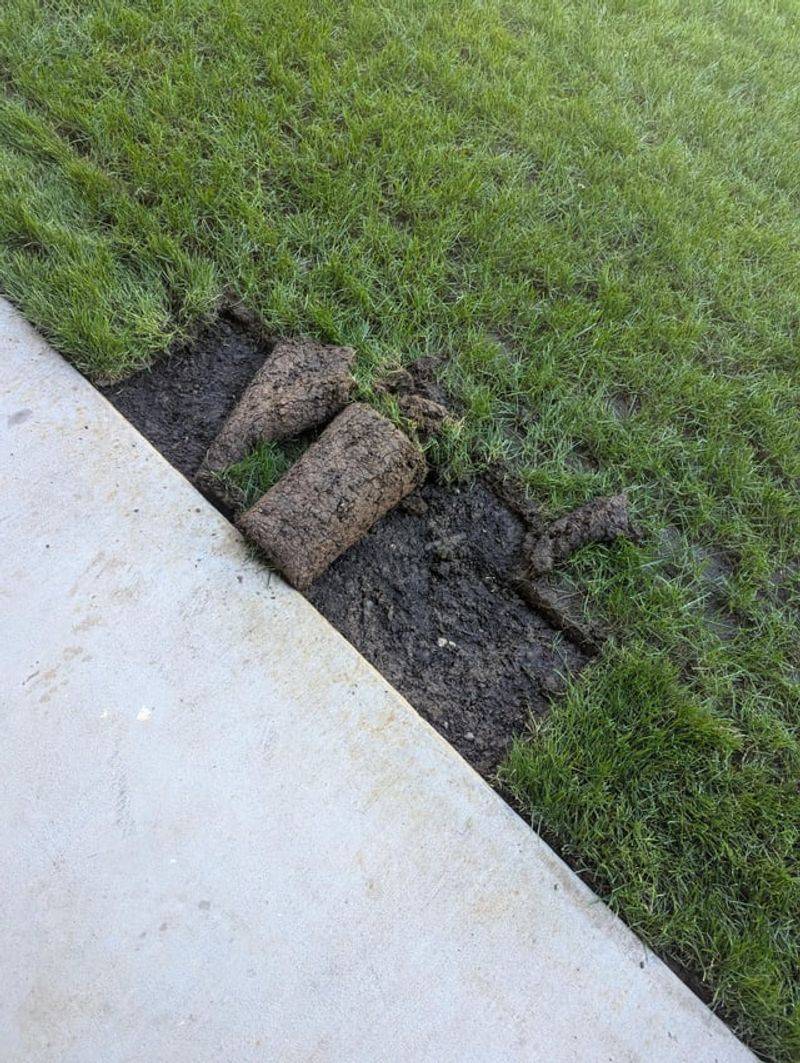
After swimming or eating, otters like to roll around on the grass to dry off and groom.
These rolling spots create circular or oval patches of flattened, matted grass.
The areas are usually close to water and measure about two to three feet across.
Grass in these spots looks pressed down in multiple directions, showing the otter’s movements.
You might also find loose fur caught in the grass blades.
Otters in Minnesota spend considerable time grooming their thick, waterproof coats.
Rolling helps them clean their fur and remove excess moisture after a swim.
Look for these patches on flat, open areas near your pond or stream.
Fresh rolling spots show damp grass, while older ones have dried and started to spring back.
Otters return to favorite rolling locations, so the same spots get used repeatedly.
These matted areas are different from spots where dogs or other animals rest.
The circular pattern and location near water are key identifying features.
Finding a rolling patch means an otter felt comfortable enough to groom in your yard.
8. Unusual Sounds At Night Near Water

Otters are surprisingly vocal animals, especially when communicating with family members.
If you hear chirping, whistling, or chattering sounds near your pond at night, otters might be visiting.
These noises sound like a combination of bird calls and playful squeaks.
River otters in Minnesota are most active during dawn, dusk, and nighttime hours.
They make soft grunting sounds while hunting and louder calls when playing or defending territory.
Young otters are particularly noisy, making high-pitched whistles to stay in contact with their mothers.
The sounds carry well across water, so you might hear them from inside your house.
Splashing noises combined with vocalizations are a strong indicator of otter activity.
Many people mistake these sounds for birds or other nocturnal animals.
If the noises come from your pond or nearby water source, consider the possibility of otters.
Recording the sounds on your phone can help you compare them to otter calls online.
Hearing these vocalizations is a rare and exciting experience for Minnesota homeowners.
9. Disturbed Or Overturned Rocks In Shallow Water

Otters flip rocks and dig through mud while hunting for crayfish, frogs, and small fish.
If you notice rocks in your pond or stream have been moved or overturned, an otter might be responsible.
They use their nimble paws to search under rocks for hidden prey.
The disturbed areas usually appear in shallow water along the edges.
Rocks that were previously settled in mud might be flipped completely over or pushed aside.
Minnesota otters are persistent hunters and will thoroughly investigate promising spots.
Look for cloudy water or disturbed sediment near the overturned rocks.
This foraging behavior is especially common in spring when crayfish are abundant.
Otters also dig small holes in muddy bottoms while searching for food.
The disturbances are random rather than organized, showing the otter’s exploratory hunting style.
Check your pond’s shallow areas and stream edges for these signs.
Overturned rocks combined with tracks or fish remains confirm otter presence.
This foraging evidence shows that your water feature provided good hunting opportunities.
10. Bent Or Broken Reeds And Cattails

Otters travel through dense vegetation without much concern for the plants in their way.
If you have cattails, reeds, or tall grasses around your pond, check for broken or bent stems.
These plants often show damage at water level where otters push through.
The breaks appear fresh with green, exposed plant material rather than dried brown stems.
Otters create pathways through vegetation by repeatedly using the same routes.
Minnesota wetland plants near otter travel corridors show obvious wear patterns.
Look for stems that are bent at sharp angles or snapped completely off.
The damage usually forms a tunnel-like opening through dense plant growth.
Otters are powerful swimmers and do not slow down for fragile reeds.
This plant damage is especially noticeable in spring when new growth is tender.
Compare the broken areas to animal trails made by muskrats or beavers, which look different.
Otter pathways are wider and show more random damage patterns.
Bent cattails near other otter signs confirm their presence in your Minnesota yard.