11 Clear Signs Your Oregon Houseplants Need More Sunlight
Noticing your fern looking a little droopy, your pothos slowing down, or your fiddle leaf fig dropping more leaves than usual? Winter in Oregon brings shorter days and cloudier skies, which can leave indoor plants struggling for light.
Plants need sunlight the way we need food. Without enough, even the healthiest houseplants show it quickly.
The good news is they give plenty of hints when they’re not getting enough brightness, and once you know the signs, fixing the problem is easy.
This guide shows the most common ways Oregon houseplants signal they need more light. From pale leaves to slow growth, each symptom has a meaning, and practical steps to help your green friends bounce back strong.
By paying attention now, you can turn your indoor jungle back into a thriving, happy space. Ready to become a sunlight detective and save your houseplants this winter?
1. Leggy, Stretched-Out Growth
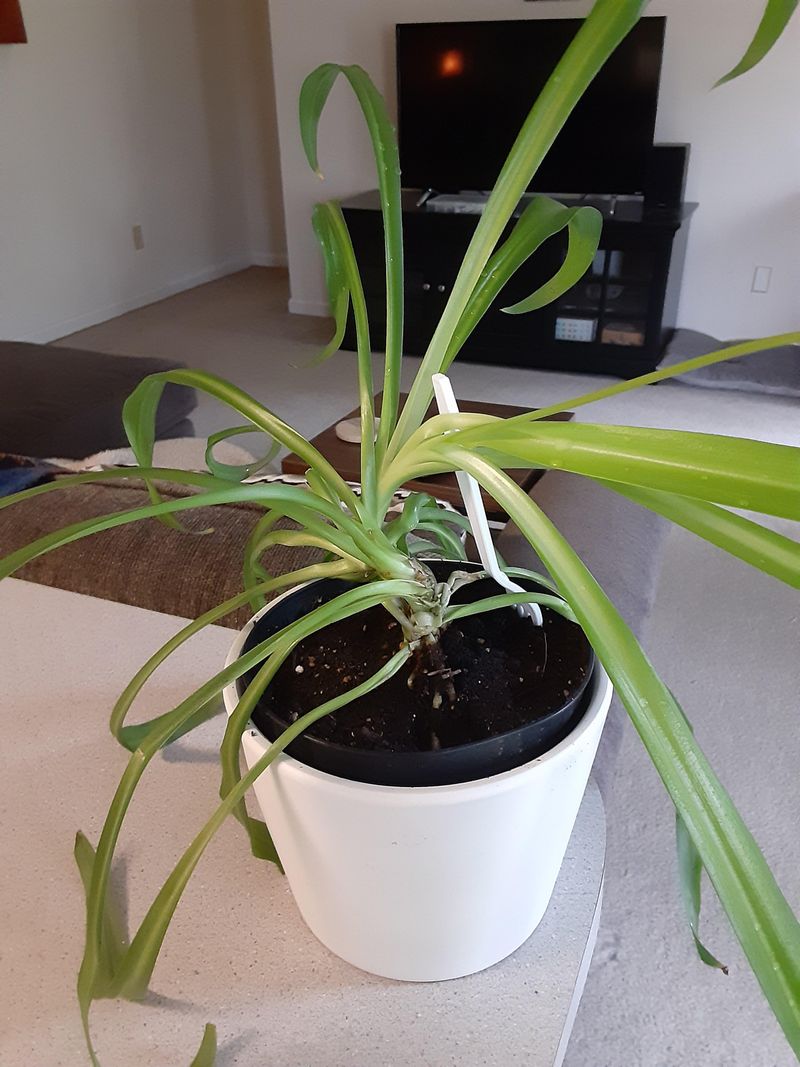
When your plant starts to look tall and lanky with lots of space between leaves, it is reaching for light. This happens because the stem stretches toward the nearest window or lamp, trying to capture more rays.
The technical term is etiolation, but you can just think of it as your plant getting desperate for brightness.
Stems become thin and weak, and the whole plant might start to lean or even flop over. New growth looks pale and spindly instead of compact and vibrant.
You might notice this most on pothos, philodendrons, and succulents, which normally grow in tighter, bushier shapes.
Move your plant closer to a bright window or add a grow light above it. Rotate the pot every week so all sides get equal exposure.
If the damage is already severe, you can prune back the leggiest stems to encourage fuller growth from the base.
Oregon winters make this problem worse because natural daylight drops significantly. Even a spot that worked great in summer might not provide enough light come November.
Pay close attention during the rainy season and adjust placement as needed.
2. Leaves Turning Yellow And Dropping
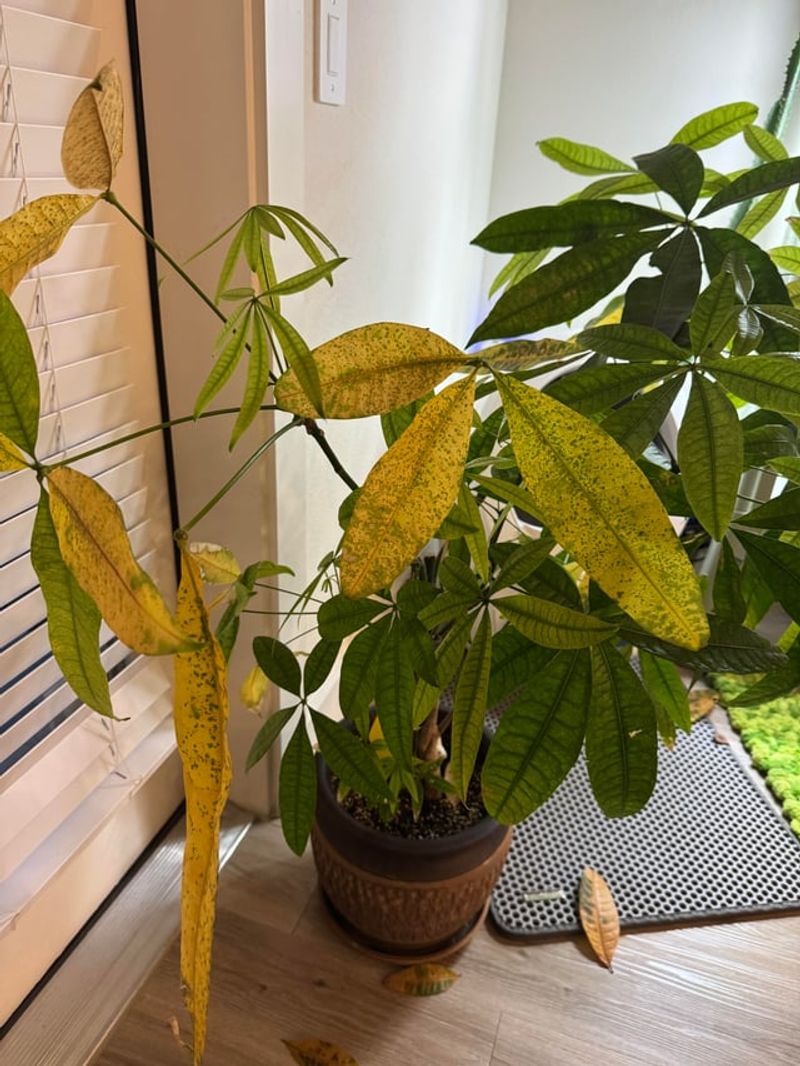
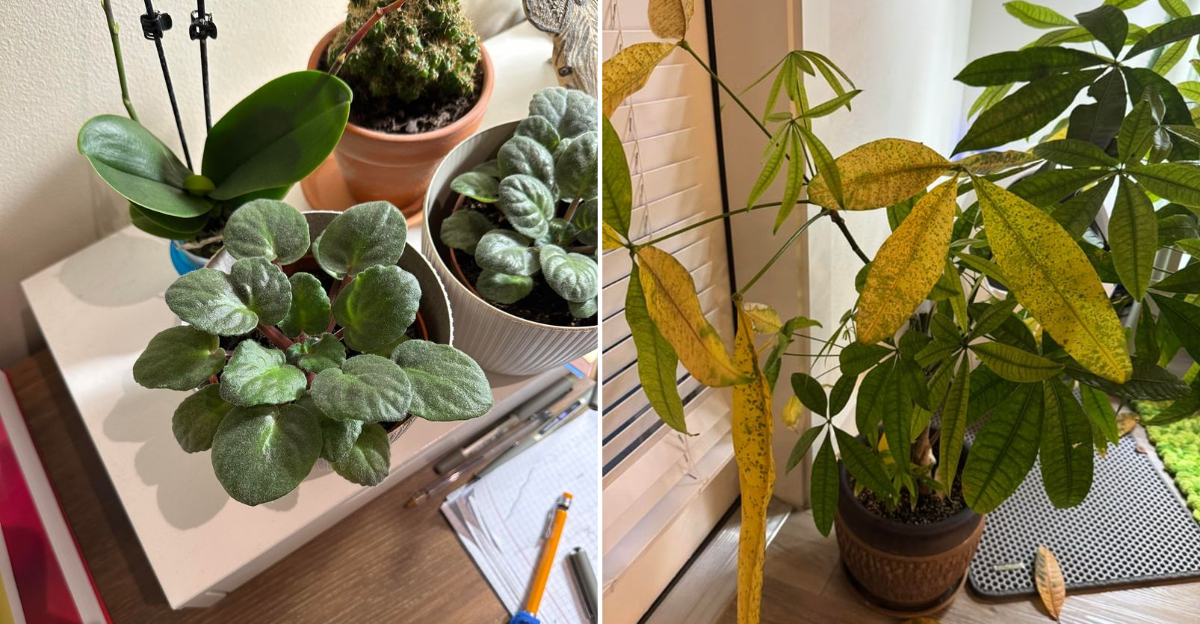
Yellow leaves can mean many things, but when combined with slow growth and dim conditions, lack of sunlight is often the culprit. Plants use chlorophyll to convert light into energy, and without enough light, older leaves turn yellow and fall off.
Your plant is essentially shedding parts it cannot support anymore.
Start by checking the lower leaves first. If they yellow while the top stays green, your plant is prioritizing new growth and sacrificing the older foliage.
This is a survival tactic. You might also see yellowing spread across the whole plant if the light shortage is severe.
Relocate your houseplant to a brighter spot right away. South or west-facing windows work best in Oregon because they capture the most available daylight.
Avoid placing plants too far from the glass, as light intensity drops quickly with distance.
Keep in mind that overwatering can also cause yellow leaves, so feel the soil before you water. If the top two inches are still damp, hold off.
Combining better light with proper watering habits will help your plant recover faster and look healthier overall.
3. Slow Or No New Growth
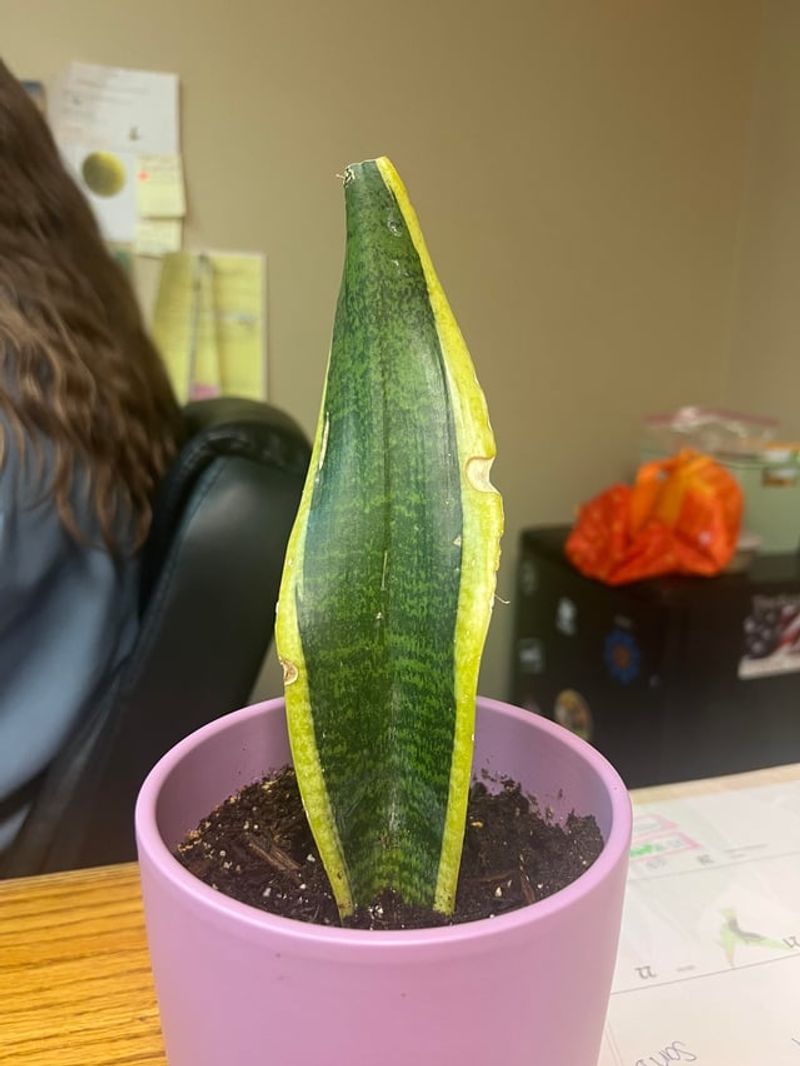
Has your plant been the same size for months? When houseplants do not receive adequate sunlight, they enter a kind of survival mode and stop producing new leaves or stems.
Growth slows to a crawl or stops completely, even during the growing season.
Photosynthesis is the engine that drives plant growth. Without enough light, that engine idles.
You might notice that your plant looks healthy otherwise, but it just refuses to put out new shoots or unfurl fresh leaves. This is especially common with tropicals like monsteras and rubber plants.
Try moving your plant to a sunnier location and be patient. Growth will not restart overnight, but within a few weeks you should see new buds forming.
Fertilizing will not help if light is the issue, so resist the urge to add extra nutrients.
Oregon gardeners face this challenge most in fall and winter when daylight hours shrink. Consider investing in a simple LED grow light to supplement natural light.
Even a few extra hours of artificial light each day can make a noticeable difference in growth rates and overall plant vigor.
4. Leaves Losing Their Vibrant Color
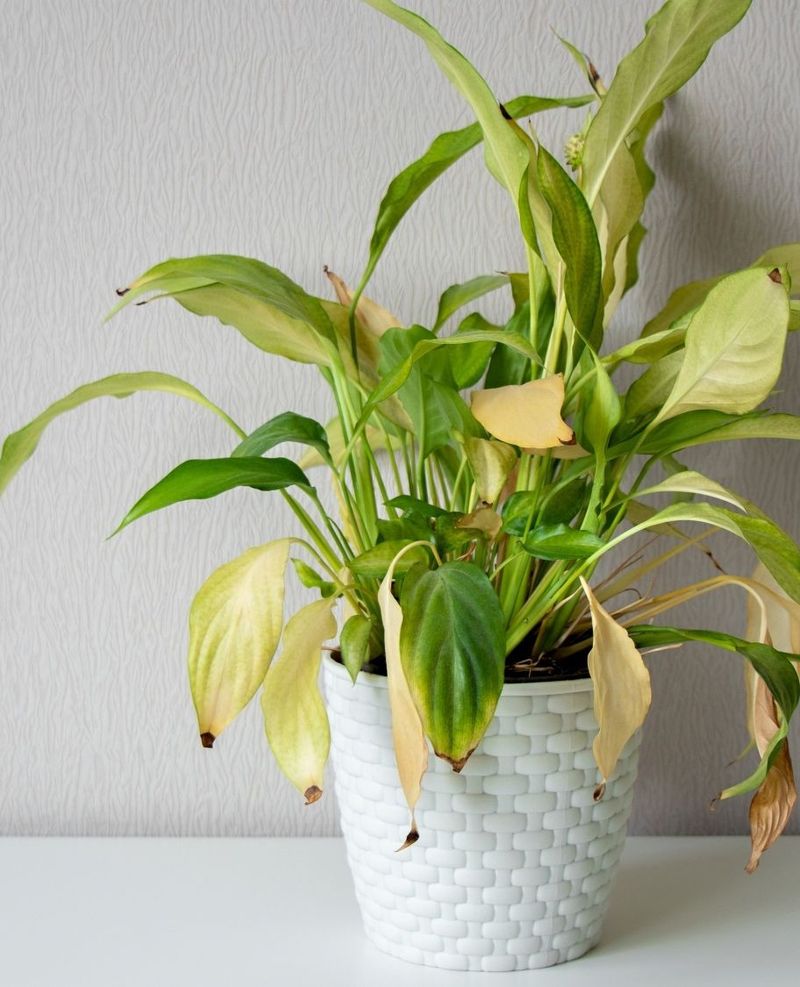
Bright green leaves fading to pale or washed-out shades signal a light deficiency. Chlorophyll production drops when sunlight is scarce, and your plant cannot maintain its rich color.
Variegated plants lose their patterns, and colorful foliage turns dull or even brownish.
You might notice that leaves look almost bleached or ghostly. Some plants develop a yellowish tint overall, while others just lose their luster.
This is your plant telling you it cannot perform photosynthesis efficiently anymore. Without that process, it struggles to produce the pigments that give leaves their beautiful hues.
Increase light exposure gradually to avoid shocking your plant. Move it a foot or two closer to the window each week until you find the sweet spot.
Watch for signs of improvement like new leaves coming in darker and more vibrant than the old ones.
Oregon homes often have limited natural light due to frequent cloud cover. Supplemental lighting can restore color and health to your plants.
Choose full-spectrum bulbs that mimic natural sunlight, and keep them on for 12 to 14 hours daily during the darker months.
5. Smaller Leaves Than Usual
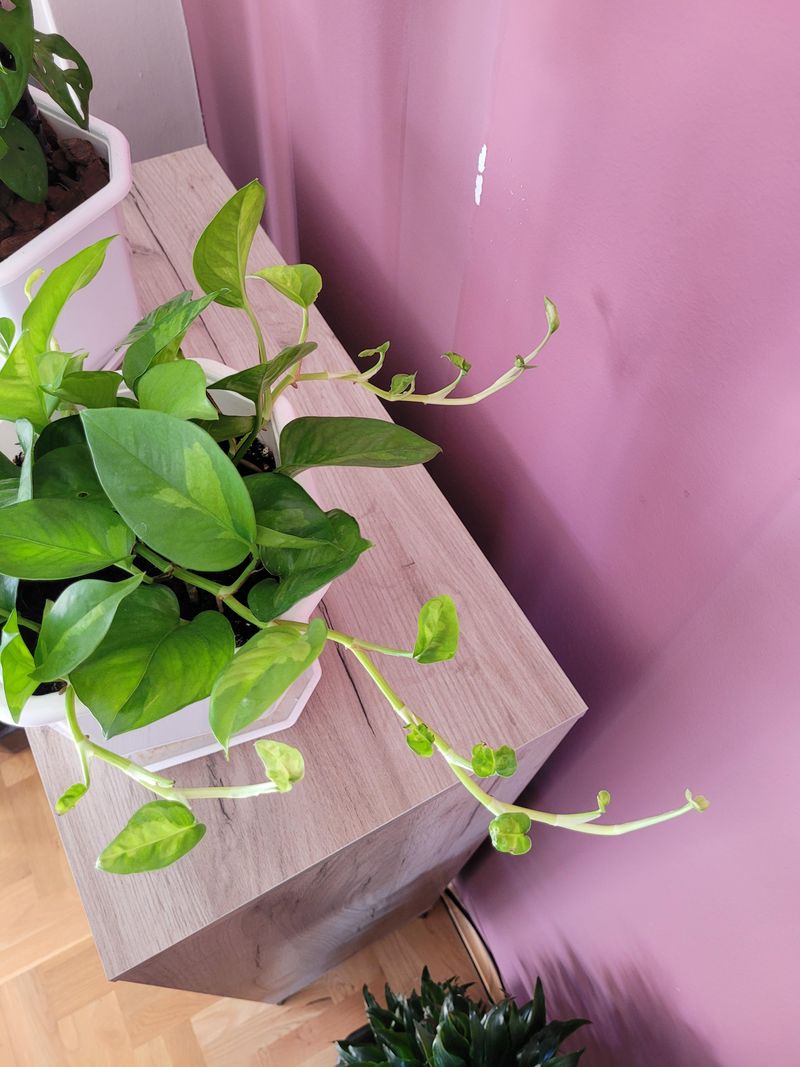
New leaves coming in noticeably smaller than older ones is a red flag for insufficient light. Your plant does not have enough energy to build full-sized foliage, so it produces miniature versions instead.
This is especially obvious on plants with large leaves like monstera, bird of paradise, or elephant ear.
Compare the newest leaf to ones that grew earlier in the season. If the difference is dramatic, light is likely the problem.
The plant is rationing its resources and cannot afford to invest in large, energy-hungry leaves. Over time, this leads to a stunted, unhealthy appearance.
Boost light levels immediately to prevent further decline. If you cannot move the plant to a brighter spot, add artificial lighting.
Position the light source 6 to 12 inches above the plant and adjust as it grows taller.
Oregon gardeners should track their plants throughout the year. A location that works in July might be too dim by October.
Take photos of new growth each month to spot trends early. Catching this issue fast means your plant can recover and resume producing normal-sized leaves sooner rather than later.
6. Plant Leaning Heavily Toward The Window
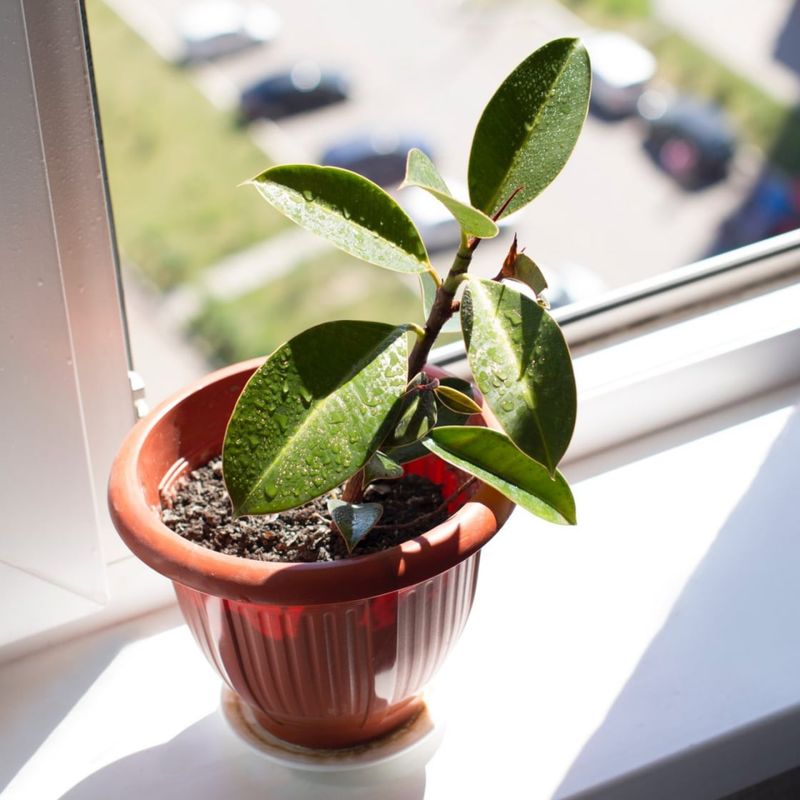
Does your plant look like it is about to tip over? When houseplants lean dramatically toward the light source, they are literally chasing the sun.
This is called phototropism, and while a slight lean is normal, an extreme tilt means your plant is not getting enough light where it sits.
The stems and leaves grow toward the brightest spot they can find, creating an unbalanced, lopsided shape. Over time, this can weaken the stem and cause the plant to collapse under its own weight.
You might need to stake it or risk losing branches.
Rotate your plant a quarter turn every few days to encourage even growth on all sides. This helps the plant develop a more symmetrical shape.
Also, move it closer to the window or find a location with more consistent light from multiple directions.
Oregon homes with north-facing windows often see this problem. North light is soft and indirect, which works for some plants but not for others.
If you notice persistent leaning, consider switching to a south or west window where the light is stronger and more direct throughout the day.
7. Lower Leaves Falling Off Quickly
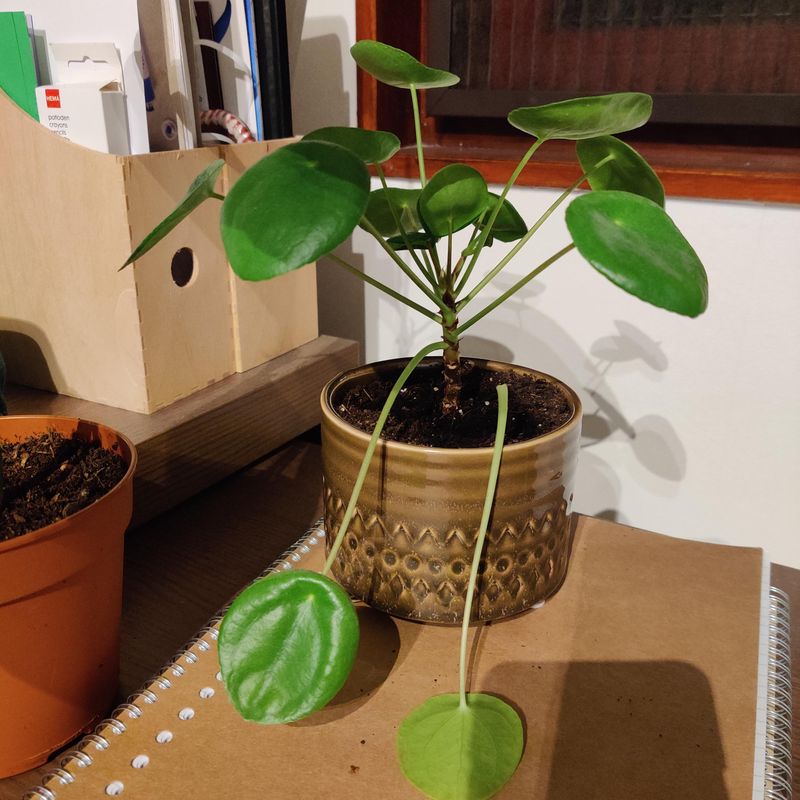
Rapid leaf drop from the bottom of the plant is a classic sign of light stress. Your plant sheds its oldest leaves because it cannot generate enough energy to sustain them.
This is different from the natural aging process, which happens slowly over time.
You might wake up to find several leaves on the floor, even though the plant looked fine yesterday. This sudden loss indicates the plant is struggling and making tough choices about where to allocate its limited resources.
Upper leaves get priority because they are closer to the light.
Act fast by improving light conditions. Move the plant to a brighter area or add supplemental lighting.
Check the soil moisture too, because overwatering combined with low light accelerates leaf drop. Let the soil dry out slightly between waterings to avoid compounding the problem.
In Oregon, this issue peaks during November through February when daylight is at its shortest. Plants that thrived in summer may suddenly start shedding leaves as the seasons change.
Plan ahead by setting up grow lights before the dark months arrive, and your plants will stay healthier and happier all year long.
8. Soil Stays Wet For Too Long
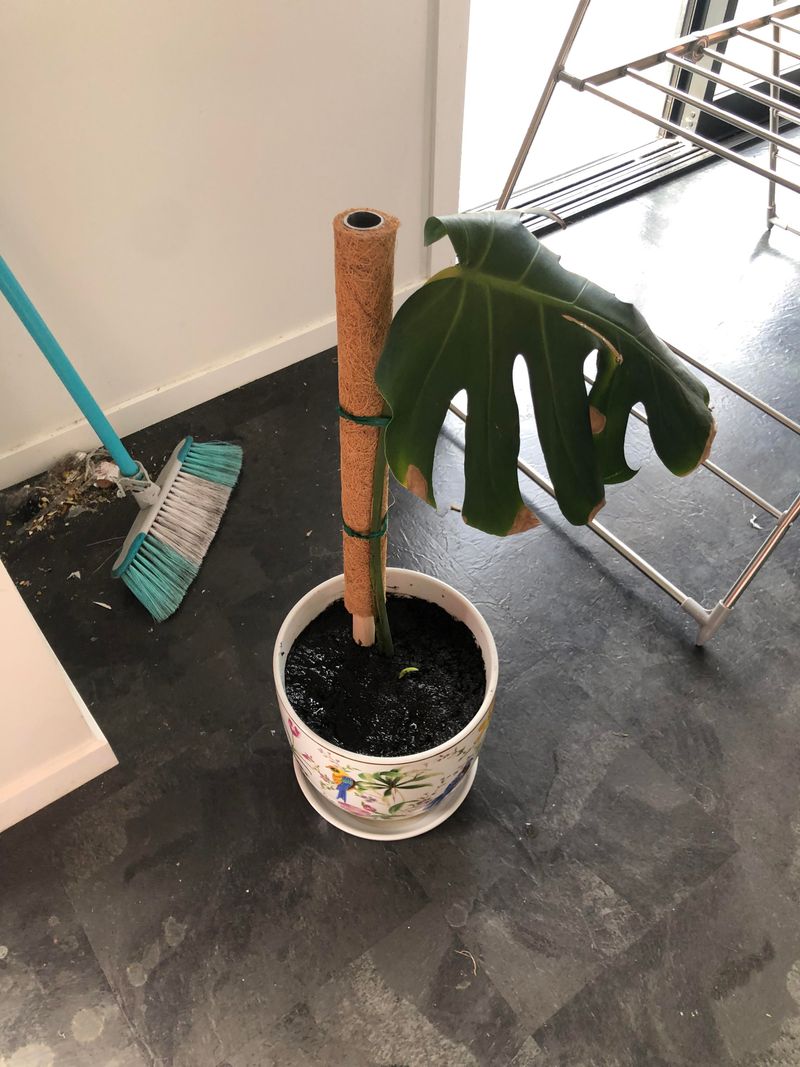
When soil takes forever to dry out, low light is often to blame. Plants in dim conditions use less water because photosynthesis slows down.
The roots absorb moisture at a slower rate, leaving the soil soggy for days or even weeks. This creates the perfect environment for root rot and fungal problems.
Stick your finger into the soil. If it feels damp two or three inches down after a week or more, your plant is not drinking enough.
Overwatering is not always about pouring too much water; sometimes it is about watering a plant that does not need it yet.
Increase light exposure to help your plant metabolize water faster. Move it closer to a window or add artificial light.
You should also reduce your watering frequency until the soil dries out more quickly. Wait until the top layer feels dry to the touch before watering again.
Oregon’s wet climate makes this tricky because indoor humidity can also stay high. Use well-draining soil and pots with drainage holes to prevent water from pooling at the bottom.
Combining better light with proper soil and watering practices will keep your plant roots healthy and strong year-round.
9. Variegation Fading Or Disappearing
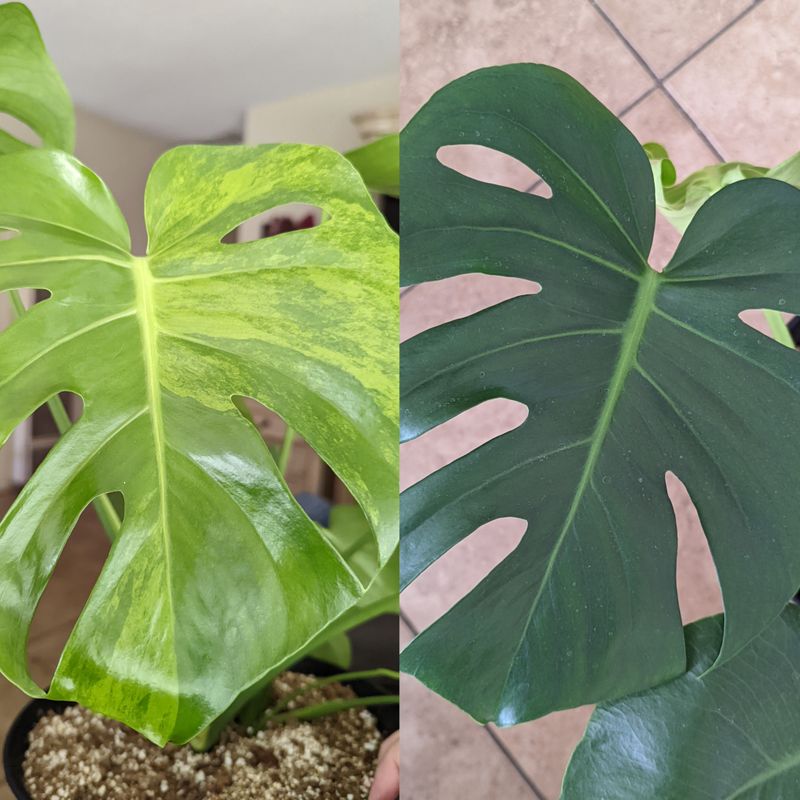
Variegated plants are stunning, but their colorful patterns depend on adequate light. When sunlight is scarce, the plant produces more chlorophyll to compensate, and the white, yellow, or pink markings fade or vanish.
You end up with solid green leaves instead of the beautiful patterns you fell in love with.
This happens because variegated sections contain less chlorophyll than green areas. In low light, the plant prioritizes survival over aesthetics and converts variegated tissue into green tissue.
Once this happens, the original pattern may not return even if you improve the light later.
Catch this early by monitoring new leaves as they unfurl. If they come in greener than older leaves, boost light levels immediately.
Place your plant in the brightest spot you have, or use a grow light to maintain the variegation you love.
Oregon plant lovers should pay extra attention to variegated varieties during the darker months. These plants need more light than their solid green counterparts to maintain their patterns.
If you notice fading, do not wait. The sooner you act, the better chance you have of preserving those gorgeous, eye-catching colors.
10. Weak, Floppy Stems
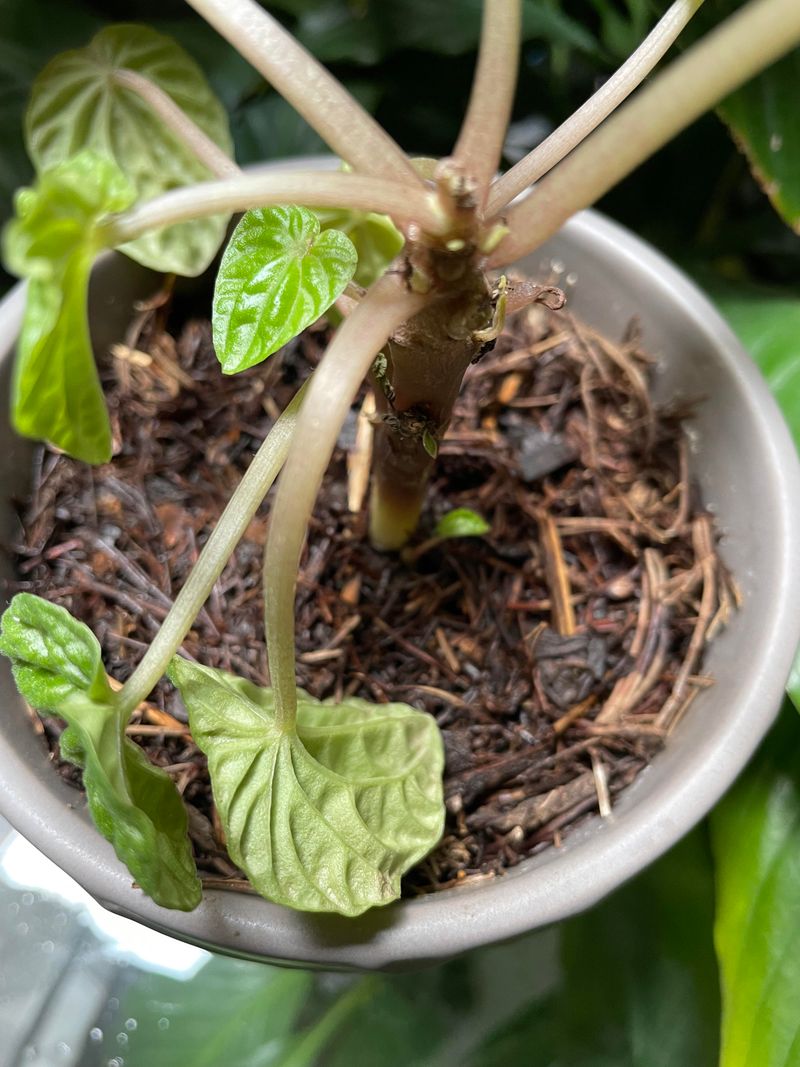
Strong stems need sunlight to develop properly. When light is lacking, stems grow soft and weak, unable to support the weight of the leaves.
Your plant might droop or bend, even if you water it correctly. This is especially common in fast-growing plants like pothos, spider plants, and tradescantia.
Touch the stems gently. If they feel mushy or collapse easily, your plant is not getting enough light to build sturdy cell walls.
This makes the whole plant vulnerable to damage and can lead to broken branches or stems that cannot stand upright on their own.
Relocate your plant to a brighter area as soon as possible. You can also prune back the weakest stems to encourage stronger growth from the base.
Stake any floppy sections temporarily to prevent further damage while the plant recovers.
Oregon winters are tough on houseplants because natural light is so limited. Weak stems are a common complaint during this time.
Invest in a quality grow light and position it close enough to make a real difference. With consistent, adequate light, your plant will develop the strong, healthy stems it needs to thrive indoors all year.
11. No Flowers Or Blooms
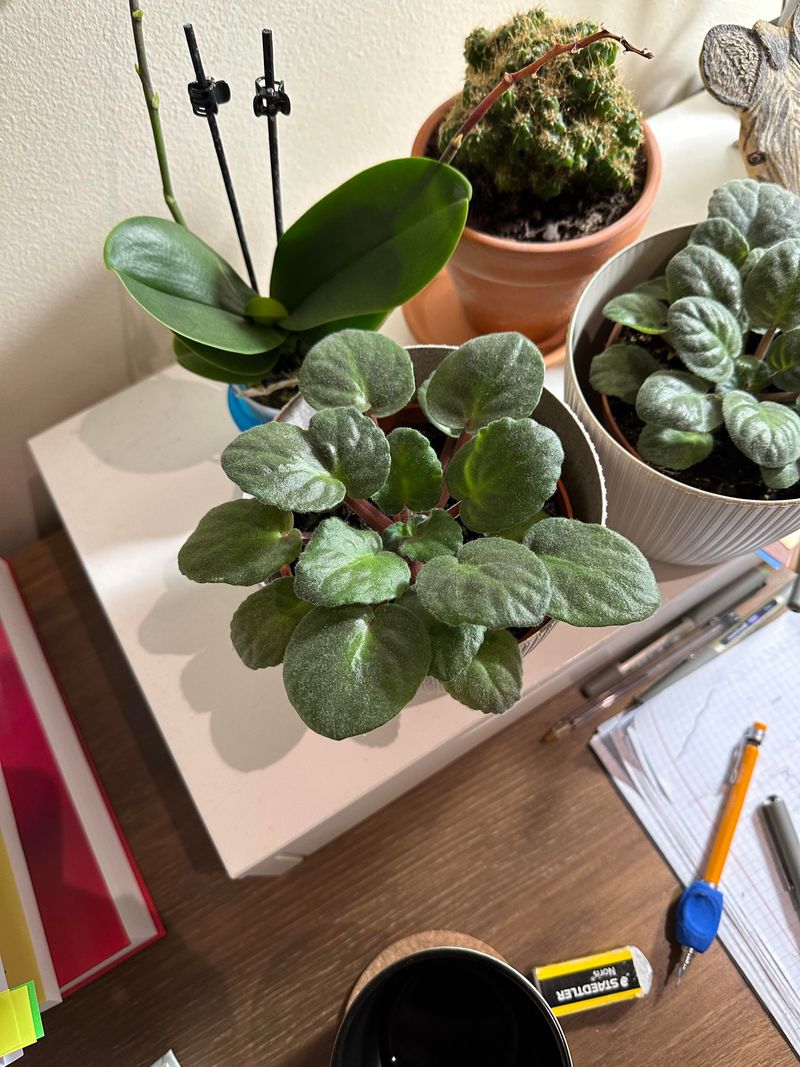
Flowering houseplants need bright light to produce blooms. If your African violet, orchid, or peace lily refuses to flower, lack of sunlight is probably the reason.
Blooming takes a lot of energy, and without sufficient light, your plant focuses on basic survival instead of reproduction.
You might see plenty of green growth but no buds or flowers. This is frustrating, especially if you bought the plant specifically for its blooms.
The good news is that once you fix the light issue, most flowering plants will bloom again within a few months.
Move your plant to the brightest spot in your home, ideally near a south or west-facing window. Some flowering plants also benefit from a few hours of direct sunlight each day.
Research your specific plant to find out its exact light needs.
Oregon gardeners often struggle with flowering plants during the winter. Supplemental lighting is almost essential if you want consistent blooms.
Use a full-spectrum grow light and keep it on for 12 to 16 hours daily. With the right light, your flowering plants will reward you with beautiful, vibrant blooms that brighten your home even on the grayest days.