7 Clever Seed-Starting Hacks Using Toilet Paper Rolls In Minnesota
Winter in Minnesota can feel like an eternity for gardeners eager to start their spring crops.
But you don’t need fancy equipment or expensive seed trays to get a head start—sometimes the simplest household items are the most effective.
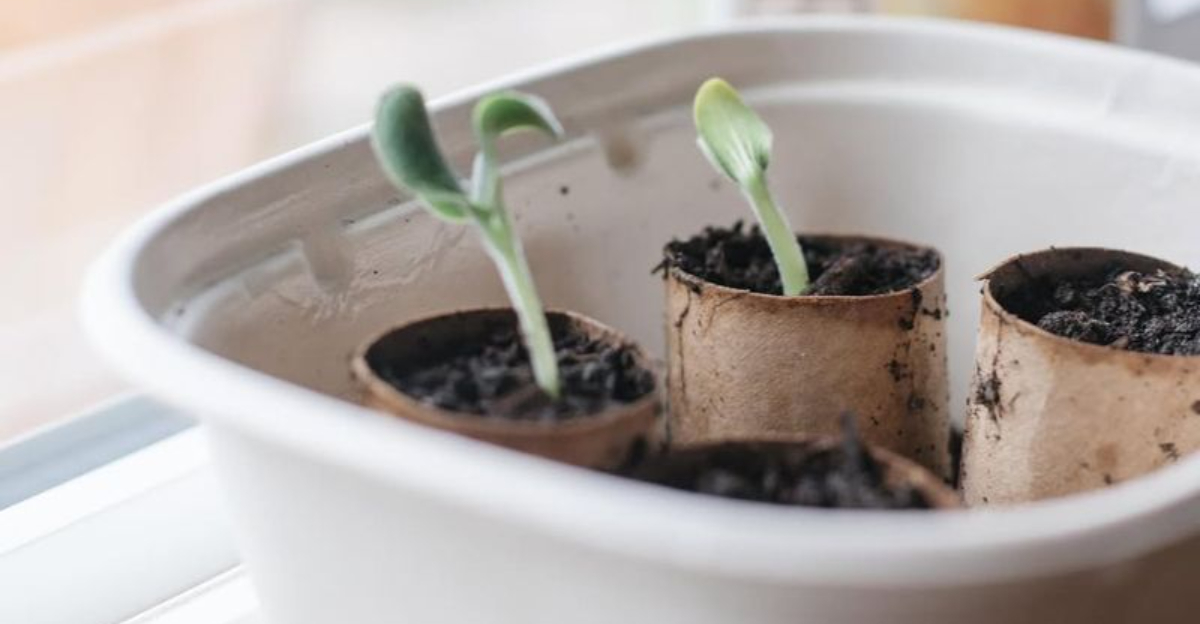
Enter the humble toilet paper roll: a biodegradable, eco-friendly, and surprisingly versatile tool for seed-starting.
Who knew your bathroom supplies could kickstart your garden?
These seven clever hacks show Minnesota gardeners how to turn empty rolls into mini seedling pots.
They’re perfect for starting herbs, flowers, or vegetables indoors while snow blankets the landscape outside.
From creating self-contained soil pods to improving drainage and labeling seedlings, these tips make indoor seed-starting easier, cheaper, and less messy.
Recycle, repurpose, and grow—your seeds will thank you!
By using toilet paper rolls for seed-starting, gardeners can save money, reduce waste, and get seedlings off to a strong start before transplanting them outdoors in spring.
Small tweaks and smart creativity turn everyday items into a garden powerhouse.
Winter doesn’t have to be a downtime—your seeds can thrive indoors!
1. Create Deep Root Tubes For Strong Seedlings
Minnesota gardeners face a unique challenge every spring when the last frost date seems to arrive later than anywhere else in the country.
Building strong, healthy seedlings indoors becomes absolutely essential when you’re working with such a compressed outdoor growing window.
Toilet paper rolls offer an unexpected advantage that commercial seed-starting cells simply can’t match: depth.
Most plastic seed trays provide only shallow containers that force roots to circle around the bottom, creating weak, stressed plants before they even reach the garden.
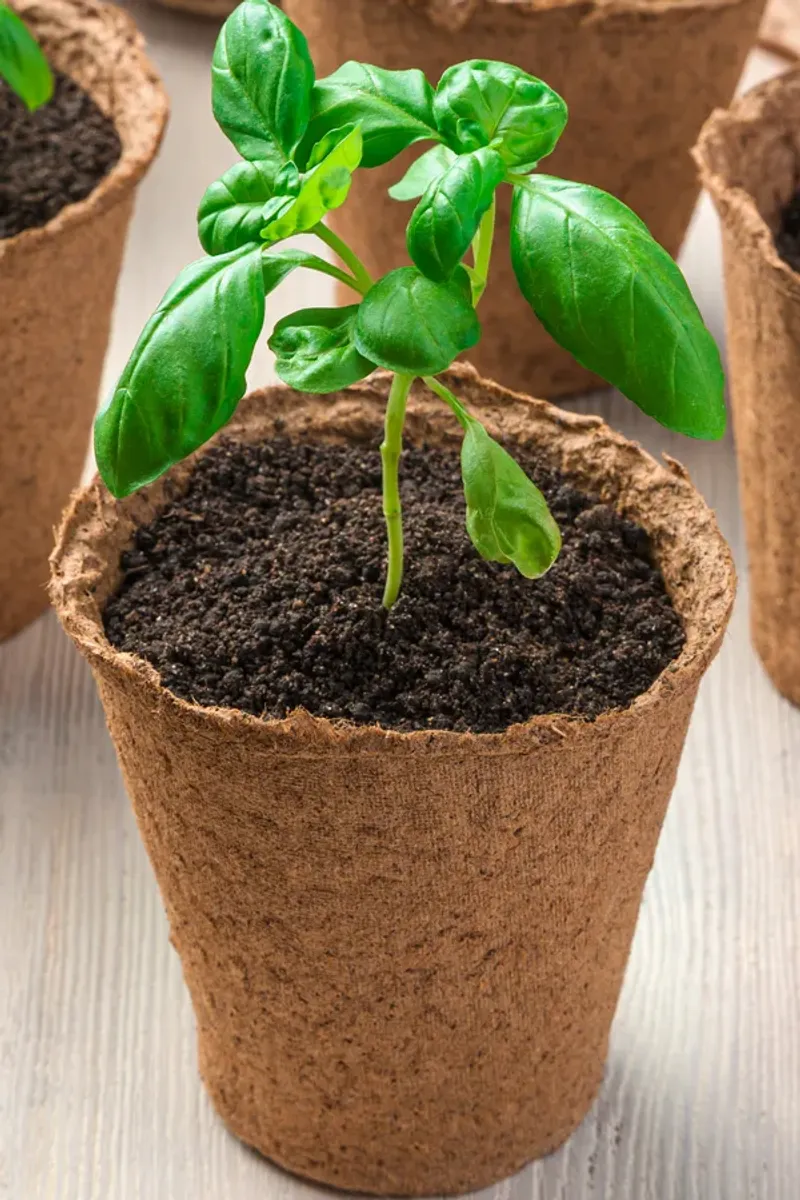
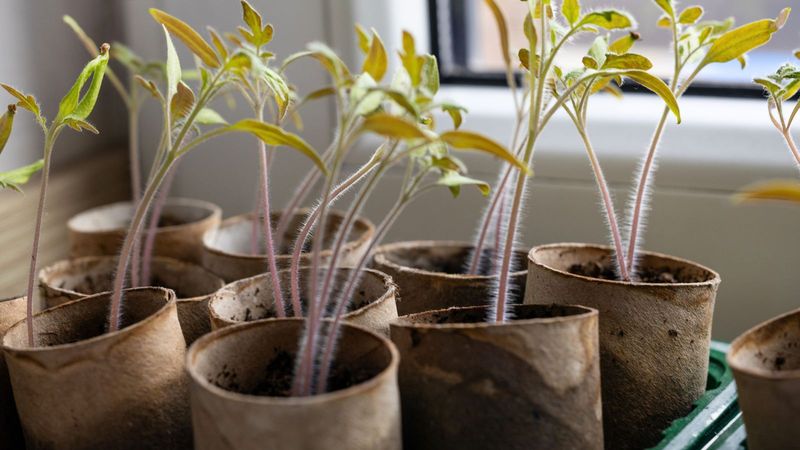
Cardboard tubes give roots plenty of vertical space to grow downward naturally, just as they would in the ground.
This encourages a robust taproot system that anchors plants firmly and helps them access water and nutrients more efficiently once transplanted outdoors.
Tomatoes, peppers, and other heat-loving crops especially benefit from this extra root development during their indoor growing period.
The stronger root system means your transplants can handle Minnesota’s sometimes unpredictable late spring weather without wilting or struggling to establish themselves.
When you finally move your seedlings outside after the frost danger passes, they’ll already have the foundation they need to take off quickly and make the most of every precious growing day available in your northern garden.
2. Use Rolls To Prevent Root Disturbance During Transplanting
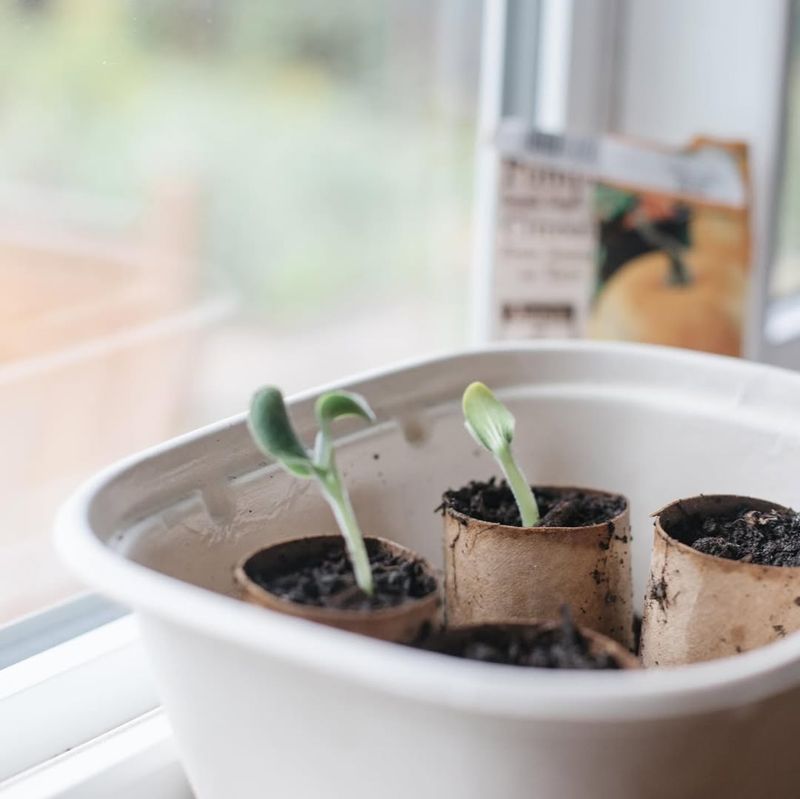
Transplant shock is one of the biggest setbacks gardeners face when moving seedlings from indoor comfort to the outdoor garden bed.
Young plants with delicate root systems can struggle for weeks after transplanting if their roots get damaged or disturbed during the transition.
Traditional plastic containers require you to carefully remove the plant, which almost always tears or breaks some of those fragile root hairs that are crucial for water and nutrient uptake.
Toilet paper rolls eliminate this problem entirely because the cardboard breaks down naturally in soil, meaning you can plant the entire tube directly into the ground without ever touching the roots.
Your seedlings experience virtually zero disturbance, allowing them to continue growing immediately rather than spending energy recovering from transplant trauma.
This seamless transition is particularly valuable in Minnesota, where every day of active growth counts toward reaching maturity before the first autumn frost arrives.
The cardboard softens quickly once buried, allowing roots to push through the sides and bottom as the material decomposes.
Within a few weeks, the tube essentially disappears, leaving no trace except healthier, happier plants that established themselves faster than conventionally transplanted seedlings.
This method works beautifully for everything from squash and cucumbers to annual flowers and herbs that you want to get into the garden as soon as conditions allow.
3. Label Each Roll For Easy Seed Tracking
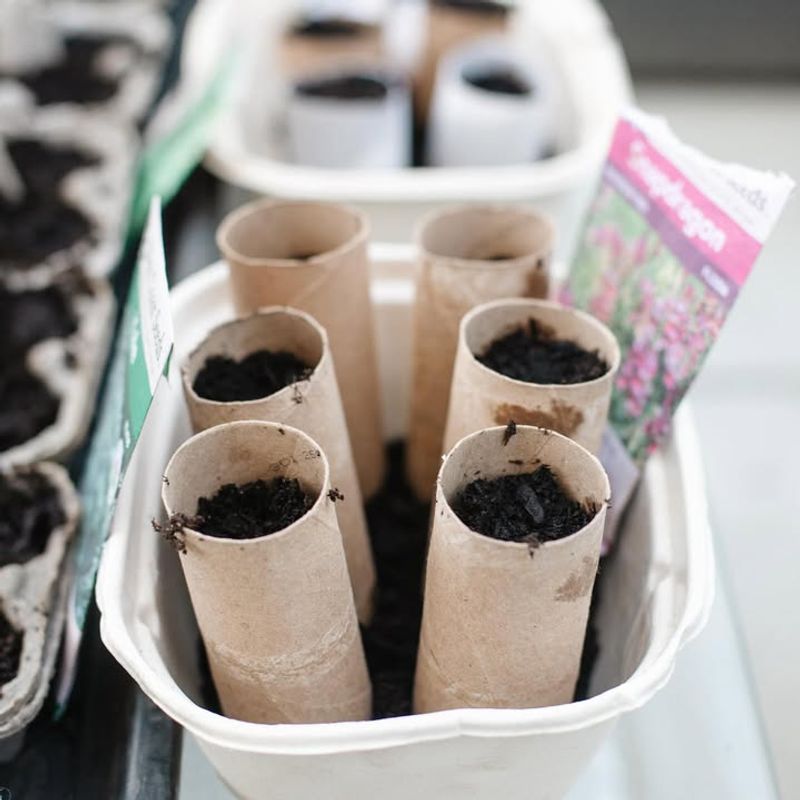
Keeping track of multiple seed varieties during the busy spring planting season can quickly become overwhelming, especially when you’re starting dozens of different plants at staggered intervals.
Minnesota’s unpredictable weather means you might be starting cold-hardy crops in late March while waiting until mid-May for warm-season vegetables, creating a complicated schedule that’s easy to lose track of.
Toilet paper rolls provide a perfect built-in labeling surface that helps you stay organized without needing separate plant markers or complicated tracking systems.
Simply write directly on the cardboard using a permanent marker or pen, noting the plant variety, planting date, and any other important information you want to remember.
The porous surface holds ink beautifully and remains readable throughout the entire seed-starting period.
You can even color-code different plant families or use symbols to indicate which seedlings need special care or different transplanting dates.
This labeling system travels with your plants right into the garden since you plant the entire roll, giving you a few extra weeks of identification before the cardboard fully decomposes.
This is incredibly helpful when you’re growing multiple tomato varieties or different pepper types that look identical as seedlings.
Staying organized from the very beginning means fewer mix-ups, better record-keeping for planning future seasons, and the satisfaction of knowing exactly what’s growing where throughout your entire Minnesota garden.
4. Line A Tray With Rolls For A No-Mess Seed-Starting Station
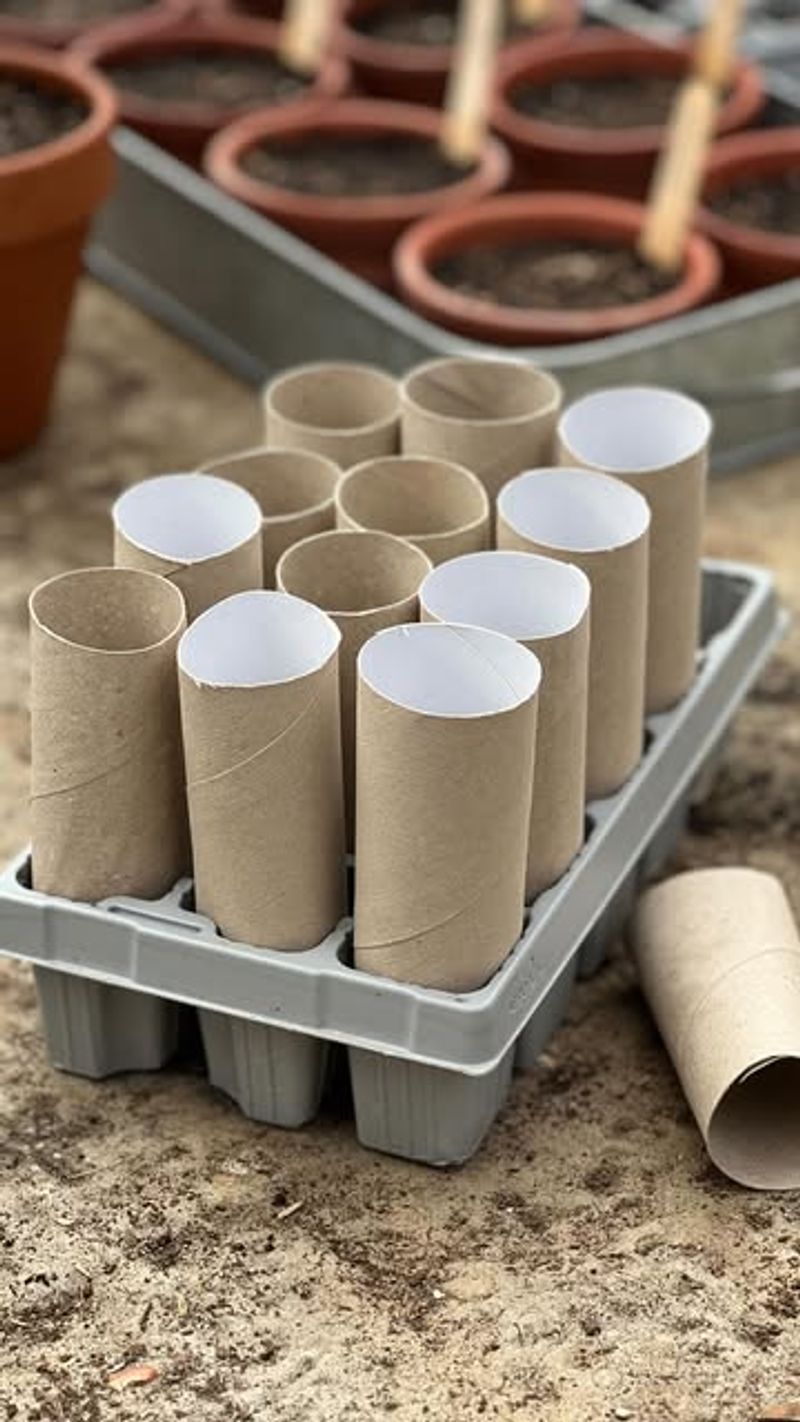
Creating an efficient indoor seed-starting setup doesn’t require investing in expensive equipment or complicated systems that take up half your living space.
One of the biggest challenges with using toilet paper rolls is keeping them upright and stable while the seedlings grow, since the lightweight cardboard tubes tend to tip over easily when watered.
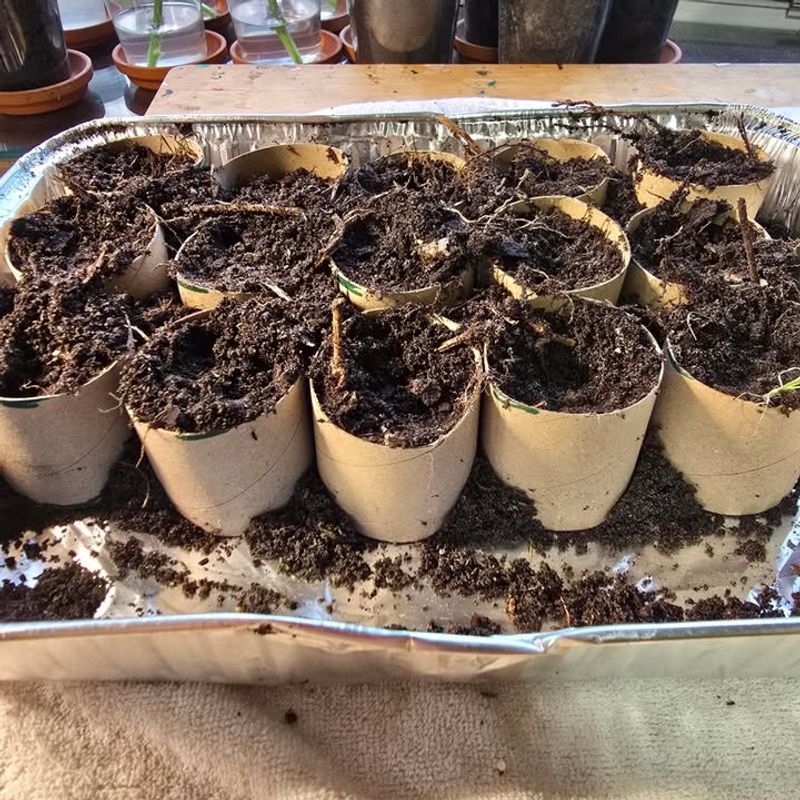
A simple shallow tray or sturdy cardboard box solves this problem perfectly, transforming individual tubes into a compact, organized growing station that contains moisture and prevents messes on your windowsills or under grow lights.
Arrange the rolls tightly together in rows within the tray, packing them close enough that they support each other and can’t fall over.
The tray catches any excess water that drains through the cardboard, protecting your furniture and floors from damage.
This contained system also makes it easy to move your entire seed-starting operation if you need to adjust for better light or temperature conditions as Minnesota’s weather fluctuates during those unpredictable spring weeks.
You can customize the size of your setup based on how many seedlings you plan to start, using everything from disposable aluminum baking pans to repurposed plastic storage containers.
The beauty of this system is its flexibility and simplicity, allowing you to expand or modify your seed-starting station as needed without any special tools or skills required for success with your Minnesota garden projects.
5. Cut Rolls Shorter For Shallow-Rooted Plants
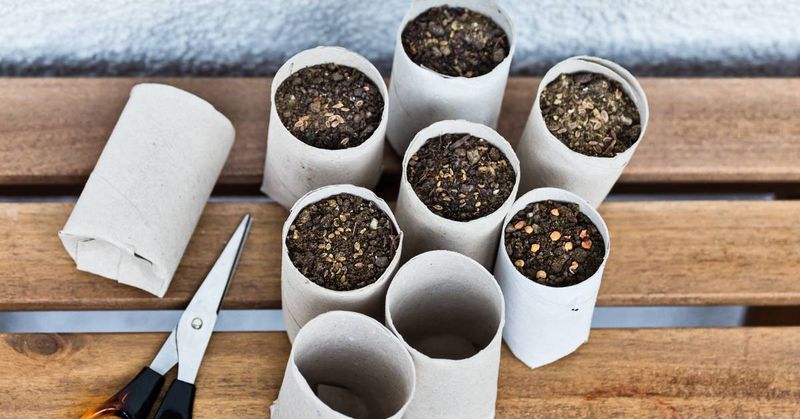
Not every plant needs the same amount of root space during the seedling stage, and one of the most brilliant aspects of using toilet paper rolls is how easily you can customize them for different crops.
Lettuce, herbs, and many annual flowers develop relatively shallow root systems that don’t require the full depth of a standard toilet paper tube.
Cutting the rolls down to half or even one-third of their original height creates perfect containers for these smaller plants while also allowing you to fit more seedlings in the same amount of space under your grow lights or on your windowsill.
Use scissors or a sharp knife to trim the tubes to your desired height, creating shorter versions that still provide all the benefits of the original cardboard container method.
This customization means you can start a much wider variety of plants using the same basic technique, from delicate basil and cilantro to compact marigolds and petunias.
The shorter tubes also dry out slightly faster than full-height versions, which actually benefits plants that prefer less moisture and helps prevent common seedling problems like damping off.
Minnesota gardeners who want to maximize their indoor growing space will appreciate this flexibility, especially when starting multiple succession plantings of quick-growing crops like lettuce throughout the spring.
You can even use the cut-off pieces to create even smaller containers for testing seed viability or experimenting with new varieties in your northern climate garden.
6. Compost The Rolls When You Transplant
Environmental consciousness matters more than ever, and Minnesota gardeners increasingly look for ways to reduce waste while improving their soil at the same time.
Toilet paper rolls offer a brilliant two-for-one benefit because the cardboard doesn’t just disappear harmlessly into the ground after transplanting—it actually feeds beneficial soil organisms and contributes organic matter that improves soil structure over time.
Unlike plastic seed-starting containers that create waste year after year, these biodegradable tubes become part of your garden’s ecosystem rather than ending up in a landfill.
The decomposition process happens relatively quickly in moist soil, with the cardboard breaking down within several weeks to a few months depending on soil conditions and microbial activity.
As the material decomposes, it releases carbon that soil bacteria and fungi use as an energy source, supporting the underground network of organisms that keep your garden healthy and productive.
This process also creates tiny air pockets in the soil as the cardboard structure collapses, improving drainage and root penetration in the surrounding area.
For gardeners working to build better soil in Minnesota’s often challenging clay or sandy conditions, every bit of organic matter helps create the rich, crumbly texture that plants thrive in.
Using toilet paper rolls for seed starting means you’re not just growing plants—you’re actively improving your garden soil with every transplant while keeping cardboard tubes out of the waste stream in a practical, productive way.
7. Save Money While Starting Seeds Earlier Indoors
Commercial seed-starting supplies can quickly drain your gardening budget, with plastic trays, individual cells, and specialized containers adding up to surprising amounts when you’re trying to start a full season’s worth of plants.
Minnesota’s short outdoor season makes indoor seed starting practically mandatory for anyone who wants to grow heat-loving crops like tomatoes, peppers, and eggplants, but that doesn’t mean you need to spend a fortune on equipment.
Toilet paper rolls are completely free since you’re already using them in your household anyway, transforming what would be recycling or trash into valuable gardening supplies.
Starting seeds six to eight weeks before your last frost date gives Minnesota gardeners a crucial advantage, allowing plants to reach substantial size before transplanting outdoors.
This early start often makes the difference between getting ripe tomatoes in August versus still waiting for green fruits when September frosts threaten.
Using cardboard tubes instead of purchased containers means you can start as many seedlings as you want without worrying about the cost, encouraging experimentation with new varieties and growing enough plants to share with neighbors and friends.
The savings multiply over the years as you continue reusing this simple method season after season, never needing to replace worn-out plastic trays or purchase additional supplies as your garden expands.
This accessible, budget-friendly approach makes serious seed starting possible for everyone, regardless of gardening experience or financial resources available for your Minnesota growing adventures.