8 Climbing Plants Perfect For New York Gardens With No Sunlight
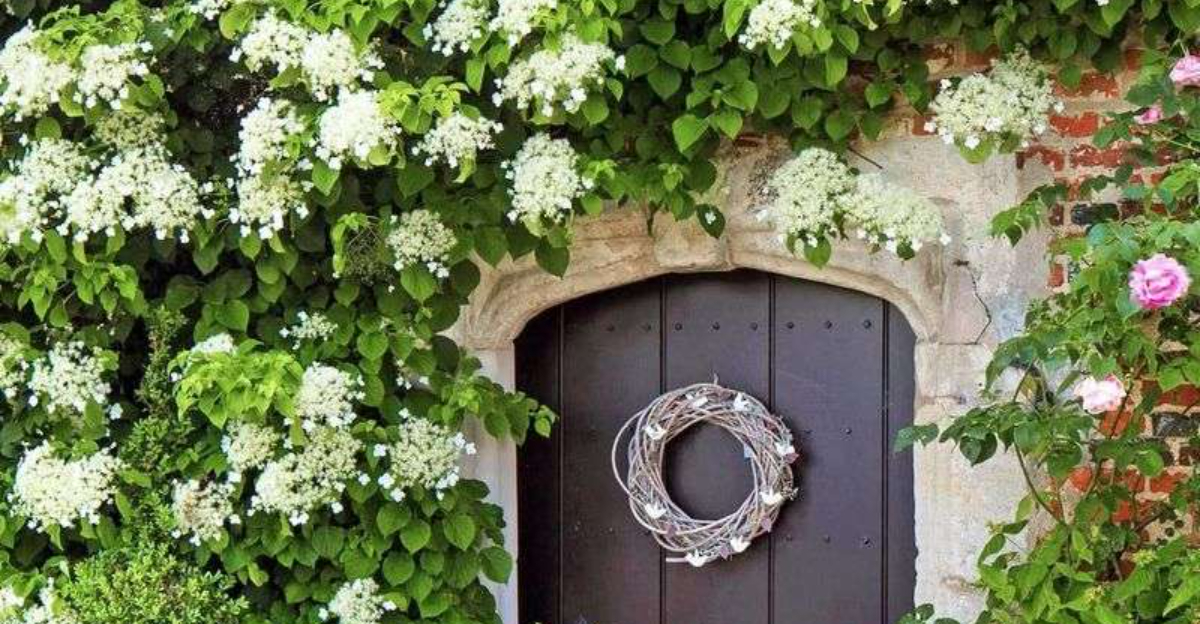
Not every New York garden basks in sunlight from dawn to dusk.
Many sit tucked between buildings, shaded by tall fences, or hidden under mature trees that block out the sun for most of the day.
At first glance, these dim corners can feel like places where plants struggle and gardeners lose hope.
Still, shade does not mean surrender.
Some climbing plants thrive in low light, turning bare walls and quiet corners into lush vertical displays that steal the show.
These climbers know how to work with what they have.
They stretch upward, cling tightly, and fill empty spaces with rich leaves and steady growth.
Instead of wilting without sun, they lean into the shade and make it their strength.
A once plain fence can become a green curtain, and a shadowy wall can turn into a living backdrop.
A New York garden gains new life when shade becomes an advantage instead of a setback.
With the right climbing plants, even the darkest spots pull their weight.
They soften hard lines, add depth, and prove that beauty does not depend on sunshine alone.
Sometimes, the most impressive growth happens quietly, away from the spotlight, right where few expect it to thrive.
1. English Ivy
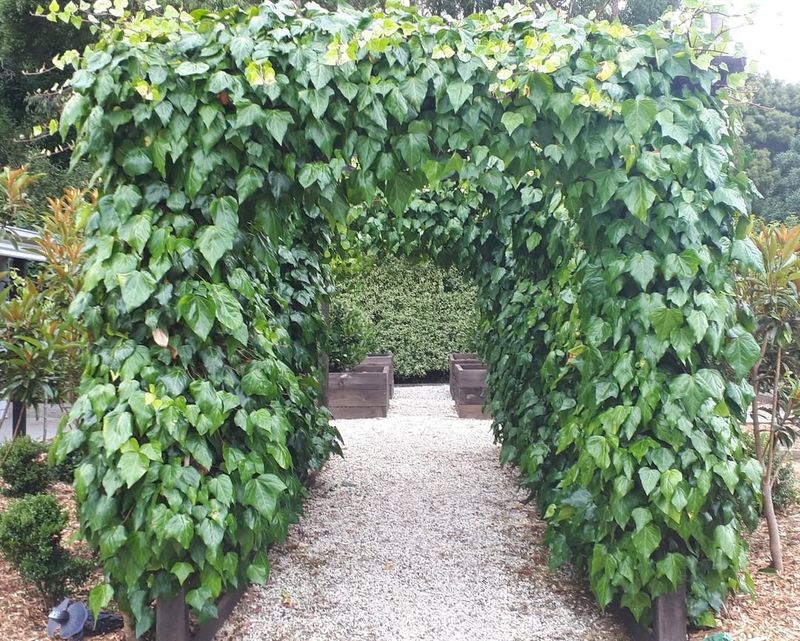
Few plants handle deep shade quite like English Ivy, which has been gracing New York gardens for generations with its evergreen charm.
This reliable climber attaches itself to surfaces using tiny aerial rootlets, requiring no additional support structures once established.
The glossy, dark green leaves create a dense carpet of foliage that remains attractive throughout all four seasons, even during harsh New York winters.
English Ivy grows vigorously in shaded areas where other plants struggle, making it perfect for north-facing walls or spaces beneath trees.
Once established, this climber needs minimal maintenance and can tolerate urban pollution, drought conditions, and poor soil quality.
The plant grows relatively slowly at first but picks up speed after the second year, eventually covering large areas with its attractive foliage.
Regular trimming keeps English Ivy under control and prevents it from spreading into unwanted areas or damaging mortar on older brick structures.
Many New York gardeners appreciate how this climber provides year-round privacy screening and helps insulate walls during cold months.
The plant also offers shelter for beneficial insects and birds, adding ecological value to your garden space.
Water newly planted ivy regularly during the first growing season, then reduce watering as the plant becomes self-sufficient.
English Ivy works beautifully when trained along fences, up tree trunks, or across bare ground as a groundcover alternative.
This classic climber remains one of the most dependable choices for challenging shaded spots throughout New York gardens.
2. Climbing Hydrangea
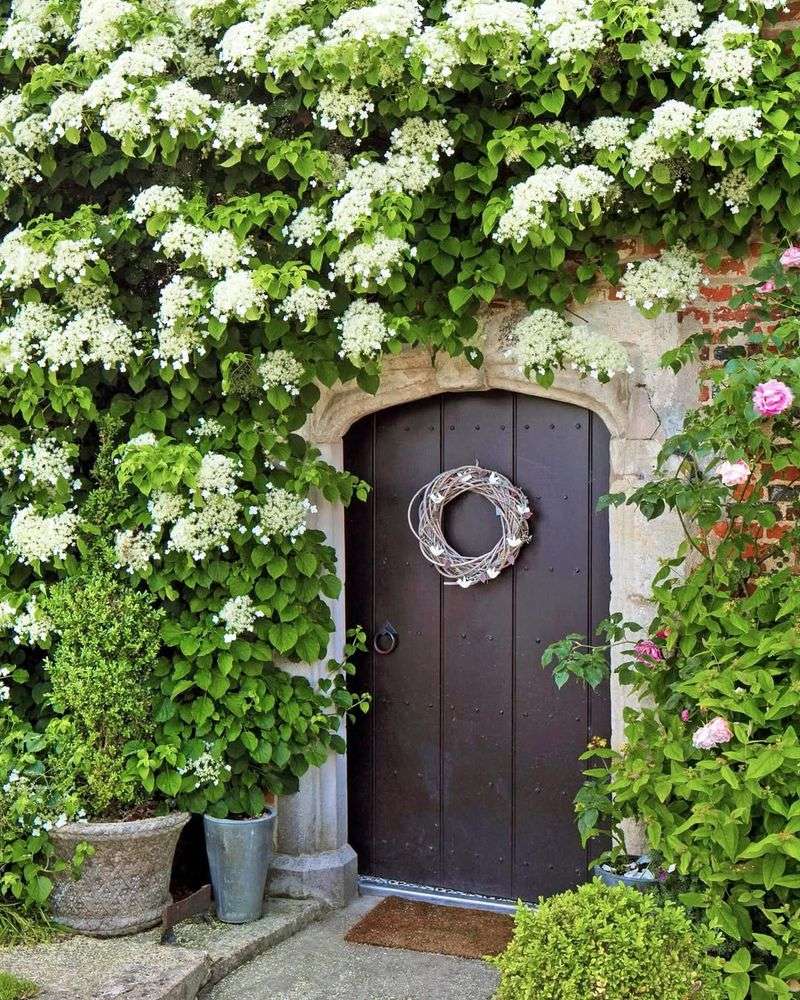
Patience pays off handsomely with Climbing Hydrangea, a stunning vine that transforms shaded New York walls into breathtaking displays.
This deciduous climber may take three to five years to establish, but once it starts growing, the results are absolutely spectacular.
Large, fragrant white flower clusters appear in early summer, creating a dramatic contrast against the dark green, heart-shaped foliage.
The plant attaches itself to surfaces using aerial rootlets, similar to ivy, and can eventually reach heights of thirty to fifty feet.
Climbing Hydrangea thrives in partial to full shade, making it ideal for those difficult north-facing exposures common in New York yards.
Even after the leaves drop in autumn, the exfoliating cinnamon-colored bark provides winter interest and architectural beauty.
This vine prefers consistently moist, well-drained soil enriched with organic matter, so adding compost at planting time helps tremendously.
New York gardeners love how this climber softens harsh architectural features while requiring relatively little maintenance once established.
The flowers attract pollinators during summer months, adding movement and life to shaded garden areas.
Apply a layer of mulch around the base each spring to retain moisture and keep roots cool during warmer months.
Climbing Hydrangea works wonderfully on brick walls, wooden fences, or sturdy pergolas that can support its eventual weight.
This elegant climber proves that shade gardens can be just as beautiful and impressive as their sunny counterparts.
3. Boston Ivy
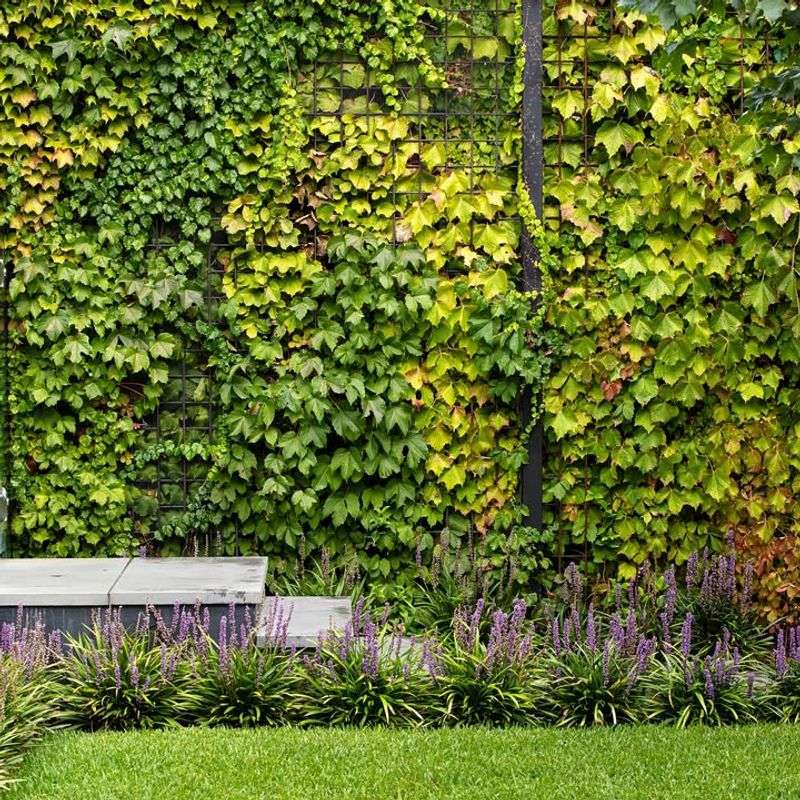
Boston Ivy brings seasonal drama to New York gardens with foliage that shifts from green to blazing scarlet each autumn.
Despite its name, this climber actually hails from Asia but has become synonymous with classic East Coast architecture.
The three-lobed leaves overlap like shingles, creating a uniform texture that covers walls completely and attractively.
This deciduous vine uses adhesive pads rather than aerial roots, allowing it to cling to even smooth surfaces like painted walls.
Boston Ivy grows rapidly once established, sometimes adding ten feet or more in a single growing season under favorable conditions.
The plant tolerates full shade remarkably well, though it produces the most intense fall colors with a bit of morning light.
New York’s variable climate suits Boston Ivy perfectly, as it handles both summer humidity and winter cold without complaint.
Small, inconspicuous flowers appear in summer, followed by dark blue berries that birds eagerly consume during migration season.
The vine drops its leaves in winter, revealing an attractive branching structure that adds texture to bare walls.
Pruning in late winter helps control growth and prevents the vine from creeping into gutters or under roof shingles.
Boston Ivy works beautifully on brick, stone, or concrete surfaces, creating that classic collegiate appearance many admire.
Water regularly during the first year, then this tough climber becomes quite drought-tolerant and self-sufficient.
4. Virginia Creeper
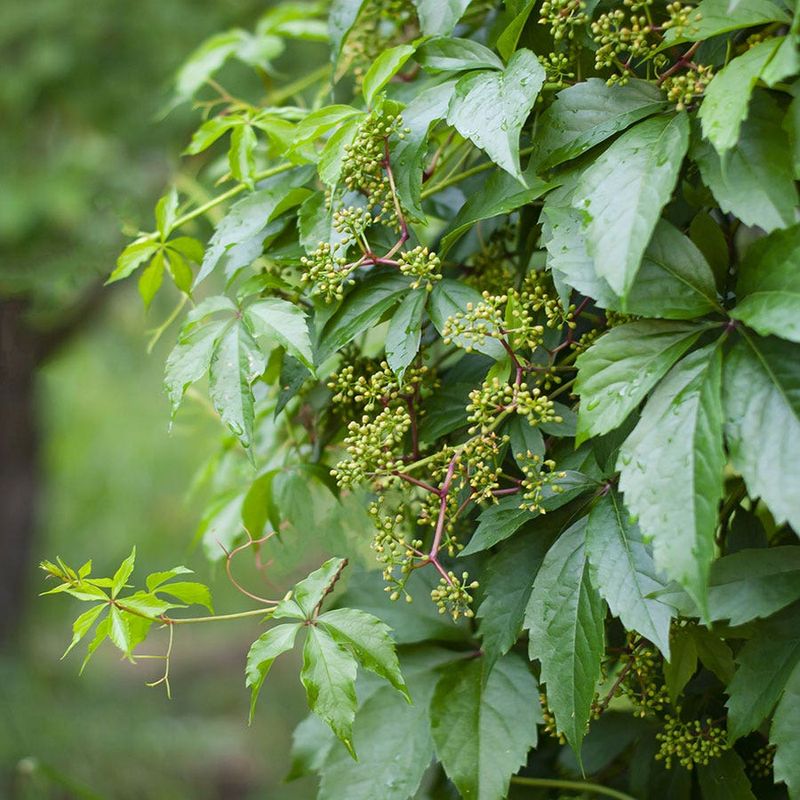
Native to North America, Virginia Creeper offers New York gardeners an eco-friendly option that supports local wildlife beautifully.
Each leaf consists of five distinct leaflets arranged like fingers on a hand, creating an elegant, airy texture.
This vigorous grower adapts to various conditions but truly excels in shaded locations where many other climbers struggle.
The vine climbs using both tendrils and adhesive disks, allowing it to scale rough or smooth surfaces with equal success.
Virginia Creeper produces stunning fall color, with leaves turning deep burgundy and crimson before dropping in late autumn.
Small greenish flowers bloom in early summer, attracting beneficial insects and eventually producing dark berries that birds relish.
Because this plant evolved in eastern forests, it handles New York’s climate perfectly and requires virtually no special care.
The vine grows quickly, sometimes too quickly, so plan to prune it back several times during the growing season.
Virginia Creeper works wonderfully as a groundcover in shaded areas or trained up fences, arbors, and tree trunks.
Unlike some invasive climbers, this native species supports dozens of butterfly and moth caterpillars, making it valuable for local ecosystems.
The plant tolerates urban pollution, salt spray, and poor soil, making it ideal for challenging city garden conditions.
Combining Virginia Creeper with other shade lovers creates a layered, naturalistic look that feels right at home in New York landscapes.
5. Japanese Hydrangea Vine
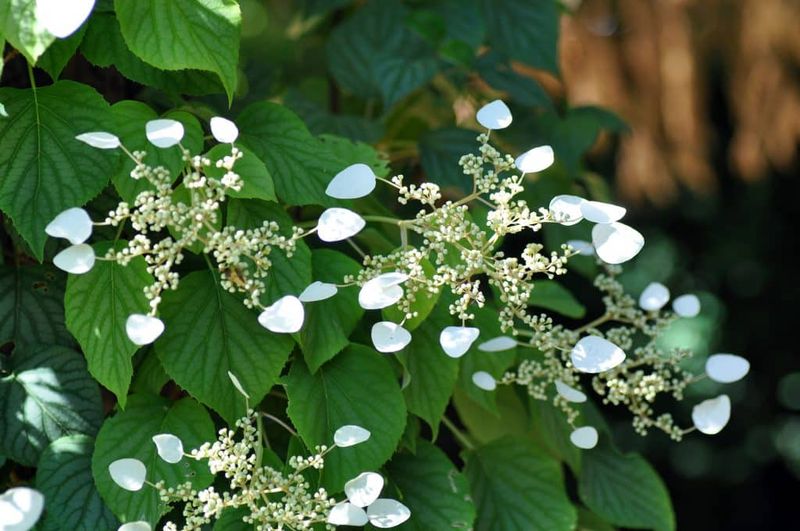
Often mistaken for its cousin Climbing Hydrangea, Japanese Hydrangea Vine offers slightly different charms for New York shade gardens.
The flower clusters feature distinctive single bracts rather than the clustered sepals of true hydrangeas, creating a more delicate appearance.
This deciduous climber grows more slowly than some vines, which actually makes it easier to manage in smaller spaces.
Creamy white blooms appear in midsummer, lasting for several weeks and filling shaded areas with subtle fragrance.
The dark green leaves have a slightly coarser texture than Climbing Hydrangea, with more pronounced serrated edges.
Japanese Hydrangea Vine attaches to surfaces using aerial rootlets and eventually develops attractive peeling bark for winter interest.
This vine prefers consistently moist soil with good drainage, so incorporating organic matter at planting helps establish strong roots.
New York gardeners appreciate how this climber tolerates urban conditions while providing elegant coverage for shaded walls.
The plant grows slowly during its first few years but eventually reaches fifteen to thirty feet, depending on growing conditions.
Mulching around the base helps retain moisture during summer and protects roots during cold New York winters.
Japanese Hydrangea Vine works beautifully on brick or stone surfaces, adding sophistication to shaded courtyards and entryways.
Pair this climber with shade-loving perennials at its base for a layered garden design that maximizes visual interest.
6. Dutchman’s Pipe
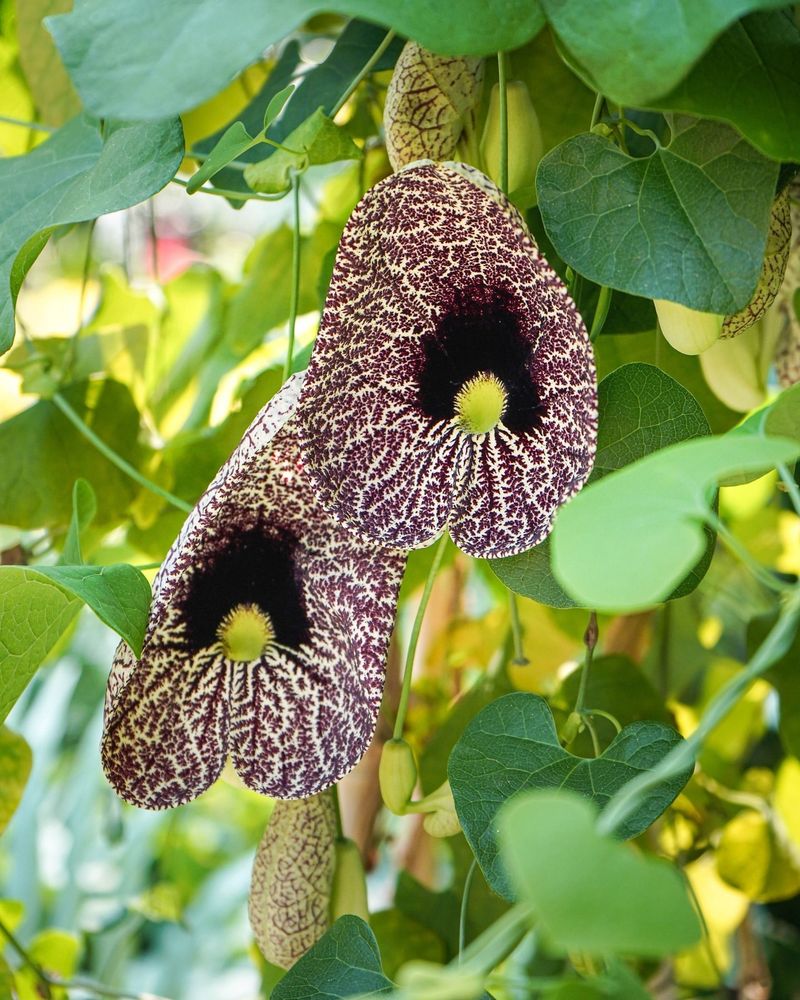
With leaves the size of dinner plates, Dutchman’s Pipe creates instant tropical drama in shaded New York gardens.
This vigorous native vine produces heart-shaped foliage that overlaps densely, providing excellent privacy screening within a single season.
The unusual flowers resemble old-fashioned smoking pipes, hiding beneath the large leaves and appearing in late spring.
Dutchman’s Pipe serves as the host plant for Pipevine Swallowtail butterflies, making it valuable for supporting local pollinator populations.
This twining vine needs a sturdy support structure like a fence, arbor, or trellis to climb, as it doesn’t self-attach.
The plant thrives in partial to full shade and actually prefers protection from intense afternoon sun during summer months.
New York’s humid summers suit Dutchman’s Pipe perfectly, encouraging lush growth and healthy foliage throughout the season.
Once established, this climber requires minimal care beyond occasional pruning to keep it within bounds.
The large leaves create a bold architectural statement that contrasts beautifully with finer-textured shade plants nearby.
Dutchman’s Pipe grows rapidly, sometimes reaching twenty feet or more in a single growing season under ideal conditions.
Water regularly during dry spells, especially when the vine is young and developing its root system.
This unusual climber adds conversation-starting appeal to shaded spaces while providing important habitat for native butterflies throughout New York.
7. Chocolate Vine
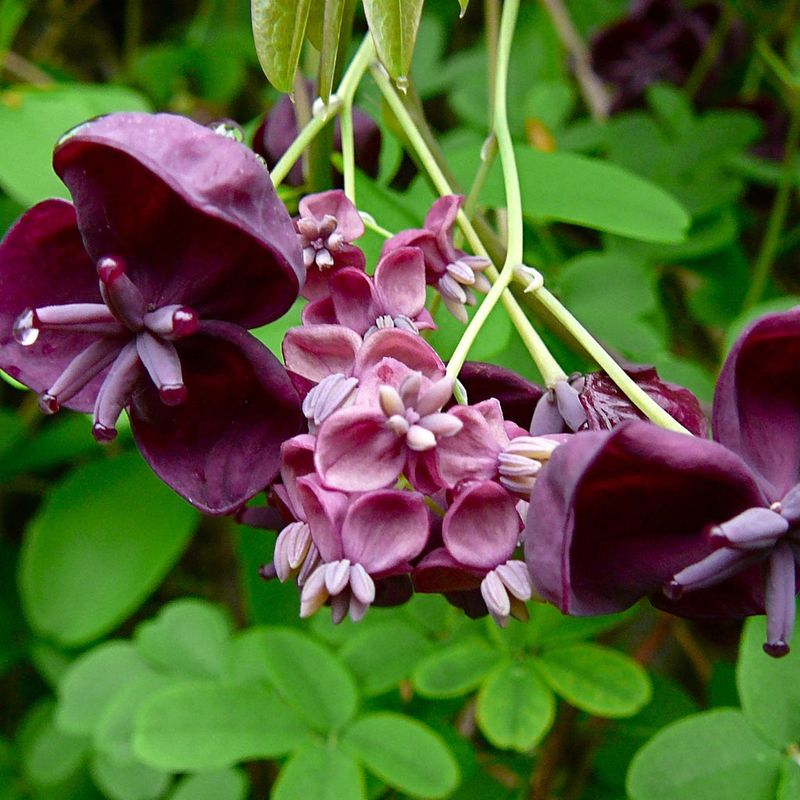
Chocolate Vine earns its sweet name from the vanilla-chocolate fragrance of its unusual spring flowers.
This semi-evergreen climber from Asia brings year-round interest to New York gardens, retaining foliage during mild winters.
The compound leaves consist of five rounded leaflets that create a delicate, lacy texture quite different from other shade vines.
Deep purple-brown flowers dangle in clusters during April and May, filling shaded areas with their distinctive sweet scent.
Chocolate Vine twines vigorously around supports, growing rapidly once established and sometimes requiring aggressive pruning.
The plant tolerates full shade but produces more flowers and potentially edible purple fruits with a bit of morning sunlight.
New York winters occasionally damage tender growth, but the vine typically bounces back quickly each spring.
This climber adapts to various soil types and tolerates both dry and moist conditions once its roots are established.
Many gardeners find Chocolate Vine’s unique appearance and fragrance worth the effort of keeping it contained.
The vine works beautifully on arbors, pergolas, or fences where its twining habit has plenty of room to roam.
Prune after flowering to control size and encourage bushier growth for better coverage and more blooms.
Chocolate Vine brings an exotic touch to shaded New York gardens while handling local growing conditions with surprising toughness.
8. Wintercreeper Euonymus
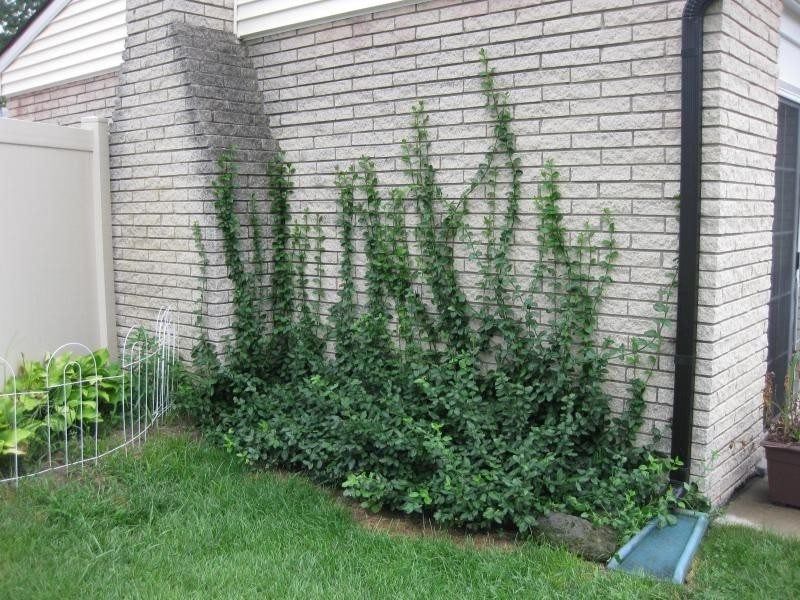
Wintercreeper Euonymus stands out among shade climbers with its colorful variegated foliage that brightens dark corners year-round.
Varieties with white, cream, or yellow leaf margins add cheerful color to New York gardens even during the dreariest winter months.
This evergreen vine attaches to surfaces using aerial rootlets, climbing slowly but steadily up walls, fences, or tree trunks.
The small, glossy leaves create a fine-textured appearance quite different from the bolder foliage of ivy or hydrangea vines.
Wintercreeper tolerates deep shade exceptionally well, though variegated forms show brighter colors with some indirect light.
This tough climber handles New York’s temperature extremes, urban pollution, and various soil conditions without complaint.
Some varieties develop pinkish or reddish tints during cold weather, adding extra seasonal interest to winter landscapes.
The vine grows at a moderate pace, making it manageable in smaller spaces where more vigorous climbers become overwhelming.
Wintercreeper works beautifully as both a climbing vine and a groundcover, adapting to whatever role your garden needs.
Regular trimming keeps the plant dense and compact while preventing it from spreading beyond desired boundaries.
Watch for scale insects occasionally, treating problems promptly with horticultural oil to keep foliage healthy and attractive.
This versatile evergreen brings reliable color and texture to challenging shaded spots throughout New York gardens in every season.