11 Climbing Plants That Can Thrive In Low-Light Washington Gardens
Washington gardens often struggle with cloudy skies and heavy tree cover that blocks sunlight from reaching your favorite plants and flowers.
Finding climbing plants that flourish without full sun can transform shaded fences, trellises, and walls into lush vertical gardens year-round.
These shade-tolerant vines bring color, texture, and beauty to dim corners where most flowering plants would simply refuse to grow.
Your Pacific Northwest garden deserves climbers that embrace the region’s unique light conditions and thrive in cooler, shadier environments naturally.
1. Climbing Hydrangea
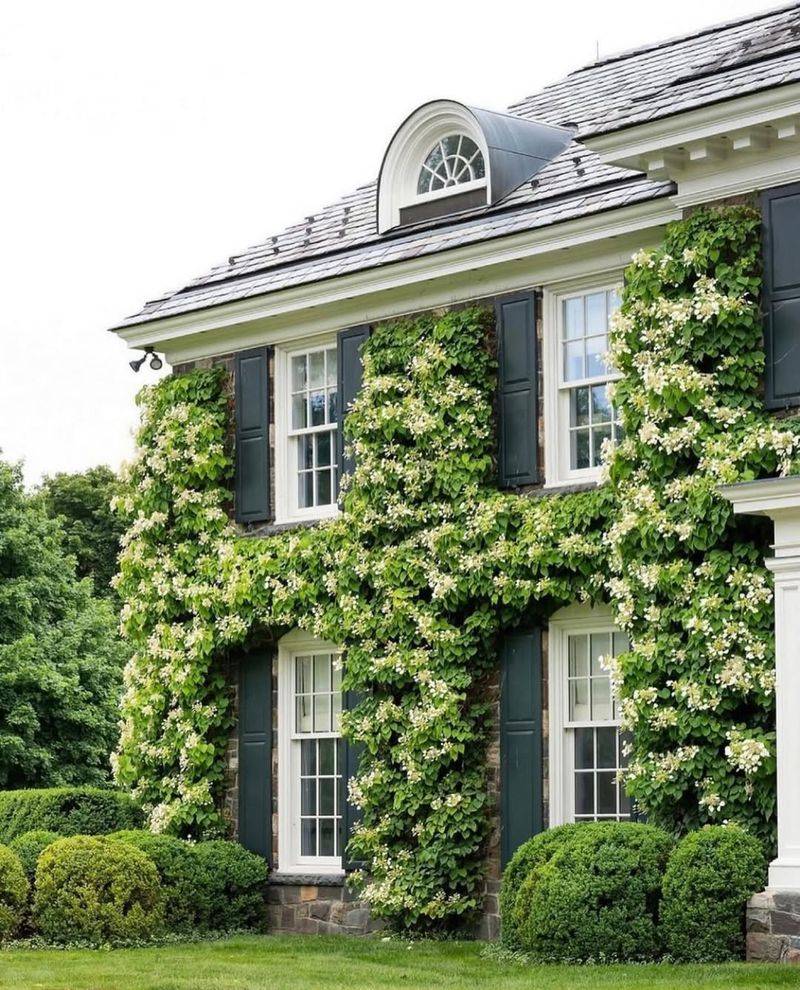
Climbing hydrangea stands as one of the most stunning shade-loving vines you can grow in Washington’s dim garden spaces throughout every season.
This deciduous climber attaches itself to walls, fences, and trees using aerial rootlets without needing wires or additional support structures installed.
White, lacy flower clusters appear in early summer, creating a spectacular display that brightens even the darkest corners of your yard.
The vine grows slowly during its first few years but eventually reaches impressive heights of thirty to fifty feet with proper care.
Heart-shaped leaves turn golden yellow in autumn, adding seasonal interest before dropping to reveal attractive exfoliating bark underneath during winter months.
Washington’s cool, moist climate suits this plant perfectly, as it prefers consistent moisture and protection from intense afternoon sun exposure daily.
Pruning is minimal once established, making it an excellent low-maintenance choice for busy gardeners who want beauty without constant work.
This vine performs best in zones four through seven, which covers most of Washington state from coast to mountain regions perfectly.
2. Virginia Creeper
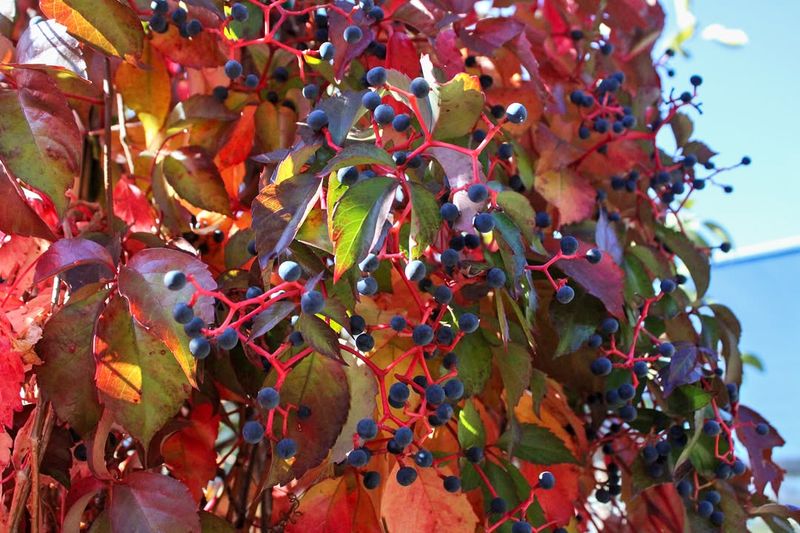
Few vines match the vigorous growth and adaptability of Virginia creeper when planted in shaded Washington gardens with limited sunlight available.
Five-pointed leaves create a dense green curtain across any vertical surface, using adhesive pads that cling tightly to brick, wood, or stone.
Fall transforms this humble vine into a breathtaking spectacle when leaves shift to brilliant shades of crimson, orange, and deep burgundy.
Birds absolutely adore the small blue-black berries that appear in late summer, making your garden a wildlife haven for feathered friends.
This native North American plant tolerates poor soil, drought, pollution, and deep shade far better than most other climbing species available today.
Growth can be rapid, sometimes reaching fifty feet in length, so regular trimming keeps it within desired boundaries and prevents unwanted spreading.
Washington gardeners appreciate how Virginia creeper handles the region’s wet winters and cool summers without showing signs of stress or disease.
Plant it away from painted surfaces, as the adhesive pads can damage or remove paint when you attempt to pull them off.
3. English Ivy
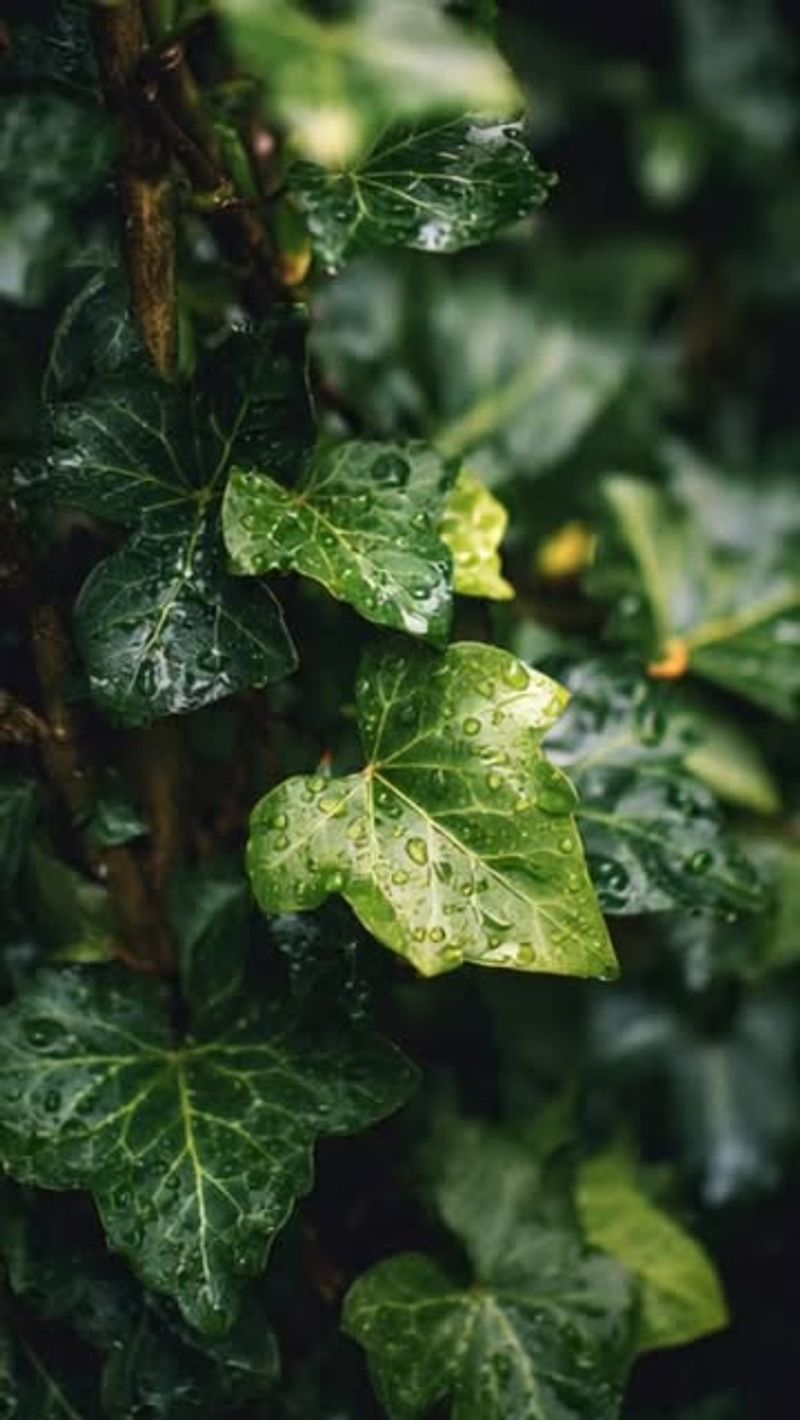
English ivy remains a classic choice for Washington gardeners seeking evergreen coverage in shady spots where other plants simply refuse to grow.
Dark green, glossy leaves stay vibrant all year long, providing consistent color and texture even during the coldest, grayest winter months.
This vigorous climber attaches using aerial roots, covering walls, fences, arbors, and tree trunks with dense, attractive foliage quite rapidly.
Mature plants develop woody stems and can produce small yellowish-green flowers followed by dark berries that birds find particularly appealing each year.
Washington’s mild, moist climate creates ideal conditions for English ivy, though some gardeners worry about its aggressive spreading habits in forests.
Regular maintenance and strategic pruning prevent this plant from becoming invasive or overwhelming other garden inhabitants growing nearby in shared spaces.
Consider growing English ivy on structures away from trees to enjoy its beauty without contributing to potential ecological concerns in natural areas.
Variegated varieties with cream or yellow markings brighten dim corners even more, adding visual interest to otherwise monotonous green garden walls.
4. Boston Ivy
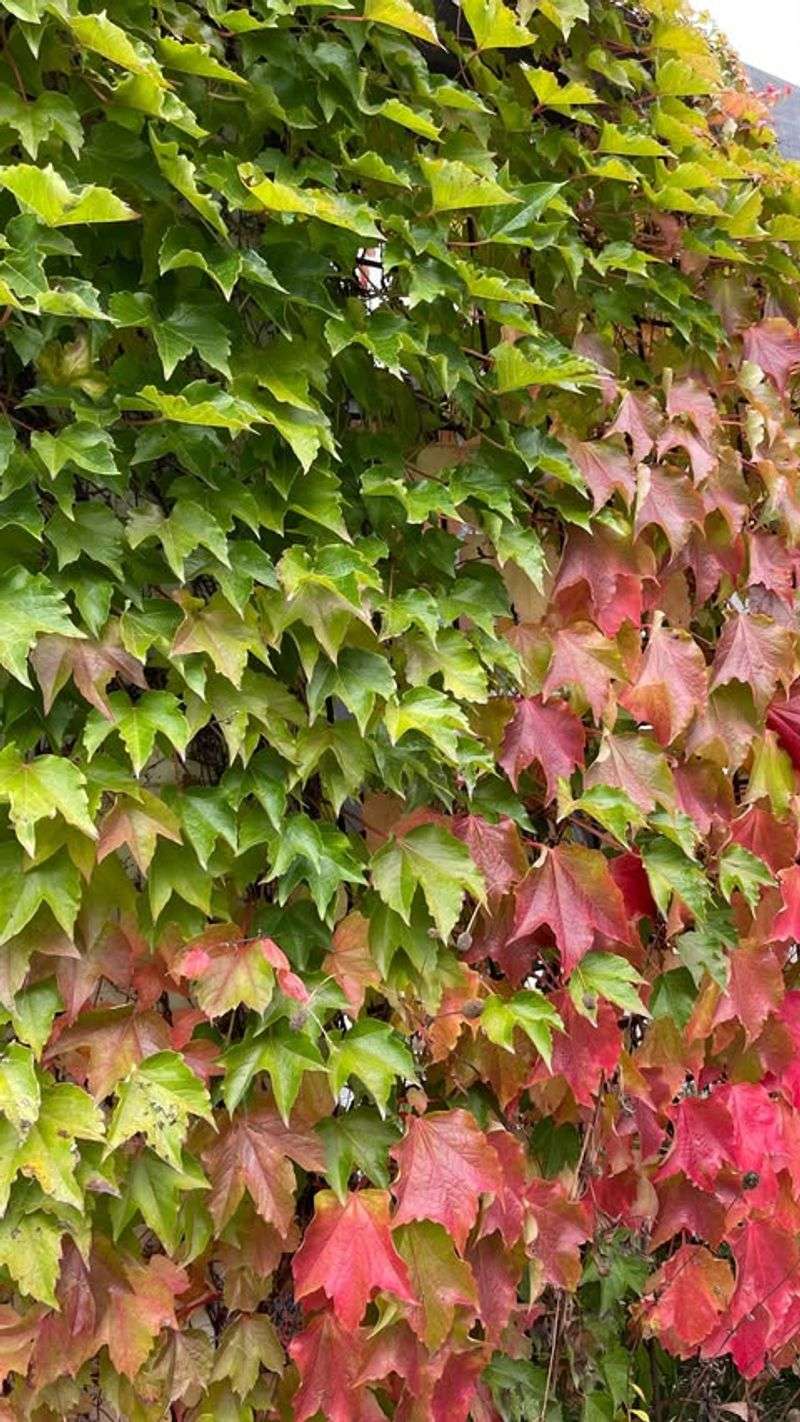
Boston ivy brings architectural elegance to shaded Washington walls with its three-lobed leaves that overlap like shingles on a classic building facade.
Unlike its cousin Virginia creeper, this vine features broader leaves that create a more uniform, refined appearance on any vertical surface available.
Adhesive pads allow Boston ivy to climb without support, clinging firmly to brick, stone, stucco, and wood with remarkable strength and persistence.
Autumn brings a spectacular transformation as leaves turn vivid shades of scarlet, orange, and purple before dropping to reveal interesting branch patterns.
This deciduous climber grows quickly once established, easily covering large expanses of wall space within just a few growing seasons of planting.
Washington’s cool temperatures and frequent rainfall suit Boston ivy perfectly, as it prefers consistent moisture and protection from harsh afternoon sun.
Small blue berries appear in fall, providing food for songbirds migrating through the Pacific Northwest during their long journeys south each year.
Keep Boston ivy trimmed away from gutters, windows, and roof eaves to prevent potential damage from its enthusiastic climbing and spreading habits.
5. Chocolate Vine
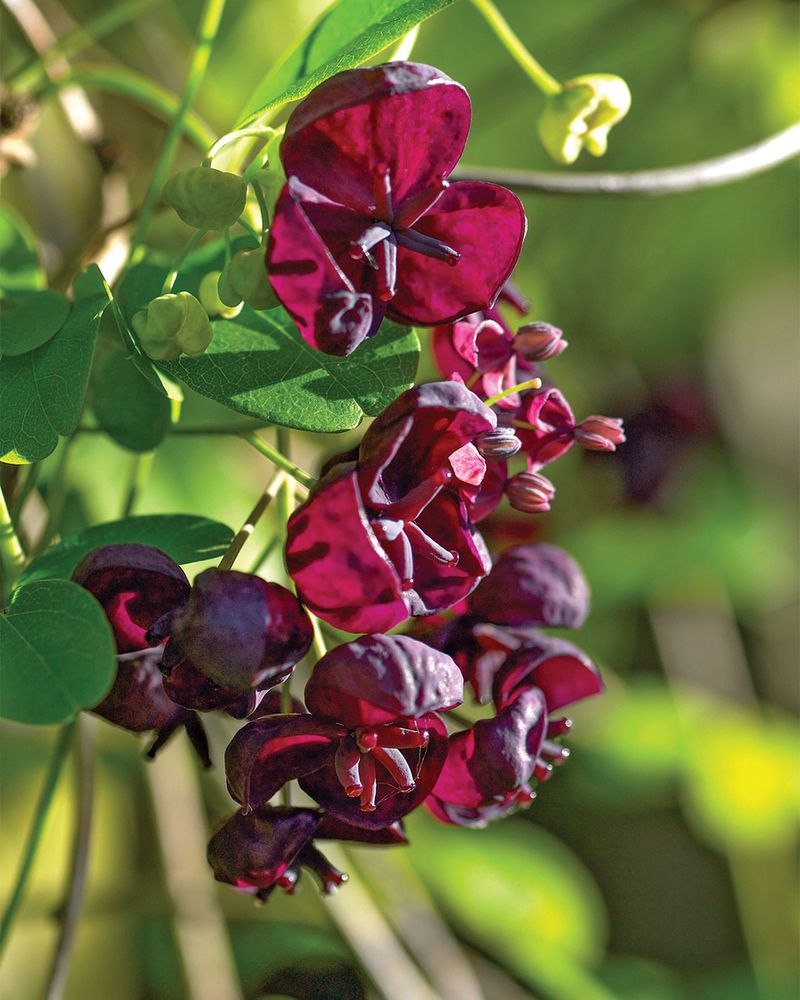
Chocolate vine earns its charming name from the unusual chocolate-scented purple flowers that bloom in spring, delighting gardeners with their sweet fragrance.
Five-fingered leaves create an airy, delicate appearance that contrasts beautifully with heavier, denser vines growing nearby in shaded garden areas.
This semi-evergreen climber stays green through mild Washington winters, providing year-round interest and coverage on fences, arbors, and pergola structures.
Twining stems wrap around supports naturally, requiring minimal guidance or training once you establish the initial direction for growth to follow.
In warmer microclimates, chocolate vine may produce unusual purple sausage-shaped fruits that split open to reveal edible white pulp inside each pod.
Fast growth makes this vine ideal for quickly covering unsightly structures or creating privacy screens in shaded areas where sunlight rarely reaches.
Washington gardeners appreciate how chocolate vine tolerates both shade and partial sun, adapting well to changing light conditions throughout different seasons.
Prune annually to control spread and prevent this enthusiastic grower from overtaking neighboring plants or wandering beyond its designated garden space permanently.
6. Climbing Bleeding Heart
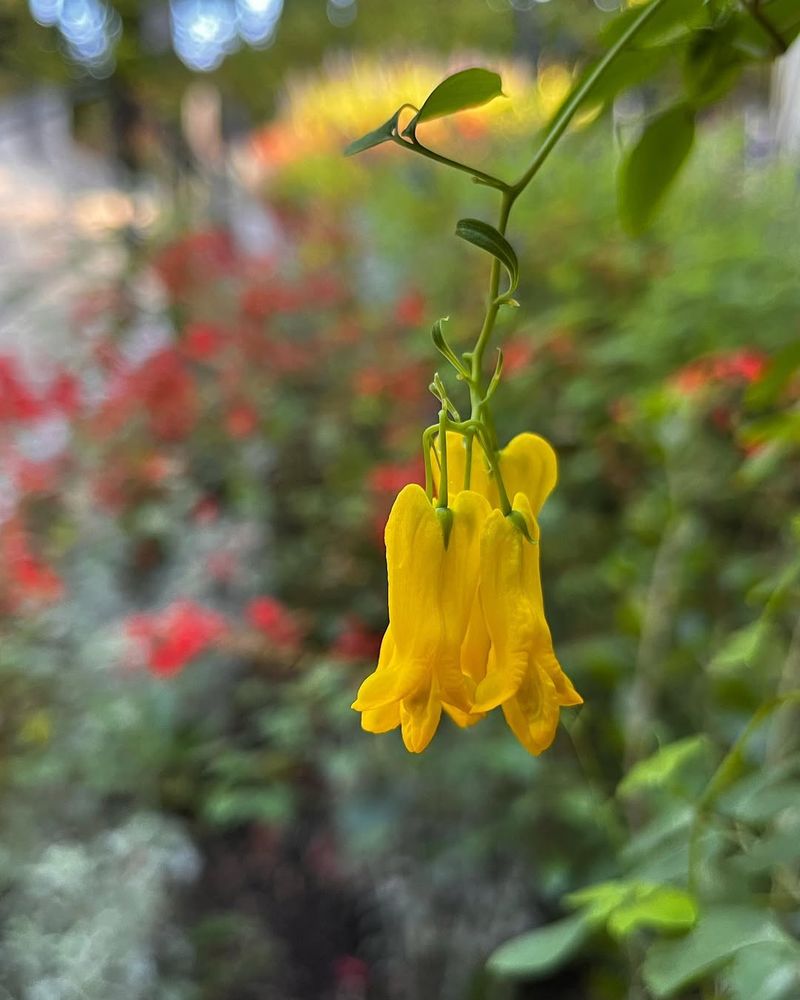
Climbing bleeding heart offers a softer, more delicate alternative to woody vines, with ferny foliage that creates an almost ethereal garden presence.
Bright yellow, heart-shaped flowers dangle from stems throughout summer, adding cheerful color to shaded spaces that desperately need visual warmth and brightness.
Unlike traditional bleeding hearts, this climbing version uses leaf tendrils to grasp supports, gently weaving through trellises, shrubs, and garden structures nearby.
The plant grows as a herbaceous perennial, meaning stems emerge fresh each spring rather than persisting as woody growth through cold winters.
Washington’s cool, moist growing conditions suit climbing bleeding heart perfectly, as it prefers shade and consistent soil moisture without drying periods.
This vine reaches heights of eight to twelve feet during the growing season, creating vertical interest without overwhelming smaller garden spaces.
Flowers attract hummingbirds and bees, bringing pollinator activity to shaded areas where these beneficial insects might not otherwise visit throughout the day.
Allow stems to wither naturally in fall, then cut back withered growth in early spring before new shoots emerge from the ground.
7. Dutchman’s Pipe
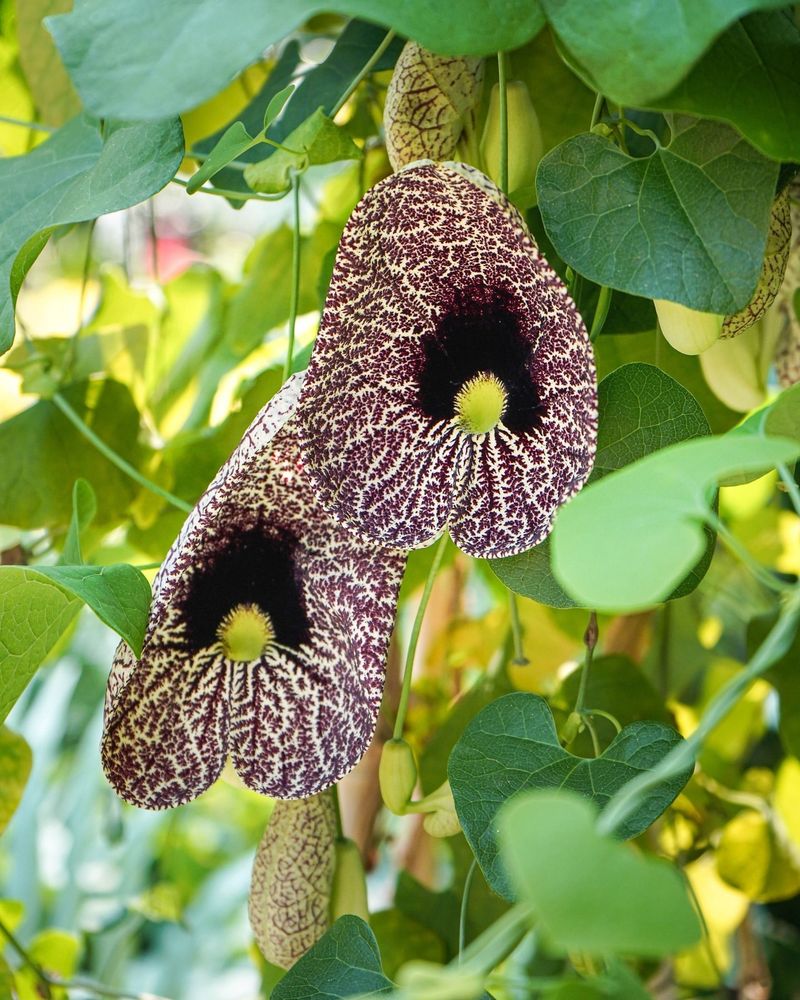
Dutchman’s pipe fascinates gardeners with its enormous heart-shaped leaves that can reach ten inches across, creating instant tropical-looking coverage in shade.
Unusual pipe-shaped flowers hide beneath the foliage in early summer, their brownish-purple color and curved form resembling old-fashioned smoking pipes perfectly.
This vigorous climber twines around supports, quickly covering arbors, pergolas, and fences with dense foliage that provides excellent privacy and shade.
Large leaves overlap to create a solid green curtain that blocks views and filters wind, making it ideal for screening unwanted sights effectively.
Washington’s mild climate supports Dutchman’s pipe well, as it prefers cool temperatures and consistent moisture without prolonged dry spells or intense heat.
The vine serves as a host plant for pipevine swallowtail butterflies, whose caterpillars feed exclusively on Aristolochia species across their range.
Growth can be extremely rapid once established, sometimes reaching twenty to thirty feet in a single season with proper care and conditions.
Prune in early spring before new growth begins to maintain desired size and shape, removing any damaged or overcrowded stems carefully.
8. Japanese Hydrangea Vine
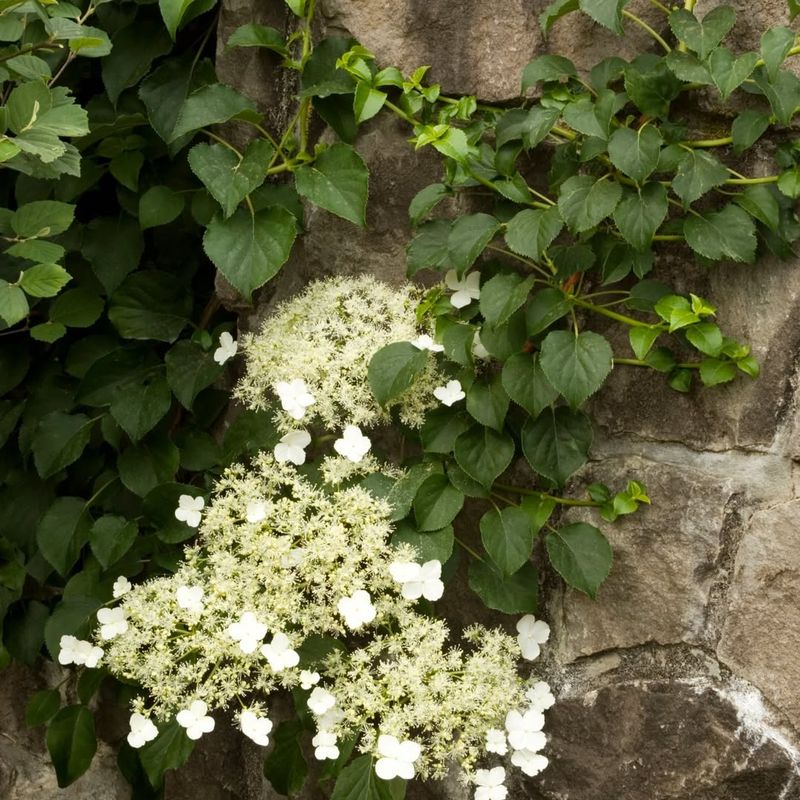
Japanese hydrangea vine closely resembles climbing hydrangea but features more pointed leaves and slightly different flower structures that create subtle visual distinctions.
White lacecap flowers appear in early summer, their delicate appearance belying the plant’s tough nature and ability to thrive in challenging conditions.
Aerial roots allow this vine to climb without additional support, attaching firmly to walls, fences, and tree trunks throughout your garden space.
Slow initial growth requires patience, but established plants eventually reach impressive heights of thirty feet or more with proper care and conditions.
Washington’s cool, moist climate provides ideal growing conditions, as this vine prefers shade and protection from hot afternoon sun exposure daily.
Exfoliating bark on mature stems adds winter interest after leaves drop, revealing attractive tan and brown patterns on older woody growth.
This vine tolerates deep shade better than many other flowering climbers, making it perfect for north-facing walls and heavily wooded areas.
Minimal pruning needs make Japanese hydrangea vine an excellent choice for low-maintenance gardens where you want beauty without constant attention required.
9. Wintercreeper Euonymus
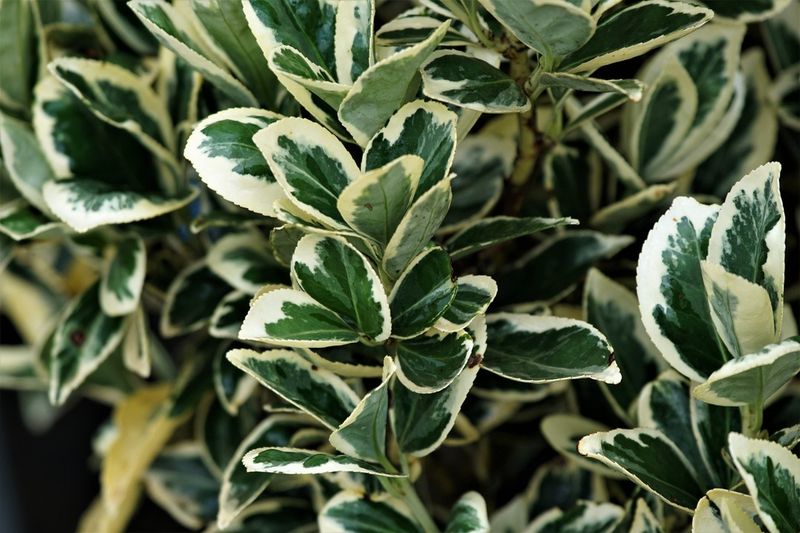
Wintercreeper euonymus provides year-round evergreen coverage in shaded Washington gardens where consistent foliage color remains important throughout all seasons and weather.
Variegated varieties with white, cream, or yellow leaf margins brighten dim corners significantly more than solid green forms available at nurseries.
This versatile plant works equally well as a groundcover or climbing vine, depending on how you train and support it initially.
Small aerial roots allow wintercreeper to climb walls, fences, and tree trunks without needing wires, strings, or elaborate support systems installed.
Washington’s mild winters rarely damage this hardy evergreen, which tolerates temperatures well below freezing without showing signs of stress or foliage burn.
Growth rate varies depending on conditions, but established plants can eventually cover substantial areas with dense, attractive foliage year after year.
Monitor for scale insects, which occasionally affect euonymus species, treating promptly with horticultural oil sprays if infestations appear on leaves or stems.
Prune anytime during the growing season to maintain desired shape and size, removing wayward shoots that stray beyond intended boundaries regularly.
10. Climbing Fern
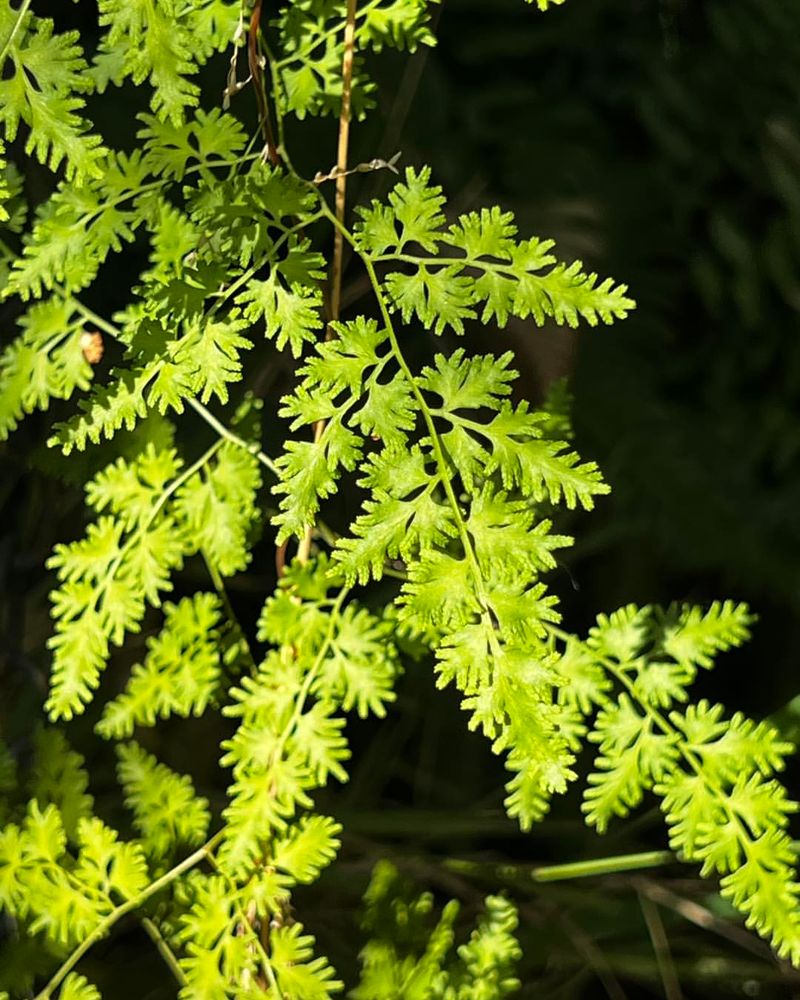
Climbing fern brings an unusual, prehistoric quality to shaded Washington gardens with its delicate fronds that twine gracefully around any available support.
Unlike most ferns that form clumps, this species sends up individual fronds that can reach ten feet or more in length annually.
Soft, lacy foliage creates a light, airy appearance that contrasts beautifully with heavier, bolder-leaved plants growing nearby in shared garden spaces.
This fern prefers consistently moist soil and high humidity, conditions that Washington’s climate naturally provides throughout most of the growing season.
Fronds emerge fresh each spring, unfurling slowly as they climb through shrubs, small trees, or specially installed trellis supports in gardens.
Washington gardeners find climbing fern particularly useful for adding vertical interest to woodland gardens where traditional flowering vines might struggle significantly.
The plant tolerates deep shade exceptionally well, thriving in areas that receive only dappled sunlight filtering through tree canopies overhead daily.
Cut back withered fronds in late winter before new growth begins, keeping the area tidy and preventing old foliage from smothering emerging shoots.
11. Clematis Montana
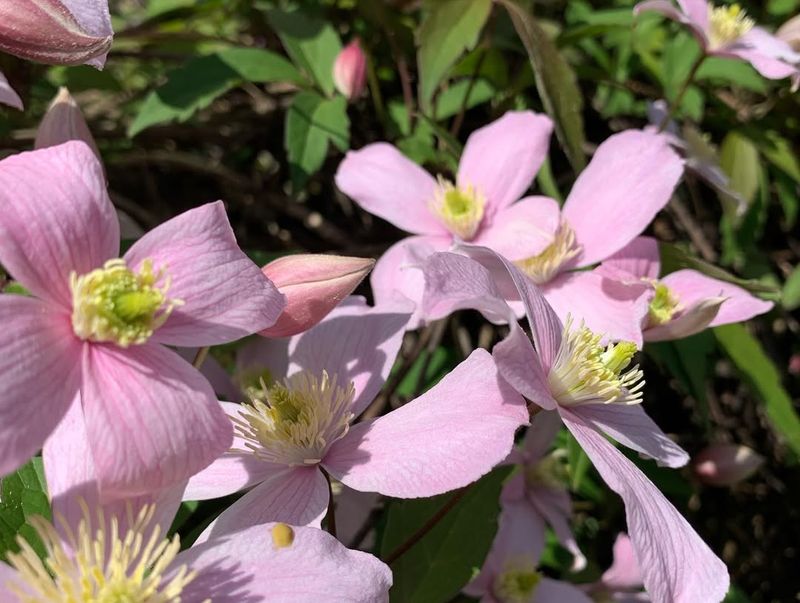
Clematis montana stands apart from other clematis varieties by tolerating more shade and producing spectacular masses of spring flowers in cooler climates.
Pink or white four-petaled blooms cover the entire vine in late spring, creating a breathtaking floral display that rivals any sun-loving climber.
This vigorous grower can reach twenty to thirty feet in length, making it perfect for covering large arbors, pergolas, and fences quickly.
Unlike large-flowered clematis hybrids, montana varieties require minimal pruning and rarely suffer from clematis wilt disease that affects other species significantly.
Washington’s cool springs and mild summers provide ideal conditions, as this clematis prefers moderate temperatures without extreme heat or prolonged cold periods.
Twining leaf stems wrap around supports naturally, requiring only initial guidance to establish the direction you want growth to follow permanently.
Plant with roots in shade and allow vines to reach toward brighter areas, following the traditional advice for all clematis species.
Fragrant varieties fill shaded garden areas with sweet vanilla scent during bloom time, adding sensory appeal beyond just visual beauty alone.